
Tommy Tuberville wants to make daylight savings time permanent
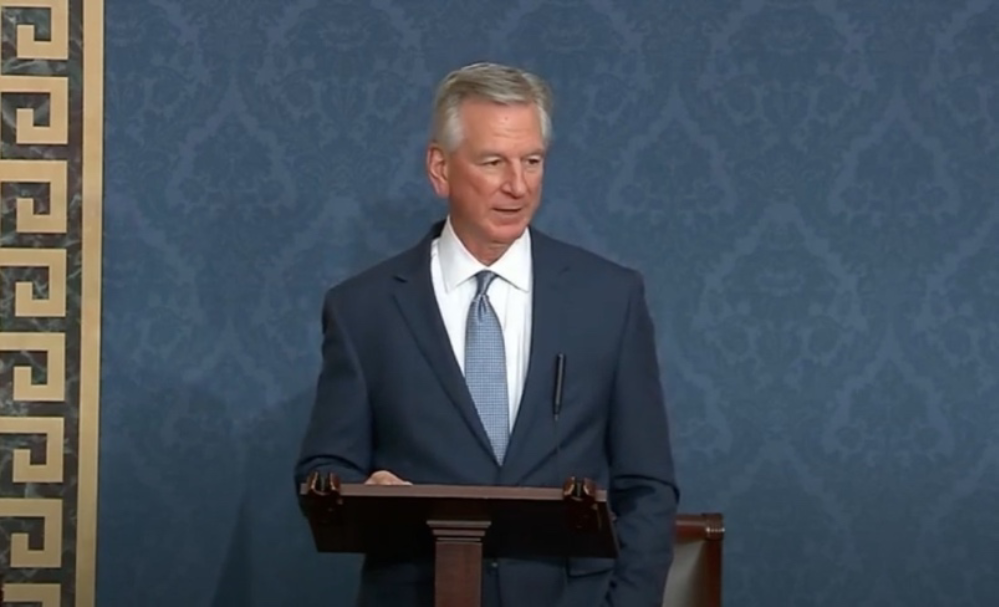
On Sunday, we will all get to sleep for an extra hour before getting up to prepare for Church, but the sun will set at 4:51 – an hour earlier than on Saturday. This is because we are changing from daylight savings time to standard time. In the spring, we will change back to daylight savings time. U.S. Senator Tommy Tuberville wants to change this annual rolling clocks forward and setting clocks back ritual and go to daylight saving time permanently. Tuberville is a cosponsor of the Sunshine Protection Act, a bill to make DST permanent. Tuberville joined sponsor Marco Rubio and his colleagues earlier this year to raise awareness on the issue. The Senate passed the Sunshine Protection Act by unanimous consent on March 15, 2022. “First of all, I would like to thank my colleagues on both sides of the aisle for getting out here and starting us down the road of making daylight saving time permanent,” Tuberville stated. “I cannot overstate how grateful that I am that this bill has passed this chamber by unanimous consent. It is especially timely because we all had to change our clocks this weekend, and we are now experiencing longer, sunnier days, but it would be better if this were a new norm and not a cause for a temporary seasonal celebration. That is why I hope my colleagues in the House of Representatives pass this bill quickly. The practice of springing forward impacts folks across the nation and has a far-reaching impact beyond the obvious.” “An enjoyable hour of daylight brings happy times to everybody,” Tuberville said. “Alabamians have made this clear. Since I joined Senator Rubio in support of the Sunshine Protection Act, the phones in my office have been absolutely ringing off the hook in support of permanently adopting daylight savings time. Moms and dads who want more daylight time before putting their kids to bed, so dinner time does not feel like bedtime. Elderly people who want more time in the evening to take a walk and to work in their yards. Farmers who could use the extra daylight time to work in the fields. For them, it is a better business model and adds to the bottom line.” “Locking the clock or doing away with twice-a-year time changes is a simple measure that would have far-reaching results,” Tuberville continued. “From a health perspective, cases of SAD or seasonal affective disorder are much more common in the winter months than the summer months. From an economic perspective, the time change costs the U.S. economy $430 million annually when accounting for lost productivity. It makes common sense to update this outdated practice.” “I hope the House acts quickly so we can get this to the President’s desk so we can get the result that the American people want, which is more sunshine,” Tuberville concluded. The House has yet to act on the measure. Sen. Tuberville was elected in 2020 – defeating Democratic incumbent Sen. Doug Jones. To connect with the author of this story, or to comment, email brandonmreporter@gmail.com.
Tommy Tuberville cosponsors bill to make Daylight Savings Time permanent
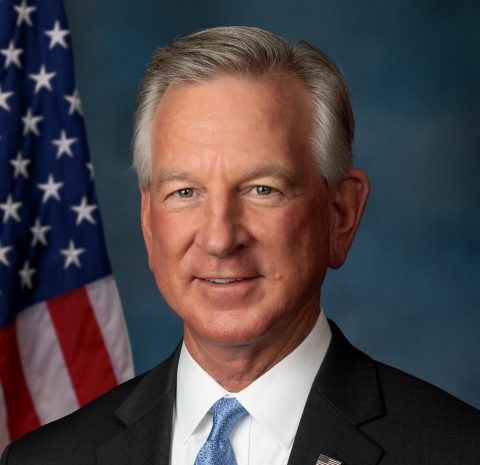
U.S. Senator Tommy Tuberville joined fellow senator Marco Rubio in an effort to make Daylight Saving Time (DST) permanent across the country. Tuberville became a cosponsor of the Sunshine Protection Act in a show of support for modernizing the antiquated practice of adjusting daylight hours twice a year. Although many states have pushed to make DST permanent, a change in the federal statute is required. Benjamin Franklin proposed the concept of Daylight Savings Time in 1784. However, DST didn’t officially begin until more than a century later. Germany established DST in May 1916, aiming to conserve fuel during World War I. In 1918, the United States adopted daylight saving time. “Alabamians have made it clear that springing forward and falling back should be a thing of the past,” Tuberville said in a press release. “Centuries ago, a time change might have made sense, but it doesn’t today. An additional hour of sunshine during cold winter months would be welcome news for folks on their way to work and kids on their way home from school. It just makes sense to pass the Sunshine Protection Act.” The legislation, if enacted, would apply to those states who currently participate in DST, which most states observe for eight months out of the year. From November to March, Standard Time is only observed for four months out of the year. The bill would negate the need for Americans to change their clocks twice a year. Many studies have shown that making DST permanent could benefit the economy and the country. Daylight Saving Time begins this year on Sunday, March 14, and lasts until Sunday, November 7.
