
Shutdown suspends federal cleanups at Birmingham, other Superfund sites
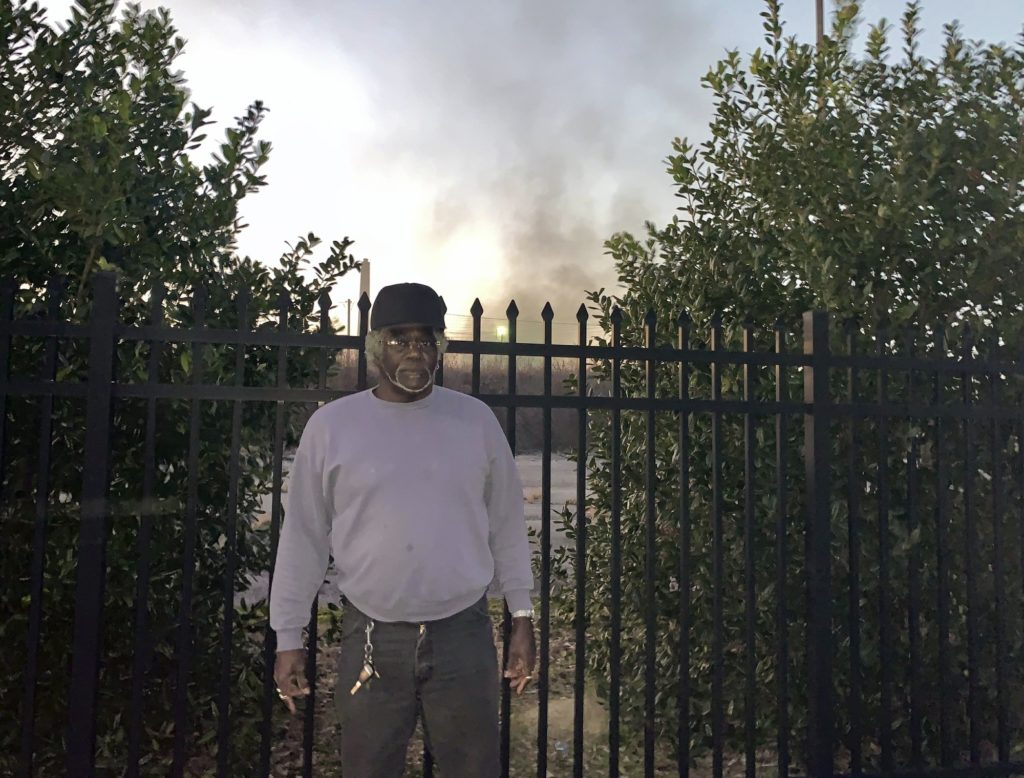
The government shutdown has suspended federal cleanups at Superfund sites around the nation and forced the cancellation of public hearings, deepening the mistrust and resentment of surrounding residents who feel people in power long ago abandoned them to live among the toxic residue of the country’s factories and mines. “We are already hurting, and it’s just adding more fuel to the fire,” says 40-year-old Keisha Brown, whose wood-frame home is in a community nestled among coking plants and other factories on Birmingham’s north side. The mostly African-American community has been forced to cope with high levels of arsenic, lead and other contaminants in the soil that the Environmental Protection Agency has been scraping up and carting away, house by house. As President Donald Trump and Congress battle over Trump’s demand for a wall on the southern U.S. border, the nearly 3-week-old partial government shutdown has stopped federal work on Superfund sites except for cases where the administration deems “there is an imminent threat to the safety of human life or to the protection of property.” EPA’s shutdown plans said the agency would evaluate about 800 Superfund sites to see how many could pose an immediate threat. As an example of that kind of threat, it cited an acid leak from a mine that could threaten the public water supply. That’s the hazard at Northern California’s Iron Mountain mine, where EPA workers help prevent an unending flow of lethally acidic runoff off the Superfund site from spilling into rivers downstream. Practically speaking, said Bonnie Bellow, a former EPA official who worked on Superfund public outreach at the agency, the impact of the stoppage of work at sites across the nation “wholly depends” on the length of the shutdown. “Unless there is immediate risk like a storm, a flood, a week or two of slowdowns is not going to very likely affect the cleanup at the site,” Bellow said. In north Birmingham, Brown said it’s been a couple of weeks since she’s spotted any EPA crews at people’s houses. It wasn’t clear if state workers or contractors were continuing work. But long before the shutdown began, Brown harbored doubts the cleanup was working anyway. “My main concern is the health of the people out here,” said Brown, who has asthma. “All of us are sick, and we’ve got to function on medicine every day.” In terms of time, the federal government shutdown is a chronological blip in the long history of the site — which includes ethics charges in a local bribery scandal to block federal cleanup efforts — but adds to the uncertainty in an area where residents feel forgotten and betrayed. At the EPA, the shutdown has furloughed the bulk of the agency’s roughly 14,000 employees. It also means the EPA isn’t getting most of the daily stream of environmental questions and tips from the public. Routine inspections aren’t happening. State, local and private emails to EPA officials often get automated messages back promising a response when the shutdown ends. In Montana, for instance, state officials this month found themselves fielding calls from a tribal member worried about drinking water with a funny look to it, said Kristi Ponozzo, public-policy director at that state’s Department of Environmental Quality. The EPA normally provides tribes with technical assistance on water supplies. With most EPA colleagues idled, Ponozzo said, her agency also had to call off an environmental review meeting for a mining project, potentially delaying the project. But it’s the agency’s work at Superfund sites — lessening the threat from old nuclear-weapons plants, chemical factories, mines and other entities — that gets much of the attention. Absent imminent peril, it would be up to state governments or contractors to continue any cleanup during the shutdown “up to the point that additional EPA direction or funding is needed,” the EPA said in a statement. “Sites where cleanup activities have been stopped or shut down will be secured until cleanup activities are able to commence when the federal government reopens,” the agency said. For federal Superfund sites in Michigan, the shutdown means there are no EPA colleagues to consult, said Scott Dean, a spokesman for that state’s Department of Environmental Quality. At Michigan Superfund sites, day-to-day field operations were continuing since private contractors do most of the on-the-ground work, Dean said. Bellow, the former EPA official, said the cancellation of hearings about Superfund sites posed immediate concerns. In East Chicago, Indiana, for example, the EPA called off a planned public hearing set for last Wednesday to outline how the agency planned to clean up high levels of lead and arsenic in the soil. The EPA has proposed a seven-month, $26.5 million cleanup that includes treating and removing tainted soil from the area, where a lead smelter previously was located. During a public meeting Nov. 29, some residents complained that the EPA’s approach would leave too much pollution in place. But others didn’t get a chance to speak and were hoping to do so at the meeting this week, said Debbie Chizewer, a Northwestern University environmental attorney who represents community groups in the low-income area. The EPA announced the cancellation in an online notice and gave no indication that it would be rescheduled. Leaders of the East Chicago Calumet Community Advisory Group asked for a new hearing date and an extension of a Jan. 14 public comment deadline in a letter to the EPA’s regional Superfund division. Calls by The Associated Press to the agency’s regional office in Chicago this week were not answered. Local critics fear the EPA will use the delay caused by the shutdown as justification for pushing ahead with a cleanup strategy they consider flawed, Chizewer said, even though the agency has designated the affected area as an “environmental justice community” — a low-income community of color that has been disproportionately harmed by pollution. The EPA has a “special obligation” when dealing with such communities, Chizewer said. “This would be an example of shutting them out for no good reason.”
Randall Woodfin, Terri Sewell tour North Birmingham Superfund Site

Earlier this month Birmingham Mayor Randall Woodfin sent a letter to the Environmental Protection Agency (EPA) last week insisting that they add the North Birmingham 35th Avenue Superfund Site to their National Priorities list. On Wednesday, Rep. Terri Sewell and Mayor Randall Woodfin were joined by city, state and neighborhood leaders — including Councilor William Parker, State Rep. Mary Moore and EPA Region 4 Superfund Division Director Franklin Hill — during a tour of the Superfund Site, which consists of contaminated soil from industrial pollution. According to Hill, the study site of roughly 2,000 properties revealed that 390 sites have undergone the contamination removal process; 127 sites are in need of treatment. “What’s concerning all of us is the fact that there are 500 or so sites that are either abandoned properties or people refused to allow the EPA to come on and remove from those sites,” Sewell said. “I think it’s important to get active members of the community involved to reach out to hesitant residents.” “There are real, tangible issues here that have affected people where they live, where they eat, where they sleep every single day,” Woodfin said. “What we’re committed to, based on everything that has happened, is that this area gets the resources, focus and attention it needs to make sure the residents get what they need to be safe.” “No neighborhood should ever be left with toxic soil – that’s an environmental injustice that hurts our families and our children,” Sewell added on Facebook about her visit to the site. “We’re joining together today in our fight for a full cleanup that corrects that injustice. Our families deserve better.” History of the site On July 19, 2018, a federal jury convicted a coal executive and an attorney who represented the coal company in a criminal conspiracy to prevent the North Birmingham 35th Avenue Superfund Site from advancing to the NPL. According to EPA guidelines, a site may be included on the NPL if it scores 28.50 or greater on the agency’s Hazard Ranking System. The North Birmingham 35th Avenue Superfund Site scored a 50. In the letter to EPA Administrator Andrew Wheeler, Woodfin said: “As a result of these illegal actions, thousands remain at risk, including the 1,070 people living in 394 public housing units and 751 children attending Hudson K-8 school.” “The United States Attorney has already done their part by exposing this criminal hoax and bringing those responsible to justice,” the letter continues. “Still these injustices continue until The North Birmingham 35th Avenue Superfund Site is placed on the National Priorities List and all necessary resources are provided to the people of this community.” Woodfin has asked residents to sign a petition urging the EPA to take action. The petition has garnered nearly 2,000 as of this was published. View the press conference below:
