
Student loan forgiveness could help more than 40 million
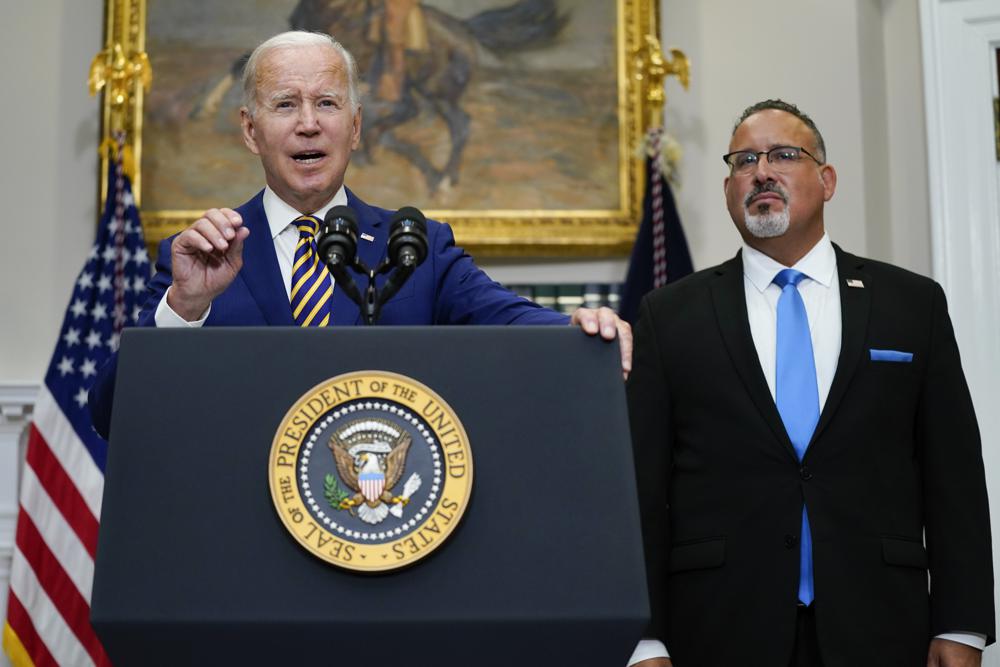
More than 40 million Americans could see their student loan debt reduced — and in many cases eliminated — under the long-awaited forgiveness plan President Joe Biden announced Wednesday, a historic but politically divisive move in the run-up to the midterm elections. Fulfilling a campaign promise, Biden is erasing $10,000 in federal student loan debt for those with incomes below $125,000 a year, or households that earn less than $250,000. He’s canceling an additional $10,000 for those who received federal Pell Grants to attend college. It’s seen as an unprecedented attempt to stem the tide of America’s rapidly rising student debt, but it doesn’t address the broader issue — the high cost of college. Republicans quickly denounced the plan as an insult to Americans who have repaid their debt and to those who didn’t attend college. Critics across the political spectrum also questioned whether Biden has authority for the move, and legal challenges are virtually certain. Biden also extended a pause on federal student loan payments for what he called the “final time.” The pause is now set to run through the end of the year, with repayments to restart in January. “Both of these targeted actions are for families who need it the most: working and middle-class people hit especially hard during the pandemic,” Biden said at the White House Wednesday afternoon. The cancellation applies to federal student loans used to attend undergraduate and graduate school, along with Parent Plus loans. Current college students qualify if their loans were issued before July 1. For dependent students, their parents’ household income must be below $250,000. Most people will need to apply for the relief. The Education Department has income data for a small share of borrowers, but the vast majority will need to prove their incomes through an application process. Officials said applications will be available before the end of the year. Biden’s plan makes 43 million borrowers eligible for some debt forgiveness, with 20 million who could get their debt erased entirely, according to the administration. About 60% of borrowers are recipients of federal Pell Grants, which are reserved for undergraduates with the most significant financial need, meaning more than half can get $20,000 in relief. Sabrina Cartan, a 29-year-old media strategist in New York City, is expecting her federal debt to get wiped out entirely. When she checked the balance Wednesday, it was $9,940. Cartan used the loans to attend Tufts University, and with Biden’s plan, she will be able to help her parents repay the additional thousands they borrowed for her education. As a first-generation college student, she called it a “leveling moment.” “I know there are people who feel that this isn’t enough, and that is true for a lot of people,” said Cartan, who already has repaid about $10,000 of her loans. “I can say for me personally, and for a lot of people, that is a lot of money.” For Braxton Simpson, Biden’s plan is a great first step, but it’s not enough. The 23-year-old MBA student at North Carolina Central University has more than $40,000 in student loans. As an undergraduate student, she took jobs to minimize her debt, but at $10,000 a semester, the costs piled up. As a Black woman, she felt higher education was a requirement to obtain a more stable financial future, even if that meant taking on large amounts of debt, she said. “In order for us to get out of a lot of the situations that have been systemically a part of our lives, we have to go to school,” Simpson said. “And so we end up in debt.” The plan doesn’t apply to future college students, but Biden is proposing a separate rule that would reduce monthly payments on federal student debt. The proposal would create a new payment plan requiring borrowers to pay no more than 5% of their earnings, down from 10% in similar existing plans. It would forgive any remaining balance after ten years, down from 20 years now. It would also raise the floor for repayments, meaning no one earning less than 225% of the federal poverty level would need to make monthly payments. As a regulation, it would not require congressional approval. But it can take more than a year to finalize. Biden’s plan comes after more than a year of deliberation, with the president facing strong lobbying from liberals who wanted sweeping debt forgiveness, and from moderates and conservatives who questioned its basic fairness. Once a popular campaign promise during the presidential primary, the issue created an almost unwinnable situation. Some fellow Democrats criticized the plan Wednesday, saying it’s too costly and does little to solve the debt crisis. “In my view, the administration should have further targeted the relief, and proposed a way to pay for this plan,” said Sen. Michael Bennet, D-Colo. “While immediate relief to families is important, one-time debt cancellation does not solve the underlying problem.” Still, many Democrats rallied around it, including support from those who wanted Biden to go beyond $10,000. “I will keep pushing for more because I think it’s the right thing to do,” said Sen. Elizabeth Warren, D-Mass., who had urged Biden to forgive up to $50,000 a person. “But we need to take a deep breath here and recognize what it means for the president of the United States to touch so many hard-working middle-class families so directly.” Proponents see cancellation as a matter of racial justice. Black students are more likely to take out federal student loans at higher amounts than their white peers. The NAACP, which pressed Biden to cancel at least $50,000 per person, said the plan is “one step closer” to lifting the burden of student debt. Derrick Johnson, the group’s president, urged Biden to cancel the debt quickly and without bureaucratic hurdles for borrowers. Biden’s decision to impose an income cap goes against objections from some who say adding the detailed application process to verify incomes could deter some borrowers who need help the most. The Biden administration defended the cap
Joe Biden selects California Sen. Kamala Harris as running mate

In choosing Kamala Harris, Joe Biden is embracing a former rival from the Democratic primary who is familiar with the unique rigor of a national campaign.
Elizabeth Warren’s outreach to black voters could help VP standing
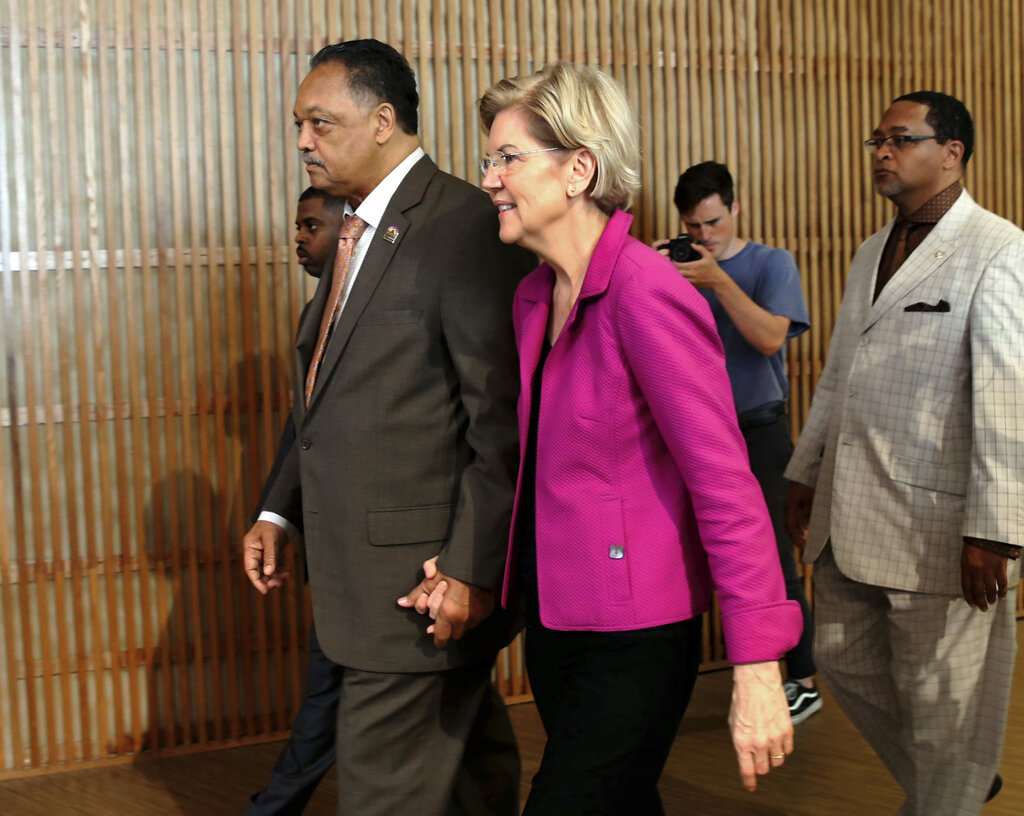
The pair speak frequently, and Warren hosted a virtual fundraiser for Biden on Monday that raised an impressive $6 million.
On Super Tuesday eve, Joe Biden gets boost from former rivals
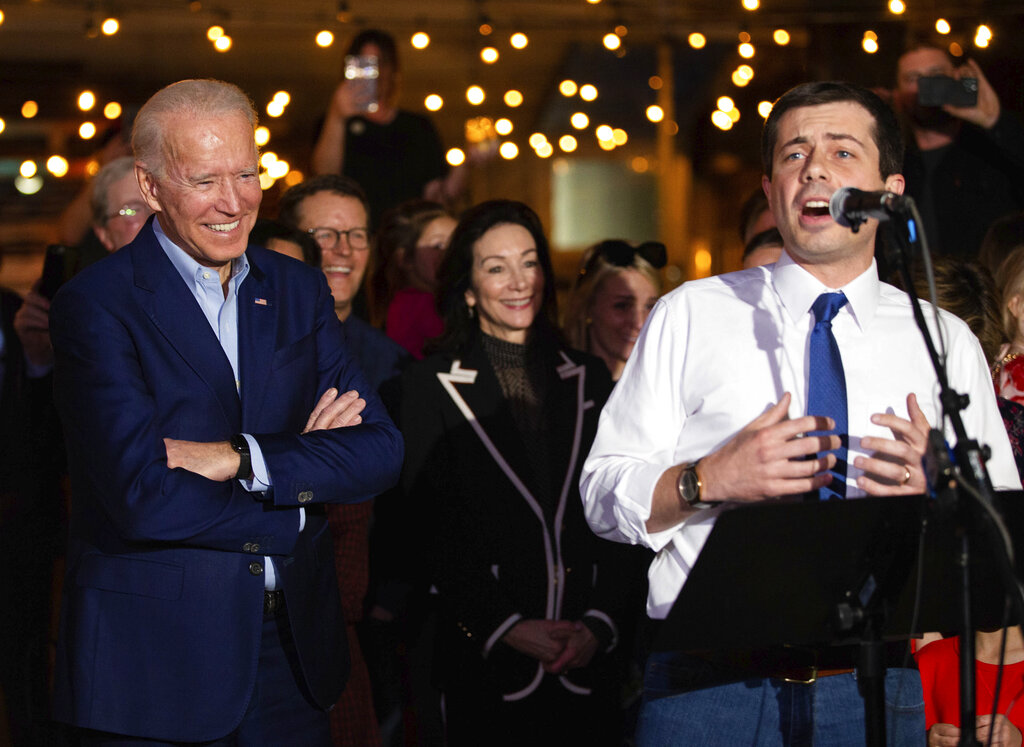
Biden received the support of former rivals, Pete Buttigieg and Amy Klobuchar.
Donald Trump steps up effort to dispute and distract on Russia

After weeks on the defensive, President Donald Trump has stepped up his efforts to dispute, downplay and distract from revelations stemming from the investigations into the Kremlin’s interference in last year’s election and possible Russian ties to his campaign associates. The White House says the real story is not about Russia — it’s about how Obama administration officials allegedly leaked and mishandled classified material about Americans. Trump and his aides have accused former officials of inappropriately disclosing — or “unmasking” — the names of Trump associates whose conversations were picked up by U.S. intelligences agencies. “Such amazing reporting on unmasking and the crooked scheme against us by @foxandfriends,” Trump tweeted Monday. ‘Spied on before nomination.’ The real story.” The White House has not pointed to any hard evidence to support such allegations, and instead has relied on media reports from some of the same publications Trump derides as “fake news.” The truth is buried somewhere in classified material that is illegal to disclose. Here’s a look at what the White House believes is the real story. __ THE FLYNN AFFAIR Trump fired national security adviser Michael Flynn following news reports that Flynn misled the White House about his contacts with Russia’s ambassador to the U.S. But the White House says the problem is that Flynn’s conversations were in the news at all. “The real story here is why are there so many illegal leaks coming out of Washington?” Trump tweeted after firing Flynn in February. The White House has called for investigations into the disclosure of multiple intercepted conversations that Flynn had with Ambassador Sergey Kislyak before the inauguration. The government routinely monitors the communications of foreign officials in the U.S. It’s illegal to publicly disclose such classified information. Officially, the White House said Flynn was forced to resign because he had given inaccurate descriptions of the discussions to Vice President Mike Pence and others in the White House. But Trump has continued to defend Flynn, suggesting he was only fired because information about his contacts came out in the media. “Michael Flynn, Gen. Flynn is a wonderful man,” Trump said. “I think he’s been treated very, very unfairly by the media.” ___ THE OBAMA ADMINISTRATION White House officials say some Obama holdovers are part of a so-called deep state out to tear Trump down. Last week, the White House latched onto a month-old television interview from an Obama administration official who said she encouraged congressional aides to gather as much information on Russia as possible before the inauguration. Evelyn Farkas, the former deputy assistant secretary of defense, said she feared that information “would disappear” after President Barack Obama left office. She was no longer in government at the time, having left the Pentagon about a year before the election. White House spokesman Sean Spicer called Farkas’ comments “devastating” and said they “raised serious concerns on whether or not there was an organized and widespread effort by the Obama administration to use and leak highly sensitive intelligence information for political purposes.” On Monday, Spicer suggested there should be more interest in a Bloomberg report in which anonymous U.S. officials said that Susan Rice, Obama’s national security adviser, asked for the identities of people related to Trump’s campaign and transition dozens of times. Spicer remarked that he was “somewhat intrigued by the lack of interest” in the Rice revelations. But he added: “I do think that it’s interesting, the level, or lack thereof, of interest in this subject.” As national security adviser, Rice would have regularly received intelligence reports and been able to request the identities of Americans whose communications were intercepted. ___ THE HILL WEIGHS IN The White House has embraced a top Republican’s assertion that information about Trump associates were improperly spread around the government in the final days of the Obama administration. It appears the White House played a role in helping House intelligence committee Chairman Devin Nunes, R-Calif., acquire some of that information. Nunes announced last week that he had seen intelligence reports showing that Trump aides’ communications were picked up through routine surveillance. But he said their identities may have been improperly revealed. The California congressman later said he viewed the reports at the White House. The White House contends that Nunes’ information — which has not been made public — validates Trump’s explosive claim that his predecessor wiretapped his New York skyscraper. Nunes has disputed that but still says he found the reports “troubling.” The White House’s apparent involvement in helping Nunes access the information has overshadowed what Trump officials contend are real concerns about how much information about Americans is disseminated in intelligence reports. Trump has asked the House and Senate intelligence committees to include the matter in their Russia investigations. ___ CAMPAIGN MODE Trump won the election, but thinks it’s his vanquished opponent whose ties to Russia should be investigated. Some of the White House’s allegations against Clinton stem from her four years as secretary of state, a role that gave her ample reasons to have frequent contacts with Russia. To deflect questions about Trump’s friendly rhetoric toward Russia, the White House points to the fact that Clinton was a central figure in the Obama administration’s attempt to “reset” relations with Moscow — an effort that crumbled after Vladimir Putin took back the presidency. “When you compare the two sides in terms of who’s actually engaging with Russia, trying to strengthen them, trying to act with them, trying to interact with them, it is night and day between our actions and her actions,” Spicer said. Rex Tillerson, Trump’s secretary of state, has deep ties to Russia from his time running ExxonMobil and cutting oil deals with Moscow. The White House has also tried to link Clinton to Russia’s purchase of a controlling stake in a mining company with operations in the U.S., arguing that she was responsible for “selling off one-fifth of our country’s uranium.” The Clinton-led State Department was among nine U.S. government agencies that had to approve the purchase of
A look at the last 4 US ambassadors to the United Nations
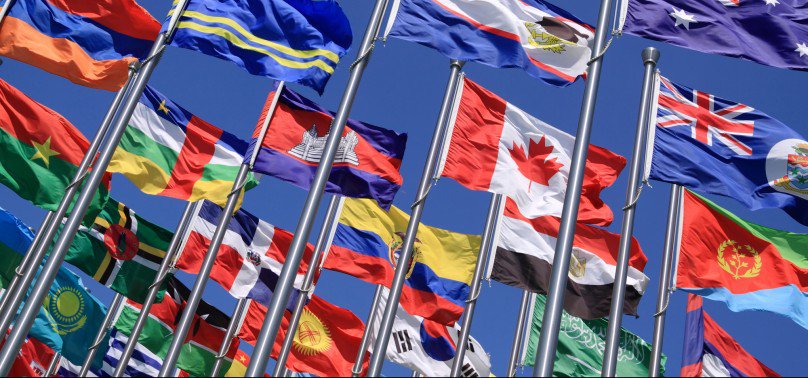
President-elect Donald Trump choice for United Nations ambassador, South Carolina Gov. Nikki Haley, has limited foreign policy experience. That’s in contrast to other U.N. ambassadors who had deep roots in international affairs at the time of their nominations. A look at the backgrounds of the four most recent U.S. ambassadors to the United Nations: Samantha Power (2013-present): A Pulitzer Prize-winning journalist for her examination of America’s historical responses to genocide, Power was born in Ireland and came to the United States as a child. She worked for then-Sen. Barack Obama and then for his presidential campaign as a foreign policy adviser. During Obama’s first term, she served in his National Security Council. There, she joined an influential group of advisers who pushed for the U.S.-led bombing campaign in Libya. Susan Rice (2009-2013): A Rhodes scholar who studied international relations at Oxford, Rice was a foreign policy wonk from a young age. She served as an adviser to Democratic presidential candidate Michael Dukakis during the 1988 campaign and to Bill Clinton four years later. Under Clinton, she worked in the National Security Council and then as assistant secretary of state for African affairs. After advising Obama’s 2008 campaign, she joined his Cabinet after the newly inaugurated president elevated the position of U.N. ambassador. Zalmay Khalilzad (2007-2009): A native of Afghanistan, Khalilzad was educated at the American University in Beirut and the University of Chicago. A speaker of four languages, he served in senior national security positions during the presidencies of Ronald Reagan and George H.W. Bush. President George W. Bush tapped him to be his Afghanistan envoy after the Sept. 11, 2001, terrorist attacks. He then served as ambassador to Afghanistan during its critical, post-Taliban period of drafting a constitution and setting up a new government, and worked closely with then-Afghan President Hamid Karzai. Bush then sent him as ambassador to Iraq during the height of sectarian violence following the U.S. invasion. John Bolton (2005-2006): Bolton was probably the most divisive foreign policy expert ever to serve as U.N. ambassador. Born in Baltimore, he graduated summa cum laude from Yale before serving at three federal agencies under Presidents Ronald Reagan and George H.W. Bush. When George W. Bush became president, Bolton served as the State Department’s point-man on arms control, where he battled other governments on nuclear weapons tests, land mines, biological weapons, balllistic missile limits and the International Criminal Court. An unabashed proponent of American power and a strong supporter of the Iraq war, Bolton was unable to win Senate confirmation after his nomination to the U.N. post turned off many Democrats and even some Republicans. He resigned after serving 17 months as a Bush “recess appointment,” which allowed him to hold the job on a temporary basis without Senate confirmation. Republished with permission of the Associated Press.
