
Oklahoma Senator Markwayne Mullin challenges Teamsters president to fight at U.S. Senate hearing
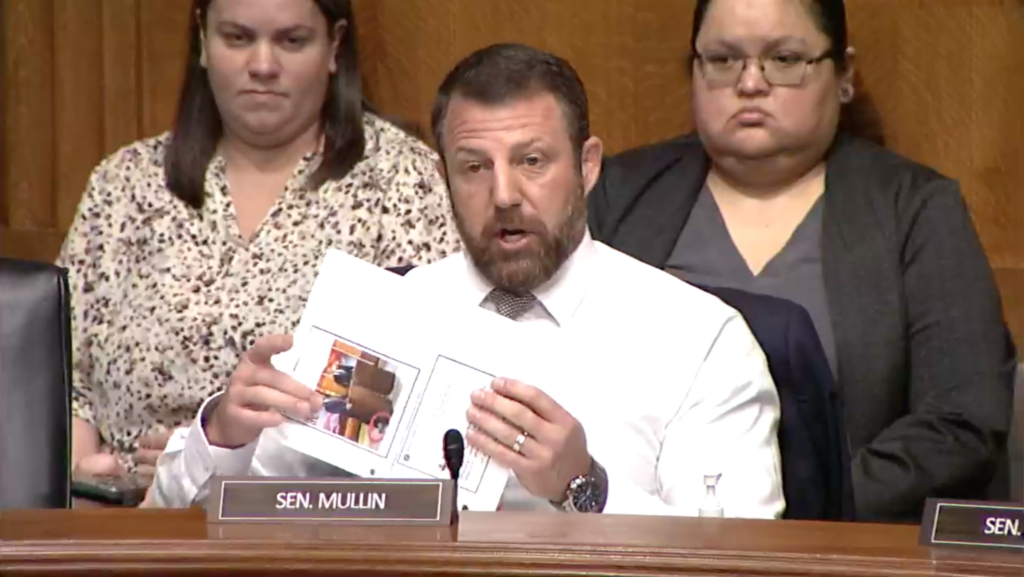
Samantha Dietel, Alabama Reflector WASHINGTON — Sen. Markwayne Mullin, an Oklahoma Republican, challenged the head of the Teamsters union to a physical fight at a U.S. Senate hearing Tuesday intended to showcase how labor unions are making families’ lives better. The tense confrontation at the Senate Health, Education, Labor and Pensions Committee hearing stemmed from acrimonious posts on social media, as well as a confrontation between the two at an earlier Senate hearing. Tuesday’s episode started after Mullin read aloud one of Teamsters chief Sean O’Brien’s posts on X, formerly known as Twitter. In the post, O’Brien had called Mullin a “greedy CEO who pretends like he’s self made.” O’Brien, general president of the International Brotherhood of Teamsters, ended the post by writing, “You know where to find me. Anyplace, Anytime cowboy.” “So this is a time, this is a place,” said Mullin, who has a mixed martial arts background, to O’Brien, seated at a witness table in front of him. “You want to run your mouth, we can be two consenting adults. We can finish it here.” “OK, that’s fine,” O’Brien said. “Perfect.” “You want to do it now?” Mullin asked. “I’d love to do it right now,” O’Brien said. “Well, stand your butt up, then,” Mullin said. “You stand your butt up,” O’Brien said. Both men rose to their feet. Committee Chairman Bernie Sanders, an 82-year-old Vermont independent, intervened and called for them to sit down. “You’re a United States senator,” Sanders told Mullin. “This is a hearing. God knows the American people have enough contempt for Congress. Let’s not make it worse.” For Mullin’s remaining time asking questions of O’Brien and other witnesses, the two continued to throw verbal insults at each other. Sanders pounded his gavel and shouted over them in attempts to shut down the heated exchange. “We’re not here to talk about fights or anything else,” Sanders said. Mullin and O’Brien also had a tense moment at a previous committee hearing back in March. In another post on X, O’Brien told Mullin, “Sounds like you need to shut your mouth & get to work for the people of your state.” UAW strike Another main witness at the hearing, titled “Standing Up Against Corporate Greed: How Unions are Improving the Lives of Working Families,” was Shawn Fain, president of the United Auto Workers. The union reached tentative agreements at the end of October with the “Big Three” automakers — Ford Motor Co., Stellantis, and General Motors. The strike began in Detroit in mid-September but expanded to more than 20 other states. “The working class needs this committee and the entire Congress to step up,” Fain said. “You all have an essential role to play, not only supporting our fights and other fights like ours but to finish the job for economic and social justice for the entire working class.” Fain spoke about the success of the UAW’s strike and the ripple effect it has had. He referenced that auto companies Honda, Toyota, and Hyundai have raised wages since the UAW agreements. “In less than seven weeks, we won justice for our members and other workers,” Fain said. Fain said the UAW’s efforts helped significantly raise wages for over 100,000 workers, improve retirement security, secure jobs and ensure workers have “a just transition” to making electric vehicles. This transition would allow autoworkers to “flow” into a new job of making batteries for electric vehicles, Fain said. Legislative efforts Sanders, who supported the UAW’s strike, highlighted his legislation — the Protecting the Right to Organize Act, otherwise known as the PRO Act — as a means to make organization easier for American workers. Ranking member Bill Cassidy, a Louisiana Republican, said the PRO Act faces opposition from his party. U.S. Sen. Tammy Baldwin, a Wisconsin Democrat, said she is working on legislation that would require the Federal Trade Commission to additionally “consider the impact of mergers on workers.” “The workers are the ones who bear the brunt of the quote-unquote ‘efficiencies’ found after a consolidation,” Baldwin said. Protecting the right to unionize Labor organizers called for more action by Congress to help U.S. workers. The International Brotherhood of Teamsters is a labor union with members across diverse occupations. The largest employer in the Teamsters union is UPS, which reached a collective bargaining agreement earlier this year. This agreement raised wages and improved workplace conditions for UPS workers. “We need our elected officials to do more and do what’s right,” O’Brien told senators. Sara Nelson, the president of the Association of Flight Attendants-Communication Workers of America, said labor unions are “necessary for a stable economy, our safety, our security and our democracy.” Republican witnesses included Diana Furchtgott Roth, the director of the Center for Energy, Climate, and Environment and the Herbert and Joyce Morgan Fellow in Energy and Environmental Policy at the Heritage Foundation, and Sean Higgins, a research fellow at the Competitive Enterprise Institute in Arlington, Virginia. The Heritage Foundation and the Competitive Enterprise Institute are both conservative think tanks. Higgins said the increased wages as a result of union strikes could increase inflation. In response, Fain later said the idea that raising wages negatively impacts the economy is rooted in “fearmongering.” Fain said when unions bargain for a contract that includes higher wages, the opposition often believes “the world’s going to end because working-class people make a livable wage, and it’s going to drive the price of vehicles up.” Sen. Robert P. Casey Jr., a Pennsylvania Democrat, said a worker’s right to unionize “is under threat.” “Every day of the week, that right is under threat across the country,” Casey said. “That right to organize is essential to building an economy that works for all Americans.” Alabama Reflector is part of States Newsroom, a network of news bureaus supported by grants and a coalition of donors as a 501c(3) public charity. Alabama Reflector maintains editorial independence. Follow Alabama Reflector on Facebook and Twitter.
Katie Britt joins Tammy Baldwin and other bipartisan Senator to crack down on trade cheats
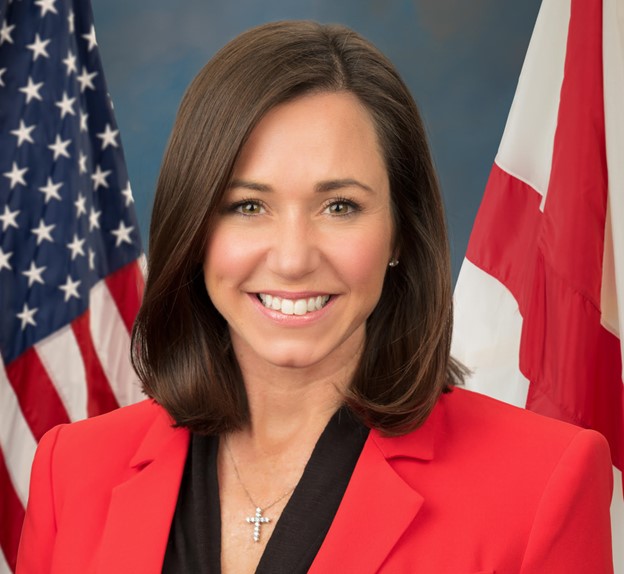
On Monday, U.S. Senator Katie Britt announced that she has joined U.S. Senator Tammy Baldwin in co-sponsoring the Fighting Trade Cheats Act. This bipartisan legislation introduced by Senators Thom Tillis and Sherrod Brown is intended to strengthen U.S. trade law enforcement and allow American manufacturers to take action against bad actors that engage in customs fraud. Sponsors say that the bill takes aim at companies that dump foreign-made goods into the United States and would allow private companies to sue foreign producers that harm American companies. By allowing private companies harmed by trade cheats to use their own resources to fight back, the bill would help address customs fraud and protect American workers and American jobs. “For far too long, the Chinese Communist Party and other bad actors have cheated American communities out of jobs, intellectual property, and opportunity,” said Sen. Britt. “This bipartisan effort holds foreign entities accountable for malicious trade practices that harm Alabama manufacturers – including our iron and steel industry – and the hardworking Alabamians and families that rely on them for their livelihood. I will continue to fight to ensure that the CCP is held accountable, that we onshore good-paying 21st-century jobs back to America, and that we strengthen our domestic supply chains and manufacturing base, especially in critical industries. This will help unlock the American Dream for families nationwide and keep our homeland safe and strong for generations to come.” “American workers and American businesses should be building our clean energy economy, but Chinese companies are working overtime to cheat the rules, our economy, and our workers out of the job,” said Sen. Baldwin. “Climate change is a real and pressing threat, and addressing it is an incredible opportunity to create good paying jobs in our Made in Wisconsin manufacturing economy. Developing our solar manufacturing industry is crucial to combating climate change, but we can’t do it if we don’t enforce the trade laws on the books and hold Chinese companies accountable. I am proud to take a stand for our Made in America manufacturing economy and workers.” “The Chinese Communist Party has a long history of violating trade agreements with the United States, costing North Carolina businesses and workers,” said Sen. Tillis. “I’m proud to co-introduce this bipartisan legislation to hold the CCP and other bad actors accountable and empower private American companies to take action and fight back against trade cheats.” American businesses supporting this bipartisan legislation include Birmingham-based McWane Incorporated, which manufactures pipes, valves, fire hydrants, and fittings used in the nation’s infrastructure. James Proctor II is the Senior Vice President & General Counsel for McWane. “Trade cheaters cost American jobs, plain and simple. This bill will give Customs and Border Protection and businesses the tools they need to stop lawless foreign importers from evading U.S. laws and destroying American industries and communities,” said VP Proctor II. “We thank Senators Britt and Baldwin for joining Senators Brown and Tillis in standing up for American workers and job creators and helping put a stop to such illegal activity.” Katie Britt was elected to the Senate in 2022. To connect with the author of this story or to comment, email brandonmreporter@gmail.com.
Katie Britt and Tom Cotton lead bipartisan letter to Biden Administration about surge of Mexican steel

U.S. Senators Katie Britt and Tom Cotton, along with a bipartisan group of 11 of their Senate colleagues, sent a letter to Secretary of Commerce Gina Raimondo and U.S. Trade Representative Katherine Tai urging them to take action against the surge of Mexican steel imports, which they claim is unsustainable. The Sens. claim that the rising steel imports from Mexico raise grave concerns in America’s steel industry and steel communities such as those in Alabama. They also claim that this surge violates a 2019 agreement between the United States and Mexico negotiated by the Trump Administration. The letter contends that the United States deserves and should demand fair treatment from all trading partners, including its friends. “We urge the Biden administration to immediately begin consultations under the 2019 agreement to address this surge of Mexican steel and return imports to ‘historic volumes of trade,’ with quotas, if necessary,” the Senators wrote. “However, if the Mexican government refuses to remedy this breach, we regretfully urge the administration to consider other mechanisms to ensure compliance and protect American jobs, including the reapplication of Section 232 tariffs.” “The Administration has a responsibility to strongly enforce trade agreements to ensure fairness for hardworking Americans,” said Sen. Britt. “This unprecedented, unacceptable surge in Mexican steel imports is endangering good-paying Alabama jobs and negatively impacting communities across our nation. Additionally, our domestic iron and steel industry is critical for our national security. I will continue to fight to grow opportunities for families in every corner of Alabama and America, while keeping our homeland safe and strong.” Alabama still has a significant iron and steel industry. The iron and steel industry is an original economic engine for the state and supports approximately 15,000 jobs and indirectly supports more than 76,000 jobs, including subcontractors and suppliers. The average annual Alabama wage in the industry is nearly $100,000. Every two Alabama iron and steel industry jobs also supports ten additional jobs throughout the supply chain. Co-signing the letter are Senators Sherrod Brown (D-Ohio), John Boozman (R-Arkansas), Bob Casey (D-Pennsylvania), Thom Tillis (R-North Carolina), Tammy Baldwin (D-Wisconsin), Ted Budd (R-North Carolina), Elizabeth Warren (D-Massachusetts), Tina Smith (D-Minnesota), Rick Scott (R-Florida), Marco Rubio (R-Florida), and J.D. Vance (R-Ohio). The American Iron and Steel Institute (AISI) says that imports of finished steel increased by more than 18 percent in January compared with December. Mexico was the second-largest supplier (behind Canada) of finished and semi-finished steel to the U.S. in January. Mexico shipped 456,000 tons of steel to the U.S. in January – an increase of 10 percent from December. Britt is also a member of the National Security and International Trade and Finance Subcommittee of the Senate Committee on Banking, Housing, and Urban Affairs. To connect with the author of this story or to comment, email brandonmreporter@gmail.com.
Joe Biden signs gay marriage bill
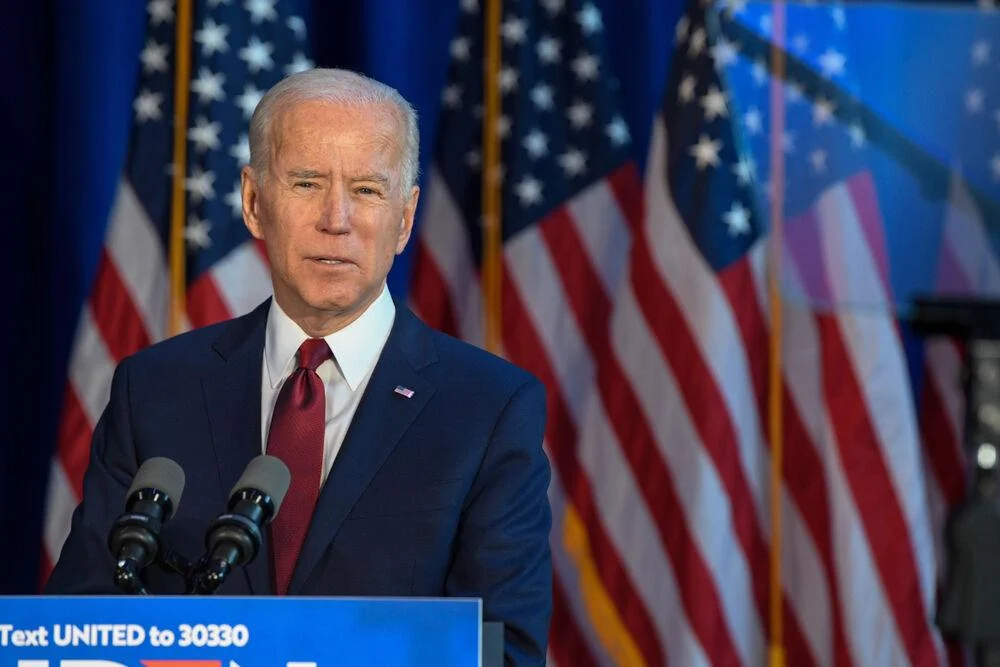
President Joe Biden on Tuesday signed into law the “Respect for Marriage Act,” a bill codifying protections for same-sex and interracial marriages. “Today is a good day,” “Biden said. “A day America takes a vital step toward equality, for liberty and justice, not just for some but for everyone.” The signing took place after a ceremony and a string of performances from gay entertainers. The bill, which received support from nearly 40 House Republicans last week to send it to the president, repeals the federal Defense of Marriage Act that was signed by President Bill Clinton in 1996. As The Center Square previously reported, U.S. Sen. Tammy Baldwin, D-Wisc., helped lead the effort in the Senate, where the bill was first passed. Her office said the legislation would “require the federal government to recognize a marriage between two individuals if the marriage was valid in the state where it was performed.” The legislation would also guarantee that “valid marriages between two individuals are given full faith and credit, regardless of the couple’s sex, race, ethnicity or national origin, but the bill would not require a State to issue a marriage license contrary to state law.” The U.S. Supreme Court ruled in 2015 on the landmark case Obergefell v. Hodges to make same-sex marriage the law of the land nationwide. That ruling required states to allow same-sex unions under law. The high court’s overturning of Roe v. Wade earlier this year, as well as comments made by Supreme Court Justice Clarence Thomas raised concerns that the court could do the same to the Obergefell ruling. “Passing the Respect for Marriage Act wasn’t just the right thing to do for America,” Democratic Leader Sen. Chuck Schumer, D-N.Y., said. “It was personal to us, to our staff, and to our families.” Republished with the permission of The Center Square.
Bill protecting same-sex, interracial unions clears Congress

The House gave final approval Thursday to legislation protecting same-sex marriages, a monumental step in a decadeslong battle for nationwide recognition that reflects a stark turnaround in societal attitudes. President Joe Biden has said he will promptly sign the measure, which requires all states to recognize same-sex marriages. It is a relief for hundreds of thousands of couples who have married since the Supreme Court’s 2015 decision that legalized those marriages and have worried about what would happen if the ruling were overturned. In a statement after the vote, Biden called the legislation a “critical step to ensure that Americans have the right to marry the person they love.” He said the legislation provides “hope and dignity to millions of young people across this country who can grow up knowing that their government will recognize and respect the families they build.” The bipartisan legislation, which passed 258-169 with 39 Republican votes, would also protect interracial unions by requiring states to recognize legal marriages regardless of “sex, race, ethnicity, or national origin.” After months of negotiations, the Senate passed the bill last week with 12 Republican votes. Democrats moved the bill quickly through the House and Senate after the Supreme Court’s decision in June that overturned the federal right to an abortion — including a concurring opinion from Justice Clarence Thomas that suggested the 2015 Obergefell v. Hodges decision legalizing same-sex marriage could also be reconsidered. While many Republicans predicted that was unlikely to happen, and said the bill was unnecessary, Democrats and GOP supporters of the bill said it shouldn’t be left to chance. “We need it,” said House Speaker Nancy Pelosi, who presided over the vote as one of her last acts in leadership before stepping aside in January. “It is magic.” The bill is “a glorious triumph of love and freedom,” Pelosi said, tearing up as she celebrated its passage. In debate before the vote, several gay members of Congress talked about what a federal law would mean for them and their families. Rep. Mark Pocan, D-Wis., said he and his husband should be able to visit each other in the hospital just like any other married couple and receive spousal benefits “regardless of if your spouse’s name is Samuel or Samantha.” Rep. Chris Pappas, D-N.H., said he was set to marry “the love of my life” next year, and it is “unthinkable” that his marriage might not be recognized in some states if Obergefell were to be overturned. “The idea of marriage equality used to be a far-fetched idea,” said Rep. David Cicilline, D-R.I. “Now it’s the law of the land and supported by the vast majority of Americans.” The legislation lost some Republican support since July, when 47 Republicans voted for it — a robust and unexpected show of support that kick-started serious negotiations in the Senate. But most of those lawmakers held firm, with a cross-section of the party, from conservatives to moderates, voting for the bill. House Republican Leader Kevin McCarthy voted against it. “To me, this is really just standing with the Constitution,” said Republican Rep. Ann Wagner of Missouri, who voted for the bill both times. She pushed back on GOP arguments that it would affect the religious rights of those who don’t believe in same-sex marriage. “No one’s religious liberties are affected in any way, shape, or form,” Wagner said. Republican Rep. Chris Stewart of Utah said he was “proud to once again vote in favor of protecting our LGBTQ and religious friends and neighbors.” He praised Senate changes to the bill, ensuring that it would not affect current rights of religious institutions and groups. “Civil rights are not a finite resource, we do not have to take from one group to give to another,” Stewart said. The legislation would not require states to allow same-sex couples to marry, as Obergefell now does. But it would require states to recognize all marriages that were legal where they were performed and protect current same-sex unions if the Supreme Court decision were overturned. While it’s not everything advocates may have wanted, passage of the legislation represents a watershed moment. Just a decade ago, many Republicans openly campaigned on blocking same-sex marriages; today, more than two-thirds of the public support them. Still, most Republicans opposed the legislation, and some conservative advocacy groups lobbied aggressively against it in recent weeks, arguing that it doesn’t do enough to protect those who want to refuse services for same-sex couples. “God’s perfect design is indeed marriage between one man and one woman for life,” said Rep. Bob Good, R-Va, before the vote. “And it doesn’t matter what you think or what I think; that’s what the Bible says.” Rep. Vicky Hartzler, R-Mo., choked up as she begged colleagues to vote against the bill, which she said undermines “natural marriage” between a man and a woman. “I’ll tell you my priorities,” Hartzler said. “Protect religious liberty, protect people of faith and protect Americans who believe in the true meaning of marriage.” Democrats in the Senate, led by Wisconsin’s Tammy Baldwin and Arizona’s Kyrsten Sinema, worked with supportive Republican senators to address those GOP concerns by negotiating changes to clarify that the legislation does not impair the rights of private individuals or businesses. The amended bill would also make clear that a marriage is between two people, an effort to ward off some far-right criticism that the legislation could endorse polygamy. In the end, several religious groups, including the Church of Jesus Christ of Latter-day Saints, came out in support of the bill. The Mormon church said it would support rights for same-sex couples as long as they didn’t infringe upon religious groups’ right to believe as they choose. Republican Sen. Susan Collins of Maine, who led negotiations with Baldwin and Sinema in the Senate, attended a ceremony after the House vote with Pelosi and Senate Majority Leader Chuck Schumer. “When I think about this bill, I think about how much it matters to people in each of our lives, our family members, our coworkers, our
U.S. Senate passes gay marriage bill
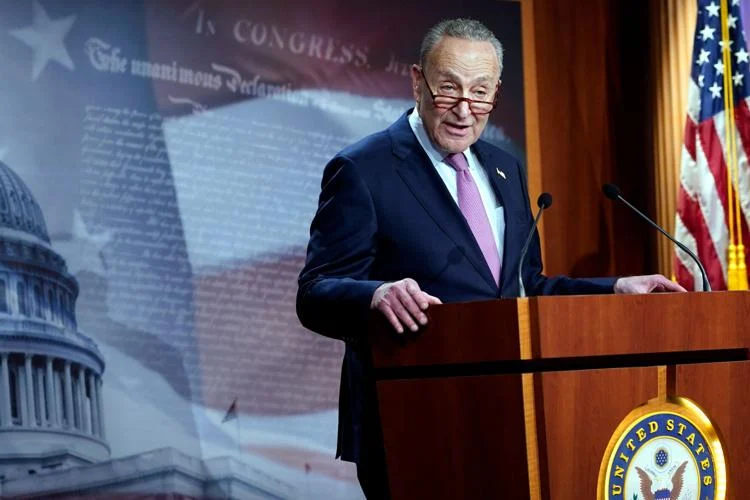
The U.S. Senate voted Tuesday to pass a bill that would federally codify same-sex and interracial marriages. A handful of Republicans joined Democrats in voting for the “Respect for Marriage Act,” which passed 61-36 and will now head to the House of Representatives. “This Senate has passed the Respect for Marriage Act!” Democratic Leader Sen. Chuck Schumer, D-N.Y., said, “Because no one should be discriminated against because of who they love.” Though neither same-sex nor interracial marriages are currently illegal in any state, lawmakers sought to codify protections in federal law. As The Center Square previously reported, U.S. Sen. Tammy Baldwin, D-Wisc., has helped lead the effort. Her office said the legislation would “require the federal government to recognize a marriage between two individuals if the marriage was valid in the state where it was performed.” Notably, the bill would “guarantee that valid marriages between two individuals are given full faith and credit, regardless of the couple’s sex, race, ethnicity or national origin, but the bill would not require a State to issue a marriage license contrary to state law.” The U.S. Supreme Court’s overturning of the landmark Roe v. Wade abortion ruling motivated this legislative effort as some Democrats said same-sex marriage protections the court ruled on during the Obama administration could be at risk. The 2015 Obergefell v. Hodges precedent required states to allow same-sex marriages. Under the new law, in the event that Obergfell is overturned, states would be allowed to ban gay marriages but would have to recognize gay marriages that were performed in other states. The legislation repeals the federal Defense of Marriage Act, but state laws preventing same-sex marriage are still on the books in some states and would take effect if Obergefell were ever overturned. From the bill’s official summary: Specifically, the bill repeals and replaces provisions that define, for purposes of federal law, marriage as between a man and a woman and spouse as a person of the opposite sex with provisions that recognize any marriage that is valid under state law (The Supreme Court held that the current provisions were unconstitutional in United States v. Windsor in 2013.) The bill also repeals and replaces provisions that do not require states to recognize same-sex marriages from other states with provisions that prohibit the denial of full faith and credit or any right or claim relating to out-of-state marriages on the basis of sex, race, ethnicity, or national origin. (The Supreme Court held that state laws barring same-sex marriages were unconstitutional in Obergefell v. Hodges in 2015; the Court held that state laws barring interracial marriages were unconstitutional in Loving v. Virginia in 1967.) The bill allows the Department of Justice to bring a civil action and establishes a private right of action for violations. President Joe Biden torpedoed a similar hope among Democrats to codify abortion protections after the midterm elections, saying his party will not have the votes. Republished with the permission of The Center Square.
Democrats kept the Senate this year, but 2024 may be harder
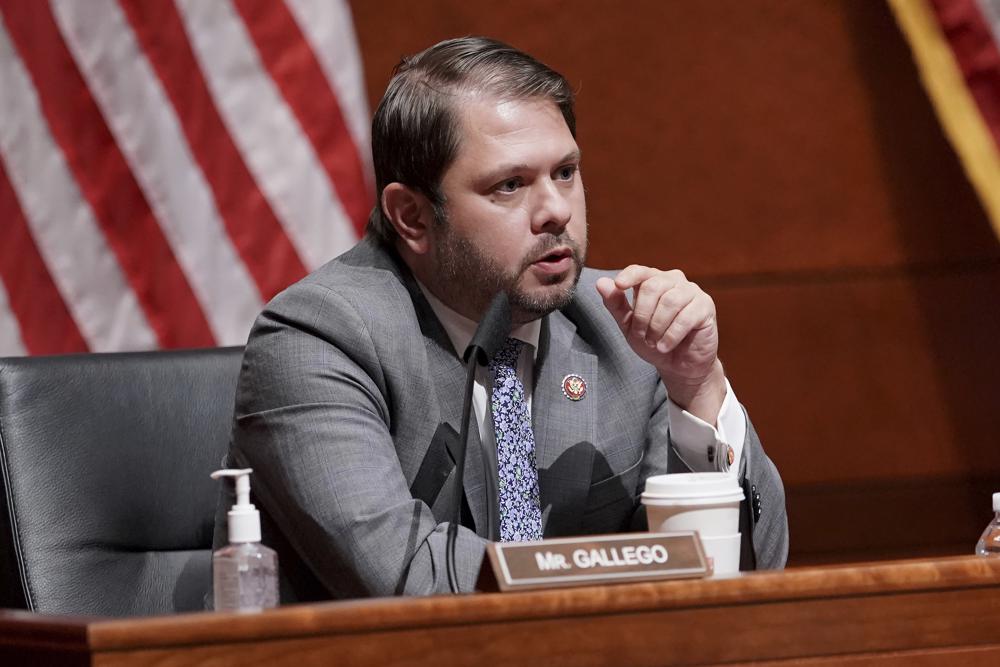
Democrats celebrating a successful effort to keep control of the U.S. Senate this year will soon confront a 2024 campaign that could prove more challenging. The party enters the next cycle defending 23 seats, including two held by independents who caucus with Democrats. That’s compared with just 10 seats that Republicans hope to keep in their column. Adding to the potential hurdles is that some 2024 contests are in states that have become increasingly hostile to Democrats, including Montana, Ohio, and West Virginia. Other Democratic-held seats are in some of the same hotly contested states that were at the center of this year’s midterms, such as Pennsylvania, Arizona, and Nevada. And while Democrats carried each of those races, they did so at great cost and with sometimes narrow margins. In Nevada, for instance, Democratic incumbent Sen. Catherine Cortez Masto won by less than 1 percentage point, or about 9,000 votes. For now, both parties insist they’re laser-focused on coming out on top in the December 6 Senate runoff in Georgia. But Democrats who are on the ballot in 2024 know that they could face fierce headwinds and are studying the results of this year’s election when the party outperformed expectations. For Nevada Sen. Jacky Rosen, a Democrat facing her first reelection campaign, that means staying focused on kitchen table issues and touting legislation like the infrastructure law and gun violence legislation signed by President Joe Biden. “We know that races are always close,” Rosen said in an interview. “We never take anything for granted.” The dynamics of the next Senate campaign could be influenced by a variety of outside factors, particularly the presidential election and the attention it generates. Biden, who turned 80 this month, has said his “intention” is to run for reelection and that he will make a final decision early next year. Former President Donald Trump has already announced a third White House bid, and multiple other Republicans are lining up to launch campaigns. The eventual nominee in each party could have a profound impact on down-ballot races, including those for Senate. But perhaps the biggest question for Senate Democrats seeking reelection will be who Republicans nominate as their opponents. The GOP lost several Senate elections this year, including those in Arizona, Pennsylvania, and Nevada, after Trump-backed candidates struggled to raise money and connect with a broader, more moderate range of voters during the general election. In Nevada, the Republican field to challenge Rosen has not begun to shape up but is expected to attract several contenders. One name receiving attention is Sam Brown, a former U.S. Army captain who was awarded a Purple Heart after being severely wounded in Afghanistan. Brown ran for Senate this year and put up a strong challenge in the Republican primary before losing to Adam Laxalt, who lost in the general election to Cortez Masto. Richard Hernandez, who was Brown’s campaign adviser, said, “He has committed to his supporters that he will never stop fighting for their issues, but he has not made any decisions as to whether that involves a future run for office.” Also in the southwest, Arizona Sen. Kyrsten Sinema, a centrist Democrat, will be up for reelection. The race, like other recent statewide contests in Arizona, is expected to be very competitive. But Sinema is likely to first face a well-funded primary challenger after angering much of the Democratic base by blocking or watering down progressive priorities like a minimum wage increase or Biden’s big social spending initiatives. She has not said whether she plans to run for reelection. Sinema’s most prominent potential primary challenger is U.S. Rep. Ruben Gallego, who has a long history of feuding with Sinema. Gallego has not announced his plans for 2024 but has made it no secret that he’s thinking about challenging Sinema. He even raised money on the prospect he might oppose Sinema. An independent expenditure group is also raising money, saying it will support grassroots organizations committed to defeating Sinema in a Democratic primary. Republicans hope a bruising Democratic primary might give them an opening to win the seat after losing Senate races in Arizona in three consecutive elections. Sinema is among a trio of moderate Senate Democrats who have sometimes used their leverage in an evenly divided chamber to block or blunt some of Biden’s plans and nominees. They will also be among the party’s most vulnerable incumbents in 2024. The other two senators, Joe Manchin of West Virginia and Jon Tester of Montana, will be running as Democrats in states that Trump handily carried in 2020. Manchin has already drawn a GOP challenger in U.S. Rep. Alex Mooney, who declared a week after winning reelection that he was setting his sights on higher office. Manchin has not yet said whether he’ll run for reelection. Republicans see Tester, a three-term senator, as vulnerable, and the opportunity to run for the seat could draw a fierce primary contest between former Interior Secretary Ryan Zinke and Rep. Matt Rosendale. Zinke, who won a House seat in this year’s midterm elections, said he will decide whether to run next year, and Rosendale declined to answer. Tester has not announced if he will seek another term but has said he anticipates 2024 will be just as tough as his last race in 2018, when he beat Rosendale in a close contest. In Pennsylvania, Democratic U.S. Sen. Bob Casey has not said whether he intends to run for a fourth term. Casey easily won reelection in 2018, but Pennsylvania has been competitive for Republicans, including in this year’s Senate race won by Democrat John Fetterman. One potential Republican challenger whose name has been floated in Pennsylvania is former hedge fund CEO David McCormick, who narrowly lost the Republican primary in this year’s race to celebrity heart surgeon Dr. Mehmet Oz. McCormick advisers declined to comment on that prospect. Conservative activist Kathy Barnette, who finished a close third in the Republican primary, didn’t respond to messages about whether she’s considering a 2024 campaign. Wisconsin, which saw Republican Sen. Ron Johnson narrowly win reelection this year, is also expected to have
Tommy Tuberville joins other leaders to change sexual assault investigations in the military
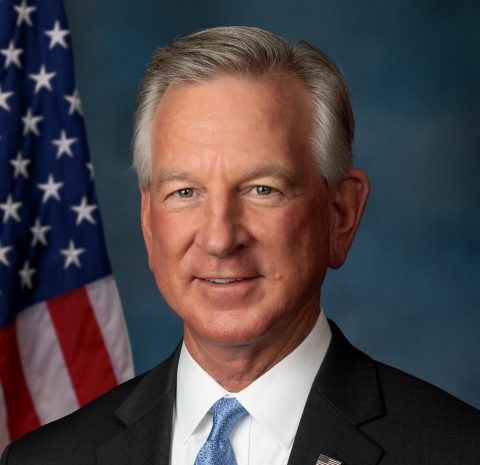
U.S. Senator Tommy Tuberville has joined a bipartisan group of senators to support a bill that will change the way the military conducts sexual assault investigations and prosecutions. Tuberville, a member of the Senate Armed Services Committee Subcommittee on Personnel, joined U.S. Senators Kirsten Gillibrand (D-NY), Chuck Grassley (R-IA), Joni Ernst (R-IA), Richard Blumenthal (D-CT), Ted Cruz (R-TX), Jeanne Shaheen (D-NH), Mark Kelly (D-AZ), and 28 other Senators to introduce the Military Justice Improvement and Increasing Prevention Act. According to the press release, the legislation “keeps the prosecution of sexual assault crimes within the military but moves the decision to prosecute to independent, trained, professional military prosecutors, and provides for several new prevention provisions such as better training for commanders and increased physical security measures, while ensuring that commanders still have the ability to provide strong leadership and ensure a successful command climate.” Tuberville stated, “Our men and women in uniform sacrifice every day to keep us safe, often working in some pretty unsafe places around the world. The last thing they should be worrying about is whether they’re unsafe within their ranks, and they certainly shouldn’t have to fear retaliation if they report a sexual assault. This bill is what happens when a bipartisan group of senators come together to get something done. I’m thankful that Senator Gillibrand and Senator Ernst have led the charge, and I’m glad to join my colleagues in support of this bill that will help improve the way the military handles sexual assaults so survivors can get the justice they deserve.” The bill was introduced in 2019, but did not receive a vote. Specifically, the legislation would: Move the decision on whether to prosecute serious crimes to independent, trained, and professional military prosecutors, while leaving misdemeanors and uniquely military crimes within the chain of command. Ensure the Department of Defense supports criminal investigators and military prosecutors through the development of unique skills needed to properly handle investigations and cases related to sexual assault and domestic violence. Require the Secretary of Defense to survey and improve the physical security of military installations– including locks, security cameras, and other passive security measures – to increase safety in lodging and living spaces for service members. Increase, and improve training and education on military sexual assault throughout our armed services. Kirsten Gillibrand stated on Twitter, “Here’s a bipartisan mission we can all support: Survivors of military sexual assault deserve justice. I’m proud to have @JoniErnst join me this week to introduce our new, improved bill to reform the military justice system and invest in prevention.” Here’s a bipartisan mission we can all support: Survivors of military sexual assault deserve justice. I’m proud to have @joniernst join me this week to introduce our new, improved bill to reform the military justice system and invest in prevention. https://t.co/pYYUL6IRyA — Kirsten Gillibrand (@SenGillibrand) April 27, 2021 The legislation is cosponsored by U.S. Senators Kirsten Gillibrand (D-NY), Chuck Grassley (R-IA), Joni Ernst (R-IA), Richard Blumenthal (D-CT), Ted Cruz (R-TX), Jeanne Shaheen (D-NH), Tammy Baldwin (D-WI), Chris Van Hollen (D-MD), Angus King (I-ME), Michael Braun (R-IN), Dick Durbin (D-IL), Tammy Duckworth (D-IL), Michael Bennet (D-CO), Rand Paul (R-KY), Chris Coons (D-DE), Mark Kelly (D-AZ), Sherrod Brown (D-OH), Bob Casey Jr. (D-PA), Maggie Hassan (D-NH), Mazie K. Hirono (D-HI), Amy Klobuchar (D-MN), Patrick Leahy (D-VT),Elizabeth Warren (D-MA), Ron Wyden (D-OR), Cynthia Lummis (R-WY), Dianne Feinstein (D-CA), Catherine Cortez Masto (D-NV), Raphael Warnock (D-GA), Alex Padilla (D-CA), Shelley Moore Capito (R-WV), Gary C. Peters (D-MI), Tim Kaine (D-VA), Tina Smith (D-MN), Bob Menendez (D-NJ), and Martin Heinrich (D-NM).
Leading in pandemic becomes part of audition for Joe Biden’s VP
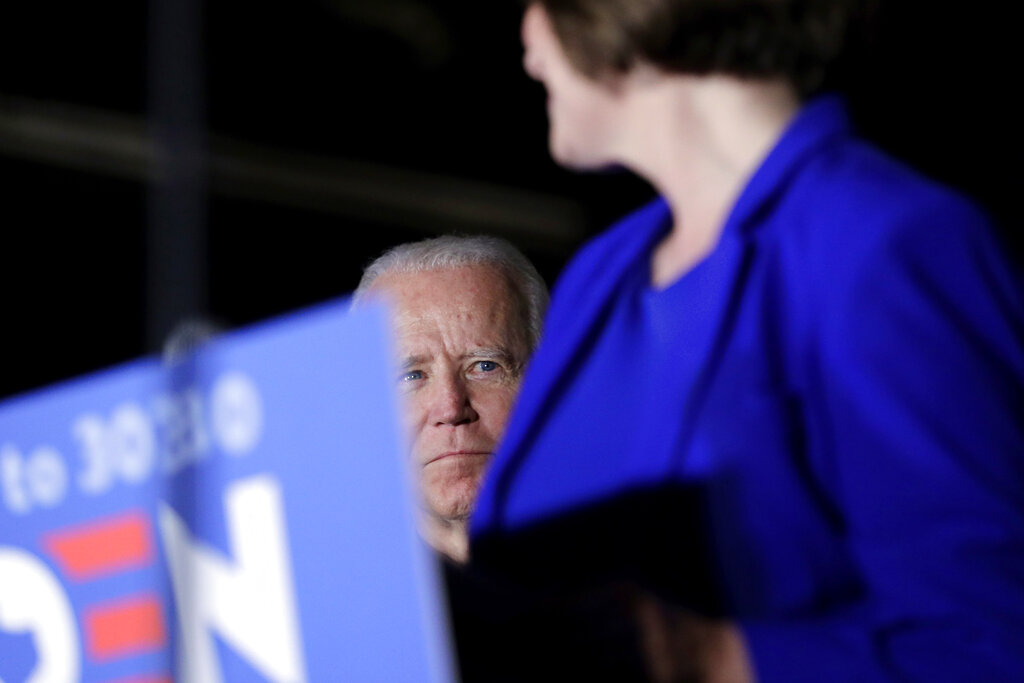
Responding to the COVID-19 pandemic has become an unexpected part of the audition.
Democrats will try forcing Senate vote against Donald Trump health plan
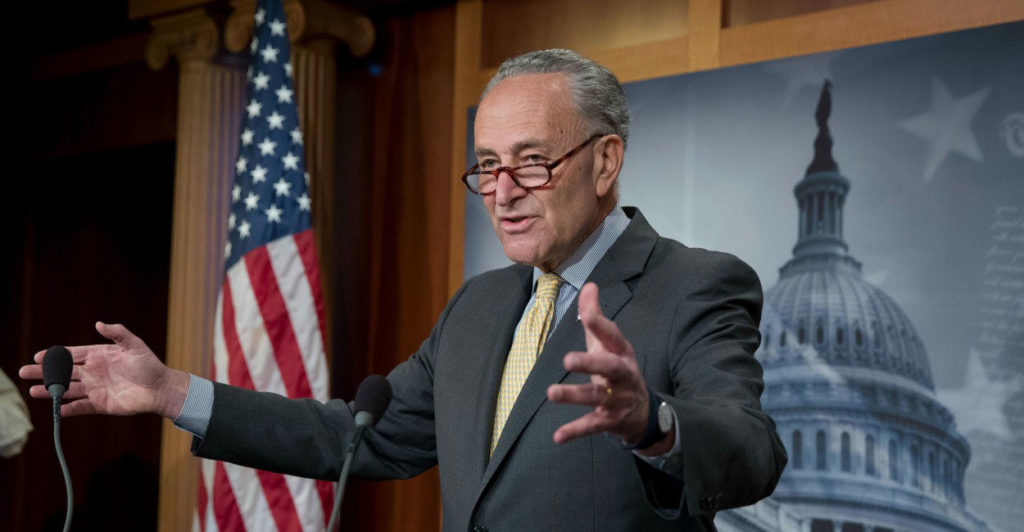
Democrats will try forcing a campaign-season vote on blocking a Trump administration rule allowing insurers to sell short-term plans that are cheaper but skimpier than allowed under the Obama health care law, party leaders said Thursday. Though the effort has a chance of passing the narrowly divided Senate, it is certain to die in the Republican-controlled House. Even so, Democrats believe a pre-election Senate vote would put GOP senators in a difficult spot because the new plans won’t necessarily contain popular features like covering people with pre-existing medical conditions or certain benefits like prescription drugs. “This is an issue the American people should know where everyone stands,” Senate Minority Leader Chuck Schumer, D-N.Y., said in a conference call with reporters. With many Republicans saying they back covering people with pre-existing medical problems, Schumer added, “Let them instead of saying they’re for it actually do something to preserve pre-existing conditions.” Democrats said they will use the seldom-utilized Congressional Review Act, which under some circumstances lets any senator force a vote on overturning recent actions taken by federal agencies. Sen. Tammy Baldwin, D-Wis., who faces a potentially competitive re-election contest in November, will lead the effort. Republicans control the Senate 51-49, but Sen. John McCain, R-Ariz., has been gone since December battling brain cancer. Democrats would need at least one GOP lawmaker to side with them to prevail in the Senate. They are viewed as having a chance of capturing Senate control in this fall’s elections. Republished with the permission of the Associated Press.
