
Christmas in April? Toymakers elbow into the candy holiday
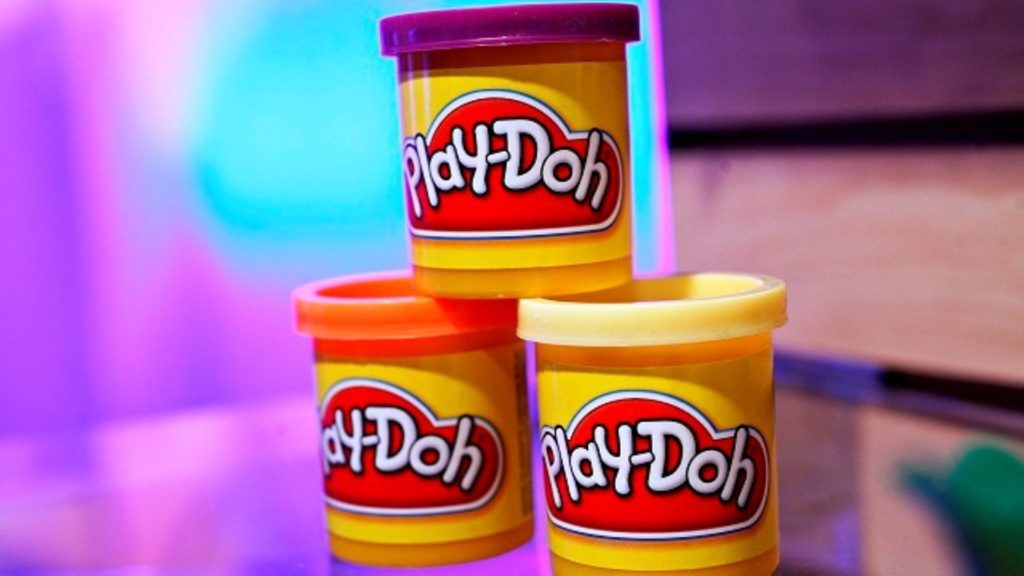
Look out, candy man: Toymakers are moving in on your plastic-grass turf. Retailers and toy companies are working together this year to create items for children’s Easter baskets that go well beyond chocolate bunnies and marshmallow chicks. Target Corp. is pitching Easter baskets with pint-sized Barbie dolls and Nerf guns. CVS Health Corp. is hawking Play-Doh, “Finding Dory” bubble makers and even Penn tennis balls to stuff amidst the fake grass. And Walgreens is offering tiny Trolls and Hello Kitty dolls holding a colored egg or basket. The efforts are paying huge dividends. Easter-season consumer spending is expected to hit a record $18.4 billion this year, a figure that would vault the holiday past Valentine’s Day for the first time, according to the National Retail Federation. Easter would trail only Christmas, back-to-school and Mother’s Day among the year’s main events for retail revenue. “There’s about a billion dollars of toys sold the three weeks leading into Easter,” said Jim Silver, editor of TTPM.com, an industry publication. “Manufacturers have been making toys that are Easter-basket friendly and come in egg-shaped packages.” The trend presents another challenge for candy companies like Hershey Co. Changing consumer tastes, including a shift away from sugar and processed ingredients, have eroded sales and put pressure on food companies to control expenses. Traditional candy-consuming holidays like Easter are more critical than ever as the industry struggles to ignite sales growth. The timing of the holiday is also crucial. Easter Sunday landed on March 27 last year, which gave people less time to shop for candy and gifts. Hershey, the largest seller of chocolate in the U.S., blamed the early holiday for weighing down 2016 sales. This year, however, companies are benefiting from an Easter holiday that falls on April 16, almost three weeks later. Warmer weather this weekend could prompt more people to get out to stores and host family gatherings, said Ana Serafin Smith, a spokeswoman for the retail federation. The extra time bodes well for retailers like Toys “R” Us Inc. The largest independent toy store chain is asking shoppers to “think outside the basket,” with basket-stuffers like $13 Lego dinosaurs, Mattel Inc.’s $15 Monster High fashion dolls and Nintendo Co.’s $40 Pokemon Moon video game. Toy companies also got shrewder in their product design and packaging this year. Manufacturer Jakks Pacific Inc. is offering $3 Disney Tsum Tsum collectible figures in pastel colors for the holiday. “Moms like the idea of adding other things,” said Sara Rosales Montalvo, a spokeswoman for Jakks, “so that the Easter basket isn’t completely filled with candies and chocolates.” (Contact the reporters at cpalmeri1@bloomberg.net. and cgiammona@bloomberg.net.) Republished with permission of Alabama NewsCenter.
Donald Trump is master of his domains, even ones that bash him
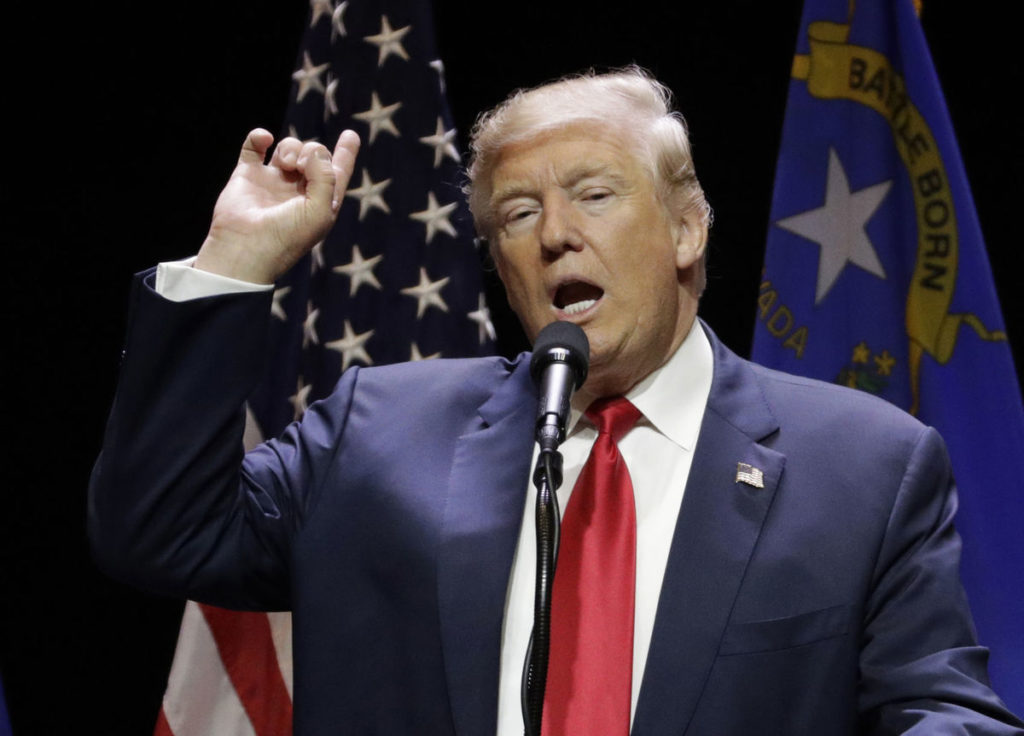
Whoever owns donaldtrumpsucks.com must really hate Donald Trump, right? Wrong! It’s the Donald himself. The same goes for no2trump.com, trumpmustgo.com and two dozen other web addresses that sound like they’re bashing the billionaire Republican presidential nominee, his business interests or his political aspirations. What would Trump want with such insulting domains? Easy. To make sure his critics and rivals can’t have them. He and his Trump Organization own more than 3,600 web addresses, according to the research firm DomainIQ. The vast majority bear the names of his properties, products and progeny. There are 274 domains alone featuring the name of Trump’s daughter Ivanka. And then there are the ones that seem better suited for the anti-Trump crowd: eight domains ending in “scheme,” eight ending in “fraud” and eight ending in “sucks.” It is common for businesses and celebrities to scoop up and sit on web addresses that could be used to mock or attack them. Cable giant Comcast owns ihatecomcast.com, and Verizon holds verizonsucks.com. Colleges have made a habit of buying up versions of their names ending in .xxx to prevent them from falling into the hands of pornographers, and Major League Baseball has registered the names of various teams ending in .sex. “Domains are cheap,” branding expert Rebecca Lieb said. “Mopping up when somebody acquires a domain and does something malicious with it is expensive.” Trump’s collection of web addresses good and bad is far more extensive than that of any candidate before. He and the Trump Organization own a few hundred more than Target Corp. or General Motors. Hillary Clinton‘s campaign owns 70, according to DomainIQ, though none appear to be the kind of derogatory names Trump has registered. Her family’s foundation owns 214 domains, including four ending in .xxx. “Mr. Trump has built a globally recognized, highly successful brand, and it’s only natural he would attempt to protect his name and his brand in all respects,” Trump campaign spokeswoman Hope Hicks said in an email Monday. Web addresses cost just a few bucks to register. After that, you can sell them to the highest bidder, unless someone steps in and successfully claims that the domain involves a trademark. That’s how Trump has gotten his hands on Trump-related addresses that other people registered before he could. His lawyers have sent cease-and-desist letters and gone to arbitration at least 40 times to force outsiders to hand over domains, including MelaniaTrump.com. Trump and his team didn’t take any chances in 2009 when he created the Trump Network brand to sell vitamins and other health products. They quietly scooped up 18 negative domain names, including DonaldTrumpPonziScheme.com and TrumpNetworkFraud.com. Trump also tried to head off the haters when he ventured into the liquor business with Trump Vodka in 2005. Along with trumppunch.com, trumpwithatwist.com and yourefiredvodka.com, Trump’s company registered ihatetrumpvodka.com and trumpvodkasucks.com. And last year, as his run for the White House focused new attention on Trump University’s questionable practices, Trump and his team registered trumpfraud.com and three similar domains. Trump’s roster traces his professional ambitions and personal milestones, with registrations tied to the start of big projects and the arrival of children and grandchildren, and addresses for ventures that never got off the ground or ones like trumponair.com that could be ripe for use if he loses on Nov. 8. There are domains for an unrealized plan to build a NASCAR speedway in the early 2000s, a failed attempt to acquire Gianni Versace‘s Miami Beach mansion in 2013 and an unsuccessful push to develop a North Carolina golf resort. There are domains for a Trump-produced Broadway show featuring the music of Irving Berlin. The curtain never rose, but Trump still owns trumpfollies.com. And then there are the politically themed domains that appear to coin new terminology: trumpublican.org and trumpocrat.net. Despite Trump’s efforts, some of his tormentors have beaten him to the punch. Chris Puchowicz bought trump.org for $1,272 at an auction in 2012 and snagged trump.tv for $251 a few months later. The Trump Organization didn’t make a bid, he said, but its lawyers later threatened a lawsuit. Puchowicz still owns the domains and has used them to post an anti-Trump rant. Brian Lam, a software engineering student in St. Louis, spent $9 to register votefortrumppence.com. He then posted a photo of himself giving the finger to the camera over the words “Just Kidding.” All is not lost. Trump still owns ilovedonaldtrump.com. Republished with permission of the Associated Press.
