
House GOP health bill facing fresh House committee test

The White House and Republican leaders are talking to rank-and-file lawmakers about revising the GOP health care overhaul, hoping to keep a rebellion by conservatives and moderates from snowballing and imperiling the party’s showpiece legislation. Four days after a congressional report projected the bill would pry coverage from millions of voters, signs of fraying GOP support for the legislation were showing. The measure would strike down much of former President Barack Obama‘s 2010 overhaul and reduce the federal role, including financing, for health care consumers and is opposed uniformly by Democrats. In a fresh test of Republicans’ willingness to embrace the legislation, the House Budget Committee was considering the measure Thursday. Republicans expressed confidence the bill would be approved, but the vote could be tight. The panel can’t make significant changes but was expected to endorse non-binding, suggested changes to nail down votes. The bill would eliminate the tax penalty that pressures people to buy coverage and the federal subsidies that let millions afford it, replacing them with tax credits that are bigger for older people. It would cut Medicaid, repeal the law’s tax increases on higher earning Americans and require 30 percent higher premiums for consumers who let coverage lapse. Overt GOP opposition grew after the nonpartisan Congressional Budget Office projected Monday that the legislation would push 24 million Americans off coverage in a decade and shift out-of-pocket costs toward lower income, older people. Obama’s law has provided coverage to around 20 million additional people House Speaker Paul Ryan, R-Wis., told reporters Wednesday that leaders could now make “some necessary improvements and refinements” to the legislation. But he declined to commit to bringing the measure to the House floor next week, a schedule Republican leaders have repeatedly said they intended to keep. At a late rally in Nashville Wednesday, President Donald Trump said: “We’re going to arbitrate, we’re all going to get together, we’re going to get something done.” Vice President Mike Pence met with House GOP lawmakers and pressed them to unite behind the legislation. “‘It’s our job to get it out of here and get it to the Senate,’” Pence told Republicans, according to Rep. Dennis Ross, R-Fla. That would let Trump pressure “Democrats in these red states to come on board,’” Ross said, referring to Republican-leaning states where Democratic senators face re-election next year. But insurgents still abound. Conservatives want to end Obama’s expansion of Medicaid to 11 million additional low-income people next year, not 2020 as the bill proposes. They say a GOP proposed tax credit to help people pay medical costs is too generous, and they want to terminate all of Obama’s insurance requirements, including mandatory coverage of specified services like drug counseling. Rep. Mark Meadows, R-N.C., head of the hard-line conservative House Freedom Caucus, continued pushing for changes. He claimed at least 21 members of his group would oppose the measure as written; the bill would fail if 22 Republicans join all Democrats in opposing it. But underscoring the push-pull problem GOP leaders face in winning votes, moderates feel the tax credits are too stingy, especially for low earners and older people. They oppose accelerating the phase-out of the Medicaid expansion and are unhappy with long-term cuts the measure would inflict on the entire program. Terminating the Medicaid expansion in 2020 and not 2018 “is sacrosanct to me,” said moderate Rep. Tom MacArthur, R-N.J. In a new complication, Sen. Charles Grassley, R-Iowa, said the measure lacked the votes to pass in the Senate, where Republicans hold a precarious 52-48 majority. That left House members angry over being asked to take a politically risky vote for legislation likely to be altered. Moderates “don’t like the idea of taking a vote in the House that may go nowhere in the Senate,” said Rep. Charlie Dent, R-Pa. Amid the maneuvering, a federal report said more than 12 million people have signed up for coverage this year under the very statute that Republicans want to repeal. That figure underscored the potential political impact of the GOP’s next move. Republished with permission of The Associated Press.
Alabama tax refunds could come late for half a million residents
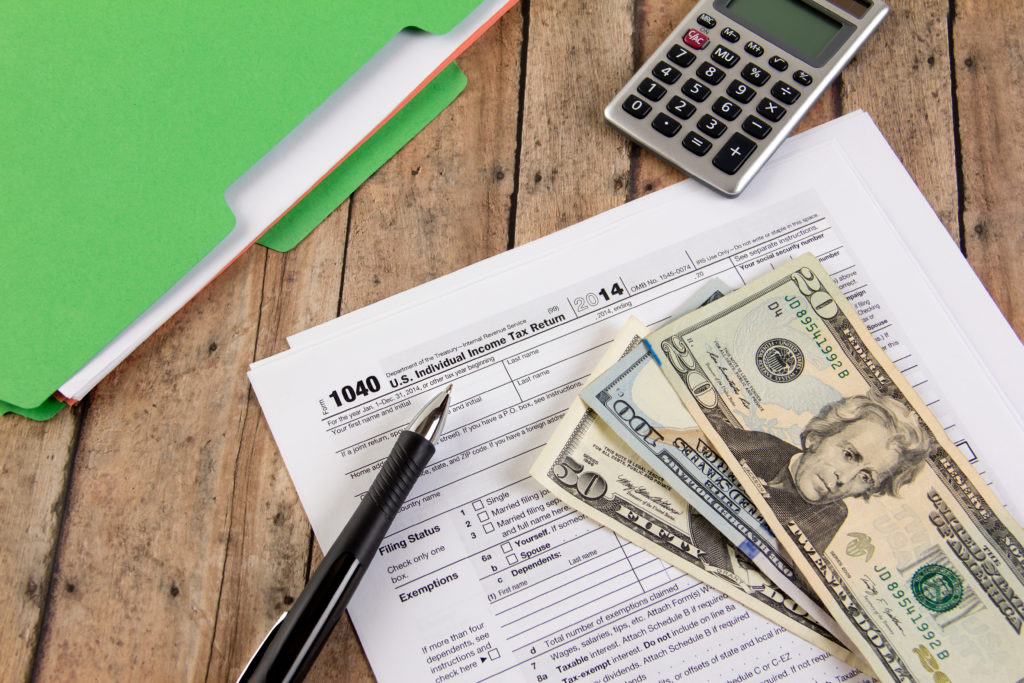
Some households may find themselves waiting a little longer for their tax refunds next spring. Due to an IRS procedural change, households that file early and claim the Earned Income Tax Credit (EITC) or the Additional Child Tax Credit will not see their refunds until after Feb. 15. The Internal Revenue Service said the delays are the result of a new anti-fraud regulation that will take effect in 2017. The rule will give the agency more time to identify and eliminate fraud in both programs. These changes are a result of the passage of the Protecting Americans from Tax Hikes Act of 2015. While the majority of the law simply makes some temporary tax credits permanent, other portions of the bill attempt to crack down on what some investigators have called a “formula for fraud.” In 2014, 27.5 million Americans — and roughly 507,000 Alabamians — filed for the EITC. In Alabama, the EITC average return amount was $2,784, which came in above the national average of $2,400. ”This is an important change to be aware of for some taxpayers used to getting an early refund,” said IRS Commissioner John Koskinen. “We’ll be focusing on awareness of this change throughout the fall, but it’s important for taxpayers who might be affected by this to be aware of the change for their planning purposes. Although we still expect to issue most refunds within 21 days, we don’t want people caught by surprise if they get their refund a few weeks later than previous years.” The IRS usually issues refunds within 21 days or less after processing begins on a return. The agency began accepting returns Jan. 19 this year. “These increased security screenings are invisible to most taxpayers,” Koskinen continued. “But we want people to be aware we are taking additional steps to protect taxpayers from identity theft, and that sometimes means the real taxpayers face a slight delay in their refunds. As we continue improving our processes and working with the states and the tax industry, we will stop more fraud while also fine-tuning our tools to reduce the number of innocent taxpayers who might see a refund delay. “
