
Ed Richardson says Montgomery schools need to cut teachers jobs
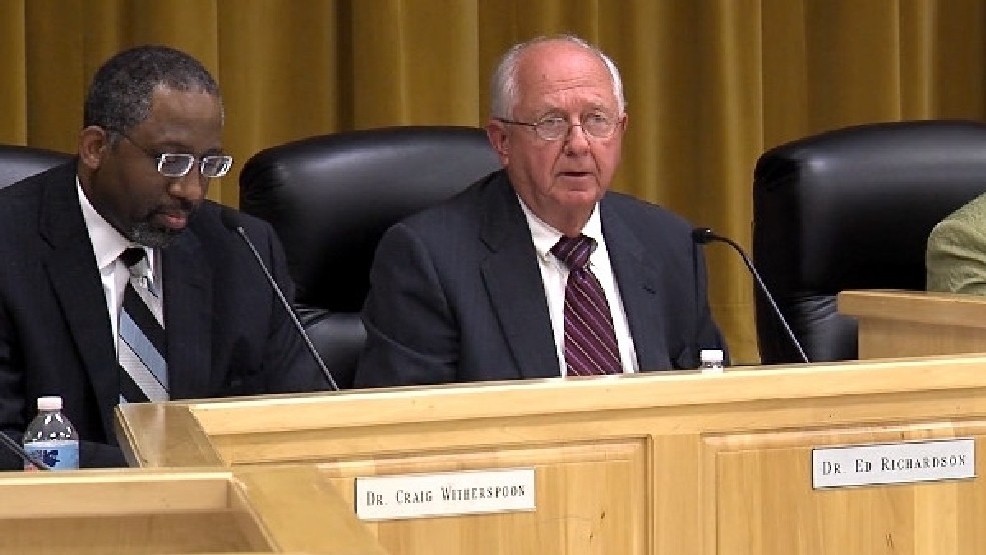
An interim superintendent in Alabama says about 200 teacher positions in Montgomery will have to be eliminated and outsource 400 support jobs to stabilize finances. Al.com reports that Ed Richardson says the Alabama Education Association could have prevented the job cuts for Montgomery Public Schools if it had not gone to court to block his plan to sell Georgia Washington Middle School to the town of Pike Road. Richardson led a state intervention into Montgomery schools because of financial and academic problems. Montgomery Mayor Todd Strange joined Richardson during the news conference Thursday. The city has no authority over education, but the city expended some time and money studying the possibility of a city school system but determined it was not feasible. The AEA represents teachers and other education employees. “Now here’s a system that’s already struggling with academic problems,” Richardson said. “The original plan, we did not have to cut any teacher nor outsource any employees. And now we’re faced with that distasteful task and by the end of this month, April, we will make those decisions.” The AEA said in a statement that Richardson had a conflict of interest since he worked as a consultant for the Pike Road system. “Anyone paying attention to the matter knows Ed Richardson has a personal issue with AEA,” AEA President Sherry Tucker said in a statement. “This is causing him to make decisions that he thinks will hurt AEA, regardless of if they will help the children of Montgomery County.” However, Richardson said the AEA’s claim is “totally false.” “Wherever I’m employed is where I give my full attention,” Richardson said. “In this case it’s trying to get the intervention for Montgomery Public Schools in a position where they have a chance to be released sometime in the near future.” Richardson said he still expects Georgia Washington and the three other schools to close. Robert Porterfield, president of the Montgomery Public Schools Board, said Richardson was being prematurely negative. “We were accredited before the state came and we have not been unaccredited and I think you’re making a big to-do out of this before the board gets an opportunity to even see what they’ve come up with,” Porterfield said. Republished with the permission of the Associated Press.
New report ranks Montgomery #1 in Alabama for new jobs
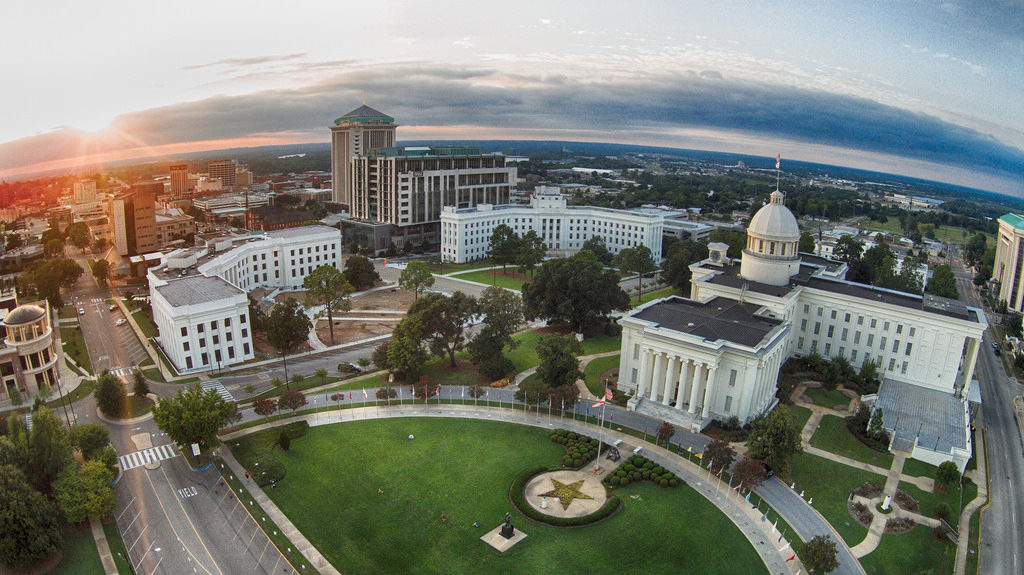
2016 was strong year statewide for economic development, with 400 projects across diverse industries resulting in 14,707 new jobs and $4.2B in capital investment gained for the Yellowhammer State. According to the 2016 New & Expanding Industry Report, released by Gov. Kay Ivey and the Alabama Commerce Department, Montgomery county tops the list for creating jobs. With 1,704 jobs announced by new and expanding companies last calendar year, Montgomery led every other county in the state. “Local communities depend on the Alabama Department of Commerce and the Governor to be our lead partners in economic development for the vital role they play in recruiting and retaining industries. These results show that the partnership is working,” said Montgomery Mayor Todd Strange. Montgomery County Commission Chairman Elton Dean added, “We depend on the Chamber to be the economic development arm of the County and the City. When we speak here, we speak with one voice. And these announced new and expanding companies see the tremendous value in that.” Also highlighted in the report, Montgomery ranked second in terms of the number of economic development projects announced last year with a total of 42, and fourth in terms of the new capital investment those announcements generated, at $371 million. David Reed, Montgomery Chamber Chairman added the Chamber’s economic development strategy to diversify the regional economy and recruit and retain talent plays a major role in the rankings released on Wednesday. “You are seeing the results of a great public-private team, that is committed to creating jobs and opportunities for Montgomery and the River Region,” said Reed. “Integral to that effort is our invaluable partnership with the Alabama Department of Commerce and we look forward to continued success with the support of Governor Ivey, a long-time champion for jobs in Alabama.”
Alabama’s ‘Big 5’ mayors lay out agenda for state lawmakers
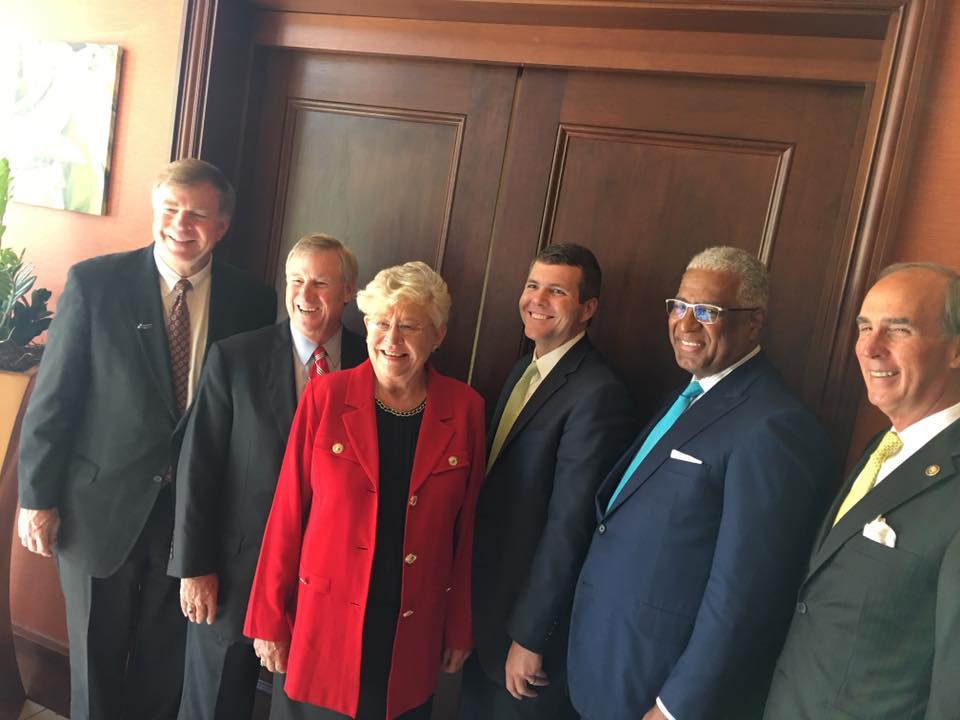
When the mayors from Alabama’s five largest cities formed an alliance in 2014, they knew there was power in numbers when it came to creating a strategy for developing a better relationship with legislators and improving their cities. After all, when you combine Montgomery, Mobile, Birmingham, Huntsville, and Tuscaloosa, you’ve accounted for nearly one third of Alabama’s population. Now, nearly four years later, the “Big 5” mayors still get together four times a year to strategize on how to best improve their cities. Last week’s “Big 5” meeting was no different, when Huntsville Mayor Tommy Battle, Birmingham Mayor William Bell, Tuscaloosa Mayor Walt Maddox, Mobile Mayor Sandy Stimpson and Montgomery Mayor Todd Strange met with Governor Kay Ivey, along with key cabinet members and state legislative leadership, to discuss several priorities with lawmakers this legislative session. “We recognize the impact policies crafted at the state level have on our cities and communities, and as leaders of local governments, we remain close to the people and know what policies will work and which ones will not,” said Battle. “We’re here to ensure our voices are heard. We look forward to working with the Governor’s office and State Legislature to craft policies that benefit our communities, promote economic development and provide a higher quality of life for citizens.” Meeting in Montgomery on Thursday, the group said maintaining and improving Alabama’s infrastructure tops their list of collective concerns since it is essential to economic development. While cities allocate larger portions of their budgets to local infrastructure, state and federally controlled highways, byways and interchanges must keep up with the demands of commerce — and that falls on the state Legislature. In keeping with the jobs and economic development theme, the mayors urged legislators to pass a bill renewing the historic tax credit, a proven component to cities’ growth and development. They also encouraged increasing the cap available for economic development in the Alabama Jobs Act. Watch a press conference from the “Big 5” meeting below:
Alabama mayors asking citizens to vote yes for Amendment 11
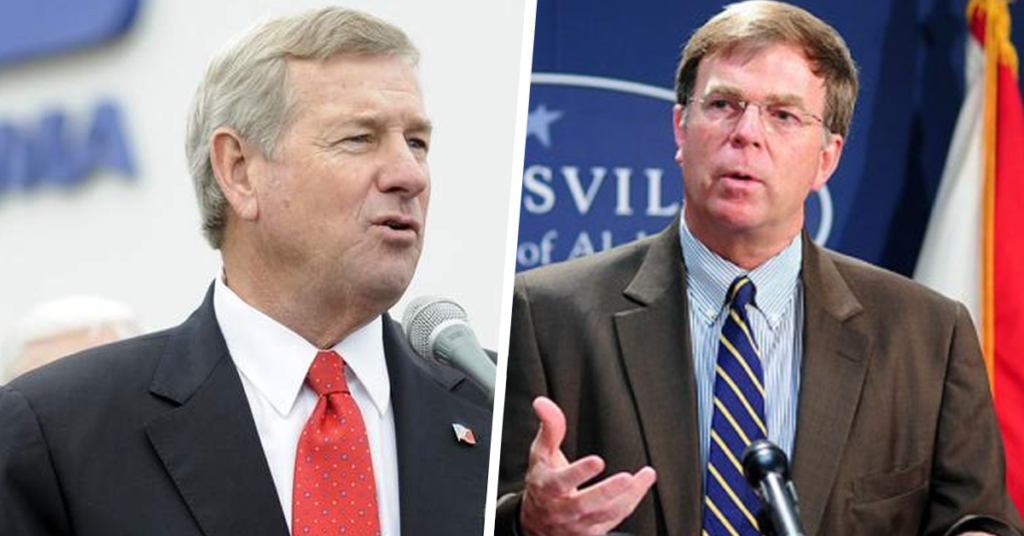
Alabama’s mayors are urging citizens to vote yes next month on an amendment they believe will help improve economic development across the Yellowhammer State. Huntsville Mayor Tommy Battle and Montgomery Mayor Todd Strange Thursday joined forces advocating for support for Amendment 11. Together they met with economic developers to simplify the details of the amendment for voters. “All we have to do is vote yes for Amendment 11 and it helps make Alabama better. It helps us compete and win against other states,” said Strange. Amendment 11, also known as the 21st Century Manufacturing Zone Act, is one of 14 amendments that will grace the Alabama election ballots this fall. It will provide local governments throughout Alabama an innovative tool to facilitate the recruitment of large economic development projects while utilizing the enhanced tax revenues from a project to fund the costs associated with bringing that business to the community. At Thursday’s event Strange went on to explain the competition is no longer happening between Alabama cities, but rather the state is fighting with its neighbors for businesses and jobs. “They’re going to be able to get the infrastructure, it’s going to make us more competitive,” said Strange. “Not between Huntsville and Montgomery and Mobile and Birmingham, but between Alabama, the local communities and what Tennessee might have, what Georgia might have, Louisiana and some of those others.” “Bottom line, it would really give us an opportunity to be more competitive when we’re competing with other areas and other states as far as locating a new business into Alabama,” said Montgomery Area Chamber of Commerce Chairman Horace Horn on Thursday. Both mayors and economic developers said simply the amendment “puts the financial responsibility back on the industries and protects your taxpayer dollars.” The bill for the amendment passed unanimously in the Alabama House and Senate.
City of Montgomery ends use of controversial speed car cameras
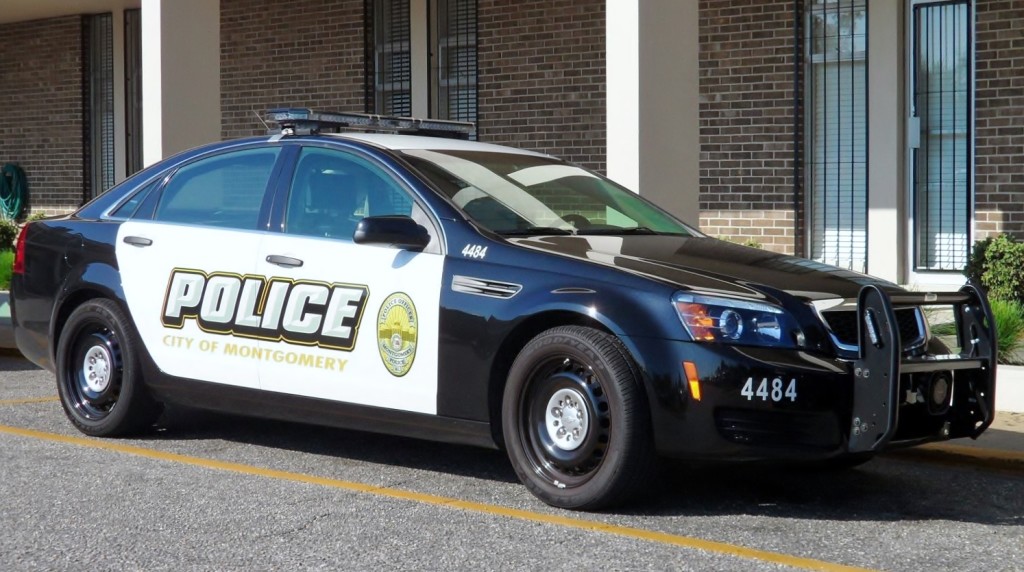
The City of Montgomery‘s controversial use of speeding cameras in unmanned police cars came to an end at the beginning of July. The cameras were placed in empty police cars. If you were speeding past the police car, the camera would take a picture of your license plate and you would receive a ticket in the mail. On Wednesday, Alabama Attorney General Luther Strange sent a letter to the City of Montgomery stating his opinion, “that the City must cease operating the system” and the city agreed to comply with the AG. Montgomery Mayor Todd Strange, a proponent of the speed cameras, had previously said they were “a tremendous force multiplier that supplement manned enforcement by our traffic officers while allowing other police personnel to fight crime, protect, and serve,” explaining “our neighborhoods, our schools, and our children” would stand to lose the most. The city will shift its focus to officers on motor bikes who will now be giving out tickets. “Now all of sudden the fine triples, it goes on your record,” Strange said. “That’s what the Legislature wanted, and that’s what they’re going to get because, at the end of the day, we’ve got to do things that slow traffic down. It’s never been about the revenue.” The removal of Montgomery’s speed car cameras comes after state lawmakers banned their use in the city during the last legislative session, with Gov. Robert Bentley signing the bill into law in April.
Mayor Todd Strange says speed car cameras to stay in Montgomery
The city of Montgomery is doubling-down on its use four unmanned police cars that are equipped with speeding cameras despite a new state law that bans them. The law, signed in April by Gov. Robert Bentley was borne out of public resentment for the Montgomery police practice, which essentially establishes decoy cars throughout the city and issues tickets via mail. But Montgomery Mayor Todd Strange says Montgomery is currently exempt from the law because it is protected under a section in the constitution that states legislators can’t enact a statute that would impair pre-existing contracts. “With all due respect to the legislature, Section 22 will tell you that they cannot do anything, pass a law, that would impair the existing contracts,” Strange told WSFA 12 News. “And the existing contract that we have is a three-year contract that we actually extended in March of this year.” Mayor Strange, a proponent of the speed cameras has previously said the cameras are “a tremendous force multiplier that supplement manned enforcement by our traffic officers while allowing other police personnel to fight crime, protect and serve,” explaining “our neighborhoods, our schools and our children” would stand to lose the most. His the law’s passage, Strange has amended the use of the car cameras saying they will no longer be used in construction zones, but will remain in neighborhoods and school zones where requested. Strange said the city received an average of three requests a week to deploy the cars.
Alabama mayors call for action on transportation infrastructure
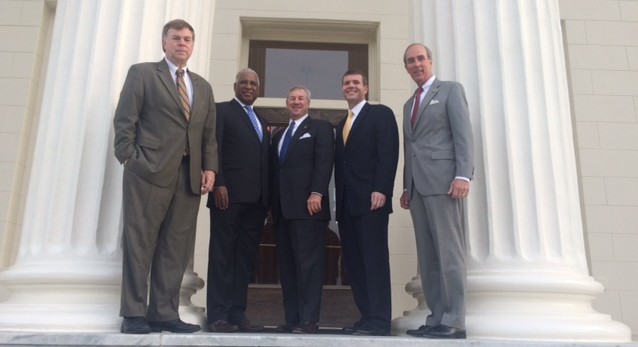
The mayors of Alabama’s five largest cities gathered Thursday in Montgomery where they called on state leaders to support efforts to improve transportation infrastructure in Alabama. The mayors from Birmingham, Huntsville, Mobile, Montgomery and Tuscaloosa said state legislators must identify funding for construction of new bridges, roads and highways as well as maintenance and repairs on existing infrastructure. “Infrastructure is one of the top factors in the competition for jobs and investment,” the five mayors said in a joint statement. “As local leaders, we recognize that there is a gap between current resources and needs. We support efforts to ensure that the state has adequate funds to address this basic responsibility of government.” The mayors, who collectively represent almost half of the state’s total population, met Wednesday with Gov. Robert Bentley along with leadership from the Alabama House and Senate. The delegation included Mayor Tommy Battle of Huntsville, Mayor William Bell of Birmingham, Mayor Walt Maddox of Tuscaloosa, Mayor Sandy Stimpson of Mobile and Mayor Todd Strange of Montgomery. In meetings with legislators and state officials on Wednesday, the mayors said it is up to elected leaders in Montgomery to determine how to pay for needed repairs and maintenance to Alabama roadways. The mayors said they would oppose the use or transfer of state transportation revenues for purposes other than transportation infrastructure. Here’s what each of the five mayors had to say: Mayor Tommy Battle of Huntsville: Economic development is tied to infrastructure, and infrastructure means jobs. As mayors, it is our responsibility is to provide the essential ingredients in our cities to ensure economic success. State government has the same responsibility. Mayor Todd Strange of Montgomery: The five of us represent nearly half of our state’s population, and we understand the immediate needs, challenges and ambitions of our residents on a tangible level. What our residents need right now are solutions to the infrastructure and transportation issues threatening to slow down Alabama’s economic progress and pose a safety risk to our citizens. Mayor William Bell of Birmingham: There is a critical need for state transportation funding for infrastructure in the City of Birmingham and around the state of Alabama. Our hope is that by speaking with one voice, we make a bigger impact and have that voice heard. Mayor Walt Maddox of Tuscaloosa: Strong public infrastructure creates strong cities. Having a strong highway system which meets Alabama’s safety, mobility and economic needs must be a common cause which unites us all. Mayor Sandy Stimpson of Mobile: We have neglected our infrastructure for too long as a state. Fixing our roads and bridges will make us safer, more competitive and improve the quality of life for all Alabamians.
Bill banning speed cameras in police cars passes House committee
The House Committee on Montgomery County Legislation approved a bill Tuesday that would prohibit Montgomery police from using traffic cameras in unoccupied cars, a practice approved by the Alabama Legislature in 2011. SB201, sponsored by Sens. Dick Brewbaker (R-Montgomery) and Quinton Ross (D-Montgomery), comes out of public resentment for the police practice, which essentially establishes decoy cars throughout the city and issues tickets via mail. The 2011 bill specifies that the tickets should be mailed to residents within 30 days of the offense and include a picture of the offending vehicle and license plate, a description of the offense and the time, date and location of the violation. An amendment to the legislation was offered, which would have allowed the cars to be used in residential and school areas but prohibit them on four-lane roads, federal and state highways and in construction zones, but the committee tabled it. In a statement on Facebook, Montgomery Mayor Todd Strange said he was “disappointed” with the committee’s decision, saying that the cameras in residential and school areas are “a tremendous force multiplier that supplement manned enforcement by our traffic officers while allowing other police personnel to fight crime, protect and serve,” explaining “our neighborhoods, our schools and our children” would stand to lose the most. “We will continue to oppose this bill when it reaches the floor of the Alabama House and again ask the members of the Montgomery delegation to seek the opinion of the neighborhood associations and schools regarding the effectiveness of the speed car cameras in unmanned marked police cars,” Strange continued. “Speed cameras work.” The cameras generated just over $136,000 in annual revenue in 2015 — less than 6/10 of 1 percent of the city’s general fund — for a department whose budget is slated to surpass $230 million this year. The legislation, which simply states that the 2011 bill be completely repealed, has already passed the Senate and is now cleared to go before the House of Representatives.
Mayors of state’s largest cities retreat to share ideas, discuss issues
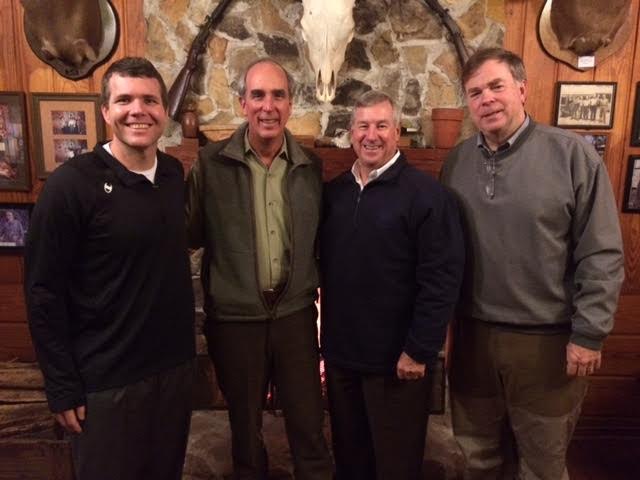
A group of Alabama mayors are enjoying a two-day retreat in Clarke County this week as part of a series of meetings to “share ideas and discuss best practices from their respective administrations,” according to a news release from Montgomery Mayor Todd Strange‘s office. Representing four of Alabama’s five largest cities, the participants include Strange, Huntsville Mayor Tommy Battle, Tuscaloosa Mayor Walt Maddox, and Mobile Mayor Sandy Stimpson, who is hosting the event at his family’s hunting camp. Birmingham Mayor William Bell was unable to attend. The focus has been on “economic development, education and legislative proposals expected to debated” in the upcoming Legislative Session which begins Feb. 2. The mayors have shared their legislative priorities for the upcoming session and discussed plans for an unprecedented visit by the group to the state Capitol next month. “We meet because we are all concerned about the future of Alabama,” Strange said in the news release. “This is an important time for our state. As mayors, we are in a unique position to cut through the rhetoric and bring forward real solutions.” “We come from different places and we all have very different backgrounds, but we’re able to come together on behalf of our constituents,” the release quoted Maddox as saying. “There’s a lot our legislators (can) learn from that example. One thing we all know is that you can’t solve new problems with old solutions.”
60 years after boycott, using Montgomery bus can be trying
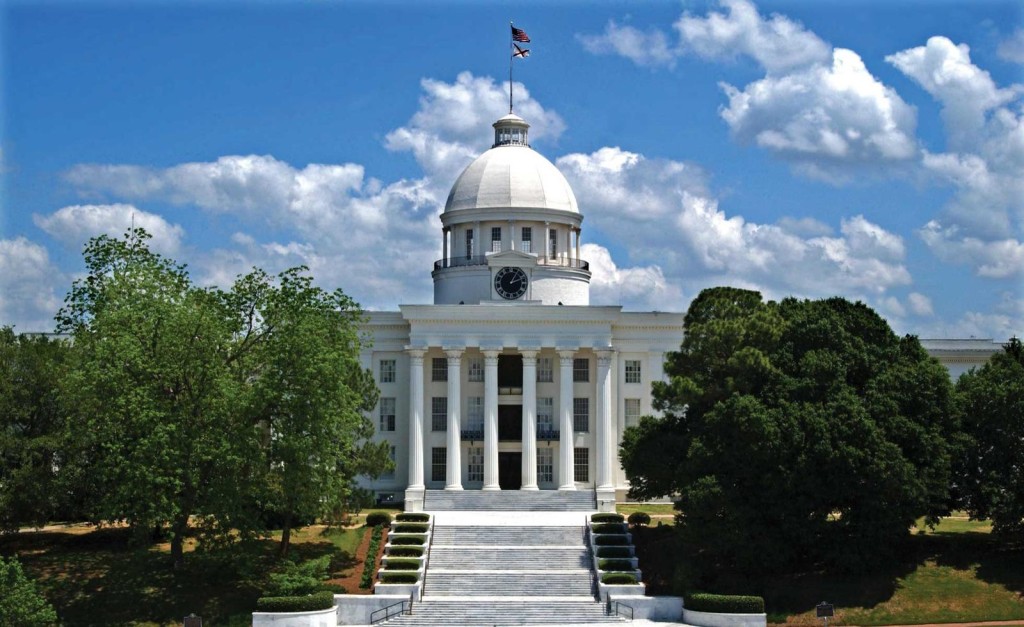
Two blocks from the spot where Rosa Parks refused to give up her bus seat to a white passenger in 1955, 17-year-old Tanesha Wilson listens to earbuds as she waits for the No. 8. She takes two buses every afternoon to get to her job at McDonald’s after spending her mornings studying math and science, the last two tests she must pass to get her GED and start studying for an accounting degree. “I don’t have a car,” she said outside the transfer station waiting room, which is full of mostly African-American riders. “I have to take the bus.” Sixty years after Parks’ arrest sparked the historic boycott to end racial segregation on Montgomery’s buses, the overwhelmingly black ridership of Montgomery’s bus system no longer faces legalized racial segregation – but they face a bus system that advocates call inadequate. “We went from the back of the bus to where’s the bus?” said Stephen Stetson, a policy analyst for Alabama Arise, an advocacy group for the state’s low-income families. Montgomery’s system, like public transportation in many cities, is short of money and long on challenges such as urban sprawl, declining passenger numbers, tight budgets and government policy choices that value freeways over mass transit. Fifteen bus routes crisscross the city, where tourist attractions herald Montgomery’s dual role as the birthplace of the Confederacy and the civil rights movement. But some riders say buses don’t always run on schedule – as buses break down- and don’t go where, and when, they need them need to go. Rosie Ann Reeves works in housekeeping at a hotel less than six miles from her home. The trip takes about 15 minutes by car, but Reeves must rely on the city transit system. Reeves gets up at 4:45 each morning to catch a 6:15 bus that gets her to work by about 7:50 a.m., but she doesn’t clock in until 9. “If you miss a bus you have to wait an hour and a half or two,” said Reeves. The buses stop in the evening, have reduced service on Saturdays and don’t run at all on Sundays. Montgomery Mayor Todd Strange said it’s difficult for the city to come up with the $3 million it steers to the bus system each year. “It is always a challenge to make sure that you’ve got adequate lines, you’ve got adequate equipment, and we actually run close to a million and a-half miles a year,” Strange said. “But is that enough? A lot of people tell you it’s not. But, at the same time, are you going to put more buses on or are you going to put more police officers or more firefighters on?” Alabama is one of four states, along with Arizona, Hawaii, and Utah, which provide no state tax dollars for public transportation. Art Guzzetti, vice president of the American Public Transportation Association, said ideally, transit funding is a partnership of federal, state and local entities. “To the degree that one of those partners is missing, the other partners have to do double duty,” Guzzetti said. While direct statistical comparisons with 1955 are difficult, anecdotal evidence suggests ridership today in Montgomery is more heavily African-American. In his book, “Stride Toward Freedom The Montgomery Story,” the Rev. Martin Luther King wrote that he told city officials during the 1955 boycott negotiations that 75 percent of the segregated bus system’s riders were African-American. A 2007 ridership survey by First Transit, which now runs the bus system, found that 84 percent of today’s riders are African-American. Passengers on the bus are also disproportionately poor. The survey showed that most earned less than $20,000 annually and had no option to take a car. Stetson said the Southern city has some built-in challenges in trying to sustain a transit system. Sprawl to the city’s east side, fueled by white and middle class flight, stripped the city of the urban density that lends itself to an efficient transit system. The state’s conservative fiscal climate makes it difficult to raise money, he said. Callie Greer, a bus rider and activist with the Montgomery Transportation Coalition, puts it more bluntly. She believes buses aren’t a funding priority since they are primarily used by minorities and low-income people. “This is about economic justice. You have to get to work to have a job,” Greer said. Bus system manager Kelvin Miller said they are trying to make improvements but are limited by operating funds. He said the system began using hybrid buses to save fuel costs and is debuting a phone app so people can track where the bus is on its route. However, Greer said the bus system in Montgomery today is much better than it was a few years ago when it was largely dismantled. Citing rising costs, city officials in 1998 abolished fixed bus routes for a system where people called ahead to request a ride. Amid the chaotic change, daily ridership plummeted to just a few hundred. After a public outcry, city leaders reversed course and reintroduced fixed routes two years later. Ridership steadily increased each year. But it took a dip again when the bus system raised fares to $2 in 2012 to balance the budget. “There was a time we didn’t even have a transit system to speak of here in Montgomery. As it stands right now we have a, I guess you say like dysfunctional families? We have a dysfunctional transit system here,” Greer said. The 60th anniversary of the bus boycott will put a spotlight on Montgomery again as weeklong commemoration celebrates the seminal moment of the civil rights movement. City bells will chime on the anniversary of Parks’ arrest and a new historic marker will be placed at her arrest site, near the transfer station where the large city blue buses lumber in and out. “You know if they had the bus boycott back then and all the struggles they went through back then, I feel as though it should be one of the best
Angi Stalnaker: QB’ing the Montgomery mayoral election
For political consultants, election nights are like a cross between the Super Bowl and Christmas morning. We live for the adrenaline rush that comes as the clock approaches 7:00pm and the polls close. Our blank spreadsheets stare at us waiting for precinct by precinct vote totals to be filled in. It is Hunger Games, Survivor and Intervention all wrapped into one evening. Tuesday night was a little different for me because, although I do not usually get involved in local elections and did not have a candidate in the Montgomery mayoral race, I watched the results roll in with the same interest and attention that I would have if I had been consulting for one of the candidates. I found myself jonesing for the next set of returns to come in and then analyzed them much like a sports fan does the day after the big game. The following is the politi-geek version of Monday morning quarterbacking the Montgomery Mayoral Election. Despite a crowded field of 5 candidates and the inclusion of a former United States Congressman on the ballot, there had been little excitement in the race leading up to the last week. Crime rates and budget numbers were being thrown around and the usual cookie cutter commercials were airing but there was really nothing to write home about. Incumbent Mayor Todd Strange held a commanding lead and three of the candidates, Ella Bell, Dan Harris and Buena Browder, were never viewed as serious contenders. The only semi-credible threat to Strange’s third term was Davis but even his own people seemed to think that was a longshot, at best. The only question was whether Strange would win without a runoff or would Congressman Artur Davis find a way to force a second election. Well, that was the only question until last Thursday. Last Thursday, Montgomery finally had something to talk about. The Ashley Madison list was making news and a little-known blogger printed an article alleging that Artur Davis may have once had an account on the clandestine website. The news spread like wildfire around the River Region and by Friday morning, Davis was declaring his innocence to every media outlet in the city. Some people believed him (I am in that camp). Some people didn’t. Most people just didn’t care (I am also in this camp). By Friday evening, even that little bit of excitement had faded away. Tuesday night came and went and Strange won a convincing and overwhelming victory. Emerging from a field of 5 candidates without a runoff is an incredible feat and it should be recognized as such. However, as a politi-geek, I have to ask myself how that happened? A great deal of the credit goes to the Strange team but I think that even his closest staffers would concede that the other four campaigns gave Todd Strange a gift, the gift of incompetent or nonexistent campaigns. As much as many in my profession like to go on and on about the science of persuasion and the psychology of messaging, the truth is that political campaigns are a science and that science is math. It is a simple game of math. How many voters are likely to vote in the election? How many of those voters do I need to win? Who are my supporters? Are there enough of them to reach the magic number? Can I get that number of voters to the polls? See, it is all math. The Davis campaign didn’t seem to have mastered election arithmetic. They never seemed to know who their voters were. They never had a grasp on any specific segment of the population and they just seemed to drift from issue to issue and from neighborhood to neighborhood. I have no doubt that Congressman Davis understood the average Montgomery voter but I don’t believe that his campaign team ever got a real grasp on what they were trying to accomplish. Voter ID efforts seemed dismal at best and the efforts to drive voters to the polls through a persuasive message that hit them in their hearts and minds just never materialized. Davis is a great person who probably does want to build a better Montgomery. The problem is that he never knew who his supporters were or why they were supporting him. He didn’t know who to push to the polling place and who to skip. The strategy was loose and unfocused and, in the end, came off as sophomoric. That is not an indictment of the candidate, but of the campaign strategy and campaign strategy rarely has anything to do with the person whose name is on the ballot. There is a place in Montgomery for Strange and Davis to work together to make the city great again. There are conversations about issues that are taking place now and will continue to take place for months to come because Artur Davis threw his hat in the ring. Education, economic development and poverty are all being discussed in depth for the first time in years and that is largely due to the Davis candidacy. Hopefully, politi-geeks from all over the State can look at the Montgomery mayoral race and learn a thing or two about the math of politics and if you need someone to teach you a River Region political math lesson, I encourage you to contact the Strange campaign team because they get an A+ in election math. Angi Stalnaker is an Alabama native who, as a political consultant, has worked on numerous statewide, legislative and constitutional amendment races for conservative causes and candidates. For more information about her visit Virtus Solutions.
With voting underway, Todd Strange faces challengers in Montgomery re-election bid
Today is election day in Montgomery municipal elections. Polls opened at 7 a.m. and voting is very much underway. City of Montgomery Mayor Todd Strange was elected to head the city by way of a low-turnout special election triggered when former Mayor Bobby Bright, a Democrat, abdicated the office to pursue a seat in Congress. Now some six years later Strange, a Republican has a record to defend and a broader general election to defend it before – plus a serious challenge being mounted by former U.S. Rep. Arthur Davis. Davis is another former Democratic congressman in a place where – inside the city limits, anyway – voters lean Democratic despite the technically nonpartisan nature of the race. Davis isn’t the only one gunning for Strange’s office: a slate of formidable opponents that could force the election to a run-off includes state schools official Ella Bell, Montgomery County Commissioner Dan Harris and businesswoman Buena Browder. In campaign ads, Strange has emphasized non-ideological points like his economic development chops, not unusual for a mayor, but revealing when it comes to the dynamics of running in a moderate-leaning city which is the seat of government for one of the nation’s most conservative states. Strange has emphasized Montgomery’s status as a jewel of “The New South” – a byword for cosmopolitan attitudes and racial integration – even as many of the state’s leaders and citizens insist on honoring symbols of its history. Arthur Davis – in seeking a political comeback by ousting Strange – has hit the mayor from both the left and right. Besides embracing traditional Democratic planks like economic inequality and law enforcement overreach – “MPD needs more transparency. Period.” Davis recently intoned via social media – he is also judging Strange by a fiscally conservative rubric. “Strange increased the budget by $13 million over 6 years. Do you see $13 million worth of progress, or just more fees and less growth?” reads one recent Tweet signed “AD,” indicating it came from the candidate himself. A recent endorsement by Strange’s hometown paper, the Montgomery Advertiser, could well come in handy in beating back such charges. “For the past six years, Todd Strange has led Montgomery with a rare combination of integrity, vision and practicality that has greatly benefited our city,” wrote the paper’s op-ed board. “Without reservation, we recommend his re-election as mayor on Aug. 25.” “Being mayor of this city is a demanding job. It’s not easy to balance the needs and necessities with the wishes and wants, to chart a course of responsible growth and investment within the fiscal constraints that any city has. Strange has done that, and done it well,” the paper went on. Polls are open today in Montgomery until 7 p.m. this evening. See below for Strange’s most recent campaign spot, taken from his website.
