
Shutdown inches closer as U.S. House GOP fails to pass defense bill, lawmakers exit D.C.
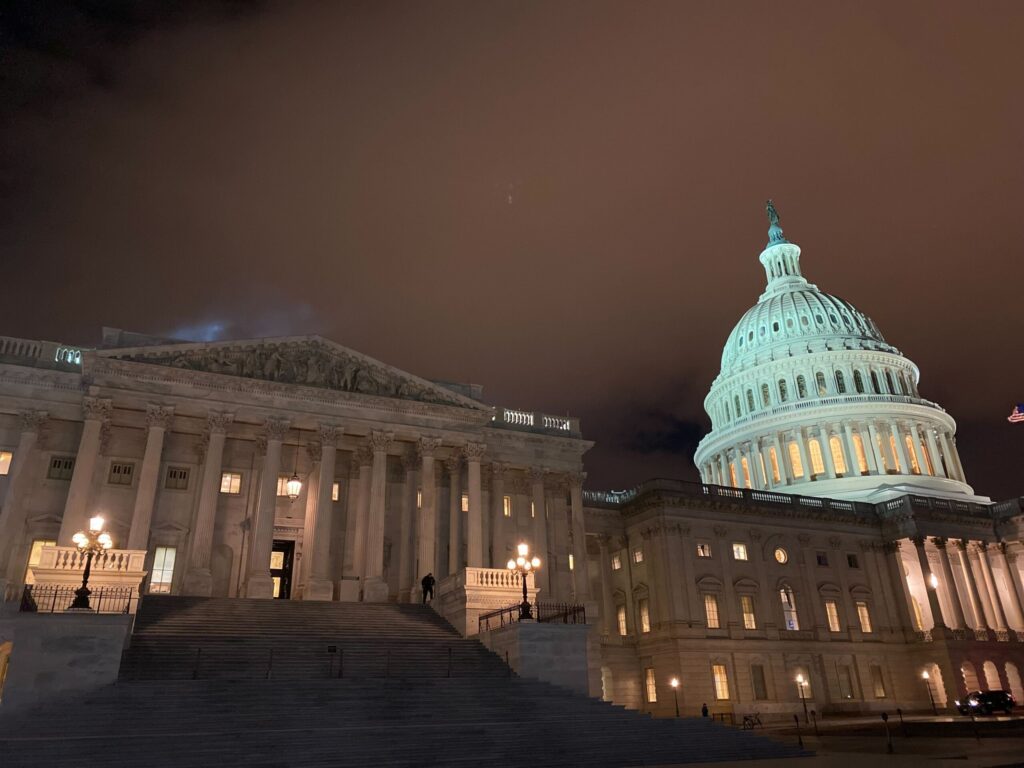
by Jennifer Shutt, Alabama Reflector September 21, 2023 WASHINGTON — U.S. House Republicans were unable for a third time Thursday to begin debate on the Defense funding bill, throwing another wrench into Speaker Kevin McCarthy’s leadership tenure. The 212-216 vote that rejected the rule for the $826 billion Defense spending measure was unexpected, coming less than a day after House GOP lawmakers gathered in a room in the Capitol basement to broker a path forward. Arizona Rep. Eli Crane and Georgia Rep. Marjorie Taylor Greene switched their votes to oppose the rule, after voting on Tuesday to adopt it. Colorado Rep. Ken Buck and South Carolina Rep. Ralph Norman both supported adoption of the rule on Thursday after opposing it earlier in the week. Other Republicans voting no included Andy Biggs of Arizona, Dan Bishop of North Carolina, and Matt Rosendale of Montana. The rule would have allowed the House to begin officially debating the bill and voting on nearly 200 amendments. The failed vote led McCarthy to reverse course on the schedule, with many lawmakers heading home for the weekend on Thursday instead of sticking around for votes throughout the weekend. McCarthy had said exactly one week ago, “When we come back, we’re not going to leave. We’re going to get this done.” The update to the House schedule sent around Thursday afternoon said ”ample notice will be given ahead of any potential votes tomorrow or this weekend.” The stalemate and change of plans does not bode well for efforts to approve the short-term spending bill that’s needed to stave off a partial government shutdown when the new fiscal year begins Oct. 1. McCarthy has yet to unify his members amid deep disagreements about how much the federal government should spend and what policy restrictions should be included in full-year bills as well as the stopgap measure. The ongoing dispute has ground the House chamber to a halt as McCarthy searches for a way to unify his razor-thin majority without turning to Democrats to pass a bipartisan bill. Arkansas Republican Rep. Steve Womack, a senior appropriator, said Thursday that his fellow lawmakers need to accept the Senate will re-work any partisan bills the House sends over. “Remember, this is all going to go to the Senate, so people don’t need to get real hot and bothered over where we are today,” Womack said. “It’s going to be based on what comes back and whether or not it can get to the floor.” Discussions among House Republicans, he said, are likely to become “heated” once the Senate re-works a short-term spending bill and sends it back to the House for a final approval vote. Infighting and political differences within the House Republican Conference have so far prevented GOP lawmakers from reaching agreement on their opening offer on a short-term spending bill, which is also called a continuing resolution or CR. Defense spending bill falters Before the Thursday vote, McCarthy had been somewhat optimistic the House could finally approve the rule and begin debate on the full-year Defense spending measure. Greene wrote on X that she switched her vote “because they refused to take the war money for Ukraine out and put it in a separate bill.” The rule approved 184 amendments for floor debate and votes, including one from Florida’s Matt Gaetz that would have prohibited “security assistance for Ukraine.” Crane wrote on X on Thursday that he believes votes “on CRs, omnibus bills and raising the debt ceiling should never take place.” “I’m going to do whatever I can to change the way this place works,” he wrote. Oklahoma Republican Rep. Tom Cole, chair of the Rules Committee, switched his vote on Thursday to a no vote after voting yes a few minutes earlier. The procedural maneuver allows him to bring the rule back up for a vote at a later time. The whip count error appeared to be a surprise for Defense Appropriations Chair Ken Calvert, a California Republican; ranking member Betty McCollum, a Minnesota Democrat; and staff — all of whom were seated at the tables on the House floor ready to lead debate on the measure. The Republican table held thick white binders as well as a large accordion folder, all filled with paperwork, and the Democratic table was stacked with paperwork as well. It’s highly unlikely that staff would have brought all the materials needed to debate the bill and amendments if they knew the rule vote was going to fail. ‘At least a short-term shutdown’ In addition to strong disagreement among House Republicans about the full-year spending bills, the House GOP Conference has yet to solidify a plan to pass the short-term stopgap spending bill that’s needed to hold off a funding lapse. Idaho Republican Rep. Mike Simpson, chair of the Interior-Environment spending subcommittee, said he expects there will be “at least a short-term shutdown” as the House and Senate try to reach agreement on a short-term spending bill. “That’s a lot of work to do in a very short time,” Simpson said. House Freedom Caucus Chair Scott Perry, a Pennsylvania Republican, said Thursday that he hasn’t seen details on any new short-term spending bills that might come to the floor. “I haven’t seen the language of any additional CR,” he said. Kansas Sen. Jerry Moran, the top Republican on the Commerce-Justice-Science spending panel, said he’s “hoping the House chaos is set aside.” “I keep saying I’m not voting for another CR again, but I keep voting for them because the outcome is worse with a shutdown,” Moran said. “But this just needs to be resolved in the House. I don’t think there’s a problem in the Senate that would cause a shutdown.” Any short-term spending bill will have to be bipartisan in order to get through the Democratically controlled Senate, where at least 60 votes are needed to limit debate on legislation. That could take more time than lawmakers have before Oct. 1, he said. “Nothing about this is conducive to getting
Kevin McCarthy preps House GOP debt deal to draw Joe Biden into talks
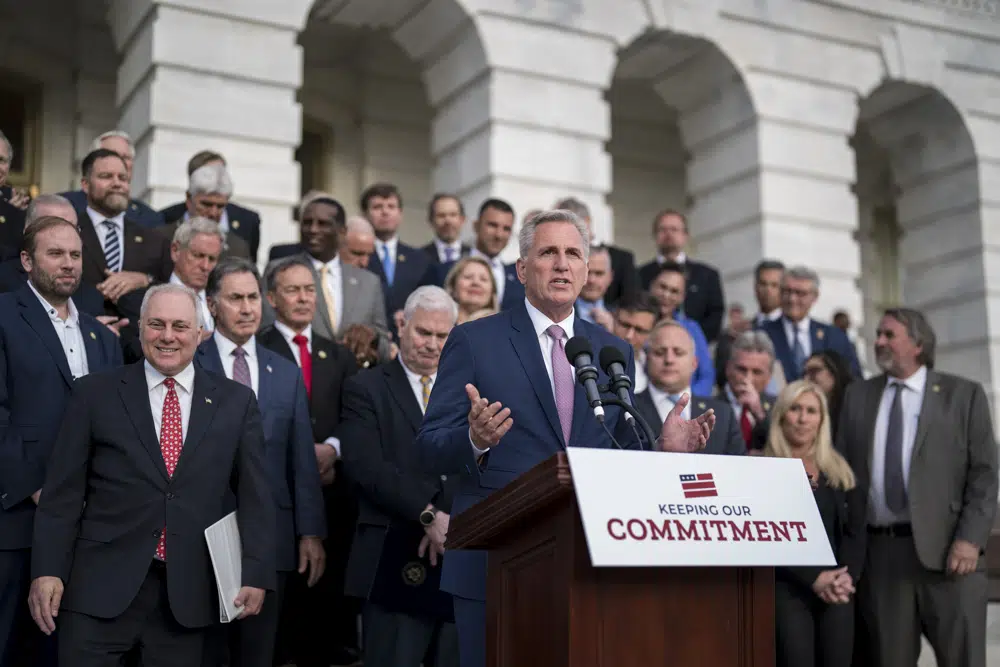
Speaker Kevin McCarthy convened House Republicans behind closed doors Tuesday to build support for his plan to allow the nation’s debt limit to rise in return for strictly limiting future federal spending increases to 1% a year. It’s a bid, including other major policy changes, to draw President Joe Biden into negotiations. The typically fractured House Republican majority has appeared surprisingly open to the plan, which McCarthy outlined in a high-profile speech Monday on Wall Street, but it remains a work in progress. While the proposal has almost no chance of passage in the Democratic Senate, McCarthy wants to pass it in the Republican House to kickstart White House talks. “I’m confident we’ll have it and comfortable we’ll pass it,” said Rep. Tom Cole, R-Okla., the chairman of the Rules Committee, who said a bill could come up for a vote as soon as next week. Even some of McCarthy’s skeptics from the House Freedom Caucus — including those who initially refused to back him to be speaker — seemed ready to give his debt ceiling proposal a look. But others remained deeply skeptical, showing the limits of the embattled speaker’s grip on his majority. Rep. Matt Gaetz, R-Fla., a McCarthy holdout for speaker, said Tuesday he was unsold on the plan and suggested changes. And Rep. Clay Higgins, R-La., said as he exited the session, “There is no ‘this.’ We’re discussing what the ‘this’ will be.” The nation’s legal debt limit must be raised soon to keep the U.S. from defaulting on its fiscal obligations. That high-stakes fight will play out in the weeks ahead as Biden confronts the new era of divided government with Republicans in charge of the House and eager to flex their majority power. If McCarthy succeeds in having the House pass his proposal, he would be able to enter into talks with the White House, showing that he has the backing of his fellow GOP lawmakers. Biden administration officials have privately expressed doubts about the benefits of negotiating with McCarthy out of skepticism that he can rally conservative Republican votes. Democratic Minority Leader Hakeem Jeffries quipped on CNBC that the House Republicans’ budget plan is “in the witness protection program.” The proposal the Republican speaker outlined is far-reaching and expected to be rejected by the White House. It would raise the debt limit into next year — putting it squarely into the 2024 presidential election in exchange for rolling back spending to fiscal 2022 levels, recouping tens of billions of dollars of unspent COVID-19 relief funds, and imposing a 1% cap on future non-defense spending each year for the decade. The 1 percent spending cap would not include mandated Social Security and Medicare money. Additionally, McCarthy’s plan would impose new work requirements on recipients of government aid, cutting billions from the federal safety net. And it would tack on H.R. 1, a sweeping energy package of oil and gas drilling and permit changes that would undo much of Biden’s climate change agenda. The Treasury Department has said the government probably will need to raise the debt ceiling, now at $31 trillion, by summer. For now, Treasury is taking “extraordinary measures” to allow continued borrowing to pay off already accrued bills, but that will eventually run out. Unable to pass an actual Republican budget through the House, as Biden challenges him to do, McCarthy instead has been working furiously behind the scenes with his leadership team to unite the “five families” — the often warring factions of Republican caucuses, including the House Freedom Caucus — to join together on his new plan. He and the leadership team discussed the ideas Tuesday at the House Republicans’ private session in hopes of turning the slides of ideas into a firm legislative package. “I find all indications to be we’re going to put a very serious proposal on the floor and pass it with 218 or more votes,” said Freedom Caucus member Rep. Dan Bishop, R-N.C., as lawmakers arrived at the Capitol late Monday evening, referring to the majority needed for passage. But by Tuesday, no vote was set, according to a person familiar with the private meeting and granted anonymity to discuss it. “I still have more questions than answers at this point,” said Rep. Nancy Mace, R-S.C., complaining there were only a few slides of information. In many ways, this is the easy part for McCarthy: A vote as soon as next week would hardly be binding since the proposal would be dead on arrival in the Senate. That political dynamic may make it easier for McCarthy to rally his ranks behind the plan if Republicans see it as merely a starting point in negotiations designed to push Biden to the table. House Freedom Caucus Chairman Rep. Scott Perry, R-Pa., said late Monday the plan was a step in the right direction, but he still needed details. “Kevin McCarthy is going to get 218 votes on this deal,” said Rep. Dusty Johnson, R-S.D., a chairman of the conservative Main Street Caucus, referring to the majority needed for passage. Said Rep. Kevin Hern of Oklahoma, the chairman of the powerful Republican Study Committee: “There’s still hard work ahead of us, but I believe we can get 218 votes by the end of next week.” Senate Majority Leader Chuck Schumer said if McCarthy continues down this path of negotiating over the need to raise the debt limit, the U.S. would be headed for a default. “No one should confuse this wish list as anything more than a recycling of the same bad ideas we’ve heard about for weeks, and it’s still not clear that Speaker McCarthy has the votes to even pass this,” Schumer said. Republished with the permission of The Associated Press.
Joe Biden to end COVID-19 emergencies on May 11
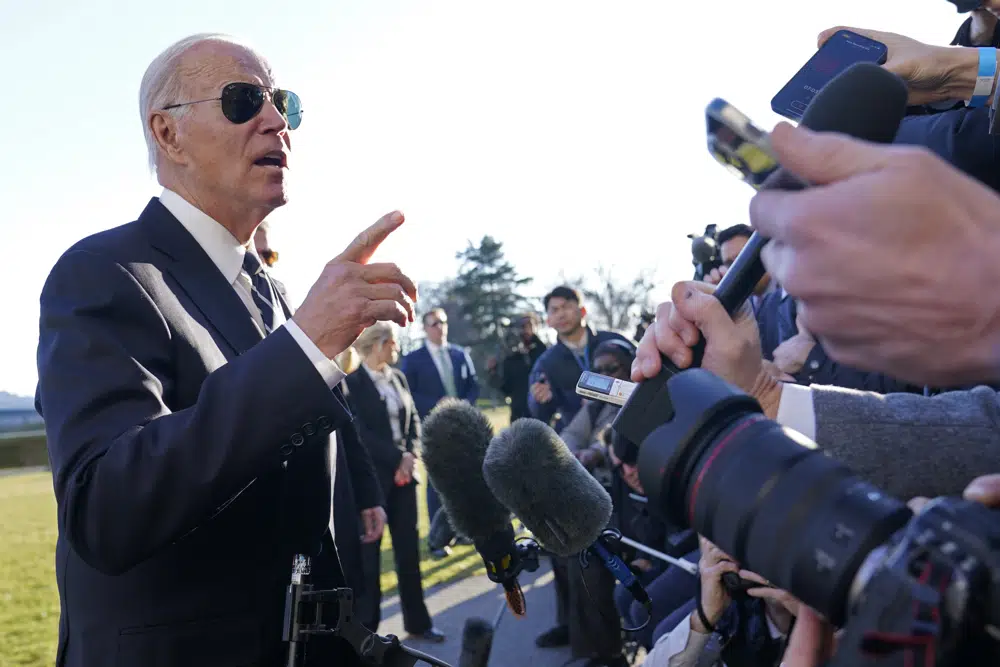
President Joe Biden informed Congress on Monday that he will end the twin national emergencies for addressing COVID-19 on May 11, as most of the world has returned closer to normalcy nearly three years after they were first declared. The move to end the national emergency and public health emergency declarations would formally restructure the federal coronavirus response to treat the virus as an endemic threat to public health that can be managed through agencies’ normal authorities. It comes as lawmakers have already ended elements of the emergencies that kept millions of Americans insured during the pandemic. Combined with the drawdown of most federal COVID-19 relief money, it would also shift the development of vaccines and treatments away from the direct management of the federal government. Biden’s announcement comes in a statement opposing resolutions being brought to the floor this week by House Republicans to bring the emergency to an immediate end. House Republicans are also gearing up to launch investigations on the federal government’s response to COVID-19. Then-President Donald Trump first declared the COVID-19 pandemic a national emergency on March 13, 2020. The emergencies have been repeatedly extended by Biden since he took office in January 2021 and are set to expire in the coming months. The White House said Biden plans to extend them both briefly to end on May 11. “An abrupt end to the emergency declarations would create wide-ranging chaos and uncertainty throughout the health care system — for states, for hospitals and doctors’ offices, and, most importantly, for tens of millions of Americans,” the Office of Management and Budget wrote in a Statement of Administration Policy. More than 1.1 million people in the U.S. have died from COVID-19 since 2020, according to the Centers for Disease Control and Prevention, including about 3,700 last week. Congress has already blunted the reach of the public health emergency that had the most direct impact on Americans as political calls to end the declaration intensified. Lawmakers have refused for months to fulfill the Biden administration’s request for billions more dollars to extend free COVID vaccines and testing. And the $1.7 trillion spending package passed last year and signed into law by Biden put an end to a rule that barred states from kicking people off Medicaid, a move that is expected to see millions of people lose their coverage after April 1. “In some respects, the Biden administration is catching up to what a lot of people in the country have been experiencing,” said Larry Levitt, the executive vice president for health policy at Kaiser Family Foundation. “That said, hundreds of people a day are still dying from COVID.” Still, some things will change for Americans once the emergency expires, Levitt pointed out. The costs of COVID-19 vaccines are also expected to skyrocket once the government stops buying them, with Pfizer saying it will charge as much as $130 per dose. Only 15% of Americans have received the recommended, updated booster that has been offered since last fall. People with private insurance could have some out-of-pocket costs for vaccines, especially if they go to an out-of-network provider, Levitt said. Free at-home COVID tests will also come to an end. And hospitals will not get extra payments for treating COVID patients. Legislators did extend for another two years telehealth flexibilities that were introduced as COVID-19 hit, leading healthcare systems around the country to regularly deliver care by smartphone or computer. The Biden administration had previously considered ending the emergency last year but held off amid concerns about a potential “winter surge” in cases and to provide adequate time for providers, insurers, and patients to prepare for its end. Officials said the administration would use the next three months to transition the response to conventional methods, warning that an immediate end to the emergency authorities “would sow confusion and chaos into this critical wind-down.” “To be clear, continuation of these emergency declarations until May 11 does not impose any restriction at all on individual conduct with regard to COVID-19,” the administration said. “They do not impose mask mandates or vaccine mandates. They do not restrict school or business operations. They do not require the use of any medicines or tests in response to cases of COVID-19.” Case counts have trended downward after a slight bump over the winter holidays and are significantly below levels seen over the last two winters — though the number of tests performed for the virus and reported to public health officials has sharply decreased. On Monday, the World Health Organization said the coronavirus remains a global health emergency, even as a key advisory panel for the group found the pandemic may be nearing an “inflexion point” where higher levels of immunity can lower virus-related deaths. China, for example, reported an unprecedented surge in December after lifting most of its COVID-19 restrictions. Moments before the White House’s announcement, Rep. Tom Cole, R-Okla., accused the president of unnecessarily extending the public health emergency to take action on issues like forgiving some federal student loan debts. “The country has largely returned to normal,” Cole said Monday, introducing a Republican-backed bill calling for an end to the health emergency. “Everyday Americans have returned to work and to school with no restrictions on their activities. It is time that the government acknowledges this reality: the pandemic is over.” Republished with the permission of The Associated Press.
Robert Aderholt named Chairman of Labor, Health and Human Services & Education Subcommittee of the House Appropriations Committee
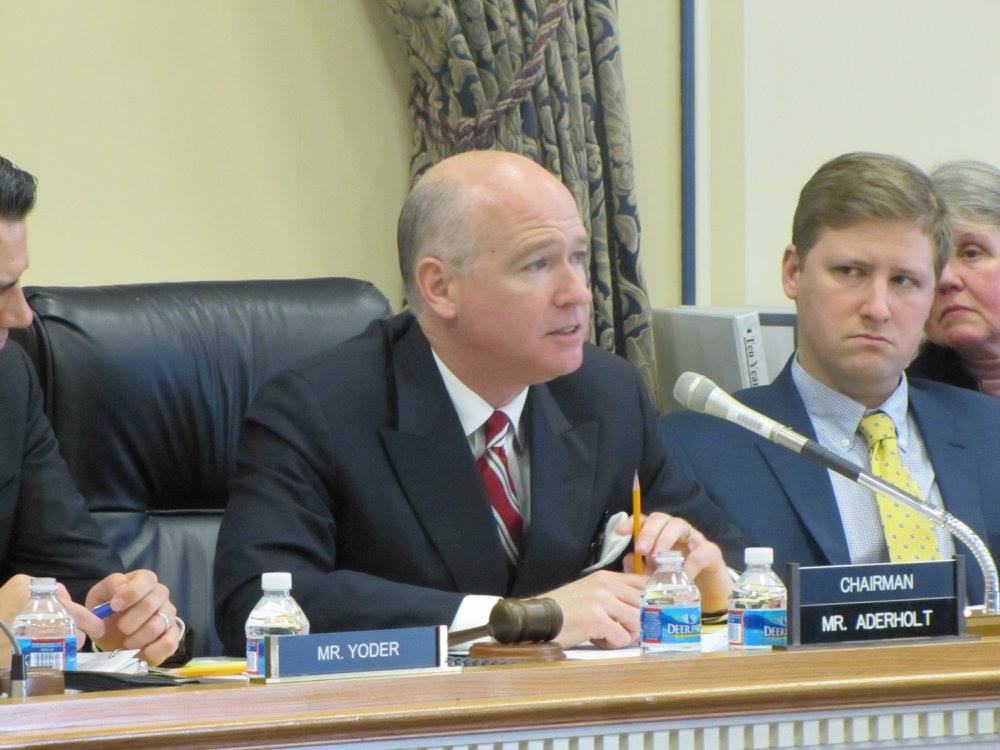
Congressman Robert Aderholt was selected as the Chairman of the Labor, Health and Human Services & Education Subcommittee of the House Appropriations Committee on Monday. “It is an honor to have been chosen to chair this important Appropriations Subcommittee,” Rep. Aderholt said. “The Labor, Health and Human Services & Education subcommittee is responsible for the largest pool of non-defense government spending in the entire federal budget, and with that comes the commitment to renewed oversight and fiscal responsibility as we move into the Fiscal Year 23 Appropriations cycle.” “The new Republican majority in the House has made a commitment to the American people to get government spending under control,” Aderholt continued. “As chairman of this committee under Appropriations, I will be laser-focused on looking at areas where we can reign in out-of-control spending, much of it put in place during the pandemic and no longer needed.” “As the national debt approaches $33 trillion, we must get control of the discretionary, non-defense spending,” Aderholt added. “With so many threats to our national security from the likes of China, Russia, Iran, and North Korea, cutting defense spending is, in my opinion, not an option. Therefore, we must look at areas of our domestic spending that have grown wildly out of control.” “I want to use the power of the gavel to make sure that this subcommittee is meeting its commitments to the departments and agencies it funds without breaking the bank built by American taxpayers,” Aderholt concluded. “Lastly, and most certainly not least, I will work as chairman to make sure we defend the most vulnerable among us by protecting the Hyde Amendment. For decades, this amendment, which prevents tax dollars from being used to pay for abortions, received bipartisan support. Only in recent years have some on the left tried to remove this important safeguard. I will work to make sure it stays firmly in place.” House Appropriations Chairwoman Kay Granger announced, “I’m proud to have this outstanding group of Members leading the Committee at this critical time for the country. These Members understand we must find ways to cut wasteful government spending while increasing the safety and security of the American people.” “We’ve got our work cut out for us, and this is the best team to get the job done,” Chairwoman Granger added. “We have an exceptional leader in Tom Cole and an experienced lineup of subcommittee chairs, all who are committed to passing conservative appropriations bills.” The House Appropriations Committee subcommittee chairs are: Since control of the House of Representatives has shifted from the Democrats to the Republicans, that means that all the powerful House Chairs are now Republicans. Congress members Terri Sewell and Jerry Carl serve on House Appropriations along with Aderholt. Aderholt is the dean of the Alabama Congressional delegation, having served in the House of Representatives since 1996. Aderholt represents Alabama’s Fourth Congressional District. Aderholt lives in Haleyville. To connect with the author of this story, or to comment, email brandonmreporter@gmail.com.
House sends debt limit hike to Joe Biden, staving off default
The House has approved a short-term increase to the nation’s debt limit, ensuring the federal government can continue fully paying its bills into December and temporarily averting an unprecedented default that would have decimated the economy. The $480 billion increase in the country’s borrowing ceiling cleared the Senate last week on a party-line vote. The House approved it Tuesday so President Joe Biden can sign it into law this week. Treasury Secretary Janet Yellen had warned that steps to stave off a default on the country’s debts would be exhausted by Monday, and from that point, the department would soon be unable to fully meet the government’s financial obligations. A default would have immense fallout on global financial markets built upon the bedrock safety of U.S. government debt. Routine government payments to Social Security beneficiaries, disabled veterans, and active-duty military personnel would also be called into question. The relief provided by passage of the legislation will only be temporary, though, forcing Congress to revisit the issue in December — a time when lawmakers will also be laboring to complete federal spending bills and avoid a damaging government shutdown. The yearend backlog raises risks for both parties and threatens a tumultuous close to Biden’s first year in office. “I’m glad that this at least allows us to prevent a totally self-made and utterly preventable economic catastrophe as we work on a longer-term plan,” said Rep. Jim McGovern, D-Mass. Republicans signaled the next debt limit debate won’t be any easier and warned Democrats not to expect their help. “Unless and until Democrats give up on their dream of a big-government, socialist America, Republicans cannot and will not support raising the debt limit and help them pave the superhighway to a great entitlement society,” said Rep. Tom Cole, R-Okla. Procedurally, the House took a single vote Tuesday that had the effect of passing the Senate bill. The measure passed by a party-line vote of 219-206. The present standoff over the debt ceiling eased when Senate Republican leader Mitch McConnell, R-Ky., agreed to help pass the short-term increase. But he insists he won’t do so again. In a letter sent Friday to Biden, McConnell said Democrats will have to handle the next debt-limit increase on their own using the same process they have tried to use to pass Biden’s massive social spending and environment plan. Reconciliation allows legislation to pass the Senate with 51 votes rather than the 60 that’s typically required. In the 50-50 split Senate, Vice President Kamala Harris gives Democrats the majority with her tiebreaking vote. Lawmakers from both parties have used the debt ceiling votes as leverage for other priorities. House Speaker Nancy Pelosi threatened to vote against raising the debt ceiling when President Donald Trump was in office, saying she had no intention of supporting lifting the debt ceiling to enable Republicans to give another tax break to the rich. And Republicans in 2011 managed to coerce President Barack Obama into accepting about $2 trillion in deficit cuts as a condition for increasing the debt limit — though lawmakers later rolled back some of those cuts. Pelosi told reporters Tuesday that over the years, Republicans and Democrats have voted against lifting the debt ceiling, “but never to the extent of jeopardizing it.” Pelosi offered her hope that Congress would lift the debt ceiling in a bipartisan way this December because of the stakes involved. But she also floated a bill sponsored by Rep. Brendan Boyle, D-Pa., that would transfer the duty of raising the debt limit away from Congress and vest it with the Treasury secretary, saying, “I think it has merit.” In his focus on the debt limit, McConnell has tried to link Biden’s big federal government spending boost with the nation’s rising debt load, even though they are separate and the debt ceiling will have to be increased or suspended regardless of whether Biden’s $3.5 trillion plan makes it into law. “Your lieutenants on Capitol Hill now have the time they claimed they lacked to address the debt ceiling through standalone reconciliation and all the tools to do it,” McConnell said in a letter to the president. “They cannot invent another crisis and ask for my help.” McConnell was one of 11 Republicans who sided with Democrats to advance the debt ceiling reprieve to a final vote. Subsequently, McConnell and his GOP colleagues voted against final passage. The debate over the debt ceiling has at times gotten personal. McConnell last week suggested that Democrats were playing “Russian roulette” with the economy because they had not dealt with the debt ceiling through the process he had insisted upon. He called out Pelosi for traveling to Europe last week. “I can only presume she hopes the full faith and credit of the United States will get sorted out,” McConnell said. Pelosi did not let the shot pass. “Russian roulette from Moscow Mitch. Interesting,” she said. House Majority Leader Steny Hoyer, D-Md., said Tuesday’s vote marked the 50th time dating back to President Ronald Reagan that he has voted on extending the debt limit. “Nobody has clean hands when it comes to the debt limit,” he said. Because the Senate bill only allowed for a stopgap extension, Hoyer called it a “lousy deal.” “And then we’re going to play this game one more time, a despicable and irresponsible act for adults who know better,” Hoyer said. Rep. Chip Roy, R-Texas, said he wanted to “thank” Hoyer for sharing that he had previously voted for raising the debt ceiling 49 times. “When he came into this body, the debt was about a trillion dollars,” Roy said. “Thank you, I guess, on behalf of the people of America who are staring at 28-and-a-half trillion dollars of debt.” The current debt ceiling is $28.4 trillion. Both parties have contributed to that load with decisions that have left the government rarely operating in the black. The calamitous ramifications of default are why lawmakers have been able to reach a compromise to lift or suspend the debt cap some 18 times since 2002, often after frequent rounds of brinkmanship. Republished with the permission of the Associated Press.
Congress passes bill to avert partial government shutdown

With only hours to spare, Congress passed legislation to avoid a partial federal shutdown and keep the government funded through December 3 and sent the bill to President Joe Biden. The back-to-back votes by the Senate and then the House will help avert one crisis but delays another as the political parties dig in on a dispute over how to raise the government’s borrowing cap before the United States risks a potentially catastrophic default. The House approved the short-term funding measure by a 254-175 vote not long after Senate passage in a 65-35 vote. A large majority of Republicans in both chambers voted against it. The legislation was needed to keep the government running once the current budget year ended at midnight Thursday. Passage will buy lawmakers more time to craft the spending measures that will fund federal agencies and the programs they administer. The work to keep the government open and running served as the backdrop during a chaotic day for Democrats as they struggled to get Biden’s top domestic priorities over the finish line, including a bipartisan $1 trillion infrastructure bill at risk of stalling in the House. “It is a glimmer of hope as we go through many, many other activities,” said Senate Majority Leader Chuck Schumer, D-N.Y. With their energy focused on Biden’s agenda, Democrats backed down from a showdown over the debt limit in the government funding bill, deciding to uncouple the borrowing ceiling at the insistence of Republicans. If that cap is not raised by October 18, the U.S. probably will face a financial crisis and economic recession, Treasury Secretary Janet Yellen said. Republicans say Democrats have the votes to raise the debt limit on their own, and Republican leader Mitch McConnell of Kentucky is insisting they do so. The short-term spending legislation will also provide about $28.6 billion in disaster relief for those recovering from Hurricane Ida and other natural disasters. Some $10 billion of that money will help farmers cover crop losses from drought, wildfires, and hurricanes. An additional $6.3 billion will help support the resettlement of Afghanistan evacuees from the 20-year war between the U.S. and the Taliban. “This is a good outcome, one I’m happy we are getting done,” Schumer said. “With so many things to take care of in Washington, the last thing the American people need is for the government to grind to a halt.” Once the government is funded, albeit temporarily, Democrats will turn their full attention to the need to raise the limit on federal borrowing, which now stands at $28.4 trillion. The U.S. has never defaulted on its debts in the modern era, and historically, both parties have voted to raise the limit. Democrats joined the Republican Senate majority in doing so three times during Donald Trump’s presidency. This time Democrats wanted to take care of both priorities in one bill, but Senate Republicans blocked that effort Monday. Raising or suspending the debt limit allows the federal government to pay obligations already incurred. It does not authorize new spending. McConnell has argued that Democrats should pass a debt limit extension with the same budgetary tools they are using to try to pass a $3.5 trillion effort to expand social safety net programs and tackle climate change. He reiterated that warning as the Senate opened on Thursday, even as Democrats have labeled that option a “nonstarter.” “We’re able to fund the government today because the majority accepted reality. The same thing will need to happen on the debt limit next week,” McConnell said. House Democrats pushed through a stand-alone bill late Wednesday that would suspend the debt limit until December 2022. Schumer said he would bring the measure to the Senate floor, but the bill is almost certain to be blocked by a Republican filibuster. The arguments made in both chambers about the debt ceiling have followed similar themes. “You are more interested in punishing Democrats than preserving our credit, and that is something I’m having a real tough time getting my head around,” House Rules Committee Chairman Jim McGovern, D-Mass., told Republicans. “The idea of not paying bills just because we don’t like (Biden’s) policies is the wrong way to go.” Undaunted, Republicans argued that Democrats have chosen to ram through their political priorities on their own and thus are responsible for raising the debt limit on their own. “So long as the Democratic majority continues to insist on spending money hand over fist, Republicans will refuse to help them lift the debt ceiling,” said Rep. Tom Cole, R-Okla. The Treasury has taken steps to preserve cash, but once it runs out, it will be forced to rely on incoming revenue to pay its obligations. That would likely mean delays in payments to Social Security recipients, veterans, and government workers, including military personnel. The Bipartisan Policy Center, a think tank, projects that the federal government would be unable to meet about 40% of payments due in the several weeks that follow. Republished with the permission of the Associated Press.
Dem-led House, drawing a line, kicks Marjorie Taylor Greene off committees

A fiercely divided House tossed Rep. Marjorie Taylor Greene off both her committees Thursday, an unprecedented punishment that Democrats said she’d earned by spreading hateful and violent conspiracy theories. Underscoring the political vise her inflammatory commentary has clamped her party into, nearly all Republicans voted against the Democratic move but none defended her lengthy history of outrageous social media posts. Yet in a riveting moment, the freshman Republican from a deep-red corner of Georgia took to the House floor on her own behalf. She offered a mixture of backpedaling and finger-pointing as she wore a dark mask emblazoned with the words “FREE SPEECH.” The chamber’s near party-line 230-199 vote was the latest instance of conspiracy theories becoming pitched political battlefields, an increasingly familiar occurrence during Donald Trump’s presidency. He faces Senate trial next week for his House impeachment for inciting insurrection after a mob he fueled with his false narrative of a stolen election attacked the Capitol. Thursday’s fight also underscored the uproar and political complexities that Greene — a master of provoking Democrats, promoting herself, and raising campaign money — has prompted since becoming a House candidate last year. Eleven Republicans joined 219 Democrats in backing Greene’s ejection from her committees, while 199 GOP lawmakers voted “no.” Addressing her colleagues, Greene tried to dissociate herself from her “words of the past.” Contradicting past social media posts, she said she believes the 9-11 attacks and mass school shootings were real and no longer believes QAnon conspiracy theories, which include lies about Democratic-run pedophile rings. But she didn’t explicitly apologize for supportive online remarks she’s made on other subjects, as when she mulled about House Speaker Nancy Pelosi being assassinated or the possibility of Jewish-controlled space rays causing wildfires. And she portrayed herself as the victim of unscrupulous “big media companies.” News organizations “can take teeny, tiny pieces of words that I’ve said, that you have said, any of us, and can portray us as someone that we’re not,” she said. She added that “we’re in a real big problem” if the House punished her but tolerated “members that condone riots that have hurt American people” — a clear reference to last summer’s social justice protests that in some instances became violent. Greene was on the Education and Labor committee and the Budget committee. Democrats were especially aghast about her assignment to the education panel, considering the past doubt she cast on school shootings in Florida and Connecticut. The political imperative for Democrats was clear: Greene’s support for violence and fictions were dangerous and merited punishment. Democrats and researchers said there was no apparent precedent for the full House removing a lawmaker from a committee, a step usually taken by their party leaders. The calculation was more complicated for Republicans. Though Trump left the White House two weeks ago, his devoted followers are numerous among the party’s voters, and he and Greene are allies. Minority Leader Kevin McCarthy, R-Calif., hopes GOP victories in the 2022 elections will make him speaker. Republicans could undermine that scenario by alienating Trump’s and Greene’s passionate supporters, and McCarthy took no action to punish her. “If any of our members threatened the safety of other members, we’d be the first ones to take them off a committee,” Pelosi angrily told reporters. She said she was “profoundly concerned” about GOP leaders’ acceptance of an “extreme conspiracy theorist.” At one point, No. 2 Democratic leader Steny Hoyer of Maryland strode to the GOP side of the chamber carrying a poster of a Greene Facebook post from last year. “Squad’s Worst Nightmare,” Greene had written in the post, which showed her holding an AR-15 firearm next to pictures of three of the four Democratic lawmakers, all young women of color, who’ve been nicknamed “The Squad.” “They are people. They are our colleagues,” Hoyer said. He mimicked Greene’s pose holding the weapon and said, “I have never, ever seen that before.” Republicans tread carefully but found rallying points. McCarthy said Greene’s past opinions “do not represent the views of my party.” But without naming the offenders, he said Pelosi hadn’t stripped committee memberships from Democrats who became embroiled in controversy. Among those he implicated was Rep. Ilhan Omar, D-Minn., who made anti-Israel insults for which she later apologized. “If that’s the new standard,” he said of Democrats’ move against Greene, “we have a long list.” Rep. Tom Cole, R-Okla., said Democrats were setting a precedent by punishing lawmakers for statements made before they were even candidates for Congress. Rep. Jim Jordan, R-Ohio, warned, “You engage in wrong-speak, you’re in the Thunder Dome,” a term for an enclosed wrestling arena. Committee assignments are crucial for lawmakers for shaping legislation affecting their districts, creating a national reputation, and raising campaign contributions. Even social media stars like Greene could find it harder to define themselves without the spotlights that committees provide. Not all Republicans were in forgiving moods, especially in the Senate. There, fringe GOP candidates have lost winnable races in recent years and leaders worry a continued linkage with Trump and conspiracists will inflict more damage. That chamber’s minority leader, Mitch McConnell, R-Ky., this week called Greene’s words a “cancer” on the GOP and country. On Thursday, No. 2 Senate GOP leader John Thune of South Dakota amplified that thinking. Thune said House Republicans needed to issue a “really strong” rebuke of Greene’s conspiratorial formulations. Republicans must “get away from members dabbling in conspiracy theories,” Thune said. “I don’t think that’s a productive course of action or one that’s going to lead to much prosperity politically in the future.” The fight came a day after Republicans resolved another battle and voted to keep Rep. Liz Cheney, R-Wyo., in their leadership. Pro-Trump conservatives tried removing her because she supported Trump’s impeachment. The House resolution punishing Greene was barely over a page. It said House rules require lawmakers’ behavior to “reflect credibly” on the chamber and said Greene should be removed “in light of conduct she has exhibited.” News organizations have unearthed
Some Democrats fear fallout from Bernie Sanders atop the ticket
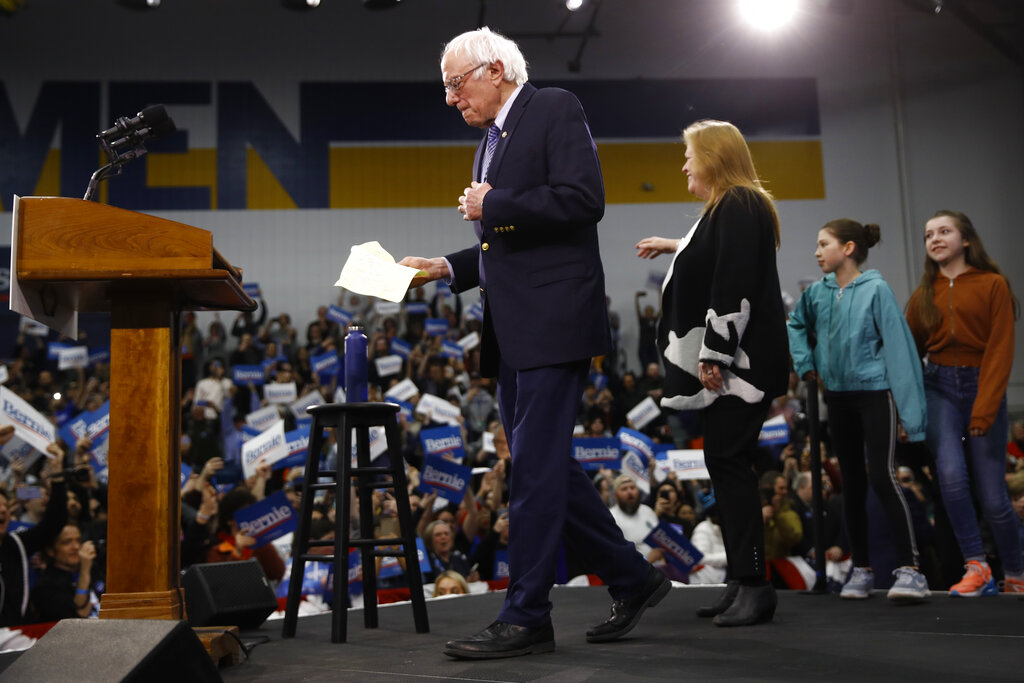
Democrats are worried that Sanders’ socialist label and unyielding embrace of controversial proposals such as medicare for all will repel voters.
Time running short, showdown looms over border aid package

It took last-minute changes and a full-court press by top Democratic leaders, but the House passed with relative ease a $4.5 billion emergency border aid package to care for thousands of migrant families and unaccompanied children detained after crossing the U.S.-Mexico border. The bill passed along party lines Tuesday night after House Speaker Nancy Pelosi quelled a mini-revolt by progressives and Hispanic lawmakers who sought significant changes to the legislation. New provisions added to the bill were more modest than what those lawmakers had sought, but the urgent need for the funding — to prevent the humanitarian emergency on the border from turning into a debacle — appeared to outweigh any lingering concerns. The 230-195 vote sets up a showdown with the Republican-led Senate, which may try instead to force Democrats to send President Donald Trump a different, and broadly bipartisan, companion measure in coming days as the chambers race to wrap up the must-do legislation by the end of the week. “The Senate has a good bill. Our bill is much better,” Pelosi, Democrat-California, told her Democratic colleagues in a meeting Tuesday morning, according to a senior Democratic aide who spoke on condition of anonymity to describe the private session. “We are ensuring that children have food, clothing, sanitary items, shelter and medical care. We are providing access to legal assistance. And we are protecting families because families belong together,” Pelosi said in a subsequent floor speech. The bill contains more than $1 billion to shelter and feed migrants detained by the border patrol and almost $3 billion to care for unaccompanied migrant children who are turned over the Department of Health and Human Services. It seeks to mandate improved standards of care at HHS “influx shelters” that house children waiting to be placed with sponsors such as family members in the U.S. Both House and Senate bills ensure funding could not be shifted to Trump’s border wall and would block information on sponsors of immigrant children from being used to deport them. Trump would be denied additional funding for Immigration and Customs Enforcement detention beds. “The President’s cruel immigration policies that tear apart families and terrorize communities demand the stringent safeguards in this bill to ensure these funds are used for humanitarian needs only — not for immigration raids, not detention beds, not a border wall,” said House Appropriations Committee Chairwoman Nita Lowey, Democrat-New York. Three moderates were the only House Republicans to back the measure. The only four Democratic “no” votes came from some of the party’s best-known freshmen: Reps. Alexandria Ocasio-Cortez of New York, Ihan Omar of Minnesota, Ayanna Pressley of Massachusetts and Rashida Tlaib of Michigan. The White House has threatened to veto the House bill, saying it would hamstring the administration’s border security efforts, and the Senate’s top Republican suggested Tuesday that the House should simply accept the Senate measure — which received only a single “nay” vote during a committee vote last week. “The idea here is to get a (presidential) signature, so I think once we can get that out of the Senate, hopefully on a vote similar to the one in the Appropriations Committee, I’m hoping that the House will conclude that’s the best way to get the problem solved, which can only happen with a signature,” said Senate Majority Leader Mitch McConnell, Republican-Kentucky. A handful of GOP conservatives went to the White House to try to persuade Trump to reject the Senate bill and demand additional funding for immigration enforcement such as overtime for border agents and detention facilities run by Immigration and Customs Enforcement, according to a top GOP lawmaker who demanded anonymity to discuss a private meeting. Trump was expected to reject the advice. House Democrats seeking the changes met late Monday with Pelosi, and lawmakers emerging from the Tuesday morning caucus meeting were generally supportive of the legislation. Congress plans to leave Washington in a few days for a weeklong July 4 recess, and pressure is intense to wrap up the legislation before then. Agencies are about to run out of money and failure to act could bring a swift political rebuke and accusations of ignoring the plight of innocent immigrant children. Longtime GOP Rep. Tom Cole of Oklahoma said Democrats were simply “pushing partisan bills to score political points and avoiding doing the hard work of actually making law,” warning them that “passing a partisan bill through this chamber won’t solve the problem.” Lawmakers’ sense of urgency to provide humanitarian aid was amplified by recent reports of gruesome conditions in a windowless Border Patrol station in Clint, Texas, where more than 300 infants and children were being housed. Many were kept there for weeks and were caring for each other in conditions that included inadequate food, water and sanitation.By Tuesday, most had been sent elsewhere. The incident was only an extreme example of the dire conditions reported at numerous locations where detainees have been held, and several children have died in U.S. custody. The Border Patrol reported apprehending nearly 133,000 people last month — including many Central American families — as monthly totals have begun topping 100,000 for the first time since 2007. Federal agencies involved in immigration have reported being overwhelmed, depleting their budgets and housing large numbers of detainees in structures meant for handfuls of people. Changes unveiled Tuesday would require the Department of Homeland Security to establish new standards for care of unaccompanied immigrant children and a plan for ensuring adequate translators to assist migrants in their dealings with law enforcement. The government would have to replace contractors who provide inadequate care. Many children detained entering the U.S. from Mexico have been held under harsh conditions, and Customs and Border Protection Chief Operating Officer John Sanders told The Associated Press last week that children have died after being in the agency’s care. He said Border Patrol stations are holding 15,000 people — more than triple their maximum capacity of 4,000. Sanders announced Tuesday that he’s stepping down next month amid outrage over
As contributions fall, U.S. House GOP rebels blame party leaders
As he began his first re-election run in early 2013, Tea Party Rep. Thomas Massie had no trouble raising money from business interests. Then came 2015. The Kentucky Republican voted against returning Republican John Boehner of Ohio to the speaker’s job and opposed an effort by GOP leaders to avoid a standoff with President Barack Obama over immigration that threatened to shut down the Department of Homeland Security. In the first three months of 2013, Massie reported $46,000 rolling in from tobacco, trucking, health care and other industries. During the first quarter of 2015, Massie has collected just $1,000 from political action committees, which funnel contributions to candidates from business, labor or ideological interests. That money came from the conservative Eagle Forum. Massie and some other conservatives say the reason their business contributions have fallen is simple: GOP leaders are retaliating for their defiance. “Those who don’t go along to get along aren’t going to get as many PAC checks,” Massie said last week, using the acronym for political action committees. None offers concrete proof that top Republicans are behind the contribution falloff. But they say the evidence is clear. “I’m an engineer with a science background. I look at empirical evidence. If you have enough data points, you can prove something,” Massie said. Conservatives point out that leadership has targeted them before, and they cite Boehner’s removal of some rebels from coveted committee assignments. In March, an outside group allied with GOP leaders ran radio and Internet ads accusing some House Republicans who opposed efforts to end the Homeland Security impasse of being “willing to put our security at risk.” GOP leaders deny they have orchestrated an effort to deny business support to recalcitrant conservatives, arguing that they want to protect Republican-held seats. But they acknowledge that votes can have consequences with business groups whose political spending plays major roles in congressional campaigns. “If they agree with what the speaker is trying to accomplish and you don’t support the speaker, why should they support you?” said Oklahoma Republican Rep. Tom Cole, a Boehner ally. Reports filed with the Federal Election Commission show that many GOP rebels are having a harder time raising cash from corporate interests, while others are not. In a public show of disloyalty that party leaders scorn, 25 House Republicans voted against Boehner to be speaker in January, including one who voted “present.” Of the 24 expected to seek re-election next year, 15 saw their contributions from PACs fall between this year’s opening quarter and the same period in 2013. For a few who did not file reports for the first quarter of 2013, this year’s data was compared with the earliest report from their 2014 campaign. None of the 24 has received contributions yet this year from political committees run by Boehner and the other two top GOP leaders, Majority Leader Kevin McCarthy of California and Majority Whip Steve Scalise of Louisiana, according to FEC reports. The three leaders have donated to dozens of other House Republicans, chiefly those facing tight re-elections. All except perhaps three of the 24 mutinous Republicans are in safe GOP districts and should breeze to re-election. In the first quarter of 2015, maverick Tim Huelskamp of Kansas saw his contributions from political committees fall in half from the $35,000 he reported raising during that period in 2013. He says lobbyists have told him of a “do not give list” from top Republicans that names about 35 GOP lawmakers. “Folks understood, ‘Hey, you may not get what you want if you’re helping the folks’” on the list, Huelskamp said. Leading Republicans deny such a list exists. “That is beyond conspiracy theory, because if someone was going to do the list, it would be me,” said California Republican Rep. Devin Nunes, a Boehner friend and frequent critic of his party’s insurgents. Top Republicans say campaign contributions can vary over time for several reasons, including a preference by many donors to help incumbents in tight races or freshmen as well as lawmakers’ own money-raising efforts. They note that the first quarter of a non-election year is early, with plenty of time for donations before the November 2016 election. “You can blame failure on a lot of fathers,” said Oregon Republican Rep. Greg Walden, who leads the National Republican Congressional Committee, the House GOP campaign organization. Not all rebellious Republicans whose business contributions have dropped blame party leaders, and many have found ways to offset the smaller amounts they’ve raised from political committees. Of the 24 House Republicans who opposed Boehner’s re-election, half have raised more this year than they did in early 2013 and 18 have fatter campaign treasuries than they did then. Florida GOP Rep. Daniel Webster, got 12 votes for speaker in January. His political committee contributions plummeted from $38,000 in the first quarter of 2013 to $3,000 this year. But thanks to a huge jump in individuals’ donations, Webster raised $233,000 overall from January through March of 2015, nearly $100,000 more than in early 2013. He says he’s not aware of GOP leaders steering business money away from him. “I would suspect if people like the job I’m doing, they’re going to give to us,” he said. Republished with permission of The Associated Press.
