
Alabama among worst-ranked community college systems in America

As high school students decide what they want to do after graduation — head straight to the workforce or continue their education — many students are opting for the more affordable two-year community college option as an accessible path forward to the future of their dreams. During the 2016 to 2017 academic year, tuition and fees for full-time, in-state enrollment at a public two-year college averaged $1,760 per semester versus $4,825 at a public four-year institution and $16,740 at a four-year private school. Based on those rates, students who earn their general-education credits at a community college before transferring to an in-state public four-year university would save $12,260 over two years on tuition and fees alone. Nevertheless, according to a new study by personal finance website WalletHub, Alabama is among the worst states in the nation to get a two-year degree when it comes to getting the best education at the cheapest rate. The study, 2017’s States with the Best & Worst Community-College Systems, named Alabama as the 36th lowest-ranked community college system in the country out of 44 states. To determine where students can receive the best education at the lowest price, WalletHub’s analysts compared more than 700 community colleges across 14 key indicators of cost and quality. Here’s a look at how some of Alabama’s community colleges rank among the 728 ranked community colleges across the country: Northeast Alabama Community College: 138 H Councill Trenholm State Technical College: 271 George C Wallace State Community College-Dothan: 294 George C Wallace State Community College-Selma: 340 Jefferson Davis Community College: 362 George C Wallace State Community College-Hanceville: 377 Jefferson State Community College: 379 Northwest-Shoals Community College: 403 Central Alabama Community College: 463 James H Faulkner State Community College: 484 Enterprise State Community College: 543 Lurleen B Wallace Community College: 546 Snead State Community College: 554 Chattahoochee Valley Community College: 564 Gadsden State Community College: 593 Alabama Southern Community College: 624 Bevill State Community College: 642 Bishop State Community College: 703 Lawson State Community College-Birmingham Campus: 708 Shelton State Community College: 709 J F Drake State Community and Technical College: 718 Here’s how Alabama compares to the rest of the country: Source: WalletHub
Tuition to increase for Alabama Community College System students
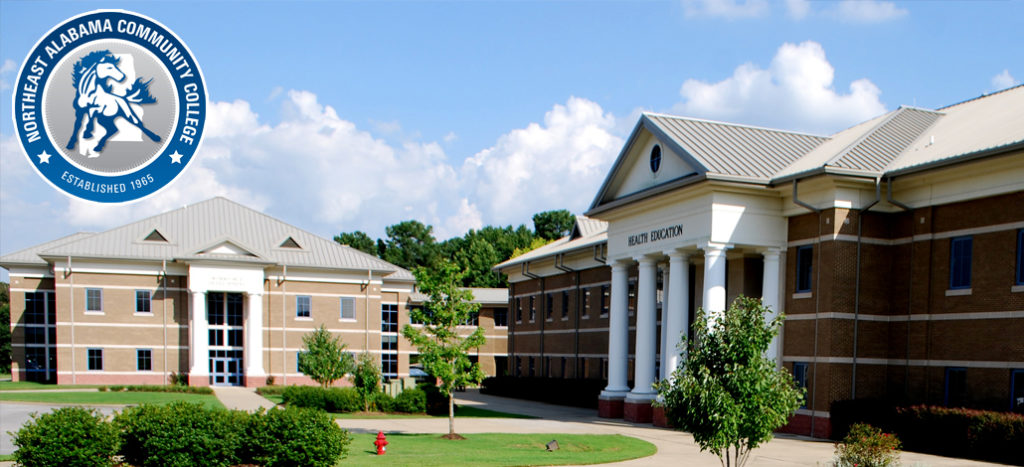
Students attending Alabama’s 25 two-year colleges will see tuition rise 1.4 percent in the upcoming academic year. The Alabama Community College System‘s board of trustees approved tuition rates per credit hour to increase $2 to $119 for Alabama residents and $234 for nonresidents. Students at Marion Military Institute and the Alabama Technology Network will not be affected by the tuition increase. Trustee chairman Al Thompson called the rate hike “modest” saying it’s part of an annual adjustment first established by the Alabama Board of Education. More than 83,000 students are enrolled within the state’s two-year college system.
State’s 2-year colleges, 4-year universities sign agreement letting students move in ‘reverse’
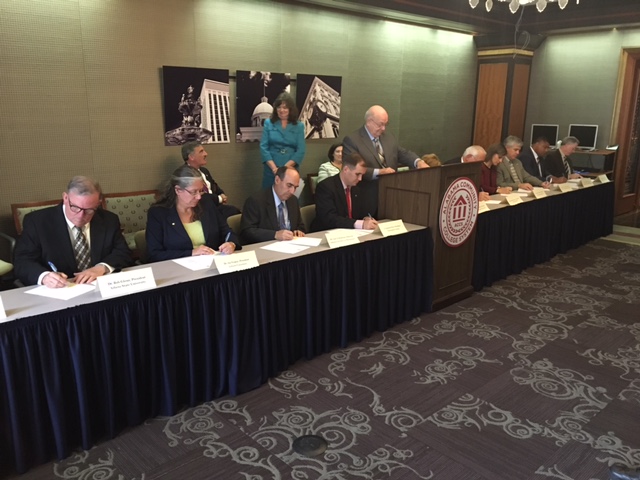
After graduating high school, many students use a community college or another two-year college as a stepping-stone to a four-year college and a bachelor’s degree. Sometimes, after actually transferring to a four-year school, those same students find life gets in the way and they have to leave school before they have the chance to finish the degree, with nothing to show for their hard work except a headache and student loans. But educators in Alabama have a solution to help give credit to these students where credit is due. Officials of the Alabama Community College System (ACCS), public universities across the state, and Huntingdon College gathered Wednesday to announce a new agreement that will allow students to transfer credits from four-year institutions back to a two-year institution in order to complete a degree. “Many people understand that you can take courses at community colleges, transfer those credits to a university, and apply them toward a four-year degree,” said Jimmy Baker, acting chancellor of the ACCS. “Our new agreement makes it possible for students to transfer credits in the other direction, too, helping them to attain a recognized credential they can use in the workplace or as they further their education.” Commonly known as “reverse transfers” this process has been, theoretically, possible for several years at some institutions, but technical difficulties often got in the way. The new agreement was reached with support of the National Student Clearinghouse to ensure a seamless transition for students wishing to go back to community college to complete an associate’s degree. “This agreement exemplifies the way that Alabama’s educational institutions can work together for the greater good,” said Lineville-Republican Sen. Gerald Dial. “It demonstrates our collective commitment to giving our students every opportunity to succeed.” In helping students get degrees from two-year colleges, the reverse transfer agreement will improve completion rates, which is a major objective at all levels of education. Presidents and/or designees from all of the institutions in the Alabama Community College System, every public four-year university, and Huntingdon College signed the agreement. To be eligible for a reverse transfer, students must have earned at least 25 percent of the credits they need for a degree from a community college and have earned at least three semester hours from the four-year institution as part of the overall associate degree requirements.
Lawmakers approve new board for two-year colleges
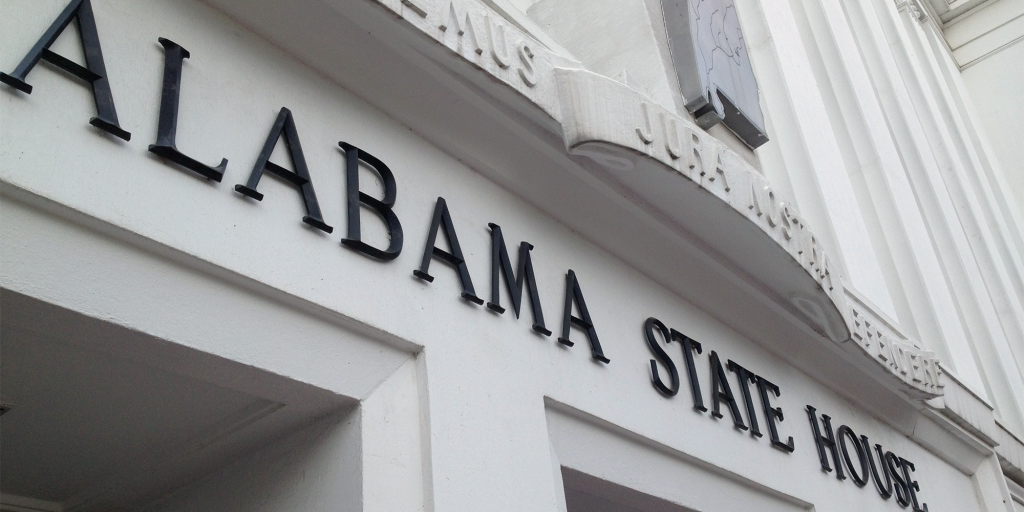
A new state board will oversee Alabama’s two-year college system. Alabama lawmakers on Tuesday gave final approval to legislation to remove the community college system from the oversight of the state Board of Education and give it to a new board appointed by the governor. Legislators voted to go along with a change proposed by Gov. Robert Bentley. A state senator requested the amendment stating that all board appointments had to be confirmed by the Alabama Senate. Legislators said a board made up of industry and business leaders would help focus the colleges’ mission of worker training and workforce development. State board of education members opposed the move and called it a power grab. Republished with permission of The Associated Press.
