
AG Steve Marshall sues Joe Biden over school food assistance plan
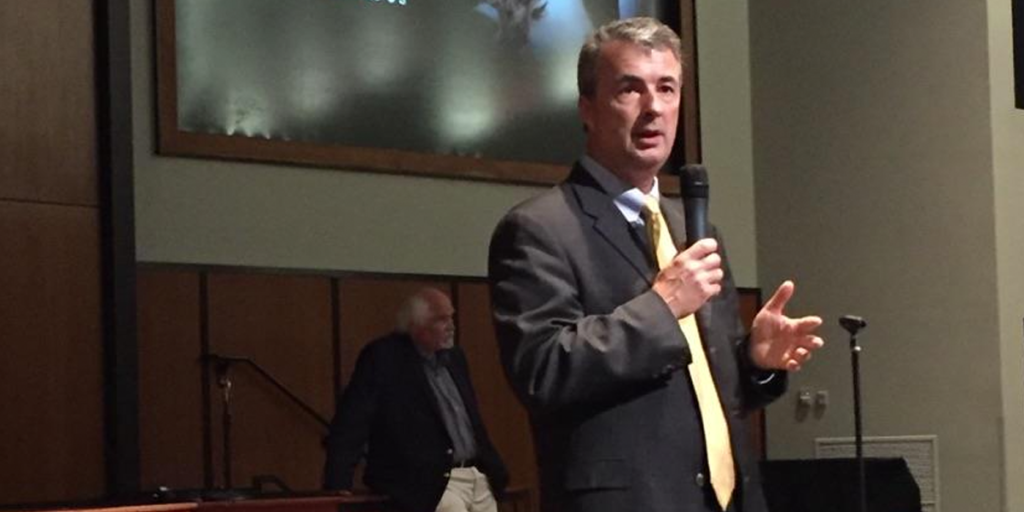
Attorney General Steve Marshall filed a lawsuit against the Biden administration over its new guidance could withhold federal nutritional assistance if schools have anti-trans policies like sex-separated bathrooms. According to Marshall’s press release, schools would risk forfeiting lunch money for their neediest students if they engage in “sex discrimination,” such as having sex-separated bathrooms or sports teams for boys and girls. AG Marshall argued that the policy was a part of Joe Biden’s ‘radical agenda.’ “Joe Biden and his administration are obsessed with imposing their extremist sexual politics on the people of our great nation, adults and children alike,” stated Marshall. “Their latest plan—which comes at a time of skyrocketing inflation and food costs, as well as a looming recession—is to hold schoolchildren’s food hostage unless their schools submit to the left’s radical ‘gender identity’ agenda. This immoral and illegal scheme cannot stand. That is why I, along with 21 of my attorney general colleagues, have filed suit in federal court to block it.” On May 5, 2022, the U.S. Department of Agriculture (USDA) announced that it would interpret the prohibition on discrimination based on sex found in Title IX of the Education Amendments of 1972 and in the Food and Nutrition Act of 2008, to include discrimination based on sexual orientation and gender identity. The USDA issued this interpretation to help ensure its programs are open, accessible, and help promote food and nutrition security, regardless of demographics. “USDA is committed to administering all its programs with equity and fairness and serving those in need with the highest dignity. A key step in advancing these principles is rooting out discrimination in any form – including discrimination based on sexual orientation and gender identity,” said Secretary of Agriculture Tom Vilsack. “At the same time, we must recognize the vulnerability of the LGBTQI+ communities and provide them with an avenue to grieve any discrimination they face. We hope that by standing firm against these inequities, we will help bring about much-needed change.” In the lawsuit, the attorneys general argue that the USDA’s guidance is unlawful because it conflicts with the requirements of Title IX and the Food and Nutrition Act and was issued without providing the State and other stakeholders the opportunity for input, as required by the Administrative Procedures Act. The attorneys general argue that the USDA premised its guidance on an obvious misreading and misapplication of the U.S. Supreme Court’s holding in Bostock v. Clayton County. The guidance imposes new and unlawful regulatory measures on state agencies and operators receiving federal financial assistance from the USDA and thus threatens essential nutritional services for Alabama’s most vulnerable children. The USDA announced the new guidance, arguing that it is consistent with the Supreme Court’s decision in Bostock v. Clayton County. In that decision, the Court held that the prohibition on sex discrimination under Title VII of the Civil Rights Act of 1964 extends to discrimination based on sexual orientation and gender identity. The National School Lunch Program services nearly 30 million schoolchildren each day, many of whom rely on it for breakfast, lunch, or both. Approximately 100,000 public and nonprofit private schools and residential childcare institutions receive federal funding to provide subsidized free or reduced-price meals for qualifying children. AG Marshall filed the lawsuit with attorneys general from Alaska, Arizona, Arkansas, Georgia, Indiana, Kansas, Kentucky, Louisiana, Mississippi, Missouri, Montana, Nebraska, Ohio, Oklahoma, South Carolina, South Dakota, Tennessee, Texas, Utah, Virginia, and West Virginia.
Prices soar as avian flu hits 1-in-10 egg-laying hens nationwide
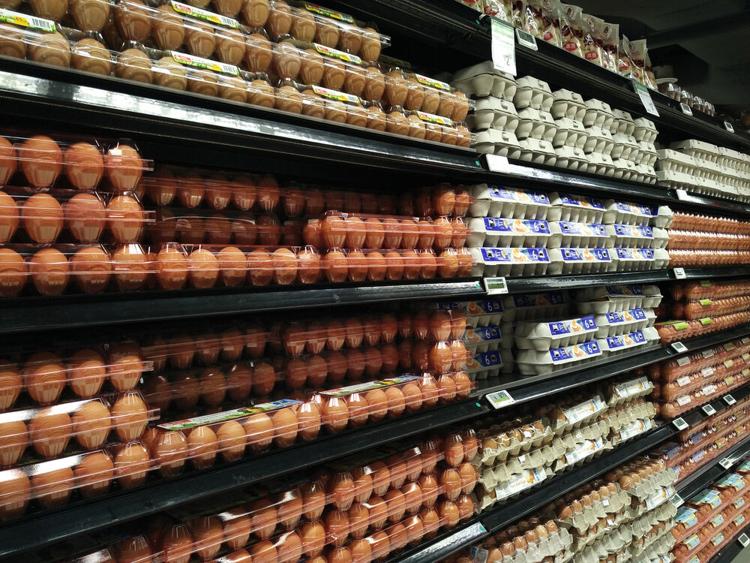
Egg prices increased dramatically in April due in part to the avian flu, and industry sources don’t expect prices to fall anytime soon. United States Department of Agriculture (USDA) data shows approximately 24.8 million egg-laying hens were affected by the flu, which typically requires destruction of the birds, since February. The United Egg Producers says there are 232 million egg-laying hens in the country, meaning the flu has taken out more than 10%. Data from Urner Barry, a market analysis company specializing in data on red meat, poultry, eggs, and seafood, showed the wholesale cost of a dozen eggs increased from 52 cents last April to $2.29 last week, a 208% increase. When the COVID-19 pandemic slowed production in 2020, the wholesale price peaked at $1.95 in March and returned to less than 50 cents within weeks. The USDA reported the first confirmation of avian flu – highly pathogenic avian influenza (HPAI) – in February. The USDA reported the virus is now in 29 states and affecting 33.1 million birds in 157 commercial flocks and 82 backyard flocks. Approximately 25% of infections were in four commercial egg producers during the last two weeks. Consumers aren’t at risk of getting the virus if they consume poultry or eggs, but many became aware of higher egg prices and some shortages of chicken and turkey. “In the two weeks leading up to Easter, egg costs increased 88%,” said Paul Simon, a spokesman for Schnucks, a grocery chore stain with 69 stores in Missouri. “Prior to Easter, the combination of normal inflationary pressures and the increased cost of chicken feed were already causing costs to increase. Then, the bird flu, coupled with increased demand leading up to Easter, caused a large spike in cost. After the Easter demand, costs have come down minimally but are still at a premium partly due to the bird flu.” Egg producers in nine states – Delaware, Iowa, Maryland, Minnesota, Nebraska, Pennsylvania, South Dakota, Utah, and Wisconsin – reported HPAI infections. Nine flocks in seven Missouri counties reported infections, but none included egg producers. “So far, our major producers haven’t been affected by the disease, but everybody is holding their breath,” said Jo Manhart of the Missouri Egg Council. “It’s a nightmare when it happens because you have to put the birds down so quickly in order to save the rest of the flock that’s in other houses around you.” Migratory waterfowl traveling the North American flyways can intermingle with birds from Europe and Asia infected with the virus. Waterfowl can be infected and show no signs of illness. The disease can spread to domesticated poultry through contact with waterfowl, including water, food sources, and fecal matter. The virus can be spread to poultry producers of all sizes by contaminated equipment or clothing. The Missouri Department of Agriculture is urging producers to stay vigilant with biosecurity measures, including keeping free-range poultry from mingling with wild waterfowl. “For consumers, it’s important to understand that eggs and other poultry items are safe to eat,” said Christi Miller, communications director with the Missouri Department of Agriculture. “As always, handle these items properly and cook them to a proper temperature. And continue to support poultry producers by purchasing eggs and other poultry protein products.” Republished with the permission of The Center Square.
Biden Administration names Nivory Gordon as state USDA director
The Biden Administration announced that Nivory Gordon Jr. has been chosen as the U.S. Department of Agriculture’s State Director for Alabama. He is the first Black person to hold that position. According to an Al.com report, Gordon has served for more than 34 years at the USDA in Rural Development in Alabama. The Alabama A&M University graduate started his career as a Co-Op student and has held several positions at USDA Rural Development, including Assistant County Supervisor, Construction Analyst, Rural Development Specialist, Area Specialist, and Area Director. During his time, Gordon has overseen several projects, including a new City Hall in Camden and a water delivery system. According to the White House announcement, the USDA’s Farm Service Agency implements agricultural policy, administers credit and loan programs, and manages conservation, commodity, disaster, and farm marketing programs in each U.S. State. Its mission is to “equitably serve all farmers, ranchers, and agricultural partners through the delivery of effective, efficient agricultural programs for all Americans.” State Executive Directors ensure the needs of local constituents are met and that USDA resources are distributed equitably and fairly. State Directors lead offices that offer grants, loans, and loan guarantees to help create jobs and support economic development and essential services. Gordon is a native of Wilcox County, Alabama, and currently resides there and operates a family farm in Furman, Alabama.
Richard Shelby announces $43.3M for new agricultural facility in Auburn

Auburn University will be receiving $43.3 million in federal funds to construct a new U.S. Department of Agriculture (USDA) Agricultural Research Service (ARS) National Soil Dynamics Laboratory as part of the agency’s capital improvement strategy, U.S. Senator Richard Shelby announced Monday. “I am proud to have secured funding for the new ARS facility in Auburn,” Shelby aid. “The soil lab will serve as an outlet for the USDA to complete research that will improve crop and livestock production for Alabama and the entire nation. I look forward to the work that will result from the partnership between Auburn and the USDA, and I am confident the project will continue to enhance our state’s thriving agriculture industry.” The $43.3 million in funding for the new ARS National Soil Dynamics Laboratory was provided through the H. J. Res 31: the Consolidated Appropriations Act, 2019, the final Fiscal Year 2019 appropriations package signed into law on February 15, 2019. Research done at the facility will focus on improving the productive and sustainable use of soil and water resources for increased crop and livestock production. The funding will allow for relocation and construction of the new facility, which will take the place of the current laboratory at Auburn. “The new facility will further Auburn’s drive to inspire through life-changing innovation,” said Auburn President Steven Leath. “Auburn will deepen its relationship with the USDA, more opportunities will emerge for our students and faculty and Auburn will be in a better position to solve real-world problems. Once again, Sen. Shelby has proven himself a champion of science and research that improves quality of life and fosters economic opportunity for farmers in Alabama and across the nation. We’re grateful to him for making it happen.” Agriculture is Alabama’s top revenue producing industry, generating an annual state-wide impact of over $70 billion. With over nine million acres of farmland and more than 48,500 farms, the state is a national leader in food production and a global competitor in the poultry, catfish, timber, cotton, and livestock industries.
Doug Jones encourages Alabama rural entities to apply for broadband infrastructure loans, grants
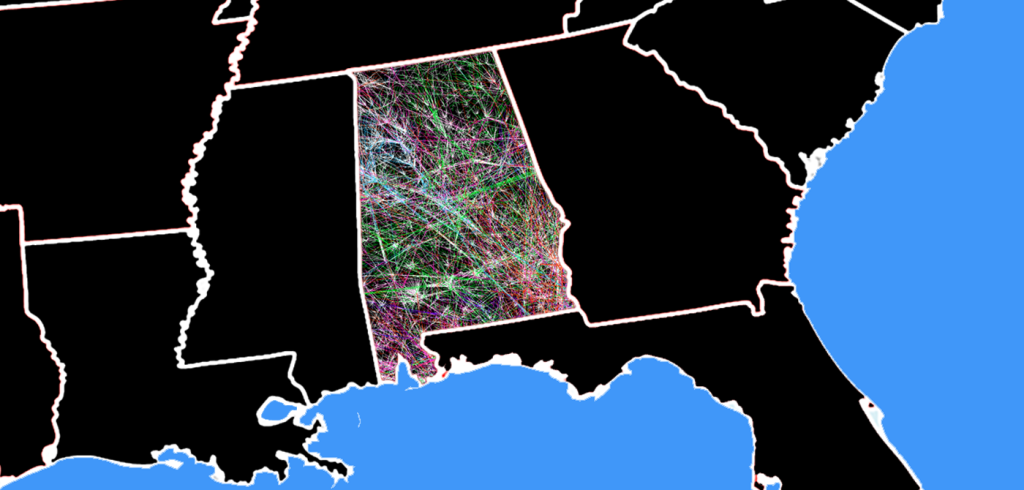
On Friday, the U.S. Department of Agriculture (USDA) announced it is offering up to $600 million in loans and grants to help build broadband infrastructure in rural America. Later that day, Alabama U.S. Senator Doug Jones encouraged eligible rural Alabama entities to apply for the loans to help expand their broadband infrastructure. Telecommunication companies, rural electric cooperatives and utilities, internet service providers, and municipalities may apply for funding through USDA’s new ReConnect Program to connect rural areas that currently have insufficient broadband service. This broadband pilot program is covered through funds secured in the fiscal year 2018 budget as designated by Congress. USDA Rural Development is the primary agency delivering the program, with assistance from other federal partners. “Today, more than ever, high-speed internet is no longer a luxury, but a necessity,” said Jones. “Students rely on connectivity for their education, hospitals and health care providers use telehealth capabilities to reach rural communities, and small businesses need the internet to thrive. It provides economic opportunity, strengthens our communities and connects our workforce throughout Alabama and the nation. This USDA funding is a great opportunity to close the broadband gaps that exist in Alabama and I encourage any eligible entity in the state to apply.” The USDA will make available approximately $200 million for grants (applications due to USDA by April 29, 2019), as well as $200 million for loan and grant combinations (applications due May 29, 2019), and $200 million for low-interest loans (applications due by June 28, 2019). To help customers with the application process, USDA is holding a series of online webinars and regional in-person workshops. The full list of upcoming public webinars and workshops can be found at the ReConnect Program’s resource portal here.
Uniontown gets a $23.4 million wastewater solution from the USDA
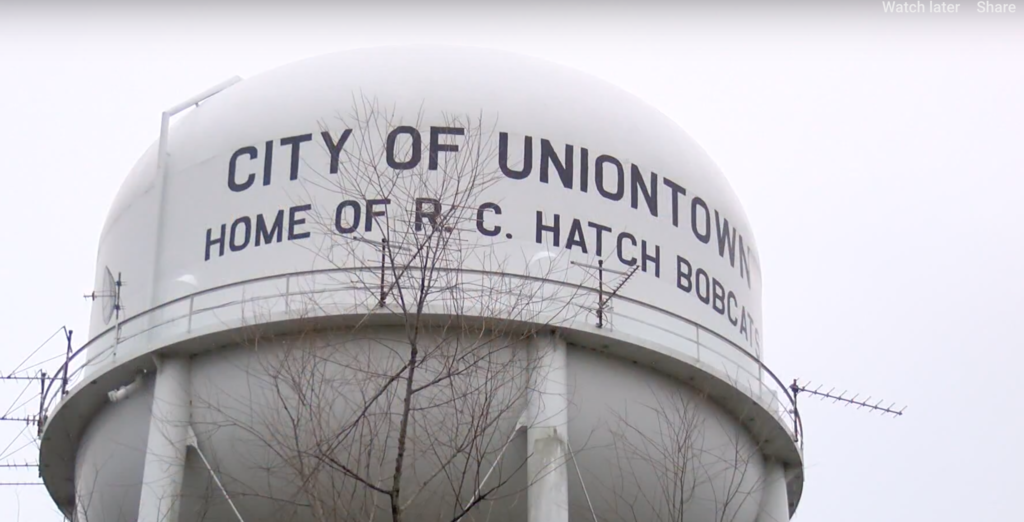
The U.S. Department of Agriculture (USDA) announced a $23.4 million grant to address an ongoing wastewater treatment crisis in Uniontown, Ala. USDA will work with the municipality to create an outside board which will oversee the development of a new wastewater system for Uniontown residents. Alabama 7th District U.S. Rep. Terri Sewell calls the grant “a huge victory” for Uniontown. “Today’s grant announcement is a huge victory for Uniontown that will have a real-life impact for thousands of Alabamians living in the rural Black Belt,” said Sewell. “No American family should have to live without access to safe wastewater treatment in the 21st Century. I have met with families in rural Alabama who struggle with the health and economic challenges created by failing wastewater systems. Every day, their stories inspire my fight in Congress for stronger investments in our wastewater infrastructure. USDA’s assistance in Uniontown is an important step forward, but the wastewater crisis facing Alabama’s rural Black Belt is not over. We must continue fighting for Uniontown, Lowndes County, and all of our state’s residents who have to live with inadequate basic resources.” For over a decade, failing wastewater infrastructure has created enormous health and economic challenges for communities in rural Alabama. Since 2016, the issue has received national and international attention, with the release of a United Nations-sponsored report this year highlighting the failure of wastewater infrastructure in Alabama’s rural Black Belt. Alabama’s senior U.S. Sen. Richard Shelby helped lead the efforts to secure the funding. Along with Sewell, he was joined by U.S. Sen. Doug Jones, Alabama 4th District U.S. Rep. Robert Aderholt and USDA State Rural Development Director Chris Beeker. “Water and wastewater systems across the country are aging, overburdened, and in need of replacement,” said Shelby. “Failure to invest in these water projects has devastating economic and public health consequences. The dire situation in Uniontown is a prime example of a number of communities across Alabama in need of upgrades and repairs. I am proud to have led the efforts to create momentum for this project, and I would like to thank USDA for providing this critical funding. I remain committed to fighting for these greatly needed resources to combat our state’s growing infrastructure needs.” The USDA grant This $23,437,500 USDA Rural Development grant for Uniontown will enable a major infrastructure redesign and rehabilitation. The project will include construction of an interconnection between the city of Uniontown and the city of Demopolis which will pump wastewater to Demopolis for treatment. Once this collection system is operational, the treatment of wastewater through the city of Uniontown’s existing lagoon and spray field system will be eradicated. The lagoons and spray field serving the city of Uniontown will be decommissioned and reclaimed, which will eliminate wastewater overflow and assist the city to better comply with environmental regulatory requirements. Approximately 2,810 customers in the city of Uniontown and the surrounding area are served by this wastewater system.
City hopes to fill empty downtown Birmingham building with two federal agencies

The City of Birmingham, Ala. is looking to fill an empty downtown building with two federal agencies. The former Liberty National Building is one of the largest office spaces in the Magic City and has sat vacant since 2010. The city is now hoping to fill the building with the national headquarters of two U.S. Department of Agriculture (USDA) agencies: the National Institute of Food and Agriculture (NIFA), whose purpose is to to consolidate all federally funded agricultural research, and the Economic Research Service (ERS), which provides key indicators, outlook analysis, and a wealth of data on the U.S. food and agricultural system. In August, the Trump Administration announced plans to move the two government agencies out of Washington, D.C. where their headquarters are located currently. “The need for a proposed NIFA facility would be approximately 90,000 square feet to house approximately 360 employees. The need for a proposed ERS facility would be up to 70,000 square feet to house up to 260 employees,” read a Federal Register notice requesting “expressions of interest” for the relocation of ERS and NIFA. The notice notes that both the ERS and the NIFA are now housed in space rented from the General Services Administration, and that the lease for the NFIA offices is expiring. According to the Birmingham Business Journal, the City of Birmingham is preparing a bid for the two agencies. Incentives to relocate to Birmingham will be included in the bid, but have yet to be disclosed. Agriculture Secretary Sonny Perdue said in a news release the USDA would pay relocation expenses, as the agencies have had a hard time recruiting staff, especially graduates of land-grant colleges. But part of the appeal of relocating to Alabama could be that the state has three land-grant universities: Alabama A&M, Tuskegee, and Auburn University.
Alabama Farmers Federation calls Trump’s farm bailout ‘a step forward’
The Alabama Farmers Federation’s (ALFA) is calling President Donald Trump‘s farm bailout “a step forward” for farmers. The U.S. Department of Agriculture (USDA) on Monday announced the plan to distribute $6.3 billion as a bailout to assist U.S. farmers whose markets have been disrupted through trade retaliations as a result of President Donald Trump’s trade negotiations. “Although we’re hopeful trade negotiations will end with better conditions for farmers, this package is a step forward in helping farmers deal with current uncertain markets,” said Mitt Walker, the Federation’s National Legislative Programs director. At $1.65 per bushel, soybean farmers are slated to receive $3.6 billion of the $4.7 billion in total direct payments through the Market Facilitation Program (MFP). Pork farmers will receive $290 million total, at $8 a head. Farmers can apply after harvest is complete and total 2018 production can be reported. The rate depends on the severity of trade disruption and period of adjustment to new trade patterns. Applications are available Sept. 4 and the first round of payments will be based on 50 percent of a farmer’s 2018 production. If a second payment is approved for the remaining 50 percent of production, the amount will be determined by USDA. Remaining commodities and initial payment rates are Cotton: 6 cents per pound Corn: 1 cent per bushel Milk: 12 cents per hundredweight Sorghum: 86 cents per bushel Wheat: 14 cents per bushel MFP payments are capped per person or legal entity at a combined $125,000 for corn, cotton, sorghum, soybeans and wheat. Meanwhile MFP payments for dairy or hogs are capped at a combined $125,000. The Food Purchase and Distribution Program will purchase up to $1.2 billion in commodities targeted by retaliation. USDA’s Food and Nutrition Service will distribute products to through the Emergency Food Assistance Program and child nutrition programs. Commodities and target payments include: Beef: $14.8 million Dairy: $84.9 million Pecans: $16 million Pork: $558.8 million USDA will also devote $200 million to developing foreign markets for U.S. crops, through advertising, public relations, participation in trade fairs and market research. Applications for the Agricultural Trade Promotion Program are due Nov. 2.
Doug Jones introduces bill to improve rural health care
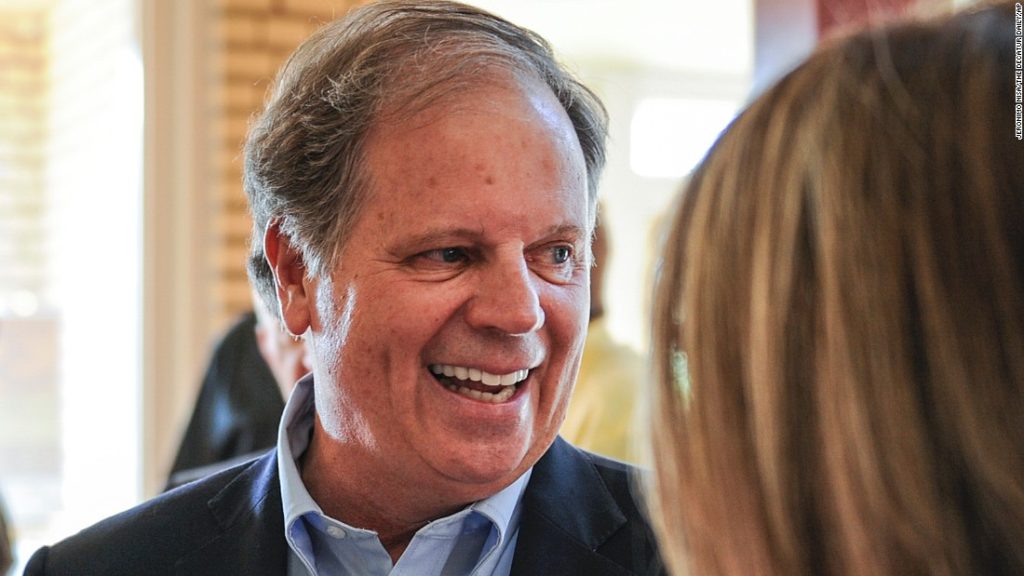
Alabama Sen. Doug Jones introduced his first piece of legislation on Tuesday, aimed at improving communications and coordination between federal agencies and health care stakeholders. The bill known as the Rural Health Liaison Act, would create the position of rural health liaison within the United States Department of Agriculture (USDA.) According to Jones, the liaison would: Consult with the Department of HHS on rural health issues and improve communication with all federal agencies Provide expertise on rural health care issues Lead and coordinate strategic planning on rural health activities within the USDA Advocate on behalf of the health care and relevant infrastructure needs in rural areas Provide updates on rural grant opportunities and other programs to stakeholders Provide technical assistance and guidance on rural health to the USDA extension and county offices Jones believes the legislation will streamline the government, and make it more efficient, ensuring rural hospitals in Alabama have access to the resources they need to provide affordable health care in their communities. “Like many states with large rural communities, Alabama faces unique challenges when it comes to providing access to health care for all of our residents,” said Jones. “I’m proud that the first bill I’m introducing as a lead sponsor will help address an issue that affects so many people in my state and across rural America. By establishing a rural health liaison at USDA, we can better coordinate federal resources and expand health care access to Americans who have for too long struggled to receive quality, affordable care in their own communities.” Since 2010, 80 rural hospitals in the nation have closed and 673 are at risk of closing, twelve of those hospital closures took place in Alabama. Resulting in a loss of over 6,000 jobs, and over $713 million in Alabama GDP in the last ten years. “As much as anything, going around the state over the last 12 months, health care has been a driving issue for people in Alabama from one end of the state to the other, and particularly rural health care,” Jones told AL.com. “The health care delivery in rural parts of Alabama are critical, and making sure that people have access to affordable health care is a lifeblood in a number of communities.”
Martha Roby: New Farm Bill gains momentum
I am proud to share some exciting news for Alabama’s farmers: The House Agriculture Committee has approved the Agriculture and Nutrition Act of 2018, more commonly known as the farm bill. I am very pleased by this important step to address the challenges facing farmers across our state and country, and I look forward to seeing the momentum continue as we eventually take the bill up on the House floor. As you know, agriculture is the largest employer in Alabama’s Second District, responsible for more than 93,000 jobs and $11 billion in economic impact. I know how important it is that we get the farm bill right on behalf of all the farmers in our state, so I’d like to share some key highlights of this critical legislation. One of the most consistent topics I hear from farmers in the Second District is about burdensome regulations. As you’re well aware, under the Obama Administration, our regulatory state grew by the minute, and the heightened government intrusion has been challenging for farmers and business owners alike. The new farm bill streamlines and reduces these regulatory burdens by reforming the Endangered Species Act (ESA) as it relates to pesticide registration to ensure that agricultural producers have access to the safest and most efficient crop protection tools. Overbearing rules implemented by federal agencies shouldn’t make farmers’ work harder than it needs to be, so I am proud these measures were included. Every time I sit down with farmers, regardless of the commodities they grow, I hear stories about troubles with feral hogs. I am glad to report that this farm bill creates a program and provides $100 million to address the destructive behavior of this invasive species. Under this farm bill proposal, the commodity protection programs in which all crops, like peanuts and cotton, participate gained flexibility to adjust to market prices while keeping the current overall structure in place. Additional protections strengthen the current crop insurance system that is vital to all in the industry. I know farmers, rural bankers, and rural businesses everywhere will be pleased by this. I’ve said several times that one of my top priorities for the remainder of the year is working with my colleagues in Congress and the Trump Administration to reinvigorate our country’s badly aging infrastructure. Roads and bridges are important, but another significant element is expanding access to broadband. Rural areas of our country should have the same access to broadband and infrastructure that urban areas do. The new farm bill authorizes substantial funding for rural broadband and requires the United States Department of Agriculture (USDA) to establish forward-looking broadband standards. You know as well as I do that many areas in Alabama’s Second District will benefit tremendously from increased access to broadband. Lastly, the new farm bill makes several needed improvements to USDA’s nutrition program, the Supplemental Nutrition Assistance Program (SNAP), or food stamps. This bill implements strict work requirements for SNAP recipients and closes categorical eligibility loopholes. This farm bill maintains nutrition assistance for our most vulnerable Americans when they truly need it while making a commitment to helping them improve their circumstances. I have always believed we should incentivize able-bodied adults to work instead of encouraging them to remain dependent on the government. I’m proud that the new farm bill reflects our conservative principles. There are many other positive elements of the new farm bill I could highlight, and I have been glad to be engaged in the process to this point. It is a true privilege to advocate for policy that helps the hardworking farmers in our state and district, and I am eager to see the momentum on this bill continue so we can move this important legislation over the finish line. At the end of the day, it is my job to ensure that our farmers are able to do what they do best: provide the food and fiber that sustains our country and the world. I will be sure to keep you informed as we move forward with the new farm bill. ••• Martha Roby represents Alabama’s Second Congressional District. She lives in Montgomery, Alabama with her husband Riley and their two children.
Bradley Byrne: Fighting for rural America
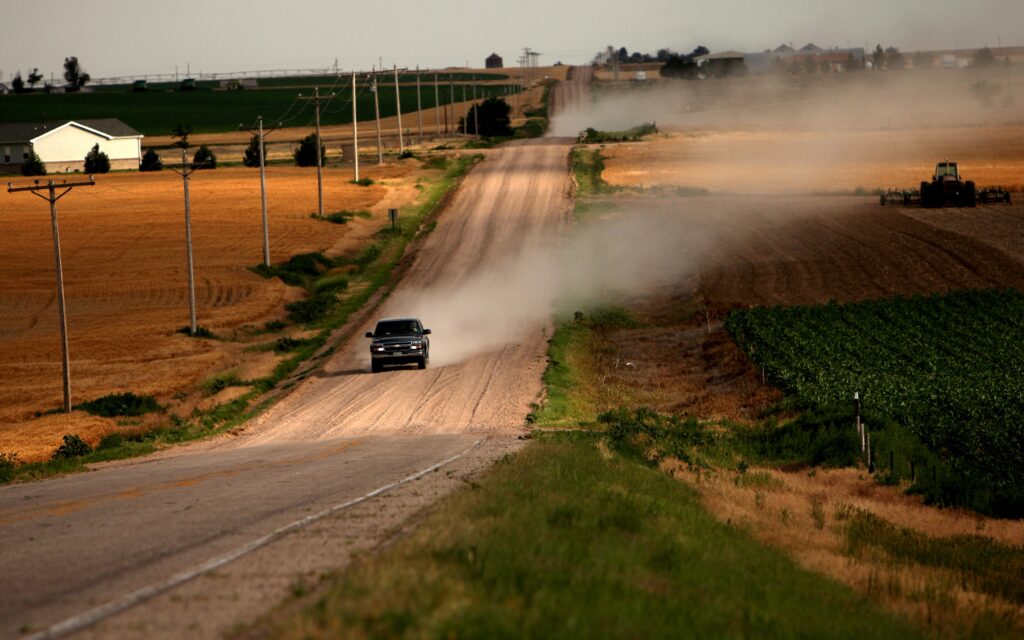
Approximately 46 million people call rural America home, according to information from the Department of Agriculture. These rural communities make up the backbone of our state and play a substantial role in the overall American economy. Unfortunately, rural communities are facing some serious challenges. For the first time on record, the rural population in our country is shrinking. Job growth since 2011 has been below that of urban areas, and the economic recovery has been much slower for rural areas. There are several reasons for the challenges facing our rural communities, but I am committed to working with my colleagues in Congress and President Donald Trump to make life better for those in rural America. Just last week, President Trump became the first sitting U.S. president since 1992 to address the American Farm Bureau. The Farm Bureau serves as a leading voice for our nation’s rural communities and farmers. Agriculture is the top industry in rural America, and it remains the number one industry in Alabama. In his speech, President Trump declared that “our farmers deserve a government that serves their interest and empowers them to do the hard work that they love to do so much.” This year, Congress will need to pass a new Farm Bill. The Farm Bill is critical because it sets the federal policies that govern our nation’s farmers. As a strong champion for agriculture, I have already started working with Alabama’s farmers to ensure the bill is good for them and our rural communities. Farming is unlike most other industries and dependent on so many external factors, like weather, that are outside the control of the farmers. It is important farmers have the certainty they need to provide the American people with a safe and reliable food source. The Tax Cuts and Jobs Act, the major tax reform legislation that passed in December, includes several provisions that will help farmers in rural America. In addition to lowering individual tax rates, the bill allows farmers to deduct 100% of the cost of new equipment in the year you make the investment. Farming is a very capital-intensive industry, so this is a real victory for farmers. Another significant issue facing our rural communities is a lack of broadband access. According to the Federal Communications Commission, 39 percent of rural Americans lack sufficient broadband access. Without access to broadband and internet, individuals struggle to keep up in an economy that is increasingly dependent on technology. In an effort to expand broadband access, President Trump recently signed two Presidential Orders to help get faster and better internet coverage to rural America. The goal is to cut back on some of the government regulations and processes that make it harder to expand broadband access while also increasing the overall investment from the Department of Agriculture. One other key to boosting rural America is to focus more on career and technical education programs to ensure individuals have the skills that they need to excel in today’s economy. By putting more money toward these workforce training programs, I believe we can help revitalize rural America and increase access to high-paying jobs. I firmly believe the investment in these programs is well worth it in the long run because it helps keep people off government welfare programs, improves the overall economy, and makes the individual’s life better. These are just a handful of ways we can help restore rural America and revitalize our rural communities. Our nation is strongest when rural America is strong, and I am committed to that fight. ••• Bradley Byrne is a member of U.S. Congress representing Alabama’s 1st Congressional District.
BBQing isn’t an option, feral hog poison field tests coming to Alabama in 2018

Wild boar, razorback, feral hog, wild pig — these are just some of the names we attribute to one of the most destructive and formidable invasive species in the country. Feral swine adapt to just about any habitat, have few natural enemies, and reproduce at high rates. Since the country can’t barbecue its way out of the $1.5 billion in damages and hog-control costs each year, the USDA’s Animal and Plant Health Inspection Service (APHIS) has approved a new measure to control the 6 million, and counting, feral hogs. Beginning in 2018, the APHIS will being field-testing poison baits, made from a preservative that’s used to cure bacon and sausage, to help control the hog population. “Wildlife Services takes the selection and use of toxic baits for use in wildlife damage management very seriously. The final environmental assessment, FONSI and EUP are the result of years of collaborative research by WS and multiple private, state, federal and international partners,” said Wildlife Services Deputy Administrator Bill Clay. “With these in place, we can now begin field trials to help determine the effectiveness of the sodium nitrite toxic bait for removing feral swine sounders in natural settings, as well as any potential impacts to non-target wildlife.” The new program will first be tested in Texas in early 2018 and then in central Alabama midsummer. “Although trapping, aerial operations, and recreational hunting of feral swine have effectively reduced damage in some areas, studies show that at least 70 percent of feral swine must be removed each year in order to prevent population growth,” added Clay. “Should the U.S. Environmental Protection Agency approve the toxic bait for use with feral swine, it could become another tool in the toolbox for integrated feral swine damage management.”
