
Alabama suffers ‘self-inflicted wound’ of worsening COVID-19
Alabama is suffering a “self-inflicted wound” from COVID-19, with hospitals again filling up as the state trails the nation in vaccinations and pandemic precautions like face masks and social distancing are all but forgotten, a health leader said Tuesday. Only 166 people were hospitalized statewide a month ago with COVID-19 after thousands were vaccinated and before a new variant took hold. But that low point has been followed by a rapid rise, and more than 550 people were being treated for the virus now, statistics showed. Hospitals are far from the critical point they reached in January when some 3,000 people were being treated at one time, but the fast-spreading Delta variant threatens to worsen the situation barring a rapid increase in vaccinations, said Dr. Donald Williamson, president of the Alabama Hospital Association. “There’s just a sense of frustration,” said Williamson, who used to head the Alabama Department of Public Health. “The fact that cases are rising is a self-inflicted injury.” Statistics show that only 50 people would currently be hospitalized if everyone who is eligible for a shot had gotten one, Williamson said, and chances are their illnesses wouldn’t be as severe. “This is the plague of our generation, and certainly of our lifetime. And now it could be so easily averted, but we’re failing to do that,” he said. Only 38% of the state’s population has gotten at least one vaccine dose, and just 31% is fully vaccinated, state statistics showed, yet the daily pace of vaccinations has slowed to roughly the same amount that were being given months ago when doses were scarce. Relatively few people still take precautions in public, and businesses full of people are a common sight. Without a rapid turnaround in vaccinations, Williamson said, health officials worry that cases will continue increasing as highly contagious virus variants spread through the population at stores, churches, restaurants, bars, sports contests, and other public events. Rather than reimposing restrictions like mandatory mask-wearing, capacity limits for businesses, or shutdowns, Gov. Kay Ivey has said the only thing she supports is encouraging people to use their “common sense,” show personal responsibility and get shots. To encourage vaccinations, the city of Gadsden said it would offer $100 to residents who received the first dose Tuesday or later and are fully vaccinated by Oct. 15. Two drawings for $5,000 will be held for every 500 residents who qualify. The three-campus University of Alabama system, with more than 70,000 students total, said anyone not fully vaccinated would be expected to wear a face mask and practice social distancing inside campus buildings this fall. Vaccines won’t be required in accordance with state law, however. “Data continue to show that vaccinated individuals remain protected from COVID-19. Widespread vaccination is the best way to sustain continued on-campus operations,” said Dr. Selwyn Vickers, dean of the medical school at the University of Alabama at Birmingham. Over the past two weeks, the rolling average number of daily new cases in Alabama has increased by 694, a spike of 573%. There were about 197 new cases per 100,000 people during the period, which ranked 11th nationally, with the largest increases along the coast in Mobile and Baldwin counties. Some 11,460 people have died of COVID-19 in Alabama, giving the state the 17th highest death rate nationally. Alabama has reported more than 560,000 positive tests, and the percentage of tests coming back positive is on the rise. Republished with the permission of the Associated Press.
Alabama won’t reach White House vaccination goal
Alabama continues to have the second-lowest COVID-19 vaccination rate in the United States and will be far short of the White House goal of getting 70% of adults vaccinated by July 4. Alabama ranks only above Mississippi, according to numbers from the Centers for Disease Control and Prevention. In Alabama, about 36% of the total population of Alabama has received at least one dose of vaccine, with most of the vaccinations going to adults. President Joe Biden has set a goal of having 70% of the adult U.S. population at least partially vaccinated by July 4, a percentage that Alabama will likely be far short of that percentage. “We won’t get there by July 4, but that does not deter us from encouraging people to get the vaccine,” said Dr. Karen Landers, the state deputy health officer. Landers said the state had paused vaccine orders as the state tries to use down the existing stockpile. But she said so far, the state has not had to return unused doses to the federal government. She said the motto is to “order what we need and use what we have.” Ryan Easterling, a spokesman for the Alabama Department of Public Health, added that the state continues to rotate COVID-19 vaccine stock throughout the state to avoid vaccine being wasted and that small amounts of vaccine are still being ordered as the need arises. Suzanne Judd, an epidemiologist at the University of Alabama at Birmingham’s School of Public Health, said the vaccination rates remain too low in the state to eliminate the threat of COVID-19. “Vaccine hesitancy is very serious right now in Alabama. We really have reached a point that folks are just trickling in to get vaccines,” Judd said. Judd said an estimated 30% of the Alabama population has antibodies from exposure, and that is providing a “buffer” along with the percentage of the population that has been vaccinated. However, she cautioned that natural immunity is expected to fade at some point. Health officials had expressed concern about a spike in cases following Memorial Day. However, Dr. Kiersten Kennedy, chief of hospital medicine at the UAB, said so far that hasn’t been the case at her hospital. “We are experiencing these tiny peaks and valleys. I would say on the whole things have remained pretty stable which is really reassuring,” Kennedy said. However, she said there has been a change in the median age of patients hospitalized for COVID-19 after the availability of the vaccine. The median age of COVID-19 patients at UAB Hospital has dropped from above 60 to around 40 or 50. State numbers show that people 65 and over are more likely to have been vaccinated than younger age groups. Republished with the permission of the Associated Press.
Joe Biden vows enough vaccine for all US adults by end of May
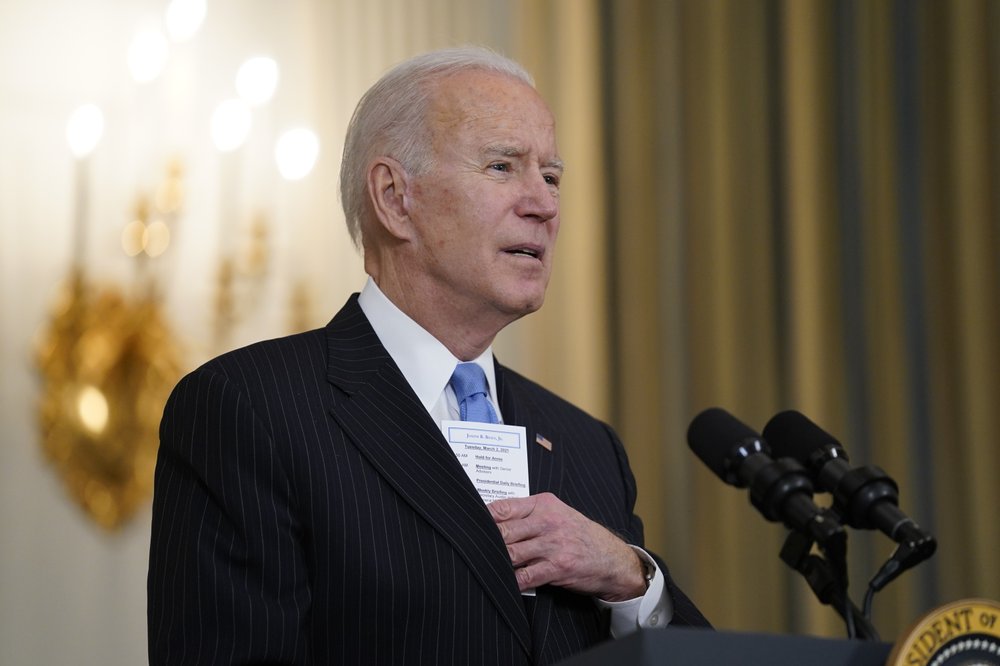
President Joe Biden said Tuesday the U.S. expects to take delivery of enough coronavirus vaccine for all adults by the end of May — two months earlier than anticipated — and he pushed states to get at least one shot into the arms of teachers by the end of May to hasten school reopenings. Biden also announced that drugmaker Merck will help produce rival Johnson & Johnson’s newly approved one-shot vaccine, likening the partnership between the two drug companies to the spirit of national cooperation during World War II. “We’re now on track to have enough vaccine supply for every adult in America by the end of May,” Biden said. Despite the stepped-up pace of vaccine production, the work of inoculating Americans could extend well into the summer, officials said, depending both on the government’s capacity to deliver doses and Americans’ willingness to roll up their sleeves. Biden’s announcements quickly raised expectations for when the nation could safely emerge from the pandemic with the promise of speedier vaccinations, but even as he expressed optimism, Biden quickly tempered the outlook for a return to life as it was before the virus hit. “I’ve been cautioned not to give an answer to that because we don’t know for sure,” Biden said, before saying his hope for a return to normal was sometime before “this time next year.” As Biden spoke, states across the country were moving to relax virus-related restrictions. This despite the objections of the White House and the nation’s top infectious disease expert, Dr. Anthony Fauci, who have warned against any relaxation of virus protocols until more Americans are vaccinated. In Texas, GOP Gov. Greg Abbott moved to lift his state’s mask-wearing mandate and a host of other limitations. Michigan’s Democratic Gov. Gretchen Whitmer eased capacity limits on restaurants and both public and residential gatherings. Fauci has previously said the nation must achieve a vaccination rate of about 80% to reach “herd immunity.” Only about 8% of the population has been fully vaccinated, according to the Centers for Disease Control and Prevention, though the pace of vaccination has been increasing. The U.S. set a new daily record for injections last Thursday and Friday. In hopes of increasing vaccinations even further. the Biden administration told governors to make preparations to administer even more doses in the coming weeks. More shots are also headed toward the federally backed program to administer doses in retail pharmacies, which federal officials believe can double or triple their pace of vaccination. More than 800,000 doses of the J&J vaccine will also be distributed this week to pharmacies, on top of the 2.4 million they are now getting from Pfizer and Moderna. Those pharmacies will be key in getting the vaccines into the arms of teachers — particularly in the roughly 20 states where they have not been prioritized for shots. The aim is to help reopen schools to better educate students who have been at risk of falling behind during the pandemic and reduce the burden on parents who have had to choose between childcare and a job. “Let’s treat in-person learning as the essential service that it is,” Biden said. Teachers will be able to sign up directly through participating retail pharmacies, the administration said. White House press secretary Jen Psaki also announced Tuesday that the federal government was increasing supply of the Moderna and Pfizer vaccines to states next week to 15.2 million doses per week, up from 14.5 million previously. States will also receive 2.8 million doses of the J&J shot this week. On a call with governors Tuesday, White House coronavirus coordinator Jeff Zients said states should prepare to administer 16 million to 17 million total weekly doses of Pfizer and Moderna vaccines by the end of March, climbing to 17 million to 18 million weekly by early April. The supply of J&J doses to states, expected to dip after the initial shipment this week, will climb to 4 million to 6 million weekly doses by the end of March and 5 million to 6 million doses weekly through the end of April. Officials have said J&J faced unexpected production issues with its vaccine and produced only 3.9 million doses before being cleared for emergency use authorization on Saturday. The company has promised to deliver 100 million doses by the end of June. Before the approval of the J&J shot, Biden had suggested that it would take until the end of July to have enough vaccine for every adult in the U.S. Facing questions about the company’s slipping delivery schedule, J&J Vice President Richard Nettles told lawmakers on Capitol Hill last week that the company had faced “significant challenges” because of its “highly complex” manufacturing process. Psaki said that an “across-the-administration effort” was required to get the two historic rivals to work together on the vaccines, even though conversations between J&J and Merck have been going on for months. “There’s a difference between conversations and it moving forward,” she said. The White House said Merck would devote two plants to the production process. One would make the vaccine and the other would handle inserting the vaccine into vials and ensuring strict quality controls. Psaki said the Biden administration was using its powers under the Defense Production Act to help Merck retool to work on the production. Still, it was not immediately clear when the effect of Merck’s assistance would be reflected in supply. Federal officials have cautioned that setting up the highly specialized manufacturing lines to produce vaccines would take months. Compared to the two-dose versions produced by Moderna and Pfizer, the J&J vaccine is less resource-intensive to distribute and administer, making it critical for U.S. plans to spread vaccinations around the world — but only once Americans are inoculated. The J&J vaccine can be stored for months at refrigerated temperatures, rather than frozen, and doesn’t require patients to return for a second dose three or four weeks later. J&J has set up a global production network that includes brewing bulk
9 CVS stores to begin offering COVID-19 shots in Alabama
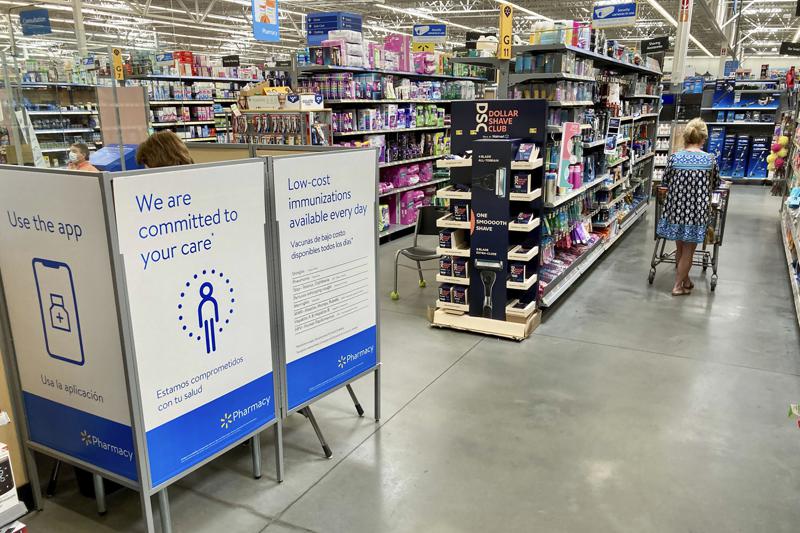
CVS Health will begin offering vaccinations to protect against the new coronavirus that causes COVID-19 at pharmacies in nine rural Alabama areas beginning Thursday as part of a program to boost immunization rates. The stores will receive doses through a federal program, the company said. The expanded access should help boost vaccinations in a state that is trailing much of the nation in providing immunizations. “We are truly in the midst of a historic vaccination rollout, and it will take strong partnerships like this to get the job done,” Gov. Kay Ivey said in a statement released by the company. People who are eligible under state rules to receive a vaccine can make appointments online for slots that will be available at stores in Union Springs in Bullock County, Lanett in Chambers, Jackson in Clarke, Evergreen in Conecuh, Greensboro in Hale, Moulton in Lawrence, Tuskegee in Macon, Bayou La Batre in Mobile County and Camden in Wilcox County. Vaccines also are available at dozens of Walmart stores in the state plus sites including county health offices and clinics operated by hospitals and other health providers. CVS also has been helping vaccinate residents and workers at 140 nursing homes, assisted living centers, and other long-term care centers in the state. More than 790,000 people have received shots statewide, according to the Health Department, and about 225,000 have gotten both shots recommended for two-step Pfizer and Moderna doses. The new immunization locations were announced with COVID-19 hospitalizations at their lowest point in Alabama since the fall. After reaching a high of 3,084 on Jan. 11, the number of people hospitalized for the illness has declined almost daily to 762 on Tuesday. That was the lowest number of people hospitalized with COVID-19 statewide since Oct. 4, when 759 were being treated before a surge in cases that worsened during the holidays. Republished with the permission of the Associated Press.
Alabama virus hospitalizations hit lowest point since fall
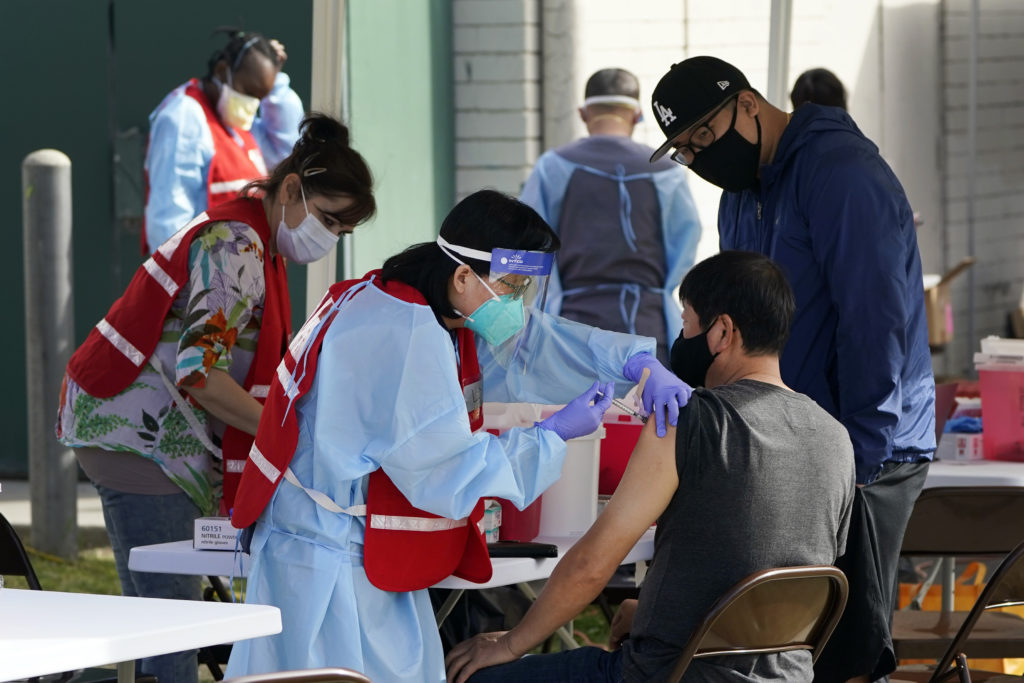
The number of people in Alabama hospitals with COVID-19 dipped Thursday to around 1,000, the lowest since late autumn. The decline in hospitalizations, daily new cases and the percent of tests coming back positive — three major barometers of the pandemic’s severity — is an encouraging sign that the state has emerged from the record-setting winter surge, said Dr. Don Williamson, the president of the Alabama Hospital Association. An unknown, however, is if the state will see another spike from the spread of variants. COVID-19 hospitalizations have declined from more than 3,000 on Jan. 11 to 1,003 on Thursday, the lowest level since early November “These are the best numbers we’ve seen certainly since November,” “We are headed in the right direction if we don’t do anything to mess it up,” Williamson said. Williamson attributed the drop in hospitalizations to both a drop in cases and treatment with monoclonal antibodies to lessen the severity of illness. Other states have also seen a drop in cases. Alabama ranked 22nd among U.S. states in the number of new cases per capita in the past 14 days. The seven-day rolling average of daily new cases in Alabama fell from 2,281 on Feb. 3 to 1,014 on Feb. 17, according to The COVID Tracking Project. Williamson said an unknown is if the state will see another spike from virus variants. At least eight cases of a highly transmissible variant that was first identified in the United Kingdom has been found in the state, according to the Alabama Department of Public Health. The department said many infectious disease experts have indicated that the current vaccines should be effective against the strain, and that the variant has not been definitively linked to worse outcomes. Since the pandemic began, more than 480,000 confirmed and probable virus cases have been reported in Alabama, and 9,424 people have died. Alabama has so far distributed about 685,000 of the 1 million vaccine doses it has received. Early numbers suggest a racial disparity in who is getting the vaccine. Thus far, whites have received about 55% of the doses compared to 12% received by Blacks. The numbers are incomplete, however, because the race of 28% of vaccine recipients was not reported. About 28% of Alabama’s population is Black. Tuskegee University and the University of Alabama at Birmingham School of Medicine have scheduled a town hall for Friday to answer questions about the vaccine and discuss vaccine hesitancy among minority communities. The event will be held via Zoom and is open to the public and the news media. The University of Alabama at Birmingham and UAB Medicine said this week that almost 21% of the 59,167 vaccinations they administered were to individuals who self-identified as Black. “While our early results are better than the national average with Black communities, we are not satisfied and will continue our efforts to increase outreach among underrepresented groups,” Dr. Sarah Nafziger, vice president of clinical operations for UAB Hospital, said in a statement.
Long lines for vaccines as Alabama widens eligibility
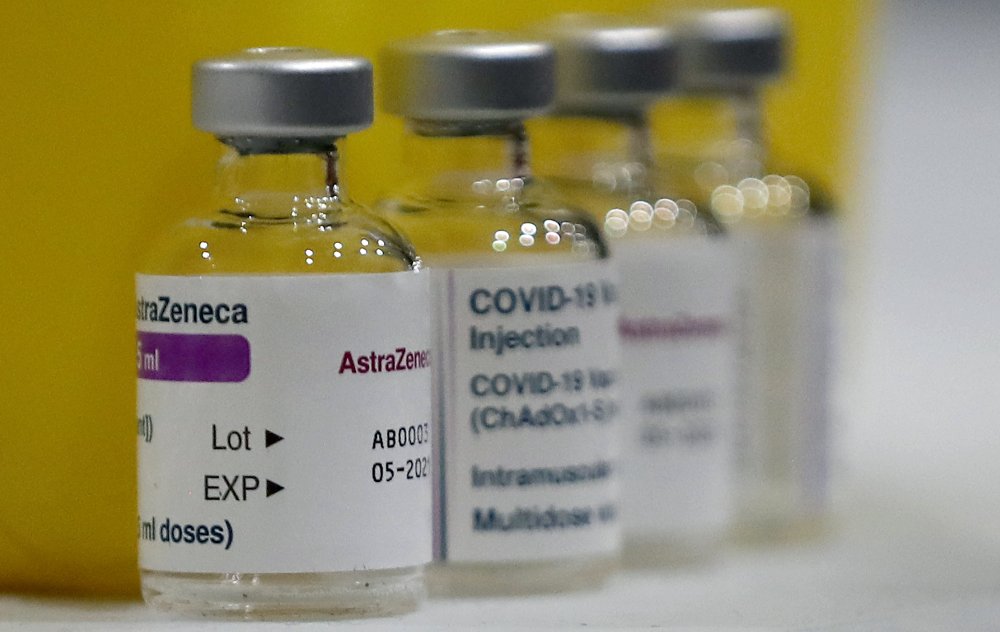
Hundreds of people showed up for COVID-19 vaccinations at mass sites across Alabama on Monday as the state drastically expanded the eligibility to receive immunizations despite a limited supply of doses. In Montgomery, long lines of cars surrounded an old shopping mall where shots were available on a first-come, first-serve basis. About 500 people received shots to guard against the new coronavirus in less than three hours, officials said. Shots were given out by appointment at locations including the Oxford Civic Center in east Alabama, and Tia Dryer said she traveled to Huntsville from Mobile with three friends to get a shot at a vaccination site set up in a park. “I am a breast cancer survivor, and I thought that I needed this shot,” Dryer told WAAY-TV. Starting Monday, those who were qualified for vaccinations in Alabama included everyone 65 and older; educators; grocery store workers; some manufacturing workers; public transit workers; agriculture employees; state legislators, and constitutional officers. Only health care workers, first responders, nursing home residents, and people 75 and older were eligible previously. The change meant as many as 1.5 million people in the state now qualify for shots, up from about 700,000 previously. With the vaccine supply still limited despite the expanded eligibility, officials asked people who aren’t at high risk for developing a serious case of the illness to let other people get vaccines first. More than 8,520 people in Alabama have died of COVID-19, and more than 473,000 have tested positive. While the virus causes only minor or moderate symptoms for most people, it can be serious for the elderly and those with other, serious health problems. Republished with the permission of the Associated Press.
Alabama begins expanded COVID-19 vaccinations on Monday
Alabama on Monday will expand who is eligible to receive immunizations against COVID-19 but health officials cautioned there’s still not enough vaccine for everyone who qualifies for a shot. Beginning Monday, everyone 65 and older; educators; grocery store workers; some manufacturing workers; public transit workers; agriculture employees; state legislators, and constitutional officers will be eligible to get vaccinations. Previously only health care workers, first responders, nursing home residents, and people 75 and older were eligible. “If you are eligible for a vaccine, then we will get you one if want to take it. But it is not going to happen immediately for everyone. There is still going to be a while before we have enough,” Dr. Scott Harris, the state health officer, told reporters Friday. Harris said an estimated 1.5 million people will be eligible for the vaccinations. The Alabama Department of Public Health site has a map of providers providing shots. The state is opening large, drive-thru clinics in eight cities: Anniston, Birmingham, Dothan, Huntsville, Mobile, Montgomery, Selma, and Tuscaloosa. Harris said it will require 3 million doses to give the 1.5 million people the two shots required for maximum protection. The state has so far received 923,750 doses and is receiving about 70,000 per week. So far, 436,962 doses have been given. Harris said the remaining doses have someone’s name on it through appointments and clinics for a first or second shot. The University of Alabama at Birmingham announced it is opening an a third clinic, this one at Parker High School, for vaccinations. People do not have to be UAB patients but must fall in the statewide eligibility group. Birmingham Mayor Randall Woodfin urged people in the city to get vaccinated. “We are not out of the woods yet. So I really want to encourage the citizens of Birmingham to take advantage of this site,” Woodfin said. More than 8,500 people in Alabama have died of COVID-19, including confirmed and probable cases. More than 472,000 have tested positive. While the virus causes only mild or moderate symptoms for most people, it can be deadly for the elderly and people with serious health problems including diabetes, cardiovascular disease. Republished with the permission of the Associated Press.
Alabama debuts online scheduler for COVID-19 vaccinations
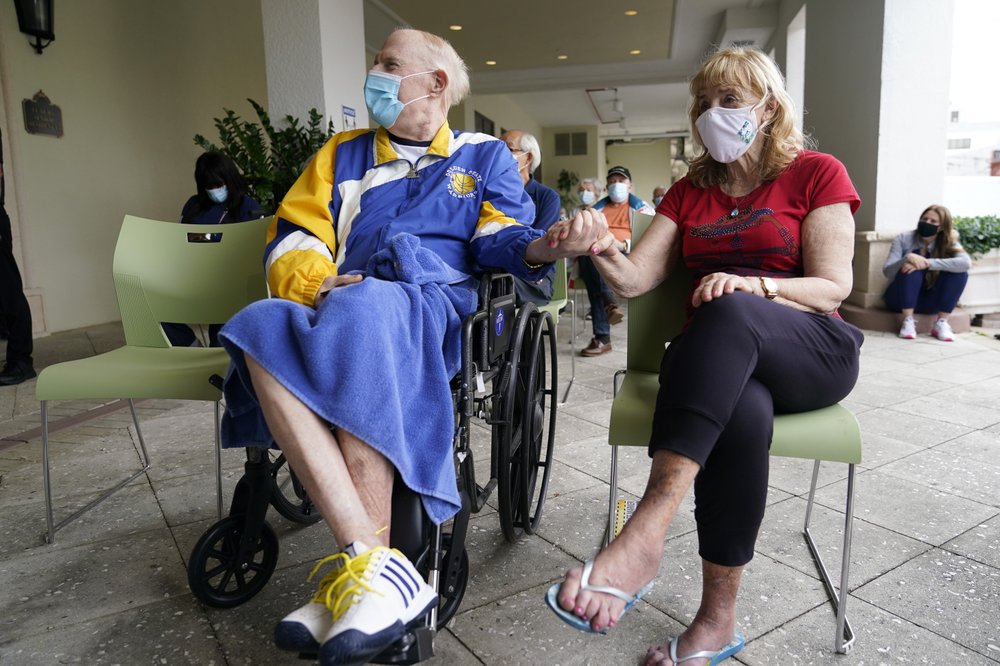
Alabama on Monday launched an online portal for people to check their eligibility for COVID-19 vaccinations and make appointments. The Alabama Department of Public Health said the site at https://www.alcovidvaccine.gov/ will allow those eligible to make an appointment if shots are available in the person’s county of choice. The portal also provides information about additional drive-through and walk-in clinics being offered. Starting Feb. 8, Alabama will expand who is eligible for the vaccine to: everyone 65 and older; educators; court officials; corrections officers; postal employees; grocery store workers; some manufacturing workers; public transit workers; agriculture employees; state legislators and constitutional officers. Currently, only people 75 and older; first responders, health care workers and long-term care residents are eligible. Health officials have cautioned that the state has not received enough doses to vaccinate everyone who will be eligible for shots. “We need people to understand there’s not enough to go around,” State Health Officer Scott Harris said in a recent media briefing. The state, which has nearly 5 million people, has so far received 772,000 vaccine doses, according to state numbers. The expanded eligibility will mean 1.5 million people are eligible for the vaccinations they require two shots for maximum protection. For general information about COVID-19, the COVID-19 Information Hotline number is 1-800-270-7268.
Vaccination eligibility to be expanded starting Feb.8
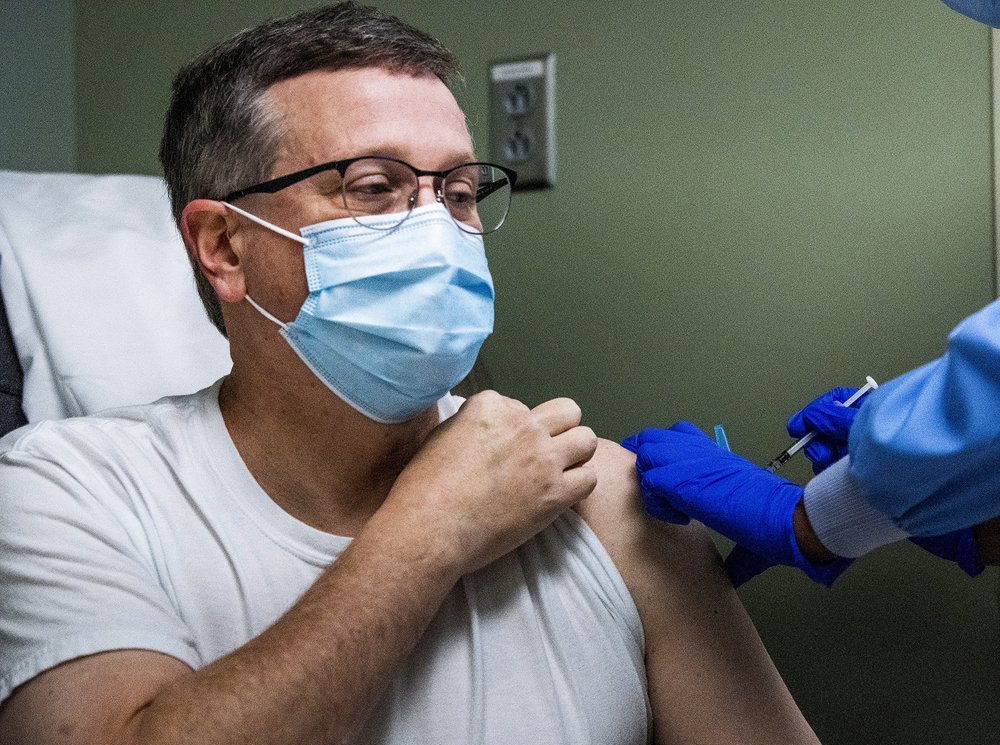
Governor Kay Ivey and the Alabama Department of Public Health (ADPH) announced they will extend eligibility for COVID-19 vaccinations to include people 65 or older, and additional groups of frontline workers starting February 8. These additional groups will add over 1 million people who are now eligible to receive the Covid-19 vaccine in Alabama. Two million people will be eligible to get the vaccine, while only around 100,000 doses are being distributed weekly. The list of frontline critical workers includes first responders, corrections officers, food and agriculture workers, postal workers, grocery workers, public transit workers, judiciary, and educational personnel (teachers, support staff, community college, and higher education). Recently the Alabama Education Association sent a letter to State Health Officer Dr. Scott Harris, asking the state to begin vaccinating education employees “as soon as possible.” 39 school workers in Alabama have died from COVID-19. 772,275 vaccines have been delivered to Alabama, and 42% of those have already been administered. 148,549 doses of the Pfizer vaccine and 175,326 doses of the Moderna vaccine have been used. Gov. Ivey stated, “We have all been frustrated that the supply of vaccine coming from the federal government hasn’t kept up with the demand. To be blunt, we simply haven’t gotten the vaccine that we’ve been promised, and this has created a major backlog of aggravation. Today’s announcement will ensure that as more vaccine is released, we will have a plan in place to get the vaccine in people’s arms more quickly.” “Alabama is expanding its guidance despite the limited vaccine in order to accelerate the vaccine uptake in our state,” Dr. Harris commented. “I want to reiterate that any remaining vaccines that have not been administered are either someone’s first dose and they are waiting on their appointment or they are waiting on their second dose. Any vaccine currently in the state has someone’s name on it.” To schedule an appointment for the free COVID-19 vaccination at a county health department, individuals may call the ADPH COVID-19 Vaccine Scheduling Hotline at 1-855-566-5333. The vaccine providers can be found within the Alabama COVID-19 Vaccine Distribution Dashboard at arcg.is/OrCey. The Vaccine Allocation Plan is available at www.alabamapublichealth.gov/covid19vaccine/assets/adph-covid19-vaccination-allocation-plan.pdf. The ADPH dashboard can be viewed here.
Thousands flocking to virus vaccination sites across Alabama
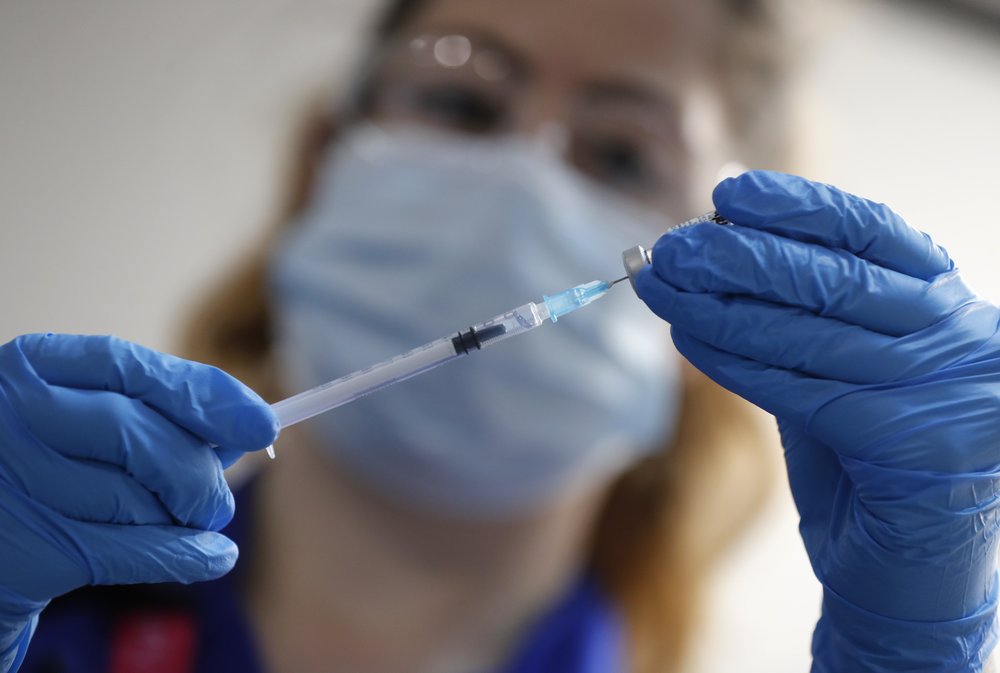
Thousands of people showed up at sites from the coast to the Tennessee Valley as Alabama began vaccinating senior citizens for the coronavirus that causes COVID-19. People spent the night in cars waiting for shots in Baldwin County, where health workers began immunizing people early Tuesday. County health workers in Huntsville vaccinated 500 people on Monday although only 300 people had appointments. Other sites opened in cities ranging in size from Birmingham to Rainsville. The state is offering vaccines to people 75 and older after limiting the initial doses to health workers. Alabama is among the Southern states trailing the nation in the rate of vaccinations. In Limestone County, Pat White showed up to get her first of two doses of the Moderna vaccine Monday. She said she misses going to church and has done little other than buy groceries to protect against catching the virus. “We’ve lost many friends to COVID, and we’re older, so that made me think it was probably the right thing to do,” White told WAAY-TV. Alabama Department of Public Health statistics show about 150,000 have received shots statewide, but the number does not include those who were immunized most recently. More than 600,000 people are currently eligible for vaccinations in Alabama, including 325,000 health care workers and 350,000 people who are 75 or older. The state has so far received 446,000 doses, according to state numbers. The University of Alabama at Birmingham Hospital has been notifying patients, who are 75 and older, to have them come to get vaccinated. “At the vaccine site, it’s not uncommon for people just to break down in tears when they receive their vaccine. People are just so tremendously relieved to finally have received the vaccine and have some hope,” Dr. Sarah Nafziger, vice president of Clinical Support Services at UAB Medicine, said. More than 6,100 people have died of COVID-19 in Alabama, and more than 424,000 people have tested positive for the new coronavirus. Over the past two weeks, the rolling average number of daily new cases has decreased by 881, a decline of almost 24%, according to researchers at Johns Hopkins University. The virus causes only mild or moderate symptoms in most people, but it is particularly dangerous for the elderly and people with other, serious health problems. Nafziger said the delivery of the vaccinations is also providing a boost to health care workers who spent much of 2020 battling the pandemic. “We’ve been in a really rough place, especially in health care. For the last year, it’s been a tremendous burden. We’re exhausted. But just finally having hope has been a tremendous boost for all of us and I hope it is for the community as well,” Nafziger said. The Alabama Department of Public Health last week disputed rankings that put Alabama last in vaccination delivery and said that was because some entities had not reported given vaccinations. Four state senators wrote a letter Tuesday raising concern about the process and asking for updated numbers on vaccinations given. They expressed concern that incomplete reporting could threaten the flow of vaccine to the state if federal officials see the state has unused vaccine on the shelf. “While the supply pipeline is definitely an issue, our pipeline in Alabama has a kink,” Sens. Jim McClendon, Greg Albritton, Tom Whatley, and Randy Price wrote. The Alabama Department of Public Health responded in a statement disputing the assertion. The department said that the number of COVID-19 vaccine doses allocated to Alabama is based on our population, and “is not determined by how much vaccine is on hand in the state.” “The biggest obstacle to vaccination in Alabama is the limited supply of vaccine. Alabama currently has approximately 676,000 people in Alabama who qualify to receive a COVID-19 vaccine, but since our state is allocated only around 50,000 – 60,000 primary doses each week, the supply is not available to reach these numbers at this time,” the department said. Republished with the permission of the Associated Press.
State COVID vaccination line overwhelmed with calls
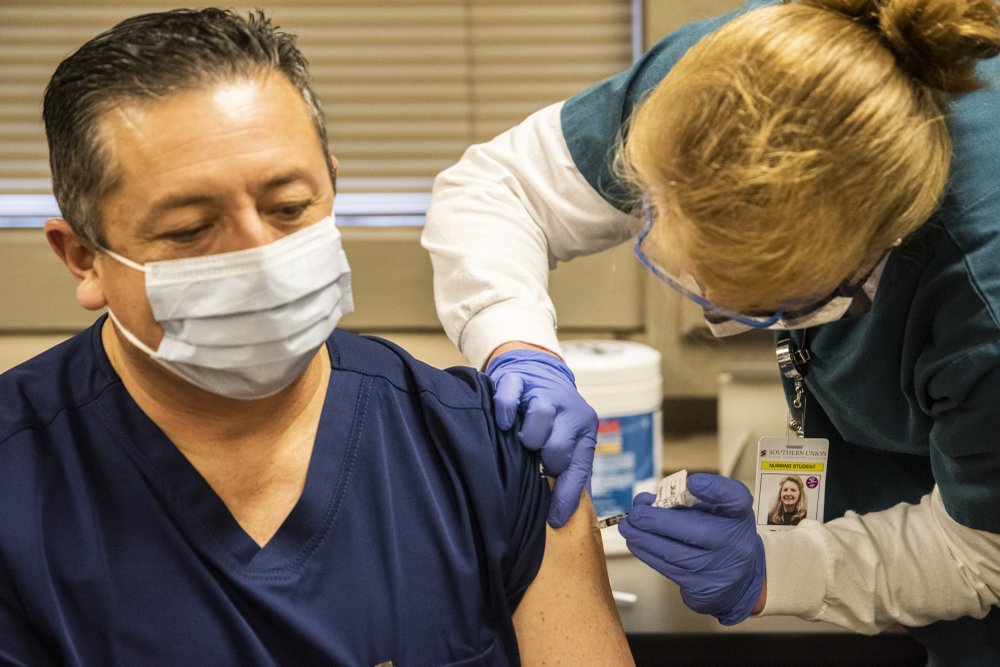
A state hotline for COVID-19 vaccination appointments has been overwhelmed with calls after Alabama announced that the state will begin giving the shots to people 75 years old or older, as well as first responders, later this month. The Alabama Department of Public Health said Saturday that the telephone number received 1.1 million calls in the first day of being open to the public. The Health Department pleaded with people not to call the number unless they are the groups that are eligible for the shot. “Due to the overwhelming amount of calls, our target population ca not get through to schedule their appointments,” the health department wrote in a social media The governor’s office announced Friday that the state was opening up the COVID-19 vaccinations for people 75 years or older and first-responders — including law enforcement and firefighters. The state Health Department said free COVID-19 vaccinations for people 75 years or older and first-responders — including law enforcement and firefighters — can be made by appointment only. Eligible people can call the ADPH toll-free phone number at 1-855-566-5333, which is answered from 8 a.m. until 5 p.m. seven days a week. Appointments will be made on a first-come, first-serve basis, beginning January 18 at locations throughout the state. Health officials urged people to try again later if they get a busy signal because of the massive influx of calls. Gov. Kay Ivey on Friday urged people to remain patient because initial vaccine supplies remain limited. “It is critical for everyone to remain patient; demand is high, and supply is low. ADPH and their partners are working around-the-clock to assist as many people as they can,” Ivey said. The state has so far been in the first phase of its vaccination plan, which prioritizes health care workers and residents of long-term care facilities, about 377,000 all together. Republished with the permission of the Associated Press.
