
Vatican: OK to get virus vaccines using abortion cell lines
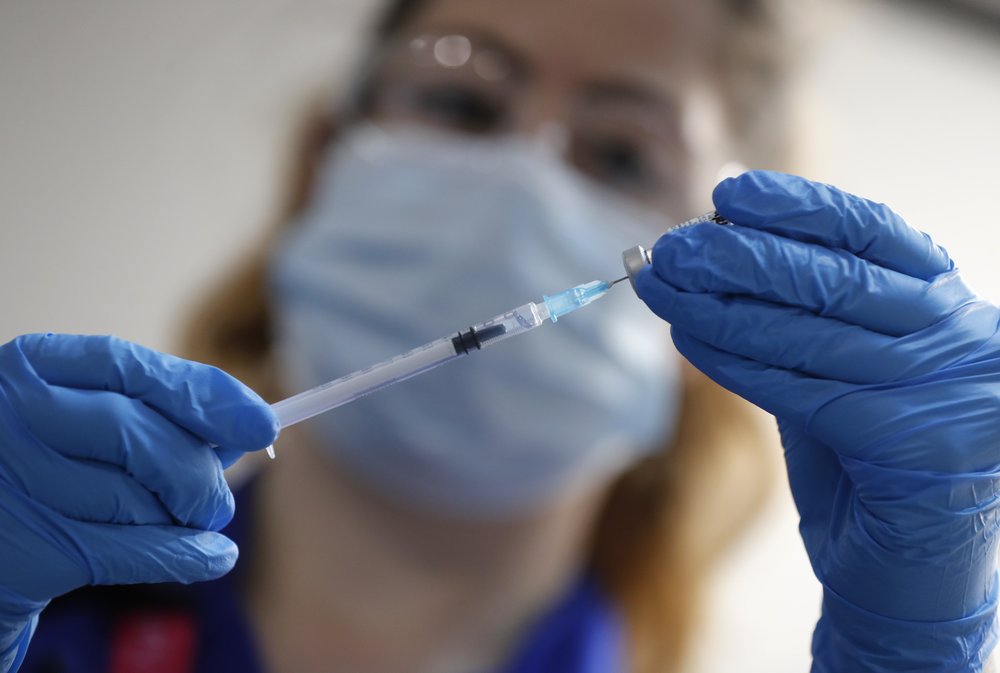
The Vatican on Monday declared that it is “morally acceptable” for Roman Catholics to receive COVID-19 vaccines based on research that used fetal tissue from abortions. The Congregation for the Doctrine of the Faith, the Vatican’s watchdog office for doctrinal orthodoxy, said it had received several requests for “guidance” during recent months. The doctrinal office pointed out that bishops, Catholic groups and experts have offered “diverse and sometimes conflicting pronouncements” on the matter. Drawing on Vatican pronouncements in past years about developing vaccines prepared from cells derived from aborted fetuses, the watchdog office’s statement was examined by Pope Francis, who ordered it to be made public. The Catholic Church’s teaching says that abortion is a grave sin. The Vatican concluded that “it is morally acceptable to receive COVID-19 vaccines that have used cell lines from aborted fetuses” in the research and production process when “ethically irreproachable” vaccines aren’t available to the public. But it stressed that the “licit” uses of such vaccines “does not and should not in any way imply that there is a moral endorsement of the use of cell lines proceeding from aborted fetuses.” The Vatican didn’t name any of the COVID-19 vaccines already being given to people in some countries or authorized to be used soon. In its statement, the Vatican explained that obtaining vaccines that do not pose an ethical dilemma is not always possible. It cited circumstances in countries “where vaccines without ethical problems are not made available to physicians and patients” or where special storage or transport conditions make their distribution more difficult. Much of the Vatican’s pronouncement had echoes in a statement last week by officials of the U.S. Conference of Catholic Bishops. The U.S. conference officials said that “in view of the gravity of the current pandemic and the lack of availability of alternative vaccines,” receiving the vaccines being distributed in the United States is justified “despite their remote connection to morally compromised cell lines.” Getting vaccinated against the coronavirus “ought to be understood as an act of charity toward the other members of our community,” the U.S. bishops conference officials said. Weeks earlier, two U.S. bishops, one in Texas and one in California, had denounced vaccines using cell lines from the tissue of aborted fetuses as immorally produced. One of the bishops said he refused to receive such a vaccine and encouraged rank-and-file Catholics to follow his lead. The Vatican, in reassuring faithful Catholics that getting a COVID-19 vaccine would not violate the church’s moral teaching, noted that while various vaccines might be distributed in a country, “health authorities do not allow citizens to choose the vaccine with which to be inoculated.” In those cases, it is morally acceptable to receive vaccines that have used cell lines from aborted fetuses, the Vatican said. The Vatican said the COVID-19 vaccines that are getting rolled out or are expected to be soon used cell lines “drawn from tissue obtained from two abortions that occurred in the last century.” The Vatican hasn’t said if and when Francis would be vaccinated against the coronavirus, nor which vaccine he might receive, The 84-year-old pontiff has a pilgrimage to Iraq planned for early March, and it’s widely expected that he and the aides accompanying him would get vaccinated ahead of travel abroad. The Roman Catholic church’s doctrinal orthodoxy office said “vaccination is not, as a rule, a moral obligation” and must be voluntary. Still, it said, from an ethical point of view, “the morality of vaccination depends not only on the duty to protect one’s own health but also on the duty to pursue the common good.” Those for reasons of conscience opting not to receive vaccinations produced by cell lines from aborted fetuses, “must do their utmost to avoid,” by appropriate behavior and preventive means, becoming “vehicles” for transmission, the congregation said. Republished with the permission of the Associated Press.
Senate set to approve Callista Gingrich as Vatican envoy
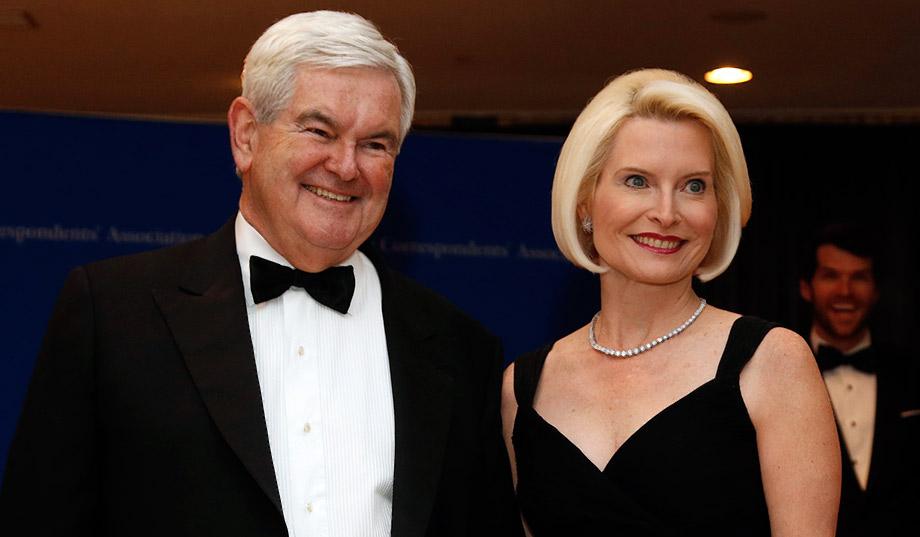
The Republican-led Senate is on track to confirm Callista Gingrich, wife of former House Speaker Newt Gingrich and President Donald Trump ally, as ambassador to the Vatican. A vote on Callista Gingrich’s nomination to the post is set for Monday evening and she’s expected to win more than enough support from Republicans and Democrats. She was backed by 75 senators during a procedural vote earlier this month. Callista Gingrich is president of Gingrich Productions and has produced a number of documentaries, including one about Pope John Paul II. She worked for the House Committee on Agriculture as chief clerk until 2007. She was a key figure in her husband’s 2012 bid for the Republican presidential nomination. She was a congressional aide when she began a six-year affair with Newt Gingrich, then a married Republican congressman from Georgia. In 2012, Gingrich’s second wife, Marianne Gingrich, told ABC News that he had proposed an “open marriage” so he could continue to see Callista without divorcing. The former speaker denied the charge. He converted to Catholicism in 2009, after years of attending mass at the Basilica of the National Shrine of the Immaculate Conception in Washington, D.C., where Callista Gingrich has performed in the choir. The Senate Foreign Relations Committee held Callista Gingrich’s confirmation hearing in mid-July. She sought to assure skeptical Democrats on the panel that Trump wanted the United States to be an environmental leader even after pulling out of the international accord aimed at combatting global warming. Democrats have criticized Trump sharply for withdrawing from the Paris climate agreement, a move that left the United States, Syria and Nicaragua as the only sovereign countries to not be part of the agreement. But Callista Gingrich said Trump is committed to sustaining “our clean air and our clean water.” She said “we aren’t backing off of that” despite Trump’s decision to withdraw from the Paris climate agreement. “We’re all called to be stewards of the land,” she said. Pope Francis met with Trump in late May at the Vatican, days after the president announced he was nominating Callista Gingrich to the ambassador’s post. Francis, who has framed climate change as an urgent moral crisis and blamed global warming on an unfair, fossil fuel-based industrial model that harms the poor, presented Trump as a gift his 2015 encyclical on the need to protect the environment. But Trump’s vision for foreign relations and diplomacy has been starkly different from that promoted by the vastly popular Pope Francis. While Francis has spoken of the need for bridges between nations, Trump has advocated building a wall on the Mexican border and restricting travel to the U.S. from six Muslim-majority countries as necessary national security measures. Republished with permission from the Associated Press.
