
Bill protecting same-sex, interracial unions clears Congress

The House gave final approval Thursday to legislation protecting same-sex marriages, a monumental step in a decadeslong battle for nationwide recognition that reflects a stark turnaround in societal attitudes. President Joe Biden has said he will promptly sign the measure, which requires all states to recognize same-sex marriages. It is a relief for hundreds of thousands of couples who have married since the Supreme Court’s 2015 decision that legalized those marriages and have worried about what would happen if the ruling were overturned. In a statement after the vote, Biden called the legislation a “critical step to ensure that Americans have the right to marry the person they love.” He said the legislation provides “hope and dignity to millions of young people across this country who can grow up knowing that their government will recognize and respect the families they build.” The bipartisan legislation, which passed 258-169 with 39 Republican votes, would also protect interracial unions by requiring states to recognize legal marriages regardless of “sex, race, ethnicity, or national origin.” After months of negotiations, the Senate passed the bill last week with 12 Republican votes. Democrats moved the bill quickly through the House and Senate after the Supreme Court’s decision in June that overturned the federal right to an abortion — including a concurring opinion from Justice Clarence Thomas that suggested the 2015 Obergefell v. Hodges decision legalizing same-sex marriage could also be reconsidered. While many Republicans predicted that was unlikely to happen, and said the bill was unnecessary, Democrats and GOP supporters of the bill said it shouldn’t be left to chance. “We need it,” said House Speaker Nancy Pelosi, who presided over the vote as one of her last acts in leadership before stepping aside in January. “It is magic.” The bill is “a glorious triumph of love and freedom,” Pelosi said, tearing up as she celebrated its passage. In debate before the vote, several gay members of Congress talked about what a federal law would mean for them and their families. Rep. Mark Pocan, D-Wis., said he and his husband should be able to visit each other in the hospital just like any other married couple and receive spousal benefits “regardless of if your spouse’s name is Samuel or Samantha.” Rep. Chris Pappas, D-N.H., said he was set to marry “the love of my life” next year, and it is “unthinkable” that his marriage might not be recognized in some states if Obergefell were to be overturned. “The idea of marriage equality used to be a far-fetched idea,” said Rep. David Cicilline, D-R.I. “Now it’s the law of the land and supported by the vast majority of Americans.” The legislation lost some Republican support since July, when 47 Republicans voted for it — a robust and unexpected show of support that kick-started serious negotiations in the Senate. But most of those lawmakers held firm, with a cross-section of the party, from conservatives to moderates, voting for the bill. House Republican Leader Kevin McCarthy voted against it. “To me, this is really just standing with the Constitution,” said Republican Rep. Ann Wagner of Missouri, who voted for the bill both times. She pushed back on GOP arguments that it would affect the religious rights of those who don’t believe in same-sex marriage. “No one’s religious liberties are affected in any way, shape, or form,” Wagner said. Republican Rep. Chris Stewart of Utah said he was “proud to once again vote in favor of protecting our LGBTQ and religious friends and neighbors.” He praised Senate changes to the bill, ensuring that it would not affect current rights of religious institutions and groups. “Civil rights are not a finite resource, we do not have to take from one group to give to another,” Stewart said. The legislation would not require states to allow same-sex couples to marry, as Obergefell now does. But it would require states to recognize all marriages that were legal where they were performed and protect current same-sex unions if the Supreme Court decision were overturned. While it’s not everything advocates may have wanted, passage of the legislation represents a watershed moment. Just a decade ago, many Republicans openly campaigned on blocking same-sex marriages; today, more than two-thirds of the public support them. Still, most Republicans opposed the legislation, and some conservative advocacy groups lobbied aggressively against it in recent weeks, arguing that it doesn’t do enough to protect those who want to refuse services for same-sex couples. “God’s perfect design is indeed marriage between one man and one woman for life,” said Rep. Bob Good, R-Va, before the vote. “And it doesn’t matter what you think or what I think; that’s what the Bible says.” Rep. Vicky Hartzler, R-Mo., choked up as she begged colleagues to vote against the bill, which she said undermines “natural marriage” between a man and a woman. “I’ll tell you my priorities,” Hartzler said. “Protect religious liberty, protect people of faith and protect Americans who believe in the true meaning of marriage.” Democrats in the Senate, led by Wisconsin’s Tammy Baldwin and Arizona’s Kyrsten Sinema, worked with supportive Republican senators to address those GOP concerns by negotiating changes to clarify that the legislation does not impair the rights of private individuals or businesses. The amended bill would also make clear that a marriage is between two people, an effort to ward off some far-right criticism that the legislation could endorse polygamy. In the end, several religious groups, including the Church of Jesus Christ of Latter-day Saints, came out in support of the bill. The Mormon church said it would support rights for same-sex couples as long as they didn’t infringe upon religious groups’ right to believe as they choose. Republican Sen. Susan Collins of Maine, who led negotiations with Baldwin and Sinema in the Senate, attended a ceremony after the House vote with Pelosi and Senate Majority Leader Chuck Schumer. “When I think about this bill, I think about how much it matters to people in each of our lives, our family members, our coworkers, our
Rep. Barry Moore calls on Lloyd Austin to end military vaccine mandate
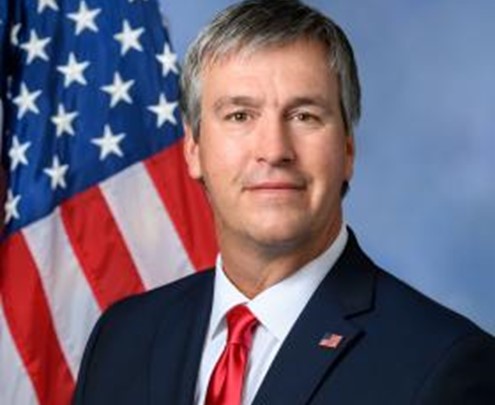
Reps. Barry Moore and Mo Brooks demand DOD halt involuntary discharges for vaccine refusal immediately
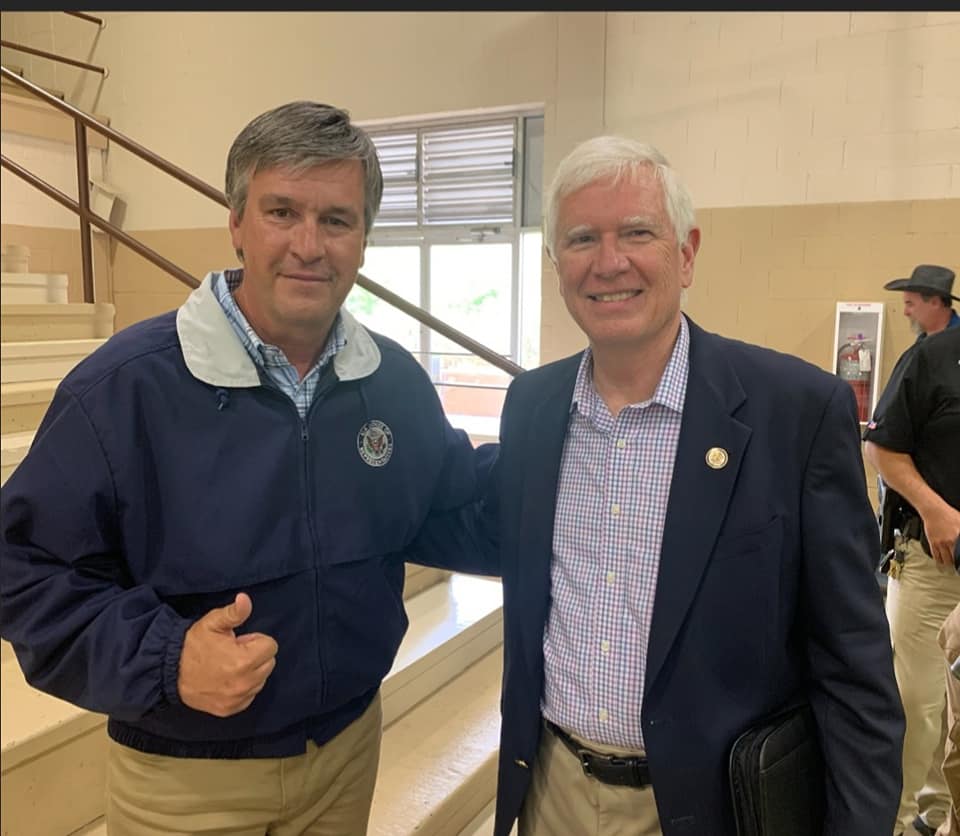
Reps. Barry Moore and Mo Brooks joined 40 of their colleagues in sending a letter to the Department of Defense (DOD) to demand that they halt efforts to involuntarily discharge members of the military who have refused COVID-19 vaccination. The letter requests that they stop until an in-depth review of natural immunity is complete, and the Department has issued uniform procedures for vaccine exemptions. According to Moore’s press release, Section 720 of the National Defense Authorization Act for Fiscal Year 2022 requires the DOD to establish uniform procedures for issuing exemptions and fully consider natural immunity. This includes eligibility timelines for consideration of exemptions for service members nearing separation and retirement in the development of uniform procedures relating to administrative exemptions. According to an NPR report, as of January 26, 96% of active troops had been completely vaccinated, while 3,350 soldiers had refused to get the vaccine. Nearly 5,900 have received temporary exemptions. “The DOD must immediately halt efforts to discharge our active-duty military members who refuse to get the vaccine just because overreaching politicians want to continue intervening in the private lives of the American people,” said Moore. “We must ensure that the DOD completes an in-depth review of natural immunity. I will continue to fight against the tyrannical vaccine mandate on our service members.” The letter states, “We are gravely concerned that the military services are proceeding with involuntary discharges when it is unclear to us whether uniform procedures have been issued by the Department of Defense. If the Department of Defense has not issued uniform procedures or reviewed the inclusion of natural immunity and the military services are moving forward with involuntary discharges, then we believe the Department is ignoring and violating Section 720. Congress included this language to protect our service members, and we expect the Department of Defense to abide by the law.” Additional members of Congress to sign the letter include Vicky Hartzler, Doug Lamborn, Elise Stefanik, Brian Mast, David McKinley, Darrell Issa, Kevin Hern, Rodney Davis, Bill Huizenga, Yvette Herrell, Michael Waltz, Bill Posey, Michael Guest, David Valadao, Thomas Tiffany, Pete Stauber, Mike Kelly, Andy Biggs, Neal Dunn, Gus Bilirakis, Dan Crenshaw, Randy Weber, Sr., Louie Gohmert, Lauren Boebert, Glenn Grothman, Alex Mooney, Joe Wilson, Scott DesJarlais, Jack Bergman, David Schweikert, Jeff Duncan, Ralph Norman, Bruce Westerman, Jim Banks, Rick Crawford, Jodey Arrington, Christopher H. Smith, Victoria Spartz, Ted Budd, and Gregory Steube.
