
How violent crime rate in Alabama compares to other states

Violent crime — a broad category of offenses that includes rape, robbery, aggravated assault, and homicide — is on the rise in the United States. According to FBI data, there were a total of 1.3 million violent offenses reported in 2020, or 388 for every 100,000 people — a 5% increase from 2019. The uptick was led by a spike in homicide. The number of murders surged by nearly 30%, from 16,669 in 2019 to 21,570 in 2020, the largest year-over-year increase on record. The spike in murders came during a year of national turmoil marked by coronavirus lockdowns, mass protests against police misconduct, and a sharp rise in gun sales. These are the states buying the most guns. Despite the increase, the national violent crime rate remains well below the highs reported in the 1990s. Still, crime is ultimately a local phenomenon, and in some parts of the country, violence is much more common than in others. Alabama’s violent crime rate of 454 incidents for every 100,000 people is higher than that of most states. Though the majority of the 22,322 violent crimes committed in the state in 2020 — 75.7% — were aggravated assaults, Alabama’s murder rate was especially high. There were 471 murders in the state in 2020, or 9.6 for every 100,000 people, a higher murder rate than in all but six other states. In a break from the broader national trend, violence dipped substantially in Alabama in 2020. The overall violent crime rate in the state fell by 11.2% in 2020. All crime data used in this story is from the FBI and is for the year 2020. Samuel Stebbins, 24/7 Wall St. via The Center Square
Birmingham among 12 cities that will get federal help to fight violent crime
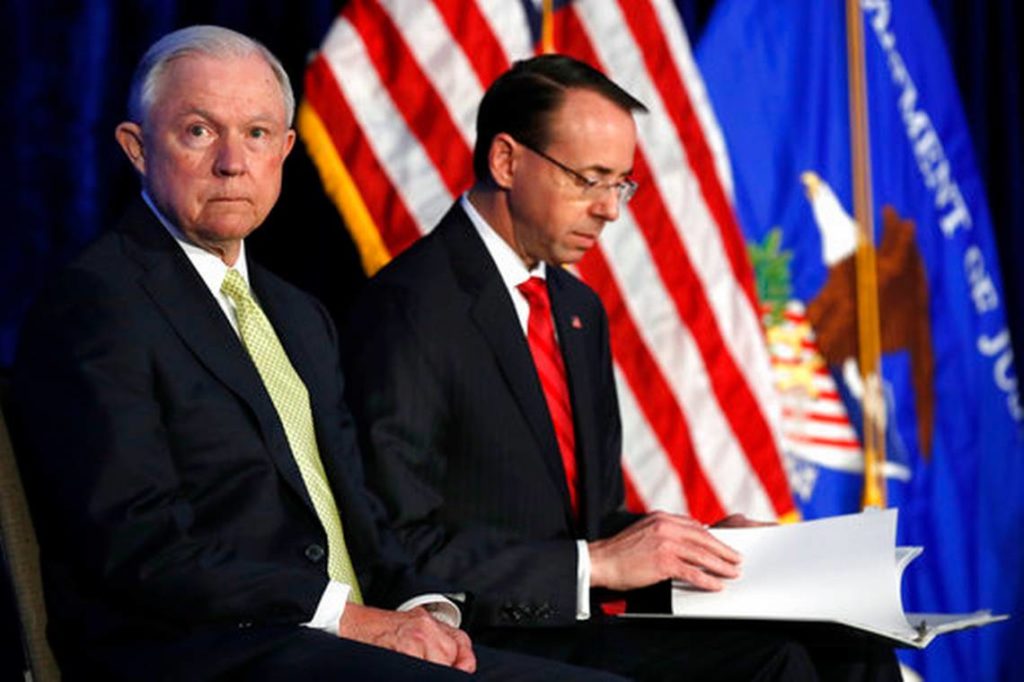
The U.S. Justice Department (DOJ) announced Birmingham is among the 12 cities that will receive federal aid to help fight violent crime. DOJ said Tuesday the new National Public Safety Partnership, dubbed “PSP,” initiative comes on the heels of President Donald Trump‘s February executive order on public safety. The partnership provides a framework for enhancing federal support of state, local and tribal law enforcement officials and prosecutors as they aggressively investigate and pursue violent criminals, specifically those involved in gun crime, drug trafficking and gang violence. News of its formation came before the opening session of a national summit organized by the Attorney General’s Task Force on Crime Reduction and Public Safety. “Turning back the recent troubling increase of violent crime in our country is a top priority of the Department of Justice and the Trump Administration, as we work to fulfill the president’s promise to make America safe again,” Attorney General Jeff Sessions said in a statement. According to the DOJ, the initial 12 cities are that ones need “significant assistance” in combating “gun crime, drug trafficking and gang violence.” “The Department of Justice will work with American cities suffering from serious violent crime problems. There is no doubt that there are many strategies that are proven to reduce crime,” Sessions continued. “Our new National Public Safety Partnership program will help these communities build up their own capacity to fight crime, by making use of data-driven, evidence-based strategies tailored to specific local concerns, and by drawing upon the expertise and resources of our Department.” The 12 cities that have been selected are: Birmingham, Ala.; Indianapolis, In.; Memphis, Tenn.; Toledo, Ohio; Baton Rouge, La.; Buffalo, NY; Cincinnati, Ohio; Huston, Texas; Jackson, Tenn.; Kansas City, Mo; Lansing, Mi; and Springfield, Ill.
FBI reviews handling of terrorism-related tips
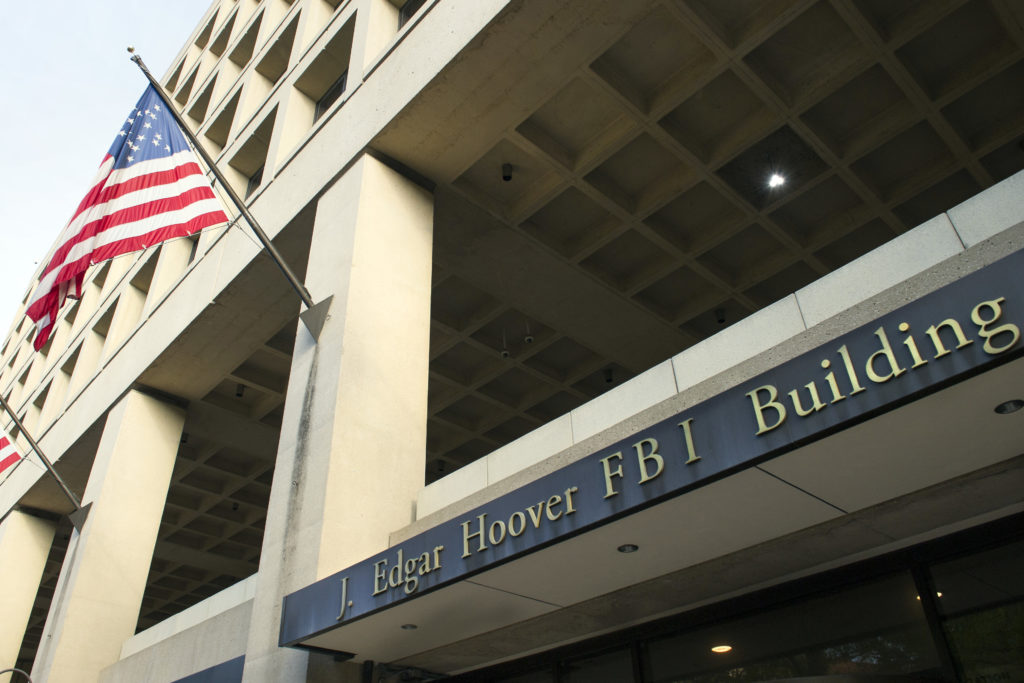
The FBI has been reviewing the handling of thousands of terrorism-related tips and leads from the past three years to make sure they were properly investigated and no obvious red flags were missed, The Associated Press has learned. The review follows attacks by people who were once on the FBI’s radar but who have been accused in the past 12 months of massacring innocents in an Orlando, Florida, nightclub, injuring people on the streets of New York City, and gunning down travelers in a Florida airport. In each case, the suspects had been determined not to warrant continued law enforcement scrutiny months and sometimes years before the attacks. The internal audit, which has not been previously reported, began this year and is being conducted in FBI field offices across the country. A senior federal law enforcement official described the review as an effort to “err on the side of caution.” The audit is essentially a review of records to ensure proper FBI procedures were followed. It’s an acknowledgment of the challenge the FBI has faced, particularly in recent years, in predicting which of the tens of thousands of tips the bureau receives annually might materialize one day into a viable threat. Investigations that go dormant because of a lack of evidence can resurface instantly when a subject once under scrutiny commits violence or displays fresh signs of radicalization. FBI Director James Comey has likened the difficulty to finding not only a needle in a haystack but determining which piece of hay may become a needle. Though there’s no indication of significant flaws in how terrorism inquiries are opened and closed, the review is a way for the FBI to “refine and adapt to the threat, and part of that is always making sure you cover your bases,” said the law enforcement official, who was not authorized to discuss the matter by name. The pace of the FBI’s counterterrorism work accelerated with the rise of the Islamic State group, which in 2014 declared the creation of its so-called caliphate in Syria and Iraq and has used sophisticated propaganda to lure disaffected Westerners to its cause. By the summer of 2015, Comey has said, the FBI was “strapped” in keeping tabs on the group’s American sympathizers and identifying those most inclined to commit violence. Social media outreach by IS has appealed to people not previously known to the FBI but also enticed some who once had been under scrutiny to get “back in the game,” said Seamus Hughes, deputy director of George Washington University’s Program on Extremism. “The fact that there was a physical location and a caliphate announced, it helped kind of drive folks back in when they might have drifted away,” Hughes said. The review covers inquiries the FBI internally classifies as “assessments” — the lowest level, least intrusive and most elementary stage of a terror-related inquiry — and is examining ones from the past three years to make sure all appropriate investigative avenues were followed, according to a former federal law enforcement official who spoke on condition of anonymity to discuss the process. Assessments are routinely opened upon a tip — whether from someone concerned about things such as activity in a neighbor’s garage, a co-worker’s comments or expressions of support for IS propaganda — and are catalogued by the FBI. The bureau receives tens of thousands of tips a year, and averages more than 10,000 assessments annually. FBI guidelines meant to balance national security with civil liberties protections impose restrictions on the steps agents may take during the assessment phase. Agents, for instance, may analyze information from government databases and open-source internet searches, and can conduct interviews. But they cannot turn to more intrusive techniques, such as requesting a wiretap or internet communications, without higher levels of approval and a more solid basis to suspect a crime or national security threat. The guidelines explicitly discourage open-ended inquiries and say assessments are designed to be “relatively short,” with a supervisor signing off on extension requests. Many assessments are closed within days or weeks when the FBI concludes there’s no criminal or national security threat, or basis for continued scrutiny. The system is meant to ensure that a person who has not broken the law does not remain under perpetual scrutiny on a mere hunch that a crime could eventually be committed. But on occasion, and within the past year, it’s also meant that people the FBI once looked at but did not find reason to arrest later went on to commit violence. In the case of Omar Mateen, that scrutiny was extensive, detailed and lengthy. Mateen, who shot and killed 49 people at an Orlando nightclub in June, was investigated for 10 months in 2013 and interviewed twice after a co-worker reported that Mateen had claimed connections to al-Qaida. As part of a preliminary investigation, agents recorded Mateen’s conversations and introduced him to confidential sources before closing the matter. That kind of investigation is more intensive than an assessment and permits a broader menu of tactics, but it also requires a stronger basis for suspicion. Mateen was questioned again in 2014 in a separate investigation into a suicide bomber acquaintance. Comey has said he has personally reviewed that inquiry’s handling and has concluded it was done well. The FBI in 2014 also opened an assessment on Ahmad Khan Rahimi, who last September was charged in bombings in Manhattan and New Jersey, based on concerns expressed by his father. The FBI said it closed the review after checking databases and travel and finding nothing that tied him to terrorism. Esteban Santiago, the man accused in the January shooting at the Fort Lauderdale, Florida, airport that killed five people, had also been looked at by the FBI. He had walked into the bureau’s office in Anchorage, Alaska, two months earlier and claimed his mind was being controlled by U.S. intelligence officials. In that case, too, the FBI closed its assessment after interviewing family members and checking databases. Each act of
Birmingham Councilor Lashunda Scales to host town hall on violent crime
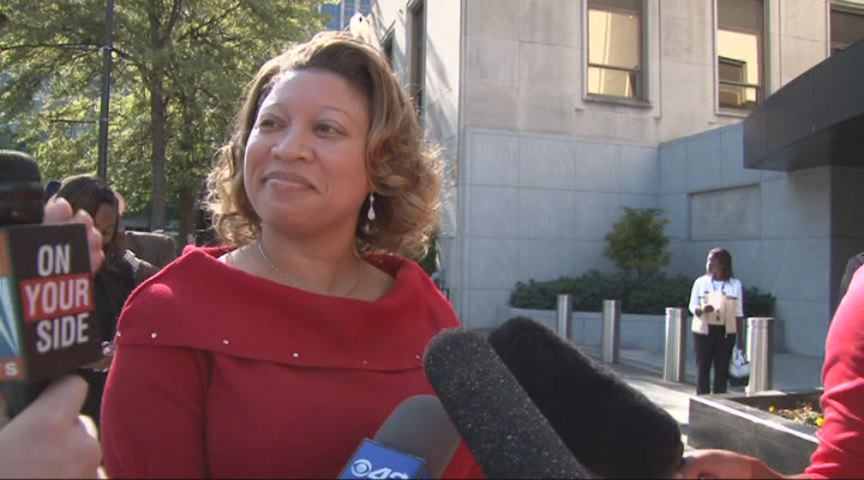
In an effort to garner information and hear concerns from local residents, Birmingham City Councilor Lashunda Scales is hosting town hall meeting next week in the northeast Birmingham-suburb of Roebuck. The District 1 Councilor is hosting a Crime and Economics Town Hall meeting at 6:30 p.m. on Monday, March 13 at the Northeast YMCA located at 628 Red Lane Road in Roebuck. Scales confirms panelists at the event will include Birmingham Police Department officials; Interim Jefferson County District Attorney Danny Carr; The Dannon Project, which provides services to at-risk populations; and former Birmingham police Chief and current outreach coordinator at the YWCA, Annetta Nunn.
Shooting of Dallas officers spurs acts of kindness to police
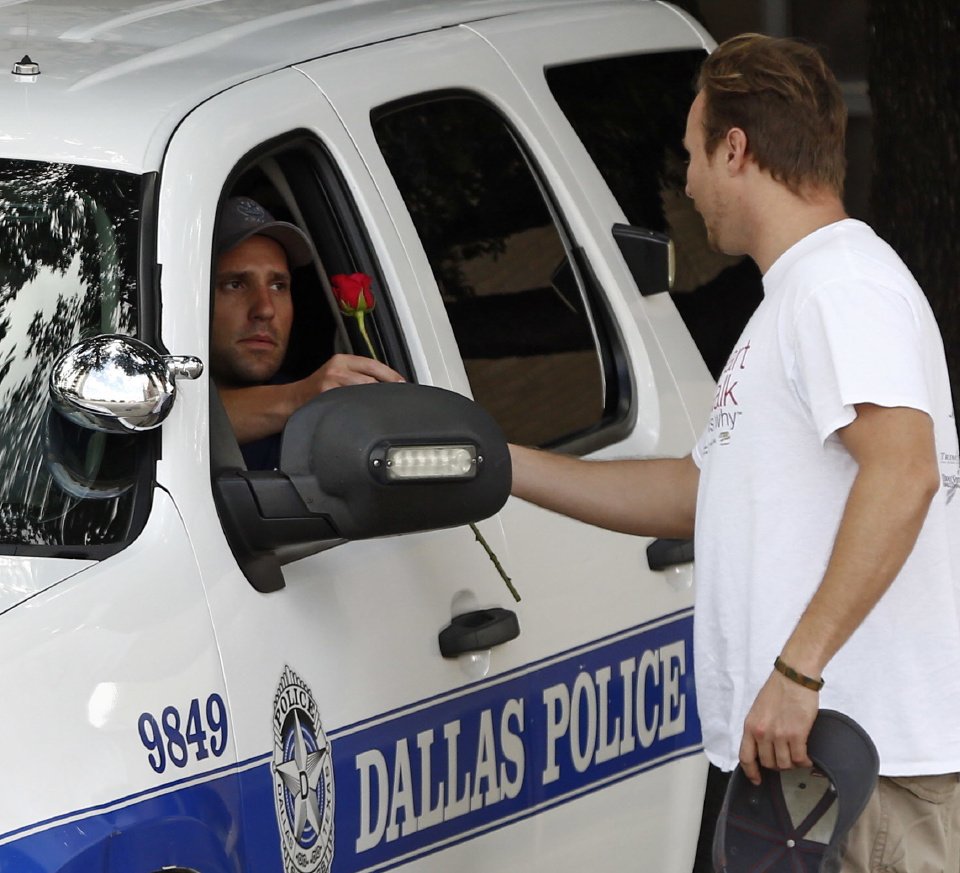
The Dallas shooting that killed five officers has spurred an outpouring of support for police, not only in Texas but hundreds of miles away. Around the country, people have showed up at local departments with flowers, sent social media messages or called to say thanks. They delivered coffee, pizzas, cakes and moments of solace for officers grieving after the deadliest day for U.S. law enforcement since the Sept. 11, 2001, attacks. SHARED SORROW One after another, members of the public lined up to hug uniformed officers at a community prayer service Friday in Dallas. Two patrol cars serving as a memorial outside of police headquarters were adorned with flowers, signs and flags by some of the people pausing to pay their respects to the five officers killed and seven wounded. John Fife, with his ball cap in hand, passed a red rose to an officer sitting in a vehicle guarding those headquarters. In another corner of the country, a Seattle officer accepted a matching flower from Jasen Frelot, one of several people from the faith community there who set out to show police support. ‘WE NEED THEM’ Officers also received roses in the Cleveland suburb of South Euclid, where they found single stems on their cruiser windshields Friday morning. The Rev. Carmen Cox Harwell, a Beachwood pastor and a former police chaplain, said she put flowers on Beachwood and South Euclid officers’ cars as a sign of gratitude. “I just want them to know that they’re loved and they’re supported and we need them,” she told WOIO-TV. COMFORT FOOD Abigail Bullard had similar thoughts while home with her 6- and 10-year-old sons in suburban Philadelphia, where the younger boy’s fascination with emergency services personnel has developed into a friendship with a few Radnor Township officers. Bullard had observed the kinship within their profession and knew they’d be affected by this week’s news, so she and her sons delivered cookies and soft pretzels as comfort. “It was important to me to say, here we have two young black children that are trying to do the right thing because friends of ours have had a death in the family,” she said. When she shared the story on Facebook, she concluded it simply: “Not all young black men are bad, and not all police officers are bad.” A few miles down the road, the Lower Merion Police Department said its officers had heavy hearts but full bellies after another woman and her son delivered a stack of pizzas Friday. They also received coffee and doughnuts, a gesture reported by numerous police departments this weekend. One of them, the Voorhees Police Department in New Jersey, said such actions “have made us feel better during a very sad time to be a police officer.” STOPPED FOR THANKS Still others simply stopped officers on the street to chat or offer hugs. “It’s just been amazing. Our guys can’t go out this morning without getting stopped by people wanting to thank them,” Dustin Dwight, a spokesman for Louisiana State Police Troop L, told NOLA.comThe Times-Picayune on Friday. In Chattanooga, Tennessee, officers were getting extra handshakes from strangers at a local concert Friday night. “They always comfort and, I guess, wrap their arms around us, to protect us as well as we protect them,” Chattanooga Sgt. Tommy Meeks told WRCB-TV. ‘ROUGH FEW DAYS’ In Ballwin, Missouri, where a suburban St. Louis policeman was shot and critically hurt during a Friday traffic stop, Andrew Kulha brought the investigators water. He told KMOV-TV he thought it had “been a rough few days to be an officer.” The Dallas shooting occurred during a Thursday night protest over fatal police shootings of black men in Minnesota and Louisiana earlier in the week. Republished with permission of the Associated Press.
