
Advocates oppose EPA’s delay of coal plant pollution limits
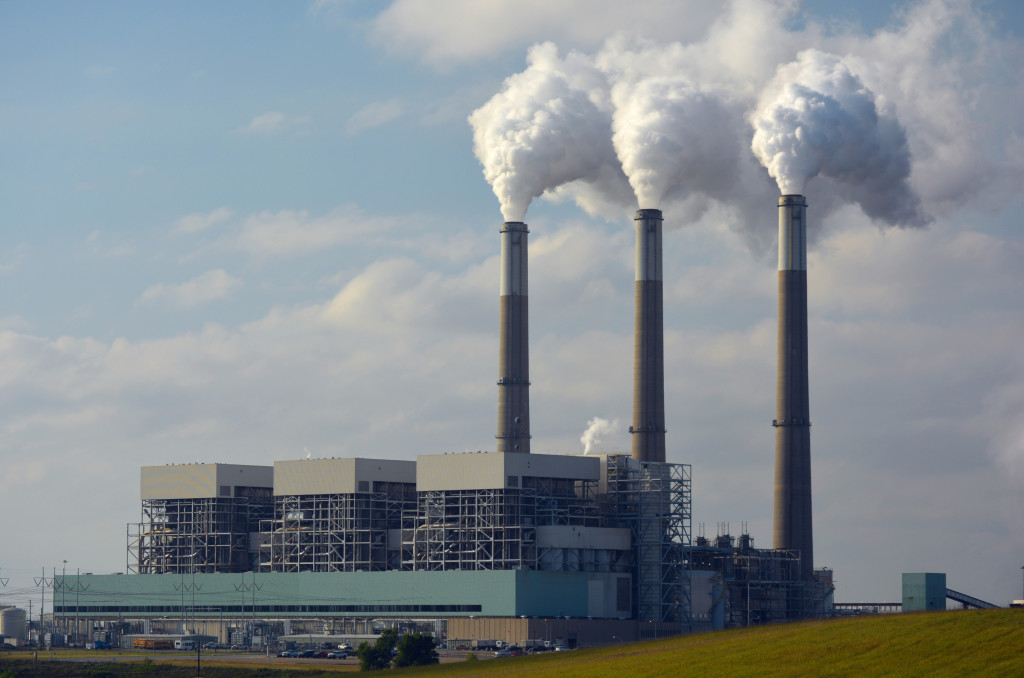
Environmental advocates urged the Trump administration on Monday to reverse course on its move to set aside an Obama-era measure limiting water pollution from coal-fired power plants. About 50 people spoke during a public hearing to voice their strong opposition to Environmental Protection Agency administrator Scott Pruitt‘s decision to delay implementation of a 2015 rule setting tighter guidelines for power plant wastewater piped into rivers and lakes that often serve as sources of public drinking water. The coal waste contains traces amounts of highly toxic heavy metals such as lead, arsenic, mercury and selenium. Pruitt was acting at the behest of electric utilities who petitioned him earlier this year to redraft the rule, which they claim is too costly and burdensome. The decision leaves EPA’s guidelines from 1982 in effect, standards set when far less was known about the detrimental impacts of even tiny levels of heavy metals on human health and aquatic life. Many of those who traveled to EPA headquarters in Washington on Monday said they wanted to speak out, even as they expressed doubt it would do any good. Pruitt, the former attorney general of Oklahoma, has repeatedly moved to kill or delay rules curbing pollution from the fossil-fuel operations since his appointment to lead EPA. Robert F. Kennedy Jr., president of the Waterkeeper Alliance, told the three mid-level EPA officials running the hearing that Pruitt’s actions violated federal law. He accused the EPA chief of engaging in a “sham process” to protect coal-industry profits at the expense of public health. “They have no right to poison our fish,” said Kennedy, an environmental layer who is a son of the former attorney general and senator and a nephew of President John F. Kennedy. “They have no right to poison our children. EPA can’t give them that right. … The waterways of this country belong to the people.” The Waterkeeper Alliance is one about a dozen environmental groups banding together to sue EPA over the move to rewrite the power-plant wastewater standards. EPA estimates the 2015 rule, if implemented, would reduce power plant pollution by about 1.4 billion pounds a year. Only about 12 percent of the nation’s steam electric power plants would have to make new investments to meet the higher standards, according to the agency. Utilities would need to spend about $480 million on new wastewater treatment systems, resulting in about $500 million in estimated public benefits, such as fewer incidents of cancer and childhood developmental defects. Three industry representatives attended Monday’s hearing to speak in favor of the delay, saying Pruitt’s planned rewrite of the 2015 rule created too much uncertainty for them to invest in new equipment. Republished with permission of The Associated Press.
Lawyers, company agree on documents in ongoing Gulf oil leak
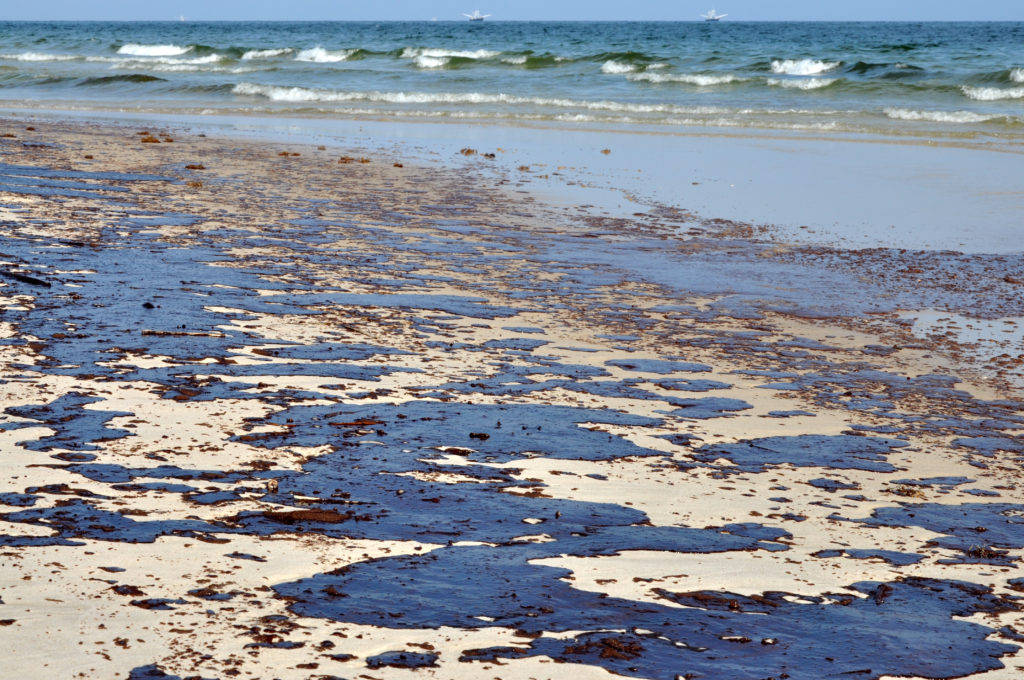
Environmental attorneys and a New Orleans energy company agreed Thursday to work out differences over the confidentiality of documents related to an ongoing Gulf of Mexico oil leak from an offshore site damaged by Hurricane Ivan in 2004. Environmental groups including Waterkeeper Alliance, Apalachicola Riverkeeper and the Louisiana Environmental Action Network agreed in federal court with Taylor Energy to negotiate supplemental language for a 2015 settlement agreement over how and when to release information on Taylor’s response to the leak. At issue are volumes of documents that Taylor Energy says include confidential information about oil spill containment technology developed for the company. A 2015 Associated Press investigation revealed evidence that the leak was worse than the company or the federal government had earlier reported. Government experts believe oil is still leaking at the site where waves whipped up by Hurricane Ivan in 2004 triggered an underwater mudslide, toppling a Taylor Energy-owned platform and burying a cluster of its oil wells under mounds of sediment. Last year, regulators estimated the leak could last a century or more if left unchecked. Taylor Energy has said nothing can be done to completely eliminate persistent slicks from the site. The company has said the sheens sometimes seen off Louisiana’s coast are coming from residual oil oozing from sediment on the seafloor. Republished with permission of the Associated Press.
US says decade-old Gulf oil leak could last another century
For more than a decade, oil has been leaking into the Gulf of Mexico where a hurricane toppled a drilling company’s platform off the coast of Louisiana. Now the federal government is warning that the leak could last another century or more if left unchecked. Government estimates obtained by The Associated Press provide new details about the scope of a leak that has persisted since Hurricane Ivan in 2004. Taylor Energy Co., which owned the platform and a cluster of oil wells, has played down the extent and environmental impact of the leak. The company also maintains that nothing can be done to completely eliminate the chronic oil slicks that often stretch for miles off the Louisiana coast. Taylor has tried to broker a deal with the government to resolve its financial obligations for the leak, but authorities have rebuffed those overtures and have ordered additional work by the company, according to Justice Department officials who were not authorized to comment by name and spoke on condition of anonymity. “There is still more that can be done by Taylor to control and contain the oil that is discharging” from the site, says an Interior Department fact sheet obtained by the AP. Federal regulators suspect oil is still leaking from at least one of 25 wells that remain buried under mounds of sediment from an underwater mudslide triggered by waves whipped up by Hurricane Ivan. A Taylor contractor drilled new wells to intercept and plug nine wells deemed capable of leaking oil. But a company official has asserted that experts agree the “best course of action … is to not take any affirmative action” due to the risks of additional drilling. An AP investigation last month revealed evidence that the leak is far worse than Taylor, or the government, has publicly reported during a secretive response to the slow-motion spill. The AP’s review of more than 2,300 Coast Guard pollution reports since 2008 showed a dramatic spike in sheen sizes and oil volumes since Sept. 1, 2014. That reported increase came just after federal regulators held a workshop last August to improve the accuracy of Taylor’s slick estimates and started sending government observers on a Taylor contractor’s daily flights over the site. Presented with AP’s findings, the Coast Guard provided a new leak estimate that is about 20 times greater than one recently touted by the company. In a February 2015 court filing, Taylor cited a year-old estimate that oil was leaking at a rate of less than 4 gallons per day. A Coast Guard fact sheet says sheens as large as 1.5 miles wide and 14 miles long have been spotted since the workshop. Since last September, the estimated daily volume of oil discharged from the site has ranged from roughly 42 gallons to 2,329 gallons, with a daily average of more than 84 gallons. Some experts have given far greater estimates of the leak’s extent. Based on satellite imagery and pollution reports, the watchdog group SkyTruth estimates between 300,000 and 1.4 million gallons have spilled from the site since 2004, with an annual average daily leak rate between 37 and 900 gallons. Marylee Orr, executive director of the Louisiana Environmental Action Network, said Taylor must be held responsible for stopping the leak “even if it takes 100 years.” “Every American citizen deserves to feel 100 percent confident that the response to this incident was rapid, effective and protective of the environment — and I don’t think we see that at this point,” said Orr, whose group is a plaintiff in a lawsuit filed against Taylor by the New York City-based Waterkeeper Alliance. In 2008, Taylor set aside hundreds of millions of dollars to pay for leak-related work as part of a trust agreement with the Interior Department. The company says it has spent tens of millions of dollars on its efforts to contain and halt the leak, but it hasn’t publicly disclosed how much money is left in the trust. The company sold all its offshore leases and oil and gas interests in 2008, four years after founder Patrick Taylor died, and is down to only one full-time employee. Justice Department officials say the company approached the government concerning the trust fund, but they declined to discuss the terms of its proposal. Federal agencies responded that more work was needed, including installing a more effective containment dome system, the officials said. One official said the company’s proposed resolutions involved trying to recoup money that was still in the trust, but those overtures were rejected. Federal officials declined to comment on the status of any negotiations. A spokesman for the company declined to comment Friday. In response to AP’s investigation, U.S. Sen. Bill Nelson last month called on federal officials to disclose technical data and other information about the leak. A spokesman for the Florida Democrat said Nelson had confirmed with the Interior Department that Taylor “was formally asking to be excused from any further cleanup costs.” “This case illustrates how hurricanes and oil rigs don’t mix,” Nelson said in a statement. “And I’m going to keep doing everything I can to make sure the Interior Department holds this company accountable.” Republished with permission of the Associated Press.
