
US submits extradition request for WikiLeaks founder Julian Assange
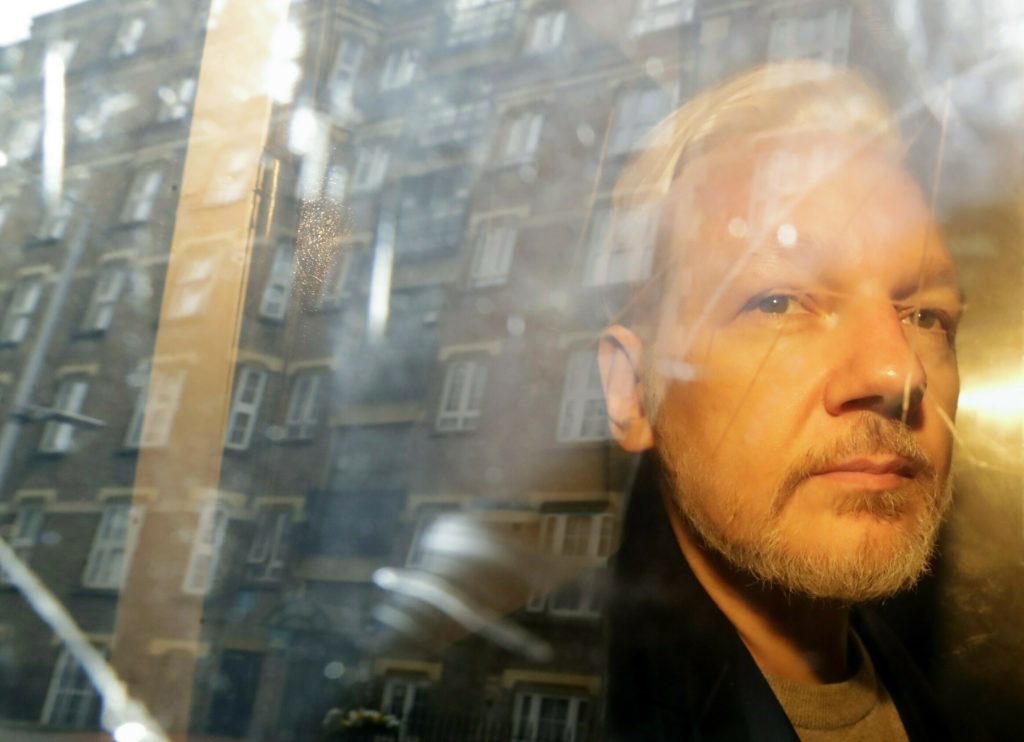
The United States government has formally submitted an extradition request to the United Kingdom for WikiLeaks founder Julian Assange, a Justice Department official said Tuesday. Assange faces an 18-count indictment that accuses him of soliciting and publishing classified information and of conspiring with former Army private Chelsea Manning to crack a Defense Department computer password. That indictment, which includes Espionage Act charges, was issued by the Justice Department last month and is pending in federal court in Alexandria, Virginia. The extradition request had been expected ever since U.S. authorities first announced a criminal case against Assange. Justice Department spokesman Marc Raimondi said it was submitted to the United Kingdom. The 47-year-old Assange was evicted on April 11 from the Ecuadorian Embassy in London, where he had been holed up since 2012 after Ecuador granted him political asylum. He was arrested by British police and is currently serving a 50-week sentence for jumping bail. Sweden also seeks him for questioning about an alleged rape, which Assange has denied. Assange was initially charged with a single computer crime violation on allegations that he worked with Manning to crack a government password. Some legal experts have said the additional Espionage Act charges might slow or complicate the extradition process to the extent the United Kingdom views them as political offenses and therefore exempt from extradition. Manning, who spent seven years in a military prison for delivering a trove of classified information to Assange before having her sentence commuted by then-President Barack Obama, has been jailed for civil contempt in Virginia after refusing to testify before a grand jury investigating WikiLeaks. By Eric Tucker Associated Press. Follow Eric Tucker on Twitter at https://www.twitter.com/etuckerAP Republished with the permission of the Associated Press.
Blake Dowling: WikiLeaks, Cherry Blossoms and Pandemics
WikiLeaks is at it again. They are dropping new information (unverified) on the web about the Engineering Development Group. Who are they? They are the CIA, specifically its elite hacking unit. Not too cool for national security potentially but good to know if you care about your digital privacy, or if you are an enemy of the state with something to hide. If you have never checked out the site, it is very interesting. The part that grabbed me was the tools called Cherry Blossom. This tool allows the agency to monitor internet traffic by hijacking wireless routers; this has been going on for years. To put it simply, the described the tool takes over the firmware of the router and turn it into a monitoring device. So, not only can you be tracked where you go online, but also (even worse) what you are doing, banking info, passwords, or reroute you to a malicious website and infect or steal from you. Stay off public Wi-Fi setups for this and many other reasons. Only use secure and password protected networks. Your data is up for grabs as it is, you might as well not make it easy for folks to get at it. Also, this month WikiStinks published info on another CIA project called Pandemic. Basically, this project deals with infecting a computer with malicious code and then spreading it to take over more and more machines. In high-tech lingo, Pandemic is a tool that runs as kernel shellcode that installs a file system filter driver. The driver is used to replace a file with a payload when a user on the local network accesses the file over SMB. So, the cyber wars rage on with Russia, China, the US and even those wankers in North Korea on the battlefield. As a nation, we try and stay on the forefront to defend our weapons systems, power grids and everything else, but it’s tough. As you can see, there are those that wish to expose this clandestine work to the world. It’s also a very gray space with a lot of room for interpretation. The current administration in D.C. — as well as the last one — were all about the CIA, NSA and keeping the U.S. ahead of the cyber arms race. If we fall behind in this race, we may not know until it’s too late. In the meantime, tune into Oliver Stone’s interview with Vladimir Putin, that is the face of the enemy, and we must remember it. Keep your passwords complex, stay off the dark web, have a dedicated credit card for online purchases, use a firewall wall with geo-blocking capabilities (block all IP addresses from punk nations), keep your security software current (and your beer cold) and we will see what happens. Enjoy your weekend. ___ Blake Dowling is CEO of Aegis Business Technologies, and he can be reached at dowlingb@aegisbiztech.com. P.S.: If the CIA reads this, I am on your side. Don’t tase me, bro. I did say “unverified.” 🙂
WikiLeaks reveals CIA files describing hacking tools
WikiLeaks published thousands of documents Tuesday described as secret files about CIA hacking tools the government employs to break into users’ computers, mobile phones and even smart TVs from companies like Apple, Google, Microsoft and Samsung. The documents describe clandestine methods for bypassing or defeating encryption, antivirus tools and other protective security features intended to keep the private information of citizens and corporations safe from prying eyes. U.S. government employees, including President Donald Trump, use many of the same products and internet services purportedly compromised by the tools. The documents describe CIA efforts — cooperating with friendly foreign governments and the U.S. National Security Agency — to subvert the world’s most popular technology platforms, including Apple’s iPhones and iPads, Google’s Android phones and the Microsoft Windows operating system for desktop computers and laptops. The documents also include discussions about compromising some internet-connected televisions to turn them into listening posts. One document discusses hacking vehicle systems, indicating the CIA’s interest in hacking modern cars with sophisticated on-board computers. WikiLeaks has a long track record of releasing top secret government documents, and experts who sifted through the material said it appeared legitimate. The chairman of the House intelligence committee, Rep. Devin Nunes, R-Calif., said he was very concerned about the release and had asked the intelligence community for more information about it. Former CIA Director Mike Hayden told MSNBC he had undertaken only a cursory review of the documents, but that if they were what they were purported to be, it would amount to a “very extensive file of the tactics, techniques, procedures, targets and other political rules” under which the CIA hacks targets. “If it is that, it would be very, very damaging,” he said. Jonathan Liu, a spokesman for the CIA, said: “We do not comment on the authenticity or content of purported intelligence documents.” White House spokesman Sean Spicer also declined comment. Missing from WikiLeaks’ trove are the actual hacking tools themselves, some of which were developed by government hackers while others were purchased from outsiders. WikiLeaks said it planned to avoid distributing tools “until a consensus emerges” on the political nature of the CIA’s program and how such software could be analyzed, disarmed and published. Tuesday’s disclosure left anxious consumers who use the products with little recourse, since repairing the software vulnerabilities in ways that might block the tools’ effectiveness is the responsibility of leading technology companies. The revelations threatened to upend confidence in an Obama-era government program, the Vulnerability Equities Process, under which federal agencies warn technology companies about weaknesses in their software so they can be quickly fixed. It was not immediately clear how WikiLeaks obtained the information, and details in the documents could not immediately be verified. WikiLeaks said the material came from “an isolated, high-security network” inside the CIA’s Center for Cyber Intelligence but didn’t say whether the files were removed by a rogue employee or whether the theft involved hacking a federal contractor working for the CIA or perhaps breaking into a staging server where such information might have been temporarily stored. “The archive appears to have been circulated among former U.S. government hackers and contractors in an unauthorized manner, one of whom has provided WikiLeaks with portions of the archive,” WikiLeaks said in a statement. Some technology firms on Tuesday said they were evaluating the information. Microsoft Corp. said it was looking into the report, while the maker of secure messaging app Signal said the purported CIA tools affected users’ actual phones and not its software design or encryption protocols. The manufacturer of the popular Telegram mobile messaging app said in a statement that manufacturers of cellphones and their operating systems, including Apple, Google and Samsung, were responsible for improving the security of their devices. It said the effort will require “many hours of work and many security updates” and assured its customers that “If the CIA is not on your back, you shouldn’t start worrying yet.” The tools described in the documents carried bizarre names, including Time Stomper, Fight Club, Jukebox, Bartender, Wild Turkey, Margarita and “RickyBobby,” a racecar-driving character in the comedy film, “Talladega Nights.” That RickyBobby tool, the documents said, was intended to plant and harvest files on computers running “newer versions of Microsoft Windows and Windows Server.” It operated “as a lightweight implant for target computers” without raising warnings from antivirus or intrusion-detection software. It took advantage of files Microsoft built into Windows since at least 10 years ago. The files include comments by CIA hackers boasting in slang language of their prowess: “You know we got the dankest Trojans and collection tools,” one reads. The documents show broad exchanges of tools and information among the CIA, NSA and other U.S. intelligence agencies, as well as intelligence services of close allies Australia, Canada, New Zealand and the United Kingdom. WikiLeaks claimed the CIA used both its Langley, Virginia, headquarters and the U.S. consulate in Frankfurt, Germany, as bases for its covert hackers. The AP found that one purported CIA hack that imitates the Domain Name System — the internet’s phone book — traced to an internet domain hosted in Germany. In an unusual move, WikiLeaks said it was withholding some secrets inside the documents. Among them, it said it had withheld details of tens of thousands of “CIA targets and attack machines throughout Latin America, Europe and the United States.” WikiLeaks also said its data included a “substantial library” of digital espionage techniques borrowed from other countries, including Russia. If the authenticity of the documents is officially confirmed, it would represent yet another catastrophic breach for the U.S. intelligence community at the hands of WikiLeaks and its allies, which have repeatedly humbled Washington with the mass release of classified material, including from the State Department and the Pentagon. Tuesday’s documents purported to be from the CIA’s “Embedded Development Branch” discuss techniques for injecting malicious code into computers protected by the personal security products of leading international anti-virus companies. They describe ways to trick anti-virus products from companies
With clemency for Chelsea Manning, attention turns to WikiLeaks head
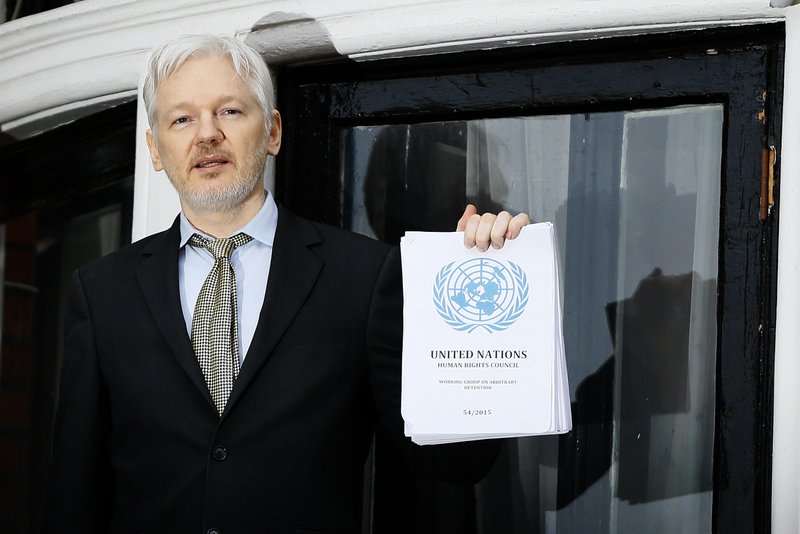
President Barack Obama‘s decision Tuesday to commute Chelsea Manning‘s sentence brought fresh attention to another figure involved in the Army leaker’s case: Julian Assange. On Twitter last week, Assange’s anti-secrecy site WikiLeaks posted, “If Obama grants Manning clemency Assange will agree to US extradition despite clear unconstitutionality of DoJ case.” Obama’s move will test the promise. The president commuted Manning’s 35-year sentence, freeing her in May, nearly three decades early. Manning has acknowledged leaking a trove of diplomatic cables and national security documents to WikiLeaks in 2010. In a statement, Assange called Manning “a hero, whose bravery should be applauded.” Assange went on to demand that the U.S. government “should immediately end its war on whistleblowers and publishers, such as WikiLeaks and myself,” but he made no mention of the Twitter pledge. His lawyer said he has been pressing the Justice Department for updates on an investigation concerning WikiLeaks. Assange has been holed up for more than four years at the Ecuadorian Embassy in London. He has refused to meet prosecutors in Sweden, where he remains wanted on an allegation of rape, fearing he would be extradited to the U.S. to face espionage charges if he leaves the embassy. The Justice Department has never announced any indictment of Assange, and it’s not clear that any charges have been brought under seal. The department, in refusing to turn over investigative documents sought by Manning under the Freedom of Information Act, has acknowledged that the FBI is continuing to investigate the publication of national security information on WikiLeaks arising from Manning’s disclosures. “That investigation concerns potential violations of federal criminal laws, in the form of serious threats to the national security, and the investigation continues today,” Justice Department lawyers wrote in a court filing last year. “From the terms of her request, it is clear that Manning seeks to obtain documents concerning that investigation. Separately, the FBI is also investigating Russian meddling through hacking in the U.S. presidential election. Hacked emails from top Democratic officials and Hillary Clinton campaign officials were posted on WikiLeaks in the final weeks of the presidential race. With the commutation coming just days before Obama leaves office, any decision on whether to charge or seek to extradite Assange will now fall to the Trump administration. In a statement Tuesday, a lawyer for Assange did not address whether Assange intended to come to the U.S. “For many months, I have asked the DOJ to clarify Mr. Assange’s status. I hope it will soon,” Assange’s lawyer, Barry Pollack, said in the statement. “The Department of Justice should not pursue any charges against Mr. Assange based on his publication of truthful information and should close its criminal investigation of him immediately.” Another Assange lawyer, Melinda Taylor, suggested he wouldn’t go back on his word. “Everything that he has said he’s standing by,” she said in a brief telephone conversation with The Associated Press. Republished with permission of The Associated Press.
Democratic oppo file on Jeff Sessions leaked months ago, WikiLeaks says
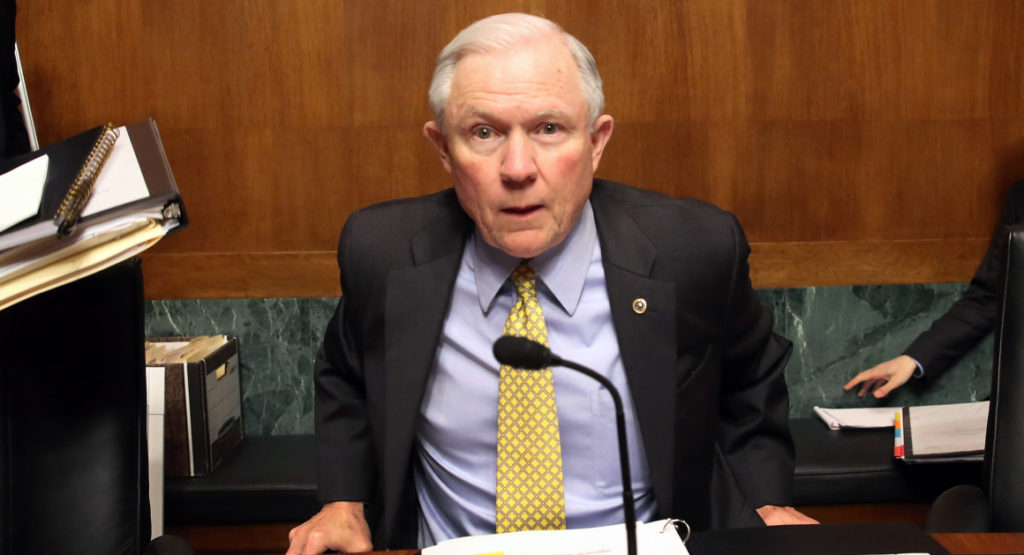
Democrats’ strategy to stonewall Alabama Sen. Jeff Session’s appointment to Donald Trump’s cabinet has been laid out for months, according to emails published by whistleblower site WikiLeaks. In May, an email between two Democratic Party staffers outlined the party’s “top hits” for Trump’s potential VP picks, including Sessions and fellow Sens. Bob Corker and Joni Ernst. None of those three “tier 1” politicians ended up being Trump’s running mate, though Sessions’ has been picked for Attorney General by the incoming administration. The staffer warns that Sessions’ document “contains the N-word,” previewing one of the lines of attack the party has used against the 20-year Senate veteran during the lead up to his confirmation hearings. Attached to the email are two documents combining to 85 pages cataloging Sessions’ comments on everything from foreign policy and the proposed Muslim ban, to women and racism. The “top hits” are split up into sections detailing why Sessions is “bad for Latinos,” “bad for African-American,” and “bad for women,” among many other groups. Given the contents of the document, Sessions’ confirmation hearings can be expected to include questions about the constitutionality of some of Trump’s comments, whether Sessions’ will enforce the Supreme Court’s ruling on same-sex marriage, and how he will treat states’ rights in regards to things such as marijuana legalization.
James Comey considered a ‘bad choice’ for FBI post by Hillary Clinton aide
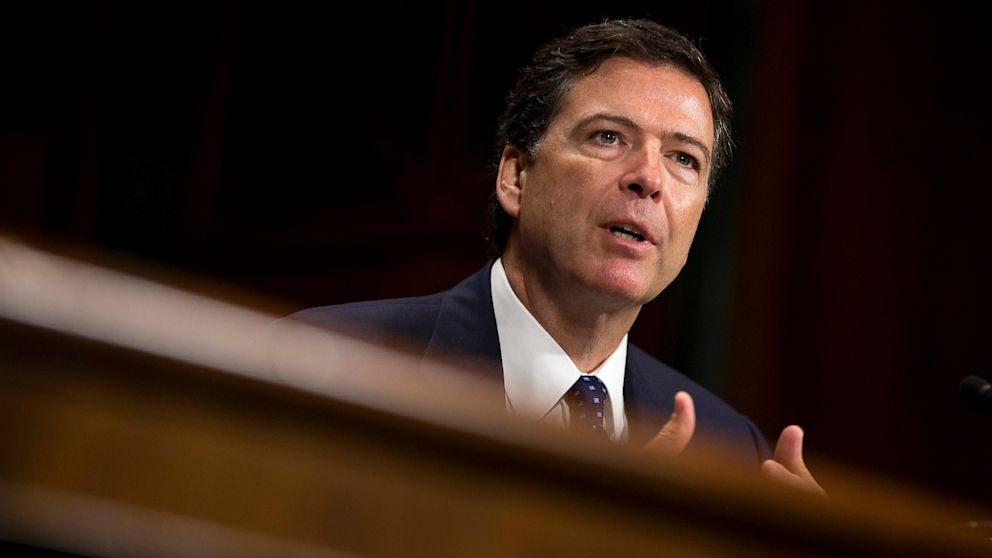
A senior aide to Hillary Clinton privately dismissed FBI Director James Comey as “a bad choice” in October 2015, according to newly released emails from WikiLeaks. The blunt assessment foreshadowed the dramatic tension that has escalated between Comey and the Democratic presidential candidate in the final days before the election. Clinton communications director Jennifer Palmieri forwarded to colleagues a news article in which the FBI director suggested that crime could be rising because police officers were becoming less aggressive as a result of the “Ferguson effect,” anti-police sentiment following unrest earlier that year in Ferguson, Missouri. Comey was widely criticized over the remarks. Palmieri wrote, “Get a big fat ‘I told you so’ on Comey being a bad choice.” She sent the email to Clinton’s campaign chairman, John Podesta, and to the private email address of someone who appeared to be White House spokesman Eric Schultz. Neither responded, and Palmieri did not appear to write further about the subject. Palmieri was the White House director of communications when Comey was appointed FBI director by President Barack Obama in September 2013. The release of the hacked email came days after Comey notified Congress that during an investigation of Clinton aide Huma Abedin‘s now-separated husband, former Rep. Anthony Weiner, FBI agents found indications that a laptop used by Weiner contained some emails related to the FBI’s earlier probe of Clinton’s private computer server and emails. The disclosure roiled the presidential campaign, and last week Palmieri openly criticized Comey about the notification. “By taking this highly unusual, unprecedented action this close to the election, he put himself in the middle of the campaign,” Palmieri said of Comey. Comey had announced in July that he was recommending against criminal charges in the investigation of Clinton’s use of her private server, but the FBI director also delivered blistering criticism that Clinton and her colleagues at the State Department were “extremely careless in their handling of very sensitive, highly classified information.” The Palmieri email was among more than 2,000 messages newly published Thursday by WikiLeaks. The emails were hacked from Podesta’s private account. The U.S. government has said the Russian government was responsible, although WikiLeaks founder Julian Assange said earlier in the day that no government or any other state parties had given the stolen emails to WikiLeaks. He offered no evidence to support his denials, and the wording of his statement did not rule out the possibility that the emails were obtained by a state actor and then provided to another party who then passed them to WikiLeaks. In another hacked email published Thursday, Palmieri told Podesta and longtime Clinton adviser Neera Tanden in June 2011 that it was time to “bust in that house and get Huma the hell out of there.” Palmieri was not explicit in the reference but it appears to have been prompted by the sexting scandal involving Weiner that forced him to resign from his New York congressional seat. Palmieri sent the email, which she titled “time to get in the hazmat suits,” the day before Weiner stepped down after admitting he had sent a sexually suggestive picture of himself to a 21-year-old woman over Twitter. A January 2016 email to Podesta included a message describing a pitch for a music television show involving former president Bill Clinton’s brother, Roger. “Think American Idol meets country music. A panel of judges will pick from the nation’s best undercover stars. Starring Roger Clinton,” said the message, forwarded to a Bill Clinton aide. The idea circulated to Hillary Clinton’s campaign aides, who refrained from commenting. Another email revealed that appearing on the season opener of “Saturday Night Live” took precedence over delivering the keynote dinner address for the annual gala of the Human Rights Campaign, the nation’s largest LGBT rights group – at least in the minds of Clinton’s campaign aides. Lining up an appearance on “SNL” was the Clinton campaign’s top effort for the fall 2015 television season. The campaign’s deputy communications director, Kristina Schake, called a “surprise guest spot” on the comedy series’ Oct. 3 show the “top ask” among television venues. “Talked to the producers,” Schake wrote in an email dated Aug. 6, 2015. “They will write a skit for her and want to confirm asap. Would need to skip the HRC Gala in DC that night, but this opportunity seems more important given the impact it would have.” As it turned out, Clinton managed to deliver a keynote address for the HRC gathering after all – during its Saturday breakfast in Washington. Vice President Joe Biden was the dinner’s keynote speaker. Clinton traveled to New York to appear on “SNL” as hoped, playing a bartender named Val who commiserates with Kate McKinnon‘s Clinton. Other TV shows the campaign sought for Clinton appearances, according to the email: “The Tonight Show Starring Jimmy Fallon,” ”The Late Show with Stephen Colbert, “Jimmy Kimmel Live,” ”Live with Kelly and Michael,” Charlie Rose‘s talk show and “CBS This Morning.” Republished with permission of the Associated Press.
Wikileaks reveals Hillary Clinton’s campaign chairman inquired about Don Siegelman pardon
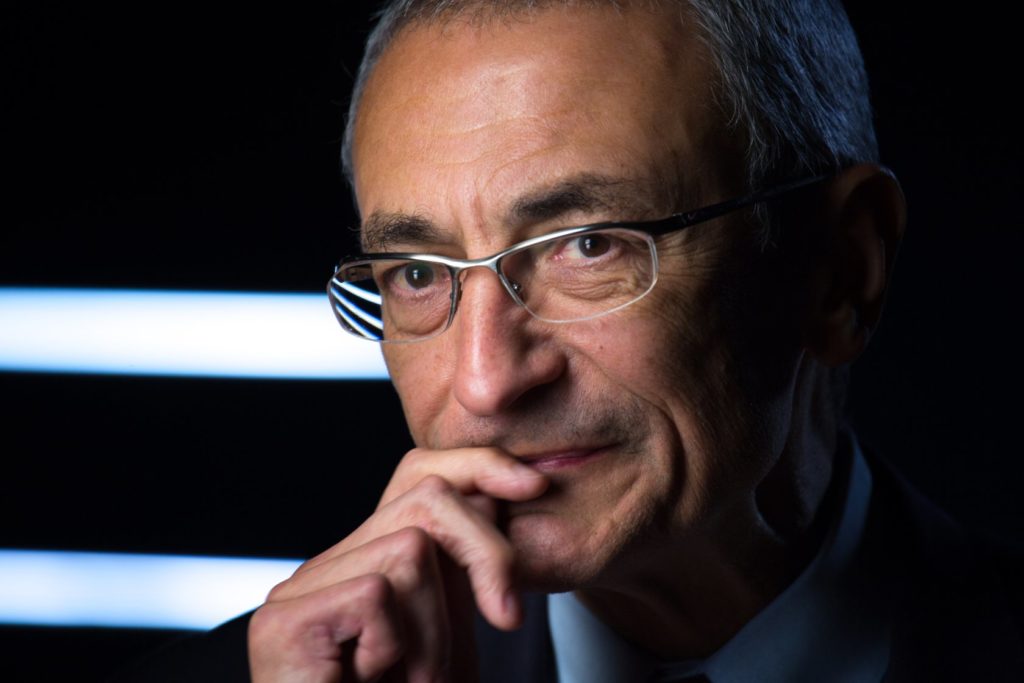
A new round of WikiLeaks documents released Tuesday reveal Hillary Clinton’s campaign chairman John Podesta reached out to White House officials advocating for the release of imprisoned former Alabama Gov. Don Siegelman on multiple occasions. The Democratic Governor of Alabama from 1999 until 2003, Siegelman was convicted by a federal jury for the bribery of federal funds in 2006 on allegations that he sold a seat on a hospital regulatory board to former HealthSouth CEO Richard Scrushy in exchange for $500,000 in donations to his unsuccessful 1999 campaign to get Alabama voters to approve a state lottery. He was also convicted of obstruction of justice. However, advocates for Siegelman believe he was part of a political hit-job concocted by the Bush White House and Karl Rove. According to the series of emails released last month, Podesta first heard about Siegelman in a July 2014 email from professor Robin Metz of Knox College, Podesta’s alma mater. “This whole affair, thanks to Rove and the Bush thugs, is an outrage, a travesty, and a dangerous miscarriage of justice,” Metz wrote. It’s unclear of whether or not Podesta took any action on behalf of Siegelman at the time, but a June 2015 message from Jack Knox, whom, according to the email, Podesta had met while running the promenade along the East River in New York City — prompted him to act. “It would be timely to issue a pardon before the accumulation of evidence of prosecutorial and judicial misconduct explodes under the Obama administration,” wrote Knox. “The grotesque railroading of a Progressive and good man who Rove could not legitimately defeat at the polls is clearly a scandalous black mark in the history of American justice. Better to rectify it before it’s too late.” Podesta then forwarded the email to White House Counsel under President Barack Obama, Neil Eggleston. “This is the random shit that happens to me running in NYC,”Podesta said in the correspondence. “You looking at the Siegelman case.” Then, in January 2016, Podesta received another email from Knox informing him the U.S. Supreme Court refused to hear an appeal from “America #1 political prisoner” Siegelman, making a presidential pardon his last hope to reduce his sentence. Podesta again forwarded the email along to Eggleston, writing, “Putting back on your screen.” Podesta efforts may have been in vain, as Siegelman, now 70, has yet to be pardoned. He has been serving his 6½ year sentence at a Louisiana prison camp since his conviction, and is scheduled to be released in August 2017.
WikiLeaks founder denies Russia behind Clinton campaign email hacking
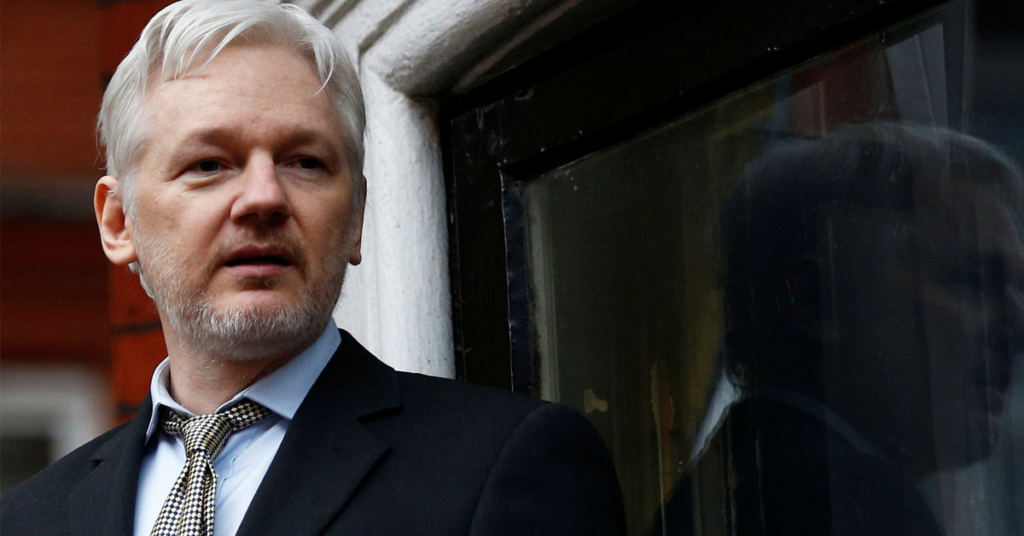
WikiLeaks founder Julian Assange denied Thursday that the Russian government or any other “state parties” were his group’s source for more than 50,000 hacked emails from the files of Hillary Clinton‘s campaign chairman, John Podesta. In separate statements from WikiLeaks and in an interview with a television network supported by the Russian government, Assange dismissed warnings that Russia was the main actor behind cyberintrusions on Podesta and other politically connected individuals and organizations. The WikiLeaks founder offered no evidence to support his denials in the face of U.S. government statements that American intelligence agencies have concluded that Russia was behind the hacking campaigns of Democratic entities in the U.S. Those breaches have raised alarms of potential intrusions on election day. WikiLeaks’ “sources for the Podesta emails currently being published are not state parties,” Assange said in a statement. He also told the RT network that warnings from Clinton and her campaign that Russia was behind the hacking of Podesta’s Gmail account were “false.” “Hillary Clinton has stated multiple times, falsely, that 17 U.S. intelligence agencies had assessed that Russia was the source of our publications,” Assange told the RT network, also known as Russia Today. “That’s false – we can say that the Russian government is not the source.” Russian officials have also denied any role. “Only Russia’s senior-most officials could have authorized these activities,” Director of National Intelligence James Clapper said in October. Clapper did not specifically name Russian President Vladimir Putin or other Russian officials, but U.S. cybersecurity experts concluded that hacking groups affiliated with Russian government and military intelligence services had roles in the breach of the Democratic National Committee. WikiLeaks began releasing nearly 20,000 emails last July hacked from the DNC’s computer system. Some of the emails disparaged Clinton’s rival, Sen. Bernie Sanders, eventually prompting the resignation of then-DNC chair Debbie Wasserman Schultz. U.S. officials and private computer crime specialists blamed that leak on Russian-linked hackers. Assange was granted asylum by Ecuador and lives in its embassy in London. He fled there in 2012 after Sweden pressed a warrant for his arrest on a sexual assault allegation. Media organizations have reported on each new daily WikiLeaks release of Podesta’s emails in recent weeks. Clinton campaign officials have declined to discuss the emails, questioning whether some of the material might be doctored. Thursday’s release of hacked Podesta emails include: In a March 2015 hacked email, Hillary Clinton told her top foreign policy adviser last year that Prime Minister Benjamin Netanyahu of Israel had created “an opening that should be exploited” after Netanyahu was forced to apologize for making remarks about Israeli Arabs that were condemned as racist. Clinton made the comment to adviser Jake Sullivan, who emailed a link to a New York Times story detailing the controversy in Israel over Netanyahu’s remarks and a fight between him and the Obama administration over remarks promising that no Palestinian state would ever be established on his watch. In a hacked email from September 2015, Clinton communications director Jennifer Palmieri told Podesta that Clinton would have to make herself more available to reporters if Vice President Joe Biden entered the presidential race. “But if Biden gets in – we are going to have to make time for her to do more press,” Palmieri wrote. “He will do a ton of it. It is free and he doesn’t have to travel anywhere to do. So I am thinking about a post-Biden press outreach plan, too.” In a hacked email chain from last February, Clinton’s campaign staff discussed whether to respond on the day the nation learned Supreme Court Justice Antonin Scalia had died. “I am having a hard time imagining what she would say,” Palmieri said. “In a day or two it could be appropriate to talk about SCOTUS stakes, but seems off for tonight.” Republished with permission of the Associated Press.
Hacked emails show Hillary Clinton camp discussed ousting Debbie Wasserman Schultz for Jennifer Granholm
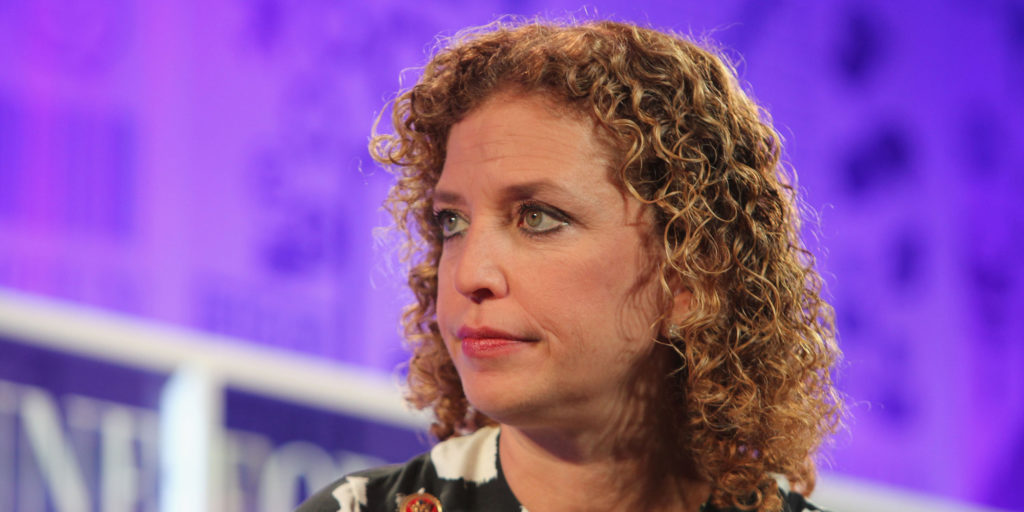
In July, Debbie Wasserman Schultz abruptly resigned as head of the Democratic National Committee, after leaked emails showed party officials conspiring to sabotage the presidential campaign of Vermont Sen. Bernie Sanders. Now, a new email message from the Gmail account of Clinton campaign manager John Podesta — posted by WikiLeaks Tuesday — indicate Hillary Clinton, the candidate campaign officials were considered to be in the tank for, also had serious issues with Wasserman Schultz. Clinton’s staff even discussed ousting her well before her unexpected midsummer exit. On Dec. 17, 2015, Clinton staffer Heather Stone sent out a memo titled “DNC Leadership,” to Podesta, Robby Mook, and Sara Latham. It explained in part the Clinton campaign had encountered challenges in working with Wasserman Schultz, calling for “systemic shifts at the DNC Leadership Level” to facilitate a better working relationship: Though we have reached a working arrangement with them, our dealings with Party leadership have been marked by challenges, often requiring multiple meetings and phone calls to resolve relatively simple matters. We are frequently caught in the middle of poor communication and a difficult relationship between the Chairwoman and the Executive Director. Moreover, leadership at the Committee has been slow to respond to structural challenges within their own operation that could have real impact on our campaign, such as research. Jen O’Malley Dillon has entered into a contract with the DNC as a consultant for the General Election, which addresses some of these challenges and provides a connection for us within the Party. However, this arrangement does not change the need for systemic shifts at the DNC leadership level — to ensure that we have strategic and operational partners within the Committee that can help drive a program and deliver on our General Election imperatives. The memo also said the intention should be to keep Wasserman Schultz as DNC chair up until July’s National Convention. After the convention, however, “we should consider three models for the DNC chairmanship:” Three options discussed would be: — Keep Wasserman Schultz and “work through a chief of staff.” Wasserman Schultz would have been no more than a figurehead in this capacity, the memo states. — Keep Wasserman Schultz in the position, but select someone like former Michigan Gov. Jennifer Granholm as a “General Election Chair.” In that situation, the chief of staff would work with the General Election Chair, while Wasserman Schultz played the role as a chief surrogate. This didn’t seem likely to work, however, as Stone wrote that, “This model has the considerable drawback of creating a two-headed monster with little clarity of who is responsible for different areas of work within the Committee.” — Oust Wasserman Schultz outright for Granholm. “Under this scenario, the convention would represent Congresswoman Wasserman Schultz’s final responsibility to the DNC, and we would use the convention as a clean break between chairs,” wrote Stone. “At the convention, we would honor the Chairwoman’s leadership and service to the Party and introduce the new Chair for the final phase of the campaign.” As it turned out, leaked WikiLeaks emails were released the weekend before the Democratic National Convention in Philadelphia in late July, prompting an outcry among Sanders delegates who always believed Wasserman Schultz was biased for Clinton in her position at the DNC. The uproar was so great, Wasserman Schultz quit the Sunday afternoon before the convention, ultimately replaced by Donna Brazile. Brazile recently left CNN under dubious circumstances following another WikiLeaks release indicating that, while at CNN, she may have passed along a question to Clinton before a debate.
Steven Kurlander: 2016 election legacy — wishing it would end already
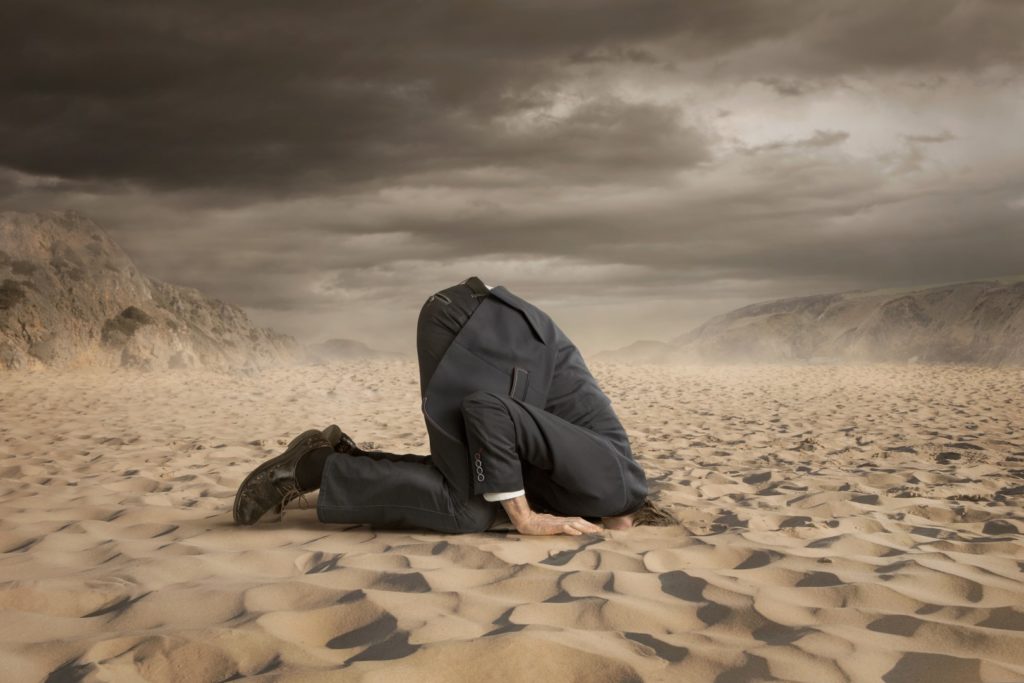
If you ask most Americans, they will tell you they can’t wait for this year’s presidential election to be over. The 2016 presidential campaign has been one with no decorum or class — a very dirty, vicious political race. It has exasperated an already overblown antipathy toward American politics and those who govern us. Americans have a choice of Donald Trump, who has based his voter appeal on callous and reckless rhetoric designed to exploit the average voter’s frustrations, or Hillary Clinton, a 1990s leftover who, along with the Democratic National Committee, really did rig the primary results against a more popular, and more electable Bernie Sanders. It’s been a demoralizing experience for an American electorate angry they weren’t really given a decent selection of presidential candidates to choose from, a “gotcha” race highlighted by three terrible debates where the candidates got really nasty and personal about each other’s character and fitness to be president. But you can’t superficially critique this race simply as a very nasty race between two very angry, unpopular candidates. Much like our mean and nasty American culture itself has evolved as a result of unfettered freedoms afforded by social media, we are correspondingly enduring an unsophisticated and vicious brand of free-for-all reality politics governed less and less by the parties, the candidates and even the Super PACs, too. The press is much to blame. With Trump making it a point from the start to confront the media as biased — both liberal and conservative outlets alike — Americans have been subjected to continuous vicious anti-Trump headlines and news framed to put him in a very bad light. As the election draws to a close, many outlets are already absurdly declaring a landslide victory for Clinton — so the election news and polling by these organizations surely can’t be trusted to be accurate, to say the least. Unlike previous elections, the Fourth Estate has shown no pretext of impartiality in their hostility, contempt, and bias toward him and their reporting and the analysis of the race in 2016. In turn, the rogue WikiLeaks has established itself as the anti-Clinton premier source by using illegally obtained and hacked information to feed biased information to Americans. So Americans are frustrated that they can’t trust what news, the context of such information, and polling information they are getting about the election from this biased media. Social media outlets like Facebook and Twitter have also been horrible sites of contention and rudeness, where patrons of both sides, and Donald Trump too, have exposed the electorate to uncontrolled hostility and venom on a 24/7 basis. The rise of Donald Trump as the GOP presidential candidate and the strong showing (and real victory) of Bernie Sanders also highlighted the impotency of the Democratic and Republican parties. Even if Hillary wins, this election could be the beginning of the end of the two-party system in this country in many ways. That’s not only discouraging to Americans, but scary too. Bottom line: This election has unfortunately set a very low common denominator for the conduct of future presidential races and does not portend well for the future of our nation. But instead of just wishing for the election to take place already, maybe there should be something for Americans to look forward to after the election. President Obama should immediately declare Nov. 9 as a “National Reconciliation Day” where all Americans can declare their love for their country and for each other. After watching Donald and Hillary brutalize each other these past few months, social media negatively run amok, and the press, in turn, try to destroy Trump and the Russians through WikiLeaks savage Clinton, a national group hug is certainly in order! ___ Steven Kurlander blogs at Kurly’s Kommentary and writes for FloridaPolitics.com. He is an attorney and communications specialist living in Monticello, New York. He can be reached at kurlyskommentary@gmail.com.
WikiLeaks is testing the power of full ‘transparency’
WikiLeaks founder Julian Assange first outlined the hypothesis nearly a decade ago: Can total transparency defeat an entrenched group of insiders? “Consider what would happen,” Assange wrote in 2006, if one of America’s two major parties had their emails, faxes, campaign briefings, internal polls and donor data all exposed to public scrutiny. “They would immediately fall into an organizational stupor,” he predicted, “and lose to the other.” A decade later, various organs of the Democratic Party have been hacked; several staffers have resigned and Democratic presidential candidate Hillary Clinton has seen the inner workings of her campaign exposed to the public, including disclosures calling into question her positions on trade and Wall Street and her relationship with the party’s left. Many of these emails have been released into the public domain by WikiLeaks. Some see the leaks as a sign that Assange has thrown his lot in with Republican rival Donald Trump or even with Russia. But others who’ve followed Assange over the years say he’s less interested in who wins high office than in exposing – and wearing down – the gears of political power that grind away behind the scenes. “He tends not to think about people, he thinks about systems,” said Finn Brunton, an assistant professor at New York University who has tracked WikiLeaks for years. “What he wants to do is interfere with the machinery of government regardless of who is in charge.” WikiLeaks’ mission was foreshadowed 10 years ago in “Conspiracy as Governance,” a six-page essay Assange posted to his now-defunct blog. In the essay, Assange described authoritarian governments, corporations, terrorist organizations and political parties as “conspiracies” – groups that hoard secret information to win a competitive advantage over the general public. Leaks cut these groups open like a double-edged knife, empowering the public with privileged information while spreading confusion among the conspirators themselves, he said. If leaking were made easy, Assange argued, conspiratorial organizations would be gripped by paranoia, leaving transparent groups to flourish. When the group published 250,000 U.S. State Department cables in 2010, it helped launch a multimillion dollar quest to unmask insider threats at home while causing problems for U.S. diplomats overseas. The recent leaks have affected the Democratic National Committee in much the same way, with staffers advised to use caution when communicating about sensitive topics. Clinton supporters say Assange is targeting her out of partisan bias. U.S. intelligence officials believe Russia is behind the hacks to interfere in the U.S. election. “Wouldn’t it be good reading to see internal discussions (about) Trump’s taxes?” Clinton Press Secretary Brian Fallon tweeted recently. “Wikileaks isn’t targeting Trump. That tells you something.” It’s possible that malicious sources are using WikiLeaks for their own ends, said Lisa Lynch, an associate professor at Drew University who has also followed Assange’s career. But she noted that a lifetime far from public service and an aversion to email make Trump a more difficult target. “If Trump had a political career, he’d be more available for Wikileaking,” she said. Assange did not return messages seeking comment, but he has described allegations that he’s in the service of the Kremlin as a conspiracy theory and has denied picking sides in the U.S. electoral contest. “Mr. Assange has not endorsed any candidate,” the group said in a statement Monday. He has targeted Republican politicians in the past; in the run-up to the 2008 election his group published the contents of vice presidential candidate Sarah Palin’s inbox. Her reaction at the time anticipated the Democrats’ outrage today. “What kind of a creep would break into a person’s files, steal them, read them, then give them to the press to broadcast all over the world to influence a presidential campaign?” Palin wrote in her autobiography, “Going Rogue.” In fact, Assange has long tried to influence presidential campaigns. In 2007, WikiLeaks published a long-suppressed corruption report ahead of Kenya’s national elections. It unleashed a wave of anger and, Assange often boasts, swung the vote. In reality, the publication barely played a role in Kenya, according to Nic Cheeseman, an associate professor of African politics at the University of Oxford. And it’s not clear whether the recent WikiLeaks revelations will fare differently. Clinton has a commanding lead in the polls despite the leaks. Still, Assange appears game to try. Between the DNC emails and the inbox of Clinton campaign chairman John Podesta‘s messages, his organization has published 46,000 messages from some of the most powerful people in Democratic politics. More is coming. When one Twitter user noted that WikiLeaks had not published any of Podesta’s emails dating past March 21, WikiLeaks responded . “Well spotted,” it said. “Something to look forward to.” Republished with permission of the Associated Press.
Hacked trove shows Hillary Clinton aides suggesting email jokes
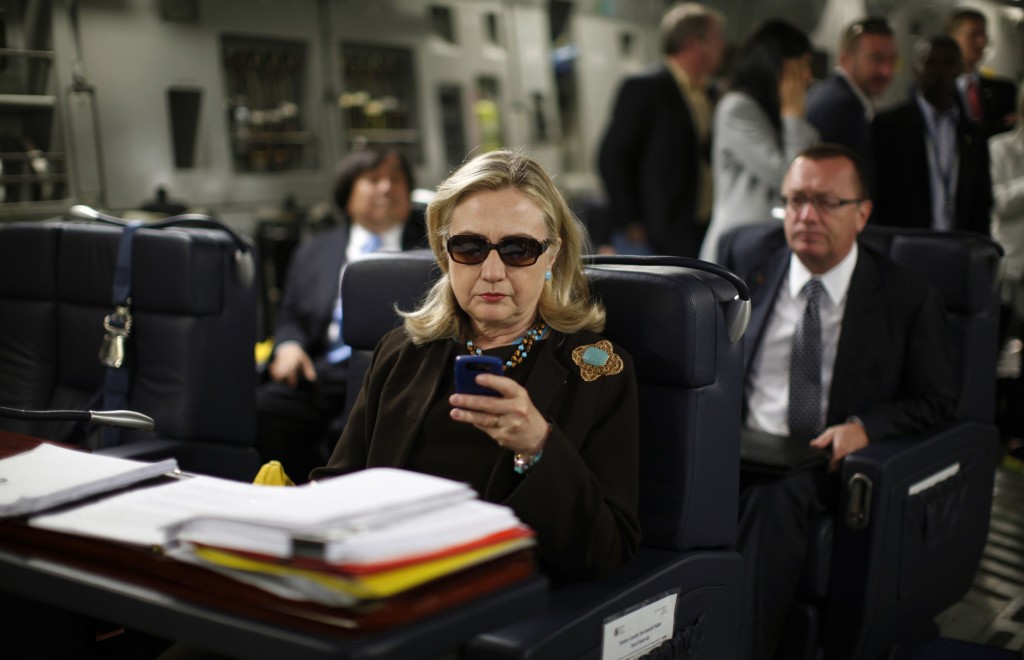
Hacked emails from the personal account of Hillary Clinton‘s top campaign official show her aides considered inserting jokes about her private email server into her speeches at several events – and at least one joke made it into her remarks. “I love it,” she told a dinner in Iowa on August 14, 2015, noting she had opened an online account with Snapchat, which deletes posts automatically. “Those messages disappear all by themselves.” The crack scored a laugh from the audience, but the issue was plenty serious. About a month earlier, news broke of an FBI investigation into whether some of the emails that passed through Clinton’s unsecured server contained classified information. Ultimately, the agency criticized Clinton for being reckless with classified information but declined to prosecute her. But hacked emails of John Podesta, Clinton’s top campaign official, show the Democratic candidate and her team were slow to grasp the seriousness of the controversy, initially believing it might blow over after one weekend. It did not, and became the most recent example of a penchant for secrecy that has fueled questions about Clinton’s trustworthiness, which she has acknowledged has been a political challenge. The joke was included in hacked emails that WikiLeaks began releasing earlier this month, saying they included years of messages from accounts used by Podesta. Podesta warned that messages may have been altered or edited to inflict political damage, but has not pointed to any specifics. Almost from the moment The Associated Press on March 3, 2015, called the campaign for comment on its breaking story that Clinton had been running a private server to five months later, campaign aides sought venues on Clinton’s schedule where she could show some humor over the issue, according to the hacked emails. In a series of emails on March 3, 2015 – the same day The Associated Press called for comment – staffers tossed around the idea of making jokes about the emails at a dinner hosted by EMILY’s List, a political action committee, that evening. “I wanted to float idea of HRC making a joke about the email situation at the EMILY’s List dinner tonight,” Jennifer Palmieri, director of communications for Clinton’s campaign, wrote at 2:37 p.m., using the candidate’s initials. “What do folks think about that?” The idea got a mostly favorable response at first. “I don’t think it’s nuts if we can come up with the right thing. But it could also be nuts,” replied campaign spokesman Nick Merrill a couple of minutes later. “I think it would be good for her to show some humor,” added Kristina Schake, now a deputy communications director. “…More jokes are welcome too.” But political consultant Mandy Grunwald nixed the idea after speaking with Jim Margolis, a media adviser to the campaign. “We don’t know what’s in the emails, so we are nervous about this,” Grunwald wrote to Merrill and Schake at 6:09 p.m. that night. “Might get a big laugh tonight and regret it when content of emails is disclosed.” Clinton’s campaign aides also considered using Virginia Gov. Terry McAuliffe‘s 2015 appearance at the Gridiron Dinner, an annual Washington joke-fest involving journalists and politicians, to try and defuse the email issue. McAuliffe is a longtime confidante and fundraiser for Clinton, and was chairman of her unsuccessful 2008 presidential bid. “Anyway what do we think about using gridiron to puncture the email story a little,” wrote Palmieri, who suggested possible joke topics, including one involving Jeb Bush. Clinton campaign manager Robby Mook expressed concern, saying reinforcing the idea that Clinton and McAuliffe are close “conjures the 90s stuff” – a reference, to Bill Clinton‘s two turbulent terms in office. McAuliffe’s routine at the Gridiron did not ultimately include the discussed email routine. Five months later, Hillary Clinton’s director of speechwriting, Dan Schwerin, shared a draft of a speech for the annual Iowa political event known as the Wing Ding dinner in an email to colleagues, asking for input. “I look forward to your feedback. (Also, if anyone has a funny email/server joke, please send it my way.),” he wrote on August 13. Republished with permission of the Associated Press.
