
Supreme Court considers Alabama’s bid to allow execution of Matthew Reeves
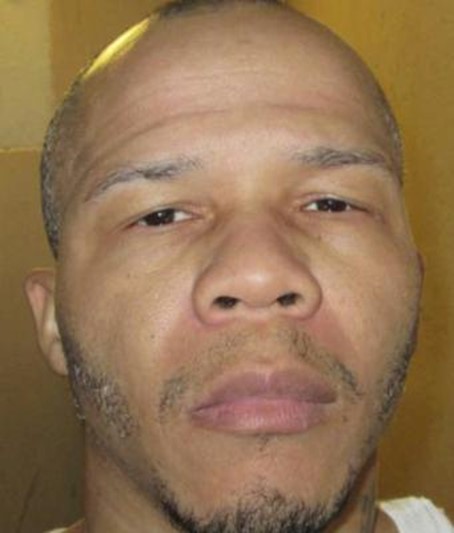
The U.S. Supreme Court considered Thursday whether to let Alabama execute a death row inmate who claims an intellectual disability combined with the state’s inattention cost him a chance to avoid lethal injection and choose a less “torturous,” yet untried, method. The Alabama attorney general’s office asked the justices to lift a lower court order that blocked prison workers from putting to death Matthew Reeves, who was convicted of killing a driver who gave him a ride. He celebrated after the killing at a party with blood still on his hands, evidence showed. The defense argued that the state, in asking the court to vacate an earlier ruling so it could execute Reeves, was improperly trying to challenge a decision it had lost repeatedly in lower courts. The state said it was preparing to execute Reeves, 43, by lethal injection at Holman Prison in case the court allowed it to proceed as scheduled at 6 p.m. CST, but the execution time passed without any word from the court. Reeves had visits and phone calls with his mother and sister during the day and was moved into a holding cell near the death chamber as he awaited the court decision, said deputy commissioner Jeffery Williams. Reeves, who also spoke with his lawyer by phone, declined a last meal, he said. The state previously asked the 11th U.S. Circuit Court of Appeals to lift a lower court injunction and allow the execution, but the panel on Wednesday refused and said a judge didn’t abuse his discretion in ruling that the state couldn’t execute Reeves by any method other than nitrogen hypoxia, which has never been used. Alabama appealed that decision, sending the case to the Supreme Court. Reeves was sentenced to die for the murder of Willie Johnson, who was killed by a shotgun blast to the neck during a robbery in Selma on Nov. 27, 1996, after picking up Reeves and others on the side of a rural highway. After the dying man was robbed of $360, Reeves, then 18, went to a party where he danced and mimicked Johnson’s death convulsions, authorities said. A witness said Reeves’ hands were still stained with blood at the celebration, a court ruling said, and he bragged about getting a “teardrop” tattoo to signify that he’d killed someone. Stavros Lambrinidis, the European Union ambassador to the U.S., sent a letter both condemning Johnson’s killing and asking Alabama Gov. Kay Ivey to block the execution because of Reeves’ intellectual disability claim. Ivey also has received a clemency bid from Reeves’ attorneys and will consider all such requests, an aide said. While courts have upheld Reeves’ conviction, the last-minute fight to stop the execution involved his intellect, his rights under federal disability law, and how the state planned to kill him. Alabama switched from the electric chair to lethal injection after 2002, and in 2018 legislators approved the use of another method, nitrogen hypoxia, amid defense challenges to injections and shortages of chemicals needed for the procedure. The new hypoxia method, which hasn’t been used in the U.S., would cause death by replacing oxygen that the inmate breathes with nitrogen. Alabama inmates had a chance to sign a form choosing either lethal injection or nitrogen hypoxia as an execution method in 2018 after legislators approved the use of nitrogen. But Reeves was among the inmates who didn’t fill out the form stating a preference. A poor reader, Reeves is intellectually disabled and wasn’t capable of making such a decision without assistance that should have been provided under the Americans With Disabilities Act, his lawyers argued. A prison worker who gave Reeves a form didn’t offer aid to help him understand, they said. With Reeves contending he would have chosen nitrogen hypoxia over a “torturous” lethal injection had he comprehended the form, the defense filed suit asking a court to halt the lethal injection. U.S. District Judge R. Austin Huffaker, Jr. blocked execution plans, ruling that Reeves had a good chance of winning the claim under the disabilities law. A defense expert concluded Reeves reads at a first-grade level and has the language competency of someone as young as 4, but the state disagrees that Reeves has a disability that would prevent him from understanding his options. The inmate was able to read and signed other forms through the years, it argued, and officials had no obligation under state law to help him pick a method. Alabama has said it plans to have a system for the new execution method ready by the end of April, court documents show, but the state argued against delaying Reeves’ execution. Any postponement is the fault of the state given how long it has taken to implement the new system, the 11th Circuit ruled. An Alabama inmate who was put to death by lethal injection last year, Willie B. Smith, unsuccessfully raised claims about being intellectually unable to make the choice for nitrogen hypoxia. Republished with the permission of the Associated Press.
Federal appeals court blocks execution of Matthew Reeves
A federal appeals court on Wednesday blocked the state from executing an inmate convicted of killing a driver who gave him a ride, upholding a lower court ruling that he can’t be put to death unless the state uses an untested, new method. A three-judge panel of the 11th U.S. Circuit Court of Appeals refused to lift a lower court order blocking the execution of Matthew Reeves, was originally was set for Thursday and could still happen since the state attorney general’s office said it would appeal to the U.S. Supreme Court. The Department of Corrections already has notified potential witnesses in the event it can move forward with the execution of Reeves, which was put on hold by a federal judge earlier this month. A Corrections spokeswoman said in a later email that the department was getting set to give Reeves a lethal injection Thursday evening if it’s ultimately given official notice to proceed. The state had asked the appeals court to lift a lower court injunction and allow the execution, but the panel refused in a decision that said a judge didn’t abuse his discretion in blocking the execution. Reeves, 43, was sentenced to die for the murder of Willie Johnson, who was killed by a shotgun blast to the neck during a robbery in Selma on Nov. 27, 1996, after picking up Reeves and others on the side of a rural highway. Reeves was 18 at the time. Evidence showed he went to a party and celebrated the killing afterward. The dying man was robbed of $360, and then Reeves danced and mimicked Johnson’s death convulsions at a party soon afterward, according to that evidence. A witness said Reeves’ hands were still stained with blood at the celebration, a court ruling said, and he bragged about getting a “teardrop” tattoo to signify that he’d killed someone. The European Union ambassador to the United States, Stavros Lambrinidis, sent a letter asking Alabama Gov. Kay Ivey to block the execution citing Reeves’ claims of an intellectual disability. Ivey also has received a clemency bid from Reeves’ attorneys and will consider all such requests, an aide said. Alabama inmates had a chance to sign a form choosing either lethal injection or hypoxia as an execution method in 2018 after legislators approved the use of hydrogen, but Reeves was among the inmates who didn’t fill out the form stating a preference. A poor reader, Reeves is intellectually disabled and wasn’t capable of making such a decision without assistance that should have been provided under the Americans With Disabilities Act, his lawyers argued. With Reeves contending he would have chosen hydrogen hypoxia over lethal injection had he understood the form, the defense filed suit asking a court to halt the lethal injection citing the lack of assistance from prison officials under the law. U.S. District Judge R. Austin Huffaker Jr. blocked the execution, ruling that Reeves had a good chance of winning the claim. While a defense expert concluded that Reeves reads at a first-grade level and has the language competency of someone as young as 4, the state disagrees that Reeves has an intellectual disability that would prevent him from understanding his options. The inmate was able to read and signed other forms through the years, it argued. An Alabama inmate who was put to death by lethal injection last year, Willie B. Smith, unsuccessfully raised claims about being intellectually unable to make the choice for hydrogen hypoxia. The state has said it plans to have a system for the new execution method ready by the end of April, court documents show, but the state has argued against delaying Reeves’ execution until then. Any delay is the fault of the state given how long it has taken to implement the new system, the 11th Circuit ruled. In July, the U.S. Supreme Court reversed an 11th U.S. Circuit finding and said a state court had correctly rejected claims that Reeves had ineffective counsel at trial because they did not hire a neuropsychologist to present evidence he is intellectually disabled. Republished with the permission of the Associated Press.
January execution date for Alabama man convicted in slaying

Alabama has set a January execution date for an inmate convicted in the 1996 shotgun killing of a man who towed his car after it broke down. The Alabama Supreme Court on Thursday set a January 27 lethal injection date for Matthew Reeves. Reeves was sentenced to death for the November 27, 1996 murder of Willie Johnson in Dallas County, Alabama. In earlier court filings, Reeves’ attorneys have argued he has an IQ in the 60s and that his trial counsel failed to do enough to show he is intellectually disabled and should therefore be spared a death sentence. In July, the U.S. Supreme Court reversed an 11th U.S. Circuit Court of Appeals finding that said that a state court had correctly rejected claims that Reeves had ineffective counsel at trial because they did not hire a neuropsychologist to present evidence that he is intellectually disabled. The decision was issued as an unsigned 6-3 opinion. Prosecutors said on the day of the slaying that Reeves, then 18, had gone with friends looking for people to rob, but their car broke down. Johnson came by in his pickup truck and offered to give them a ride and tow their car to Reeves’ house. Prosecutors said Reeves, who was riding in the bed of the truck, stuck a shotgun through the rear window of the cab and fatally shot Johnson in the neck. “In payment for this act of kindness, Reeves murdered Johnson, stole his money, and mocked his dying spasms,” justices wrote in the majority opinion in July. The trial judge sentenced Reeves to death on the recommendation of the jury. Defense lawyers at Reeves’ trial had funds to hire a neuropsychologist, Dr. John Goff, but ultimately did not do so. At a hearing on his post-conviction appeal in state court, Goff testified he believed Reeves was intellectually disabled and that Reeves’ IQ score should be adjusted down into the 60s. A state expert disputed that and pointed to the money that Reeves made from dealing drugs. Republished with the permission of the Associated Press.
Supreme Court rules against inmate in death penalty case
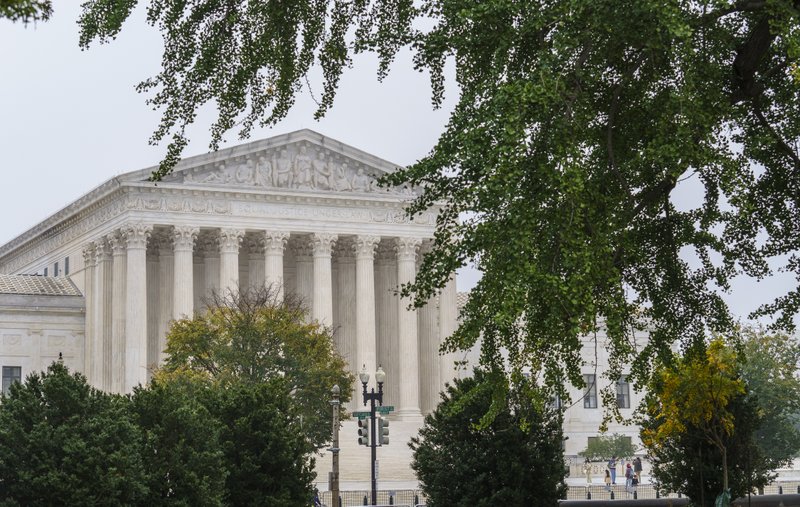
The U.S. Supreme Court has ruled against an Alabama inmate whose lawyers argued that his trial counsel should have done more to try to show he is intellectually disabled and therefore he should be spared a death sentence. In an unsigned 6-3 opinion, the conservative majority on Friday reversed an 11th U.S. Circuit Court of Appeals finding and said that a state court had correctly rejected claims that Matthew Reeves had ineffective counsel at trial because they did not hire a neuropsychologist to present evidence he is intellectually disabled. The three liberal justices dissented in the opinion. Justice Sonia Sotomayor, joined by Justice Elena Kagan, said the majority’s decision continues a “troubling trend in which this Court strains to reverse summarily any grants of relief to those facing execution.” The majority said the 11th Circuit had misinterpreted the state court’s decision as applying a “blanket rule” that inmates will lose a claim of ineffective counsel if they don’t put their attorneys on the stand to be questioned about the decisions made at trial. Instead, the state court made an analysis of Reeves’ case, they ruled. In the state court proceeding, a defense expert testified Reeves was intellectually disabled, based on the theory that intelligence test scores get inflated over time and Reeves’ score should be adjusted downward into the 60s, justices wrote. A state expert testified Reeves was not intellectually disabled and noted that Reeves had a leadership role in a drug-dealing group and earned as much as $2,000 a week, according to the opinion. Reeves was convicted of killing Willie Johnson in 1996 after Johnson towed Reeves’ broken-down car back to the city. “In payment for this act of kindness, Reeves murdered Johnson, stole his money, and mocked his dying spasms,” justices wrote in the majority opinion. Sotomayor in her dissent said the majority opinion was partly based on speculation about the strategy of the defense team. “This Court has shown no such interest in cases in which defendants seek relief based on compelling showings that their constitutional rights were violated,” Sotomayor wrote. Republished with the permission of the Associated Press.
