
Women of Influence: Catrena Norris Carter
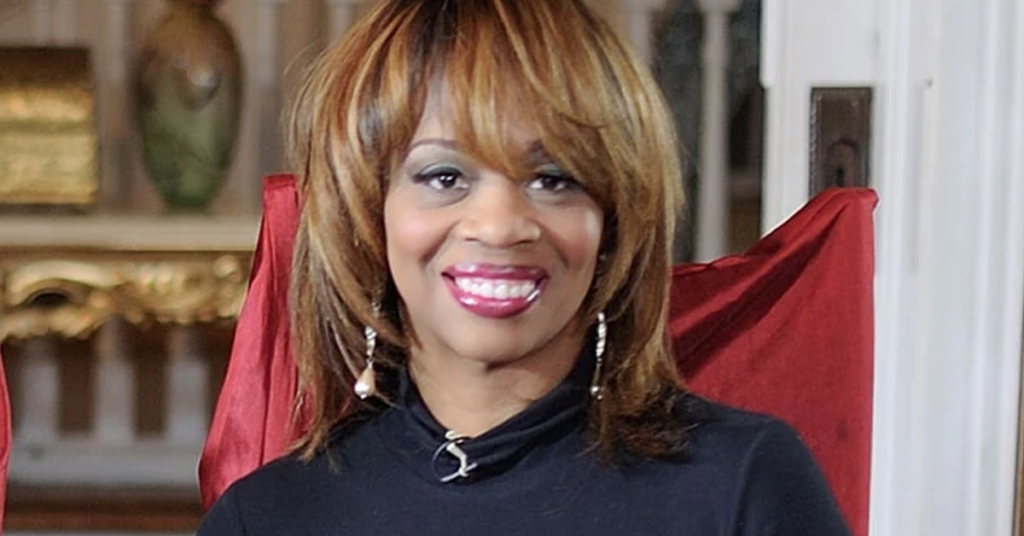
Before she even entered college, Catrena Norris Carter was already surrounded by some of the biggest names in the civil rights movement — Rosa Parks, Jesse Jackson, Coretta Scott King. During those impressionable teenage years, Carter was given an internship by Faya Ora Rose Touré with the 21st century Youth Training Program (21C). For the next several years, during her summers and spring breaks, she would meet with young people at Historically Black Colleges and Universities (HBCUs) from across the country. She spoke with everyone from kids and politicians, to homeless kids and those who had been in prostitution — where leaders of the Movement would share their knowledge and experiences to inspire, assist, organize and develop young people to be skilled community focused leaders. Carter soaked it all in and has since been a mover and shaker in the Yellowhammer State. Which is exactly why she is Alabama Today’s February’s choice for our Alabama Women of Influence feature. When you speak to Carter, it’s easy to recognize you’re talking with a force of nature. But before we mention all that she’s doing to change the world for the better, it’s important to look back to the program and people who influenced her to be the woman she is today. Created in 1985 by Touré, who would ultimately become Carter’s lifelong mentor, 21C was the breeding ground of Carter’s passion for helping those around her find success. “It was very influential in making sure that we all gave back to our communities. That we don’t just go away and get jobs and work on our personal success, but how important it was to reach back down and make sure that you pulled everybody up around you,” Carter told Alabama Today. The program was also where Carter learned a valuable lesson: legislation and politics are the keys to change. “It was always instilled that legislation and politics are the way for freedom, and the way out of poverty, and the way to look at life,” Carter explained. “Most people don’t look at life politically. They just kind of live day-to-day. Without asking those questions of ‘why is this law a law’ or asking why the process works.” During these years, Touré, Alabama’s first black female judge and the wife of state Sen. Hank Sanders, taught Carter about the power of a single individual. The notion has stuck with Carter over the years, she now hopes it will one day be her legacy: for people to know the power of one. “Unfortunately, most people just kind of go along to get along. Which is how we ended up with things in the past that didn’t so well — for the Jewish people, for women, and with slavery,” Carter said. “You have to understand, all of that was legal at the time. Just because something was legal, doesn’t necessarily make it right. Or make it just.” She continued, “Don’t just accept everything that comes before you. You have a right to challenge it. To overthrow if necessary. Never sit idly by, and just go along to get along. Don’t go down without a fight.” That fighting spirit came to the surface in her local community in 2014, when the Hoover, Alabama school system looked to cut the school bus program. When her sons came home with the news that April, Carter knew it was time to act. Encompassing a 53-mile radius, many families like her own depended on the system to get their children to and from school. So she took the organizing skills she learned over the years and at the 21st Century Youth Training Program and put them to good use. From rallying other mothers to getting the Department of Justice and the NAACP Legal Defense Fund involved, Carter ultimately helped stop the proposal over a year later. “Instead of just accepting it, I got with some other moms, and we fought them. It took pretty much an entire year, but in the end, we won,” Carter reminisced. “It was nice to get a victory. Because we don’t get them very often. The underdogs don’t usually win when you’re up against a system that big and that powerful. It felt good. And it helped thousands of lives and families.” At a time where many young women across the country are looking at issues in their own backyards that they’d like to change, Carter has one piece of advice: get involved. “Join some organizations that are into human rights and injustice issues. Find an organization that you feel passionately about. Even if it’s down to the heart association or something. Because everybody’s not going to be political, but that doesn’t mean that you can’t be involved with social,” Carter affirmed. “Do something that helps leave the world a little bit better than you found it.” Rest assured, Carter is practicing what she preaches. Outside of her day job, yes jobs, the list of Carter’s involvement is beyond impressive. She’s on the Board chair of the Greater Birmingham Boy Scouts of America, Board Member of League of Women Voters, Board Member of Ancient African Slavery Museum, and a Member of Alabama New South Coalition. When she’s not serving on various boards or volunteering you’ll find her working. Not only the only is she the Associate Publisher of Who’s Who in Black Alabama, the Managing Partner of C&C, and the President & CEO of Women Of Will (WOW) —a statewide, nonpartisan 501(c)(3) working to advance a richly diverse mass of women into leadership positions at work, in the community and in politics. WOW aims to recruit more women for leadership positions, from the boardrooms to the courtrooms — she also serves as National Coordinator of Selma’s Bridge Crossing Jubilee. Before this role, she was Executive Director of the Selma to Montgomery 50th Anniversary Commemoration Foundation, as well as the Executive Producer of Centric/BET’S “Salute Selma” Docu-concert and SHEROS documentary featuring some of the female living legends of the movement. Before this role, she was Executive Director of the Selma to Montgomery 50th Anniversary Commemoration Foundation, as well as the Executive Producer of Centric/BET’S “Salute Selma” Docu-concert and SHEROS documentary featuring some of the female living legends of the movement. With
Women of Influence: Twinkle Andress Cavanaugh
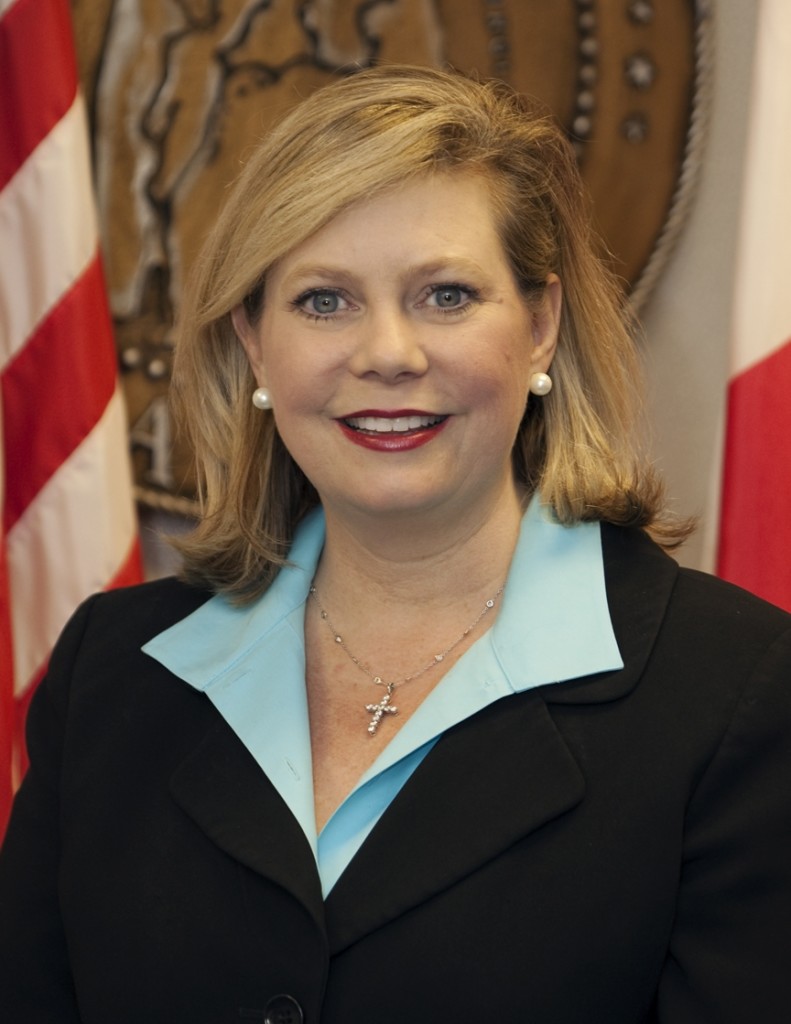
In the next installment of Alabama Women of Influence is Alabama Public Service Commission (PSC) President Twinkle Andress Cavanaugh. A graduate of Auburn University, Cavanaugh was first elected to the PSC in November 2010; she won re-election in 2012 and 2014. Talk about a woman who has constantly stood up for Alabama and its families and small businesses! “I am committed to doing what’s best for the hard-working taxpayers in this state,” Cavanaugh said on Facebook in July – and that couldn’t be more true. Committing herself to the fights within Washington, D.C., and at home in Alabama, she’s done everything from help push President George W. Bush‘s tax cuts through Congress to help cities and towns across the Yellowhammer state stop tax increases and fought for tougher tort reform laws. Suffice to say, Twinkle has a great resume — one a lot of us can only dream of — Republican National Committee, Alabaman Republican Party, Citizens for a Sound Economy, Gov. Riley’s cabinet as senior adviser. As the first female Chair of the Alabama Republican Party, she led the way to building a strong and inclusive state party. She also hasn’t shied away from encouraging other women to pursue their goals as well. According to AL.Com in 2003, she spoke to a group of Huntsville business leaders sharing her five tidbits of success, “Build relationships, have goals, think outside the box, face adversity positively and make a difference”, said Cavanaugh to a gathering of about 40 women. As the president of the PSC she has been a strong advocate against the EPA’s over-reaching regulations, which would kill Alabama’s coal industry and raise utility prices. She supports an “all of the above” energy portfolio. In early September, she and the commission passed regulations that allowed an Alabama Power renewable energy project to secure up to 500 megawatts of renewable generation over the next six years. A project lauded by people on both sides of the political aisle. An Alabama News story quoted that using solar power the project will “serve up to 100,000 homes during an hour of peak sun intensity on cloudless days.” Cavanaugh is also doing what she can to help tackle the state’s ongoing budget crisis. Sen. Arthur Orr, R-Decatur, the Alabama Senate’s General Fund budget chairman, said that since 2010 the PSC “has done a lot of significant restructuring that saves taxpayers millions of dollars of costs and expenses.” Cavanuagh intends to reduce costs even more this year. By cutting back wherever possible at the PSC, she will be sending a record amount to the state’s destitute General Fund next year — $12.5 million. “I think we’ve right-sized our commission,” Cavanaugh told AL.com. She and her husband have three children. They are active members of First Baptist Church in Montgomery, and they are involved in numerous community organizations. It is without a doubt we can say Cavanaugh has been a tremendous asset for the state of Alabama and as a trailblazer for generations of women to follow.
Women of Influence: U.S. Rep. Terri Sewell
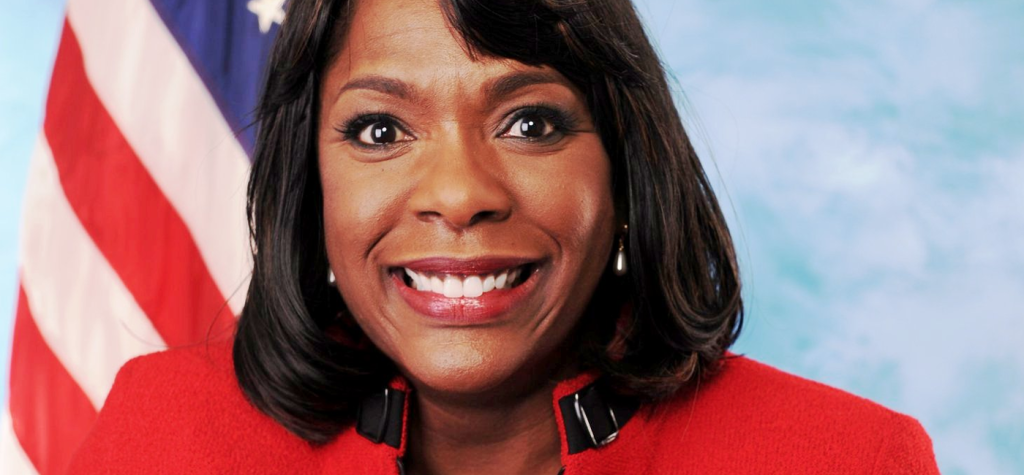
In the second installment of Alabama Women of Influence is Alabama’s second female congressional representative to be elected in a regular election and Alabama’s first black woman to serve in our congressional delegation – U.S. Rep. Terri Sewell. We could spend an entire day, and then some, talking about the accomplishments and friends of Terri. But before we do that it is important to take a step back together … Selma, Ala., in January 1965, Sewell was born into the prelude of the historic Selma March, a day before Martin Luther King Jr. arrived in Selma. She did not allow the stigma of society to get in her way – becoming the first black valedictorian of her high school and going on to study at Princeton University, Oxford University, and Harvard Law School, and later landing a job on Wall Street. During her journey to Congress she was friends with the future first lady, then Michelle Robinson, at Princeton, was later a Harvard classmate of Barack Obama, and was even an intern for U.S. Sen. Richard Shelby, who then was a House Democrat. Terri Sewell became Congresswoman Sewell in January 2011 when she took her oath of office administered by the Speaker of the United States House of Representatives. Following in her mother’s footsteps — she was the first black woman elected to the city council — Terri is a woman who made her own road. Creating a road that women all over Alabama can be proud to follow on and make their own ways from. Since taking her oath to be a member of Congress, Sewell has taken a strong stand on civil rights. Although the march was 50 years ago, there is still a lot of education to be done and Sewell is doing just that. Earlier this year, the U.S. Senate passed Senate Bill 517, a bipartisan bill Sewell introduced in the House “to award a Congressional Gold Medal to the courageous Foot Soldiers whose perilous journey from Selma to Montgomery led to the passage of the landmark Voting Rights Act of 1965.” Known for being a team player in Congress, Sewell has continuously spoken out to ensure there is consistent job creation and development for the workforce, specifically economic development. She consistently reaches across the aisle working with conservative members from the Alabama delegation for bills to strengthen the state. She and Rep. Bradley Byrne recently worked together to file a bill bringing back the Workforce Development Tax Credit Act, H.R. 1781. It would help stimulate employment and increase work-skills development by creating incentives for employers to hire apprentices. We can all say we want to see more jobs but the congresswoman has gone as far as to host job fairs and workshops to ensure there is the connection between the employers and potential employees and also to provide the potential employees with the knowledge they need to get back into the workforce. “I am proud of the work my office is doing to address the challenges posed by systemic unemployment in the 7th Congressional District. Through our Project R.E.A.D.Y workshops and annual Job Fair, we are working to make sure that all in the 7th District have access to meaningful career development,” Sewell says on her official website. While her list of accomplishments continues to grow, Sewell will be the first to tell you, “There is still much work to be done.” She’s a visionary whose steadfast dedication to improving the quality of life in Alabama is apparent in everything she does. Need we really say anymore as to why U.S. Rep. Terri Sewell is an Alabama Woman of Influence?
Women of Influence: Alabama’s First Lady Dianne Bentley
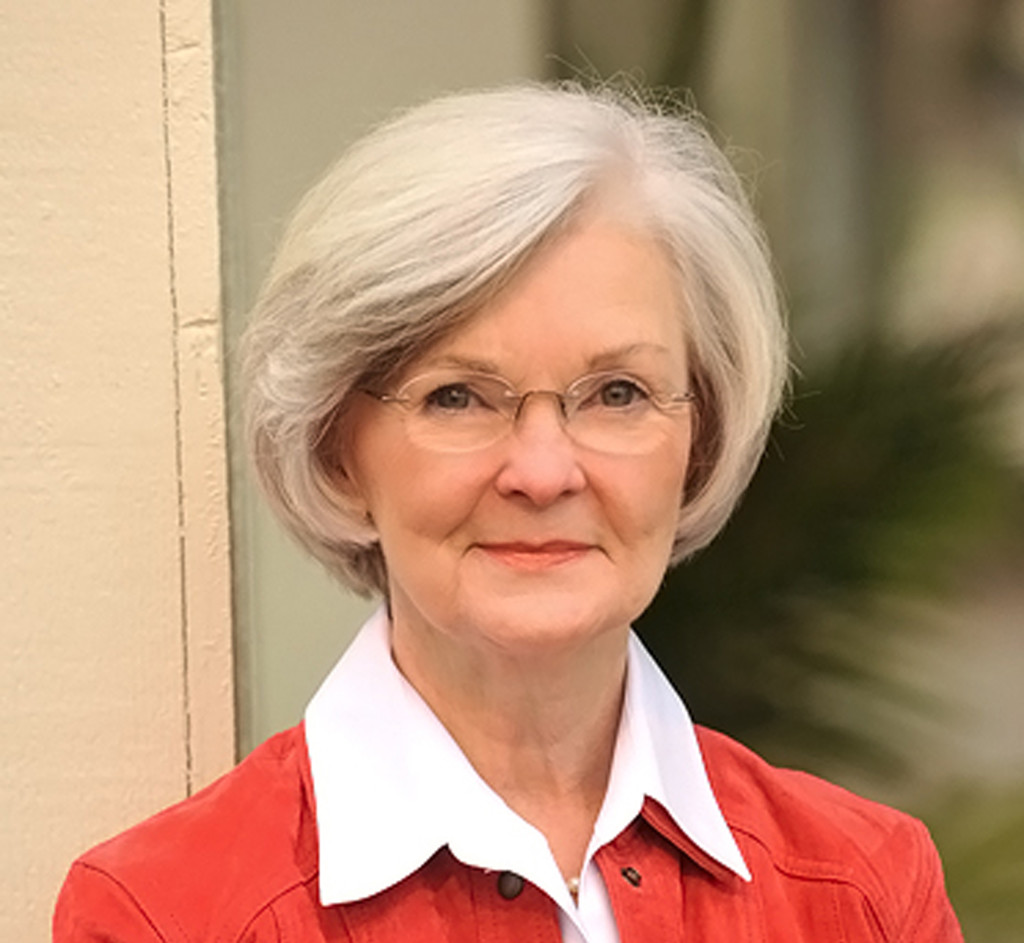
The most fitting woman for our inaugural Woman of Influence profiles is Alabama’s first lady Dianne Bentley. Watch out Tennessee: If our first lady has anything to do with it you won’t be the only Volunteer State. Assuming the role Jan.17, 2011, Bentley is the perfect role model to inspire Alabama women to find a local cause they can invest their time in to make a real difference in the lives of others. Long after Gov. Robert Bentley‘s term ends the first lady’s work to improve and bring attention to Alabama’s Domestic Violence Prevention and Family Justice Centers will continue to save and change lives. We don’t like to talk about it, but domestic violence affects men, women and children across Alabama and the nation. Dianne Bentley isn’t offering shallow photo op or bumper sticker solutions: She has pushed for real changes to the system, and she’s not doing it alone. Among her resources is former Florida first lady Columba Bush, well known and nationally recognized for her efforts in the Sunshine State to strengthen the system to protect victims and prevent violence. After visiting every shelter in the Alabama and talking to advocates, victims and professionals, Bentley said last month that she’s advocating domestic violence prevention legislation to strengthen Alabama’s system. According to her office, “The First Lady Dianne Bentley Domestic Violence Prevention Legislation aims to modernize domestic violence laws, increase state funds toward lifesaving services for victims and their children, and strengthen victim protection through law enforcement and judicial provisions.” Working with the Alabama Coalition Against Domestic Violence Bentley is helping those who need it most. However, she’s not going to spend her time leading our state with only a singular initiative – no matter how large it is. Bentley is also working to bring attention to adoption and foster care issues. In her official biography, the Office of the First Lady tells about her and the governor’s children: “Two of their sons are adopted but they have been loved so long no one remembers which two.” The Bentleys have committed to ensuring every child in the state welfare system receives the same kind of love as their children. She has headlined events, discussed this important issue with the media, and has made it a focal point of her time as first lady. Every community, every woman, every man, every child deserve to be loved and cared for, and our first lady is providing the leadership to do it. So we salute you, first lady Dianne Bentley. Thank you for being a woman we all admire, a woman we can all emulate in bestowing the gift of our time and talents to tackle tough subjects. There’s is no one more appropriate to be Alabama Today’s first Woman of Influence. Victims of domestic violence can call the state’s hotline at (800) 650-6522 to receive information about the nearest available domestic violence shelter. More resources can be found on the website for the Alabama Coalition Against Domestic Violence.
Introducing: Alabama Today Women of Influence

As the U.S. Census celebrates March as National Women’s Month, Alabama Today proudly kicks off its “Women of Influence” series. The weekly column will spotlight the women of Alabama who are impacting communities, strengthening families and leading businesses. National Women’s History Month began in 1857, when women from New York City factories staged a protest over working conditions. International Women’s Day, first observed in 1909, led to Congress establishing National Women’s History Week, commemorated the second week of March. By 1987, Congress expanded the week-long celebration to a month. Every year, Congress passes a resolution to honor Women’s History Month, with a proclamation issued by the President. As of December 2013, there are 161 million females in the U.S., compared to 156.1 million males. More than 75.1 million women ages 16 and older participate in the civilian workforce. According to Census estimates, the top four occupations with a majority of women — 80 percent or more are registered nurses; social workers; licensed practical and vocational nurses; and bookkeeping, accounting and auditing clerks. Readers are encouraged to nominate women of influence from around Alabama who are active in business, politics, philanthropy and more at tips@altoday.com.
