
#MeToo women and sexual harassment in politics
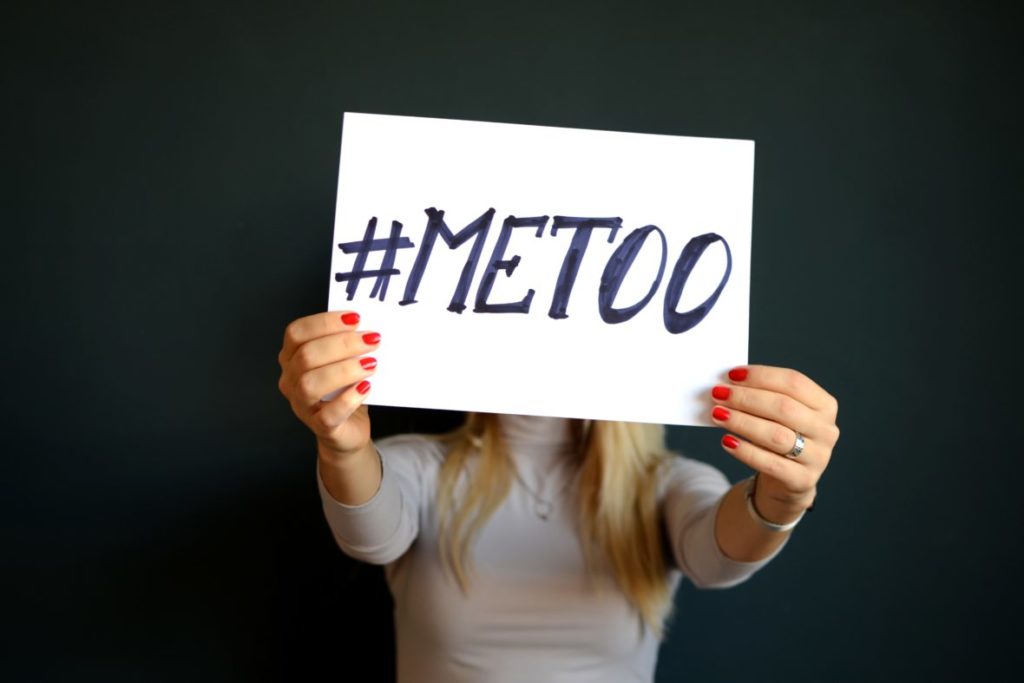
We’re at a turning point for women in politics right now, not just in Alabama but across the nation. In the last several years women have marched, have become candidates and have stood up against sexual harassment and discrimination in the face of the high costs. A newly released study revealed glaring insights to the sexism and misogyny that exist within the political arena. Almost half of women in politics across the globe have suffered abuse or violence — 44% of those surveyed said they have faced serious abuse, including threats of murder, rape and assault. I dare guess those numbers hold up for American women in politics too. The study was commissioned to be presented at a conference that began today. The Stop Violence Against Women in Politics conference highlights the fact that “more women than ever before are participating in politics worldwide. Higher numbers of women are being elected to public office and, in many countries, more women are attending political events, engaging with government bodies and registering as voters.” “However, as women’s political activity has grown, so has the frequency and degree of violent responses to their presence in politics. Globally, politically-active women – voters, candidates, local councillors, members of parliament, bloggers and activists – regularly find themselves on the receiving end of acts or threats of violence,” read the conference description. Politics is a full contact sport that used to be dominated by men. The good news is it’s not what it used to be, and when and where it fails you, you’re now empowered to stand up for yourself. What used to be common place on campaigns and in political or policy offices is no longer acceptable. Women no longer have to listen to degrading remarks, sexist jokes, be touched or lured at inappropriately. Women can hold positions of power and they can be strong and confident without being called names for it. All advancements made even in my short career. You don’t have to look beyond the headlines of what has been going on in some state capitols to see how change has started. In Florida, the future Senate President Jack Latvala was forced to resign amid a report concluding that he had probably sexually harassed a woman and potentially used sexual favors as leverage for lobbyists. In Arizona, State Representative Don Shooter was expelled by his chamber after a number of charges against him for sexually harassing and intimidating women including staffers and another state legislator. That case spiraled out of control and was only the first of two times in recent history where a member of a state legislative body was expelled by their chamber for sexual-harassment. In my 12 plus years in this field I’ve seen it all. I’ve worked for every type of boss and candidate. Some of whom I will respect and speak well of ’til the day I die. While Governor Jeb Bush probably couldn’t pick me out of a line-up, he was the first male politician I saw firsthand as I worked as scheduler in his office for just a few months before returning to Washington, D.C. Bush surrounded himself with women in roles of authority who embodied the spirit, strength and brains that young women could look up to. The atmosphere was so encouraging and many women rose among the ranks and went on to careers that have spanned the years since. On the flip side I also recently experienced a work environment so toxic and sexist that ultimately it led to my resignation. The attitude that age precluded even those in positions of power from being held to the most basic standards of human decency permeated a small office and women were treated as second class citizens without respect of their intelligence or respect of their personal space. Needless to say, I dreaded going to work everyday. I dreaded that my boss would hear my complaints validate them with his own experiences having seen the perpetrator harass women, yet do nothing time and time again. I dreaded that I ran through every option afforded to me including going to multiple lawyers involved in the association, and yet the sexual harasser was defended and protected. The board and chairman have continued to do nothing to rectify the situation. As a woman, as a mother I acknowledge that we have turned a major corner, but we have a lot further to go. What will really be the catalyst for change? When will women like me feel as though we can truly speak out? Well the change will have to come from a change in mind and hearts for every one us. Regardless of gender or age, we all have a role in making our country a better place. Teaching our little girls to use their voice and their vote is something that can be done each day. We can teach our boys to respect the girls and women around them and to stand up for them every single chance they get. We can encourage politics as a field of study for college aged women. We can encourage women, of every age, race and background, to run for office. We can expect, no demand, that, unlike in my recent experience, the men working in politics do what’s right. No questions asked. We can challenge those around us not to use this movement as a weapon but as an opportunity. In Florida women lobbyists spoke out about the fear that the women coming forward were going to set them back. That is a very real fear and no doubt that life as women have known it in this field will be different. The movement isn’t just about making women comfortable though it’s also about giving everyone the opportunity to work in an environment that isn’t hostile or anxiety ridden. Men are starting to take additional precautions to protect themselves against false charges and women need to be patient with them as they do so. It’s incumbent on each of us to make sure that
New study ranks Alabama 5th worst state for women
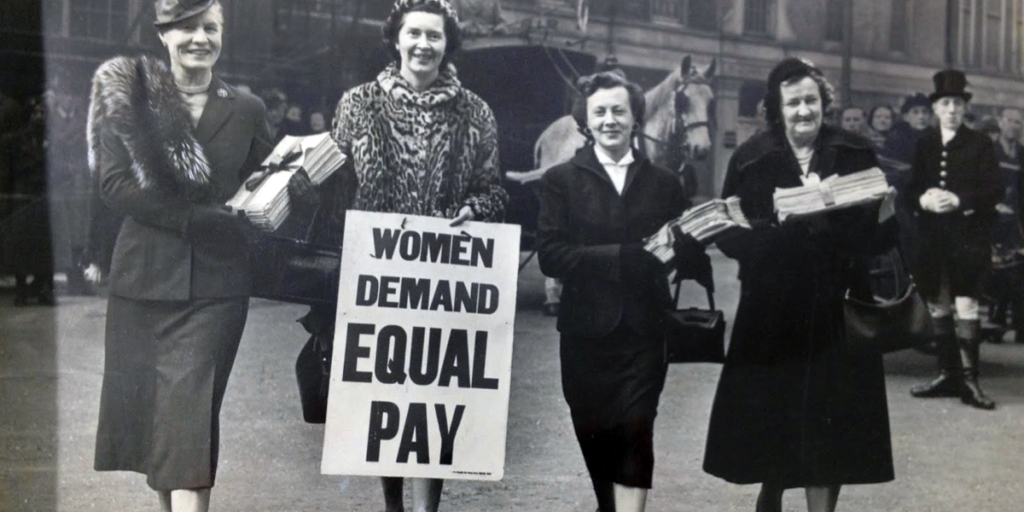
With women’s issues on the forefront of nearly every major news source in America today, and March being Women’s History Month, personal finance site WalletHub released a new study on Monday, detailing the Best and Worst States for Women in 2018. Turns out, Alabama is the 5th worst in the nation when it comes to ranking the most women-friendly states. The state came in 47th place in the nation overall, followed only by Oklahoma, Mississippi, Arkansas, and in last place, Louisiana. WalletHub’s study compared all fifty states and the District of Columbia across 23 key indicators including; unemployment rate for women, share of women-owned businesses, High School graduation rate for women, and women’s life expectancy at birth. Woman-friendliness of Alabama (1= best, 25= avg.): 29th: Median earnings for female workers (adjusted for cost of living) 42nd: Unemployment rate for women 46th: Share of women in poverty 26th: Share of women-owned businesses 47th: High school graduation rate for women 41st: Share of women who voted in 2016 presidential election 32nd: Female uninsured rate 50th: Women’s life expectancy at birth 31st: Quality of women’s hospitals 24th: Women’s preventive health care Perhaps one of the reasons for these rankings is the supreme lack of women’s representation in the Alabama Legislature. Although our governor is a female, currently only 15 percent of Alabama legislators are women. “It’s sad that we are 52 percent of the population, but we hold so few state legislative seats,” Birmingham-Democrat Sen. Linda Coleman-Madison, told AL.com. Se is one of the four females occupying a seat in Alabama’s 35 member Senate. With a bevy of women running for state office, if there was ever a year for things to change for women in Alabama, it’s 2018 According to Steve Flowers, the 2018 election year might just be the year of the woman in Alabama politics. “Currently, Kay Ivey is the favorite in the governor’s race. Twinkle is the favorite in the Lt. Governor’s race. Alice Martin or Troy King is favored in the Attorney General’s race. If you made me bet right now, I would bet that Alabama would at least have a governor and Lt. Governor that are women,” opined Flowers. Here’s a look at how Alabama compares to the rest of the country: Source: WalletHub
