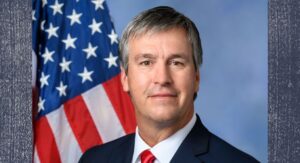
Katie Britt, Marsha Blackburn, and Senate colleagues introduce bill to combat child recycling
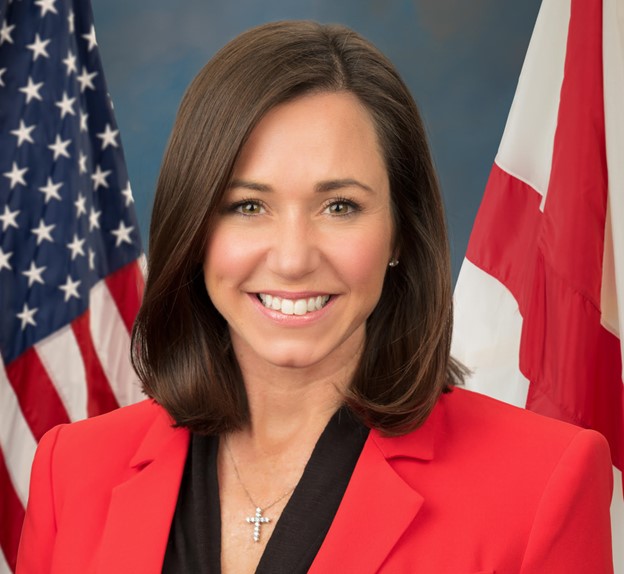
U.S. Senator Katie Britt (R-Alabama) recently joined Senator Marsha Blackburn (R-Tennessee) and 16 of their Senate Republican colleagues in introducing the Preventing the Recycling of Immigrants is Necessary for Trafficking Suspension (PRINTS) Act. This legislation is aimed at combatting human trafficking and child recycling by giving U.S. Customs and Border Protection (CBP) the authority to fingerprint non-citizens under the age of 14. The bill would require the U.S. Department of Homeland Security (DHS) to publicly report the number of apprehensions in a given month involving child traffickers who falsely claimed that an accompanying child was a relative and submit an annual report to Congress identifying the number of minors who were fingerprinted pursuant to this Act. The PRINTS Act removes the Attorney General’s authority to waive fingerprinting requirements for those illegally crossing the southern border and criminalizes child recycling. “This Administration continues to turn a blind eye to the tragic human costs of its reckless agenda,” stated Senator Britt. “The reality is that President Biden’s border policies are anything but compassionate. Every single day, untold numbers of vulnerable children are being trafficked and recycled across our porous southern border. These innocent girls and boys are not living the American Dream – they’re facing an American nightmare. Meanwhile, women and men continue to be viciously trafficked by the cartels, and American families and communities continue to be devastated by the deadly fentanyl flowing into our nation. Enough is enough. It is past time to end this unprecedented humanitarian and national security crisis. Yet again, my Senate Republican colleagues and I are offering commonsense solutions to do just that.” “Under President Biden’s open border policies, we are witnessing a devastating humanitarian crisis, and children are the primary victims,” said Senator Blackburn. “Abusing and using a child again and again is one of the most heinous acts imaginable, and yet it happens every day along the southern border. Empowering border patrol agents to fingerprint non-citizens under the age of 14 would give them the tools they need to identify victims of child recycling and stop this abuse in its tracks. Given that the Biden administration just carelessly lost track of 85,000 migrant children, passing this legislation could not be more critical.” One in every three human trafficking victims is a child. The Washington Times reported that in 2019, ICE identified 600 children who were “recycled,” with one child being brought across the border as many as eight different times. According to recent reporting by the New York Times, the Department of Health and Human Services has lost track of over 85,000 children released to sponsors, potentially subjecting these children to exploitation, abuse, and force. Despite these statistics, current DHS regulations and federal law prohibit Border Patrol agents from fingerprinting children under the age of 14. Earlier this year, during a Senate Appropriations Subcommittee for Labor, Health and Human Services, Education, and Related Agencies hearing, Senator Britt questioned Department of Health and Human Services (HHS) Secretary Xavier Becerra about the Administration’s reckless policies regarding the treatment of unaccompanied migrant children. Katie Britt is the Ranking Member of the U.S. Senate Appropriations Subcommittee on Homeland Security. To connect with the author of this story or to comment, email brandonmreporter@gmail.com.
Tommy Tuberville and colleagues concerned about government using corporations to censor Americans

U.S. Senator Tommy Tuberville (R-Alabama) joined Sen. Rand Paul (R-Kentucky) and Congressman Jim Jordan (R-Ohio) in introducing the Free Speech Protection Act to prohibit federal employees and contractors from using their positions to censor and otherwise attack speech protected by the First Amendment. The bill will impose severe penalties for individuals violating this rule. “Our government should actively protect our First Amendment rights, not promote censorship,” Tuberville said on Twitter. “I am proud to join @SenRandPaul in the Free Speech Protection Act.” Sen. Paul is the Ranking Member of the Senate Homeland Security and Governmental Affairs Committee. “Americans are free people and we do not take infringements upon our liberties lightly. The time has come for resistance and to reclaim our God-given right to free expression,” said Dr. Paul. “Under my Free Speech Protection Act the government will no longer be able to cloak itself in secrecy to undermine the First Amendment rights of Americans.” Rep. Jordan is the Chairman of the House Judiciary Committee. “Censorship is a major threat to freedom today,” said Chairman Jim Jordan. “It is clear that Big Government must be more transparent and that bureaucrats must be held accountable for censorship. The Free Speech Protection Act accomplishes that and gives individuals remedies for censorship to protect vital First Amendment freedoms.” The bill is cosponsored by U.S. Senators Eric Schmitt (R-Missouri), J.D. Vance (R-Ohio), Cynthia Lummis (R-Wyoming), and Mike Braun (R-Indiana). In addition to protecting Americans’ First Amendment rights, the bill would mandate frequent publicly accessible reports from the heads of executive branch agencies detailing the communications between an executive branch agency and a content provider, as well as prevent agencies from employing any FOIA exemption to prevent disclosure of prohibited communications. The legislation also ensures that federal grant money is not received by any entity that seeks to label media organizations as sources of misinformation or disinformation. The legislation has been endorsed by the Heritage Foundation. “Recent revelations have exposed the lengths to which the Biden administration continues to take to censor the online speech of Americans who speak out against the Left’s agenda,” said Acting Director of Heritage Action Ryan Walker. “When federal employees make content moderation requests, the administration is effectively using the coercive power of the federal government to turn Big Tech companies into enforcement arms of their censorship policies. While the courts may eventually rule that this type of behavior is unconstitutional, Congress should codify these prohibitions into federal law by passing legislation like Senator Paul’s to ensure the long-term protection of Americans’ right to free speech online.” U.S. District Court Judge Terry Doughty ruled that the federal government was using its relationships with private corporations, including Twitter, YouTube, and Facebook, to censor Americans who hold views that the government does not like. Judge Doughty also issued a sweeping preliminary injunction barring numerous federal officials and agencies — including Surgeon General Vivek Murthy, Health and Human Services Secretary Xavier Becerra, White House press secretary Karine Jean-Pierre and all employees of the Justice Department and FBI — from having any contact with social media firms for the purpose of discouraging or removing First Amendment-protected speech. The Biden Administration is appealing the ruling. Senator Tommy Tuberville represents Alabama in the United States Senate and is a member of the Senate Armed Services, Agriculture, Veterans Affairs, and HELP Committees. Tuberville was elected in 2020 after a successful forty-year career as an educator, coach, and sports broadcaster. A native of Arkansas, Tuberville was the head football coach at Ole Miss, Auburn, Texas Tech, and Cincinnati. To connect with the author of this story or to comment, email brandonmreporter@gmail.com
Katie Britt: Hit the ground running in first 100 days, but just getting started
Today marks my 100th day in office as U.S. Senator for the great state of Alabama. To say that this responsibility is an honor of a lifetime would be an understatement. I continue to be humbled by the people of Alabama’s trust, confidence, and prayers, and as your Senator, I am working to make you proud every single day. Alabama sent a mom to the U.S. Senate to actually get things done, and I am happy to report that I hit the ground running immediately to do just that. From the minute I was sworn into office on January 3, I took the fight for faith, family, and freedom to Washington, D.C., as my team and I have been laser-focused on advocating for our people, our liberties, our values, and our interests. While we are off to a fast start, these past 100 days have also made it crystal clear, we have a lot more work ahead of us. In my first week as your Senator, I traveled to the Del Rio Sector of the U.S.-Mexico border in my first official trip to witness President Joe Biden’s border disaster firsthand. What I witnessed on that trip was gut-wrenching and reaffirmed that we truly have an unprecedented national security and humanitarian crisis at the southern border. This trip was an important opportunity for me to listen to and learn from the people who are facing this every single day, from boots-on-the-ground law enforcement officers to courageous survivors of the cartels’ human and drug trafficking. Following this trip, I joined Senators Marsha Blackburn (R-Tenn.) and Cindy Hyde-Smith (R-Miss.) in introducing the “Stop Taxpayer Funding of Traffickers Act” to ensure human and drug traffickers are not subsidized by hardworking American taxpayers while these criminals await prosecution and conviction. In February, I joined Senator Joni Ernst (R-Iowa) and a bicameral congressional delegation to visit the epicenter of fentanyl trafficking in the San Diego Border Sector, where we also met with Border Patrol Council leaders. We then traveled to Mexico City to hear from top leaders in the Mexican military about the latest tactics being used by cartels and other criminals to avoid detection, capture, and prosecution while trafficking lethal drugs through Mexican territory and international waters to the United States. Senator John Cornyn (R-Tex.) also afforded me the opportunity to visit the border for a third time in March in the Rio Grande Valley sector in Texas, where we heard about the 488% annual surge in Chinese nationals attempting to illegally enter our country. Taking what I learned and experienced across my visits, my team and I worked hard to formulate and introduce tangible solutions in a package of four pieces of legislation aimed at sealing and securing our nation’s southern border, keeping American communities and families safe, and ultimately ending the ongoing crisis. This legislation includes the “Keep Our Communities Safe Act” to close Obama-Biden catch-and-release policies, the “Asylum Abuse Reduction Act” to fix America’s broken asylum process, and the “WALL Act” to complete building the wall on the southern border. I have cosponsored nine additional bills related to border security, including Senator Marsha Blackburn’s (R-Tenn.) Stop Taxpayer Funding of Traffickers Act; Senator Chuck Grassley’s (R-Iowa) Immigration Parole Reform Act of 2023 and Accountability Through Electronic Verification Act; Senator Ted Budd’s (R-N.C.) Build the Wall Now Act; Senator Marco Rubio’s (R-Fla.) No Coyote Cash Act and Felony Murder for Deadly Fentanyl Distribution Act; Senator Mike Lee’s (R-Utah) Stopping Border Surges Act; Senator Tommy Tuberville’s (R-Ala.) Border Safety and Security Act; and Senator John Kennedy’s (R-La.) Fairness in Fentanyl Sentencing Act of 2023. In addition to those nine bills, I have cosponsored 60 pieces of legislation thus far in the 118th Congress. This is the most of any United States Senator in this timeframe, underscoring the urgency with which my team and I have approached this incredible responsibility. These five dozen pieces of legislation span a wide range of pressing issues facing hardworking Alabamians – they would bolster American energy independence, lower taxes, combat inflation and our runaway national debt, slash burdensome red tape, safeguard the sanctity of life, uphold the rule of law, protect the ability of girls and young women to compete in sports, defend the right to work, support our tremendous law enforcement officers, strengthen our supply chains, fortify Americans’ retirement savings, hold elected officials accountable to the people, advance election integrity, stand up for our family farmers, and much more. Already, 13 of these measures passed the Senate, including three that reached President Biden’s desk. One of my top priorities, especially as the ranking member of the Homeland Security Subcommittee of the Senate Committee on Appropriations, has been to stand up to the Biden Administration’s dangerously weak national security policies. There is no doubt that the Chinese Communist Party is our greatest geopolitical and national security threat, and everything they do is as our adversary. From stealing our intellectual property and spying on our children through TikTok, to buying up American farmland near military installations and engaging in unfair trade practices that undercut Alabama steelmakers and shrimpers, we must hold the CCP accountable. Defending hardworking Americans and protecting our homeland is not a responsibility I take lightly, which is why I have joined my colleagues in introducing five pieces of legislation holding the Chinese Communist Party accountable for their continued aggression. This includes cosponsoring a bipartisan resolution condemning the unlawful incursion into the United States airspace by the People’s Republic of China high-altitude surveillance balloon, and the Foreign Adversary Risk Management (FARM) Act, introduced by Senator Tuberville, which would crack down on the CCP’s growing ownership of U.S. farmland and agricultural companies. I have also cosponsored the Cutting-off Communist Profiteers (CCP) Act, prohibiting any former U.S. presidential appointees from knowingly representing, aiding, or advising the Chinese Communist Party or Chinese military companies, and the Protecting America from Spies Act, targeting Chinese Communist Party spies that are committing espionage toward American technology firms and businesses. Most recently, I joined Senator Tom Cotton (R-Ark.) in introducing the “Not One More Inch or Acre Act,” legislation that would prevent any Chinese national or entity from owning American land. I believe that the
Katie Britt questions HHS Secretary on placement of unaccompanied minors
U.S. Senator Katie Britt recently questioned Health and Humans Services Secretary (HHS) Xavier Becerra about the Biden treatment of unaccompanied migrant children. “[T]he UAC Program is plagued by deficiencies and poor management which, combined with this Administration’s reckless and irresponsible policies, encourage illegal immigration, and, I believe, has put the lives of children and their well-being at risk,” said Senator Britt in Wednesday’s hearing. Britt participated in the Senate Committee on Appropriations Subcommittee for Labor, Health and Human Services, Education, and Related Agencies hearing regarding President Joe Biden’s Fiscal Year 2024 budget proposal for the Department of Health and Human Services (HHS). Due to the ongoing border crisis and overcrowding at HHS shelter facilities, the Biden Administration has taken several steps to help speed up the process of releasing unaccompanied minors to sponsors. One of these controversial decisions was the Office of Refugee Resettlement field guidance introduced on March 31, 2021, stating HHS would no longer require background checks for adult household members and alternate adult caregivers within certain categories of sponsors. The New York Times published an article on February 25 detailing how many unaccompanied minors have wound up in exploitative and illegal labor situations after arriving in the United States. Among other deficiencies, the piece noted issues with HHS’ vetting policies and practices. “We’re spending a lot of money on a program that just isn’t working very well,” Sen. Britt said. “I believe it isn’t a lack of funding; it is departmental policy and management failures that are our problem.” “On March 31, 2021, HHS’ Office of Refugee Resettlement issued field guidance that waived background check requirements for adult household members and alternate adult caregivers identified in a sponsor care plan submitted by Category 2 sponsors,” Sen. Britt said. “As you know, Category 2 sponsors include certain relatives of a child other than a parent. So, the department put in place a policy that allowed a waiver of background checks for other adults in the household of those relatives. That strikes me as deeply irresponsible.” Senator Britt then asked Sec. Becerra, “In light of recent events, can you tell me if the March 31, 2021, field guidance is still in effect?” “I’ll get back to you on the field guidance,” Sec. Becerra responded. “If it is not a parent that you are placing [an accompanied child] with, do you do a background check of the other individuals in that home?” Senator Britt asked. “It will depend [on the sponsor],” Secretary Becerra admitted. “These children – it’s a passion for me as a momma of two school-aged children that we’re not putting them in harm’s way,” Senator Britt concluded. The United States is experiencing a surge of unaccompanied minors at the southern border. More than 330,000 unaccompanied minors have been encountered at the border since President Biden took office in January 2021. Under the law, most unaccompanied minors are referred to the Unaccompanied Alien Children (UAC) Program within the Office of Refugee Resettlement in the Administration for Children and Families of HHS to be resettled with a sponsor in the U.S. while awaiting their removal proceedings in immigration court at a future date, often several years into the future. Sponsors are supposed to be capable of providing for the physical and mental well-being of unaccompanied minors. The New York Times interviewed more than 100 children, most of them from Central America, who detailed working long hours frequently in violation of child labor laws. The Biden Administration also rescinded a Trump-era memorandum of agreement between HHS and the Department of Homeland Security under which information regarding potential sponsors of unaccompanied minors, as well as all adult members of the sponsor’s household, was turned over to U.S. Immigration and Customs Enforcement for further background review and screening. Katie Britt has been critical of the Biden administration’s handling of the border crisis since her being sworn into the U.S. Senate in January. To connect with the author of this story or to comment, email brandonmreporter@gmail.com.
Joe Biden issues federal marijuana pardon, asks governors to do same
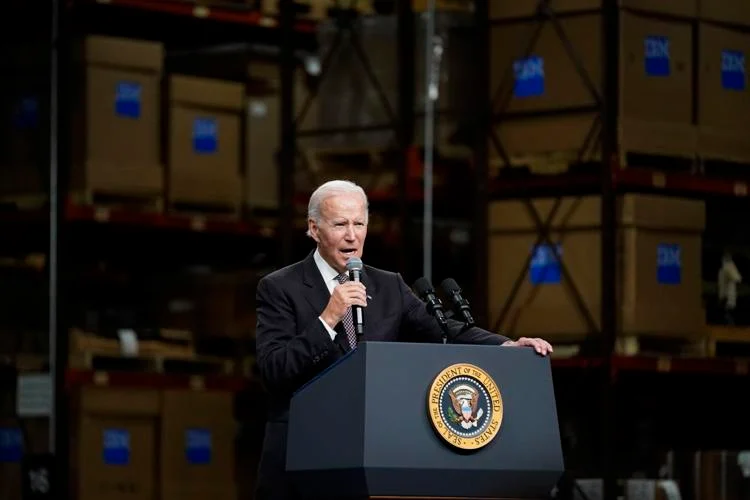
President Joe Biden on Thursday pardoned thousands of people convicted under federal law of simple marijuana possession and urged governors around the country to do the same with state offenses. Not all governors, however, have such unilateral authority. The proclamation specified it applied to only the “offense of simple possession of marijuana.” The Libertarian Party estimated the pardon would affect about 6,500 people. “As I often said during my campaign for president, no one should be in jail just for using or possessing marijuana,” Biden said in a statement. “Sending people to prison for possessing marijuana has upended too many lives and incarcerated people for conduct that many states no longer prohibit.” Biden said he’s also asking the secretary of Health and Human Services, Xavier Becerra, and Attorney General Merrick Garland to review how marijuana is regarded under federal law. Biden said marijuana is considered the same class of drug as heroin and LSD and is on a higher schedule of classification than fentanyl and methamphetamine. The Department of Justice released a statement saying it would launch a “scientific review” of how marijuana is scheduled under federal law. The Democratic political action committee MeidasTouch said the pardon was historic. “President Biden pardoning all prior federal offenses of simple marijuana possession may just be the single-most transformative, morally right, politically smart use of the pardon power in history. It’s impossible to overstate just how massive this news is,” MeidasTouch posted on Twitter. Occupy Democrats tweeted it was the “greatest presidential mass pardon in history.” The move comes just more than four weeks before Election Day. Analysts quickly seized on the announcement as a plea to voters, especially younger voters and those of color. Biden’s announcement does not decriminalize marijuana under federal law. In 1970, the Controlled Substances Act made it what is labeled Schedule 1. This means it has “no currently accepted medical use and a high potential for abuse.” Many states have since made all uses of marijuana legal, and others have made medical marijuana legal. The Republican Party’s national website and Twitter feeds of its chairwoman and chairman, did not have an immediate response at the time of this publication. Republished with the permission of The Center Square.
HHS awards $1 million to Alabama community health centers
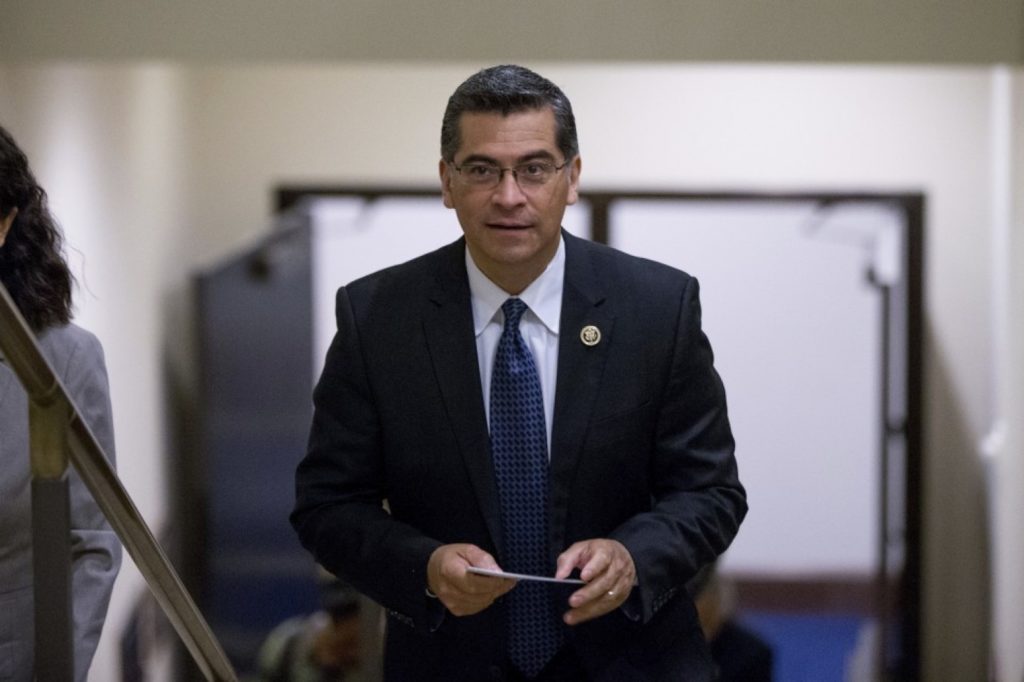
Today, the U.S. Department of Health and Human Services (HHS), through the Health Resources and Services Administration (HRSA), awarded $1,048,000 in American Rescue Plan funding to 16 community health centers in Alabama to advance health equity through better data collection and reporting. On Friday, August 5, President Joe Biden issued a proclamation on National Health Center Week to recognize the vital role health centers play in safeguarding the well-being of Americans. These awards will help strengthen efforts to eliminate inequities in COVID-19 care and outcomes within communities of color and other underserved populations. The nearly $90 million in funding also builds on the $7.6 billion invested from the American Rescue Plan to strengthen the health center workforce, renovate facilities, and equip them with essential COVID-19 medical supplies over the past year. “We have prioritized advancing equity in our COVID-19 response and throughout all of our work,” said HHS Secretary Xavier Becerra. “Community health centers have played a pivotal role in the nation’s COVID-19 response, and now serve more than 30 million people across the country. Today’s investments will help ensure that all patients have equitable access to the high-quality health care they deserve.” HRSA’s initiative is designed to enable health centers to have better data on both patient health status and social determinants of health. With better information, programs can tailor their efforts to improve health outcomes and advance health equity by more precisely targeting the needs of specific communities or patients, particularly as part of the public health emergency response. “Time and again, the COVID pandemic has demonstrated the vital role of trusted community leaders in delivering health care services,” said HRSA Administrator Carole Johnson. “Health centers are that trusted resource in the highest risk and hardest hit communities in the country. As we recognize the heroic work of the frontline health care workers who make health centers what they are, today we also are investing in the tools they need to help them continue to best serve their communities.” The nearly 1,400 HRSA-funded community health centers in the U.S. serve as a national source of primary care in underserved communities. They are community-based and patient-directed organizations that deliver affordable, accessible, and high-quality medical, dental, and behavioral health services to more than 30 million patients each year, with specific initiatives intended to reach people experiencing homelessness, agricultural workers, and residents of public housing. The following centers will receive funding in Alabama. ALABAMA REGIONAL MEDICAL SERVICES BIRMINGHAM AL $65,500 ALETHEIA HOUSE, INC. BIRMINGHAM AL $65,500 CHRIST HEALTH CENTER, INC. BIRMINGHAM AL $65,500 CAHABA MEDICAL CARE FOUNDATION CENTREVILLE AL $65,500 QUALITY OF LIFE HEALTH SERVICES INC GADSDEN AL $65,500 AIDS ACTION COALITION OF HUNTSVILLE HUNTSVILLE AL $65,500 CENTRAL NORTH ALABAMA HEALTH SERVICES, INC. HUNTSVILLE AL $65,500 BAYOU LA BATRE AREA HEALTH DEVELOPMENT BOARD, INC IRVINGTON AL $65,500 ALTAPOINTE HEALTH SYSTEMS, INC. MOBILE AL $65,500 FRANKLIN PRIMARY HEALTH CENTER, INC. MOBILE AL $65,500 MOBILE COUNTY BOARD OF HEALTH MOBILE AL $65,500 CAPSTONE RURAL HEALTH CENTER, THE PARRISH AL $65,500 NORTHEAST ALABAMA HEALTH SERVICES, INC. SCOTTSBORO AL $65,500 RURAL HEALTH MEDICAL PROGRAM, INC. SELMA AL $65,500 SOUTHEAST ALABAMA RURAL HEALTH ASSOCIATES TROY AL $65,500 Health Center Program Look-Alikes Organization City State Amount HAPPI HEALTH HUNTSVILLE AL $65,500
White House responds to new transgender laws in Alabama
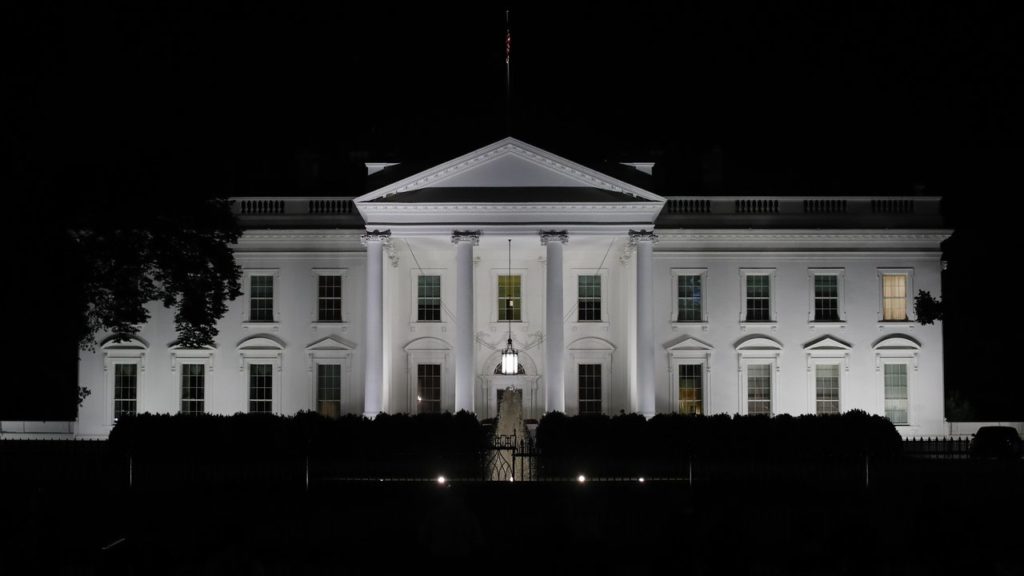
The White House today has reacted to the recent transgender laws in Alabama. The Vulnerable Child Compassion and Protection Act was signed by Gov. Kay Ivey in April and took effect on Sunday. The law will make it a felony for doctors to prescribe puberty blockers and hormones to trans people under age 19. Four Alabama families with transgender children have filed a lawsuit challenging and the U.S. Department of Justice has joined the suit. Alabama is the first state to enact such a ban, and a similar measure in Arkansas was blocked by a federal judge before it took effect. Health and Human Services Secretary Xavier Becerra responded to the law, vowing to support trans youth. Becerra stated, “HHS is committed to protecting young Americans who are targeted because of their sexual orientation or gender identity, and supporting their parents, caregivers, families and their doctors. I know that many youth and their families are feeling scared and isolated because of these attacks — and I want them to know we see you, we support you and we are with you. HHS is closely monitoring the situation in the states, and will use every tool at our disposal to keep our kids and doctors safe.” White House Press Secretary Jen Psaki said during a press briefing that the Biden administration will not ‘hesitate to hold states accountable’ as lawmakers advance anti-trans laws across the country. “Alabama’s lawmakers and other legislators that are contemplating these discriminatory bills have been put on notice by the Department of Justice and the Department of Health and Human Services that laws and policies preventing care that healthcare professionals recommend for transgender minors may violate the constitution and federal law,” stated Psaki. “LGTQI+ people can’t be erased or forced back into any closets and kids across our nation should be allowed to be who they are without the threat that their parents or their doctor could be in prison simply for helping them and loving them.” In April, Alabama Secretary of State Steve Marshall said in a statement on Twitter, “On April 8, Alabama enacted the Vulnerable Child Compassion and Protection Act to protect children from experimental medical procedures that have no proven benefit and carry a substantial risk of long-term, irreversible harm.” “There are very real challenges facing our young people, especially with today’s societal pressures and modern culture,” Ivey said in a statement. “I believe very strongly that if the Good Lord made you a boy, you are a boy, and if he made you a girl, you are a girl.”
Home COVID tests to be covered by insurers starting Saturday

Starting Saturday, private health insurers will be required to cover up to eight home COVID-19 tests per month for people on their plans. The Biden administration announced the change Monday as it looks to lower costs and make testing for the virus more convenient amid rising frustrations. Under the new policy, first detailed to the AP, Americans will be able to either purchase home testing kits for free under their insurance or submit receipts for the tests for reimbursement, up to the monthly per-person limit. A family of four, for instance, could be reimbursed for up to 32 tests per month. PCR tests and rapid tests ordered or administered by a health provider will continue to be fully covered by insurance with no limit. President Joe Biden faced criticism over the holiday season for a shortage of at-home rapid tests as Americans traveled to see family amid the surge in cases from the more transmissible omicron variant. Now the administration is working to make COVID-19 home tests more accessible, both by increasing supply and bringing down costs. Later this month, the federal government will launch a website to begin making 500 million at-home COVID-19 tests available via mail. The administration also is scaling up emergency rapid-testing sites in areas experiencing the greatest surges in cases. The insurer-covered testing would dramatically reduce costs for many Americans, and the administration hopes that by easing a barrier to more regular at-home testing, it can help slow the spread of the virus, get kids back into school more quickly and help people gather safely. “This is all part of our overall strategy to ramp up access to easy-to-use, at-home tests at no cost,” Health and Human Services Secretary Xavier Becerra said in a statement. “By requiring private health plans to cover people’s at-home tests, we are further expanding Americans’ ability to get tests for free when they need them.” Biden announced the federal requirement late last year, and it kicks in on Jan. 15, but the administration had been silent until now on details of the plan. The administration is trying to incentivize private insurers to cover the tests up-front and without a cumbersome reimbursement process. Insurance plans that work with pharmacies and retailers to cover the up-front costs of the tests will be required to reimburse only up to $12 per test if purchased through an out-of-network retailer. Plans that don’t move proactively to set up a network of pharmacies would have to cover the full retail price that the customer paid — which could be more than $12 per test. There was no immediate reaction from insurers or details yet on potential insurer and retailer partnerships ahead of Saturday’s effective date. Only tests purchased on or after January 15 will be required to be reimbursed, the administration said. Some insurers may choose to cover the costs of at-home tests purchased earlier, but they won’t have to. Mina Bressler, a mother of two and a therapist in San Mateo, California, was able to buy rapid test kits online and shared some with a parent who works in the service industry and doesn’t have time to “sit at her computer every hour refreshing the Walmart page to see when tests are in stock.” “I gave her some, and her kids went to school. That’s one time, and there’s a million of her,” Bressler said. “Just like vaccines becoming available really shone a light on the inequity of what’s going on in this pandemic, I think testing is the new flashlight for that because who’s going online stalking Walmart? It’s not the most vulnerable people in the county,” Bressler added. Americans on Medicare won’t be able to get tests reimbursed through the federal insurance plan, but Medicaid and Children’s Health Insurance Program plans are required to cover the cost of at-home tests fully. Those who are not on a covered insurance plan can receive free tests through the forthcoming federal website or from some local community centers and pharmacies. Republished with the permission of the Associated Press.
Members of Congress press HHS Secretary to release more COVID-19 monoclonal antibody treatment to Alabama
Congressmen Mo Brooks, Barry Moore, Gary Palmer, and Mike Rogers sent a letter to U.S. Department of Health and Human Services Secretary Xavier Becerra voicing concerns over the Biden Administration’s distribution of monoclonal antibody treatments available to Alabama. The U.S. Department of Health and Human Service (HHS) recently halted treatment expansion plans and imposing limitations on the state’s allocation of monoclonal antibodies, reported Al.com. In September, the Medical Association of the State of Alabama also voiced their concerns with the new approach to allocating monoclonal antibodies. HHS changed the distribution method to make sure monoclonal antibody treatment is distributed equitably. Prior to the change, almost 70 percent of the monoclonal antibody supply in the U.S. was being used by just seven southern states: Alabama, Florida, Texas, Tennessee, Mississippi, Georgia, and Louisiana. These states also have some of the lowest vaccination rates. Senator Tommy Tuberville introduced legislation last week that would block the HHS policy limiting monoclonal antibody treatments. The letter states, “HHS’s change appears to have caused Alabama to experience a significant drop in mAb dose availability, thus unnecessarily putting lives at risk. Further, it appears many healthcare providers and clinics have struggled with anticipating shipments, resulting in patients being unable to receive the mAb therapy. “We ask HHS to clarify if the allocation formula will reduce the number of mAb doses allocated to states based on a state’s ability to properly report to HHS how many mAb’s were used. “Lastly, we request an explanation of why there has been such a lack of clarity by HHS on when treatments will become available.” Brooks stated in a press release, “According to University of Alabama in Birmingham researchers, monoclonal antibody (“mAb”) therapy reduces risk of hospitalization by 70% in high-risk unvaccinated persons. But, the Biden Administration is throttling Alabama’s supply of mAb treatments according to the Alabama Department of Public Health. The signers of this letter want answers from the Biden Administration about why they’re reducing the number of lifesaving treatments available to Alabamians.” Rep. Moore commented, “This allocation change to the supply of monoclonals in the midst of a public health emergency delayed potentially life-saving treatments to many Alabamians. The federal government implemented this change at a time when many Alabama hospitals were in the midst of a crisis from a rise in the delta variant. Adding even more government red tape to our hospitals at a time like this is inexcusable. This administration needs to stop playing politics when there are lives at stake.”
Joe Biden lifts abortion referral ban on family planning clinics
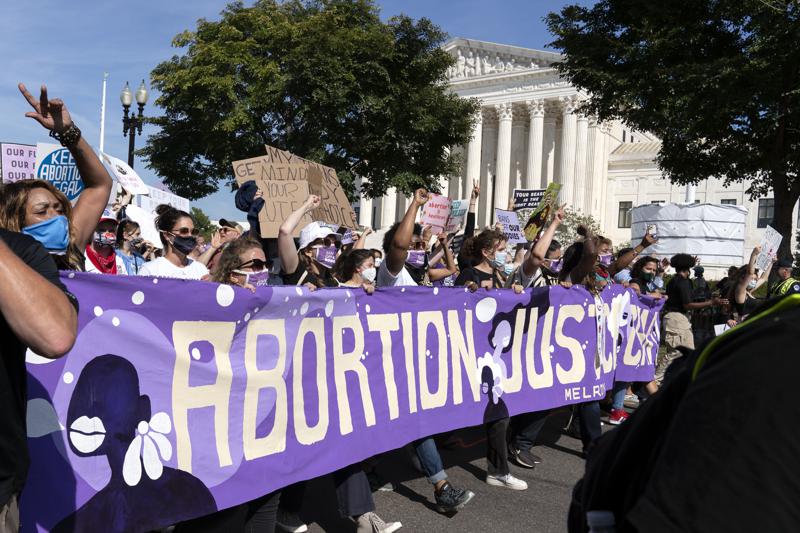
The Biden administration on Monday reversed a ban on abortion referrals by family planning clinics, lifting a Trump-era restriction as political and legal battles over abortion grow sharper from Texas to the U.S. Supreme Court. The Department of Health and Human Services said its new regulation will restore the federal family planning program to the way it ran under the Obama administration when clinics were able to refer women seeking abortions to a provider. The goal is to “strengthen and restore” services, said HHS Secretary Xavier Becerra. Groups representing the clinics said they hope the Biden administration action will lead some 1,300 local facilities that left in protest over Donald Trump’s policies to return, helping to stabilize a longstanding program shaken by the coronavirus pandemic on top of ideological battles. “I have heard that almost everywhere in the country people have made the decision that conditions will be good for them to return to the program,” Clare Coleman, president of the umbrella group National Family Planning & Reproductive Health Association, said in an interview. “My sense is that people have been waiting for the rule.” Planned Parenthood, the biggest service provider, said on Twitter its health centers look forward to returning. But the group criticized part of the Biden administration rule that allows individual clinicians who object to abortion not to provide referrals. The administration said that’s “in accordance with applicable federal law.” Known as Title X, the taxpayer-funded program makes available more than $250 million a year to clinics to provide birth control and basic health care services mainly to low-income women, many of them from minority communities. Under former President Donald Trump, clinics were barred from referring patients for abortions, prompting a mass exit by service providers affiliated with Planned Parenthood, as well as several states and other independent organizations. Women’s groups labeled the Trump policy a “gag rule,” and medical organizations called it a violation of the clinician-patient relationship. But religious and social conservatives praised the policy for imposing a strict separation between family planning services and abortion. Under federal law, clinics cannot use federal family planning money to pay for abortions. However, abortion opponents argue that birth control funding for organizations like Planned Parenthood, the leading provider of abortions, amounts to an indirect subsidy. On Monday, the National Right to Life Committee criticized the Biden administration for “supplementing the abortion industry through taxpayer funds.” Title X family planning clinics served about 3.9 million clients in 2018, but HHS estimates that number fell by nearly 40% after the Trump policy. The upheaval may have led to more than 180,000 unintended pregnancies, the agency said. In all, more than one-quarter of the clinics left the program. Although several states stepped up with their own no-strings-attached funding, women in some parts of the country still lost access. Combined with service disruptions due to COVID-19 shutdowns, “this has just been a massive one-two punch to the system,” said Coleman. Joe Biden campaigned on a promise to overturn the restrictions on family planning clinics, but abortion was not a central issue in the 2020 presidential race. It may become one in the 2022 midterm elections to determine who controls Congress. Restrictive state laws in Texas, Mississippi, and elsewhere have prompted a mobilization by abortion rights supporters, who fear a conservative-leaning Supreme Court will overturn the 1973 Roe v. Wade decision that legalized abortion nationally. Hundreds of abortion-themed protests were held around the country Saturday, including one that brought thousands of abortion rights supporters to the court’s steps. The Supreme Court has allowed the Texas law to take effect but has not ruled on the substantive legal questions behind that statute, which bans most abortions in the state. The justices will hear arguments on December 1 on the Mississippi law, which bans most abortions after 15 weeks of pregnancy. The court now tilts decidedly to the right after Trump appointed three conservative justices. Twelve states have passed laws that would ban abortion entirely if Roe is overturned. “Given the attacks on abortion in Texas and across the country, it’s more important than ever that patients can access their choice of birth control and other health care through Title X,” Planned Parenthood President Alexis McGill Johnson said in a statement. The new abortion referral policy for family planning clinics will take effect on November 8.
Tommy Tuberville backs legislation to block HHS policy limiting monoclonal antibody treatments
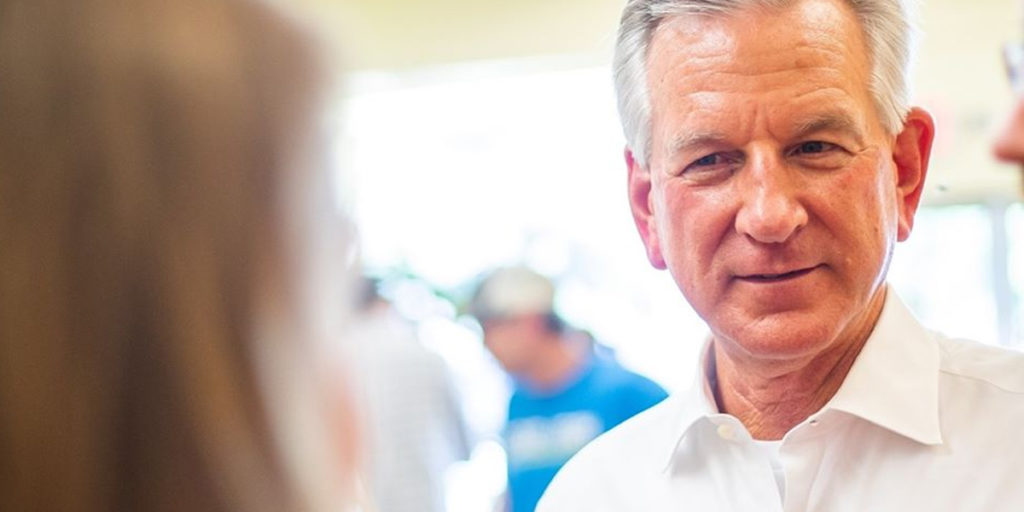
Senator Tommy Tuberville joined Senators Marco Rubio (R-FL), Rick Scott (R-FL), Roger Marshall (R-KS), Kevin Cramer (R-ND), Marsha Blackburn (R-TN), and Mike Braun (R-IN) to introduce the Treatment Restoration for Emergency Antibody Therapeutics (TREAT) Act. The U.S. Department of Health and Human Services (HHS) recently changed the distribution method to make sure monoclonal antibody treatment is distributed equitably. Prior to the change, almost 70 percent of the monoclonal antibody supply in the U.S. was being used by just seven southern states: Alabama, Florida, Texas, Tennessee, Mississippi, Georgia, and Louisiana. These states also have some of the lowest vaccination rates. “Given this reality, we must work to ensure our supply of these life-saving therapies remains available for all states and territories, not just some,” HHS said in a statement. Monoclonal antibodies are lab-made proteins that mimic the immune system’s ability to fight off harmful antigens such as viruses. They were FDA approved in 2020. Dr. Meredith Chuk, who is leading the COVID-19 monoclonal antibody therapeutics team for HHS explained shipments of the treatments climbed from about 10,000 patient courses a week in June to more than 200,000 a week in recent weeks. Chuk stated, “It was really not sustainable to ensure that we had product across geographies and across time.” “We had about 70% of our supply going to a small portion of the country, given the surges, and we really want to make sure that we have product and that it can be equitably used,” Chuk added. The legislation would stop HHS from implementing policies that restrict hospitals from ordering and receiving monoclonal antibody (mAb) treatments directly from manufacturers and distributors. The act would also nullify the Biden Administration’s policy requiring hospitals and other facilities to work through states to receive monoclonal antibody supplies. Tuberville recently sent a letter to HHS Secretary Xavier Becerra demanding answers and transparency following the abrupt distribution changes. The letter stated, “While I certainly understand that these states may have lower vaccination rates than others, it stands to reason that they would benefit more from a steady and direct supply of mAb treatments to keep hospitalization rates down.” “We know that monoclonal antibody treatments save lives so it is beyond me why the Biden administration has taken it into their own hands to throttle the supply of this lifesaving treatment. I have yet to receive any answers to my questions for HHS about the reasoning behind these new restrictions, which is cause for concern, especially considering predominately Republican states are being impacted. Across Alabama, medical professionals and folks who got the virus have stressed to me the importance of ensuring this therapeutic is not caught up in partisan politics. I will do everything in my power to make sure that doesn’t happen, and those who need the treatment receive it without delay,” stated Senator Tuberville.
White House offers new tax credit to help spur vaccinations
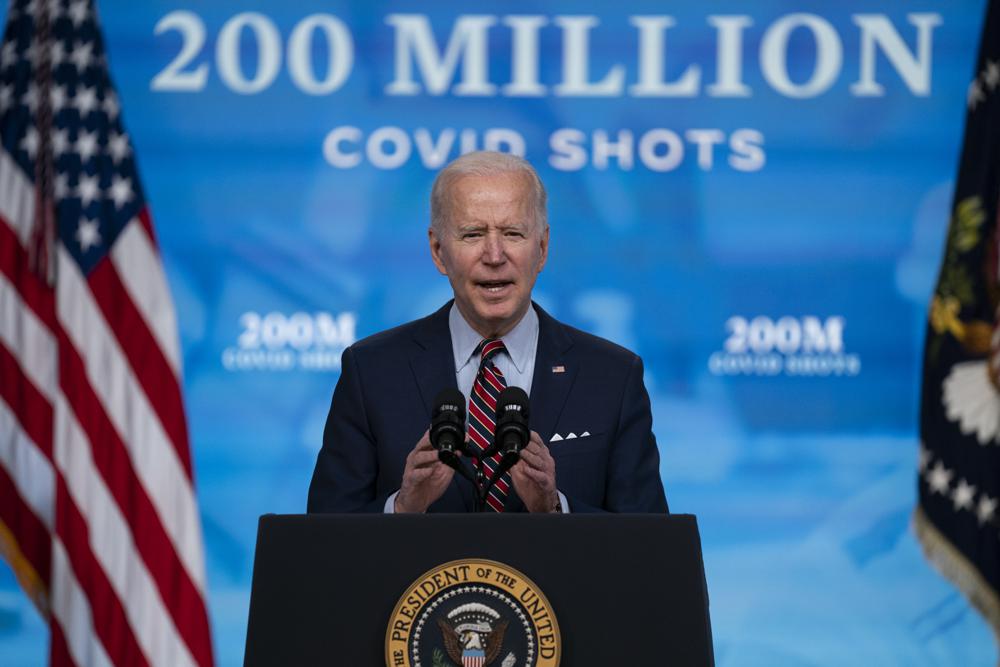
President Joe Biden on Wednesday announced new employer tax credits and other steps to encourage people reluctant to be inoculated to get the COVID-19 vaccine as his administration tries to overcome diminishing demand for the shots. The moves came as Biden celebrated reaching his latest goal of administering 200 million coronavirus doses in his first 100 days in office. With more than 50% of adults at least partially vaccinated and roughly 28 million vaccine doses being delivered each week, demand has eclipsed supply as the constraining factor to vaccinations in much of the country. In a White House speech on Wednesday, Biden acknowledged entering a “new phase” in the federal vaccination effort that relies on increased outreach to Americans to get their shots, both to protect them and their communities. “Vaccines can save your own life, but they can also save your grandmother’s life, your co-worker’s life, the grocery store clerk, or the delivery person helping you and your neighbors get through the crisis,” Biden said. “That’s why you should get vaccinated.” Over the past week, the pace of inoculation in the U.S. has slowed slightly. That is partly a reflection of disruptions from the “pause” in the administration of the Johnson & Johnson shot for a safety review, but also of softening interest for vaccines in many places even as eligibility has been opened to all those older than 16. As the vaccination program progresses, the administration believes it will only get more difficult to sustain the current pace of about 3 million shots per day. Roughly 130 million Americans have yet to receive one dose. Surveys have shown that vaccine hesitancy has declined since the rollout of the shots, but administration officials believe they have to make getting vaccinated easier and more appealing, particularly for younger Americans who are less at risk from the virus and do not feel the same urgency to get a shot. That means providing incentives and encouragement to get vaccinated, as well as reducing the friction surrounding the vaccination process. Biden announced a tax credit for small businesses to provide paid leave for those getting vaccinated or potentially needing to take time off to recover from side effects. Paid for through the $1.9 trillion virus relief package passed last month, the tax change would provide a credit of up to $511 per day per employee for businesses with fewer than 500 workers to ensure that those workers or businesses don’t suffer a penalty by getting vaccinated. The White House is urging larger employers, which have more resources, to provide the same benefits to their workers, and educate them about the shots and encourage them to get vaccinated. “We’re calling on every employer, large and small, in every state, give employees the time off they need with pay to get vaccinated,” Biden said. According to the White House, just 43% of working adults have received at least one shot. As Biden celebrated the vaccine milestone, there is a different reality in the states. In Iowa, nearly half of the counties are not accepting new doses of the COVID-19 vaccine from the state’s allotment because demand has fallen off. In Florida, Palm Beach County plans to close mass vaccination clinics at the end of May with thousands of available vaccine slots unclaimed. In rural West Virginia, a vaccine clinic at a casino/race track parking garage is opening shots to out-of-state residents to address lagging demand. The hope is that people from Washington, D.C., make the hour’s drive to get vaccinated. In Arizona, a plan collapsed that would have opened a federally run vaccine site in Tucson; demand is slipping, and county officials preferred more targeted, mobile locations. Asked about the dip in vaccinations, Health and Human Services Secretary Xavier Becerra said “fluctuation is not uncommon” and that “what we want to do is continue to encourage Americans to continue to get vaccinated.” “The pace of vaccination isn’t linear,” Becerra said, adding that “we are on a pretty good pace.” Through its partnership with more than 40,000 retail pharmacies, the White House says more than 90% of Americans now live within 5 miles of a vaccination site. The administration is encouraging state and local efforts to bring vaccines directly to people, whether through initiatives reaching the homebound or clinics at large employment sites. Many states have also begun to open up vaccination sites to walk-in appointments, reducing reliance on often-cumbersome reservation systems. Maximizing the number of Americans vaccinated in the coming months is critical for the White House, which is aiming to restore a semblance of normalcy around the July Fourth holiday and even more so by the beginning of the next school year. Administration officials have been careful to avoid predicting when the country will have vaccinated enough people to reach herd immunity — when enough people become immune to a disease to make its spread unlikely. The U.S. is on track to have enough vaccine supply for every adult by the end of May and for every American by July, but administering the shots will be another matter. With its stockpile secure and demand dropping at home, the president spoke again of sharing excess doses with allies. Biden said he talked with Canadian Prime Minister Justin Trudeau for about 30 minutes on Wednesday. “We helped a little bit there, we’re going to try to help some more,” Biden said, referring to his decision last month to share about 1.5 million doses of the AstraZeneca vaccine with Canada. “But there’s other countries as well that I’m confident we can help, including in Central America. But it’s in process.” He added. “We don’t have enough to be confident to send it abroad now. But I expect we’re going to be able to do that.” Biden set his goal of 200 million shots last month after meeting his 100 million-in-100 days goal just over a month ago. That original benchmark was announced Dec. 8, days before the U.S. had even one authorized vaccine, let alone the three that