On Thursday, Alabama Governor Kay Ivey signed legislation to prevent criminals facing serious pending charges from getting out on parole.
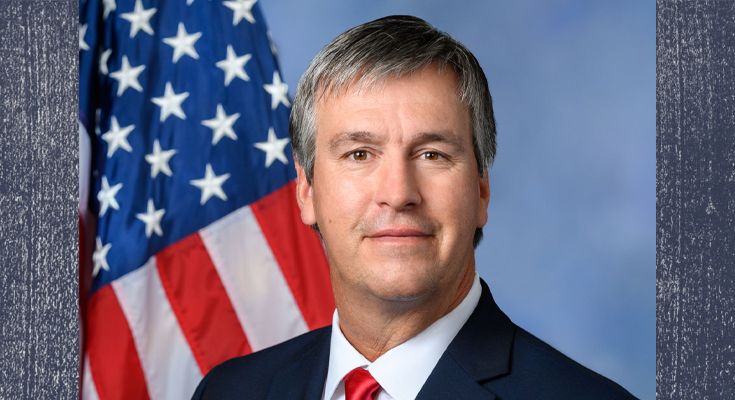
House Bill 131 (HB131) was sponsored by State Representative Wes Kitchens (R-Guntersville) and carried in the Senate by State Sen. Sam Givhan (R-Huntsville).
Alabama Attorney General Steve Marshall applauded the signing of HB131 to correct a fatal flaw in Alabama’s parole system. HB131 was proposed after the infamous Jimmy O’Neal Spencer case exposed a statutory loophole that allowed a prisoner with pending charges to still be considered for parole before those charges were properly resolved.
“Throughout the session, this legislature has prioritized the correction of deficiencies within our criminal justice system,” said Attorney General Marshall. “HB131 closes an important loophole to ensure that no offender be released on parole while new charges are pending. This is a public safety issue, but it also spares crime victims of having to show up and relive their experiences at parole hearings that are unnecessary.”
HB131 has been signed into law, correcting a fatal flaw in the parole statute. Thank you, @wes_kitchens and @Sam_Givhan, for sponsoring this important public safety legislation.
— Attorney General Steve Marshall (@AGSteveMarshall) June 2, 2023
In August 2022, Jimmy O’Neal Spencer – who was serving two life sentences and was awaiting trial on three capital-murder charges – was given a parole hearing. The parole board at the time denied Spencer’s parole, but Marshall said that this peculiar loophole in our parole system needed to be closed.
According to the synopsis, “Under existing law, prisoners in the custody of the Department of Corrections are eligible for parole in certain circumstances. This bill would provide that a prisoner is not eligible for parole if he or she has been duly charged with a new offense that has not been disposed.”
“If you are a prisoner facing serious charges that carry penalties by more than six months, you can’t be up for parole,” Kitchens said.
Spencer, a lifetime career criminal, came up for parole even though he was then facing three charges of capital murder for the slayings of Colton Lee, Martha Reliford, and Marie Martin. Crimes he committed after the previous Parole Board granted him parole even though he was serving two life sentences. An angry Gov. Ivey replaced the Board members in the wake of this and other debacles for their leniency that was widely condemned as far too reckless. The new Parole Board denied Spencer’s parole application, but that could have ended differently with much more lenient parole commissioners. The signing of this legislation has closed that loophole in existing statute.
2023 has been a good legislative session for Marshall. He said that as the Chief Law Enforcement Officer of Alabama, he has led on three public safety initiatives this legislative session, including the Deputy Brad Johnson Act and SB143, creating sentencing enhancements for members of criminal enterprises, including gangs. Each bill has been met with overwhelming bipartisan support.
The legislature has also imposed stiffer penalties on exhibition driving, organized retail theft, and deadly fentanyl traffickers.
The state is in the process of building two new mega prisons in Elmore and Escambia Counties.
Marshall is serving his second elected term as attorney general following his landslide re-election last year.
Tuesday is the final day of the 2023 Alabama Regular Legislative Session.
To connect with the author of this story or to comment, email brandonmreporter@gmail.com.
Related
Share via: