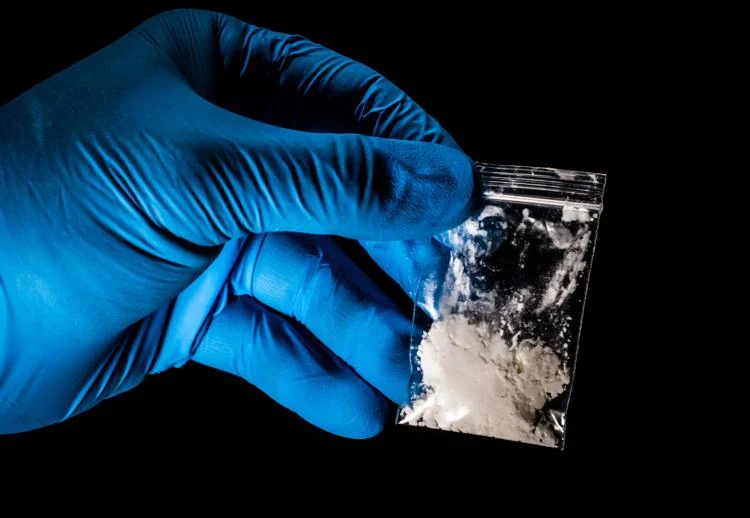
On Tuesday, the Alabama Senate sent legislation to Gov. Kay Ivey to make it a felony if someone chemically endangers a first responder. Sponsors say that this has become necessary due to the fentanyl crisis. Fentanyl is very potent and can be absorbed through the skin. A police officer or paramedic who comes into contact with even tiny quantities of fentanyl while interacting with a person can become extremely sick. The legislation passed the Senate on Tuesday. It had already passed the House of Representatives.
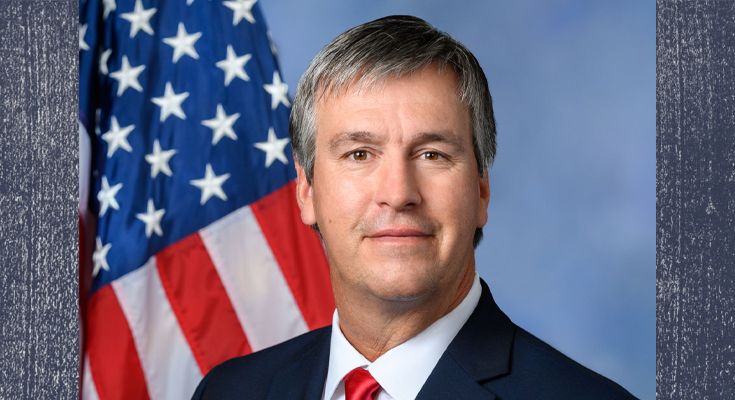
House Bill 230 (HB230) is sponsored by State Representative Matt Simpson (R-Daphne). It was carried in the Senate by State Senator April Weaver (R-Briarfield).
“This bill creates the crime of chemical endangerment of a first responder while that individual is performing his or her duty,” Weaver said.
Senate Minority Leader Bobby Singleton (D-Greensboro) asked, “This is a felony on a person, isn’t it?”
Weaver answered, “Yes, it is. We are all very interested in making sure that our first responder personnel are protected when they arrive at a scene.”
Weaver said that the prevalence of fentanyl across Alabama is the impetus for this legislation.
“This is creating a way for imposing penalties for the chemical endangerment of a first responder,” Weaver said. “The Department of Forensics say that they are seeing so much of that (fentanyl) throughout the state right now.”
Singleton asked, “Does this bill deal with the intent to do it?”
“Usually, when first responders come, it is due to an emergency,” Singleton said. “I might be having a seizure and convulsing, and I might accidentally touch your face with my hands, and I have fentanyl on them. You are coming to try to save my life. I am not trying to hurt you.”
Weaver answered, “Three words: knowingly, recklessly, or intentionally.”
Singleton said, “That does address my concern of intent because that is a high bar to prove. I want to make sure that we don’t do something with unintended consequences.”
SB230 passed the Alabama Senate 30 to 0.
“If he knowingly, negligently, or intentionally injures a first responder with a scheduled one controlled substance,” Simpson said when the legislation was in the House of Representatives. “If it is just physical injury, it is a Class C felony. If it is a serious physical injury, it is a Class B felony. To cause the death of a first responder would be a Class A felony.”
Of the four classes of felonies in Alabama – A, B, C, D – A is the most serious and typically carries the largest penalties.
“Why did you not have this in your previous bill,” raising the penalties for fentanyl traffickers Rep. Juandalynn Givan asked.
“I did not want to muddy the water with that bill,” Simpson explained. “Researching that bill, I talked with officers who had been injured in the line of duty from exposure (to drugs).”
“It is not just being around it,” Simpson said. For the crime of chemical endangerment of a first responder, the injury must be caused by “ingestion, inhalation, or contact” with the controlled substance.
The House of Representatives passed HB230 as amended on a 105 to 0 vote. The legislation now goes to the governor.
Tuesday was day 30 and the final day of the 2023 Alabama Regular Legislative Session.
To connect with the author of this story or to comment, email brandonmreporter@gmail.com.
Related
Share via: