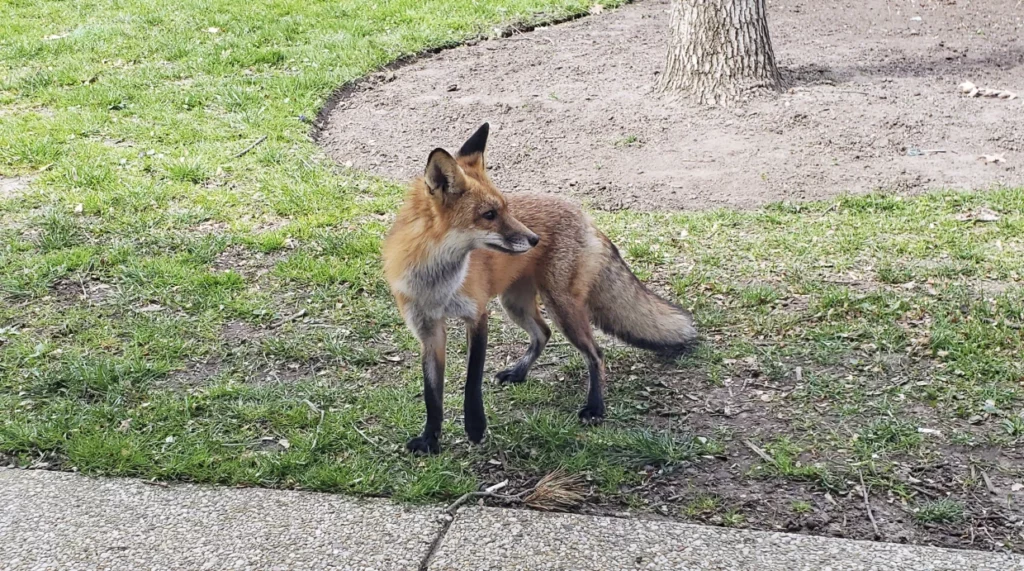
Rabies remains a serious concern in Alabama. The Alabama Department of Public Health (ADPH) reports that a fox in the city of Ashland, Alabama, in Clay County, has tested positive for rabies.
The fox was reported to the local law enforcement as acting strangely and stumbling around in the city limits. The police were able to capture it. The fox tested positive for rabies. No other animals were known to be exposed, but there were a few domestic animals on the property that were not vaccinated. The fox is having additional tests to identify the strain of rabies.
There are two major strains of rabies: a raccoon strain and a bat strain. Both are found in Alabama.
Wildlife, especially, raccoons, pose a risk of rabies to other animals and humans. The best protection is to keep your animal current on rabies vaccines.
ADPH is reminding pet owners to keep their animals up to date on rabies vaccines.
State Public Health Veterinarian Dr. Dee Jones said, “Vaccinating your animals against rabies is the best way to keep your pets protected from the deadly virus. Animal vaccinations also help protect people. People are often exposed when the animal first becomes sick and before rabies can be confirmed.”
15 people in Russell and Lee County as well as pets were recently exposed to rabies by a rabid cat last month.
A fox in Houston County tested positive for rabies in April.
A raccoon in Houston County tested positive for rabies in February.
Alabama law requires that all dogs, cats, and ferrets be vaccinated at 3 months of age and annually unless they receive a three-year rabies vaccine.
The first rabies vaccination is only good for one year, regardless of which vaccine a pet gets.
The best way to combat rabies is prevention:
· Taking precautions with wildlife.
· Make sure their pets are current on rabies vaccinations.
· Always reporting an animal bite or other exposures to their medical provider and the ADPH.
To avoid possible exposures to rabies:
· Do not let pets run loose; confine pets in a fenced-in area or with a leash.
· Do not leave uneaten pet food or scraps near your residence.
· Do not illegally feed or keep wildlife as pets.
· Do not go near wildlife or domestic animals that are acting in a strange or unusual manner.
· Caution children not to go near any stray or wild animal, regardless of its behavior.
Rabies is fatal for humans and pets alike. There is no treatment.
For more information, visit the ADPH website.
To connect with the author of this story or to comment, email brandonmreporter@gmail.com.
Related
Share via: