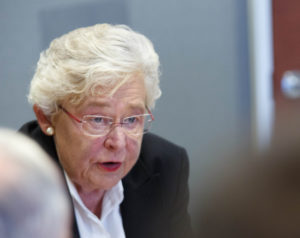
On Tuesday, Dr. Diane Counce spoke at the Mountain Brook Public Library to the Over the Mountain Chapter of Alabama Eagle Forum about her experiences treating patients suffering from long COVID. Counce is a neurologist who practices in the Birmingham area.
Dr. Counce said that she treats people who had a bout of COVID-19 and continued to show symptoms weeks and even months after the infection. She also treats people who believe their symptoms are due to the COVID-19 vaccine.
“Unfortunately, we see a lot of neurological problems with both the virus and the vaccine,” Dr. Counce said.
Counce explained that the spike protein in COVID-19 interacts with the ACE-2 receptors found in over 72 tissues in the body. It is a mRNA vaccine.
With long COVID, “one in five or one in seven are still having symptoms 28 days later,” Counce said. “203 symptoms have been documented. The average long COVID patient has 56 symptoms over nine organ symptoms. 86% would relapse when physically or psychologically stressed.”
“The Science Journal confirmed that vaccines are linked to autoimmune disorders,” Counce stated.
Counce said that symptoms of long COVID can also include blood clotting and heart myopathy.
“The German Ministry of Health has said that long vaccine injury is a real issue,” Counce said.
“People are spending lots of money treating this,” Counce said. “Insurance won’t pay for it because they don’t believe in it.”
“Pfizer, as of February 2021, knew,” Counce said, citing Pfizer’s own data that has since been made public.
“Cardiac issues occur about 40 days after the vaccine,” Counce said. “Neurological symptoms can turn up 100 days later. One hundred ninety-five days is about the average for neurological symptoms to occur.”
Counce explained that the spike protein can easily cross the blood-brain barrier through the bone marrow.
Symptoms include malaise, lethargy, microclotting, and GI issues.
Treatments include ivermectin, intermittent fasting, N-acetyl cysteine, Vitamin C, Vitamin D, MagTen, and a low histamine diet.
Counce said that for patients with clotting issues, she has tried Eliquis + Plavix + aspirin, natokinase, serrapeptase, lumbrokinase, neprionol, and vascyzyme.
Dr. Counce recommended a clean diet: no seed oil, no canola, and no processed foods.
“On the length of time of treatment, we don’t know,” Counce said. There have been cases where the patients relapsed after treatments stopped.
Counce said that common neurological symptoms of long-term COVID or vaccine injury include brain fog, Bell’s palsy, and cognitive impairment.
“These people are showing up at my clinic that are as though they have had Parkinson’s for five years, and it has just shown up,” Counce said,
Counce said that long-term COVID can bring on the onset of muscular sclerosis.
Counce said that scans of some of her patient’s brains show a depletion of the grey matter and/or diffuse grey matter atrophy.
Long Covid can also worsen the condition of dementia patients.
Dr. Counce recommended Dr. Jordan Vaughn at Med-Health 280 and Dr. Stewart Tankersley if you have long COVID or may be suffering from a vaccine injury.
Dr. Counce’s views are a minority opinion within the medical establishment.
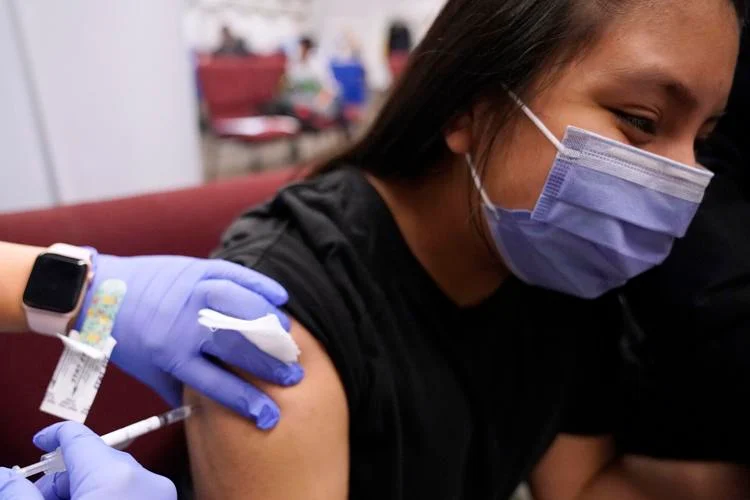
The Centers for Disease Control and Prevention (CDC) and the Alabama Department of Public Health still recommend that every person six months of age and older receive the COVID-19 vaccine and receive booster shots twice yearly.
“The Advisory Committee of Immunization Practices has approved updated 2023-24 COVID-19 vaccines for all Americans 6 months and older who have not received a vaccine in the past two months,” ADPH wrote in a recent press release. “Vaccination remains the best protection against COVID-19-related hospitalization and death. Vaccination also reduces the chance of suffering the effects of Long COVID, which can develop during or following acute infection and last for an extended time. The updated mRNA vaccines are produced by Moderna and Pfizer-BioNTech. An updated Novavax vaccine has been authorized and should be available soon.”
There are presently 14,863 known active COVID-19 cases in the state of Alabama. Since 2020, 21,138 Alabamians have died from COVID-19. 1,659,936 people in Alabama have contracted COVID-19. The actual number is likely higher as many people either had mild symptoms or suffered through it at home without seeking medical treatment.
To connect with the author of this story or to comment, email brandonmreporter@gmail.com.
Related
Share via: