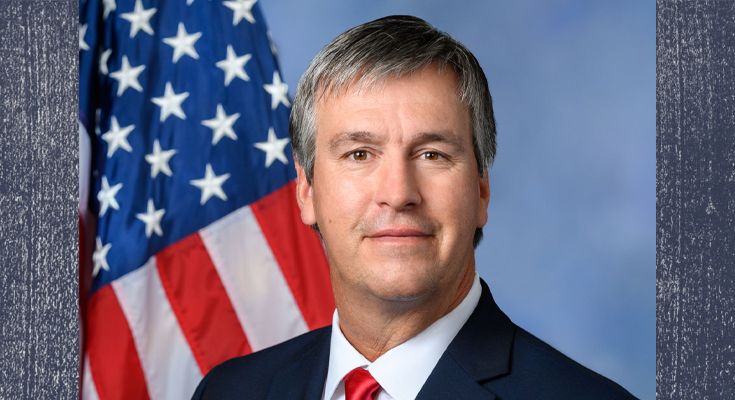
On Wednesday, Alabama Department of Commerce Secretary Greg Canfield said, “Rural Alabama looks set for long-term economic growth.” Canfield is set to leave state government at the end of the month.
“When I reflect on what we’ve achieved during my tenure at the Alabama Department of Commerce, one of the things I always underline is an increased emphasis on rural development,” Canfield said. “This began with the new strategies we adopted in Accelerate Alabama 2.0, the updated version of our strategic economic development plan. We took a step further in 2019 when Commerce formed its first Office of Rural Development, led by Brenda Tuck.”
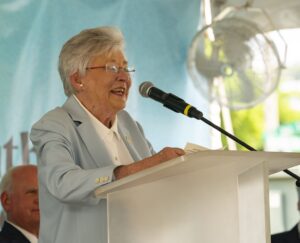
“Since then, we’ve been on a roll. In the past three-plus years, the economic development team working in Alabama’s rural counties has secured over $4 billion in new capital investment through projects projected to create more than 5,400 jobs,” Canfield continued. “No wonder Governor Kay Ivey hailed this success as “nothing short of remarkable” at a recent summit for the state’s rural developers, organized by Tuck.”
“But don’t get caught up in the big numbers related to the rural projects since 2020,” Canfield said. “What’s really important is that these projects have improved communities and changed countless lives for the better in a lasting way. That’s what economic development is all about. And I’m especially proud of what we’ve accomplished in rural Alabama.”
Alabama grew between the 2010 and 2020 Censuses, but of the 67 counties, 55 were flat or in decline. Most of the population growth in the state during that period was in Baldwin, Madison, Lee, Limestone, Shelby, Lee, Tuscaloosa, Autauga, and St. Clair Counties, continuing a long-term trend that dates back to at least the Great Depression of children coming of age in rural Alabama and then going on to build their lives elsewhere, whether that is in Alabama or another state.
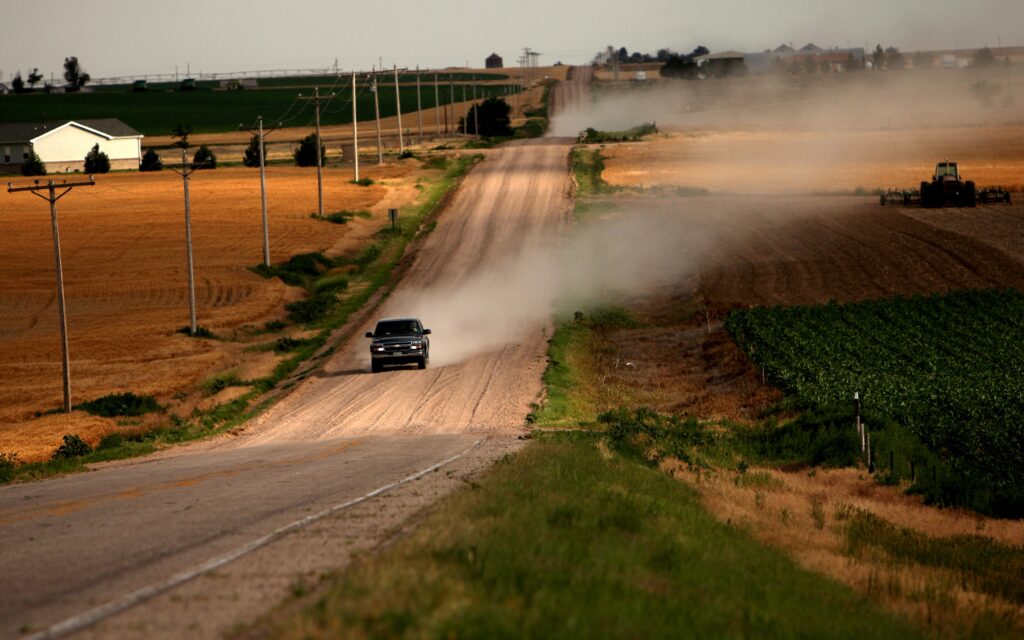
Some counties in Alabama have smaller populations today than they did in 1900. As Alabama has transitioned from agriculture to forestry, there are far fewer farms, and those timber plantations and hunting clubs don’t require the workers that the farms and ranches once did. Even where farm families have held on, the farms have gotten bigger, more mechanized, and support fewer workers than they did in generations past. This has left many small towns across the state in perpetual decline with an aging population whose grandchildren are growing up elsewhere.
Gov. Ivey, who grew up on a cattle farm in rural Wilcox County, has made reversing the decline in rural Alabama a goal of her administration, emphasizing economic development in rural areas, an expansion of rural broadband, school improvement, and infrastructure upgrades, including roads, bridges, water systems, and wastewater treatment.
To connect with the author of this story or to comment, email brandonmreporter@gmail.com.
Related
Share via: