
Activists claim unlicensed abortion clinic operates in Selma, plan protest
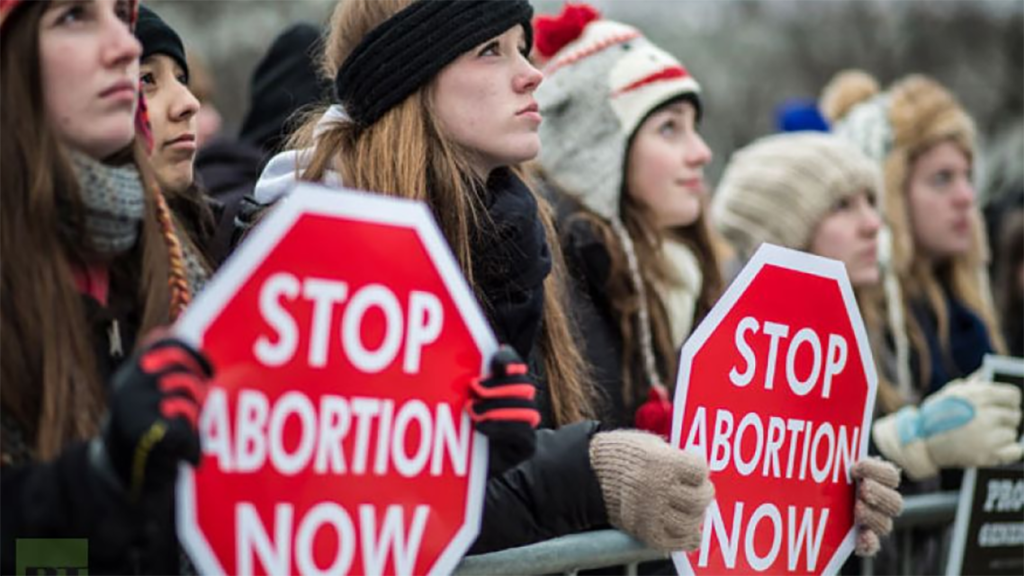
Activists are planning protests at what they say is an unlicensed abortion clinic in Selma despite a state investigation that failed to turn up evidence of the allegation. Abortion opponents said Wednesday that they will hold a rally Friday and march across the Edmund Pettus Bridge on Saturday in a demonstration against the Central Alabama Women’s Clinic. Participants include Alveda King, a niece of the late Martin Luther King Jr. Organizers said they have evidence that the medical office performs more than nine abortions monthly, which would require it to come under strict state regulations as an abortion clinic. Individuals working with abortion opponents repeatedly called the office without identifying themselves and scheduled appointments for abortion procedures, activists said. Audio clips of some phone calls were previously made public by abortion opponents. But an investigation by the Alabama Department of Public Health did not determine how many abortions are performed at the office, according to documents released by the agency. “This agency was unable to establish that the facility performed a number of abortions that would require it to be licensed as an abortion or reproductive health center,” said a March letter from a state attorney to the Life Legal Defense Foundation. While doctor’s offices are required to report the number of abortions they perform to the state, those reports are not public. Dr. Samuel C. Lett, who operates the clinic, did not return a phone message seeking comment. State records list five licensed abortion clinics in Alabama. The closest to Selma is in Montgomery, about 50 miles away. Republished with permission of The Associated Press.
AT&T hit by FCC with $100M fine for slowing speeds
AT&T Mobility LLC has been slapped with a record $100 million fine for offering consumers “unlimited” data, but then slowing their Internet speeds after they reached a certain amount. The company says it will fight the charges. The Federal Communications Commission said Wednesday that the company misled consumers into buying plans they thought would give them unlimited ability to send and receive data, including Web browsing, GPS navigation and streaming videos. But once the consumer hit a certain level, the data on unlimited plans would be slowed down significantly, at speeds lower than advertised, the FCC said. AT&T said it would “vigorously dispute” the fine, which was the largest proposed in FCC history. If AT&T can provide evidence that the FCC allegations are wrong, the fine could be reduced. Otherwise, if AT&T refuses to pay, it’s possible the two sides will wind up in court. “The FCC has specifically identified this practice as a legitimate and reasonable way to manage network resources for the benefit of all customers, and has known for years that all of the major carriers use it,” the company said in a statement released to reporters. “We have been fully transparent with our customers, providing notice in multiple ways and going well beyond the FCC’s disclosure requirements.” It’s not unusual for phone companies to slow, or “throttle,” speeds on a network as a way to manage congestion. Verizon slows down speeds for its heaviest users, but only on certain smartphones when there is congestion. Once the bottleneck eases, speeds return to normal. Until this spring, AT&T was slowing speeds until the customer’s next billing cycle, even when there was no congestion. Both Verizon and AT&T had phased out their unlimited plans after data usage grew following the iPhone’s launch in 2007. Existing customers, however, were able to keep their unlimited plans. The FCC says AT&T’s approach to unlimited plans violated the agency’s transparency rule. “Unlimited means unlimited,” said Travis LeBlanc, the FCC enforcement bureau chief. “As today’s action demonstrates, the commission is committed to holding accountable those broadband providers who fail to be fully transparent about data limits.” The hefty fine by the FCC comes on the heels of a federal lawsuit filed against the company last fall. The Federal Trade Commission, which enforces rules against deceptive advertising, said it wants to refund customers who were offered the unlimited data packages, only to be given slower data speeds than advertised. That lawsuit is still working its way through a federal court in California. Earlier this year, the FTC accused TracFone Wireless of similar tactics. TracFone agreed to settle the case for $40 million. AT&T Mobility is located in Atlanta and is a subsidiary of Dallas-based AT&T Inc. Republished with permission of The Associated Press.
Birmingham police looks to buy more body cameras
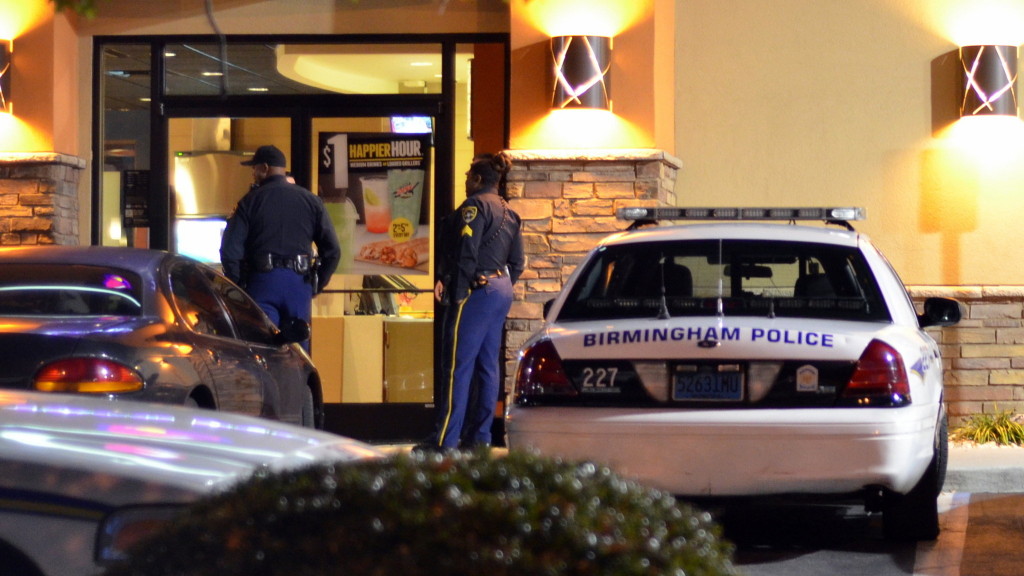
Birmingham police are asking for federal help to buy more body cameras. Al.com reports city council voted Tuesday to approve an application for a $600,000 U.S. Department of Justice grant for the cameras. Police Chief A.C. Roper says federal officials are planning to award grants to a dozen cities and the department is working toward every officer being equipped with a camera. Roper says evening and night shift patrol officers are now outfitted with body cameras. Republished with permission of The Associated Press.
Mike Rogers: Report from Washington — TSA failures outrageous
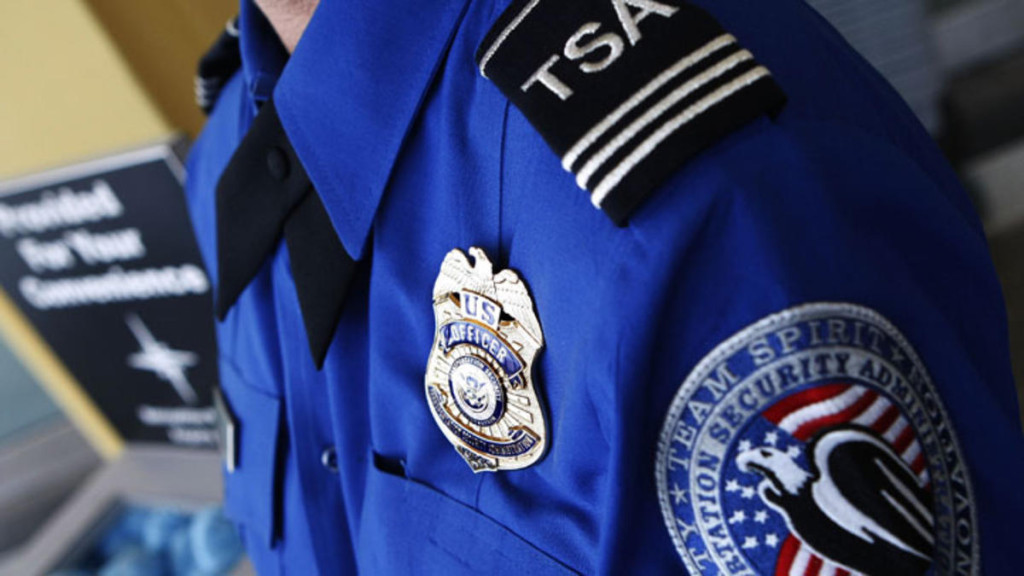
Anyone across East Alabama who has taken a flight during the past few years knows what a long and frustrating event the passenger screening process can be as folks make their way with their belongings to their gate of departure. After the 9/11 terrorist attacks on U.S. soil, the Transportation Security Agency (TSA) was created to help prevent any further attacks and strengthen the security of our aviation system. Unfortunately, TSA has become one of the most dysfunctional and despised agencies in the Federal government. I wasn’t in Congress when TSA was created, but as a current member of the Committee on Homeland Security and former chairman of the Transportation Security subcommittee, I have been and remain an outspoken critic of the TSA. Jokingly, some folks say TSA stands for “Thousands Standing Around,” and we are all familiar with their famous mishaps like treating a 95-year-old cancer patient like a terrorist. But now, more troubling, we learn that TSA failed 67 out of 70 government tests to detect weapons or fake explosives. I think TSA is a failure because it is a bloated bureaucracy that wastes millions of taxpayer dollars while trampling on the privacy of innocent Americans. This week, I was part of the Homeland Security Transportation Security Subcommittee Hearing titled, “How TSA Can Improve Aviation Worker Vetting.” The purpose of the hearing was to discuss the vetting of TSA workers after it came to light that over 70 aviation workers across the country had some sort of ties to terrorism. Again, it is unfathomable to me that this is even happening. We cannot take risks when it comes to the safety of our traveling public and our homeland. TSA, as it is structured, is a massive failure that can’t even get its most basic task done right. It is time to clean house at TSA and reinvent it as a smarter, leaner organization that incorporates private sector ingenuity. As always, I want to hear from you on this or any issue. Please sign up for my e-Newsletter, sign up for my Tele-town Hall calls by subscribing to my Vekeo channel, like me on Facebook, follow me on Twitter, Pinterest and Instagram, on Tumblr subscribe to my YouTube page. Mike Rogers represents Alabama’s 3rd Congressional District. He is in his third term.
Jeb Bush = Tiger Woods
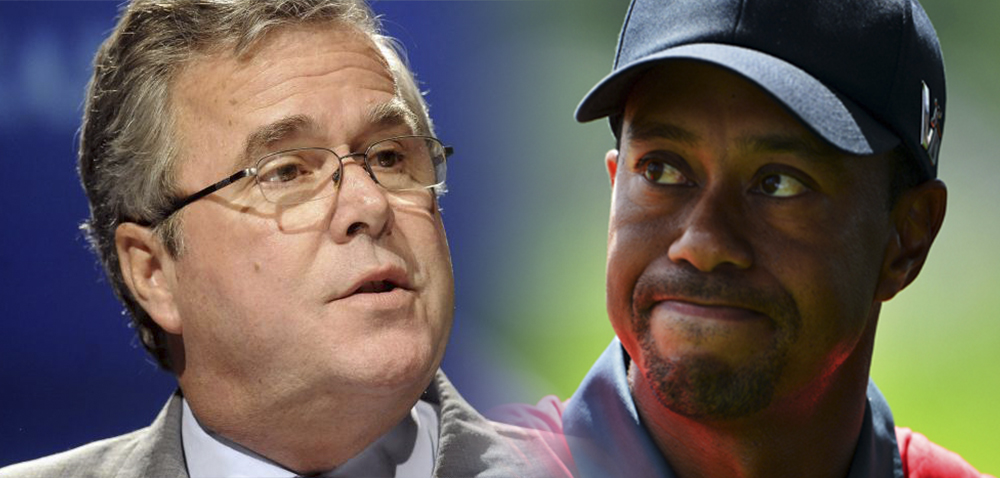
For the past several weeks, the mainstream press has reveled in pummeling the soft underbelly of Jeb Bush‘s non-campaign. From a bad week on the trail when Jeb couldn’t provide a cogent response to the Iraq war question to a host of new occupants pushing their way into the Republican presidential clown car to an alleged “shake-up” on his staff that involved, let’s see, giving a guy from Iowa a different title in his nascent organization, the press has been relentless in painting Jeb as a hapless rube riding the bad side of the Darwinian curve. And yet, despite the foreshadowing of his demise, Bush has been consistently, and sometimes even powerfully, moving the ball down the field. In the past two weeks, he has managed to pull off what no other Republican candidate has accomplished: a trip to Europe where he effortlessly projected the competence of a seasoned American statesman. Bush received solid reviews for his deft handling of foreign policy and his ability to build diplomatic bonds. By contrast, when Chris Christie recently visited the United Kingdom — usually a layup for an American politician — he managed to turn it into a political disaster. Eventually, Christie even refused to take questions from reporters. Scott Walker did little better while in Europe, comparing Wisconsin union protesters to ISIS and lamely concluding that he wouldn’t answer questions about foreign policy on foreign soil. And then there was this week’s official announcement. Bush’s organization shrewdly packed a college gymnasium with thousands of rabid Jebophiles, many of whom were Latinos armed with Jeb-logoed thundersticks. (Contrast this to the 800 or so people who showed up for the Marco Rubio announcement.) The excitement and enthusiasm were palpable, and what we saw was perhaps the first glimpse ever of how a dominant and resurgent Republican Party could look in the decade ahead. One sensed that if Jeb Bush is elected president that historians will look back on that frenzied rally as a pivotal moment in the evolution of the Grand Old Party, and at center stage was the man who dared to reimagine the party in a new and compellingly inclusive way. Bush’s announcement was shockingly different than any other presidential announcement (almost ever), and Jeb looked perfectly comfortable in the frenetic and diverse environment. Now the announcement tour rolls on with Jeb popping up in the usual (Sean Hannity) and less expected (Jimmy Fallon) venues. He seems to be in full command of his capacities, taking all questions and fulfilling his promise to “joyfully” campaign. This week the “White Lebron” will swing through the early primary states, shaking thousands of hands and selling himself at the retail level. It’s actually not Lebron whom Bush should be compared, but Tiger Woods. No, not the current Tiger Woods who recently missed the cut at the Quicken Loans National, but Tiger Woods circa 1999-2007 (which coincidentally overlaps with Bush’s time in office). For much of Woods storied golfing career, one of the bets offered was him vs. The Field, meaning you could wager either on Tiger winning or all of the other golfers playing in a tournament. That almost seems preposterous until you realize that going into most events The Field was only a slight favorite (a dollar bet would only earn you 50 cents, while a dollar bet on Woods would earn you a buck twenty). Of course, the smart money would week in and week out bet on The Field, but it would not feel good about doing so because there was so much potential on the other side of the proposition. The same can be said about the race for the GOP presidential nomination. With Rubio, Walker, John Kasich, and so many other talented golfers, err, candidates in the field, the smart money would probably take The Field versus Bush. Maybe. PredictIt, an online political stock market that uses the marketplace to forecast events, currently has a share of stock in Bush winning the GOP nomination at 42 cents (were Bush to actually win, that share would pay out at a dollar). That feels about right. It’s still safer to take the rest of The Field, but not by much. That’s how it was each weekend Tiger Woods played in a golf tournament. And that’s how the presidential race is shaping up in the early stages. Meanwhile, Jeb is fully on the comeback trail, although pitfalls may lay ahead. For starters, the pundit-fueled descriptions of his earlier missteps were overblown. There’s not really a systemic failure from which he needs to come back. But, the data points over the last few weeks point in a strongly positive direction. What we are seeing is Jeb unchained, a more seasoned and liberated version of the guy we remember as our very successful governor, now free to act like a real candidate and clearly comfortable in his own skin. This is the Jeb who, if he continues to take risks and amass a mountain of campaign contributions, can become our next president.
Talladega looks to ban sagging pants
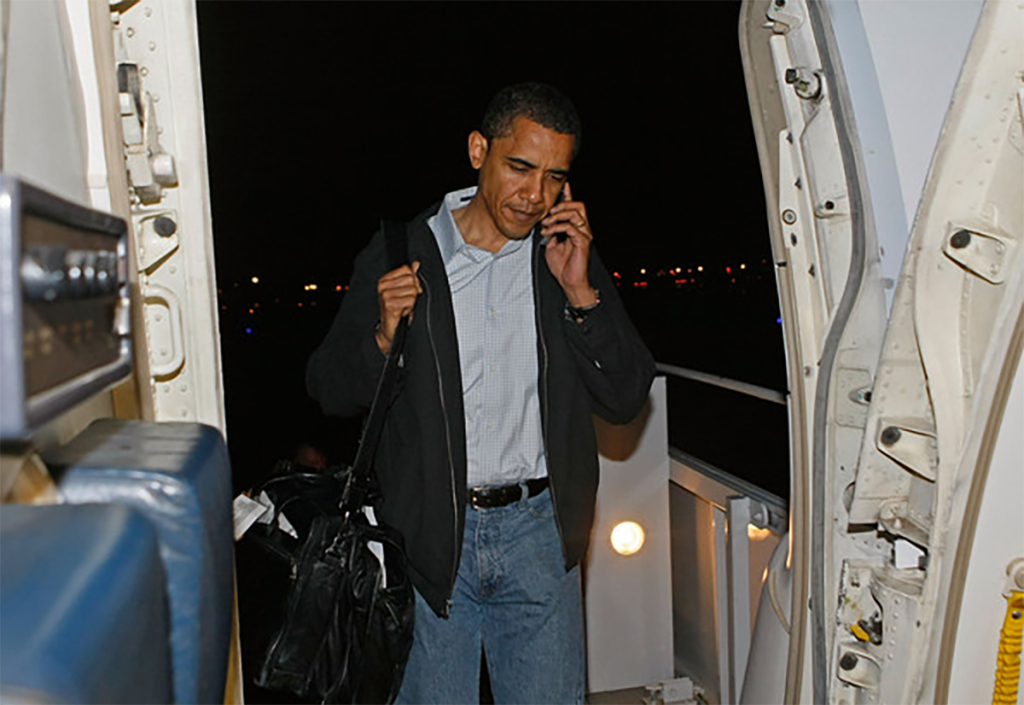
Should terrible fashion choices be outlawed? If so after we ban sagging pants can we re-evaluate the high-waisted Daisy-Duke cutoff jeans that young women wear these days? Joining a long line of cities before them the Talladega City Council is renewing a previous look into a resident’s request to ban sagging pants. The Anniston Star reports that resident Paul Johnson became concerned about the way sagging pants effects the community as a whole. He told the newspaper he considers them disrespectful, specifically to his granddaughter and the women in town. He asked that a ban be put in place and that punishments for violating it have teeth. Johnson told the Star, “I care about my community, about how and where I live. I want to teach my granddaughter what’s right, but we can’t do that if (sagging) is what she sees in public. If we don’t do something, it’s just going to get worse.” Bans on sagging pants have been proposed throughout the nation including in Talladega in the past. Last year, Ocala, Fla., passed a ban but repealed it when the NAACP threatened legal action. Even President Barack Obama weighed in on the issue. As a candidate in 2008 he said, ““Here’s my attitude: I think passing a law about people wearing sagging pants is a waste of time.” He did however go on to say, “Having said that, brothers should pull up their pants. You’re walking by your mother, your grandmother, and your underwear is showing. … What’s wrong with that? Come on. There are some issues that we face that you don’t have to pass a law [against], but that doesn’t mean folks can’t have some sense and some respect for other people. And, you know, some people might not want to see your underwear: I’m one of them.” Councilors have said they will hold public meetings on the issue and have the new city manager look into it when he starts. I’m hoping this issue only comes up just after the city gets to all the other important ones like actual crimes, poverty, hunger, etc.
Is Jeb Bush’s economic growth goal realistic?

Republican presidential candidate Jeb Bush says there’s “not a reason in the world” why the U.S. economy can’t grow at 4 percent annually. Actually, there are a bunch of reasons it probably can’t. Many economists say the U.S. economy is ill equipped to grow consistently at even close to 4 percent. Current forecasts put growth averaging half that rate. Any president, Republican or Democrat, would have to overcome decades-long trends that are largely beyond the control of the Oval Office. Those trends include the retirements of the vast generation of baby boomers, an exodus that limits the number of workers in the economy. Rising automation and low-wage competition overseas are among other factors. A result has been meager income growth, which has cut into the consumer spending that drives most economic growth. “It would require substantial changes in fiscal and regulatory policy that I don’t believe any president could reasonably expect to enact in one term,” said Robert Stein, an economist at First Trust Advisors who was a Treasury Department official during George W. Bush‘s presidency. In his campaign announcement on Monday, Jeb Bush said, “There is not a reason in the world why we cannot grow at a rate of 4 percent a year. And that will be my goal as president: 4 percent growth, and the 19 million new jobs that come with it.” The pledge originated from a plan by the George W. Bush Institute to achieve growth averaging 4 percent for a decade. Conservative economists defend the target as aspirational, a pledge that would leave the economy better off even if the next president fell short. “I’m less concerned about the number than the commitment to grow rapidly,” said Douglas Holtz-Eakin, an economist who has advised Republican presidential candidates and now is president of the American Action Forum. The historical odds of doubling growth from its current level are low. Only four of the 16 presidential terms since World War II have experienced annual economic growth averaging more than 4 percent after inflation, according to research published last year by Princeton University economists Alan Blinder and Mark Watson. President Harry Truman reaped the peace dividend as U.S. manufacturers helped rebuild nations devastated by World War II. The Kennedy and Johnson administrations enjoyed a boom because of tax cuts. And President Bill Clinton benefited during his second term from low interest rates and what eventually became a tech-stock bubble. There are two primary ways to increase an economy faster: add more workers or increase their efficiency so that each hour on the job generates more income. Neither factor looks spectacular enough to deliver 4 percent growth, particularly since the share of Americans working has drifted downward as the number of retirees has increased. “The demographics right now are for slowing population growth,” said Chad Stone, chief economist at the Center on Budget and Policy Priorities, a liberal think tank. The economy has 157.5 million workers, including the unemployed on the hunt for a job, according to the Labor Department. Their ranks increased just 0.3 percent in 2014, the best year for hiring since the late 1990s. When economic growth averaged about 4 percent during Clinton’s second term, the growth rate for the number of workers joining the economy averaged 1.5 percent, nearly five times higher than the current level. Because baby boomers are starting to retire, the nonpartisan Congressional Budget Office expects the rate will remain low and hinder broader growth. The CBO in January estimated that growth would average just 2.1 percent annually from 2018 to 2025. In theory, Bush as president could overcome that obstacle by welcoming substantially more immigrants in the United States. That would cause the growth rate of workers to rise much more quickly, said Michael Strain, deputy director of economic policy studies at the American Enterprise Institute, a conservative think tank. But efficiency gains — what economists call productivity — would still be a challenge. For the past seven years, productivity growth has averaged a poky 1.4 percent, according to the Labor Department. That’s nearly half its rate between 2000 and 2007. Economists say it’s generally difficult for government policymakers to unleash sudden bursts of productivity. One easy form of boosting productivity would involve government spending in infrastructure such as roads, bridges, ports and airports. Josh Bivens, director of research at the liberal Economic Policy Institute, sees these investments as the “most reliable lever” to bolster productivity. Yet he notes that a 10-year, $2.5 trillion government infrastructure program would increase economic growth only 0.2 to 0.3 percent annually. That increase would not be nearly enough to achieve consistent 4 percent growth after inflation. And the Republican presidential candidates have been committed to finding ways to shrink government’s footprint instead of introducing new spending programs. “There’s really no way,” Bivens said. Republished with permission of The Associated Press.
Jeb Bush starting behind others and nearly from scratch in Iowa
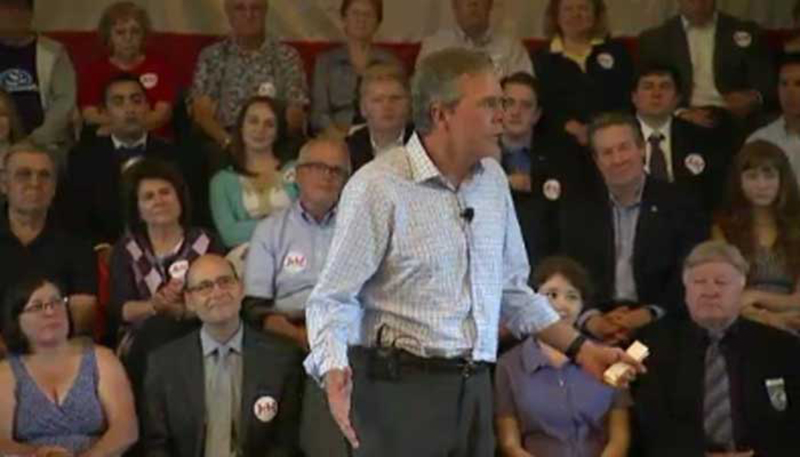
Republican presidential candidate Jeb Bush boasts blue chip donors, some of the best advisers in the campaign business and, of course, a famous political name. But when it comes to first-to-vote Iowa, he’s practically starting from scratch. The former Florida governor makes his first visit to the leadoff caucus state as a declared candidate Wednesday, where he has just three employees and has made only two visits this year. That’s far less time and resources than most of his rivals for the GOP nomination have invested in Iowa. “He has some making up to do,” said former state Rep. Renee Schulte, a Bush supporter. Asked this week if Bush was spending enough time in Iowa, Republican Gov. Terry Branstad — a cheerleader for Iowa’s outsized political influence — was telling in his answer. He spoke about someone else. “I would certainly compliment Governor Perry,” Branstad said, referring to the former Texas governor, Rick Perry. “I think he’s been here the most. And I think he’s building a good organization.” Perry has visited Iowa more than a dozen times in the past year. Bush’s aides say he can make the best use of the seven months until the caucuses by focusing more on populous areas such as swing-voting Cedar Rapids than on the sparser and more evangelical northwest. “Governor Bush is looking forward to campaigning all over Iowa in the lead-up to the caucuses. He’s all-in on the Iowa caucuses, and will campaign the right way,” said senior Bush adviser David Kochel, who is leading the early-state strategy. “He’ll go anywhere and work for every vote. He wants to earn Iowa’s support, in the caucuses as well as the general election.” It’s a break with the traditional type of caucus campaign, such as the one waged by former Pennsylvania Sen. Rick Santorum in 2012, when he visited each of Iowa’s 99 counties as part of an intense — and ultimately successful — strategy to win the state. It’s the approach Perry, who entered the 2012 campaign later and stumbled during debates, is now undertaking as part of an effort to win the state outright. With the backing of a deep-pocketed super PAC able to support him deep into the primary calendar, Bush appears less reliant on having to win Iowa. The recent cancellation of the Iowa straw poll may benefit Bush, who had planned to skip it. The straw poll forced some poor performers out of earlier campaigns; without it there may be no event to winnow the large GOP pack before the caucuses. That, in turn, could mean that a finish in the top tier — rather than an outright win — has more meaning than in the past. To be sure, Bush is hardly ignoring the state. Kochel, a Des Moines Republican now working out of Bush’s headquarters in Miami, is a veteran Iowa organizer and former adviser to Massachusetts Gov. Mitt Romney‘s presidential campaigns. Bush’s Iowa campaign director is Annie Kelly, who successfully ran one of the nation’s most competitive 2012 congressional campaigns in Iowa. What’s more, the Bush campaign is putting out a list of 20 elected officials and GOP activists who are endorsing him. And he has plans to talk to more GOP activists when he arrives Wednesday to headline a backyard get-together in Washington, Iowa, and later a town hall-style meeting, in Pella, both east of Des Moines. Former Iowa House Speaker Brent Siegrist, a Republican from GOP-heavy western Iowa, said he was expecting a call from Bush on Wednesday. His message to Bush? To do well will require Bush to keep showing up. “I think he could still do fairly well here, so he’s going to have to be here,” said Siegrist, who has not chosen a candidate. He said it won’t do for Bush to come to Iowa “and finish ninth.” Republished with permission of the Associated Press.
Robert Bentley made four appointments recently and announces vacancies
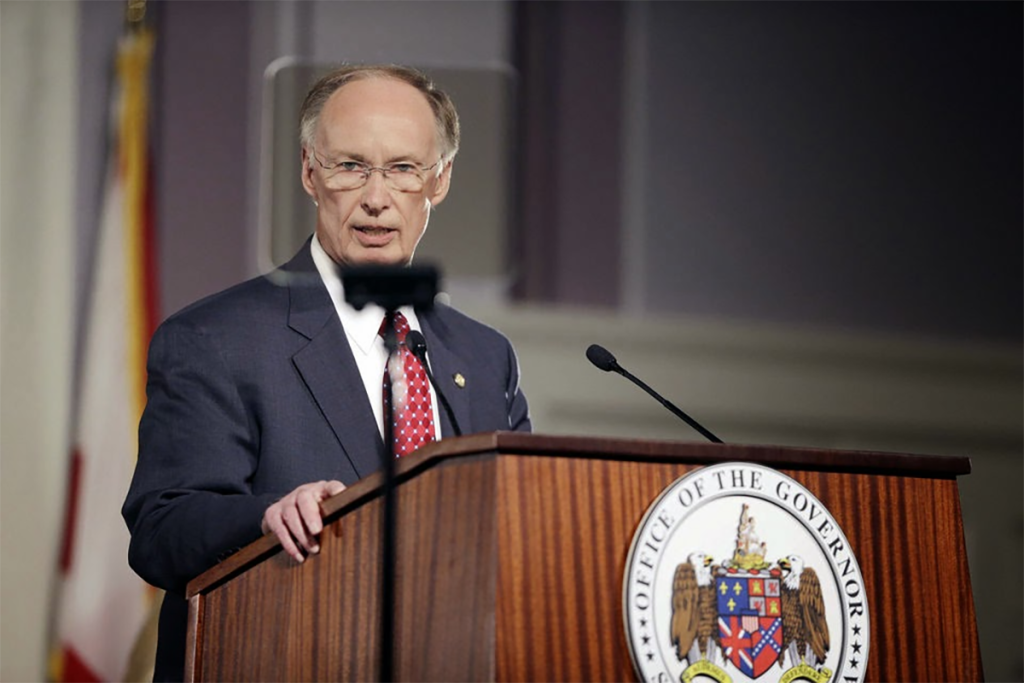
This is the second installment in our regular column about gubernatorial appointments. Bentley appointed nine in our last report and and additional four over the last two weeks. You can read about Bentley’s great success in having his appointments confirmed during legislative session. Recent Appointments Pickens County Board of Registrars – Emily Aaron Acker: Acker is completing an unexpired term due to resignation of former Chair Vannessa Stuckey Smith Baldwin County Circuit Judge – The Honorable Scott P. Taylor: Judge Taylor is a current District Judge being appointed to the Circuit bench. This will create a vacancy in District Court. Jacksonville State University Board of Trustees – Tony Ingram Alabama State University Board of Trustees – Darrell Hudson Current Boards & Commissions Vacancies With terms that expire June 2015 Alabama Private Investigation Board Alabama Lifespan Respite Coalition Independent Living Council Board of Home Medical Equipment Electrical Contractors Board With terms that expire July 2015 Alabama Workforce Council Restriction of Youth Access to Tobacco Advisory Board State Child Death Review Team Council on Health Costs, Administration and Organization 911 Board Athletic (Boxing) Commission With terms that expire August 2015 Walker County Civil Service Board Rehabilitation Council State Board of Human Resources Alabama Commission on Higher Education State Ethics Commission Interested candidates may submit their resume/bio to appointments@governor.alabama.gov.
