
Jim Zeigler weighing options after Baldwin school board ruling
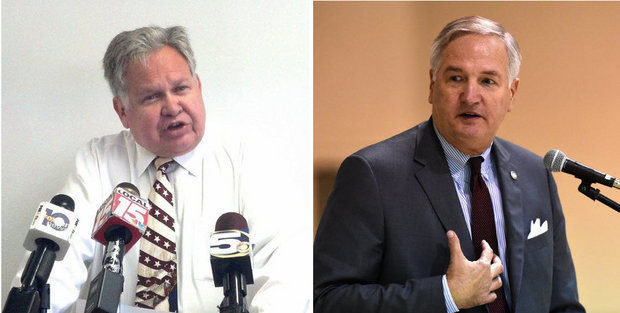
Montgomery Circuit Judge Greg Griffin has dismissed the lawsuit by State Auditor Jim Zeigler and two taxpayers of Baldwin County who sued attorney general Luther Strange and five Baldwin school officials, citing legal procedural grounds. Zeigler had sought a remedy from the court against he saw as mishandling of public funds and the public trust when elected officials within the Baldwin School System used about $250,000 in taxpayer money to fund their “Build Baldwin Now” campaign to persuade local residents to increase property tax rates to pay for new school construction. Griffin ruled Friday that the taxpayer plaintiffs lacked legal standing to sue and did not set out a specific “cause of action” against the defendants, including Strange and the school board members. Zeigler said the adverse ruling will not stop him from pursuing justice for Alabama taxpayers. “I’m not saying the court was in error regarding their ruling, but the ruling simply misses the law’s plain meaning,” said Zeigler on Monday. He points to section 17-17-5 of the Code of Alabama: “… no person in the employment of the State of Alabama, a county, a city, a local school board, or any other governmental agency, whether classified or unclassified, shall use any state, county, city, local school board, or other governmental agency funds, property, or time, for any political activities.” Zeigler, a former attorney, said there is no way to interpret the Baldwin campaign’s actions as conforming to that provision. The BBN campaign was patently a “political activity,” Zeigler said, because it sought to influence the outcome of a local election. Zeigler told ALToday.com on Monday he is continuing to investigate his legal options and confer with his fellow co-plaintiffs. He had said Friday that he’ll study the ruling before deciding whether to appeal to the Alabama Supreme Court. The judge’s order allows for 40 days of deliberation regarding that point, but Zeigler said he expects to take action far sooner than that.
Email insights: Dial-in with GOP hopeful Ted Cruz

The Alabama Republican Party will be holding the third of its series “Calling Alabama” with U.S. Sen.Ted Cruz this week. The most recent call was with Ben Carson and the call’s audio is available on the party website.
U.S. House of Representatives: July 20-24
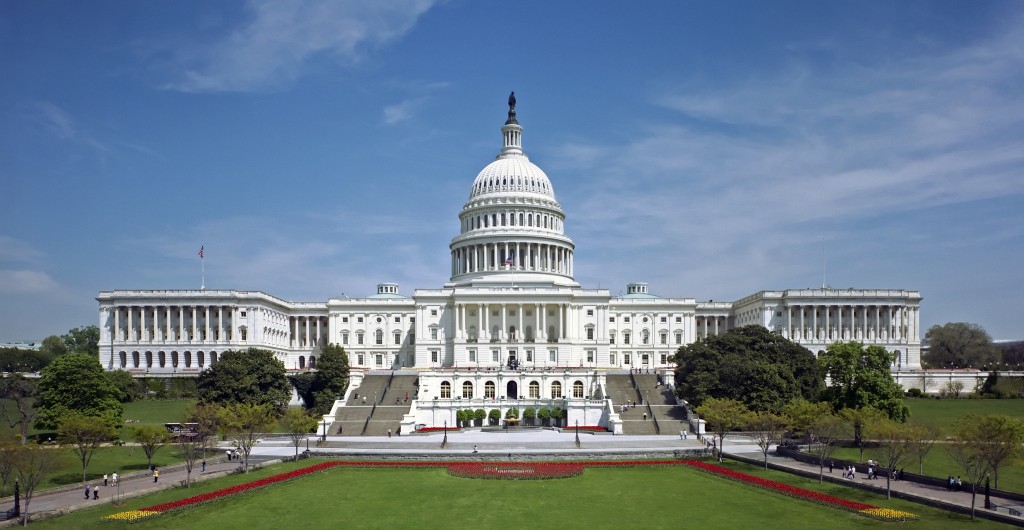
The U.S. House of Representatives returns Tuesday to tackle a very light legislative load now that House Leadership has canned the Interior Appropriations and patent reform bills from the floor schedule this week. Tuesday the House is in session and will consider four noncontroversial bills under suspension of the rules. A full list of bills that will be considered can be found here. Other legislation on the floor for a vote this week includes: H.R. 1734: the Improving Coal Combustion Residuals Regulation Act. The bill establishes minimum federal standards regarding the disposal and storage of coal combustion residuals. Alabama co-sponsors: Rep. Bradley Byrne (AL-1), Rep. Mike Rogers (AL-3) H.R. 1599: the Safe and Accurate Food Labeling Act. The bill would require a national standard for labeling laws related to genetically-modified organisms (GMOs) in foods It would pre-empt any related state and local laws and prohibit mandatory labeling of GMO or non-GMO foods. Alabama co-sponsors: Rep. Bradley Byrne (AL-1), Rep. Mike Rogers (AL-3), Rep. Mo Brooks (AL-5)
3 years after expanding film credits, state’s counting stars
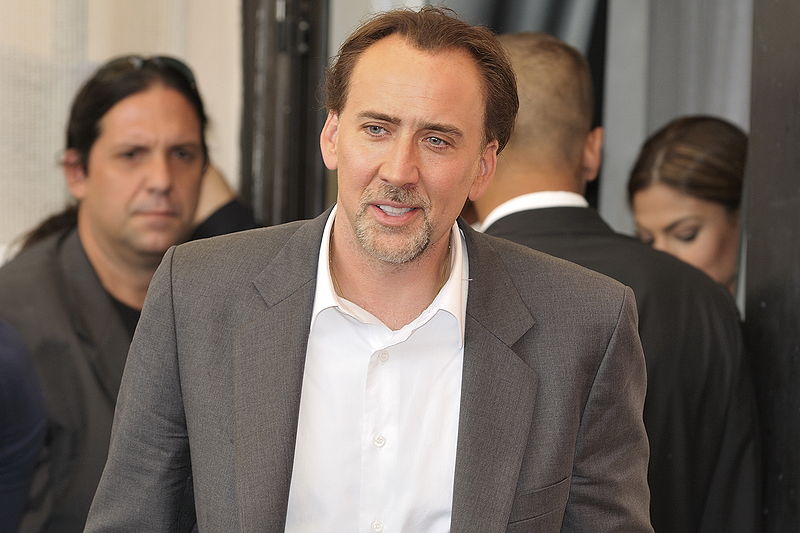
Richard Rionda Del Castro, the producer of USS Indianapolis — an upcoming movie starring Nicolas Cage about the sinking of the ship that transported the nuclear bomb to end World War II — is filming on and off Alabama’s coast this month. “What is exciting about this film is really making this story,” he said. “It’s a film that should have been made long ago, and I don’t understand why no producer has made this film before.” But it’s not just Orange Beach’s white sand, downtown Mobile’s historic architecture and a mansion outside of town that make Alabama an attractive setting for such a major motion picture. There’s something else pretty about this picturesque port town: tax credits. In 2012, the Alabama Legislature unanimously passed a bill expanding how much money companies that produce movies, television shows and commercials can recoup on expenses and payroll by filming in the state. Before then, state’s film incentive program, which began in 2009, was capped at $10 million. After that, it rose to $15 million in 2013, to $20 million in 2014 and to $25 million in 2015. According to the Alabama Film Office, the state since 2009 has hosted 55 projects: feature films, television shows and commercials. However, knowing the direct economic benefit — or loss — is nearly impossible to tell. Film office manager Kathy Falk said the program is bringing more films, more jobs and more revenue to cities where scenes are set. She said the state has nearly reached its incentives cap in the years since expanding. “We feel like we are getting back from it what we’re giving out,” Faulk said. “So we feel like our program is working the way it was intended and the way it should.” Films shot in Alabama are also seen as a boon for tourism. Lee Sentell, director of the state’s tourism department, said more tourists and school groups have traveled to Selma since the historical drama was released last year. “The gold standard was the film Selma,” Sentell said. “Not only was the story based in Alabama, but the most significant scenes were filmed where they actually happened, so that is a huge win for the production side but also for the tourism side. It was essentially a two-hour commercial for Alabama.” Marco Cordova, a film tax credit placement expert for Los Angeles-based Entertainment Partners, said incentives play a vital role in any location decision. Cordova said it’s often one of the very first things production companies consider. “I think that in general, incentives are helpings states attract business and create infrastructure that they wouldn’t have otherwise,” he said. Not everyone is giving film credits a four-star rating. Joseph Henchman, vice president of legal and state projects at the Tax Foundation, a right-leaning tax think tank that has studied film incentives, said states’ collective spending has plateaued at $1.5 billion. The number of states with programs has also fallen from its peak of 41 to under 30. “What we are seeing is it used to be every state had a small program, and now a couple of states have very large programs and the other states have very small programs,” he said. Henchman said some states have commissioned studies to examine the effectiveness of their programs and have found unfavorable results. He said production companies have been less than loyal when the money dries up. “As soon as you end your program or make it less generous or some other state makes theirs more generous, the industry’s out of there,” he said. A number of other states are capping, cutting or closing programs that for years have doled out millions of dollars. Lawmakers in Michigan, a state that began offering incentives decades ago, voted last month to end its program after this year. However, Del Castro said incentives are critical. “If you start changing the tax credits and making them less attractive, then we won’t come here,” he said. “And that will mean that all the progress that has been made by these men and women who work in this industry will be wasted.” Republished with permission of The Associated Press.
Governor Robert Bentley makes appointments to 10 boards, councils and commissions
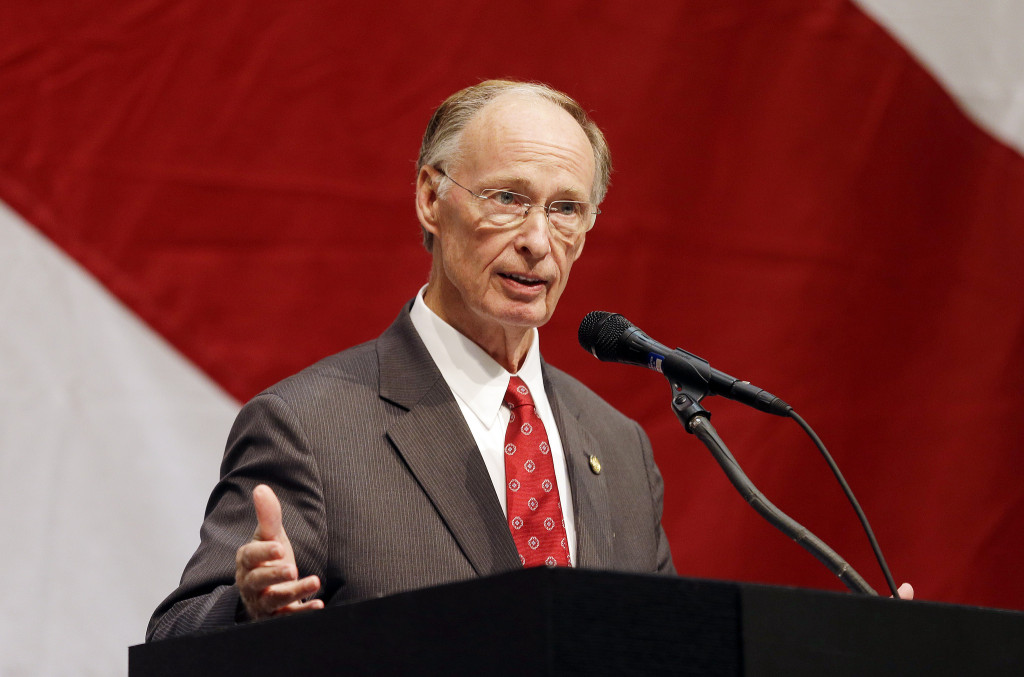
Governor Robert Bentley made 41 appointments to 10 different boards, councils and commissions last week. The majority went to the Alabama Workforce Council, Erin’s Law Task Force, and the newly created Advisory Board on Broadband Development. You can find more information on open board positions on the appointments webpage. State Board of Education Matthew Brown Alabama Workforce Council Norman A.Crow Jerry T. Mays Dale Greer Cleveland Poole Philip C. “Chap” Jackson III Commissioner Fitzgerald Washington Aerospace Alliance Neal Wade Bob Smith Erin’s Law Task Force Patrick Guyton Eric Graves Elizabeth Huntley Robin D. Mackey Susan Roberts Nathan A. Ryan Deborah Callins Lillie James-Osborne AWAWG FAP William Puckett Walker County Civil Service Rufus Reed Historic Ironworks Commission Johnny Curry Healthcare Improvement Task Force Peggy Benson Holocaust Foundation Alvin Benn Advisory Board on Broadband Colonel Jeff Dunn Fizergald Washington Neal Morrison Brunson White Ron Sparks Tommy Bice Greg Canfield Jim Byard Lee Sentell Spencer Collier Donald Williamson Jim Perdue Stephanie Azar Mark Heinrich Gregory Fitch John Cooper Rod Scott Phil Williams Gerald Dial
Hillary Clinton to propose increasing capital gains taxes
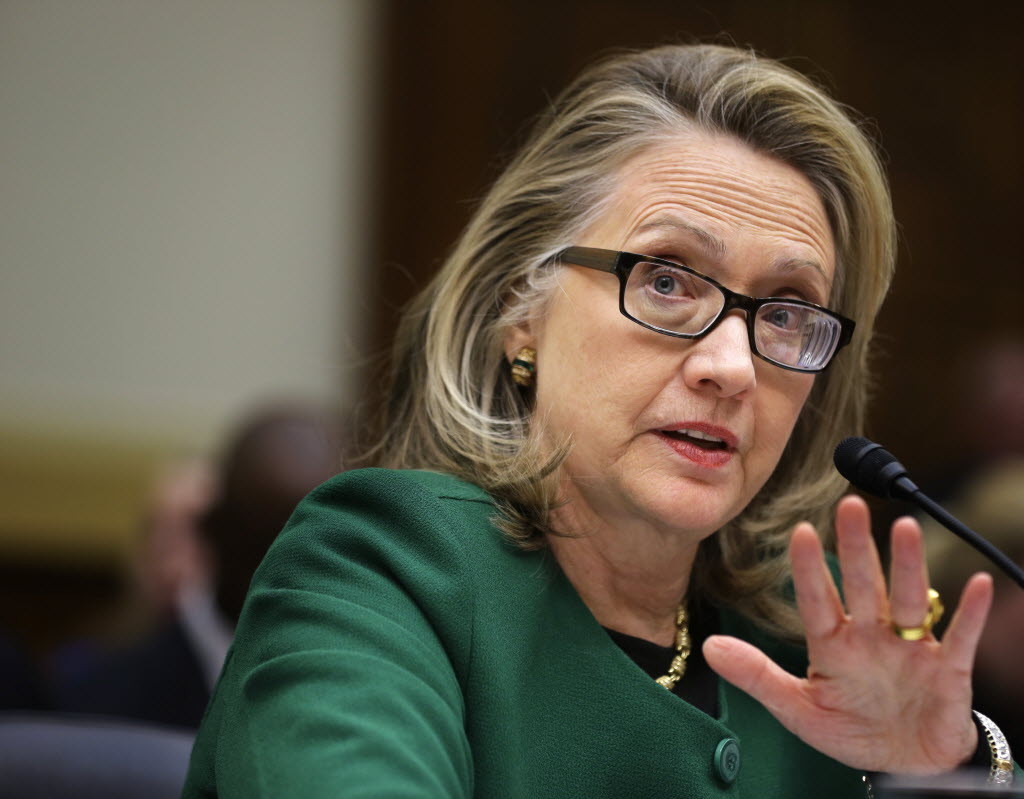
Hillary Rodham Clinton plans later this week to propose raising capital gains taxes for some investors, pivoting from a 2008 pledge not to increase the rate beyond 20 percent. The policy is part of a larger effort by her campaign to encourage greater focus on longer-term economic growth rather than more immediate gains for investors-a priority for the liberal Democrats she’ll need in 2016. The new rates would be pegged to the duration of the investment, with short-term holdings taxed at a higher percentage. In remarks on Facebook, Clinton also expanded on a promise to pursue criminal prosecution of bad actors on Wall Street, saying she would strengthen the power of government regulators and raise caps on compensation for financial whistleblowers. She also hinted at plans to modify the government fines corporations pay for wrongdoing so that the fees also target the bonuses of executives involved. “Even though some institutions have paid fines and even admitted guilt, too often it seems like the people responsible get off with limited consequences (or none at all),” she said. “That’s wrong and it has to change.” Clinton’s tax proposal marks a shift from her 2008 campaign, when she promised not to raise capital gains rates higher than the 20 percent bracket established during her husband’s administration. At the time, the rate was 15 percent – a result of the tax cuts championed by then-President George W. Bush. “I wouldn’t raise it above the 20 percent, if I raised it at all,” Clinton said in an April 2008 debate. Now, Clinton says a surge in companies focusing on shorter-term goals, like stock buybacks, rather than longer-range investments in employees and communities prompted her change in position. “The increase in short-termism has grown in urgency since 2008, and the urgency of our solutions has to match it,” she said on Monday, in a question and answer session that Facebook hosted. Over his time in the White House, President Barack Obama has raised the capital gains rate for top earners to 23.8 percent – fulfilling a campaign promise to raise the tax. Earlier this year, Obama proposed increasing the rate to 28 percent for the highest earners. While Clinton’s proposal is still being finalized, her rate would likely be higher than Obama’s plan for the shortest-held investments, according to a campaign official who spoke anonymously to discuss plans still being developed. Currently, gains on securities held for more than a year are taxed at the same rate as those held for decades. Many Democrats would like to see the rate go even higher, as part of a larger push by the party to crack down on what they see as Wall Street excess and to tackle income inequality. Capital gains taxes disproportionally affect the wealthiest Americans. A study from the nonpartisan Tax Policy Center found that capital gains accounted for about half of the earnings of those making over $10 million-and just a fraction of those making less than $500,000. Last month, Neera Tanden, the head of the liberal Center for American Progress and a prominent Clinton adviser, proposed a “sliding-scale” capital gains tax that would drop the rate charged the longer the security is held. “Once an investor holds a share past the one-year mark, the tax code provides no incentives to maintain the position any longer,” Tanden wrote, in a report co-authored by investment banker Blair Effron, co-founder of Centerview Partners. “A more flexible capital gains tax system could be a tool to incentivize more prudent behavior in equities markets.” Clinton’s plan is part of a larger package aimed at tackling what she argues is too heavy an emphasis on quick corporate gains at the expense of workers and broader economic growth. In an economic address last week, Clinton decried what she termed the problem of “quarterly capitalism,” saying businesses are paying too little attention to research and development, improving factories and cultivating talent. “Now it’s easy to try to cut costs by holding down or decreasing pay and other investments to inflate quarterly stock prices, but I would argue that’s bad for business in the long run,” she said. “Workers are assets. Investing in them pays off. Higher wages pay off. And training pays off.” Republicans knocked the plan, with Republican National Committee spokesman Michael Short saying Clinton is “proposing to grow Washington and the IRS by raising taxes.” Republished with permission of The Associated Press.
Presidential primary brief: 477 days until Election Day
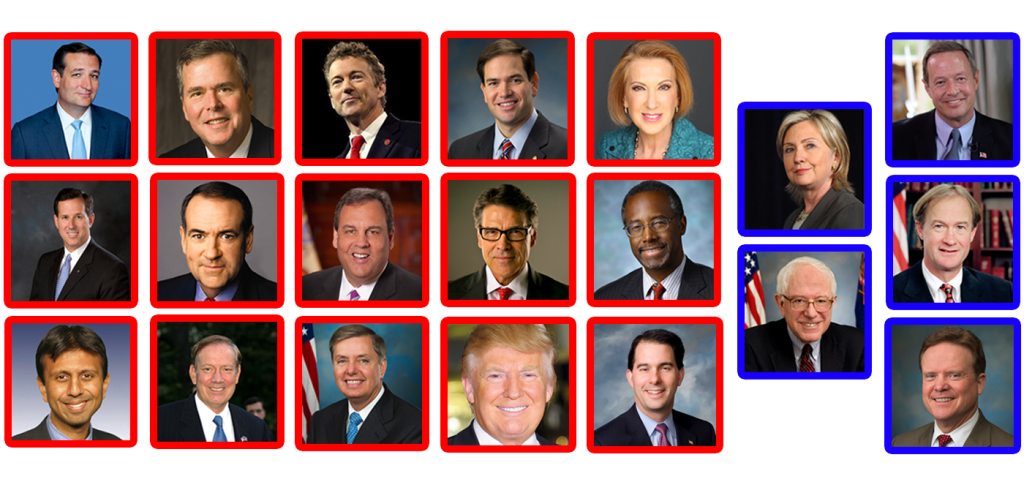
223 days until AL Presidential Primary 477 days until Election Day Convention Dates: Republican July 18-21 2016, Democratic July 25-28 2016 Weekly Headlines: Poll: Hillary Clinton has big lead among Hispanics Republican field walloping Hillary Clinton Campaigns shatter spending records Press Clips: White House candidate Clinton: Would phase out fossil fuels extraction on public lands (Reuters 7/16/15) U.S. Democratic presidential candidate Hillary Clinton said on Thursday she would phase out the extraction of fossil fuels on public lands if elected to the White House in 2016. Clinton said she would not stop the extraction right away but would try to make the energy transition as quickly as possible. “We still have to run our economy, we still have to turn on the lights,” Clinton told a town hall in Dover, New Hampshire. Is the labor movement split over the 2016 presidential election? (People’s World 7/14/15) There is no question that there is a great deal of excitement in the labor movement about the candidacy of Bernie Sanders in the coming Democratic primary elections. Some 40 labor leaders met and greeted Sanders at an event yesterday at the headquarters of the American Postal Workers Union, an appropriate place for Sanders to be hosted considering his long battle to save postal and other public services threatened by right-‐wing lawmakers. This week, on the other hand, the more than one million-‐member American Federation of Teachers endorsed former Secretary of State Hillary Clinton, highlighting her positions in favor of strong public education and strong teachers’ unions. Could Ohio Governor John Kasich be 2016’s dark horse? (Daily Caller 7/14/15) There’s a small buzz growing around maverick two-‐term Republican governor John Kasich. Even as Donald Trump continues to dominate the tabloid headlines, the Atlantic magazine and Fox News, among others, are touting Kasich as a possible dark horse that might emerge from the pack – and possibly resolve the rift between the GOP establishment and base voters scattered among a plethora of upstart candidates. Kasich is barely registering in the polls and is unlikely to qualify for the GOP debates next month. But there’s good reason why he is getting a close look. Like Scott Walker, his counterpart in neighboring Wisconsin, the 63-‐year-‐old Kasich has never lost a political race and remains immensely popular with voters, including many Democrats. But more than anything, it’s because Kasich sits atop one of the most important presidential battleground states – Ohio – which is vital to GOP prospects in 2016. Trump up in polls, but still dogged by controversy (CBS News 7/10/15) A new national poll by YouGov.com says Donald Trump is the frontrunner among Republican presidential candidates. Fifteen percent of GOP voters back Trump. Former Florida Gov. Jeb Bush and Kentucky Sen. Rand Paul tie for second. But Trump is losing support elsewhere, reports CBS News correspondent Julianna Goldman. Protestors rallied against Trump Thursday, calling on the Obama administration to remove his name from the hotel his company is constructing in a landmark building on federal land. Ted Cruz challenges Fox debate standards (Politico 7/15/15) Ted Cruz’s campaign is leading a charge to pressure Fox News into raising its standards for the national polls that will decide who gets into the cirst Republican presidential debate. In a memo sent to fellow GOP campaigns on Wednesday, Chris Wilson, who serves as director of research and analytics for the Cruz campaign, called Fox News’ standards for deciding which national polls are used in its debate entry process “unclear.” Wilson asks the other campaigns to “consider joining with us” in encouraging the network to impose additional polling standards. As it stands, Fox News is allowing the Top 10 contenders, based on an average of the cive most recent national polls, into the Aug. 6 debate. Biden still considering 2016 bid (The Hill 7/18/15) Vice President Joe Biden is still mulling a challenge to Hillary Clinton for the 2016 Democratic presidential nomination, the Huffington Post reported. Clinton is the dominant frontrunner for the Democratic nomination to succeed President Obama, but Biden expects to make a decision on entering the race by September, according to the report. “He has said he would announce his decision at the end of the summer,” former Biden aide and Sen. Ted Kaufman (D-‐Del.), said when he asked about the vice president’s 2016 plans, according to the website. Clinton has widely been seen as the likely 2016 Democratic nominee, even before she launched her presidential bid in April. But she has faced a surprising challenge from Sen. Bernie Sanders (I-‐Vt.), who has drawn large crowds and quickly risen in polls. Santorum’s stuck in the back of the pack (Pittsburgh Post Gazette 7/19/15) Polls put Rick Santorum in 11th place out of 15 Republican presidential candidates. Given that next month’s debate will accept only the top 10 candidates, that’s like being the 11th person in line for a 10-‐man lifeboat. But in one area, at least, Mr. Santorum is second to none: his use of the royal “we.” “We believe that our message is different,” the former senator from Pennsylvania and 2012 victor in the Iowa caucuses said Monday at a breakfast meeting in Washington held by the Christian Science Monitor. “We have experience that almost nobody else in the cield has and a track record that certainly distinguishes ourself from Hillary Clinton. . . .We match up very well because we have matched up well in the past.”
Organizers of confederate rally blame city officials for supporter’s death
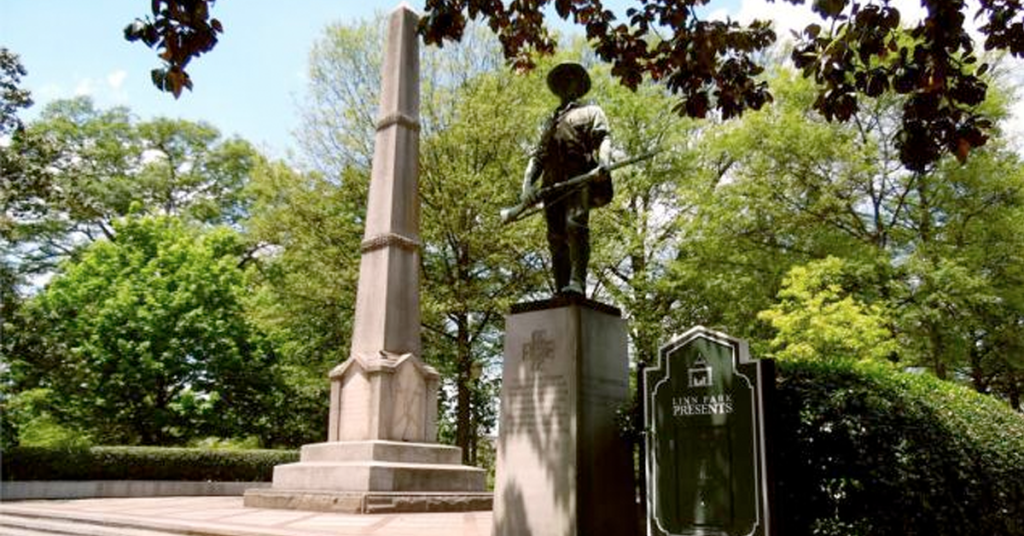
A crowd of hundreds gathered at an event sponsored by Save Our South in Birmingham on Saturday to protest the decision of the Birmingham Parks and Recreation board to remove a confederate memorial in a public park. Following the event two of the guest speakers were involved in a car crash. A message posted on the Save Our South Facebook page read in part, “Our guest speakers at the Birmingham Rally were allegedly followed and forced off the road in Mississippi. Arlene Baarnum sustained injuries but she is in stable condition. Veteran and activist Anthony Hervey did not survive the tragic incident. Please send prayers to both of their families right now.” In a statement given to the Examiner Ginger Barbee, a lawyer for a group that sponsored the event, blamed local authorities for the tragedy. “I want the Birmingham Parks and Recreations board to know that they are ultimately responsible for this tragedy,” she said, according to a statement Barbee gave Examiner late Sunday. “If they had not voted to remove the monument, this young, heroic black man would still be alive. They have caused so much racial division in a great city which has had very few racial issues since the Civil Rights movement. Anthony Hervey gave his life for something he believed in, reaching across racial lines to preserve history and protect our Constitutional rights. He was a Veteran and a Purple Heart recipient. Our prayers go out to his family during this time. He will be remembered.” The video of the surviver of the crash Arlene Barnum speaking at the event has is below.. BURN BABY BURN!! Arlene Barnum tells her part time employer, the NAACP, to “take this job and shove it!” Then she lights her NAACP membership card on fire! She says, “They are the real racists!” – Join us! We are truly multicultural! Let’s work together to Save Our South and our great America! #SaveOurSouth Posted by Save Our South on Saturday, July 18, 2015
Alabama business roundup: Headlines from across the state

Here’s a roundup of some of the top weekend business headlines from across the state: AL.com: Craft brewers: Alabama laws stifle growth of burgeoning beer industry Like many of Alabama’s close to three dozen craft brewers who stepped into an industry barely formed, Jeremy Pate is above all optimistic. On the Dothan farm where his grandparents used to grow corn and peas, Pate started Folklore Brewing & Meadery a few years ago, offering the only locally produced beer in the Wiregrass region. There he has lots of room to grow, but Pate says beer laws in the state need to catch up first. Pate, 40, believes the existing regulations, which restrict breweries from selling beer directly to customers other than through a licensed retailer, are not broad enough for his business to thrive. “There are beers that we do not distribute, that we do in very small scale, experimental nature,” he said. People often want to buy those, or another beer that’s to their liking. Unlike many states, Alabama law prohibits brewers from selling it — either in a keg, bottle or glass jug — to-go. Pate started by making a simple wheat ale when he opened in 2013. Wiregrass Wheat, he called it. Today, you can find one of his beers in restaurants and stores in Enterprise, Ozark and around Opelika and Auburn. Revenue from retail distribution is great, but not as lucrative as the cash that comes from residents and beer aficionados in search of something new to drink in their taproom. “The profits on a bottle that we sell out there in the market is miniscule compared to what we get by the pint,” Pate said, “so the limiting factor is how much beer came one person safely consume at a brewery?” Fighting ‘history’ Pate is not alone in his frustration with the state. Beer makers in north Alabama and down along the Gulf Coast have long agreed lawmakers could do better by the burgeoning industry. And there have been efforts since 2009 when a law allowing beers with a higher alcohol content to be sold was passed. But it was a relatively small change in the grand scheme of things. “It was not until the Brewery Modernization Act that any breweries wanted to be in Alabama, period,” Pate said. That law was passed in 2011, and aside from a bill allowing 22-ounce bottles known as “bombers” to be sold by breweries, expanding regulations for the industry has stopped. Brewers, who sometimes struggle to eke out a profit, say this has put a vise grip on available business opportunities and limits their ability to compete. Meanwhile, there’s about $23 million in unrealized economic activity in the beer industry, a figure that could grow with more relaxed beer laws, according to a recent study by Jacksonville State University. Like many, Pate knows there is more money to be made with off-premise sales, but in December 2014 he started bottling “bombers” for distribution. “That’s the only way that we have any chance to grow because of the limited laws,” he said. “And even at that rate we’re going to have to grow slower than other breweries in other states.” Using what’s known now as the “three tier system,” lawmakers placed in between the manufacturer and retailer an independent wholesaler to keep one company from controlling each stage of the process: production, distribution and sales. Beer and alcohol production was a different industry in 1933. The three-tier law never anticipated a surge in craft beer production several decades later, mainly by small upstarts, not dominant corporations. But “history” is the chief opponent to changing the old law, said Jason Wilson, current president of the Alabama Brewers Guild and founder of Back Forty Beer Company in Gadsden. In Alabama, and more generally in the Deep South, Wilson said changing “a lot of the stereotypes and misconceptions that are associated with alcohol” is not easy. Legislative challenges As a case in point, look to the recent Legislative session. A number of proposed solutions filtered through the statehouse in Montgomery. The largest bill, which would have allowed growler sales for breweries and brewpubs, and given them the option to participate in entertainment districts, failed. A trimmed down version of that bill also died. And a last-ditch measure that would have permitted just to-go beer sales didn’t come up for a vote. The one bright spot was the creation of the Alabama Alcoholic Beverage Study Commission, which has the task of making the state’s laws consistent with others around the country. Wilson said his hopes for the group “are a little bit grander” than simply identifying policy outcomes. The commission, which is hosting public hearings this month in Alabama, has “a pretty promising mission statement,” he said, “– now whether we can accomplish those things this year, I don’t know.” The Guild has already offered the commission a jump start, creating a list of proposals that outline the organization’s objectives. At least one of those, the creation of a single craft brewer license for brewpubs and breweries, may cause some in the industry to pause. “That means everybody is operating under one license, and I would have to revert back to ABC to see if you can actually regulate under those types of circumstances,” said Donna Alexander, executive director of the Alabama Wholesale Beer Association. Overall, she said craft brewers do not pose an existential threat to the beer wholesalers she represents. Limited opportunity In the meantime, some business opportunities are slowed. And an industry that produced close to 40,000 barrels of beer last year is moving at half speed. Some feel it more than others. Making about 250 barrels of beer every year, Druid City Brewing in Tuscaloosa is up against a real demand crunch, said co-owner Elliott Roberts. “We’re actively exploring expansion plans, but where we have trouble is, well, money,” Roberts said. Nailing down the right real estate has also been a challenge, but primarily it comes down to creating more revenue.
