
As special session resumes, still no agreement on budget
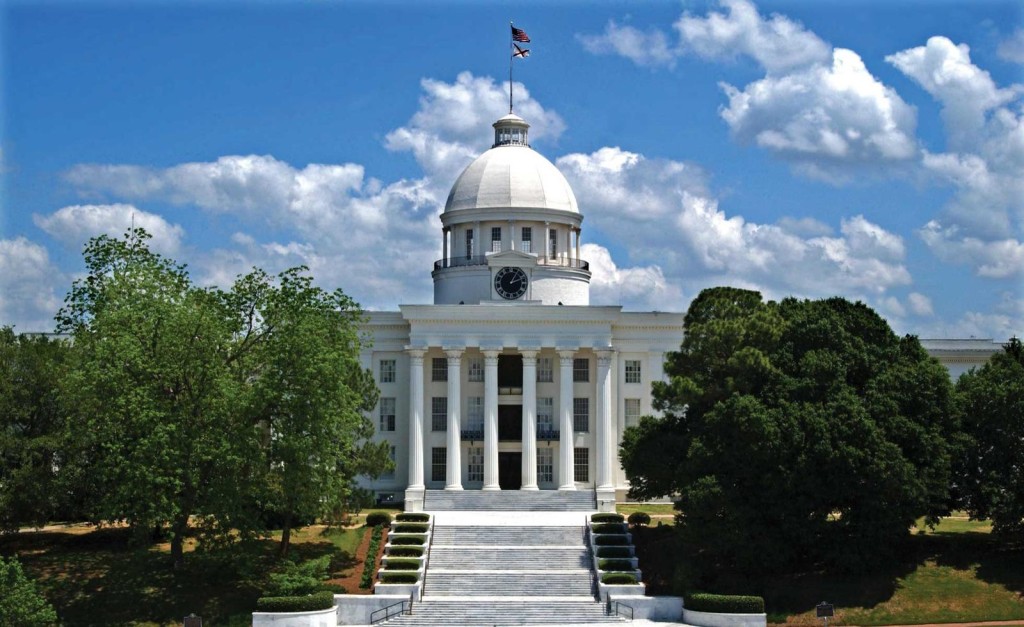
The Alabama Legislature on Monday resumed a special session on a budget shortfall the same way it began three weeks ago: with absolutely no consensus on what to do. Legislators convened after taking a three-week hiatus that failed to erase the divisions among Republicans who control the governor’s office and both chambers of the Alabama Legislature. The state is two months from the start of the new fiscal year and lawmakers have yet to pass a general budget or agree on a way to fill a projected $200 million shortfall. “We’re like kudzu. All over the place and not worth a darn,” said Sen. Dick Brewbaker, R-Pike Road. Lawmakers weighed politically unsavory choices of tax increases, yanking money out of the education budget, or doing nothing and cutting state services. Gov. Robert Bentley said the only responsible solution to the state’s budget woes is to raise $300 million in new revenue. Senate President Pro Tem Del Marsh said senators remained largely opposed to tax increases. Somewhere between the two is the House of Representatives, which is headed to a vote this week on a modest cigarette tax increase. House Ways and Means General Fund Committee Chairman Steve Clouse, R-Ozark, said he has introduced a $173 million revenue plan that banks on a 25-cent per pack tax increase on cigarettes, an adjustment to the business privilege tax – so larger businesses pay more and smaller ones pay less – and a net shift of $50 million from the separate state education budget to the cash-strapped general fund. “We’ve been at this now for about the six months with the regular session, and (the Senate) can’t make a decision. We’ve got to make a decision based on what we feel that our constituents we represent in the House want us to do, and that’s to come forward with a plan,” Clouse said. Clouse said that will keep funding at the same level for prisons, Medicaid and other crucial services but other agencies would get a 5.5 percent cut. Clouse said “time will tell” if they have the votes. Marsh in a news conference suggested a scenario that largely depended on shifting up to $225 million from the education budget and deciding later how to replace the school dollars to get to a “comfort level.” “Is the comfort level raising taxes? Is the comfort level obligating some BP (oil spill settlement) money? Is some comfort level passing the gaming package?” he said. Marsh has proposed letting voters decide whether to establish casinos and a state lottery. However, other lawmakers said there would be strident opposition to taking education dollars without an agreement on how to replace them. “It’s the ultimate big can kick,” said Sen. Finance and Taxation Education Committee Chairman Trip Pittman, R-Montrose. The governor had proposed backfilling the education budget with either a new soft drink tax or ending a state income tax deduction for Social Security taxes paid, but those ideas seem to be falling flat with lawmakers. Despite the divisions, Bentley said he remained cautiously optimistic and praised the leadership in the House for being willing to look at new revenue. “That is the only solution. There is no other solution,” he said. Republished with permission of the Associated Press.
House Speaker Mike Hubbard seeks delay in his ethics trial
Alabama House Speaker Mike Hubbard has asked judge to postpone his October trial on ethics charges. Lawyers for the powerful Republican filed a motion Sunday asking Lee County Circuit Judge Jacob Walker to continue the trial scheduled for Oct. 19. Hubbard’s lawyers said numerous pretrial issues have to be resolved by the court. They also said there have been problems with discovery and accessing millions of pages of documents turned over by prosecutors in the case “The defense has been diligent and conscientious in its investigation and the preparation of this case for trial. Yet, with a 23 count indictment, the defense finds that it has much to do to effectively represent Hubbard at trial,” lawyers for Hubbard wrote. Hubbard was indicted last year on 23 felony ethics charges accusing him of using public offices, as House speaker and his former position as chairman of the Alabama Republican Party, for personal gain. Prosecutors have accused Hubbard of using his positions to steer Republican campaign business to his printing companies and to drum up clients and investments for his other companies. Hubbard has maintained his innocence. The speaker has previously asked a judge to dismiss the case, arguing grand jury secrecy laws were broken and prosecutors appointed by Attorney General Luther Strange lacked proper legal authority to run the investigation. Hubbard’s legal team also said they might challenge the constitutionality of the ethics law. Republished with permission of the Associated Press.
GOP hopefuls take on illegal immigration in debate preview
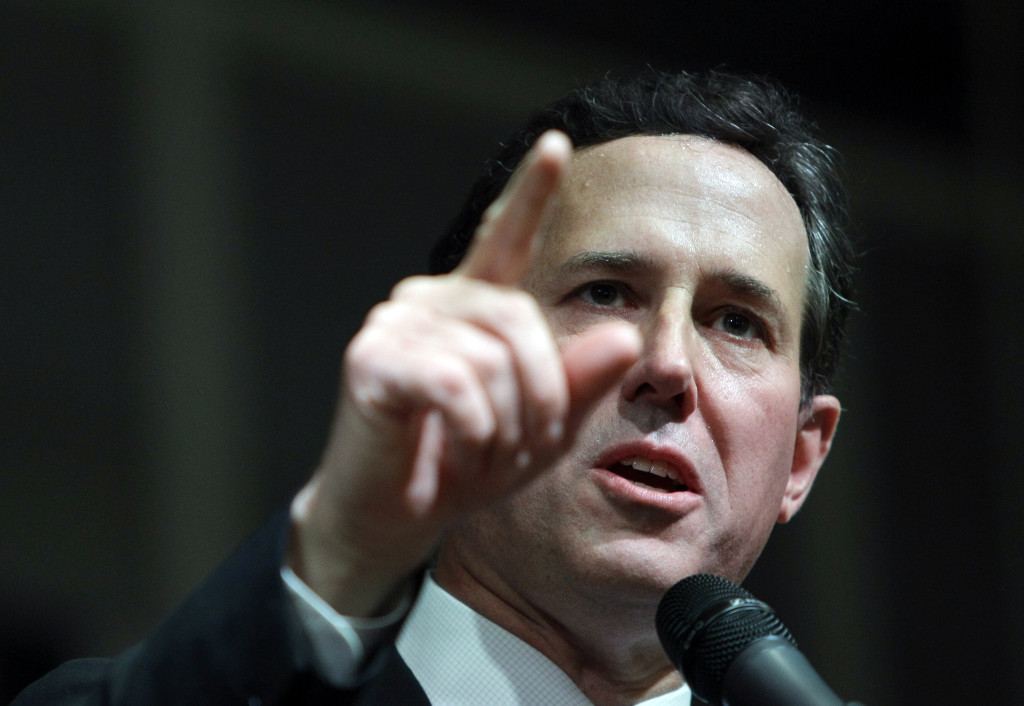
The Republican Party’s presidential class called for aggressive steps to curb illegal immigration, seizing on a delicate political issue as more than a dozen White House hopefuls faced off in New Hampshire on Monday night for a pointed preview of the first full-fledged debate of the 2016 primary season. All but three of the 17 major Republican candidates for president participated in what was essentially a debate lite, which – unlike Thursday’s nationally televised debate in Cleveland – didn’t have a cut-off for participation. The candidates focused their criticism at Democrats instead of each other, yet Monday’s meeting offered a prime-time practice round for the GOP’s most ambitious, who appeared on stage one at a time. They addressed several contentious issues, immigration topping a list that included abortion, climate change and foreign policy. Former Texas Gov. Rick Perry, who may not qualify for the upcoming formal debate, called the flow of immigrants crossing the border illegally “a serious wound.” “You want to stanch the flow,” he said as his Republican rivals watched from the front row of the crowded St. Anselm College auditorium. On those immigrants who have overstayed visas, Perry charged, “You go find `em, you pick `em up and you send `em back where they’re from.” Former Pennsylvania Sen. Rick Santorum went further, calling for a 25 percent reduction of low-skilled immigrants coming into the country legally. “Everyone else is dancing around it. I’m going to stand for the American worker,” Santorum declared. Monday’s participants included seven current or former governors, four senators, a businesswoman, a retired neurosurgeon and one former senator. Billionaire businessman Donald Trump, who has dominated the GOP primary in recent weeks, is among the three major candidates who decided not to join. Trump, who launched his presidential bid by calling Mexican immigrants rapists and criminals, declined to attend the New Hampshire event. He cited criticism from the local newspaper host, yet he is expected to play a prominent role in Thursday’s formal debate, where only the GOP’s top 10 candidates – as determined by national polls – will be allowed on stage. Monday’s event was broadcast live on C-SPAN and local television stations in Iowa and South Carolina – states that, along with New Hampshire, will host the first contests in the presidential primary calendar next February. The New Hampshire meeting came amid new developments on politically charged issues. Just an hour before the 7 p.m. forum was to begin, the Senate blocked a GOP-backed bill to strip funding from Planned Parenthood, reviving a debate on social issues that some Republican officials hoped to avoid in 2016. Three of the four senators participating in Monday’s event — Marco Rubio of Florida, Ted Cruz of Texas and Rand Paul of Kentucky – did so via satellite from C-SPAN’s Washington studio so they wouldn’t miss the high-profile vote. “We had to be here to vote to de-fund Planned Parenthood,” Cruz said. It’s a welcome debate for Democrats who see women – married women, particularly – as a key constituency in 2016. Leading Democratic presidential candidate Hillary Rodham Clinton, who would be the nation’s first female president, lashed out at the attacks on Planned Parenthood in a web video released before the GOP forum. “If this feels like a full-on assault for women’s health, that’s because it is,” Clinton said in the video, criticizing by name former Florida Gov. Jeb Bush, Wisconsin Gov. Scott Walker and Perry. Just one woman was featured on stage Monday night: former Hewlett-Packard CEO Carly Fiorina, who is unlikely to qualify for Thursday’s higher-profile debate. Democrats are also eager to debate Republicans on immigration. GOP leaders have acknowledged the need to improve the party’s standing among the surging group of Hispanic voters. Yet while many Democrats favor a more forgiving policy that would allow immigrants in the country illegally a pathway to citizenship in many cases, many Republicans focus on border security. Florida Sen. Marco Rubio, once a lead salesman for a comprehensive immigration overhaul, said Americans want the border fence completed and more border security agents before there’s any discussion of what to do with those 11 million immigrants in the country illegally. Others offered a softer tone on the divisive issue Monday night. Ohio Gov. John Kasich said “law-abiding, God-fearing” immigrants in the country illegally should be allowed to stay. Those who break the law, he said, “have to be deported or put in prison.” Bush said fixing the nation’s immigration system is a key part of his plan to help the economy grow 4 percent each year. He also called for reducing legal immigration, particularly the number of people allowed to enter the country on family petitions. President Barack Obama injected another contentious issue Monday when he unveiled new emissions limits on power plants designed to address climate change. He called it a moral obligation and warned anew that climate change will threaten future generations if left unchecked. Wisconsin Gov. Scott Walker called the move “a buzz saw to the nation’s economy.” “I want to balance a sustainable environment with a sustainable economy,” Walker said. Several candidates involved Monday night won’t make the cut for Thursday’s debate. Those on the bubble include South Carolina Sen. Lindsey Graham and Fiorina. Both were aggressive critics of Clinton Monday night. Fiorina charged that Clinton has repeatedly lied during investigations into her use of a private email server and an attack on an American embassy in Libya while she was secretary of state. “These go to the core of her character,” Fiorina said. “We have to have a nominee on our side who’s going to throw every punch,” she continued. “This is a fight.” Graham said he’s worked with Clinton and her husband, former President Bill Clinton, for more than 20 years, adding that, “I’m fluent in Clinton speak.” “When Bill says, `I didn’t have sex with that woman,’ he did” – a reference to Bill Clinton’s affair with White House intern Monica Lewinsky. Republished with permission of the Associated Press.
Attack targets Donald Trump website, Gawker posts old cell phone number
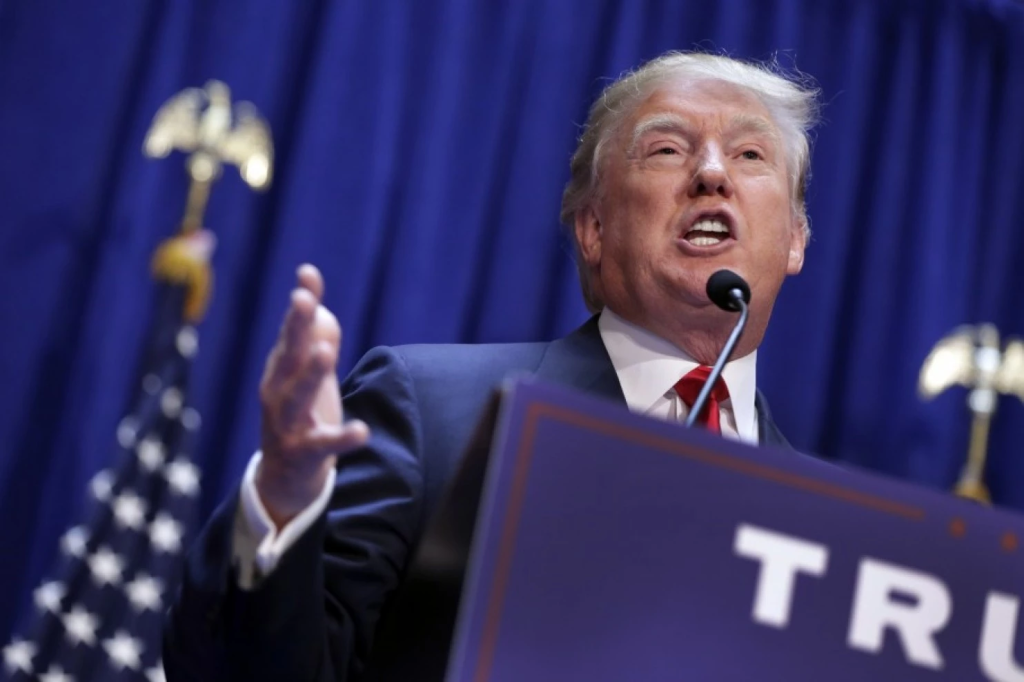
Republican presidential candidate Donald Trump‘s corporate website was the target of a cyberattack Monday, the same day a celebrity gossip website published an old mobile telephone number for the billionaire businessman. Aides to Trump said hackers were able to access non-public pages inside Trump.com, where they posted a tribute to comedian and late-night talk show host Jon Stewart. The aides described the episode as a prank and not a serious threat. They said the hackers’ temporary entry into a low-level page was not connected to any of Trump.com’s navigational components, compromised no corporate information and was fixed in less than 30 minutes. In a separate event, New York-based celebrity gossip and media news website Gawker published a mobile telephone number it said was Trump’s. “It is a very old number. This is not one he uses,” said Trump campaign spokesman Corey Lewandowski. “Mr. Trump has several numbers, so he has not experienced any issues.” Gawker said it was publishing the number because Trump disclosed Republican rival Lindsey Graham‘s cell phone number last month, when the two were at the center of a public feud over Arizona Sen. John McCain‘s military service. Republished with permission of The Associated Press.
AG Luther Strange lauds federal campaign finance ruling
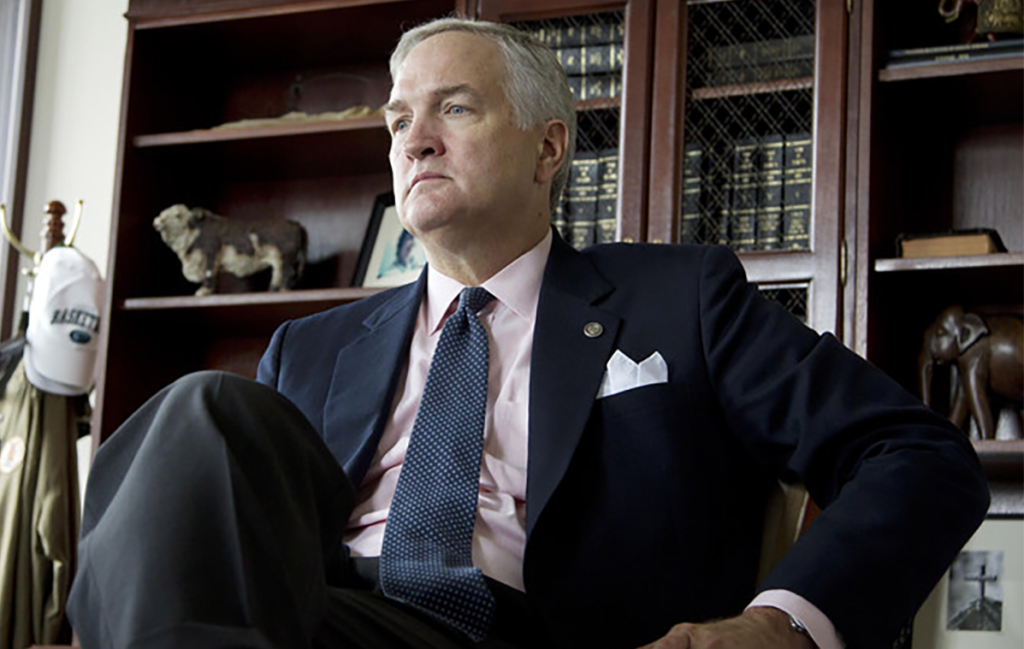
Alabama Attorney General Luther Strange said Monday that a federal court has upheld of a state law that prohibits transfers of political contributions from one PAC to another PAC. The U.S. District Court for the Northern District of Alabama ruled in favor of the state last Friday in the case of Alabama Democratic Conference v. Strange. The court ruled the state has an interest at hand — preventing corruption or the appearance of corruption — so compelling that despite a raft of recent rulings claiming such contributions and transfers are 1st Amendment-protected speech, Alabama did not act improperly in restricting them. The ruling stated that although campaign contributions and transfers thereof should be given the presumption of legality since they are de jure equivalent to political speech, Alabama’s law was crafted carefully enough to avoid encroaching on that speech. The court ruled moreover the law was properly aimed at prohibiting only the kinds of illicit transfers of campaign cash primarily aimed at hiding the original source, thereby evading public scrutiny. Strange applauded the move in a release Monday. “I am pleased that the Court has upheld this important tool in Alabama’s ongoing fight against public corruption,” said Strange, first elected AG in 2010 after ousting incumbent Troy King in a GOP primary. “We will continue to defend the PAC-to-PAC transfer law whenever necessary.” Strange also commended his office’s Will Parker, an assistant AG in the Constitutional Defense Division. The ruling was a coup for Strange, who is an ardent supporter of a strong state role within the nation’s federal system. The plaintiff had sought relief against the state’s head law enforcement officer, saying the law was an unnecessarily onerous burden on political activity.
John Rice: Tell your lawmakers to make do without the excesses the governor wants.

Gov. Robert Bentley is welcoming lawmakers back to town today to raise taxes and pass the state General Fund Budget. We have been hearing how much state government is in need of much, much, much more money from the taxpayers. This just is not the case. In looking at the governor’s original proposed budget, there are $100 million in cuts that could come right off of the top without getting into the pockets of taxpayers. The only problem with these solutions is that they would interfere with Gov. Robert Bentley’s play pretties and pet projects. We say the governor is one man and one man’s whims should not affect 1.5 million Alabama taxpaying households. The Governor’s original proposed budget included $11 million for trooper vehicle purchases which is enough to buy every trooper on the road a new patrol car. Does every trooper need a new patrol car next year? Heavens, no. And does every one of the 1,500 law enforcement state employees, including secretaries, need $2,500 worth of new equipment in addition to all of those cars? The answer is no. In Medicaid, so much more money is supposedly needed just to keep the same services. If this is the case, Doctor Bentley, why was spending on Medicaid physicians proposed by you to increase 25%, or by $135 million? Not ballooning this one expenditure area would dramatically lower what you supposedly need. Worse, Governor Bentley proposed Medicaid administrative costs (otherwise known as feeding the bureaucracy) to increase by $47 million, or a whopping 17% increase. What happened to the governor’s promise of smaller government? What about this prison funding crisis? Here, the governor was proposing $29 million more for professional services contracts, or an increase of 24%. The governor proposed that Alabama next year should spend about the same on no-bid prison contracts as it does on the pay for all of the prison guards seeing after the inmates. This is wrong, and this is outrageous. If state government is in such dire straights, then why did Governor Bentley propose a transfer of another $1 million for the Wynfield Mansion next year after spending $500,000 over the last two years? So, Governor, you and Mrs. Bentley need two state mansions in the same capital city? This is ridiculous. We know the Alabama Governor’s Mansion is not as opulent as the Wynton Blount Mansion, but if Alabama’s Governor’s Mansion was good enough for James “Big Jim” Folsom and George Wallace, then it is good enough for you. Why did the governor just start paying for a new state jet for another nearly $1 million a year? Why did the governor propose that state office building costs double next year to $23 million plus more money to support another $20 million or so for buildings in the capital complex? And, of this, why should State Capitol maintenance and repair cost nearly two-thirds more next year for a whopping $11 million more? Maybe that money is for monument removal, who knows. Another $11 million added for state phones. When does it end? These items here mentioned account for $100 million of the supposed crisis. Instead of aggrandizement in the state capital complex along with planes, trains, and automobiles, Governor Bentley needs to forego the trappings of power and operate state government on a shoestring budget. Tell your lawmakers no new taxes. Tell your lawmakers to make do with the taxes that they have and do without the excesses that the governor wants. John Rice is president of Alabama Foundation for Limited Government.
Clayton Turner chosen to be Young Republican National Federation Chief of Staff
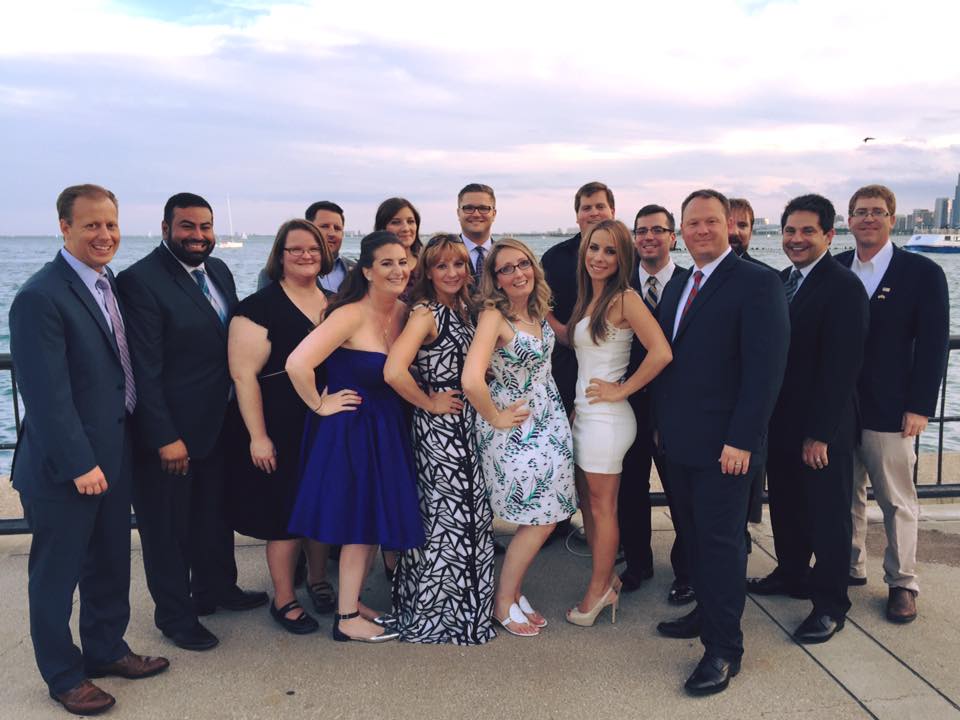
This past weekend the Young Republican National Federation held their annual conference in Chicago. While there members voted in a new slate of officers to run the organization in the next two years. Dennis Cook from Chicago was elected Chairman and named Alabama’s own Clayton Turner to be his Chief of Staff. Turner announced the appointment via a Facebook post saying, “Grateful to my friend Dennis Cook, newly elected Chairman of the #YRNF, for naming me YRNF’s Chief of Staff at today’s closing board meeting. Look forward to serving with Dennis and his team over the next two years.” Turner’s bio on the website for YR Unite, the group sponsoring a full slate of candidates who run for national positions, describes his years of political experience. According to Turner, “in his role as Chief of Staff, he will help handle the day-to-day processes for the organization and aid members of the Executive Committee in achieving their individual goals. He will have a key role in building the first month foundation for the new leadership by working closely with Chairman Dennis Cook.” Turner has already taken steps to implement the YR Unite “#DAY1 Plan” which they unveiled on Facebook shortly after the election. According to Turner, “The list of ten items includes steps towards creating new clubs, expanding tech-savvy initiatives, and the release of a new Servant Leadership Initiative. These plans reflect the values that the newly elected Executive Committee has promised to use as their guiding principles: Leadership, Development and Relationships. The launch of this list began with the first meeting on August 2nd and should be completed within a week.” Below is the list of officers elected to serve the next two years: Chairman: Dennis Cook Co-Chairman: Chris Carmona Vice-Chairman At-Large: Adam Ellison Secretary: Jason Emert Treasurer: John Doyle Auditor: Rick Veenstra Asst. Secretary: Sarah Spence Asst. Treasurer: Mike Thulen Midwestern Regional Vice Chair: Courtney Ruwe Northeastern Regional Vice Chair: Mike Puskaric Southern Regional Vice Chair: Daniel Ruoss Western Regional Vice Chair: Taylor Strand State Chairman’s Association Chair: Katie Regan
Alabama reactions to President Obama’s Clean Energy plan
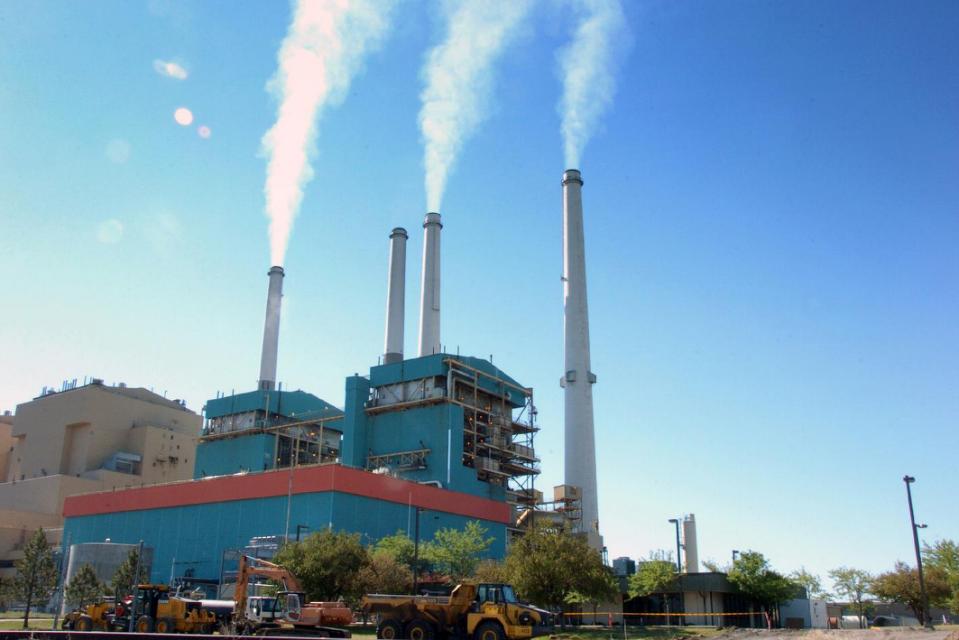
President Barack Obama‘s effort to combat climate change by cutting greenhouse gases from U.S. power plants is drawing sharp criticism from across Alabama. Obama unveiled the final version of the controversial Clean Power Plan earlier today, which seeks to cut the nation’s carbon emissions by 32 percent, compared to 2005 levels, by 2030 — nine percent more ambitious than the original proposal. Each state will have to make specific targeted reductions by that time. According to the EPA, Alabama would be required to cut its carbon emissions by 27 percent below its 2012 levels. Below are some of the reactions from politicians and groups across the state: U.S. Rep. Mike Rogers (AL-03) (via a press release): “This Administration and the EPA continue their pattern of overreach into our lives and pockets with President Obama’s clean power plan announcement. In June, the Supreme Court ruled against parts of President Obama’s radical agenda, yet he continues to push forward with his faulty environmental plans. This clean power plan will do nothing more than pass on additional costs to consumers and raise energy prices for hard-working families across East Alabama already struggling to make it paycheck to paycheck. I will continue to fight against this very flawed proposal.” U.S. Rep. Gary Palmer (AL-06) (via press release): The EPA’s release of its final rule to regulate emissions from power plants continues the overreaching, agenda-driven policy that we have seen frequently from the EPA under this administration. American workers and their families, particularly the most economically vulnerable, can ill afford the real-life costs of this rule, which will result in significant utility rate increases and lost jobs with little to no measurable environmental impact. With my support, the House has already taken action by passing a bill to delay this costly rule, which faces serious legal challenges. I will continue to work to fight this rule and protect the American people from this costly agenda. Attorney General Luther Strange (via email): After years of propaganda efforts aimed at convincing Americans that they must sacrifice lower energy bills and jobs in order to meet arbitrary carbon emission goals, the Obama administration has finally unveiled its new energy mandate,” said Attorney General Strange. The Environmental Protection Agency’s new Clean Power Plan continues the Obama administration’s theme of ignoring the legal limits on its executive authority in order to satisfy a political agenda that places the lowest priority on the rights of coal industry workers and American consumers. Under the EPA rule, Alabamians’ average annual household energy bills could rise by more than $800 a year by the time the plan is fully implemented. This places an undue burden on those who can least afford it, including the poor, the elderly and others on fixed incomes. What’s more, it punishes as many as 16,000 Alabamians whose jobs are dependent upon the coal industry. As Attorney General, I testified before Congress in opposition to the illegal EPA rule and I have joined with other states in opposing the Obama administration’s unwarranted anti-coal policy in federal court. The same administration that once complained that people don’t pay enough for gasoline is now forcing Americans to endure higher energy costs and further blows to our economy. It’s time for common sense to prevail. Rep. Darrio Melton, Alabama House Democratic Caucus Chairman (via PACE email): EPA’s final version of the Clean Power Plan raises a number of important questions for many families in my district and for low-income people across this country. It remains unclear what steps will be necessary for states to comply with these aggressive carbon dioxide emission goals, but my fear is that the cost of electricity for families and businesses will rise, placing even more economic pressure on those who can least afford it. My hope is that EPA and the administration will give those concerns the attention they deserve and help ensure that this new rule doesn’t unduly burden the most vulnerable Americans. Sen. Greg Reed, Chairman of Alabama Permanent Joint Legislative Committee on Energy (via PACE email): Utilities across America and here in Alabama are already moving toward lower-carbon, cleaner energy due to other EPA regulations and a host of improved technologies. Incentivizing more clean energy options is the right path forward. This rule does the exact opposite. It is another massive tax on energy at a time when the American economy needs more affordable energy to help get our economy growing again. Alabama Coal Association, George Barber (via email): President Obama continues to wage his war on coal as Alabama’s coal industry fights to keep workers employed and energy prices low. Today’s announcement in which President Obama did not even hide his intent to kill coal jobs, saying instead that he supports training coal workers for other jobs, is another example of costly and unnecessary regulation meant to force the closure of all mines throughout the nation. I am grateful that Alabama has our Attorney General, Luther Strange, standing up for our miners, their families and the many others depending on coal throughout the state. The Alabama Coal Association will continue to fight for miners throughout the state. Partnership for Affordable Clean Energy (via email): A year ago in Atlanta, we told EPA officials that while the agency’s new carbon mandate would not change the earth’s temperature, it would change power bills. Now, with the final rule made public, we can be even more certain that EPA has presented the American public with a lousy bargain. While this rule will do nothing to affect the agency’s climate change indicators, it holds the strong potential to raise electricity prices, cost American jobs, endanger reliability, and make our nation less competitive. It is critical that our nation’s leaders, particularly the President and the Congress, intervene to limit the damage from this bad rule. Manufacture Alabama (via PACE email): Last year, voices from coast to coast stood up to tell EPA that its plan to regulate carbon dioxide would hurt our nation’s competitiveness, cost jobs, raise power prices, and endanger the reliability of the power sector. This message, particularly from America’s manufacturers, was overwhelmingly
Vapers planning to “Storm the State House” Tuesday in opposition to tax increase
One of the proposals being kicked around during this weeks special session on the budget is a tax on e-cigarettes/vaping. Supporters of vaping have noted that the proposal is shortsighted and based on a misinformation campaign. There are at least three Facebook event pages for the rally in one organizer says: ATTENTION: WE ARE ASKING ALL VAPE STORE OWNERS AND ALL VAPE/E-CIGARETTE USERS WHO ARE OPPOSED TO THIS TAX TO COME TO THE ALABAMA STATEHOUSE ON TUESDAY, AUGUST 4 AT 9:00AM Details: This will be a coordinated visit to oppose the e-cog/vape tax. We need as many people as possible to be at the Alabama State House at 11 South Union Street in Montgomery on Tuesday at 9:00am. We will meet in the front on the building at 8:50am and then disperse to attend committee meetings and meet individually with legislators. Breath Easier Alliance of Alabama has an event page which says: BEAA is an organization of Alabama vape vendors and users lobbying for reasonable legislation to protect our adult decisions to use vape & e-cig products. BEAA will be rallying in front of the Alabama State House to oppose the e-cig/vape tax. Details: This will be a coordinated visit to oppose this tax. We need as many people as possible to be at the Alabama State House at. We will meet in the front on the building at 8:50am and then disperse to attend committee meetings and meet individually with legislators. Please dress business casual (No shorts, no tshirts) and we will have lapel stickers for everyone to wear. Prepare to be there at least until 1:00pm. Please let us know if you intend on coming and how many people you will be bringing with you so that we can have a head count. *NOTE* Breathe Easier Alliance of Alabama is non-partisan as will be the rally. https://breatheeasyalabama.org/ https://www.facebook.com/BreatheEasyAL Out of state activist and those not able to make it to Montgomery are planning at twitter event. Per the blog The Daily Advocate by Momma Vape: Our Vaping Brothers & Sisters in Alabama are facing a potential nasty tax on their e-cig products during this week’s special session. Let’s give them a hand and tweet a special message to their Representatives, Senators, and Governor. Please keep it civil, factual, & professional! Also, please include #alleg in your tweets. It’ll be interesting to see how lawmakers respond and how many vapers turn out tomorrow.
Some Americans refuse to give up on Confederate flag
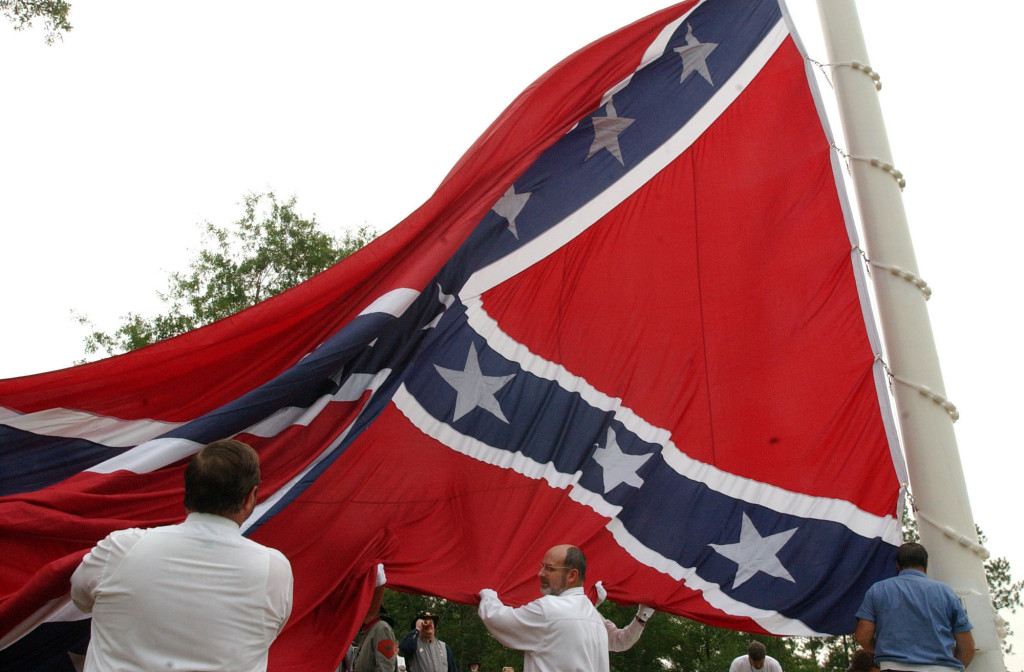
Many Americans assumed the Confederate flag was retired for good after governors in South Carolina and Alabama removed it from their statehouses this summer and presidential candidates from both parties declared it too divisive for official display. But people still fly it, and not just in the South, despite announcements by leading flag-makers and retailers that they will no longer sell products showing the secessionist battle flag. Some who display it are motivated by pride in their ancestry or enthusiasm for Southern history. Others see it as a symbol of their right to challenge to authority in general, and the federal government in particular. And some have hoisted Confederate flags in recent weeks precisely because it’s generating controversy again. “You can’t take it out on the flag — the flag had nothing to do with it,” said Ralph Chronister, who felt inspired to dig out his old Confederate flag, which is decorated with a bald eagle, and hang it from his weather-beaten front porch on a heavily traveled street in Hanover, Pennsylvania. “I’ve got nothing against black people; I’ve got nothing against anyone else,” said Chronister, 46, who was raised in Maryland. “I’m just very proud of my Southern heritage. That’s why I fly it.” An uncomfortable tolerance of the Confederate flag in mainstream society was upended in June when photos circulated on the Internet revealing that a young white racist charged with killing nine black churchgoers in Charleston, South Carolina, had posed with the Confederate symbol. Dylann Roof also burned a U.S. flag for good measure. Roof wants to plead guilty to more than 30 federal charges, his lawyer said Friday. John Russell Houser — the right-wing extremist who shot 11 people, two of them fatally, before killing himself in a Louisiana movie theater in July — also flew a large Confederate flag outside his home, and hung a Nazi swastika banner outside a bar he owned in Georgia. Many politicians echoed South Carolina’s Republican Gov. Nikki Haley to remove the Confederate flag after the Charleston killings, describing it as a relic that belongs in museums but not on official display. Haley called it “a deeply offensive symbol of a brutally oppressive past.” Democratic presidential candidate Hillary Clinton said “it shouldn’t fly anywhere.” Hundreds of Confederate flag wavers gathered this weekend in Georgia’s Stone Mountain Park, home to the huge “Confederate Memorial Carving” featuring Confederate President Jefferson Davis, General Robert E. Lee and General Thomas “Stonewall” Jackson. But the flags aren’t hard to find in places like Hanover, a factory and farm community about six miles north of the Mason-Dixon Line that saw action during the Civil War’s Gettysburg campaign. One flies from a pole on the main road into town, by a National Rifle Association banner. Another was hung from a second-floor apartment, directly above a day-care downstairs. Jeremy Gouge, a 44-year-old roofer, says family ties to the South are why he proudly flies a Confederate battle flag on a pole in his front yard, on a quiet residential street not far from Chronister’s home. “I know there’s things that happened to slaves and things. I can’t control what other people have done,” Gouge said. “What’s the next flag that someone is going to say, ‘We don’t like that flag, let’s take that one down?’” It’s hardly the only place where Confederate flags fly in northern states. Hannah Alberstadt said she was surprised to see many of them in her hometown of Girard in northwestern Pennsylvania. “My town has always had sort of a hickish contingent, but it’s like every other day I see another Confederate flag, and it’s just shocking,” she said. “These people are definitely trying to make a statement, because people have them waving from their truck beds, people have them on a stick in their front yards, people are wearing them to the grocery store.” The symbol still raises ire: A flag on the back of a pickup truck parked in a convenience store lot in the middle of Hanover was set on fire. And in Elk Grove, California, a Confederate flag was displayed at a gun shop until the owners removed it in late June after getting death threats. In Las Vegas, Republican state assembly woman Michelle Fiore sent out a campaign email comparing South Carolina’s removal of the flag to avoiding discussion of concentration camps and genocide. People can’t “pick and choose what parts of our history you want to remember,” Fiore said. In eastern Michigan, flag supporters staged a rolling rally, with more than 50 vehicles participating. And in Florida, an estimated 2,000 vehicles adorned with the Confederate battle flag rallied outside a government complex in Ocala, with many demonstrators sporting shirts with phrases like “heritage not hate.” On Thursday, surveillance cameras recorded two white men leaving Confederate battle flags on the grounds of the Ebenezer Baptist Church in Atlanta, where Martin Luther King Jr. began his campaign for racial justice a half-century ago. The Rev. Raphael Warnock called it a “hateful act” and an “effort to intimidate us in some way.” The condemnations have been good for the business of Robert Hayes, who runs the Southern Patriot Shop in Abbeville, South Carolina. A sign outside his shop warned customers he’d sold out of Confederate flags and may be out for a month or more. Hayes figures he sold about 400 after the Charleston shooting, instead of the two dozen or so he typically sells. And the purchasers seem different to him now. Teens are buying it as a rebellious counter-culture statement against political correctness, Hayes said, and others talk of taking a stand against big government and holding fast to what they hold dear. Carson Kimsey, 23, came to Hayes’ shop hoping for a flag to fly outside his Elbert County, Georgia, home. Kimsey gave a few different answers about the Confederate flag license plate on his pickup truck, then looked down for a second when asked if he ever thinks about how blacks feel when they see it.
Special Session resumes with talk of second special session
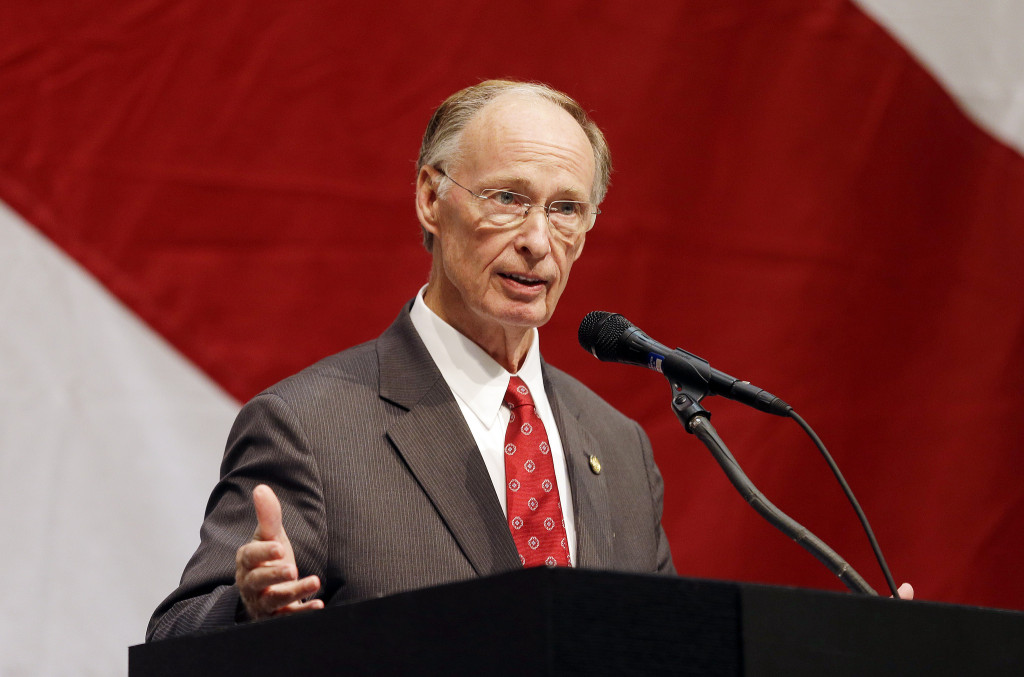
Alabama Today is hearing members were told to pack for 9 days for the special session and to be ready to get comfortable once they get there because they will be working straight through the remaining days. While Governor Bentley may be optimistic about the upcoming special session, those we’ve talked to believe that the chambers are still pretty far apart from a compromise that would balance cuts with the proposals of tax increases. It sounds increasingly like a second special session will be needed to continue working through the differences. Then though there’s the very real possibility that there really aren’t enough legislators to pass the major tax increases Governor Robert Bentley has demanded. Senate President Pro Tem Del Marsh seems very hesitant to even take up most of the proposed increases while Speaker Mike Hubbard learned during the regular session that he has his own band of members, a group of outspoken freshman, who are also opposed to breaking their promise to voters by passing tax increases. House and Senate leadership made themselves clear prior to the Governor calling the session for this early date that they weren’t ready. We will see if the Governor’s surprise and risky move, of forcing their hand calling the special session so early, pays off for him or shows the continued disconnect in long term solutions for the state.
Bradley Byrne: Reforming and reducing federal spending
At this very moment, the national debt sits at over $18 trillion dollars, and it shows no signs of going down anytime soon. Our spending problems are reaching crisis level, and we are set to leave behind a catastrophe for the next generation. Take my grandson MacGuire for example. Before his first birthday, his share of the national debt is already over $40,000. We cannot turn a blind eye to this problem and pretend that it will just get better. Congress must get serious about reining in spending. As you may know, there are two basic types of federal spending: mandatory and discretionary. Discretionary spending is what most people think of as essential government functions. This is money that goes to things like our military, highways, national parks, agriculture, and medical research. The good thing about discretionary spending is that each year Congress has the ability to set these spending levels through the appropriations process. Discretionary spending has become a smaller and smaller portion of the federal budget over the last few decades. In fact, it now makes up only around one-third of all federal spending. Mandatory spending, along with the interest on the debt, makes up the other two-thirds of the federal budget. However, unlike discretionary spending, mandatory spending does not require an annual appropriation from Congress. As long as someone meets the requirements, these programs dole out money without any action from Congress. Within mandatory spending are what we call means based entitlement programs. This includes programs like Medicaid, Obamacare, food stamps, and other welfare programs. While some of these programs serve an important purpose, there are serious questions about their effectiveness as costs skyrocket. In Fiscal Year 2012 alone, the federal government spent almost $800 billion on over 92 various programs aimed at lifting Americans out of poverty. Despite that record spending, too many Americans simply stopped looking for work. The system is clearly failing the very people it was designed to help. It is not a surprise that spending on these programs increased during the recent economic downturn, but it is surprising that spending on these programs continues to rise even as the economy improves. I fear that these programs are actually driving up the national debt and fueling a dangerous cycle of government dependence. I believe we must reform these programs and put a real focus on job training to help connect Americans with the skills they need to find work. We could block grant money to the state governments each year and allow individual states to craft poverty fighting programs based on their state’s specific societal and economic needs. Why is it so critical we get mandatory spending under control? In 1965, only 34% of the federal budget was consumed by mandatory spending programs. In 2014, over 66% of the budget was made up of mandatory spending. Without action, the Congressional Budget Office estimates that by 2040, over 75% of federal spending will be on auto-pilot. That would leave only 25% of the budget to go towards some of the federal governments most basic responsibilities, like providing for the common defense. I know that reforming these programs will not be easy, but I did not run for Congress to make easy decisions. Before I leave Congress, I want to be able to look my grandson MacGuire in the eyes and know that I have been a part of a real effort to rein in spending and put our nation on a fiscally stable path for the next generation. I hope my colleagues will join me in addressing our nation’s spending crisis and working toward a better future for the next generation. Bradley Byrne is a member of the U.S. Congress representing Alabama’s 1st Congressional District.
