
Daniel Sutter: Will we be free to work as we choose?

Technology has significantly changed work over the past twenty years. The emergence of opportunities to essentially earn a living from one’s hobby, which I discussed last week, is one change. New ways to earn a living outside of the traditional employer-employee relationship now exist as well. New work arrangements, though, have run afoul of labor law, which, intentionally or not, is trying to force people back into traditional employee relations. As a result, we may fail to realize the potential of the sharing economy. An estimated 31% of Americans worked as independent contractors, temps, or were self-employed in 2006. Government regulation has driven some of this, by tightly controlling the employer-employee relationship and creating opportunities for litigation. Tax advantages encourage and regulation requires employers to provide benefits like health insurance, pensions, and overtime pay for workers. Businesses face a considerable cost beyond wages or salaries when hiring employees, and will do so only when they need services regularly over an extended period of time. Technology is also creating new opportunities for contractors, particularly in the sharing economy. The ride sharing service Uber, which offers a virtual platform connecting people needing rides with willing drivers using their personal cars, provides a notable example. Similarly Angie’s List connects homeowners with contractors, electricians, and other service providers. Uber and Angie’s List do not employ the drivers or service providers. The sharing economy needs the flexibility contracting offers. Traditional economic relationships tend to be extensive and long term; people might work as cab drivers full time for years, with cars used exclusively as taxis. Sharing economy relations tend to be broad but only as long as needed to use presently idle resources. For instance, college students might use their car to earn extra money driving for Uber when convenient. We need the flexibility to deploy people and resources when, where, and only for as long as necessary. In addition to economic advantages, contractors often experience greater autonomy. Consider a writer who could either work as an employee of a magazine or free-lance. The free-lance writer has greater freedom to choose topics, and can avoid doing pieces for editors who have treated them poorly in the past. State labor commissions in California and Oregon, however, recently classified Uber drivers as employees. Uber is successful enough now that it should survive this decision, but other businesses will not. One casualty has been virtual personal assistants startup Zirtual, which could not afford the reclassification of its contractors as employees. Many politicians probably think that reclassifying contractors benefits workers. Some people also believe that raising the minimum wage makes low wage workers better off. In both cases, those still working after the policy might be better off, but those no longer able to work or supplement their income by driving a few hours a week for Uber will be worse off. The New York State Attorney General’s campaign against “on-call” shifts also strikes a blow against flexibility. The practice involves an employer requesting that employees be ready to work at a given time, and then informing the employee less than 24 hours in advance if they will need to report. Some retailers use this practice to adjust staffing to forecasts of customer demand. I suspect that people can manage their affairs better than the New York AG thinks. Employees regard being available for “on-call” shifts an imposition, and so businesses will have to pay extra to get employees to work “on-call.” People who find this work least burdensome will end up in “on-call positions, and may consider the extra pay more than adequate compensation. Politicians unable to see the invisible hand of the market will act to protect people who do not want or need protection. Many Americans have long enjoyed the flexibility and autonomy of being their own boss. Innovation is allowing more people to work as contractors instead of employees. Government should recognize the value created by our evolving world of work and not needlessly impose yesteryear’s employee-employer relation today. Daniel Sutter is the Charles G. Koch Professor of Economics with the Manuel H. Johnson Center for Political Economy at Troy University and host of Econversations on TrojanVision.
Jeb Bush gets tout from brother as campaign focuses on Marco Rubio
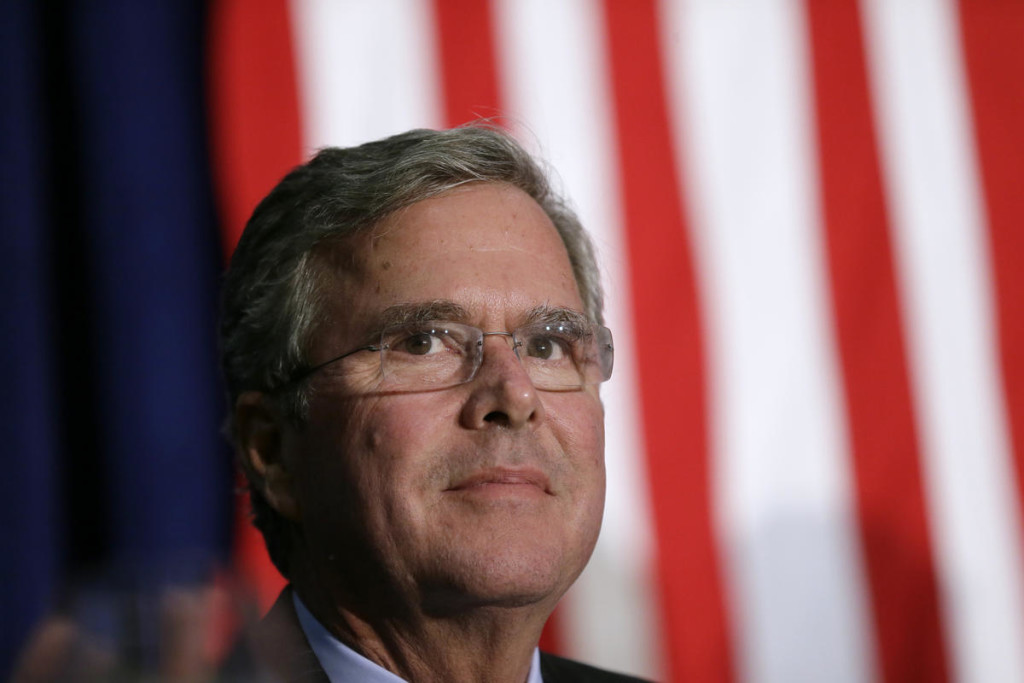
Former President George W. Bush on Monday assured top donors to his brother’s presidential campaign that Jeb Bush will be a “fierce competitor” in the 2016 race for the White House and argued his experience as Florida’s governor will ultimately win over voters. The idea that “experience matters” was the theme of an on-stage conversation between the two brothers at a private event for donors to Bush’s campaign. That theme came through most strongly as Jeb Bush’s staff outlined how they plan to go after Florida Sen. Marco Rubio, who the campaign views as Bush’s top competition for the Republican nomination. “Put it in the campaign slogan, ‘A proven leader,’” George W. Bush told about 175 of Jeb Bush’s most loyal donors on the second day of the two-day event, according to an audio recording of the meeting. “He knows how to manage an administration,” the former president said. “I happen to believe eventually the American people will say, ‘Who has the experience necessary to be president? Who’s run a state, for example?” The donor event arrived at a crucial moment for Bush, a once-dominant GOP candidate who is lagging in preference polls to a pair of political novices with no experience in elected office, retired neurosurgeon Ben Carson and billionaire real estate mogul Donald Trump. With fewer than 100 days until voting begins, Bush’s campaign is betting that a large swath of Republican voters will ultimately seek out a seasoned politician as their choice for the party’s nominee — especially given the GOP’s widespread dissatisfaction with President Barack Obama, who was elected during his first term in the Senate. “We are pitching our path to victory. We addressed all the key opponents, including Marco, and will contrast Jeb’s leadership skills with theirs,” Jack Oliver, Bush’s campaign finance co-chairman, told The Associated Press. “Our supporters want someone who is willing to fight for victory and that’s what the team presented.” A hard-hitting strategy presentation at the meeting focused intensely on Rubio and illustrated how Bush and his team plan to show differences between the two Floridians. It included a slide that read “Marco is a GOP Obama,” according to documents provided by the campaign. In the presentation from Bush’s campaign manager, Danny Diaz described Rubio and Obama as having “strikingly similar profiles,” that include being lawyers, university lecturers and former state legislators with “few legislative accomplishments.” Diaz also compared Bush and Rubio’s fundraising and available cash, ignoring all of the other candidates in the GOP race. Bush’s campaign announced last week it was making sharp spending cuts, mainly to employee wages, so he can intensify the organization’s focus on the first two states to vote, Iowa and New Hampshire. The cuts were calculated based on his and Rubio’s available cash, so as to ensure Bush would have enough to make it to the start of voting in February, campaign aides said. Rubio’s campaign declined to comment on the Bush campaign’s presentation. Bush has nudged at his in-state rival while campaigning in recent weeks. In Iowa earlier this month, Bush said voters would rethink their support for Rubio, whom he described as “an eloquent guy” who “had nothing in his background that would suggest he could lead.” There was no pretense of such subtlety at the donor event. Jay Zeidman, a Houston fundraiser for Bush, said of Rubio, “he’s been a great U.S. senator, but we’re not running for Senate.” Zeidman said the Bush team has looked at data that has convinced them that voters won’t pick someone “who is not capable of being commander in chief,” a reference to Trump and Carson. The same data also suggest to them that Rubio is Bush’s closest competitor. George W. Bush hit that theme time and again while sharing the stage with his brother. The former president said he tried to “project calm” after the 9/11 terrorist attacks, and noted how his brother led Florida through its response to eight hurricane strikes during his two terms as governor. “This is where experience matters. I think it is instructive to have gone through crises if you are a chief officer,” George W. Bush said. “It’s important that you project calm, as Jeb did when those devastating storms hit.” Republished with permission of the Associated Press.
Jeb Bush, followed by Marco Rubio, fare best in GOP presidential field among Hispanics
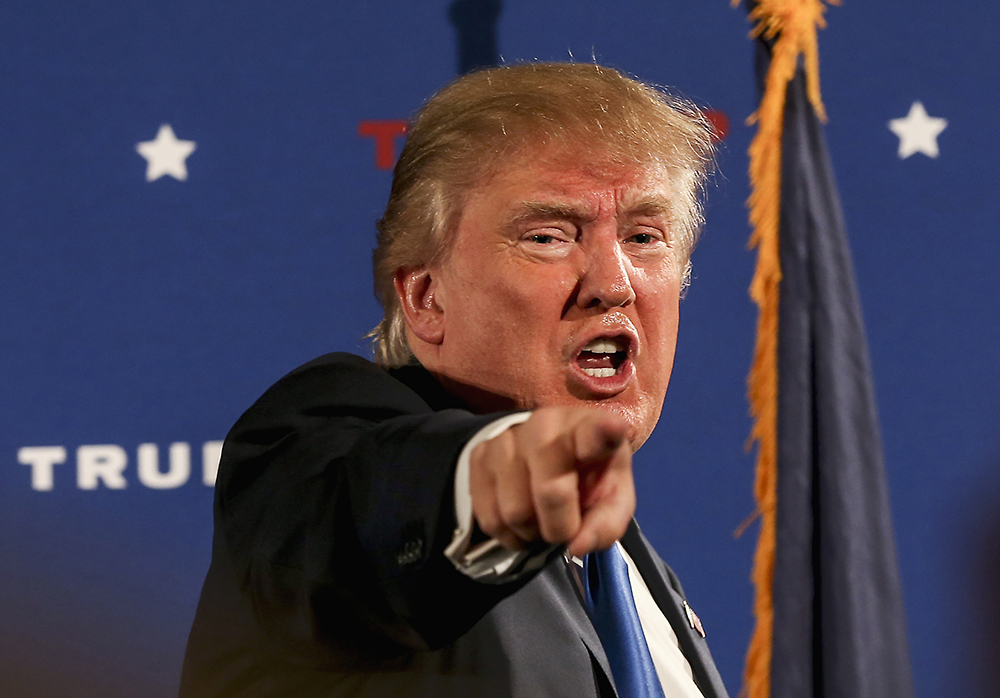
Republican front-runner Donald Trump is widely unpopular among the nation’s Hispanics, a new AP-GfK poll finds, challenging the billionaire’s oft-repeated assertion that he will win the Hispanic vote if he becomes his party’s nominee. The survey finds many of the Republican candidates running for president would probably struggle to win significant support among Hispanics in a general election. Jeb Bush and Marco Rubio are their favorites, but even they are a hard sell, the poll suggests. Even so, most in the field are unknown to enough Hispanics that they might have a shot at proving themselves. That’s a particular struggle for Trump, who began his campaign for president by calling some immigrants from Mexico rapists and has vowed to deport all of the estimated 11 million people living in the country illegally if he is elected president. Trump is viewed unfavorably by 72 percent of Hispanics, with 6 in 10 having a very unfavorable opinion of him, the AP-GfK poll finds. Only 11 percent view him favorably. Janet Murguia, president of the National Council of La Raza, the Hispanic civil rights advocacy group, said the findings are no surprise and “consistent from what we’ve heard from the community.” Trump’s provocative comments about the character of immigrants and his plans for mass deportation and construction of a wall all along the Mexican border stirred a backlash from Hispanic groups. He also bailed on an event with Hispanic business leaders. Nonetheless, Trump says Hispanics love him. “I have fantastic relationships with the Hispanics,” Trump said last week. “I employ thousands of Hispanics right now, tens of thousands over the years I’ve employed. They’re fantastic people.” He went on: “I think I will win with Hispanics when the word gets out.” The comments followed protests by a coalition of Hispanic groups infuriated over NBC’s decision to invite him to host “Saturday Night Live” next month. Among Trump’s rivals, Bush, who speaks fluent Spanish and married a Mexican-born woman, is viewed most favorably by Hispanics, with 26 percent giving the former Florida governor a positive rating. Rubio, a Florida senator and Cuban-American, comes in second, with 23 percent viewing him favorably. Still, both Bush and Rubio are viewed unfavorably by more than one-third of Hispanics polled. Trump does have a following of enthusiastic Hispanic backers who have launched groups like “Latinos Support Trump” on social media. During his visit to the Mexican border in the summer, for instance, he was cheered by a dozens of Hispanic supporters, many of whom were born in the country or entered legally and resented those who came against the law. But advocacy groups say the idea of Trump winning the Hispanic vote is less than unlikely. Javier Palomarez, president and CEO of the U.S. Hispanic Chamber of Commerce, said Trump is in for a rude awakening if he thinks Hispanics love him. “Nothing could be further from the truth.” Palomarez, whose group Trump was supposed to speak to before his abrupt cancellation, said the growing Hispanic population will be crucial to any candidate. “Never again will a president be elected without courting the Hispanic vote,” he said. “He’s going to find out that we’re the gatekeepers to the White House.” Palomarez said Trump “crystallized for the Hispanic community” whom they will vote against. Murguia said she doesn’t see much Trump can do to improve his standing with Hispanics. “He has dug himself in a pretty deep hole with the Latino community,” she said. “And while he talks about wanting to create jobs — and certainly our community cares about jobs and the economy — he has poisoned the well significantly with the Latino community.” She said he faces a long slog with Hispanics “if he doesn’t come to terms with the fact that he’s going to have to apologize or do a complete about-face.” After Mitt Romney‘s loss to President Barack Obama in 2012, the Republican Party called for passing an immigration overhaul and taking steps within the party to appeal to more Hispanics, in recognition of their growing influence. After advocating for self-deportation during his campaign, Romney won 59 percent of the white vote in that general election but just 27 percent from Hispanics. Republished with permission of the Associated Press.
Speaker John Boehner pushes for budget deal before leaving House
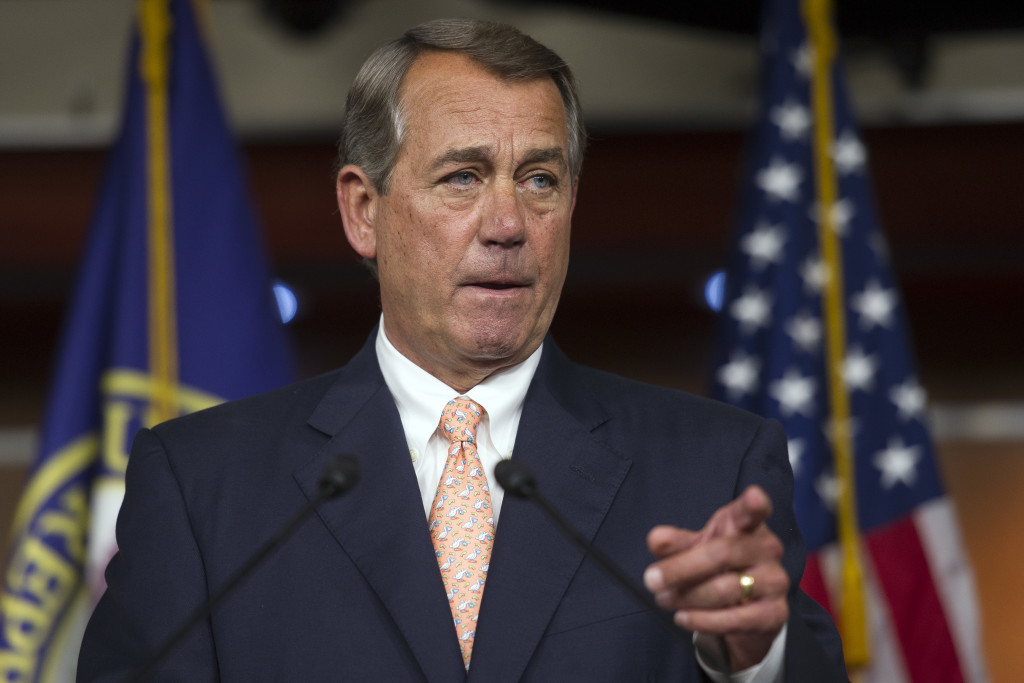
Speaker John Boehner is trying to make one last deal as he heads for the exits, pushing to finalize a far-reaching, two-year budget agreement before handing Congress’ top job over to Paul Ryan this week, congressional officials said Monday. The deal, in concert with a must-pass increase in the federal borrowing limit, would solve the thorniest issues awaiting Ryan, who is set to be elected speaker on Thursday. It would also take budget showdowns and government shutdown fights off the table until after the 2016 presidential election, a potential boon to Republican candidates who might otherwise face uncomfortable questions about messes in the GOP-led Congress. Congress must raise the federal borrowing limit by Nov. 3 or risk a first-ever default, while money to pay for government operations runs out Dec. 11 unless Congress acts. Top House and Senate aides have been meeting with White House officials in search of a deal that would give both the Pentagon and domestic agencies budget relief in exchange for cuts elsewhere in the budget. The measure under discussion would suspend the current $18.1 trillion debt limit through March 2017. After that it would be reset by the Treasury Department to reflect borrowing over that time. The emerging budget side of the deal resembles a pact that Ryan himself put together two years ago in concert with Sen. Patty Murray, D-Wash., that eased automatic spending cuts for the 2014-2015 budget years. Many conservatives disliked the measure and many on the GOP’s right flank are likely to oppose the new one, which would apply to the 2016-2017 budget years. “Fiscal negotiations are ongoing,” McConnell said as he opened the Senate on Monday afternoon. “As the details come in and especially if an agreement is reached, I intend to consult and discuss the details with our colleagues.” “We’re just trying to get something done as soon as we can,” Senate Democratic Leader Harry Reid of Nevada said earlier on Monday. Negotiators hoped to officially file the legislation Monday night but it’s not clear if they’ll meet the goal. GOP defense hawks are a driving force for an agreement. Democrats and the White House are pressing hard as well, demanding increases for domestic agencies on par with any Pentagon hikes. At the White House, press secretary Josh Earnest said: “Not everything has been agreed to. That means nothing at this point has been agreed to.” Obama wants roughly $74 billion in additional defense and non-defense spending this year to ease agency budget curbs imposed by strict spending caps set under a 2011 debt and budget deal. The measure wouldn’t provide full relief demanded by defense hawks and would award equal increases to defense and domestic programs. The pending talks focus on setting a new overall spending limit for agencies whose operating budgets are set by Congress each year. It will be up to the powerful House and Senate Appropriations committees to produce a detailed omnibus spending bill by the Dec. 11 deadline; those talks are likely to be arduous, especially as Republicans press policy provisions, known as “riders,” on a variety of topics, including the environment, travel to Cuba, and regulation of the Internet. Details were sketchy but the tentative pact anticipates designating increases for the Pentagon as emergency war funds that can be made exempt from budget caps. Non-defense spending would get an increase as well, though not the full amount demanded by Obama in his February budget. Offsetting spending cuts included reforms to the Agriculture department’s crop insurance program, a “site neutral” proposal that would curb Medicare payments for outpatient services provided by hospitals, and extending a 2 percentage point cut in Medicare payments to doctors through the tail end of a 10-year budget “window.” Lawmakers hoped to address two other key issues as well: a shortfall looming next year in Social Security payments to the disabled and a large increase for many retirees in Medicare premiums for doctors’ visits and other outpatient care. Social Security’s disability trust fund is projected to run out of money in late 2016. If that is allowed to happen, it would trigger an automatic 19 percent cut in benefits for 11 million disabled workers and their families. Congress and the White House have been discussing a temporary reallocation of payroll taxes from Social Security’s retirement fund to the disability fund. The move would be paired with changes to the disability program to fight fraud and to encourage disabled workers to return to work. Officials who described the discussions did so on condition of anonymity because they were not authorized to speak publicly about confidential negotiations. Just days are left for the deal to come together before Ryan, R-Wisconsin, is elected on Thursday to replace Boehner, R-Ohio, who is leaving Congress under pressure from conservative lawmakers disgusted with his history of seeking compromise and Democratic votes on issues like the budget. The deal would make good on a promise Boehner made in the days after announcing his surprise resignation from Congress last month. He said at the time: “I don’t want to leave my successor a dirty barn. I want to clean the barn up a little bit before the next person gets there.” Republished with permission of The Associated Press.
Donald Trump says his father gave him a “small” $1 million loan

How about some humility, Donald Trump? At a rare town hall event Monday for a man who goes for big rallies, some potential voters wanted to see a common touch from the tower-building billionaire in his quest for the 2016 Republican presidential nomination. He said in reply that he ate at McDonald’s on Sunday, often drives himself and got started in business with a “small loan” of $1 million from his dad. The event, a televised town hall broadcast live on the “Today” show, brought together about 125 registered voters in a country club ballroom. The intimate environment was a rarity for the GOP front-runner, who has generally eschewed small events in favor of rallies drawing thousands of rowdy and loyal backers. While a handful of questions addressed Trump’s policy positions, many focused on his persona as a brash TV entertainer and whether he possessed the ability to come back down to earth. “I know a lot of people would really want to vote for you if only you would eat a piece of humble pie once in a while,” said one woman, an undecided registered Republican, who asked Trump whether he had any weaknesses he might share. “Well I’d like to do that,” Trump responded, “but then I’d expose the weaknesses to Putin and everybody else and we don’t want to do that, right?” He was referring to Russian President Vladimir Putin. Another questioner, identified as an undecided Republican, asked Trump whether, with the exception of his family, he’d ever been told “no.” “I mean, my whole life really has been a ‘no,’” Trump said. “And I fought through it.” Trump is the son of a successful real estate developer who gave him seed money to begin investing in Manhattan real estate. “It has not been easy for me,” Trump added. “And I started off in Brooklyn, my father gave me a small loan of $1 million. I came into Manhattan and I had to pay him back, and I had to pay him back with interest.” Host Matt Lauer quickly noted that most voters would not consider $1 million a small amount. Unlike 2012 GOP nominee Mitt Romney, Trump has fully embraced his wealth in the campaign trail, often bragging about his riches, to little ill effect. Still, Trump did show some signs of relatability in talking about his recent fast-food stop and his tendency to get behind the wheel. During a commercial break, Trump half-jokingly protested the fact that so many of the questioners were undecided. He said he wanted to hear from some backers. Trump was also pushed for more specifics. One attendee, a student at Saint Anselm College in nearby Manchester, said he felt that Trump’s campaign has been “based more on talking points than substance.” “Do you have a specific plan for how to bring our economy back, or should middle class voters just elect you because your name’s Trump?” the student asked. Trump was unapologetic. “Well I think they should,” he said, “because I built a great company.” Mark Casey, a registered independent, pressed the candidate on how he would deal with world leaders. “What would you say to people like me who have concern that you’ll be dealing with a lot of world leaders you might not see eye-to-eye with, and you can’t fire them?” he asked. “But you could start a war by calling them a loser or an idiot.” Trump told Casey that he’d shown restraint throughout the campaign, an assertion bound to raise eyebrows from the political rivals who’ve been subjected to his zingers. He said he knows how to be politically correct when needed. Casey said afterward that Trump’s answer was just what he was looking to hear. “I think that’s what the country needs,” he said. Republished with permission of The Associated Press.
GOP-led Congress moves to block Barack Obama’s Clean Power Plan
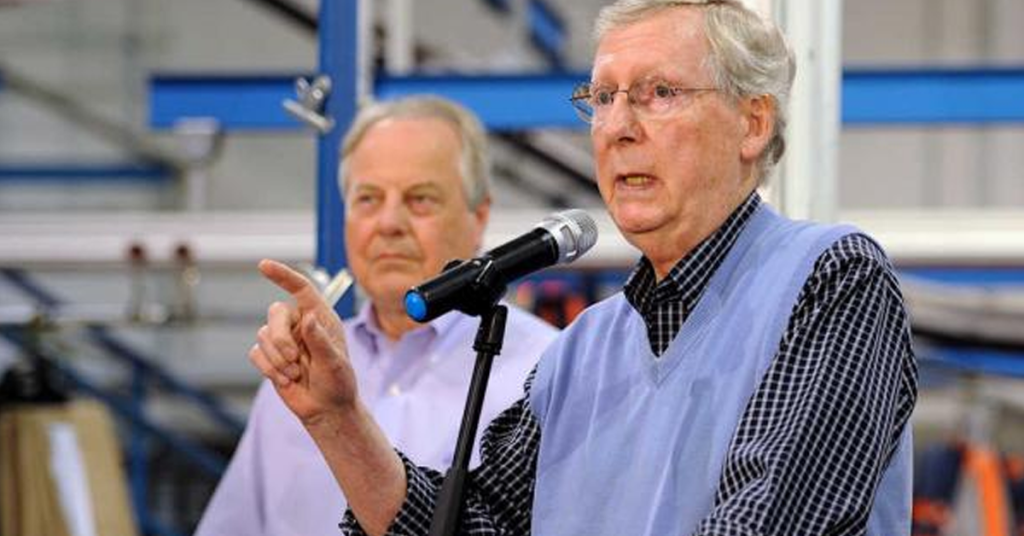
Congressional Republicans are moving to block President Barack Obama‘s plan to force steep cuts in greenhouse gas emissions from U.S. power plants. Senate Majority Leader Mitch McConnell and Rep. Ed Whitfield say they will file resolutions early this week opposing Obama’s plan to impose new regulations on new and existing coal-fired plants. The two Kentucky Republicans were expected to file the challenges filed under the little-used Congressional Review Act, which allows Congress to block executive actions with simply majority votes. The maneuver is subject to a presidential veto and has rarely been successful in overturning executive branch rules. Still, it allows opponents to set up votes calculated to embarrass the Obama administration ahead of international climate talks in Paris this fall. Republican senators are expected to tout the congressional challenge in a series of floor speeches starting Tuesday. One notable exception is New Hampshire Sen. Kelly Ayotte, who became the first GOP senator to support Obama’s sweeping regulation that mandates carbon emissions cuts from the nation’s power plants. Ayotte, who is locked in a difficult re-election fight, said Sunday that the Clean Power Plan would “address climate change through clean-energy solutions that will protect our environment.” New Hampshire is already well on its way to meet the plans’ goals, Ayotte said, adding that she would monitor the plan to ensure it does not have an adverse impact on state energy costs. McConnell said in a statement that the regulations being imposed under the Clean Power Plan “make it clearer than ever that the president and his administration have gone too far – and that Congress should act to stop this regulatory assault.” The administration’s “crusade for ideological purity” threatens the livelihoods of coal miners and their families in Kentucky and other states, McConnell said. “These are Kentuckians who just want to work, provide for their families and deliver the type of low-cost energy that attracts more jobs to Kentucky. And coal is what allows so many of them do all that,” he said. The congressional resolutions follow court challenges filed Friday by industry groups and states dependent on fossil fuels. The challenges from all but two of the 25 states were filed by Republicans. They deride the plan as an “unlawful power grab by Washington bureaucrats” that will kill coal mining jobs and drive up electricity costs. The Obama administration and environmental groups counter that the rules are needed to cut carbon emissions while curbing the worst impacts of climate change and sea-level rise. They also say the plan will spur new clean-energy jobs. The new rules require states to cut carbon emissions by 32 percent by 2030, based on emissions in 2005. Each state has a customized target and is responsible for drawing up an effective plan to meet its goal. The EPA says it has authority to enact the plan under the Clean Air Act. Republished with permission of The Associated Press.
Alabama AG Luther Strange warns about bankruptcy phone scam

Alabamians are being warned about a scam involving bogus debt collections for bankruptcy filers. Alabama Attorney General Luther Strange issued the warning Monday to Alabama residents that scammers posing as attorneys representing debt collectors are calling victims and instructing them to immediately wire money in an attempt to pay a debt that is outside of the bankruptcy proceeding. According to Strange, the perpetrators are not only using publicly available documents about bankruptcy filers to falsify their legitimacy, they’re also “spoofing” the Caller ID system to make it appear they are calling from a bankruptcy attorney’s office, often phoning after business hours to make it difficult to verify they are not legitimate. According to the National Association of Consumer Bankruptcy Attorneys, “under no circumstances would a bankruptcy attorney or a staff member telephone a client and ask for a wire transfer to immediately satisfy a debt. Nor would the bankruptcy attorney and staff ever threaten arrest if a debt isn’t paid.” Attorney General Strange urges consumers to be on alert to such scams and warns that such calls are fraudulent and anyone receiving them should report them to law enforcement. “You should be suspicious of any call you receive demanding you make immediate payment of a debt or face arrest,” warned Strange in a press release. “Debt collectors cannot arrest you. Frequently debt collection scams also claim to be calling on behalf of the IRS, law enforcement, the courts and even the Attorney General’s Office demanding immediate payments. Consumers should never give out personal information over the telephone and should verify the identity of any caller seeking payments.” For more information on ways to protect yourself from consumer fraud, you may call the Attorney General’s Consumer Protection office at1-800-392-5658, or visit their web site.
Birmingham resident featured in Lifetime’s Veteran’s Day ‘Women of Honor’ special
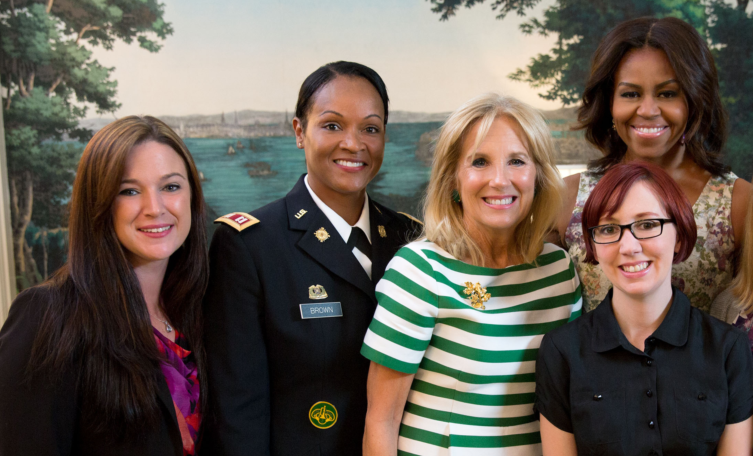
Kathleen “Kat” Causey, a Birmingham resident is one of three amazing and heroic military caregivers that will be featured in the upcoming Veteran’s Day special on Lifetime, “Women of Honor.” Scheduled to air Nov. 9 at 8:00 p.m. ET/PT the hour-long program showcases the emotional and uplifting journeys of Causey, Rolona Brown and Jennifer Madden, who represent the thousands of veterans, spouses, caregivers and countless others who have given so much for our country and continue to do so every day. Kat’s story began in 2011. As she prepared to finish her college degree, her husband of just eighteen months, Army Sergeant 1st Class Aaron Causey, was serving in Kandahar, Afghanistan. On Sept. 7, while performing a routine explosive ordnance disposal (EOD) Aaron stepped on an IED, an improvised explosive device and was catastrophically injured. The explosion left him as a double-above-knee amputee and with multiple injuries to his hands and arms, as well as a traumatic brain injury. It was moment that changed Kat and Aaron’s lives forever. While Aaron spent the next two years recovering at Walter Reed National Military Medical Center, Kat spent her days not only supporting him, but also volunteering with the USO and sharing her experience as a young caregiver spouse with others, inspiring those around her throughout the difficult recovery process. First lady Michelle Obama and Jill Biden will also be featured in the special. “Jill and I are really excited about this conversation and we’re excited that Lifetime is putting the spotlight on these amazing women,” said Michelle Obama. The special will also air the day after Veteran’s Day, Nov. 10 at 6:00 p.m. (CET/JKT) on AFN|spectrum for our U.S. forces, DoD civilians and their families stationed or deployed overseas and aboard U.S. Navy ships. Watch a promo of the special here.
Alabama business roundup: Headlines from across the state – 10/26/15 edition

What Alabama company has been named the top great place to work in the nation? Does Uber finally have the greenlight in Birmingham? Who’s working with Lockheed Martin on a $784 million contract? Answers to those questions and more in today’s Alabama business roundup: Birmingham Business Journal: Uber in Birmingham: City unveils new ordinance, but roadblocks still remain A new transportation ordinance from the Birmingham City Council’s Transportation and Communication Committee suggests some roadblocks still remain before the ridesharing service will come to Birmingham – namely a question about which committee of the Birmingham City Council will have the final say in the matter. As we reported last week, the transportation committee has unveiled a new transportation ordinance for the city. But Uber is expecting the Committee of the Whole to create a new ordinance focused specifically on ridesharing. The transportation committee’s new ordinance includes regulations for transportation network companies like Uber, Lyft and others, but also for limousines, traditional taxis and others. The city has opened up a 120-day period for public comment on the new ordinance to allow the companies themselves, as well as the public, to weigh in. Kim Rafferty, chair of the transportation committee, said Uber has reached out to her office in recent months, but has not been willing to work with the legal department on the new transportation ordinance. Eventually, the department just decided to release it for comment. Instead, she said Uber has focused its efforts on a law specifically written for the company, which Rafferty said was unethical. She said she has shared the draft ordinance with Gotcha Ride – a transportation network company she said was scheduled to begin operating in Birmingham this fall. She said Lyft has also said they would like to weigh in on the proposed ordinance. “The code was ready to move forward in July, but Uber appealed to councilors for their one law,” she said. “The law department asked we go ahead and throw the draft out there for the industry to comment on. And that’s where we are.” The new ordinance would require ridesharing companies to follow several of the same regulations as traditional taxis. In the past, issues such as insurance and licensing have been sticking points between the city and Uber. Several cities around the nation have had similar concerns about Uber and Lyft, but most of the nation’s largest cities have ultimately reached a compromise. Uber, for its part, declined to comment on the new ordinance and what it would mean for the company at this time, but did offer this comment: “On several occasions, we’ve provided comments to the current code and examples of ordinances passed in other jurisdictions,” Uber said in a statement to the BBJ. The company said it is expecting City Council President Johnathan Austin to have a new ordinance specifically focused on ridesharing, rather than the entire transportation code, to be voted on by the full Birmingham City Council within 30 days. The issue is expected to be taken up at the Committee of the Whole meeting next week. At an August meeting of the Committee of the Whole, several city leaders – including Austin – expressed a desire to bring Uber to Birmingham, which is one of the largest cities without Uber in the U.S. Uber has been trying to set up shop in Birmingham for more than a year, but the company and the Birmingham City Council have yet to reach a compromise. The company has said previous ordinances weren’t conducive to its preferred business model. Alabama Newscenter: A new USS Mobile? Mayor hopes to get Port City’s name on Austal-made ship For more than three centuries, Mobile’s deep-water port has buoyed coastal and statewide trade, giving rise to a thriving shipbuilding industry and a rich maritime culture permeating practically every facet of the Port City’s identity. In tribute to the city’s global maritime contributions and its shipbuilding workforce, Mobile Mayor Sandy Stimpson has petitioned Ray Mabus, secretary of the U.S. Navy, to consider naming a future littoral combat ship for Mobile. “As you know, Austal and those Mobilians that work here are producing incredible warships that not only meet the needs of your Navy today, but warships that can adapt to meet the evolving needs of the future,” Stimpson wrote to Mabus in an Oct. 12 letter requesting formally the city and its inhabitants be honored with the first naval ship bearing its name in more than 20 years. Mobile is home to Austal USA, the U.S. headquarters for the Australia-based aluminum shipbuilder, which has evolved in less than 15 years from a modest yacht and ferry builder to a premier defense contractor and key architect of the U.S. Navy’s 21st-century fleet. “Mobile workers are playing a key role in helping to build the world’s greatest navy, and we have a proud history of supporting our military. It seems only fitting that a USS Mobile be named to carry that tradition around the world as a symbol of our work ethic, craftsmanship and patriotism,” Stimpson told Alabama NewsCenter Friday. Austal’s sprawling Mobile shipyard employs more than 4,000 people – making it the city’s largest private employer – and focuses on construction of both the Independence-class LCS and the smaller joint high-speed vessels. The former are 416-foot trimarans deployed to destroy mines, hunt submarines, intercept illegal drugs and offer humanitarian relief across the globe. The latter are 338-foot-long catamarans designed to be fast and flexible carriers of troops and equipment. “You have seen firsthand the quality of workmanship that goes into each LCS and JHSV built here,” Stimpson wrote in his request to Mabus, adding, “Mr. Secretary, I think it is right to say that a little piece of Mobile goes into each of the Independence-class LCS ships made here in Mobile.” A favorable decision, Stimpson wrote, would allow for the fifth vessel in naval history to carry the Mobile name. The most recent USS Mobile, a Charleston-class amphibious cargo shipped known as an “L-ship” or LKA,
Judge to hear Mike Hubbard motions to dismiss ethics case
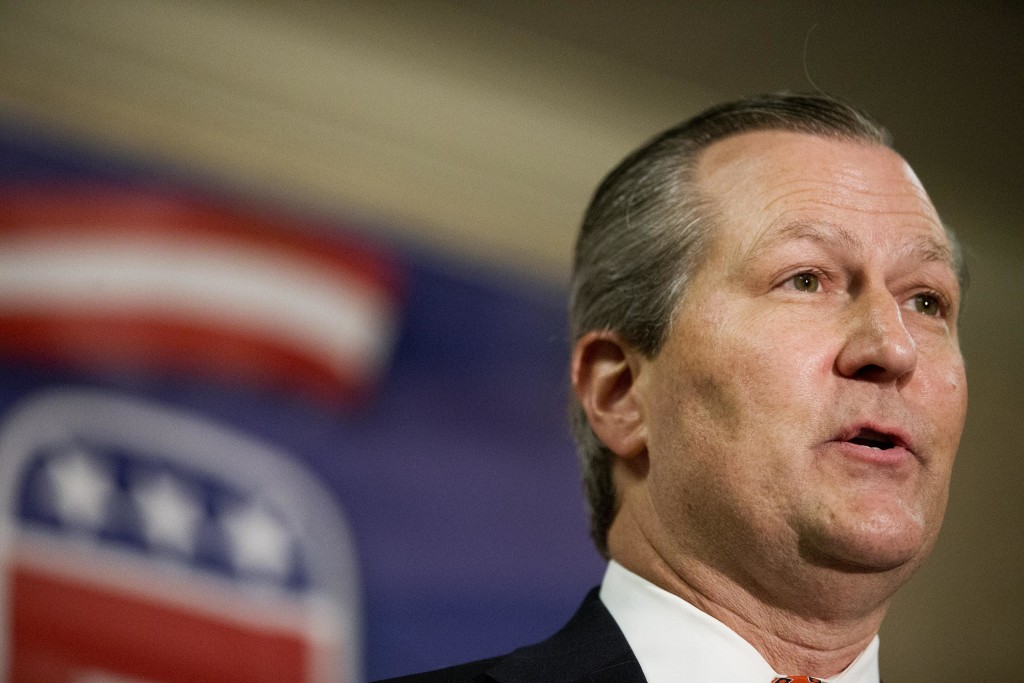
A judge will hear arguments and testimony in indicted House Speaker Mike Hubbard‘s effort to get ethics charges tossed out of court. Judge Jacob Walker has scheduled a multiday hearing to begin Monday afternoon. The powerful Republican is arguing that the state ethics law is unconstitutional and that prosecutors had a vendetta against him. Defense lawyers intend to call two former attorney general office employees and the former head of the state ethics commission to the stand. Hubbard faces 23 felony ethics charges accusing him of using his public positions to benefit his businesses. The case is scheduled to go to trial March 28. Prosecutors filed a motion Friday objecting to defense efforts to push back the trial, which has already been delayed once. Republished with permission of The Associated Press.
U.S. House of Representatives: Oct. 26 – Oct. 30
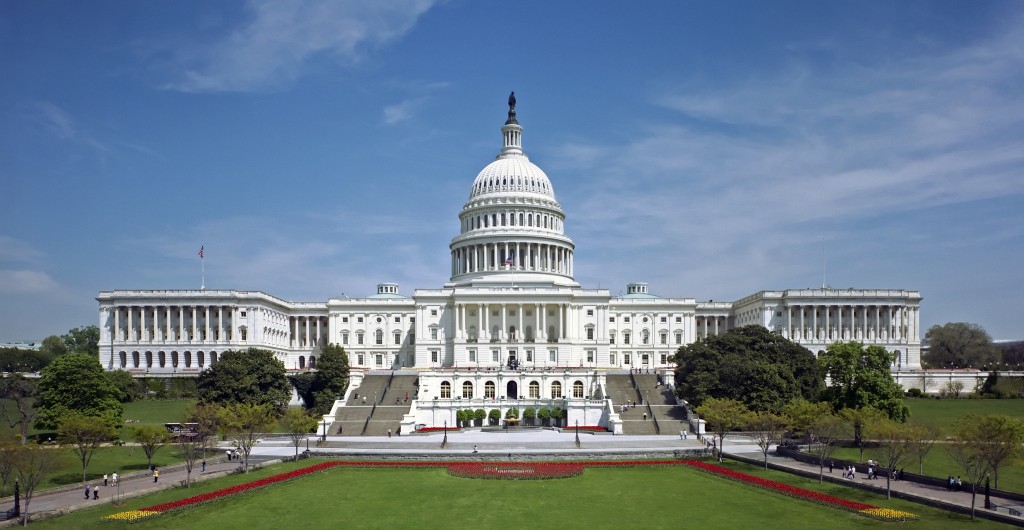
It’s a week of pressing deadlines in the U.S. House of Representatives because the Speakership must be filled as John Boehner departs the House, the debt limit must be addressed to avoid default and the highway trust fund must be re-authorized in order to continue dispersing money. First up, the Republican caucus will meet Wednesday to select it nominee to fill the vacancy for House Speaker, with the Speaker’s election by the full House slated for Thursday. Boehner is poised to exit Friday after 24 years in Congress. After weeks of back and forth and turmoil surrounding the Speaker’s race, House Ways and Means Committee chairman and 2012 vice presidential nominee Rep. Paul Ryan (R-Wis.) is expected to emerge as the new House Speaker should all votes go according to plan. The House is expected to consider legislation to raise or suspend the statutory debt limit. According to the Department of Treasury the United States will run out of borrowing authority by Tuesday, Nov. 3, making a government default is possible unless Congressional action is taken before then. The House is also likely to consider a short-term extension of the authorization of the Highway Trust Fund (HTF). The HTF has enough money to last into 2016, however, the current authorization to continue disbursing funds expires Oct. 29. On Monday and Tuesday, the House is in session and will consider several bills under suspension of the rules. A full list of bills can be found here. Also on the floor this week: H.R. 597: the Export-Import Bank Reform and Reauthorization Act. The bill is eligible for floor consideration on Monday pursuant to a successful discharge petition, where Democrats and several dozen Republicans who support the bank successfully gathered 218 signatures, bypassing the regular procedure of the Majority Leader bringing a bill to the floor. The bill reauthorizes the official export credit agency of the United States for four years; sets new, lower, lending caps; aims to increase accountability and transparency at the bank; and directs the president to initiate negotiations to reduce and eventually eliminate government export subsidies worldwide. The bank’s charter has previously expired at the end of June. Alabama co-sponsors: Rep. Mike Rogers (AL-03); Rep. Robert Aderholt (AL-04) H.R. 1090: the Retail Investor Protection Act. The bill prohibits the Labor Department from implementing a final rule on fiduciary standards for retirement investment advisers until after the Securities and Exchange Commission (SEC) conducts a study and issues a final rule setting standards of conduct for broker-dealers. Alabama co-sponsor: Rep. Mo Brooks (AL-05)
Crime rate down 5 percent in Alabama during 2014

A newly released report by the Alabama Law Enforcement Agency’s (ALEA) Information Bureau shows the crime rate down statewide in 2014. Looking at crime statistics in the 2014 “Crime in Alabama” annual report, there were 164,516 reported crimes in 2014 — more than a 5 percent decrease from 2013. That’s an average of 451 reported crimes a day, making this the third consecutive year for a decrease. Across the spectrum of categories analyzed crimes were down: homicides down 21 percent; property crimes down 5 percent; burglaries down 7 percent; robberies down 1 percent; and crimes involving motor vehicles down 5 percent. The complete 161-page publication takes an in-depth look at reported crimes from 350 law enforcement agencies. “Each year, our Information Bureau uses the Uniform Crime Reporting (UCR) Program to analyze individual crime statistics reported by 350 local law enforcement agencies across Alabama. ‘Crime in Alabama’ is a publication containing an official statistical analysis of crime in these local jurisdictions throughout Alabama during the previous year,” said Alabama Law Enforcement Agency’s Chief Information Officer Kevin Wright. Also released were detailed supplemental reports for the 350 local law enforcement agencies, excerpted from the “Crime in Alabama” 2014 report. Those supplements include the 2014 “Domestic Violence in Alabama,” the 2014 “Juvenile Victims of Violent Crime in Alabama,” and the 2014 “Drug-related Crime Statistics in Alabama.” Alabama’s UCR Program, administered by ALEA’s Information Bureau, provides uniform crime rate statistics that are submitted to the the Federal Bureau of Investigation (FBI) or its annual publication of crime statistics. You can view the Crime in Alabama 2014 report in its entirety and the supplemental reports here.
