
Business group: Birmingham got $1.1 billion in capital investment in 2015

It has become conventional wisdom to take note of Birmingham’s economic resurgence of late. The ongoing construction, growing payrolls, and general sense that there’s more to do all seem to testify, providing their own wordless evidence. The Birmingham Business Alliance added a more concrete contribution to the chorus on Monday, announcing the findings of a new report saying the Magic City has taken nearly $1.1 billion in new capital investment in 2015. According the report, Birmingham added 3,509 current or announced jobs to boot. The BBA, a consortium of Birmingham industry interests, also trumpeted several new developments related to business and job growth, such as a new $34 million Publix distribution center that will add 200 jobs; a $45 million renovation of the Empire Building which will yield a new Empire Hotel; a new $100 million Yorozu Corp. metal stamping facility in Jasper set to create 300 jobs; and a $530 million, 354-job commitment from auto supplier Kamtek to grow their operations in Birmingham. Ninety companies announced jobs overall, according to the report. The BBA will release its full report at the 2016 Economic Growth Summit at the Harbert Center in downtown Birmingham on May 12. “This was a milestone year in terms of economic development and investment in the continued growth of our region,” said the group’s 2016 chairman, University of Alabama at Birmingham President Ray Watts in a prepared statement.
Jackie Zeigler to vote at Creekwood Church, host watch party for Tuesday run-off
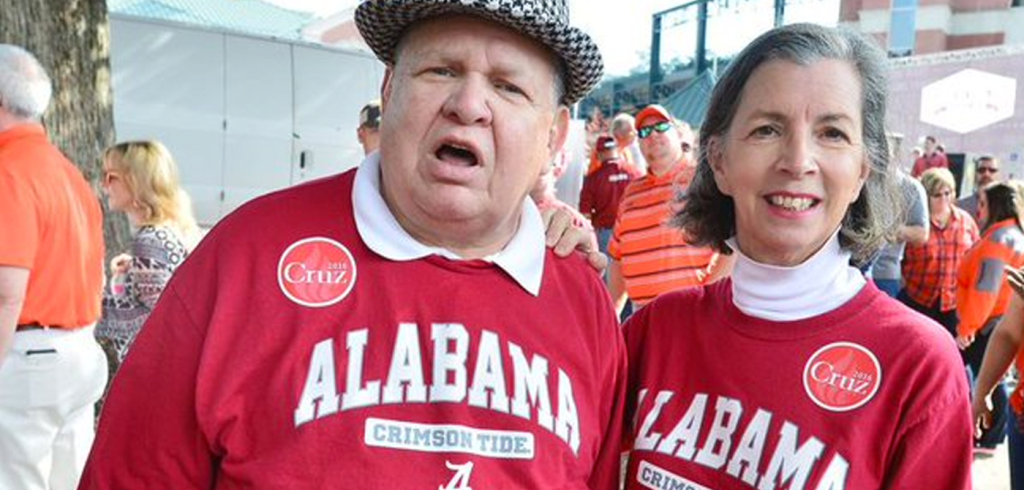
State School Board candidate Jackie Zeigler announced her plans for Election Day on Tuesday, which will see a run-off election between Zeigler and District 1 incumbent Matt Brown. Zeigler and Brown – both Republicans – faced off in a primary election back on March 1, with Zeigler edging Brown for the most votes with 36.79 of ballots cast to Brown’s 26.35 percent. But since neither garnered a majority, the election triggered a run-off. The race is expected to feature a relatively low turn out, as the School Board seat is the only office up for election Tuesday, besides a local commission seat in Covington County. The District 1 seat is a single-member district that takes in the counties of Baldwin, Butler, Conecuh, Crenshaw, Escambia and Mobile, plus the aforementioned Covington. Zeigler circulated an itinerary to members of the news media Monday afternoon ahead of Tuesday’s election: 7-9 a.m. – Poll greeting at her own poll, Creekwood Church of Christ, Schillenger Road, Mobile. 9 a.m. – Jackie will cast her vote at Creekwood, along with her husband Jim Zeigler, State Auditor 9 a.m. to 7 pm – Floating from poll to poll in Mobile County greeting voters and poll greeters. 7:30 p.m. – Election watch and victory party at the Zeigler home. 3071 Teal Court, Mobile. Zeigler will be joined throughout the day by her husband, State Auditor Jim Zeigler. Media and members of the public are invited to the Zeiglers’ home. Zeigler, a retired former National Blue Ribbon Award for Excellence-winning elementary school principal, is running on experience, saying 37 years as a teacher and administrator has prepared her better for the job than the 29-year-old Brown. Brown, meanwhile, says he has built a “strong record of listening to the people of south Alabama” since being appointed to the position by Gov. Robert Bentley in July 2015.
Barack Obama: “No political influence” in Hillary Clinton email probe
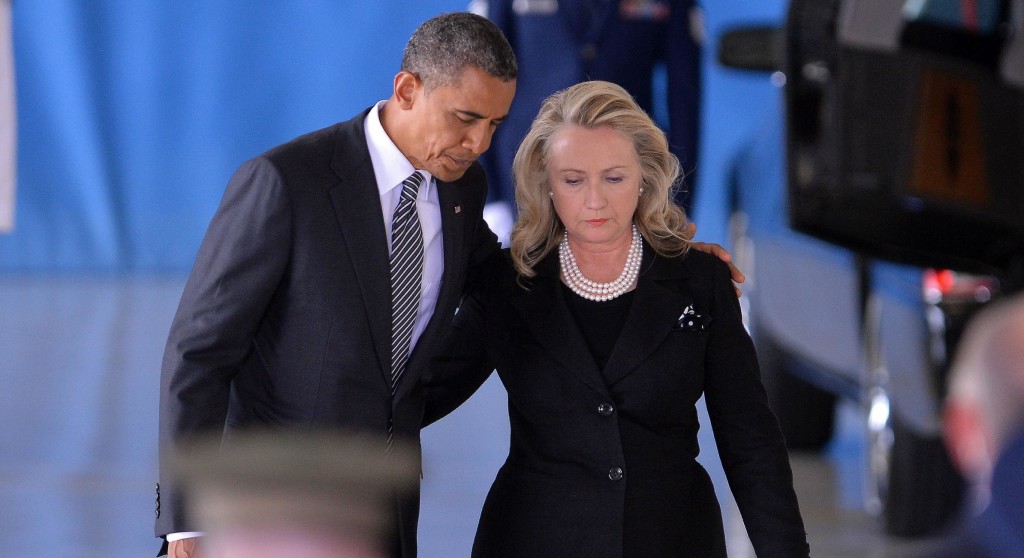
President Barack Obama is guaranteeing that evidence, not politics, will dictate the outcome of the FBI’s investigation into Hillary Clinton‘s handling of emails as secretary of state. Obama’s comments came during an appearance on Fox News Sunday, his first as president. Obama said he continues to believe Clinton didn’t jeopardize America’s national security with her private email server, but he added that “there’s a carelessness in terms of managing emails” that she has recognized. Obama said no one has suggested that Clinton’s handling of government emails detracted in any way “from her excellent ability to carry out her duties.” When asked specifically whether he can guarantee that Clinton will “not be in any way protected” during the course of the investigation, Obama said he maintains a strict line about not talking to FBI directors about pending investigations. “I guarantee that there is no political influence in any investigation conducted by the Justice Department, or the FBI, not just in this case, but in any case,” Obama said during an interview that was taped during his visit to the University of Chicago School of Law, where he taught. The FBI is investigating whether sensitive information that flowed through Clinton’s email server was mishandled. The inspector generals for the State Department and U.S. intelligence agencies are separately investigating whether rules or laws were broken. Obama touched on several issues during the interview, including the nomination of Merrick Garland to the Supreme Court and how he deals with the threat of terrorism. On Garland’s nomination, Obama said he will stick with him through the end of his term. “What I think we can’t have, is a situation in which the Republican Senate simply says, ‘Because it’s a Democratic president, we are not going to do our job, have hearings, and have a vote,’ ” he said. On terrorism, Obama said he doesn’t think Americans have made too much of the threat of terrorist attack. He also said he hasn’t let acts of terror disrupt some of his regular activities because it’s important to communicate a message of resilience and “that we don’t panic, that we don’t fear.” On what he most looks forward to when leaving office: “Being able to take a walk outside.” On his best and worst day in office. Obama said the best was the day health insurance reform passed and the worst was the day he traveled to Newtown, Connecticut, after the massacre at Sandy Hook. Republished with permission of the Associated Press.
Alabama legislative preview: April 11 – April 15, 2016
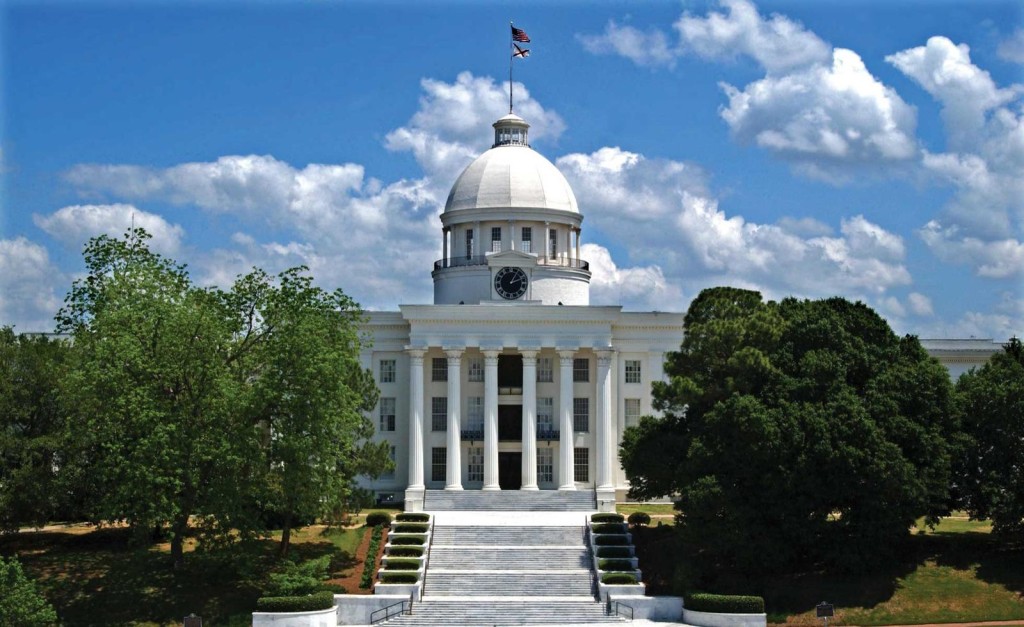
Alabama legislators will return to Montgomery this week to continue the 2016 regular session. The House will convene at 1pm on Tuesday, April 12th, while the Senate will convene at 4pm. This week the House will consider: HB393, which would give the Department of Agriculture and Industries the authority to study, regulate, and tax industrial hemp, and reclassify the plant as separate from marijuana. Sponsored by Ken Johnson (R-Moulton) The Senate version, SB347, is sponsored by Sen. Paul Bussman (R-Cullman) HB218, an effort to require cursive handwriting skills to be taught by the end of the third grade year to “to prepare him or her to enter the world of work and/or to complete course work at the postsecondary level.” Sponsored by Dickie Drake (R-Leeds) HB2, or the “Kelsey Smith Act”, which would require wireless communications service providers to give location information to law enforcement agencies upon request in an emergency situation involving a risk of death or serious bodily harm. Sponsored by Tommy Hanes (R-Scottsboro) The Healthcare Costs sub-committee will meet Tuesday at 10am in room 418 to consider HB158, the Child Care Provider Inclusion Act, which would prohibit the state from discriminating against a child care service provider on the basis that the provider declines to provide a child care service that conflicts with the religious beliefs of the provider. HB158 is sponsored by Rep. Richie Wingo (R-Tuscaloosa) The Senate has yet to publish its special order calendar, but this story will be updated when it becomes available.
University of Mobile names Timothy L. Smith new president
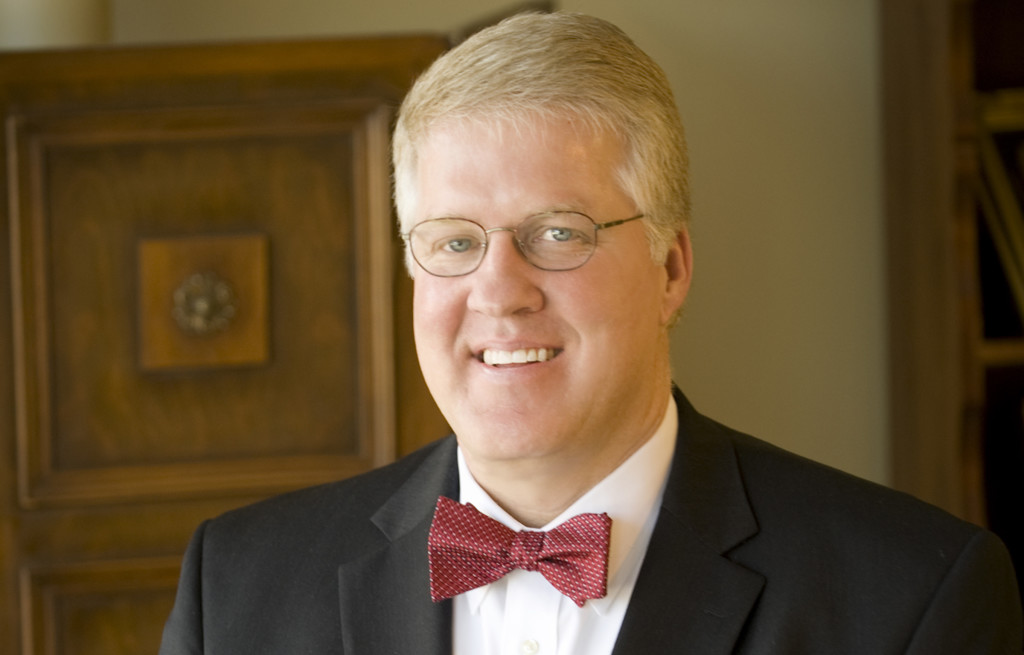
The University of Mobile board of trustees announced Monday it has named a new president for the institution, the fourth in the Baptist university’s 54-year history. Timothy L. Smith holds two doctorates, two master’s degrees and is licensed by the South Carolina Board of Nursing and the American Association of Nurse Anesthetists. Additionally, he has years of experience in higher education. “The University of Mobile has a great foundation, with many building blocks already above the foundation. I believe there are huge opportunities to serve the community and partner with so many organizations. My methodology in leading as president will be a very collaborative approach. I want people inside the institution and externally to know that I’m coming in to listen; I’m coming in to collaborate; and I’m coming in to partner,” said president-elect Smith. After an extensive search, UMobile Board of Trustees Chairman Fred Wilson said Smith was chosen, in part, because of his ability to be a “president for every constituency of the university.” Smith will replace retiring President Mark Foley, who has led the school since 1998. “Since accepting the position of president of the University of Mobile in 1998, it has been my determination that part of my responsibility is, at the appropriate time, to lead the institution carefully and effectively into the hands of my successor,” said Foley when he announced his retirement in October. “Just as in a relay race, the key to winning is an effective hand off. I believe now is the time to begin that hand off.” The University of Mobile’s press team live-Tweeted the press conference making the announcement. Dr. Tim Smith “Top three goals, 1. Continue theological emphasis. 2. Examine academic process. 3. Look and build fiscal resources.” — University of Mobile (@umobilenews) April 11, 2016 Dr. Tim Smith post press conference. #UMobilePrez pic.twitter.com/2InJfVri9f — University of Mobile (@umobilenews) April 11, 2016 Smith will begin his tenure as U of Mobile at the conclusion of this school year. According to the University’s website, the University of Mobile is a Christian university affiliated with the Alabama Baptist State Convention located on an 880-acre campus near Mobile. More than 1,500 students are enrolled in over 40 undergraduate and graduate programs in the College of Arts and Sciences, School of Business, School of Christian Ministries, School of Education, School of Nursing, School of Worship Leadership, The Roger Breland School of Music, adult and professional studies, and graduate programs.
This week in the U.S. House of Representatives, Senate: Apr. 11 – 15, 2016
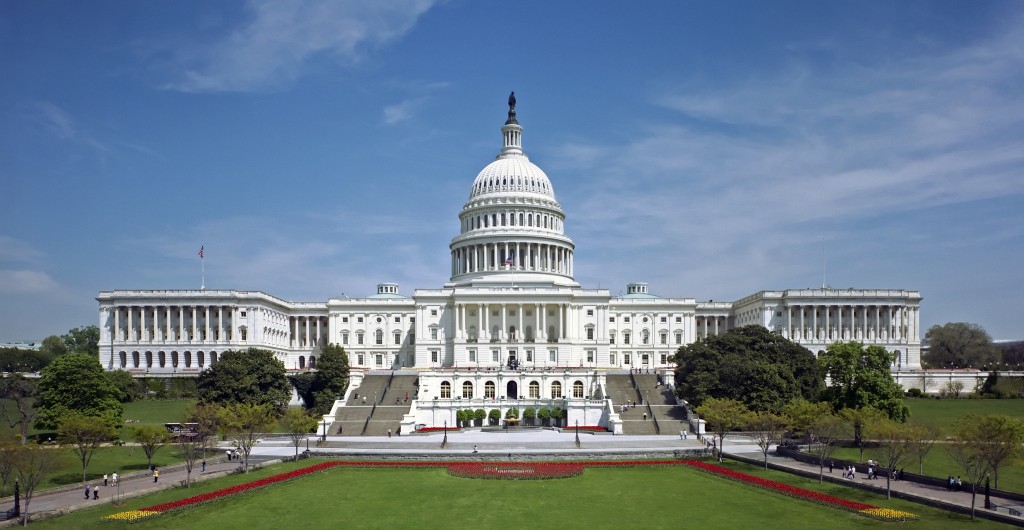
Both chambers are in session this week, kicking off three busy weeks of legislative activity before the next scheduled recess, the week of May 2. On Monday, the U.S. House of Representatives is not in session. On Tuesday and Wednesday, the House is in session and will consider several bills under Suspension of the Rules, including: S. 2512: a bill to add the Zika Virus to the FDA Priority Review Voucher Program Act. This bill expands the program to provide companies that develop vaccines or treatments for the Zika virus with vouchers for expedited FDA product reviews that can be used for other products. Alabama co-sponsor(s): None. H.R. 4676: the Preventing Crimes Against Veterans Act. This bill establishes fines and prison sentences for individuals who engage in schemes to defraud veterans seeking to obtain veterans benefits. Alabama co-sponsor(s): None. H.R. 4482: the Southwest Border Security Threat Assessment Act. This bill requires the Homeland Security Department to conduct a border threat analysis of the nation’s southwest border with Mexico and to identify improvements needed to enhance border security and reduce those threats. Alabama co-sponsor(s): None. A full list of bills that will be considered under suspension may be found here. Also on the House floor this week: H.R. 3791: a bill that would allow more banks to operate under the Fed’s Small Bank Holding Company Policy. The bill requires the Federal Reserve Board to modify its Small Bank Holding Company Policy Statement to allow bank and thrift companies with assets of up to $5 billion to operate under the policy, up from the current limit of $1 billion. This would allow more small bank holding companies to hold higher levels of debt while also exempting them from certain Dodd-Frank Act minimum leverage and risk-based capital requirements. Alabama co-sponsor(s): None. H.R. 3340: the Financial Stability Oversight Council Reform Act. The bill modifies the funding of the Financial Stability Oversight Council and the Office of Financial Research (OFR) by making said funding subject to the annual appropriations process. Alabama co-sponsor(s): None. H.R. 2666: the No Rate Regulation of Broadband Internet Access Act. The bill prohibits the Federal Communications Commission (FCC) from regulating the rates that Internet service providers (ISPs) such as Verizon or U-verse may charge for broadband Internet service. Alabama co-sponsor(s): None. Highlights of what is happening in House Committees this week: Budget season: The House Appropriations committee continues its FY17 hearing slate, a full list of those hearings can be found here. Energy and the rural economy: On Wednesday, the House Agriculture Committee will hold a hearing titled “Energy and the Rural Economy: The Impacts of Oil and Gas Production.” More information here. Puerto Rico: On Wednesday, the House Natural Resources Committee will hold a hearing on the “Puerto Rico Oversight, Management, and Economic Stability Act.” More information here. Government duplication: On Wednesday, the House Oversight and Government Reform Committee will hold a hearing titled “Waste and Inefficiency in the Federal Government: GAO’s 2016 Duplication Report.” More information here. Small business tax reform: On Wednesday, the House Small Business Committee will hold a two part hearing titled “Keep It Simple: Small Business Tax Simplification and Reform, the Commissioner Responds.” More information here and here. Judiciary markup: On Wednesday, the House Judiciary Committee will hold a markup of S.125, the “Bulletproof Vest Partnership Grant Program Reauthorization Act of 2015” and H.R.699, the “Email Privacy Act,” to update the privacy protections for electronic communications information that is stored by third-party service providers in order to protect consumer privacy interests while meeting law enforcement needs. More information here. Small business regulations: On Thursday, the House Small Business Committee will hold a hearing titled “Regulation: The Hidden Small Business Tax.” More information here. Tax treatment of health care: On Thursday, the House Ways and Means Committee will hold hearing on “Tax Treatment of Health Care.” More information here. This week the U.S. Senate is expected to spend the bulk of its time on FAA reauthorization. Highlights of what is happening in Senate Committees this week: ISIS: On Tuesday, the Senate Foreign Relations Committee will discuss the spread of ISIS. More information here. Visa program: On Wednesday, the Senate Judiciary Committee continues its review of the Investor Visa, or EB-5 Visa Program, and current abuses. More information here. Appropriations: On Thursday, the Senate Appropriations Committee will mark up the Energy and Water Development Appropriations Act and Military Construction, Veterans Affairs, and Related Agencies Appropriations Act. More information here.
Huntsville schools’ switch to digital textbooks to double cost of traditional

According to research done by north Alabama education blogger Russell Winn and a Huntsville City School student’s parent Sarah Threlkeld, the system’s recent switch to digital versions of textbooks appears to have cost more than twice as much as it would have to continue using physical copies. As detailed in emails to Ms. Threlkeld from HCS Board Member Elisa Ferrell, the Huntsville City School Board claimed it would save the system money to conduct a “digital 1:1” switch. The current state funded budget for textbooks was raised in 2015 to $52.71/student a year, significantly higher than in recent years, but still low enough to cause local school systems to make up the difference. Local school systems are given the opportunity to determine the type of curriculum they wish to use, as long as it conforms to the state’s version of Common Core, the Alabama College and Career Readiness Standards. On the front end, Winn found, it does appear that digital copies of textbooks are slightly less expensive than physical copies. To license the books from Pearson Digital it breaks down to approximately $3.13 million per year, which saves a few hundred thousand dollars compared to the $3.35 million per year it would cost to continue using physical texts. But licensing for digital textbooks is only the first part of the expense. Winn writes: The Pearson digital curriculum is useless without a computer to view the curriculum on, isn’t it? It took quite a while to get it (the contract was signed 6/18/2012, but it wasn’t publicly available until December 2012 for some reason), but the actual cost of the HP computers that the district distributed in 2012 was $10,624,000 for three years. That did not include the cost of distributions or repairs. I don’t have accurate numbers for those costs, but they were substantial. If we take the Lenovo contract as a baseline for repair costs, it’s fair to estimate that they were at least in the range of $2 million, but since I do not have an accurate estimate of those expenses, I’ll not include them here. The cost of the HP computers to view the Pearson digital curriculum was $3.5 million a year for three years. That means the cost of the digital transition jumped from $18,760,902.90 to $29,384,902.90. Thus, we are already exceeding Ferrell’s ever increasing cost for the printed textbooks by nearly $6 million. In 2015 the school system also updated their 3-year-old computers from HP to Lenovo, in a contract costing $16,366,000 for three years. Winn was unable to procure the system’s contract with Apple for the purchase of 5,060 iPads in 2012, but estimates they cost an additional $2,018,940, or $336,490 for each year they will be used. Summing it all up, Winn found the systems switch to digital texts cost more than twice what it would have to continue using physical textbooks. Pearson Curriculum: $18,760,902.90 for 6 years or $3,126,817.15 per year. HP Computers: $10,624,000.00 for 3 years or $3,541,333.33 per year. Lenovo Computers: $16,366,000.00 for 3 years or $5,455,333.33 per year iPads: $2,018,940.00 for 6 years or $336,490.00 per year. Total Digital Curriculum Costs: $47,769,842.90 or $7,961,640.48 per year. While Ferrell has yet to return Alabama Today’s request for comment, she did offer some hint into the ways the benefits may outweigh the costs of this transition in her emails to Threlkled. Curriculum was becoming digitized and we found that it we did a system wide curriculum digital 1:1 transition rather than purchasing hard copy text books, that the financial impact would be less, all our students would have equitable access to the same curriculum, HCS would be able to move towards individualized learning for each student, and we would catapult our students into the digital age that they will be living in as adults. As an aside, one of the most frequent comments we receive from our graduated seniors after the first year of digital 1:1 was that they found they were more prepared for the college transition, with its digital texts and digital homework and test submissions, than their peers were. As a result they were more successful. As school systems seek to balance a transition into a new, digitally-led, era of education with the budgeting realities of the state, the tradeoffs are becoming more apparent. This story may be updated as more information becomes available
Martha Roby: Web of regulations can ensnare business, cost jobs
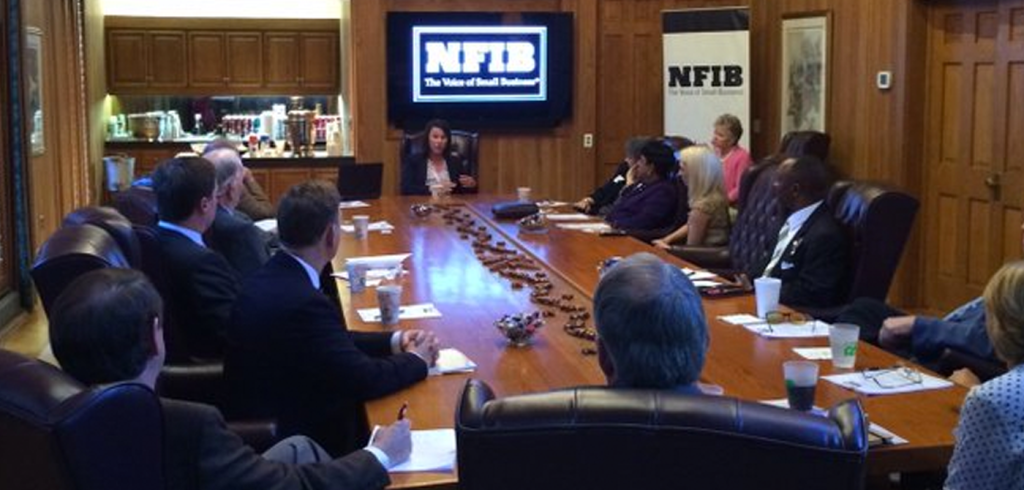
This past week I met with the National Federation of Independent Business’s (NFIB) Alabama Leadership Council in Montgomery. As you probably know, the NFIB is a member organization made up of small and independent businesses, and this particular group represents small business operators from all across Alabama. I’m proud to support homegrown Alabama businesses and the jobs they sustain. Small businesses employ as many as 50 percent of all private sector employees. Yet, talk to just about any business owner and they’ll tell you how difficult it can be to operate in today’s regulatory environment. That’s especially true for small and medium-sized businesses that lack the resources it takes to put toward compliance. You may remember President Obama announcing how he would use his “pen” to sign executive orders mandating policies he could not successfully pass through Congress. The most high profile of these was his order seeking to offer de facto amnesty to certain classes of illegal immigrants, which is currently being challenged as unconstitutional in federal court. However, many lesser known rules and regulations put forward by agencies like the Environmental Protection Agency and the Department of Labor could have a much more significant effect on the private sector. A recent study by the Regulatory Studies Center at George Washington University found 392 “major” regulations have been issued during the Obama presidency so far. And, according to the Wall Street Journal, the Administration is now “racing to make final a flurry of regulations affecting broad swaths of the economy” before the term is finished. I strongly oppose this kind of “backdoor legislating,” in which government agencies decide single-handedly to impose new, aggressive regulations. The U.S. Constitution separated the powers of government among the three branches and set up a system of checks and balances. Our laws have legitimacy because they are passed by representatives elected by and accountable to the people. That system is undermined when this “fourth branch” of unelected bureaucrats in federal agencies is allowed to unilaterally impose major, binding regulations with impunity. President Obama is certainly not the first president to expand the reach of the Executive Branch by imposing rules and regulations. However, he has been notably more aggressive than most, and that should continue down the final stretch of his presidency. Congress has a responsibility to fight back against Executive Branch overreach, whether through exposing potentially harmful regulations, passing legislation to set strict limits or using the “power of the purse” to rein in agencies. I also believe the Judicial Branch must step in and reaffirm the separation of powers. Listening directly to the concerns of those who operate businesses affords me a better understanding of just what they deal with on a daily basis from federal regulators. I will continue to work on their behalf in Congress to expose and fight against unnecessary regulations that hinder their ability to create and sustain jobs. • • • Martha Roby represents Alabama’s 2nd Congressional District. She lives in Montgomery, Alabama with her husband, Riley, and their two children.
Alabama Education Association names Brenda Pike new executive director
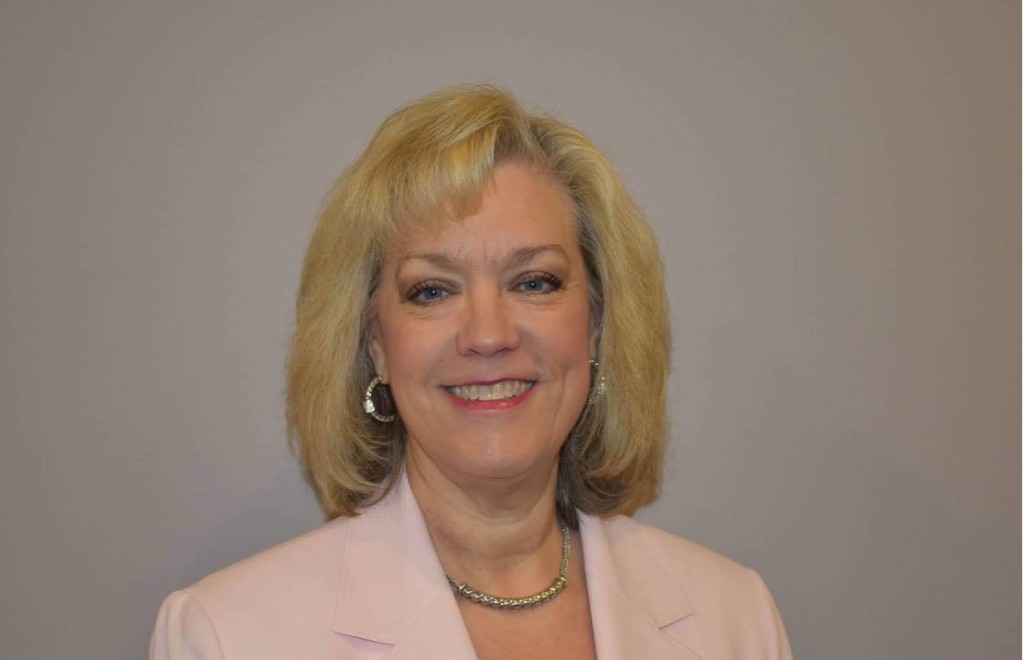
The Alabama Education Association has hired a new executive director. Brenda Pike, Ed.D., CAE, will assume top spot at AEA on May 16 — more than a year after Henry Mabry‘s March 2015 resignation following an audit that revealed financial mismanagement. The AEA Board announced Pike’s hiring Friday after an extensive national search. Pike currently serves as the Executive Director of the Indiana State Teachers Association (ISTA). “We are extremely pleased that Dr. Pike is assuming this important role at this time,” said AEA President Sheila Hocutt Remington. “She has the deep experience and skill to lead AEA forward, to foster collaborative working relationships across the state, and to continue the strong membership advocacy that is the trademark of the Alabama Education Association,” A Gadsden native, Pike moved to Montgomery when her father, William Dodson, left his role as assistant pastor of the First Baptist Church of Gadsden to become the founding pastor of Eastern Hills Baptist Church. Pike later received her master’s degree from the University of Tennessee, and a Doctorate of Education from the University of Memphis. Pike worked for 12 years as a classroom teacher before joining the staff of the Tennessee Education Association. She subsequently was employed for eight years as the assistant executive director for the Texas State Teachers Association before being named to lead the ISTA in 2010. Under Pike’s leadership, the ISTA achieved stability and improvements in education policy. Pike instituted robust membership and communication programs, and cutting edge technological advancements to engage members and communities around improving public education and student learning. “I am so deeply honored for the opportunity to come back home to serve Alabama educators,” Pike said. “AEA has been the leading advocate for education professionals, public schools and students for 160 years, and I look forward to making a meaningful contribution to its legacy alongside its leaders, staff and members.”
Bradley Byrne: New rule could reduce access to retirement advice

The last decade has been particularly difficult for our nation’s workforce and retirees. The economic downturn really did significant damage to the stock market and many people’s retirement plans took a hit. This situation put an even greater emphasis on the importance of having sound financial advice. Saving for retirement should be easy. There is bipartisan agreement in Congress that every American should have access to high quality, affordable retirement advice. This advice should always be in the best interest of the consumer. Unfortunately, a newly finalized rule by the Department of Labor threatens to make saving for retirement harder. In fact, the rule could upend some families’ access to retirement advice and would likely put some small financial firms out of business. The official mission statement for the Department of Labor’s is to “foster, promote, and develop the welfare of wage earners, job seekers, and retirees of the United States.” Sadly, the newly announced “fiduciary” rule seems to stand in direct contrast to this goal. Let me explain. Generally speaking, a “fiduciary” is someone who is responsible for managing the assets of another person, or group of people. People who work in these roles are already subjected to numerous government regulations and requirements. This rule will impose new standards and regulations while also expanding the definition of who is required to comply. In other words, it adds more red tape while also subjecting even more people to regulation. Studies have found the increased compliance costs could be over $2 billion. As I have mentioned before, the costs of compliance are almost always passed on to the consumer in the form of higher prices and fees. The people who are going to be hit the hardest by these changes will be low- and middle-income families who arguably need sound financial advice the most. Due to the highest costs, they may no longer be able to afford the services. Just as bad as increasing costs, the rule may also limit choices for those who are trying to save for retirement. Small businesses, who often have a smaller portfolio, will be the ones who likely suffer the most under a decrease in options. Don’t get me wrong: companies and organizations that give bad financial advice or don’t act in the best interest of the consumer deserve to be punished. But there is a way to ensure the bad actors are punished without hurting everyone else in the process. We shouldn’t just accept these “unintended consequences.” Prior to the release of this rule, numerous Members of Congress, including Republicans and Democrats, contacted the Department of Labor to express our concerns. Sadly, many of our concerns were simply ignored. As a member of the House Education & Workforce Committee, I’m committed to finding solutions to this overreach. I was proud to vote in favor of the Retail Investor Protection Act, which passed the House in October. This bill would have required the that stakeholder input be gathered before any rule could go into effect. Unfortunately the Senate didn’t take up this legislation before the rule came out. I’ve also co-sponsored the Affordable Retirement Advice Protection Act and the SAVERS Act. These bills ensure retirement advisors act in their clients’ best interest while preserving low- and medium-asset savers and small businesses have access to affordable retirement advice. I’m pleased to see these bills have bipartisan support, and I hope the House acts on them soon. At a time when studies show that nearly half of America is not saving adequately for retirement, it’s important the federal government be increasing – not decreasing – access to responsible retirement advice. • • • Bradley Byrne is a member of U.S. Congress representing Alabama’s 1st Congressional District.
Presidential Primary Brief: 210 days until Election Day

210 days until Election Day Convention Dates: Republican July 18-21 2016, Democratic July 25-28 2016 Weekly Headlines: Top Benghazi panel Dem endorses Hillary Clinton Sanders wins Wyoming caucuses Donald Trump Loses Weekend Delegate Fight in 5 States Press Clips: Sanders: Clinton’s judgment ‘clearly lacking’ (Politico 4/10/16) Bernie Sanders’s attacks on his Democratic rival Hillary Clinton are shifting from qualifications for president to her judgment. “She may have the experience to be president of the United States. No one can argue that,” Sanders said on NBC’s “Meet the Press.” “But in terms of her judgment, something is clearly lacking.” And on CNN’s “State of the Union,” Sanders said: “I have my doubts about what kind of president she would make.” Bernie Sanders Is Even Less Competitive Than He Appears (FiveThirtyEight 4/8/16) Bernie Sanders’s supporters are fond of the hypothesis that Democratic super-delegates, the elected leaders and party officials who currently support Hillary Clinton by a lopsided- doesn’t-even-begin-to-describe-it 469 to 31, are going to bow to the “will of the people” if Sanders ends up winning more pledged delegates than Clinton by June. There’s just one hiccup in this logic: Sanders fans seem to be conflating the pledged delegate count and the “will of the voters,” when in fact the two are far from interchangeable. Cruz: Trump triggers general election ‘bloodbath’ (Politico 4/9/16) Ted Cruz on Saturday offered his most detailed electability pitch to date as he urged a crowd of influential center-right Republican donors and activists to rally behind his campaign. Donald Trump’s nomination would mean a “bloodbath of Walter Mondale proportions — double digits everywhere” in a general election, Cruz warned at the Republican Jewish Coalition gathering. (Incumbent Ronald Reagan carried 49 of the 50 states in defeating Mondale in the 1984 presidential race.) Donald Trump leads, but Ted Cruz keeps winning tricky delegate contests (Chicago Tribune 4/10/16) Donald Trump still leads the Republican presidential race, but Ted Cruz continues to beat him at a trickier game: securing convention delegates in states that don’t hold caucuses or primaries. Meanwhile, on the Democratic side, Sen. Bernie Sanders failed to make any headway in his delegate deficit, despite winning Saturday’s caucuses in Wyoming. The events in neighboring states underscored the unpredictability of the race for the delegates who will choose the presidential nominees. If Trump fails to secure the 1,237 delegates needed to win the GOP nomination before the July convention in Cleveland, his missteps in the more obscure delegate contests such as Colorado’s could cost him a victory. Obama Climate Change Legacy Hangs In The Balance As 2016 Presidential Election Approaches (International Business Times 4/6/16) U.S. President Barack Obama in his second term launched a host of measures aimed at slashing America’s greenhouse gas emissions and boosting the use of renewable energy. Yet a handful of those policies could soon unravel if a Republican wins the White House in November or the GOP maintains control of Congress, political experts say. It’s widely expected that Democratic presidential contenders Hillary Clinton and Sen. Bernie Sanders would uphold Obama’s climate change agenda, which has drawn criticism from both sides of the aisle. Environmentalists argue the policies are too weak to drive real change in emissions, while opponents say the rules encroach on state rights and private sector freedoms. The leading GOP contenders, Donald Trump and Sen. Ted Cruz, fall in the second camp. Both have spoken critically of wind and solar power, and both have staunchly denied that human activity is contributing to global warming. Minnesota: Bernie’s super-delegate sweet spot (Politico 4/9/16) Congressman Rick Nolan threw his support behind Bernie Sanders on Saturday, making him the third member of Minnesota’s congressional delegation to back the Vermont senator’s presidential campaign. Nolan, a super-delegate, said he would vote for Sanders at the Democratic National Convention in Philadelphia this summer. He joins two other Minnesota super-delegates, Congressmen Keith Ellison and Collin Peterson, in supporting Sanders. No other state has more than one Democratic congressman in the Sanders camp. John Kasich and Ted Cruz Hunt for Votes in Upstate New York (New York Times 4/10/16) Gov. John Kasich’s first visit to upstate New York last week was moved twice to accommodate a crowd larger than anticipated. But that positive bit of news for Mr. Kasich, reported in The Post-Standard of Syracuse on Friday, was upstaged by a headline blaring “Trump to Visit,” announcing an event more than a week away. For Mr. Kasich, the Ohio governor, and Senator Ted Cruz of Texas, that is how every day in the run-up to the New York primary on April 19 seems to be playing out — with excruciating reminders that on Donald J. Trump’s home turf, they will forever grasp for an edge that appears to recede.
