Donald Trump suggests ‘consequences’ for any flag-burners
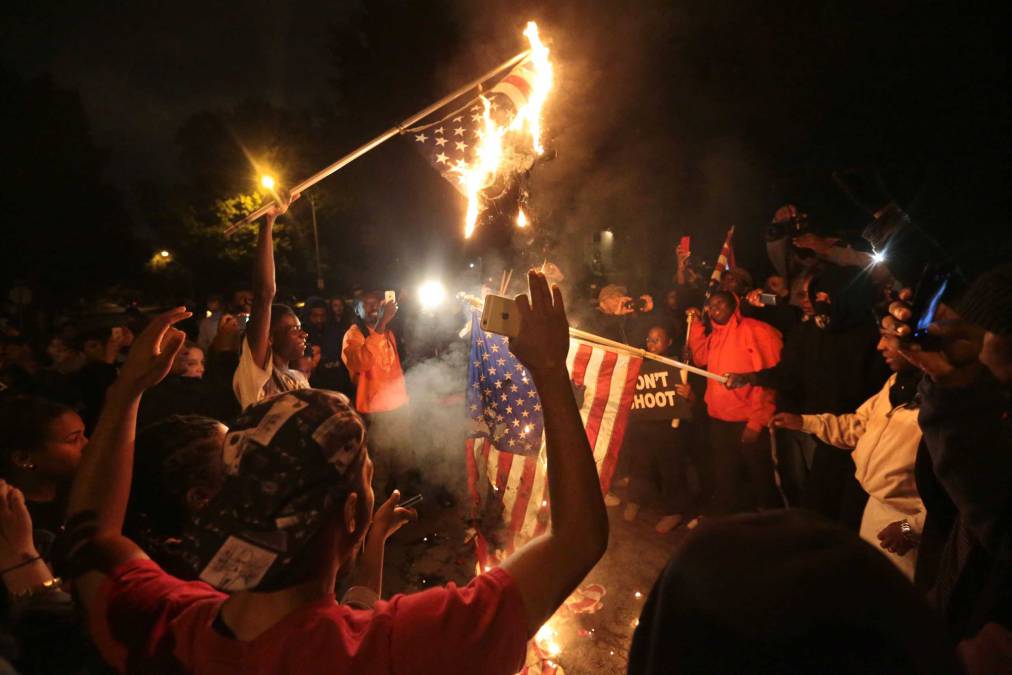
President-elect Donald Trump said Tuesday that anyone who burns an American flag should face unspecified “consequences,” such as jail or a loss of citizenship – a move that was ruled out by the Supreme Court nearly three decades ago. Trump took to Twitter early Tuesday morning, stating, “Nobody should be allowed to burn the American flag – if they do, there must be consequences – perhaps loss of citizenship or year in jail!” It was not immediately clear what prompted the tweet. The president-elect’s tweet is a direct conflict with free speech rights guaranteed by the First Amendment to the Constitution. It came as he prepared to name a secretary of state and transportation secretary. The Supreme Court ruled in 1989 that flag-burning is “expressive conduct” protected by the First Amendment. Rep. Sean Duffy, R-Wis., took issue with the tweet. “We want to protect those people who want to protest….I disagree with Mr. Trump on that,” Duffy said Tuesday on CNN’s “New Day”. Duffy is the chairman of the House Financial Services Committee’s panel on oversight and investigations. Republished with permission of the Associated Press.
Rain brings short-term relief, didn’t end Alabama drought

Meteorologists say storms that dumped as much as 5 inches of rain on Alabama didn’t end the drought. The heaviest rains fell near the middle of the state, accumulating about 5 inches. Precipitation totals of more than 2 inches were common throughout central Alabama late Monday and early Tuesday. Although rainfall amounts varied across the counties of the state, it is expected to give only short-term relief to the wildfires burning recently in Alabama. “The precipitation we received should temporarily help us with the wildfire situation and hopefully more rain is on the way,” stated Interim State Forester Gary Cole of the Alabama Forestry Commission (AFC). “This reprieve will allow firefighters some much needed rest, as well as an opportunity to perform equipment repairs and maintenance.” Monday was a historic day in the number of active wildfires burning in Alabama for one day: 108 fires destroyed 2,742 acres across the state. Cole continued, “Most of us veteran firefighters here don’t remember that many fires in one day. Not only was the number of wildfires higher, but they were also larger in size.” “I cannot thank the men and women with the Alabama Forestry Commission enough for their dedication, tireless efforts and countless hours spent battling fires across the state,” said Bentley. “Because of their efforts, wildfires in Alabama have been prevented from doing extensive damage. Their commitment to protecting life, property and wildlife does not go unnoticed.” Many areas are more than a foot below normal rainfall, and as such Governor Robert Bentley‘s statewide ‘No Burn’ Order —prohibiting all outdoor or open burning, making it illegal for any person to set fire to any forest, grass, woods, wildlands or marshes; building a campfire or bonfire; or burn trash or debris — remains in effect. Additional rain this week may allow the situation to be re-assessed later this week.
Dreamers who signed up for deportation protection now feel exposed
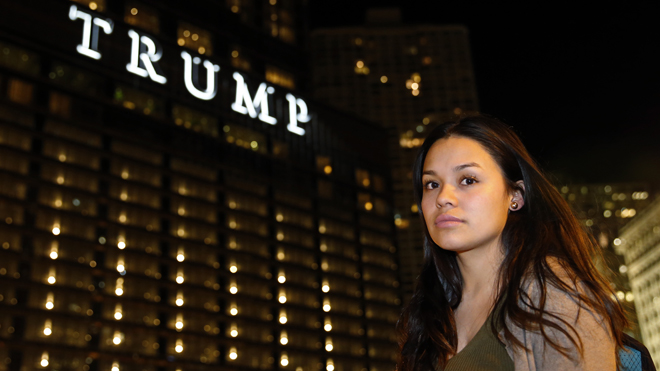
Hundreds of thousands of young immigrants living in the country illegally willingly came out of the shadows and identified themselves to the Obama administration on the promise that they’d be safe from deportation and allowed to work. Some may now regret that decision. President-elect Donald Trump has promised to immediately scrap the program that protected these immigrants. If he does, it’s not clear whether he would take action against the more than 741,000 participants. But if he decides to pursue them, the government now has their addresses, photographs and fingerprints. Twenty-year-old Nancy Villas was among the first to apply for the Deferred Action for Childhood Arrivals program in the summer of 2012, waiting in line hours at a sign-up site at Chicago’s Navy Pier. Since then she’s been working part time at a child care center to pay for college classes. Now she’s worried she may eventually be forced to return to Mexico, a country she left when she was 9. “I knew it was the only way to have better opportunities,” Villas said. “I took the risk without thinking that somebody would want to take it away.” Trump made illegal immigration the cornerstone of his campaign, promising to build a massive wall along the Mexican border and deport millions of people living in the country illegally. Once he takes office, Trump can almost immediately rescind the promised protection and, with it, likely void the accompanying work permits. But there is little to suggest that he would move swiftly to deport program participants. In a post-election interview with CBS’ “60 Minutes,” Trump said he would focus initially on criminal immigrants living illegally in the U.S. He said that could be about 2 million to 3 million people, though that figure is likely inflated. Mark Krikorian, executive director for Center For Immigration Studies, said the fears of program participants may be overblown. “Unless there’s a crime issue or something specific that’s going to draw attention to an individual, I can’t see how they’d be a priority,” said Krikorian, whose think tank describes itself as low-immigration, pro-immigrant. President Barack Obama initiated the program to shield from deportation young immigrants, some of whom don’t even remember their native countries. It didn’t give the immigrants legal status, only “deferred action” – meaning they wouldn’t face deportation while they participated. There was never a guarantee that it would last beyond Obama’s term as president. A former immigration official who helped craft the program, John Sandweg, said the White House and the Homeland Security Department considered the reality that a future president could end it. But at the time, he said, it appeared that revoking already-approved protections would be politically difficult. “These are the kinds of kids you should bring out of the shadows,” said Sandweg, a former acting director of Immigration and Customs Enforcement. “I don’t think anyone envisioned a President Trump when this was created.” Trump wasn’t subtle about his opposition to the program. He called it an “illegal amnesty” and promised to “immediately terminate” the program. And since winning office, Trump has said he will nominate immigration hardliner Sen. Jeff Sessions as attorney general. As he considers other Cabinet vacancies, Trump has met with Kansas Secretary of State Kris Kobach, who led his state’s court fight to prevent an expansion of the deportation protection plan. When the program started, the Obama administration suggested that application files would not generally be used for enforcement efforts. U.S. Citizenship and Immigration Services addressed the concern in its published “frequently asked questions,” saying information would be shared with enforcement officials only if someone “meets the criteria” for deportation proceedings. But revoking the deportation protection would make those young immigrants almost immediately eligible to face deportation. Sandweg said going after participants would be a massive logistical undertaking that would only worsen backlogs in an already overburdened immigration court system where many people wait years for a final decision. Adding about 750,000 to the court system “would do nothing for public safety,” Sandweg said. Nonetheless, the mere prospect of that has prompted some Democratic lawmakers to ask Obama to protect these immigrants with pardons before he leaves office. And advocates for the young immigrants have pledged to keep up their fight to win public and political support for overhauling immigration laws. “We organized across the country, we shared our stories publicly and we came together. We took direct actions and held politicians accountable,” said Cristina Jimenez, executive director and co-founder of United We Dream. Under a Trump administration, Jimenez said, that won’t change. Republished with permission of the Associated Press.
Marijuana industry skeptical of Jeff Sessions as AG
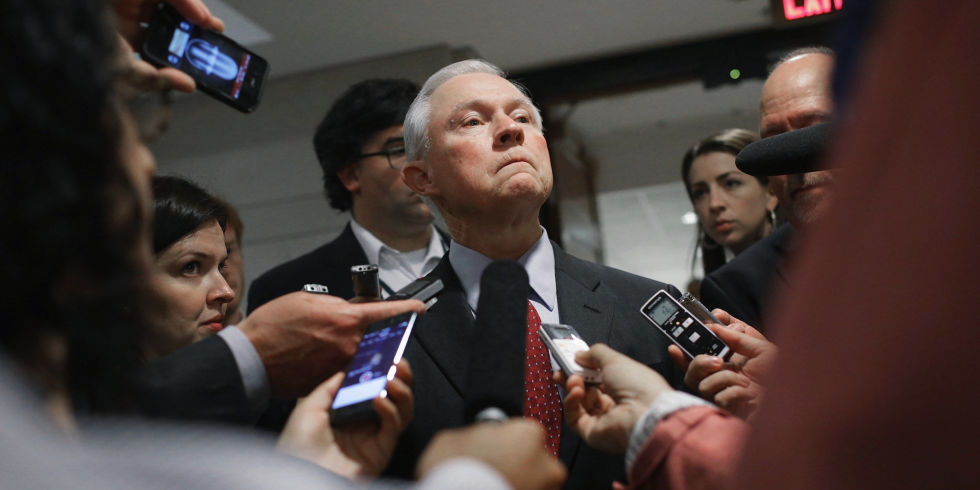
Alabama Sen. Jeff Sessions is primed to be the next Attorney General, and that could spell trouble for marijuana users, both medical and recreational. Sessions has said “good people don’t smoke marijuana” and said he thought the Klu Klux Klan was “okay” until he learned that the group wasn’t against marijuana. More plainly, he said at a recent Senate hearing that “good people don’t smoke marijuana,” citing widely debunked statistics showing an increase in traffic deaths along with spikes in cocaine and heroin usage. Sessions has also said that one of President Barack Obama’s “great failures” it’s is his “lax treatment in comments on marijuana.” So, where would Sessions like to see drug policy go in America? Does he really want to bring back the zero tolerance philosophy epitomized by the “just say no” campaigns of yesteryear? There are already too many non-violent drug offenders in prisons across the country, and there is no reason to keep throwing people behind bars, especially if their state has voted to legalize marijuana. What about medical marijuana users, such as the children who stand to benefit from low-THC marijuana derivatives in Florida? Should we start chanting “lock them up?” Hopefully Donald Trump doesn’t back down on his campaign rhetoric that marijuana policy should be left up to the states, because if Sessions gets his way, the country will dive head first back into the War on Drugs.
Imprisoned former Gov. Don Siegelman: Obama is ‘last hope’ for pardon
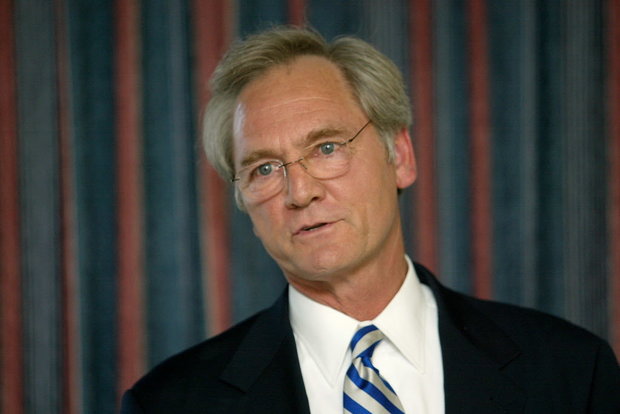
Former Alabama Gov. Don Siegelman could be released from prison as early as February, but is still hoping for a pardon from outgoing President Barack Obama. In a Thanksgiving message to supporters, Siegelman thanked people who supported him during his incarceration in a federal prison and discussed his hopes for being home soon. The former governor wrote in the Thanksgiving message that his earliest possible release date is Feb. 8. He said he also hopes a presidential pardon will clear his name before President-elect Donald Trump takes office in January. “We are just a few steps from the prison cell door, February 8th, but there is another deadline looming. D.J.T’s Inauguration day in DC. President Obama’s last day is our last hope. He is only person who can, with his signature, right the wrong that I, and so many of us, have been seeking,” Siegelman wrote. The 70-year-old ex-governor is serving a 61/2 year sentence for bribery and obstruction of justice in a federal prison in Louisiana. Siegelman for decades was a dominant figure in Alabama politics, holding the offices of secretary of state, attorney general, lieutenant governor and governor. He served as Alabama’s governor from 1999 to 2003. He was the last Democrat to hold the position in the deeply red state. A federal jury in 2006 convicted Siegelman on charges that he sold a seat on a state regulatory board to HealthSouth founder Richard Scrushy in exchange for $500,000 in donations to Siegelman’s signature political issue, his 1999 campaign to establish a state lottery. He was convicted on a separate obstruction of justice charge that he tried to hide money he received from a lobbyist. Appellate courts have upheld the convictions. Siegelman supporters have contended the case was politically motivated and the appointment no different than presidential campaign donors getting an ambassadorship. A bipartisan group of more than 100 former state attorneys general in April sent a letter to the White House urging the pardon, arguing it was questionable if the evidence in the case supported a conviction. There was no direct evidence of the two men conversing about an agreement to swap the donation for the appointment. Prosecutors at trial relied on what the two men told their subordinates. An aide, for example, testified Siegelman told a HealthSouth political consultant in 1999 that they needed to contribute $500,000 to his lottery campaign to make amends for Scrushy’s support of Republican Fob James in the governor’s race the year before. Republished with permission of the Associated Press.
Senate Democrats say Jeff Sessions is in for a confirmation fight
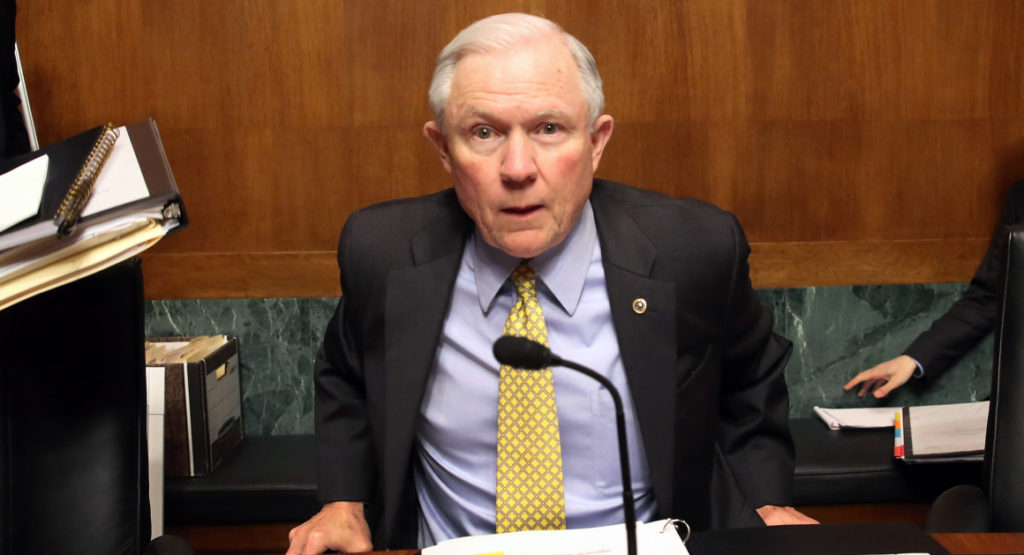
Alabama Sen. Jeff Sessions should expect a lengthy confirmation process, said eight Senate Democrats who sit on the Judiciary Committee. In a letter to committee chair and Iowa Republican Sen. Chuck Grassley, the Democrats said that while they each have “personal and cordial relationships” with Sessions, his role as Attorney General will require him to “set aside personal beliefs and political positions in service of larger obligations.” “Specifically, the Attorney General does not wear two hats, as a prior Attorney General stated,” the Democrats said. “Rather the Attorney General must be the people’s lawyer, not the President’s lawyer, and must enforce the laws with a dispassionate and even hand.” The letter pointed out that confirmation proceedings for former Attorney General John Ashcroft lasted four days and included testimony from four members of Congress and 19 outside witnesses. With a nearly 20-year career in the Senate, as well as stints as both a federal prosecutor and Alabama Attorney General, the group said Sessions’ nomination will “present a voluminous record spanning tens of thousands, if not hundreds of thousands, of pages.” The group also said the Judiciary Committee must hear from witnesses on immigration, violence against women, civil rights, LGBT protections, racial justice and hate crimes, among other areas. The Democrats urged Grassley to ensure the nomination process is “thorough, transparent, and fair – not just a rubber stamp.” The letter, sent Monday, was signed by Democratic Sens. Patrick Leahy, Dianne Feinstein, Richard Durbin, Sheldon Whitehouse, Amy Klobuchar, Al Franken, Christopher Coons and Richard Bloomenthal.