
Alabama ranks 2016’s 10th worst state in elder-abuse protections

America has become an increasingly aging nation. The U.S. Census Bureau expects the population aged 65 and older to nearly double from 43.1 million in 2012 to 83.7 million in 2050, much to the credit of aging Baby Boomers who began turning 65 in 2011. That’s bad news for those aging in Alabama — the state is ranked one of the worst in elder-abuse protections in the country, according to a new online report. A new Wallethub study shows out of the 50 states and the District of Columbia, Alabama ranked 10th worst in protections against elder abuse. Alabama ranked poorly when it comes to eldercare organizations and services per resident aged 65+, total long-term care ombudsman-program funding per resident aged 65+, number of certified volunteer ombudsmen per resident aged 65+, among other measures used to gauge the state’s level elder-abuse protection. Here’s how Alabama stands on some key metrics studied by WalletHub: Elder-ebuse protections in Alabama (1=best; 25=avg.) 20th: Elder-abuse, gross-neglect and exploitation complaints per resident aged 65+ 27th: Total expenditures on elder-abuse prevention per resident aged 65+ 35th: Total long-term care ombudsman-program funding per resident aged 65+ 35th: Number of eldercare organizations and services per resident aged 65+ 49th: Number of certified volunteer ombudsmen per resident aged 65+ 20th: Nursing-homes quality Here’s how Alabama compares to the rest of the country: Source: WalletHub
21st Century Cures Act heads to Barack Obama’s desk
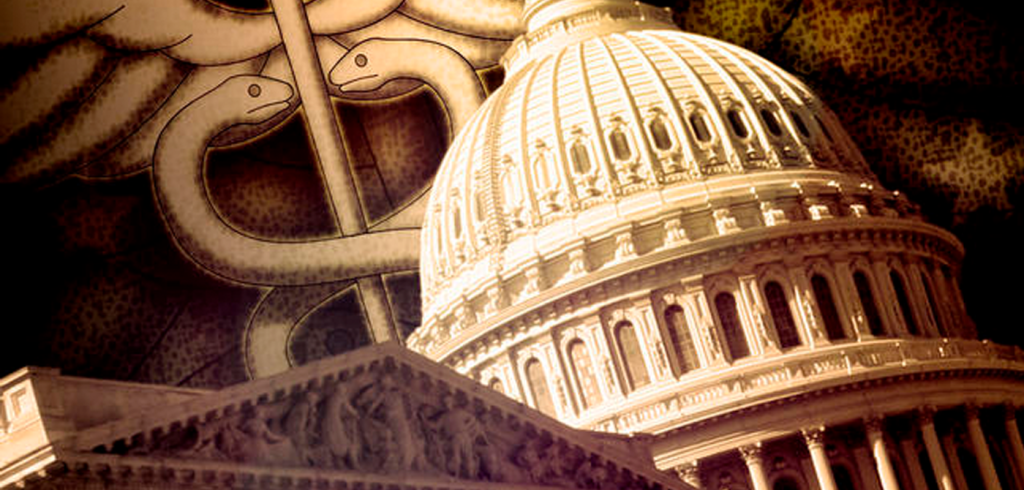
Congress has approved the first major mental health legislation in nearly a decade Wednesday. The 21st Century Cures Act, which overhauls the development of medical treatments and cures, is likely to be one of the final pieces of legislation President Barack Obama will sign into law before he leaves office next month. The Senate voted 94-5 on Wednesday to approve the bill, following the House’s passage (344-77) just last week. The 21st Century Cures Act improves: Discovery: by providing the NIH with fully offset funding to advance the Precision Medicine Initiative to drive research into the genetic, lifestyle, and environmental variations of disease; speed up cancer research; and invest in the BRAIN initiative to improve our understanding of diseases like Alzheimer’s. Development: by turning 21st Century scientific advancement and research into FDA-approved treatments and cures through modernizing clinical trials; putting patients at the center of the regulatory review process; streamlining regulations to foster innovation in health care software and mobile medical apps; incentivizing pediatric drug development and empowering the FDA to be more flexible in reviewing medical devices and technologies; and providing the FDA with $500 million for regulatory modernization and enable the agency to recruit the best scientists, doctors, and engineers. Delivery: by ensuring new drugs and devices are given to the right patients at the right time through ensuring that electronic health record systems seamlessly operate for best patient care; facilitating seniors’ access to the latest medical technology; and improving education for health care providers. Mental Health Care: by coordinating mental health programs across the federal government; establishing the National Mental Health and Substance Use Policy Lab to drive evidence-based grants to help states combat addiction and abuse; clarifying HIPAA communication rules among providers, families, and patients to improve treatment; and strengthening our nation’s mental health workforce. Here’s how the Alabama delegation voted and what they had to say about the bill: Sen. Richard Shelby: America has long been the world’s leader in medical innovation and it is important that we modernize, personalize, and streamline our health care delivery system to ensure that it meets the demands of today. For the millions of Americans suffering from a serious illness such as cancer or Alzheimer’s, cutting-edge research is the beginning of hope for them and their loved ones. I have always been a strong proponent of ensuring that we appropriately support first-rate medical innovation and research initiatives for the next generation of treatments and cures. The 21st Century Cures Act will not only foster needed changes in our health care infrastructure, but it also takes critical steps to fight our nation’s growing opioid epidemic and strengthen our mental health programs. It is great news for the American people that both the House and Senate have passed this bipartisan legislation. Alabama 1st District U.S. Rep. Bradley Byrne: I think the 21st Century Cures Act may end up being the most important bill passed by Congress over the last few years. In addition to helping boost medical research, the bill also dedicates resources to mental health reform and fighting our nation’s opioid crisis. I outline why I supported this bold legislation in my column this week. Alabama 2nd District U.S. Rep. Martha Roby: The 21st Century Cures Act fosters innovation in medical technology and research, eliminates regulations that hinder competition, provides resources to combat the growing opioid epidemic, ensures critical support for those struggling with mental health issues, and rightfully reforms Medicare and Medicaid to reduce overpayments and provide reimbursements. The bill improves medical treatment discovery, development, and delivery for those who need it most. Alabama 3rd District U.S. Rep. Mike Rogers: No comment given at this time. Alabama 4th District U.S. Rep. Robert Aderholt: No comment given at this time. Alabama 5th District U.S. Rep. Mo Brooks: No comment given at this time. Alabama 6th District U.S. Rep. Gary Palmer: No comment given at this time. Alabama 7th District U.S. Rep. Terri Sewell: From the biomedical research community in Birmingham to my constituents who live with rare diseases and hospitals who serve a disproportionate share of low-income patients, all Alabamians will benefit from implementation of the 21st Century Cures Act. I am particularly pleased that the bill includes critical support for rural health care, regulatory relief for Long-Term Acute Care and Critical Access Hospitals, and increased funding for cutting-edge biomedical research. In addition, the bill provides substantial relief from readmission penalties to Alabama’s hospitals, the majority of which serve a disproportionate share of low-income patients.
New York Magazine says Trump’s America could be like Alabama with nukes
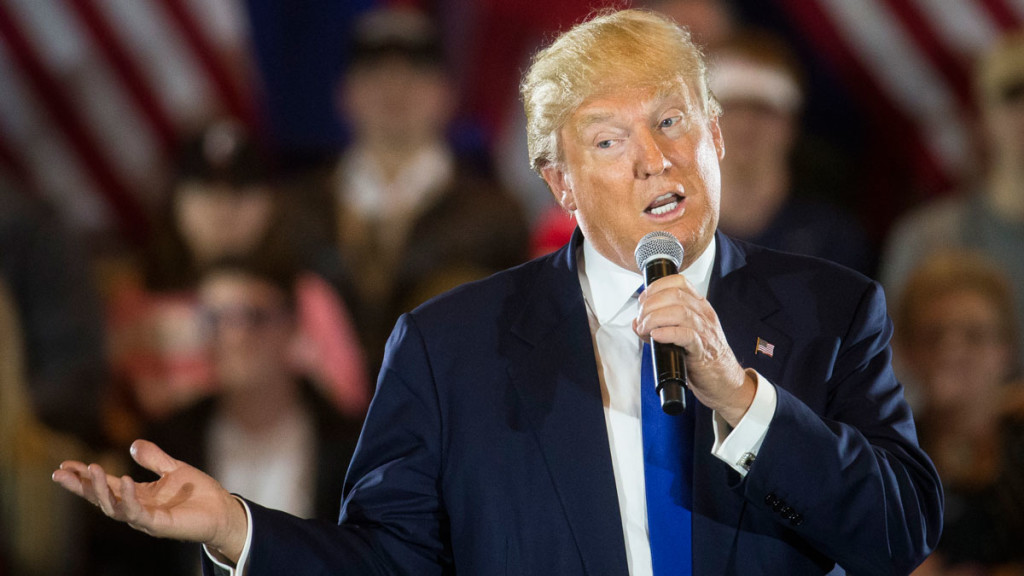
Aiming directly below the belt New York Magazine published an article on Tuesday titled “Trump’s America Could Be Like Alabama With Nukes.” Joining the cacophony of other liberal outlets, the magazine endeavored to draw a correlation between Trump’s conservative positions to the policies and politicians of the Yellowhammer State — suggesting the president-elect will be like Alabama, hostile to unions and committed to religious liberty. There is the Trump campaign’s commitment to a definition of “religious liberty” that means a large-scale abandonment of church-state separation principles that have never much been accepted in the Bible Belt. Written by democratic columnist Ed Kilgore, the piece points out several “Alabama things” Kilgore expects Trump will do during his time in the Oval Office. Most notably it draws a connection to president-elect’s choice for Attorney General, Alabama U.S. Sen. Jeff Sessions. It is Sessions who will likely place the power and influence of the Department of Justice against the bipartisan movement for criminal-justice reform that has gotten so tantalizingly close to success in the last few years. That, too, would be a very Alabama thing to do. The article also ties Sessions’ strong stance on immigration with the Trump Administration, suggesting if Trump allows Sessions to enforce America’s immigration laws, Sessions would be making life miserable for those living here illegally. If he (Attorney General Nominee Jeff Sessions) is as aggressive as his rhetoric in the Senate has long suggested, it will be another Alabama thing, since the state was a real pioneer in encouraging “self-deportation” by making life as randomly miserable as possible to people who might be here illegally. Clearly having a bone to pick with Sessions, Kilgore concludes making the point that if Trump follows through with his plans, essentially all that he promised on the campaign trail, his administration will be “the biggest joke.” If Sessions goes heavily reactionary on all of these issues and Trump lets him, then the idea that the Trump administration represents some sort of innovative new “populist” ideology will be a bigger joke than ever. We could be looking at a regime with its heart in Dixie, and its head in the mid-20th century. And it will have nuclear weapons.
House GOP eyes food stamp overhaul, requirements

House Republicans are laying the groundwork for a fresh effort to overhaul the food stamp program during Donald Trump‘s presidency, with the possibility of new work and eligibility requirements for millions of people. The GOP majority on the House Agriculture Committee released a two-year review of the program on Wednesday that stops short of making specific policy recommendations, but hints at areas where Republicans could focus: strengthening work requirements and perhaps issuing new ones, tightening some eligibility requirements or providing new incentives to encourage food stamp recipients to buy healthier foods. “There’s nothing off the table when it comes to looking at solutions around these areas where we think improvements need to be made,” the committee chairman, Rep. Mike Conaway, R-Texas, said in an interview with The Associated Press. He noted there is nothing in the review that suggests “gutting” or getting rid of the program, which he said serves a critical mission. The food stamp program, called the Supplemental Nutrition Assistance Program (SNAP) now serves about 43.6 million people and cost $74 billion in 2015. Participation in the program rose sharply as the country suffered a recession. The program now costs roughly twice what it did in 2008. The report, based on 16 hearings by the committee, recommends better enforcement of some SNAP work programs in certain states, and finds that 42 states use broad eligibility standards that some Republicans have criticized as too loose. It encourages more incentives to get people to buy healthy food with their food stamp dollars, addressing criticism that recipients use public money for junk foods. The report cites Agriculture Department data showing that 10 percent of foods typically purchased by SNAP households are sweetened beverages. It’s unclear how or when an overhaul could happen. Food stamp policy is included in a wide-ranging farm bill every five years; the next one is due in 2018. It also could be part of a larger effort headed by House Speaker Paul Ryan, R-Wis., to tackle a welfare or entitlement overhaul, if that should happen in the next Congress. Still, food stamp changes always have been a hard sell in Congress. Democrats almost unilaterally oppose any changes. Some Republicans from poorer districts are also wary. The 1996 welfare law added some new work requirements, but Congress declined to convert federal food stamp dollars into block grants for the states, a move that would cut spending for the program. In 2013, House Republican leaders tried to cut the program by 5 percent annually by passing broad work requirements as part of the last farm bill. The House bill also included drug testing for recipients. The then-Democratic Senate balked, though, and the final bill included a much smaller cut and no allowances for drug testing. Conaway said he’s open to any of those policies, but suggested that block granting the program – a past priority for Ryan – or drug testing recipients are not his priorities. “We don’t want to be helping folks on drugs, but then again, folks on drugs have children,” Conaway said. On block grants, Conaway said it’s not off the table, but not a priority. He said the report should help lawmakers be “not as knee-jerk reactionary as they have been in the past.” The 2013 effort didn’t resonate well, he has said, because Republicans didn’t spell out why it was necessary. Part of the calculation will be what Ryan proposes. He strongly supported block granting food stamps as part of his larger plans for welfare reform when he was chairman of the House Budget Committee. But an agenda he released this year after becoming speaker was vaguer, only suggesting that some food aid programs could be consolidated. As for Trump, he’s said little about what he’d want to do with the program. But he has frequently mentioned how the rolls have increased since President Barack Obama took office. GOP Sen. Pat Roberts of Kansas, chairman of the Senate Agriculture, Nutrition and Forestry Committee, was heavily involved in the 1996 welfare overhaul. He has said his committee will review the food stamp program, but hasn’t made any specific proposals. He says block grants would face significant opposition in the Senate, and he’s not sure whether new work requirements would pass muster, either. “To be determined,” he said. Republished with permission of The Associated Press.
Daniel Sutter: Mr. Trump’s Carrier deal

President-elect Donald Trump recently announced a deal to preserve 800 jobs at one Carrier heating and cooling plant in Indiana. Last February United Technologies, which owns Carrier, announced that it would move operations at two Indiana plants to Mexico. Mr. Trump promised that this wouldn’t happen if he were elected. Beyond allowing Mr. Trump to at least partially deliver on a campaign promise, what does the deal mean for our economy? As a consequence of the deal, United Technologies will give up a reported $65 million in annual savings. Someone will be negatively impacted by these savings which never materialize. Perhaps the workers’ wages and benefits will be cut, or Carrier’s customers will pay more, or the stockholders will have lower earnings, or the government will pay a subsidy. The lost savings could be as much as $80,000 per job annually, a high price to protect $50,000 a year jobs. How Mr. Trump secured the deal is also relevant, because the cost of the deal must be added to the unrealized cost savings. Carrier will reportedly receive $7 million in incentives from Indiana, where Vice President-Elect Mike Pence is still the governor. Whether tax breaks and subsidies for business create prosperity is a question for another day. But the deal may encourage other manufacturers to threaten to move jobs overseas to secure tax incentives, as Vermont Senator Bernie Sanders noted. The other reported component of the deal was threatening United’s $6 billion in annual Federal contracts, on which the company presumably earns handsome profits. Would tying Federal contracts to plant relocations make sense? As taxpayers, our primary stake in contracting is selecting the company offering the best combination of cost and quality. For instance, we want the best equipment for our military at the best price possible from defense contractors. We can and do, however, place other conditions on contracting to advance societal goals. For example, President Barack Obama established a $10.10 per hour minimum wage for Federal contractors in 2014. The added cost of using Federal contracts as leverage may be small relative to other means of preventing job relocations. To be clear, I do not favor aggressive efforts to keep production here, because of the higher costs. If we take away contracts when a company moves jobs overseas, one potential cost is not getting the best contractor for the job. But when we have two or more equally qualified contractors, the cost awarding contracts based on not moving jobs may be small. Furthermore, Federal contracts may be awarded as favors or in exchange for campaign contributions. If so, the best contractor is already often not getting the job, so the added cost of using contracts as a lever may be negligible. Other options available to Mr. Trump would likely produce greater added costs. Tax breaks and subsidies by the federal government will lead to some combination of higher tax rates, increased borrowing, or reduced quality of public services. During the campaign Mr. Trump threatened Carrier with a tax. Giving presidents the power to impose a tax on businesses they don’t like is a bad idea; if you think that President Trump should be able to do so, would you have wanted President Obama to do so as well? Ripping up NAFTA or otherwise disrupting international trade to impose targeted tariffs could set off a trade war. Importantly, using contracts as a lever would not prevent companies from moving some operations out of the country to capture huge cost savings. Companies would only have to give up Federal contracts as a consequence, and so contracts as a lever limit the potential cost of Mr. Trump’s efforts. The Carrier deal used the carrot of tax breaks and the stick of government contracts. Trying to keep manufacturing jobs here will cost our economy, and consequently is a dubious proposition. But threatening to take away Federal contracts, I think, will prove less costly than bribing companies with tax breaks and subsidies. ••• Daniel Sutter is the Charles G. Koch Professor of Economics with the Manuel H. Johnson Center for Political Economy at Troy University and host of Econversations on TrojanVision. The opinions expressed in this column are the author’s and do not necessarily reflect the views of Troy University.
Lawmakers wrapping up work, eyeing the exits
Lawmakers are boosting anti-terror and disaster aid accounts and are greasing the way for retired Gen. James Mattis to be President-elect Donald Trump‘s secretary of defense as they race toward adjourning the battle-scarred Congress. Stopgap spending legislation unveiled Tuesday evening would provide $10 billion for overseas military and diplomatic operations, while southern states like Louisiana, North Carolina, and Texas would receive the bulk of a $4.1 billion disaster aid package. The temporary spending measure, scheduled for House and Senate votes later in the week, would keep the government open through April. First, the Senate on Wednesday will vote to give final congressional approval to bipartisan legislation to battle cancer and opioid abuse, boost medical research, and speed drug approvals. The $6.3 billion “21st Century Cures” measure would boost medical research and speed drug approvals. That measure also includes a $1.8 billion cancer research “moonshot” strongly supported by Vice President Joe Biden, as well as $1 billion over two years to prevent and treat abuse of opioids and other addictive drugs like heroin. The spending bill, meanwhile, would prevent the government from shutting down this weekend and buy several months for the new Congress and incoming Trump administration to wrap up more than $1 trillion worth of unfinished agency budget bills. Under current law, Congress would need to pass legislation next year to grant Mattis an exception from a law that requires a seven-year wait for former members of the military to serve in the post. Tuesday’s provision would speed up action on the waiver, though Democrats could still filibuster it. Democrats were upset by the move but signaled that they would not try to block the stopgap measure – and spark a government shutdown – over it. The bill would also deliver $170 million in long-delayed help for Flint, Michigan, to fix its lead-tainted water system. Democrats complained the GOP spending measure shortchanged New York City by giving it just $7 million for police overtime costs for protecting Trump, who lives in midtown Manhattan. And they complained that a provision to help retired Appalachian coal miners keep their health benefits for a few months was woefully inadequate. The bill attracted attention as the final legislative locomotive to leave the station before Congress closes shop this year. Nothing else on Capitol Hill’s agenda had the power to tow other unfinished legislation into law. The White House and Main St. Republicans were denied in a bid to revive the Export-Import Bank’s ability to approve export financing deals exceeding $10 million. But the trucking lobby won permanent relief from recent Transportation Department rules mandating more rest and overnight breaks for long-haul drivers. The $4 billion disaster package contains $1.8 billion for community development grants, much of which would go to rebuild homes damaged or destroyed by devastating summertime floods in Louisiana, Hurricane Matthew, and other disasters. Another $1 billion would go to the Army Corps of Engineers for flood and coastal storm protection projects and another $1 billion would repair damaged highways. The $10.1 billion provided for Pentagon and State Department anti-terror efforts gave the Obama administration most of its $11.6 billion request. One major dispute centered on protecting health care benefits for about 16,000 retired union coal miners facing the loss of coverage on Dec. 31. Both Democrats and Republicans from Appalachian coal states pressed for help for retired miners and their widows. House Republicans resisted offering help for the union members and Senate Majority Leader Mitch McConnell offered only a short-term solution through April 28. Sen. Joe Manchin, D-W.Va., protested that McConnell’s fix would only last for a few months vowed to push for a permanent solution. He’s vowing to block any Senate effort to move quickly on unrelated legislation until the miners’ fight was settled. At issue are health benefits for retirees whose companies declared bankruptcy in recent years. Republished with permission of The Associated Press.
With confirmation fight on horizon, pro-Jeff Sessions website launches
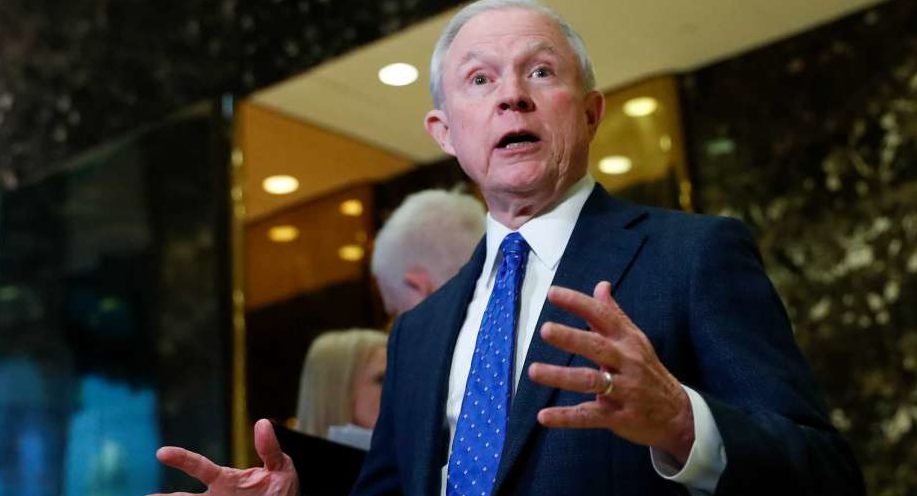
Scheduled to make its internet debut on Wednesday, the new website ConfirmSessions.com has just one goal: to see Alabama U.S. Jeff Sessions confirmed as America’s next Attorney General. A project of conservative, legal group Judicial Crisis Network, the site will serve as a clearinghouse for information on Sessions in efforts to fend of Democratic attacks against the Alabama Senator. “We think people deserve to have the full story on Sen. Sessions, and not a one-sided view,” Carrie Severino, a former clerk to Justice Clarence Thomas who now serves as Judicial Crisis Network’s chief counsel and policy director told the Washington Examiner. “We want people to know about Sen. Sessions’ great story, his integrity, his public service, his whole career from a prosecutor to his time in the Senate.” Severino told the Examiner, the site will feature biographical information on Sessions, in-depth material on his record, a collection of endorsements of his nomination, like those from several former attorneys general and the Fraternal Order of Police, and also be a source for pro-Sessions articles or pieces rebutting attacks on him. A veteran of Senate confirmation battles for the Supreme Court, Severino said she expects Sessions will in fact be confirmed. The prime reason is that Senate Democrats will not be able to filibuster Trump’s nominations to executive branch positions, having had that option removed from the Senate rules back in 2013. “Thanks to Sen. Harry Reid, there is no filibuster on presidential appointments,” Severino told the National Catholic Register last month. “I am confident that Sessions will be confirmed.”
Donald Trump is Time magazine’s 2016 Person of the Year
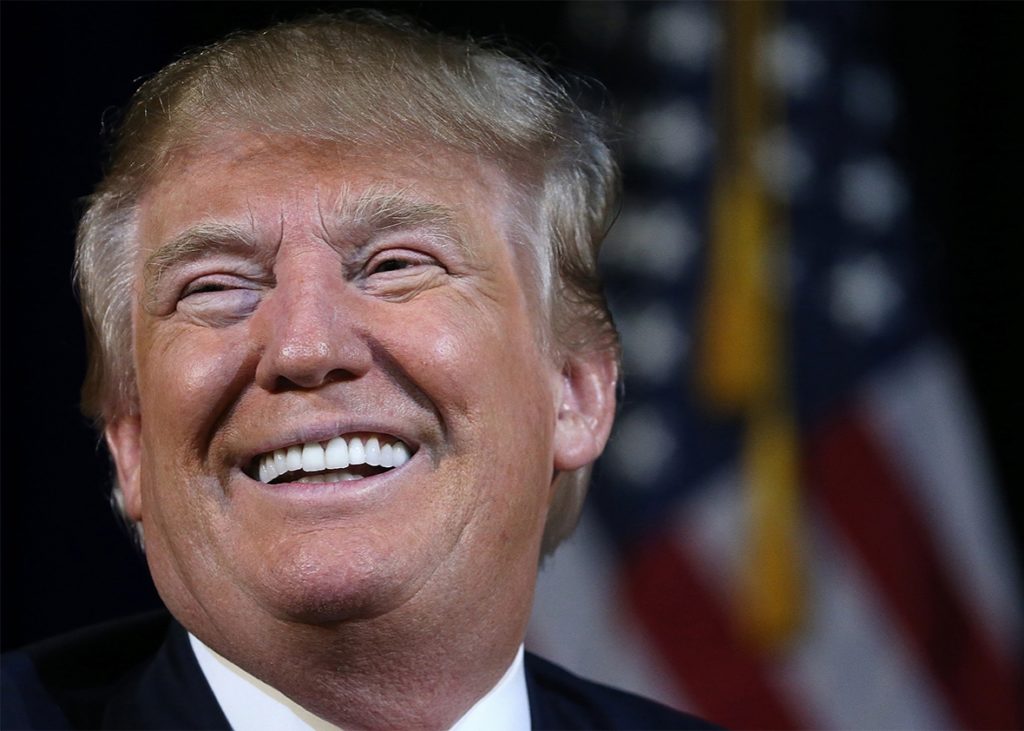
Time magazine on Wednesday named Donald Trump its Person of the Year, bestowing what the president-elect called an “honor” even as he derided the idea that he’ll lead “the Divided States of America.” That was a reference to Time’s cover line – “Donald Trump: President of the Divided States of America” – that was positioned next to the cover photograph of the president-elect sitting in his private residence at Trump Tower. “I didn’t divide ’em,” Trump said on NBC’s “Today” show. “We’re going to put it back together and we’re going to have a country that’s very well-healed.” Time editor Nancy Gibbs said the publication’s choice was a “straightforward” choice of the person who has had the greatest influence on events “for better or worse.” Trump climbed from fiery underdog in the race for the GOP presidential nomination to winning the White House and defeating Clinton in the Nov. 8 election. Trump won 306 electoral votes, easily enough to make him president when the electors meet on Dec. 19. Clinton won the popular vote. He won in part by articulating in blunt, populist terms the racial, economic and other factors that divide Americans, many of whom have not felt the nation’s recovery from recession. Trump stomped campaign traditions and social norms, including by insulting women, Muslims, Republican leaders, a reporter with disabilities and more. He also praised Russian President Vladimir Putin and last week irritated China and broke diplomatic norms by speaking by phone with the leader of Taiwan. “When have we ever seen a single individual who has so defied expectations, broken the rules, violated norms, beaten not one but two political parties on the way to winning an election that he entered with 100-to-1 odds against him?” Gibbs said. Clinton was the No. 2 finalist, Gibbs said. She said Clinton “came closer than any woman ever has to winning the White House, and in the process revealed, I think, both the opportunities and the obstacles that women face in the public square.” “The Hackers,” ranked after Clinton. Gibbs said that referred to “a new cyber security threat we saw this year of state-sponsored hackers looking to delegitimize an American election.” She said this was “something new this year and something very disturbing.” Republished with permission of The Associated Press.
Donald Trump victory tour coming to Mobile Dec. 17
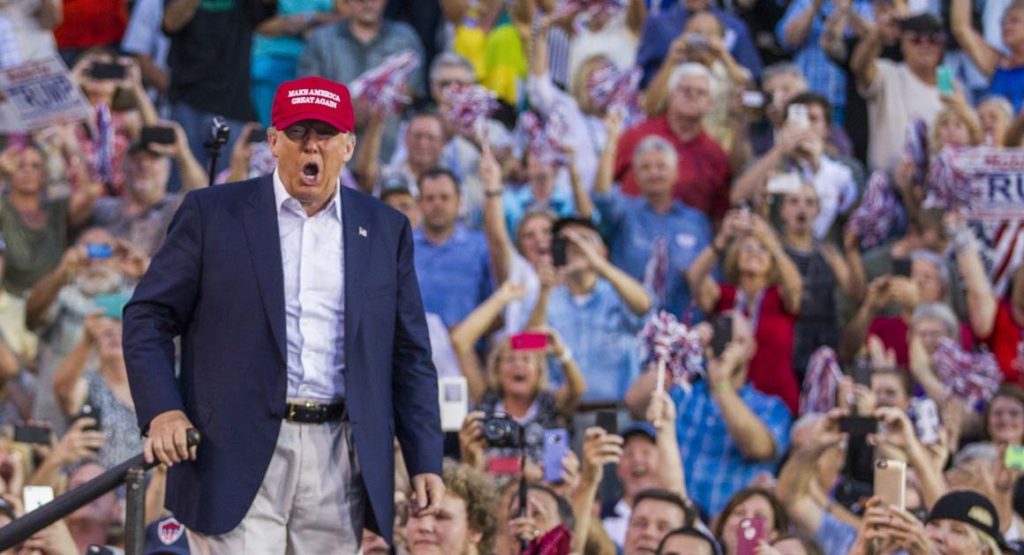
Making his first visit back to the Yellowhammer State after taking home a stunning victory over Democratic opponent Hillary Clinton, president-elect Donald Trump‘s post-election victory tour will swing through Mobile, Ala. on Saturday, December 17. The Trump team is referring to this as a “Thank You Tour,” during which the president-elect will visit select states across the country and express his gratitude. “It’s not just going to go to swing states,” Jennifer Jacobs of Bloomberg Politics said last week on MSNBC. “One place they’re going to go is Mobile, Alabama, which is a place that is really special for Trump and his campaign. They attracted 30,000 people there last summer. It was a symbolic moment for them when they really realized they had a movement going on and could take this somewhere.” Trump visited Mobile back in 2015 where a crowd of about 20,000 people heard the candidate at Ladd-Peebles Stadium, according to the City of Mobile. The venue for the Mobile event and the time have yet to be announced; Alabama Today will share additional details as they become available.
With Hillary Clinton’s loss, Washington groups seek new missions
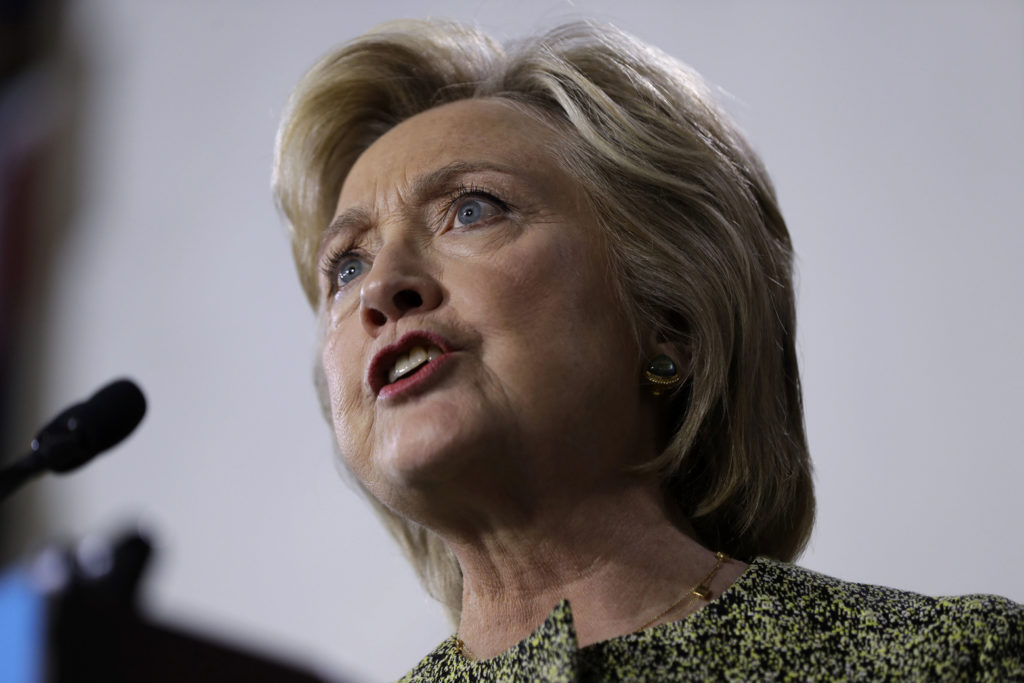
They’re at opposite ends of the political spectrum, but two Washington groups that had been focused squarely on Hillary Clinton now have something in common: preserving their very existence. On Tuesday, each made its first stab at carving out a new mission, touting their ability to bird-dog the incoming Trump administration. They’ll use similar tactics, including Freedom of Information Act requests, lawsuits and public shaming, but a conservative group operating in Republican-led Washington is likely to have a tougher time pleasing its donors. American Bridge, a liberal-funded super PAC, is vowing to hold President-elect Donald Trump accountable by vetting his administration picks, highlighting his business conflicts of interest and reminding voters when he’s breaking his campaign promises. That comes after serving as Clinton’s main opposition research shop throughout her presidential campaign. David Brock, the group’s founder, said Tuesday on a conference call with reporters that several donors approached him at Clinton’s concession speech in New York and asked him to stay active. Clinton herself was pleased with American Bridge’s new Trump focus, Brock said, saying the two had spoken after the election. “Even though the moment was bleak, she was happy to hear we are staying in the fight,” he said. Meanwhile, the conservative nonprofit organization Judicial Watch plans to follow Trump’s “drain the swamp” efforts by urging him to stop what it says is government waste and corruption that festered in the Obama years. That comes after making headlines in recent years by suing to obtain batches of Clinton’s emails while she was secretary of state. Tom Fitton, the group’s president, said during a Judicial Watch livestream Tuesday that Trump can take steps to “drain the swamp” by encouraging investigations of how President Barack Obama‘s administration handled everything from the Internal Revenue Service’s policing of political nonprofit groups to its distribution of subsidies to clean energy companies. Both issues were the subject of investigations by congressional committees, the Justice Department and inspectors general, with the administrative bodies finding no wrongdoing by government officials. Fitton, in an earlier interview with The Associated Press, said he hopes Trump will maintain a more open government than he says Obama did – adding that Judicial Watch had filed 3,000 Freedom of Information Act requests in the past eight years and sued for openness some 300 times. Judicial Watch has about 60 active lawsuits against the Obama administration, according to the group’s senior attorney Ramona Cotca. When Trump takes office on Jan. 20, his administration will handle that litigation – which could be an awkward exercise, since career attorneys will continue to be involved. “Many fires have been set on the horizon by the left and President Obama, and President Trump needs to send out fire teams,” Fitton said in the livestream. If he doesn’t, Judicial Watch will call him out, Fitton said. Yet the lifeblood of any group is its donations. If donors turn away from an organization because they don’t like what it’s doing, it cannot survive. That’s why it might be easier for American Bridge to thrive in a Trump era than Judicial Watch. Brock has counted on large donations from hedge-fund billionaire George Soros and other wealthy liberals since forming the group during Obama’s 2012 re-election. There’s little financial risk for American Bridge to pursue an anti-Trump agenda. On the other hand, Judicial Watch’s donors might start withholding money if the group becomes too harsh on Trump. And with Obama and Clinton fading from the news next year, it is unclear how enthusiastic donors will be about Judicial Watch’s lingering attacks on them. As a nonprofit, Judicial Watch is not required to publicly disclose its donors. However, other charities must report when they’ve given money to it. One of the most recent contributors to Judicial Watch is the Sarah Scaife Foundation, which gives money to conservative and libertarian causes. Fitton said he’s not worried about continued funding, noting that Judicial Watch has been around since 1994 and dogged Republican President George W. Bush before turning its attention to Obama. The nonprofit’s motto, after all, is “Because no one is above the law!” But there’s no denying that in the Obama era, Judicial Watch’s funding has skyrocketed. It took in $8.8 million in 2008, the final year of Bush, and almost $31 million in 2014, the most recent tax form available online shows. Republished with permission of The Associated Press.
Joe Biden not planning on 2020 bid but will ‘never say never’
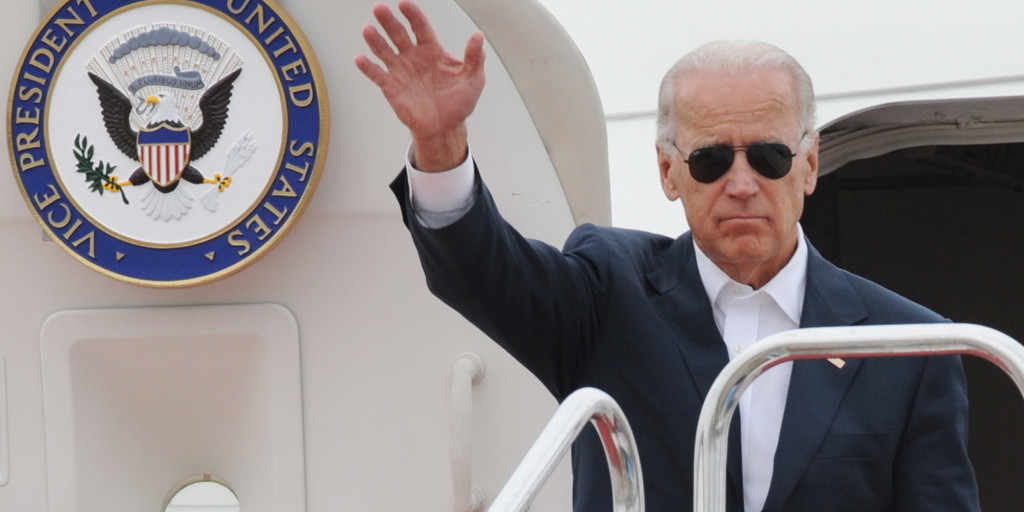
Vice President Joe Biden is continuing his coy approach to a possible 2020 presidential bid. For now, it’s no. The Democrat told Stephen Colbert on CBS’ “Late Show” Tuesday, “I don’t plan on running again, but to say you know what’s going to happen in four years is just not rational.” He added, “I can’t see the circumstance in which I’d run, but what I’ve learned a long, long time ago, Stephen, is to never say never.” The comments came a day after Biden said, with a slight smile to a reporter, “I’m going to run in 2020.” Biden told Colbert his decision not to run in 2016 was right for his family, even though he was “best prepared at this moment to lead the country.” Republished with permission of The Associated Press.
Donald Trump: Japanese mogul pledges $50 billion US investment
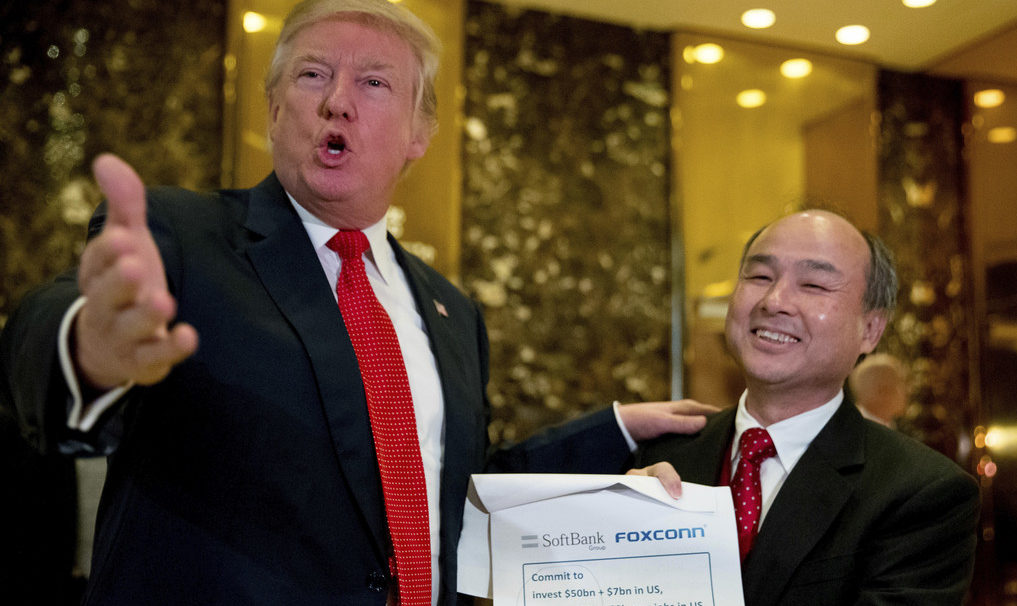
Winning praise from President-elect Donald Trump for being a “great man of industry,” Japanese tech billionaire Masayoshi Son promised to invest $50 billion in new startups in the United States, committing to creating 50,000 new jobs. Son is the founder and chief executive of Japanese technology and telecoms giant SoftBank, which owns the U.S. mobile carrier Sprint. Sprint shares initially spiked after the announcement. Son left Trump Tower after being escorted down the elevator by the president-elect, who touted the pledge before waiting investors. “We are going to invest $50 billion in the U.S. and commit to create 50,000 new jobs,” Son told reporters. “We (will) invest into the new startup companies in the United States.” The announcement is the latest instance in which Trump appears to be conducting economic policy via ad-hoc deal-making – sometimes taking credit whether he deserves it or not. Last week, the president-elect spoke at the Carrier furnace plant in Indianapolis after the company announced plans to keep 800 jobs at the plant instead of outsourcing them to Mexico. Trump quickly claimed he had saved those positions, even though the company is still shifting more than 1,000 jobs from that factory and another Indiana plant to Mexico. Similarly, the week after the election Trump tweeted that he had dissuaded Ford Motor Co. from moving a Kentucky factory to Mexico. The claim was a stretch; Ford had no plans to move the plant and had already agreed to keep producing one specific model there, although it did back away from a plan to shift production of the Lincoln MKC, a small SUV, from Louisville to Cuautitlan, Mexico. Trump quickly took credit for Son’s commitment on Tuesday, writing on Twitter: “Masa said he would never do this had we (Trump) not won the election!” “I just came to celebrate his new job,” Son said. “Because he said he would do a lot of deregulation, I said, ‘This is great, the U.S. will become great again’.” Trump praised Son for being a “great man of industry,” and “one of the truly great men,” adding, “See you soon” as he headed back upstairs. Trump plans to meet with leading tech executives next week, a group that will include venture capitalist Peter Thiel – one of Trump’s few supporters in Silicon Valley – and Cisco Systems CEO Chuck Robbins. The job commitments that Trump claims to have produced are symbolically resonant. Still, the economy has generated 2.25 million new jobs in the past 12 months and many economists say that accelerating this pace may be difficult in the long run because of the aging U.S. population. Financial details about Son’s commitment and its timeframe remain unclear. T-Mobile did not answer emailed questions. Sprint spokesman Dave Tovar referred questions to Softbank. As he spoke to reporters, Son held up a paper with the logos of Softbank and Foxconn, a tech manufacturer that makes iPhones for Apple in China. The paper listed the figures $50 billion and $7 billion and said “generate 50,000 new jobs and 50,000 new jobs over the next four years. Foxconn Technology Group issued a statement saying it could “confirm that we are in preliminary discussions regarding a potential investment that would represent an expansion of our current US operations.” The statement said the scope of any possible investment was undecided and details would be announced after discussions with “relevant U.S. officials.” Sprint has struggled since its 2013 acquisition by Softbank. The carrier’s attempt to join with rival T-Mobile failed in 2014 after regulators objected to combining two of the four largest mobile telecom companies in the United States. T-Mobile has surpassed Sprint to become the No. 3 carrier, while Sprint has struggled with cost cuts and layoffs. (AT&T and Verizon are the largest wireless carriers.) Analysts have predicted, however, that a Trump-led Justice Department and Federal Communications Commission would be more likely to allow telecom mergers, including a deal between Sprint and T-Mobile. T-Mobile has 50,000 employees and a stock-market value of $46 billion – but the similarities between those numbers and Son’s commitment could just be a coincidence. In October, SoftBank announced that it would establish a $25 billion fund for technology investments that could grow to $100 billion. SoftBank said it signed an agreement with a fund run by the government of Saudi Arabia and other investors. Japanese media said the planned $50 billion investment would come from that fund. Softbank spokesman Matthew Nicholson declined to say if it would provide the money for the U.S. investments. SoftBank also owns Britain’s ARM Holdings. ARM is known as an innovator in the “internet of things,” and in technology used in smartphones. It also sells the Pepper human-shaped companion robot for homes and businesses, and runs a solar energy business in Japan. The company, founded in 1981, also has within its investment empire financial technology and ride-booking services. Republished with permission of The Associated Press.
