
House intel chair: Media take Donald Trump tweets too literally

The top Republican on the House intelligence committee said he has not seen any evidence to back President Donald Trump‘s claim that the Obama administration wiretapped him during the 2016 campaign and suggested the news media were taking the president’s weekend tweets too literally. “The president is a neophyte to politics — he’s been doing this a little over a year,” Rep. Devin Nunes, R-Calif., told reporters Tuesday. “I think a lot of the things he says, I think you guys sometimes take literally.” On Saturday, Trump tweeted, “Is it legal for a sitting President to be ‘wire tapping’ a race for president prior to an election? Turned down by court earlier. A NEW LOW!” He followed up with: “How low has President Obama gone to tapp my phones during the very sacred election process. This is Nixon/Watergate. Bad (or sick) guy!” Top former Obama administration officials have refuted Trump’s claims. Trump asked Nunes’ committee and the other congressional committees investigating Russia’s interference in the 2016 election to look into this matter. Nunes, who was a member of Trump’s transition team, said whether the Obama administration had secret warrants to listen to Trump or his associates during the campaign would have been part of his committee’s investigation regardless. He said the first public hearing of its investigation would be held March 20. And the initial invite list includes the directors of the FBI and National Security Agency as well as former top Obama administration intelligence officials and two cyber security experts. The committee has the power to subpoena officials to testify, but Nunes did not indicate that the committee had plans to do so and said he hoped they would come freely. The House intelligence committee is one of three congressional committees investigating Russia’s interference in the 2016 election. The Senate intelligence committee is conducting a separate investigation, and most of its hearings are expected to be closed to the public to discuss classified information. A subcommittee of the Senate Judiciary Committee held its first hearing related to its investigation on Tuesday. Republished with permission of The Associated Press.
WikiLeaks reveals CIA files describing hacking tools
WikiLeaks published thousands of documents Tuesday described as secret files about CIA hacking tools the government employs to break into users’ computers, mobile phones and even smart TVs from companies like Apple, Google, Microsoft and Samsung. The documents describe clandestine methods for bypassing or defeating encryption, antivirus tools and other protective security features intended to keep the private information of citizens and corporations safe from prying eyes. U.S. government employees, including President Donald Trump, use many of the same products and internet services purportedly compromised by the tools. The documents describe CIA efforts — cooperating with friendly foreign governments and the U.S. National Security Agency — to subvert the world’s most popular technology platforms, including Apple’s iPhones and iPads, Google’s Android phones and the Microsoft Windows operating system for desktop computers and laptops. The documents also include discussions about compromising some internet-connected televisions to turn them into listening posts. One document discusses hacking vehicle systems, indicating the CIA’s interest in hacking modern cars with sophisticated on-board computers. WikiLeaks has a long track record of releasing top secret government documents, and experts who sifted through the material said it appeared legitimate. The chairman of the House intelligence committee, Rep. Devin Nunes, R-Calif., said he was very concerned about the release and had asked the intelligence community for more information about it. Former CIA Director Mike Hayden told MSNBC he had undertaken only a cursory review of the documents, but that if they were what they were purported to be, it would amount to a “very extensive file of the tactics, techniques, procedures, targets and other political rules” under which the CIA hacks targets. “If it is that, it would be very, very damaging,” he said. Jonathan Liu, a spokesman for the CIA, said: “We do not comment on the authenticity or content of purported intelligence documents.” White House spokesman Sean Spicer also declined comment. Missing from WikiLeaks’ trove are the actual hacking tools themselves, some of which were developed by government hackers while others were purchased from outsiders. WikiLeaks said it planned to avoid distributing tools “until a consensus emerges” on the political nature of the CIA’s program and how such software could be analyzed, disarmed and published. Tuesday’s disclosure left anxious consumers who use the products with little recourse, since repairing the software vulnerabilities in ways that might block the tools’ effectiveness is the responsibility of leading technology companies. The revelations threatened to upend confidence in an Obama-era government program, the Vulnerability Equities Process, under which federal agencies warn technology companies about weaknesses in their software so they can be quickly fixed. It was not immediately clear how WikiLeaks obtained the information, and details in the documents could not immediately be verified. WikiLeaks said the material came from “an isolated, high-security network” inside the CIA’s Center for Cyber Intelligence but didn’t say whether the files were removed by a rogue employee or whether the theft involved hacking a federal contractor working for the CIA or perhaps breaking into a staging server where such information might have been temporarily stored. “The archive appears to have been circulated among former U.S. government hackers and contractors in an unauthorized manner, one of whom has provided WikiLeaks with portions of the archive,” WikiLeaks said in a statement. Some technology firms on Tuesday said they were evaluating the information. Microsoft Corp. said it was looking into the report, while the maker of secure messaging app Signal said the purported CIA tools affected users’ actual phones and not its software design or encryption protocols. The manufacturer of the popular Telegram mobile messaging app said in a statement that manufacturers of cellphones and their operating systems, including Apple, Google and Samsung, were responsible for improving the security of their devices. It said the effort will require “many hours of work and many security updates” and assured its customers that “If the CIA is not on your back, you shouldn’t start worrying yet.” The tools described in the documents carried bizarre names, including Time Stomper, Fight Club, Jukebox, Bartender, Wild Turkey, Margarita and “RickyBobby,” a racecar-driving character in the comedy film, “Talladega Nights.” That RickyBobby tool, the documents said, was intended to plant and harvest files on computers running “newer versions of Microsoft Windows and Windows Server.” It operated “as a lightweight implant for target computers” without raising warnings from antivirus or intrusion-detection software. It took advantage of files Microsoft built into Windows since at least 10 years ago. The files include comments by CIA hackers boasting in slang language of their prowess: “You know we got the dankest Trojans and collection tools,” one reads. The documents show broad exchanges of tools and information among the CIA, NSA and other U.S. intelligence agencies, as well as intelligence services of close allies Australia, Canada, New Zealand and the United Kingdom. WikiLeaks claimed the CIA used both its Langley, Virginia, headquarters and the U.S. consulate in Frankfurt, Germany, as bases for its covert hackers. The AP found that one purported CIA hack that imitates the Domain Name System — the internet’s phone book — traced to an internet domain hosted in Germany. In an unusual move, WikiLeaks said it was withholding some secrets inside the documents. Among them, it said it had withheld details of tens of thousands of “CIA targets and attack machines throughout Latin America, Europe and the United States.” WikiLeaks also said its data included a “substantial library” of digital espionage techniques borrowed from other countries, including Russia. If the authenticity of the documents is officially confirmed, it would represent yet another catastrophic breach for the U.S. intelligence community at the hands of WikiLeaks and its allies, which have repeatedly humbled Washington with the mass release of classified material, including from the State Department and the Pentagon. Tuesday’s documents purported to be from the CIA’s “Embedded Development Branch” discuss techniques for injecting malicious code into computers protected by the personal security products of leading international anti-virus companies. They describe ways to trick anti-virus products from companies
Terri Sewell: Remembering Bloody Sunday
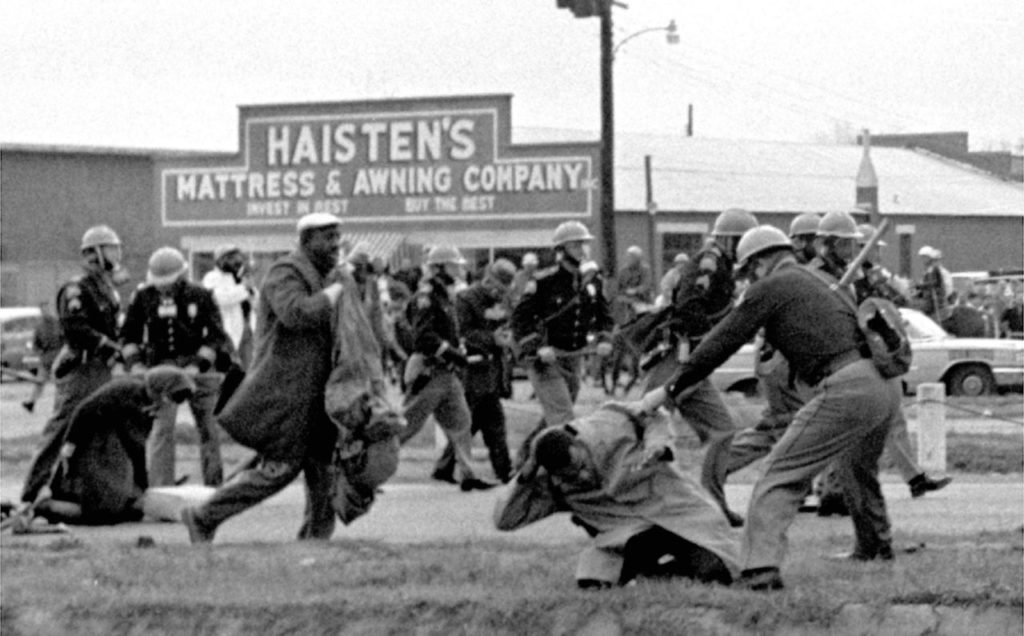
History is never stagnant. The saga of American democracy and the battle for the right to vote has its moments of inspiration, just as it has moments of defeat. The story this year’s chapter will tell is in our hands. Fifty-two years ago today, 600 marchers in Selma, Ala., brought the reality of racism and segregation into living rooms nationwide. That day, hundreds of voting rights supporters were viciously beaten by state troopers as they attempted to cross the Edmund Pettus Bridge. The brutal stories of Bloody Sunday reframed the issue of racism for the American public and ultimately led to passage of the Voting Rights Act of 1965 (VRA), our nation’s most powerful tool for protecting the vote. But the story of America’s fight for fair elections is never finished. After 48 years of bipartisan support from Congress and the White House, the VRA was gutted by the Supreme Court in its 2013 Shelby v. Holder decision, eliminating key protections for minority voters. On the 50th Anniversary of Bloody Sunday in 2015, our nation had an opportunity to undo that damage. That year, I joined President Barack Obama, President George W. Bush and a bipartisan group of more than 100 Members of Congress in Selma to commemorate the voting rights movement. It was an atmosphere of hope and unity in opposition to the hate and racism of our country’s past. Yet we returned to Washington, and Congress did nothing to restore the VRA. Today’s anniversary of Bloody Sunday is another opportunity to recommit to protecting voting rights for all Americans, but it is also a moment to reflect on the fresh urgency of that work. Old battles have become new again. This year’s commemoration of Bloody Sunday comes on the heels of the announcement that the Justice Department would drop challenges to a discriminatory Texas voter ID law, even after that law was struck down twice by courts for undermining minority voting rights. This year’s commemoration was also set against the backdrop of an executive order barring immigrants from Muslim-majority countries from coming into the United States. When Dr. Martin Luther King, Jr. completed his Selma to Montgomery march in 1965, after multiple attempts blocked by the police, he spoke to a crowd of nearly 50,000 supporters. In his speech, he told his audience that “no tide of racism can stop us.” This year I find those words have new resonance. Perhaps Dr. King was right – maybe hate is a tide: one that rolls in and out. This year, we face a rising tide of intolerance that’s had an immeasurable impact on my community. Last week, a bomb threat was called into a Birmingham Jewish community center in my district, the third threat in just one month’s time. I received messages from families who attend the center and were frightened for their safety and hurt by the threats against them. I’ve received messages from Muslim constituents who have family abroad, afraid that a travel ban will block them from seeing their loved ones. I’ve met with constituents worried for undocumented members of their community living in the United States. Looking back at photos from Bloody Sunday, the fear and pain that I see in the eyes of those who marched does not seem so foreign. I recognize the hurt of a people assaulted, threatened, and excluded because of who they are. But I also see courage. When I look at pictures of marchers like Amelia Boynton Robinson, I see a black woman who stood up to hate wherever she encountered it. This year, the 1965 Selma to Montgomery marches do not seem like a thing of the past, but instead a model for our work. We have to act as those in the voting rights movement did, and stand together for the rights of all Americans. I am a direct beneficiary of the movement. I was born the year that the Selma to Montgomery marches took place, and I owe those who fought, bled and died a debt of gratitude that I can never repay. But their story, and the story of America’s voting rights movement, is never finished. When Americans today suffer from some of the same injustices suffered 52 years ago, we cannot ignore the work left to be done. If the brutal stories of Bloody Sunday teach us anything this year, it’s that we must not only remember, but also dedicate ourselves to action. Together, we have a tide to turn back. ••• This article first appeared on TheHill.com. ••• Rep. Terri A. Sewell (D-Ala.) is serving her fourth term representing Alabama’s 7th District. She sits on the House Permanent Select Committee on Intelligence and was recently appointed to the House Ways and Means Committee.
Donald Trump praises new health care bill as GOP tries to sell it
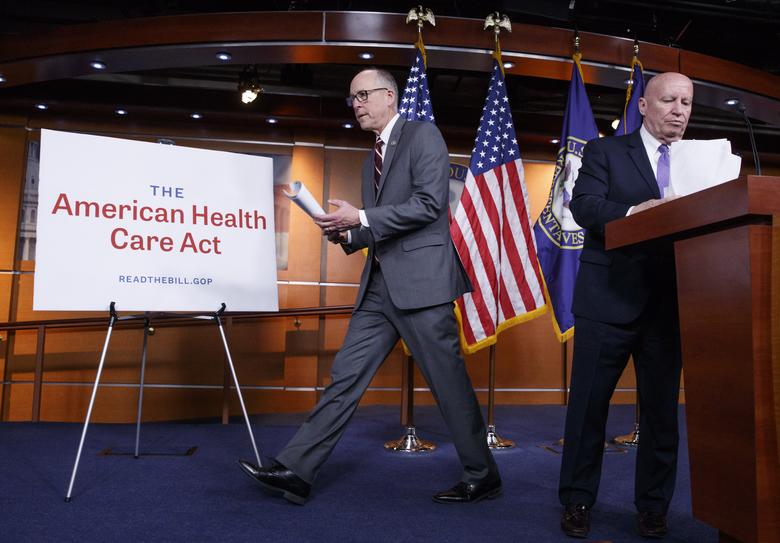
President Donald Trump and his administration’s top health official praised the new House Republican health care legislation Tuesday as the GOP embarked on a drive to sell the proposal to rank-and-file lawmakers and the public. Trump’s morning tweet lauding “our wonderful new Healthcare Bill” kicked off the day. Shortly afterward, Health Secretary Tom Price wrote to the chairmen of the two House committees that wrote the measures, saying “they align with the president’s goal of rescuing Americans from the failures of the Affordable Care Act.” The new bill aims to replace that law – one of former President Barack Obama‘s signature achievements – with a system designed along conservative lines. Primarily affected would be some 20 million people who purchase their own private health plans directly from an insurer and the more than 70 million covered by Medicaid, the federal-state program for low-income people. Significantly, Price specifically commended GOP plans to provide millions of Americans with a refundable tax credit – meaning even people without tax liability would receive the assistance. Congressional conservatives have opposed a refundable credit, saying it would create a new entitlement program the government cannot afford. White House budget chief Mick Mulvaney said Tuesday it’s unfair to compare how many people would have health insurance under the new Republican plan to those under the existing health law that Republicans have long derided as “Obamacare.” “What Obamacare did was make insurance affordable, but care impossible to actually afford,” Mulvaney said on NBC’s “Today Show.” ”The deductibles were simply too high. So people could say they have coverage but they couldn’t actually get the medical care they needed when they get sick.” Obamacare plans did typically come with high deductibles, but the law also provided cost-sharing subsidies to people with modest incomes. Those subsidies will be eliminated under the Republican plan, and it’s unclear how high the deductibles would be under the new approach. Mulvaney said that while the nonpartisan Congressional Budget Office hasn’t yet determined the cost of the new health care bill, it will bring “tremendous long-term savings” by giving states more control over Medicaid, the joint federal-state program for low income Americans. House committees planned to begin voting on the legislation Wednesday, launching what could be the year’s defining battle in Congress and capping seven years of GOP vows to repeal the 2010 Affordable Care Act. It’s unclear if Republicans can manage to overcome divisions within their own party and deliver a final product. “As Republicans we have a choice,” House Ways and Means Chairman Kevin Brady, R-Texas, an author of the measure, told reporters. “We can act now or we can keep fiddling around and squander this opportunity to repeal ‘Obamacare.’” The Republican legislation would limit future federal funding for Medicaid, which covers low-income people, about 1 in 5 Americans. And it would loosen rules that Obama’s law imposed for health plans directly purchased by individuals, while also scaling back insurance subsidies. Republicans say their solutions would make Medicaid more cost-efficient without punishing the poor and disabled, while spurring private insurers to offer attractive products for the estimated 20 million consumers in the market for individual policies. Democrats say the bill would make many people uninsured, shifting costs to states and hospital systems that act as providers of last resort. Individual policy holders might be able to find low-premium plans, only to be exposed to higher deductibles and copayments. House Democratic Leader Nancy Pelosi said Tuesday that Republicans are underestimating the high costs of health care for people living with pre-existing medical conditions. Pelosi told “CBS This Morning” that coverage of people with pre-existing conditions can’t be done easily and without ensuring healthy people also buy into insurance pools. The plan would repeal the unpopular fines on people who don’t carry health insurance. It would replace income-based subsidies the law provides to help millions of Americans pay premiums with age-based tax credits that may be skimpier for people with low incomes. Those payments would phase out for higher-earning people. Senate Finance Committee Chairman Orrin Hatch, R-Utah, wouldn’t rule out changes by his chamber, where significant numbers of moderate Republicans have expressed concerns that the measure could leave too many voters without coverage. Thirty-one states and the District of Columbia opted to expand Medicaid coverage under the Obama-era law to an estimated 11 million people. Around half those states have GOP governors, who are largely reluctant to see that spending curtailed. In another feature that could alienate moderate Republicans, the measure would block for one year federal payments to Planned Parenthood, the women’s health organization long opposed by many in the party because it provides abortions. A series of tax increases used to finance the Obama overhaul’s coverage expansion would be repealed as of 2018. In a last-minute change to satisfy conservative lawmakers, business and unions, Republicans dropped a plan pushed by Ryan to impose a first-ever tax on the most generous employer-provided health plans. Instead, a similar tax imposed by Obama’s law on expensive plans set to take effect in 2020 would now begin in 2025. Popular consumer protections in the Obama law would be retained, such as insurance safeguards for people with pre-existing medical problems, and parents’ ability to keep young adult children on their insurance until age 26. To prod healthier people to buy policies, insurers would boost premiums by 30 percent for consumers who let insurance lapse. Republished with permission of The Associated Press.
Donald Trump surprises Alabama students during White House tour
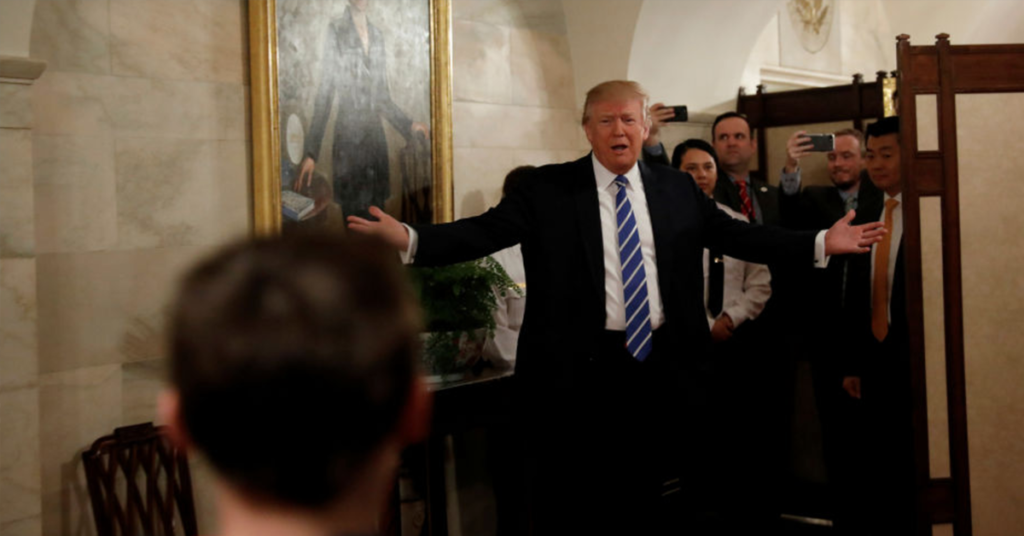
Shortly after White House tours resumed Tuesday, following a near seven-week hiatus during the presidential transition and inauguration, one Alabama school group had an experience political dreams are made of. During Birmingham’s Briarwood Christian School‘s visit to the West Wing, President Donald Trump dropped by the tour to say a surprise hello. Sneaking out from behind a partition the president greeted the crowd, which immediately burst into cheers at the sight of the president #45. Trump called for some of the kids to come over for a photo-op and 10-year-old Jack Cornish, a fifth-grader from Birmingham, Ala. made sure not to miss the opportunity to pose with the commander-in-chief as her ran over to him. “Work hard, everybody. Work hard,” he told the group of 40-50 students before leaving. Perhaps ironically, the scene played out right next to the official portrait of former first lady Hillary Clinton, who Trump bested to win the presidency in November. Together again. pic.twitter.com/uLKX4gKHXJ — Mark Knoller (@markknoller) March 7, 2017 The tours resumed Tuesday thanks to efforts of First Lady Melania Trump. “I am excited to reopen the White House to the hundreds of thousands of visitors who come each year,” Melania said in a White House statement. “The White House is a remarkable and historic site and we are excited to share its beauty and history. I am committed to the restoration and preservation of our Nation’s most recognizable landmark. Watch Trump surprise the students below:
Joe Henderson: Just imagine huge can of worms religious liberty bill opens

The Hillsborough County, Florida public school district has straightforward rules in its student handbook about religion. It says students can talk about religion, practice their religion, can be excused to observe a religious holiday, and – most important for the context of our discussion today – decide for themselves whether they want to participate in things such as student-led prayer or other practices. The basic rule is this: If students lead the religious activity – fine. If teachers or administrators take part – not fine. Districts in Miami-Dade and Orlando have basically the same policy. Apparently, that’s not good enough for the state Senate Education Committee, which Monday approved SB-436. It’s a measure designed to protect religious liberty, except that such liberty already exists. The 5-2 vote was along party lines, of course; five Republicans said yea, two Democrats were naysayers. A statement released by Senate President Joe Negron after the education committee did its work, was a clear indication of what he has in mind. The statement said: “Freedom of Religion is a central right protected by our Constitution. This legislation makes it clear that the State of Florida stands for religious liberty and will take the steps necessary to protect the free speech rights of public school students, parents, teachers and school administrators.” A statement released by state Sen. Dennis Baxley was even more to the point. “We should be encouraging, rather than preventing our students from expressing their religious convictions,” Baxley said. “This legislation safeguards Freedom of Religion by protecting our students from being discriminated against based on the free expression of their religious ideals in spoken word or prayer, attire, school assignments and extracurricular activities.” I can see worms crawling out of that just-opened can by the thousands – assuming this bill passes. Let’s play a game called “just imagine.” Just imagine the bill passes and a teacher or administrator decides freedom of speech includes preaching the gospel in class or over the school public address system. What gospel would that be? What happens when a Muslim student takes offense and demands classroom time to offer prayers to Allah along with equal time at the microphone? Just imagine a Jewish kid goes, “Hey, wait a minute …” Let’s get really absurd and just imagine a Satanist wants the same freedom. Can’t happen, you say? It already has – in 2014 at the state capitol, not far from where this current bill was being fast-tracked through committee. Satanists demanded to erect their own holiday display to counter a Nativity scene by a Christian group. So why do this at all? It seems like obvious pandering to me. There is nothing already on the books that says kids and teachers can’t pray in public schools. I imagine many of them already do as the SAT tests are passed out. They can read the Bible during breaks. I have heard from parents, though, who say that even these student-led actions can put a lot of pressure on their kids to conform. Don’t believe it? Try sitting out a “voluntary” public prayer sometime and see the looks you get. But they’re going ahead with this bill and I wouldn’t be shocked if it became law – at least until it is overturned in the courts. This has been touted as bill that will protect Christians from alleged persecution. Baloney. Real persecution is what Christians face in places like Cuba, China and many Middle East nations. Real persecution is being dragged from your home and flogged or executed for your belief. The stuff these lawmakers are talking about doesn’t qualify. ___ Joe Henderson has had a 45-year career in newspapers, including the last nearly 42 years at The Tampa Tribune. He has covered a large variety of things, primarily in sports but also hard news. The two intertwined in the decade-long search to bring Major League Baseball to the area. Henderson was also City Hall reporter for two years and covered all sides of the sales tax issue that ultimately led to the construction of Raymond James Stadium. He served as a full-time sports columnist for about 10 years before moving to the metro news columnist for the last 4 ½ years. Henderson has numerous local, state and national writing awards. He has been married to his wife, Elaine, for nearly 35 years and has two grown sons — Ben and Patrick.
As president, Donald Trump seeks answers on his own wiretap mystery
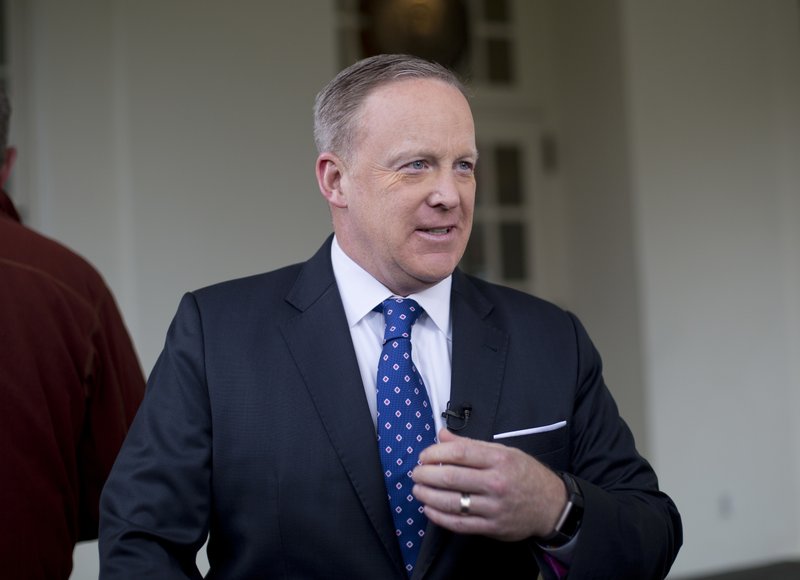
If Donald Trump wants to know whether he was the subject of surveillance by the U.S. government, he may be uniquely positioned to get an answer. In a series of weekend tweets, the president accused his predecessor, Barack Obama, of ordering wiretaps on his phones but offered no proof to back the claim. The White House then called on Congress to investigate the allegations. But former government lawyers say Trump hardly needs Congress to answer this question. “The intelligence community works for the president, so if a president wanted to know whether surveillance had been conducted on a particular target, all he’d have to do is ask,” said Todd Hinnen, head of the Justice Department’s National Security Division during the Obama administration and a National Security Council staff member under George W. Bush. The latest storm began Saturday when Trump tweeted: “Is it legal for a sitting President to be ‘wire tapping’ a race for president prior to an election? Turned down by court earlier. A NEW LOW!” He followed up with: “How low has President Obama gone to tapp my phones during the very sacred election process. This is Nixon/Watergate. Bad (or sick) guy!” The Justice Department, not the president, would have the authority to conduct such surveillance, and officials have not confirmed any such action. Through a spokesman, Obama said neither he nor any White House official had ever ordered surveillance on any U.S. citizen. Obama’s top intelligence official, James Clapper, also said Trump’s claims were false, and a U.S. official said the FBI asked the Justice Department to rebut Trump’s assertions. Why turn to Congress, Trump spokesman Sean Spicer was asked Monday. “My understanding is that the president directing the Department of Justice to do something with respect to an investigation that may or may not occur with evidence may be seen as trying to interfere,” Spicer said. “And I think that we’re trying to do this in the proper way.” He indicated that Trump was responding to media reports rather than any word from the intelligence community. Other officials have suggested the president was acting on other information. Sen. John McCain, chairman of the Armed Services Committee, said Monday that Trump needs to give more information to the American people and Congress about his wiretapping accusations. “The dimensions of this are huge,” McCain said. “It’s accusing a former president of the United States of violating the law. That’s never happened before.” As for the genesis of a possible wiretap, it is possible the president was referring to the Foreign Intelligence Surveillance Act, a 1978 law that permits investigators, with a warrant, to collect the communications of someone they suspect of being an agent of a foreign power. That can include foreign ambassadors or other foreign officials who operate in the U.S. whose communications are monitored as a matter of routine for counterintelligence purposes. The warrant application process is done in secret in a classified process. But, as president, Trump has the authority to declassify anything. And were such a warrant to exist, he could theoretically move to make it public as well. If the president demands to know what happened, “the Justice Department can decide what’s appropriate to share and what’s not,” said Amy Jeffress, another former Obama administration national security lawyer. The Justice Department applies for the warrants in a one-sided process before judges of the secretive Foreign Intelligence Surveillance Court. Permission is granted if a judge agrees that there’s probable cause that the target is an agent of a foreign power. Though the standard is a high bar to meet, applications are hardly ever denied. Targets of wiretaps are not alerted that their communications are being recorded. Defendants later charged in the criminal justice system may ultimately learn the government intends to use at trial evidence collected through a FISA warrant, but they are not presented with the actual application for a warrant. “Unfortunately, the public has never seen an actual FISA application over nearly 40 years, so we don’t know exactly how the FISA Court has applied or interpreted the probable cause standard in this context,” Patrick Toomey, an American Civil Liberties Union staff attorney specializing in national security, said in an email. Trump also could have been referring to wiretapping authorized under the Omnibus Crime Control and Safe Streets Act of 1968. The Justice Department can obtain a warrant for that surveillance by convincing a judge that there’s probable cause to believe the target has committed or is committing a crime. The White House turned Sunday to Congress — which is already investigating ties between Trump associates and Russians — for help in finding evidence to support his assertions. Some Republicans seemed inclined to try to help Trump get answers. For Congress, getting to the bottom of this should not be difficult, said Dan Jones, a former Senate investigator and currently president of the Penn Quarter Research and Investigations Group. “It’s a knowable, ‘yes or no,’” Jones said. If the answer is there was no such warrant, he said, the next step would be to ask the president why he made the claim. “That information would then be investigated to find out if it’s right or wrong.” Republished with permission of The Associated Press.
New AG appoints Clay Crenshaw Alabama Chief Deputy Attorney General
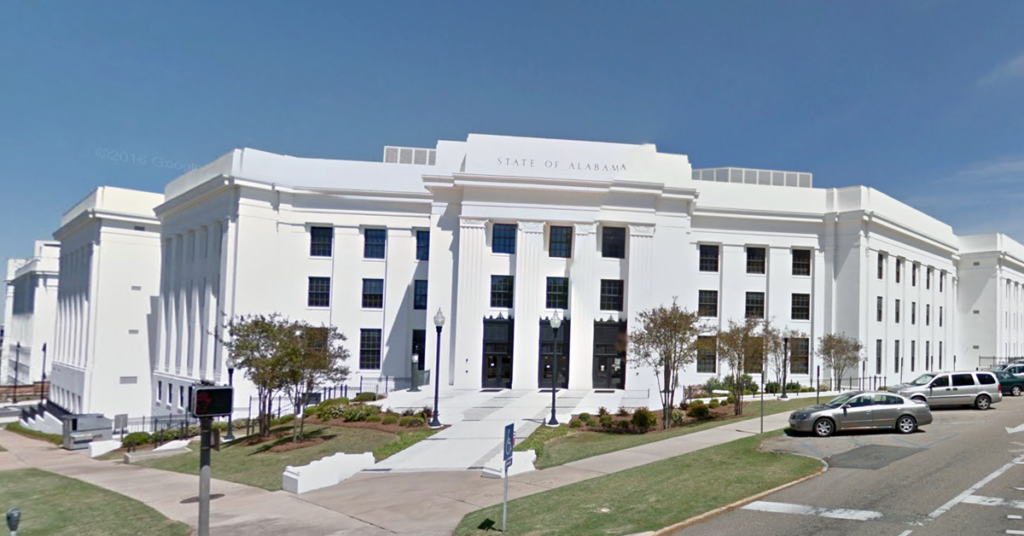
Newly appointed Alabama Attorney General Steven Marshall announced Tuesday his own appointment of Assistant Attorney General Clay Crenshaw to serve as Chief Deputy Attorney General. Crenshaw succeeds Alice Martin, who held the post for the last two years under former state AG Luther Strange. “I am pleased to welcome Clay Crenshaw, a near 30-year veteran of the Attorney General’s Office, to the position of Chief Deputy Attorney General,” said Marshall. “Clay possesses a wealth of legal experience defending the State in complex litigation, most recently leading the Attorney General’s Office Appeals Division which oversees Alabama’s death penalty cases and criminal appeals. He understands the important role that law enforcement and the court system play in protecting the people of Alabama, and I know he will ensure that this office continues to uphold the rule of law.” Crenshaw is a Greenville native, and a 1988 graduate of the University of Alabama School of Law. He holds a B.S. in political science from Auburn University Montgomery. Previously he’s served as Assistant Attorney General with the Alabama Department of Finance from 1989-1992, Assistant Attorney General in the Capital Litigation Division from 1992-1998, Division Chief of the Capital Litigation Division from 1998-2015 and Chief of the Appeals Division in 2016. AG Marshall also thanked Chief Deputy Martin for assisting during his transition into office, ensuring the mission of the Attorney General’s Office continued uninterrupted. “I am grateful to Chief Deputy Martin for her assistance over the last three weeks as I transitioned into my new role as Alabama’s 48th Attorney General,” Marshall said. “I appreciate her service to the state and her commitment to the office.” Martin leaves the office to rejoin the Alabama Department of Examiners of Public Accounts.
Poll: Americans divided on admitting refugees
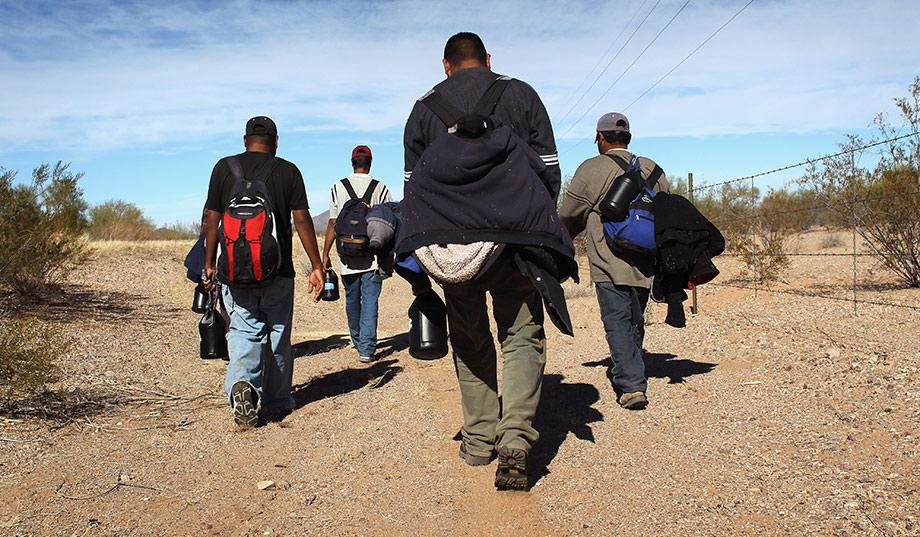
Where immigrants are concerned, James Wright is OK with people who are here legally, as well as illegally – if they haven’t committed crimes. But turn the talk specifically to the risks and benefits of admitting refugees to the U.S., and the New Jersey resident gives a fraught sigh. “It’s hard not to be conflicted,” said Wright, 26, an independent who supports President Donald Trump’s proposed travel ban on certain foreigners. “By no means do I want to be cruel and keep people out who need a safe place. But we have to have a better system of thoroughly finding out who they are.” Wright is part of a group of Americans a new survey suggests are making distinctions between legal immigrants who choose to be here and refugees – who are legal immigrants, too – fleeing persecution in their home countries. A new poll by The Associated Press-NORC Center for Public Affairs Research reflects that divide, with two-thirds of the respondents saying the benefits of legal immigration generally outweigh the risks. But just over half – 52 percent – say refugees pose a great enough risk to further limit their entry into the United States. Interviews with some of the poll’s participants suggest the distinction may be one of perception in an age of religious and politically inspired violence and 4.8 million refugees fleeing war-scarred Syria. “Sometimes the vetting might not be quality,” said Randall Bagwell, 33, a Republican from of San Antonio, Texas, the state second to California in settling refugees between Oct. 1 and Jan. 31, according to the State Department. “Nobody can do quality control when they’re just reacting immediately.” President Donald Trump has long linked tougher immigration limits to a safer country, and on Monday signed a new travel ban that, in part, will suspend refugee travel to the U.S. for four months except for those already on their way to the United States. The new order, which takes effect on March 16, will impose a 90-day ban on entry to the United States for people from Sudan, Syria, Iran, Libya, Somalia and Yemen – all Muslim-majority nations – who are seeking new visas. It was Trump’s second effort at a travel ban. The first was blocked by the courts. Also reflecting his hard line, Trump last week announced to Congress a new office to aid Americans and their families who are victims of immigrant violence. That’s despite years of studies that have shown that immigrants are less likely to commit crimes than U.S.-born people. Much of Trump’s candidacy and young presidency have been powered by the idea that he will protect Americans from “bad dudes” who want to come here, issuing a mix of tough, if vague, policy – from “extreme vetting” to the travel ban, a border wall with Mexico and more. Americans report conflicting feelings about immigrants just over six weeks into his presidency, the poll suggests. On the one hand, Americans see refugees as a risk apart from other legal immigrants, with a third of Democrats and 8 in 10 Republicans saying the risks are great enough to place more limits on refugees admitted to the U.S. Despite those fears, Americans still see legal immigration generally as a boon, the poll shows. More than 6 in 10 say a major benefit of legal immigration is that it enhances the reputation of the United States as a land of opportunity. The good and bad of immigration has long been a painful and intensifying national debate. Trump has shown some flexibility – or inconsistency, depending on one’s viewpoint – on his approach. For example, Iraq is no longer on the list of countries whose people are banned. Officials from the Pentagon and State Department had urged the White House to reconsider given Iraq’s key role in fighting the Islamic State group. Also, the new order does not subject Syrians to an indefinite travel ban, as did the original. Trump also has minimized talk of deporting all of the estimated 11 million people in the U.S. illegally and suggested that he could be open to comprehensive immigration reform. That sparked both interest and skepticism on Capitol Hill, where a solution has stymied Congress for years. But Trump’s warnings about refugees in particular apparently have stuck in the American consciousness, according to the poll. Refugees entering the U.S. undergo rigorous background checks, including a search of government databases that list people suspected of having ties to terrorist groups. Processing of refugees can take up to two years – and usually longer for those coming from Syria. After a year in the U.S., refugees are required to check in and obtain green cards. But U.S. officials have acknowledged that information on people coming from Syria, in particular, may be limited. Mandy Gibson, 37, sees the benefits of admitting legal immigrants – but isn’t so sure about refugees. “Maybe it’s the media. They are making refugees sound like they aren’t legal immigrants and I don’t necessarily understand, but they are different to me,” said Gibson, who works in a Greensboro, North Carolina, grocery store. Either way, she said, “anybody who is coming from countries that have ISIS really should have a very thorough background check.” — The AP-NORC poll of 1,004 adults was conducted Feb. 16-20, using a sample drawn from NORC’s probability-based AmeriSpeak panel, which is designed to be representative of the U.S. population. The margin of sampling error for all respondents is plus or minus 3.9 percentage points. Republished with permission of The Associated Press.
About that unusually tense interview between Stephanopoulos, Trump aide
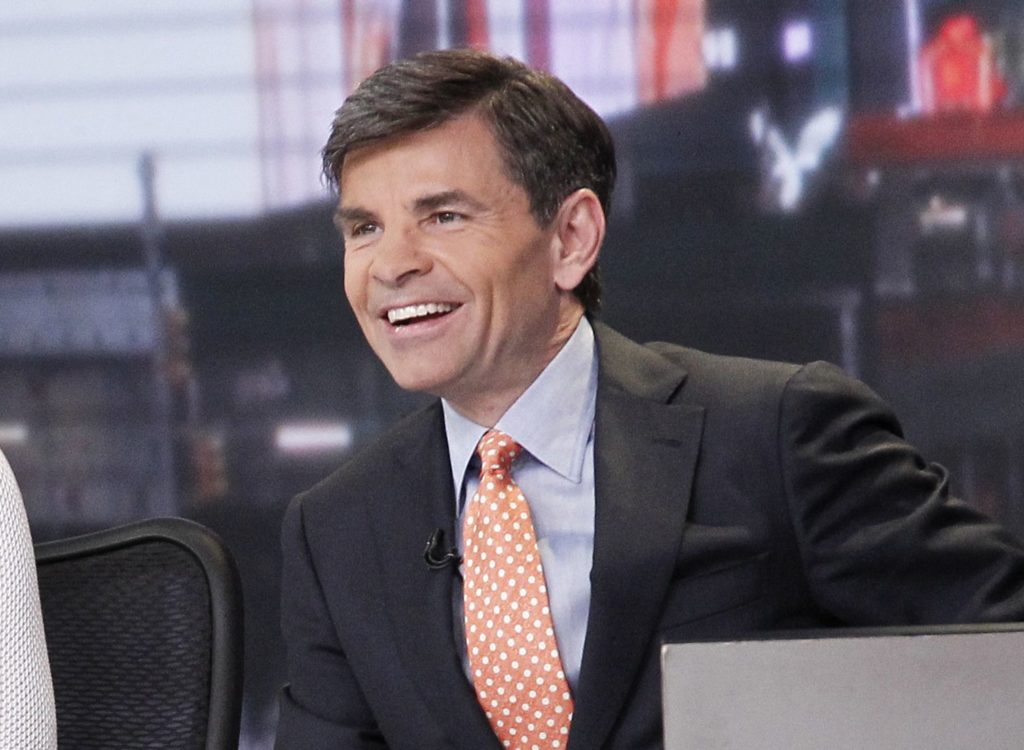
George Stephanopoulos‘ “Good Morning America” interview with White House spokeswoman Sarah Huckabee Sanders on Monday is an instant milestone in the hostile relationship between the Trump administration and the media. In the discussion about President Donald Trump‘s weekend accusations — offered without proof — that former President Obama ordered Trump’s New York home wiretapped, Stephanopoulos repeatedly interrupted and stopped Sanders when he felt she veered from the truth. It was a crackling exchange unusual for the generally happy terrain of network morning television, and made Stephanopoulos a hero or villain depending on whose social media feed is followed. It was also the second time in a month that the ABC anchor had a notably sharp interview with a Trump administration official. On “This Week” last month, he repeatedly pressed Trump aide Stephen Miller for evidence to back up the claim that there was massive voter fraud in the election. Sanders was also interviewed on NBC’s “Today” show on Monday, while “CBS This Morning” turned down the White House’s offer to have her on. Fox News Channel’s “Fox & Friends” brought presidential counselor Kellyanne Conway on to speak about Trump’s allegations, less than a day after White House press secretary Sean Spicer said there would be no further comment on the issue. It wasn’t clear what changed the administration’s strategy. Stephanopoulos began his interview by asking Sanders whether Trump accepted reports that FBI director James Comey had denied there was any wiretapping of Trump. Sanders said she didn’t believe he did, and started talking about wiretapping reports in other media outlets. “Sarah, I have got to stop you right there,” Stephanopoulos said. The stories she cited did not back up the president’s claims, he said. “What is the president’s evidence?” he asked. Sanders said there was “wide reporting” suggesting that the administration could have ordered wiretapping. Stephanopoulos stopped her to note there was a report of a court-ordered wiretapping, although James Clapper, former director of national intelligence under Obama, had denied that. Stephanopoulos stopped Sanders again when she noted that the unsubstantiated report of a wiretapping order came under the Obama administration and that “all we’re asking is that Congress be allowed to do its job.” “Hold on a second,” he said. “There is a world of difference between a wiretap ordered by a president and a court-ordered wiretap by a federal judge.” Noting that Obama’s representatives, Comey and Clapper had all said there was no wiretapping, Stephanopoulos asked, “is the president calling all three of these people liars?” Sanders said that he wasn’t, but that it was a matter for congressional investigators to look into. She said she considered it a double standard that the media does not believe Trump when he says nothing untoward had happened between him and Russia, while reporters accept denials by the Obama administration on the wiretap accusation. “If the president walked across the Potomac, the media would be reporting that he could not swim,” she said. The interview illustrated the difficulties the media faces in trying to report on the president’s unsubstantiated tweets. There was a furious debate on the “Good Morning America” Facebook page on Monday afternoon between people who cheered the host, a one-time adviser to President Bill Clinton, for calling out untruths, and others who believed he was rude — even suggesting they would boycott ABC’s morning show because they were disgusted by the interview. Many of Trump’s supporters are angered by aggressive questioning because they believe the media did not ask similar tough questions of the Obama administration, said Tim Graham of the Media Research Center, a conservative media watchdog. “You have no right to tell us what the truth is,” Graham said. At the same time, reporters face pressure from Trump opponents who give no quarter, as witnessed by last week’s backlash against television analysts who suggested Trump gave an effective speech before Congress. There are also some who believe the wiretap accusation itself is a way to distract people from the story about Russia, and the media effectively supports the strategy by reporting it. Stephanopoulos said after the interview that his job is to elicit as much clarity as possible, and he believed his interview was an important opportunity to get the Trump administration on the record on these issues. “If I hear something that I know to be untrue, then I think it’s my responsibility to point that out,” he said. Sanders’ interview on “Today” was more peaceful, but still had some tense moments. Savannah Guthrie interrupted Sanders to ask a second time when she wouldn’t answer her question about whether the president had made his accusations solely after seeing media reports. She said she didn’t know. Sanders later repeated the same line about the Potomac River. Conway was given more time to talk on “Fox & Friends,” although she did face pushback on whether Trump associates who had conversations with Russian officials had hurt the president. She drew laughs when she said she wished she had $50 for every time Russia was mentioned in the news. “A drinking game,” one of the Fox anchors joked off-screen. Republished with permission of The Associated Press.
Alabama lawmakers meeting Tuesday, Wednesday on Robert Bentley impeachment
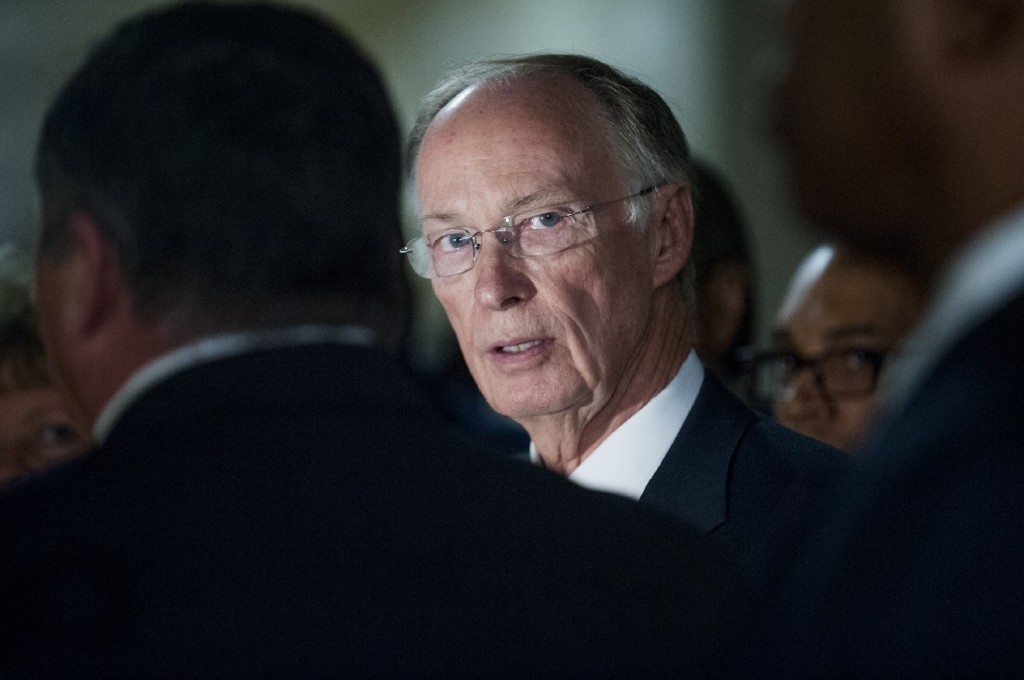
Alabama lawmakers from both chambers are scheduled to meet this week to discuss the ongoing impeachment investigation of Gov. Robert Bentley. On Tuesday, the Alabama House Judiciary Committee has scheduled a 10:00 a.m. morning meeting to discuss the procedural aspects of the investigation — the first hearing on the issue since September. Committee spokesman Clay Redden declined to comment on further specifics. On Wednesday, the committee’s Senate counterpart is holding a meeting in one of its subcommittees explore the use of subpoena power and as well as what rules are in place to guide a potential impeachment of the embattled Governor. Bentley, 73, last spring admitted making inappropriate remarks to his senior political adviser but denied accusations of an affair with her and of interfering in law enforcement business, accusations both raised by his fired law enforcement secretary. Following the news, twenty-three representatives signed articles of impeachment in April 2016, accusing Bentley of willful neglect of duty and corruption in office. The legislative probe officially began in June 2016, but it has been off to a slow start, as lawmakers find their way through an impeachment process that has not used in a century. In November, the chairman of the House Judiciary Committee suspended impeachment hearings per the state’s attorney general’s office, as they are conducting a related investigation. Andalusia-Republican and House Judiciary Committee Chairman state Rep. Mike Jones has since stated he intends to the resume hearings pending approval from the new AG’s office. Jones said he expects to wrap up the investigation during the current legislation sessions, which ends in May.
Donald Trump’s new travel ban comes without the chaos of first one
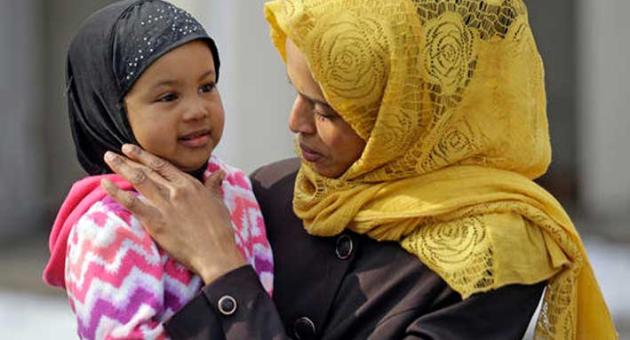
When President Donald Trump signed his first travel ban with scant warning and little planning seven days into his presidency, he meant to signal he was a man of action. After the lawsuits, chaos at airports and international criticism, Trump’s rewritten travel ban sent a different message: The White House has learned some lessons. The Trump administration’s unveiling of its revised restrictions on travel and refugees was deliberate and cautious, an implicit acknowledgement of some of the unforced errors from the first rollout. The executive order was announced by Trump’s Cabinet officials, some of whom felt cut out of consultations on the earlier version. It does not go into effect immediately, giving the world time to assess its impact. The White House took weeks of consultation with agency heads about how best to withstand expected legal challenges. The scaled-back order will still face fire from critics. It bars new visas for people from six Muslim-majority countries and temporarily shuts down America’s refugee program, affecting would-be visitors and immigrants from Iran, Syria, Somalia, Sudan, Yemen and Libya. Department of Homeland Security intelligence analysts have questioned the rationale behind it, concluding that citizenship is an “unlikely indicator” of terrorism threats to the United States. But the new ban does eliminate many of the original order’s most contentious elements. It removes Iraq from the list of banned countries — at the urging of U.S. military and diplomatic leaders — and it makes clear that current visa holders will not be impacted. It also removes language that would give priority to religious minorities — a provision some interpreted as a way to help Christians get into the U.S. while excluding Muslims. Trump signed the order without fanfare in a closed-press ceremony in the Oval Office. Legal experts say the new order addresses some of the constitutional concerns raised by a federal appeals court about the initial ban but leaves room for more legal challenges. “It’s much clearer about how it doesn’t apply to groups of immigrants with more clearly established constitutional rights,” said University of Texas law professor Stephen Vladeck. “That’s a really important step.” Trump officials say the goal hasn’t changed: keeping would-be terrorists out of the United States while the government reviews vetting systems for refugees and visa applicants from certain parts of the world. “It is the president’s solemn duty to protect the American people, and with this order President Trump is exercising his rightful authority to keep our people safe,” said Secretary of State Rex Tillerson at a brief press announcement, where he, Homeland Security Secretary John Kelly and Attorney General Jeff Sessions served as the public faces of the rollout. The original travel ban led to instant chaos at airports as Homeland Security officials scrambled to interpret how it was to be implemented and some travelers were detained before being sent back overseas or blocked from getting on airplanes abroad. The order quickly became the subject of several legal challenges and was put on hold last month by a federal judge in Washington state. This time, there was none of that chaos. The new order won’t take effect until March 16, despite repeated warnings from Trump and his aides that any delay would put national security at risk by allowing the entry of “bad dudes” who want to cause harm to the country. Press secretary Sean Spicer told reporters at the White House that Trump approved the final details of the revised executive order on Saturday night after meeting with Kelly, Sessions and members of his legal staff and policy team. Trump’s new order reinstates his four-month ban on all refugees from around the world and keeps in place his plan to reduce the number of refugees to be allowed into the United States this budget year to 50,000. Syrians are also no longer subjected to an indefinite ban, despite Trump’s insistence as a candidate that they pose a serious security threat. Lee Gelernt, deputy director of the American Civil Liberties Union’s Immigrants’ Rights Project, said the group will try to block the new order from taking effect, either by amending the existing lawsuits that blocked Trump’s original ban or seeking a new injunction. “The only way to actually fix the Muslim ban is not to have a Muslim ban,” said Omar Jadwat, director of the project. Washington Attorney General Bob Ferguson, whose state won a court order blocking the travel ban, said the new travel ban is more legally palatable than the old one but that it still poses concerns and could prompt further court challenges from the state. “Bottom line is the president has capitulated on numerous key provisions that we contested in court about a month ago,” Ferguson said at a news conference in his Seattle office. “This is a very significant victory for the people of the state of Washington.” Republished with permission of The Associated Press.
