
Donald Trump, Paul Ryan face off in rare public GOP clash over tariffs
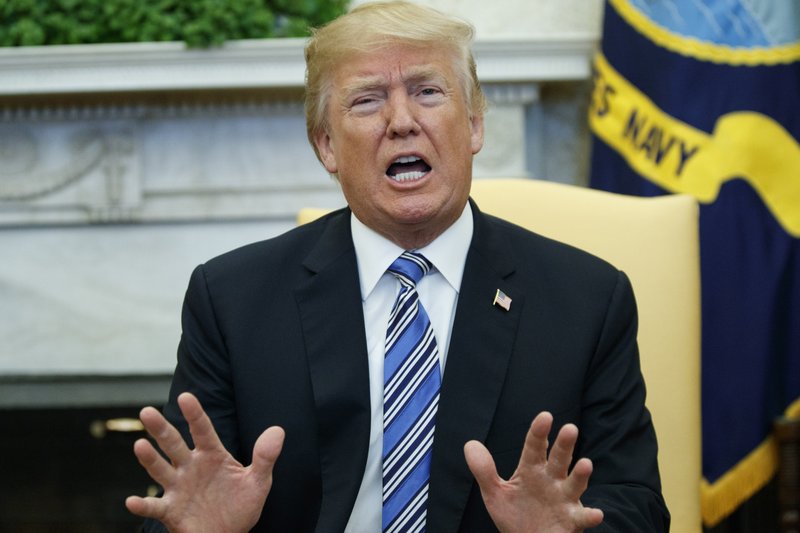
In a remarkably public confrontation, House Speaker Paul Ryan and other Republican allies of President Donald Trump pleaded with him Monday to back away from his threatened international tariffs, which they fear could spark a dangerous trade war. Trump retorted: “We’re not backing down.” The president said U.S. neighbors Canada and Mexico would not be spared from his plans for special import taxes on steel and aluminum, but he held out the possibility of later exempting the longstanding friends if they agree to better terms for the U.S. in talks aimed at revising the North American Free Trade Agreement. “We’ve had a very bad deal with Mexico; we’ve had a very bad deal with Canada. It’s called NAFTA,” he declared. Trump spoke shortly after a spokeswoman for Ryan, a Trump ally, said the GOP leader was “extremely worried” that the proposed tariffs would set off a trade war and urged the White House “to not advance with this plan.” Likewise, Republican leaders of the House Ways and Means Committee circulated a letter opposing Trump’s plan, and GOP congressional leaders suggested they may attempt to prevent the tariffs if the president moves forward. Trump’s pledge to implement tariffs of 25 percent on steel imports and 10 percent on aluminum imports has roiled financial markets, angered foreign allies and created unusual alliances for a president who blasted unfavorable trade deals during his 2016 campaign. Union leaders and Democratic lawmakers from Rust Belt states have praised the planned tariffs, joining with advocates within the administration including Commerce Secretary Wilbur Ross and White House trade adviser Peter Navarro. But the president has been opposed internally by Defense Secretary James Mattis and White House economic adviser Gary Cohn, who warned against penalizing U.S. allies and undercutting the economic benefits of the president’s sweeping tax overhaul. Likewise, the statement from Ryan’s office said, “The new tax reform law has boosted the economy, and we certainly don’t want to jeopardize those gains.” Asked about that public rebuke, White House press secretary Sarah Huckabee Sanders said, “Look, we have a great relationship with Speaker Ryan. We’re going to continue to have one, but that doesn’t mean we have to agree on everything.” Canada is the United States’ No. 1 foreign supplier of both steel and aluminum. Mexico is the No. 4 supplier of steel and No. 7 for aluminum. Congressional Republicans say any tariffs should be narrow in scope, and they privately warned that Trump’s effort could hurt the party’s hopes to preserve its majority in the fall elections. As the president dug in on his position, any potential compromise with foreign trading partners and Republican lawmakers was expected to still include some form of tariffs. “Trump is not someone who retreats,” said Stephen Moore, an economist with the conservative Heritage Foundation and a former campaign adviser. “He’s going to need to be able to declare some victory here.” The tariffs will be made official in the next two weeks, White House officials said. “Twenty-five percent on steel, and the 10 percent on aluminum, no country exclusions — firm line in the sand,” said Navarro, speaking on “Fox and Friends.” Republican critics on Capitol Hill and within the administration argue that industries and their workers that rely on steel and aluminum for their products will suffer. The cost of new appliances, cars and buildings will rise for Americans if the president follows through, they warn, and other nations could retaliate. Two dozen conservative groups, including the Club for Growth, FreedomWorks and the National Taxpayers Union, urged Trump to reconsider, writing in a letter that the tariffs would be “a tax on the middle class with everything from cars to baseball bats to even beer.” The Trade Partnership, a consulting firm, said the tariffs would increase U.S. employment in the steel and aluminum sector by about 33,000 jobs but would cost 179,000 jobs in the rest of the economy. The end result could erode the president’s base of support with rural America and even the blue-collar workers the president says he’s trying to help. “These are people that voted for him and supported him in these auto-producing states,” said Cody Lusk, president of the American International Automobile Dealers Association. Lusk noted that of the 16 states with auto plants, Trump won all but two. The administration has argued the tariffs are necessary to preserve the American aluminum and steel industries and protect national security. But Trump’s comments and tweets early Monday suggested he was also using them as leverage in the current talks to revise NAFTA. The latest round of a nearly yearlong renegotiation effort is concluding this week in Mexico City. At those talks, U.S Trade Representative Robert Lighthizer said Monday that progress has been less than many had hoped and “our time is running short.” “I fear the longer we proceed, the more political headwinds we will feel,” he said. And he added that if three-way negotiations don’t work, “we are prepared to move on a bilateral basis.” More upbeat about progress until now, Dan Ujczo, a trade attorney with Dickinson Wright PLLC in Columbus, Ohio, said, “We were moving toward the finish line in NAFTA.” But he added, “This has the potential to throw the NAFTA talks off track.” He said neither Canada nor Mexico will want to be seen as giving in to U.S. pressure. Indeed, he said, Canada is probably already drawing up lists of U.S. products to tax in retaliation. Separately, Mexican Economy Secretary Ildefonso Guajardo tweeted: “Mexico shouldn’t be included in steel & aluminum tariffs. It’s the wrong way to incentivize the creation of a new & modern #NAFTA.” The president opened the door to exempting Canada and Mexico from the tariffs, saying, “That would be, I would imagine, one of the points that we’ll negotiate.” But he added, “If they aren’t going to make a fair NAFTA deal, we’re just going to leave it this way.” Trump has long threatened to pull out of the 24-year-old trade pact if it
House bill seeks to rebalance renter-tenant protections
Grand Bay-Republican state Rep. David Sessions introduced a bill to lessen the amount of time given to tenants to correct minor violations of their lease contracts. Under current law, tenants are entitled to up to four curable breaches of contract over the course of a 12-month period. If the lease contract is breached, landlords can provide tenants with a notice giving them seven days to either cure the breach, if it is curable, or move out. Sessions’ bill, titled HB421, seeks to shorten the notice of noncompliance within a lease contract from seven to three days, expand the list of non-curable lease breaches, and change the amount of curable breaches from four to two, within a 12-month period. The bill would also make a second breach of contract non-curable, no matter how small the infraction. “In Alabama, tenant laws are so restrictive on the landlords that getting a bad tenant out is often a lengthy, complicated process. Whats happening now, is that if landlords have a bad tenant, and the tenant takes the landlord to court, it can take 6 months to get them out, and all the court costs associated with the case are on the landlord.” “We’re not to here to punish anyone, we’re not here to throw people on the street, we’re just trying to streamline the process of getting a bad tenant out.” Opponents of the bill say it will undermine important protections for Alabama renters, and would be unforgiving towards tenants. “Just three days. If HB 421 becomes law, that’s all the time Alabama renters would get to correct a minor lease violation before landlords could kick them out of their homes,” wrote Arise Citizens’ Policy Project in a legislative alert to their supporters. “Alabama’s 2006 Landlord-Tenant Act set out a balanced set of protections for both sides of the rental relationship. But HB421 would tilt the scales back in landlords’ favor by allowing wildly disproportionate responses to minor breaches, while giving tenants no meaningful opportunity to fix issues before losing their homes.” The group also gave an example of how they think the bill will be used. “If a landlord on a Friday found a guest’s vehicle parked outside a rental house for a second time without a valid tag, that tenant could end up on the street by Tuesday… Alabama families shouldn’t be kicked out of their homes over minor mistakes,” they wrote.
Sue Bell Cobb kicks-off gubernatorial campaign, opens HQ in Montgomery
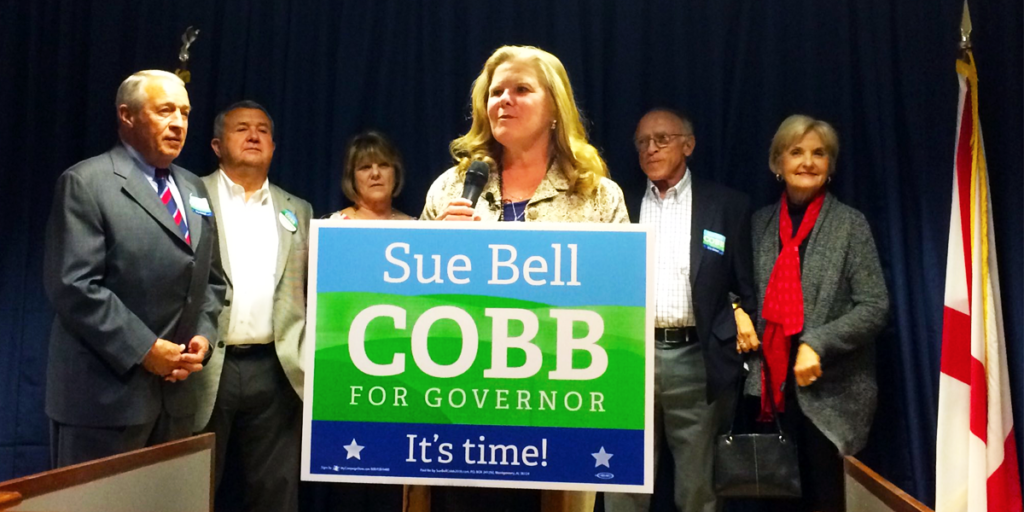
With three months to go until the Democratic primary, former Alabama Chief Justice Sue Bell Cobb kicked-off her campaign for governor Monday at her new campaign headquarters in Montgomery, Ala. “Please join me as we kick-off this journey and open the doors to our statewide office. With your support, we can make sure the governor’s office is exactly like my campaign headquarters: open to every Alabamian,” Cobb said ahead of her campaign kick-off. At the event, Cobb discussed her what priorities as Governor will be. Among them, is the creation of the Lifelong Learner Lottery with all revenue committed to education and safe from the whims of legislators. Mississippi and Nevada, that collect millions in taxes on casinos, are the only other states in the lower 48 that do not have a lottery. Under Cobb’s proposal, new funding would be used for first-class educational childcare, state-of-the-art career tech education to prepare our workforce for 21st Century jobs and attract businesses, and to fill the gap left by Pell Grants, so Alabama students of any age who qualify for Pell Grants can attend college without worrying about tuition. “Education is the key to a bright future, for the individual and for our state,” said Cobb “That is exactly why my proposal focuses lottery revenues on those learners of any age who stand to benefit most.” Cobb was elected the first female Chief Justice of the Alabama Supreme Court, where she made Alabama the first state in the nation to implement electronic filing of all court cases, saving judges and court personnel hundreds of hours of work, and Alabama taxpayers tens of millions of dollars. During her time on the court, she also implemented drug courts in 66 of 67 counties, saving abusers and their victims by breaking the cycle of jail and addiction. Cobb is hoping to follow in the footsteps of recently elected Sen. Doug Jones — winning a statewide office as a Democrat. Taking a dig at Jones’ Republican opponent, Roy Moore, from the fall’s contentious U.S. Senate special election, Cobb concluded her speech saying, “Here’s my promise: I will not embarrass you. I will not let you down.”
New study ranks Alabama 5th worst state for women
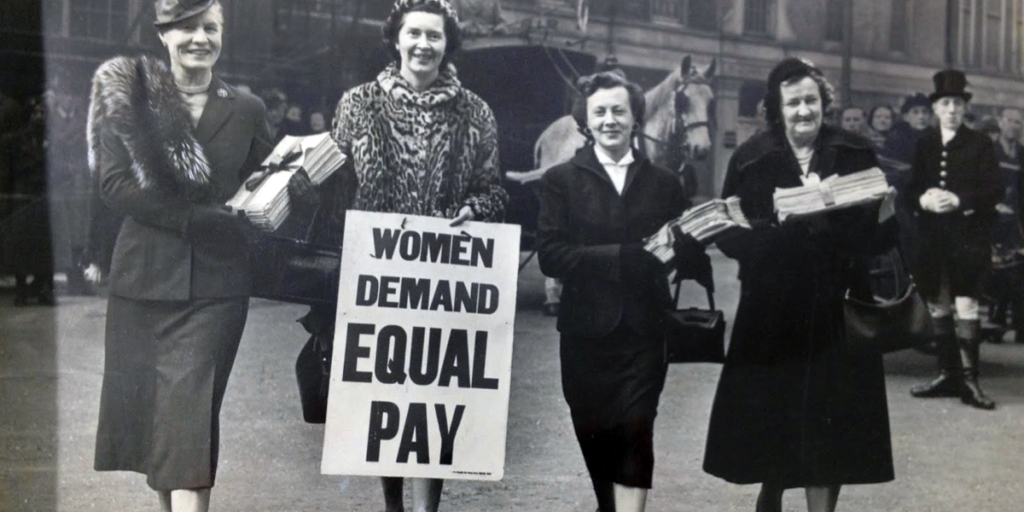
With women’s issues on the forefront of nearly every major news source in America today, and March being Women’s History Month, personal finance site WalletHub released a new study on Monday, detailing the Best and Worst States for Women in 2018. Turns out, Alabama is the 5th worst in the nation when it comes to ranking the most women-friendly states. The state came in 47th place in the nation overall, followed only by Oklahoma, Mississippi, Arkansas, and in last place, Louisiana. WalletHub’s study compared all fifty states and the District of Columbia across 23 key indicators including; unemployment rate for women, share of women-owned businesses, High School graduation rate for women, and women’s life expectancy at birth. Woman-friendliness of Alabama (1= best, 25= avg.): 29th: Median earnings for female workers (adjusted for cost of living) 42nd: Unemployment rate for women 46th: Share of women in poverty 26th: Share of women-owned businesses 47th: High school graduation rate for women 41st: Share of women who voted in 2016 presidential election 32nd: Female uninsured rate 50th: Women’s life expectancy at birth 31st: Quality of women’s hospitals 24th: Women’s preventive health care Perhaps one of the reasons for these rankings is the supreme lack of women’s representation in the Alabama Legislature. Although our governor is a female, currently only 15 percent of Alabama legislators are women. “It’s sad that we are 52 percent of the population, but we hold so few state legislative seats,” Birmingham-Democrat Sen. Linda Coleman-Madison, told AL.com. Se is one of the four females occupying a seat in Alabama’s 35 member Senate. With a bevy of women running for state office, if there was ever a year for things to change for women in Alabama, it’s 2018 According to Steve Flowers, the 2018 election year might just be the year of the woman in Alabama politics. “Currently, Kay Ivey is the favorite in the governor’s race. Twinkle is the favorite in the Lt. Governor’s race. Alice Martin or Troy King is favored in the Attorney General’s race. If you made me bet right now, I would bet that Alabama would at least have a governor and Lt. Governor that are women,” opined Flowers. Here’s a look at how Alabama compares to the rest of the country: Source: WalletHub
David Steward: Trooper shortage is a matter of life and death
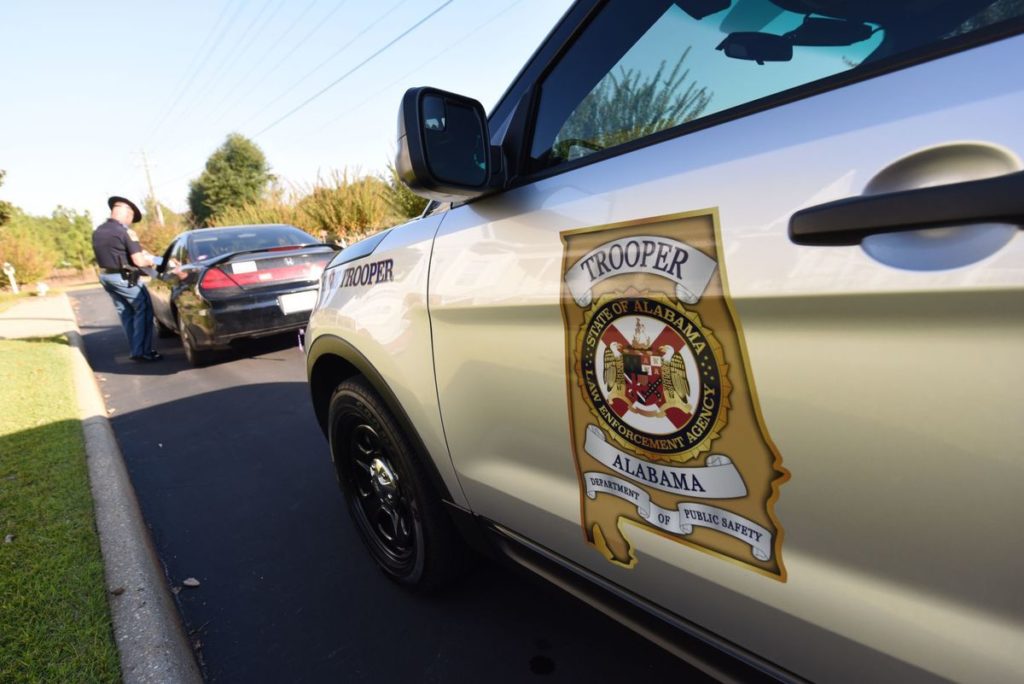
Between late 2010 and the end of 2014, the state of Alabama did not hire a single state trooper. Despite this freeze, we still had over 400 state troopers. Now we have less than 300. That leaves us over 700 men and women short of the number that we need (1,000) according to the Center for Advanced Public Safety at the University of Alabama. In fact, since that hiring freeze, trooper levels have dipped 22% further. The year before the freeze there were 333 fatal accidents on Alabama roads. Last year there were 848. That’s a 155% increase in roadway fatalities. After spending the last 21 years as a state trooper, I can assure you there’s a clear correlation between those numbers. There is no question that more troopers on the road deter accidents and saves lives. Response times can be measured in hours, not minutes in rural counties. Many times troopers are handling multiple counties, covering hundreds of miles. Ideally backup is a few minutes away, but at current levels, it could be 45 minutes or more. We’ve reached a point in staffing where it’s no longer just a safety concern for the people we serve, it’s a safety concern for our officers. The force continues to grow older with a shrinking applicant pool to replace them. Many in our current force are eligible for retirement or will be soon. Without the ability to offer competitive salaries and benefits, those pools will continue to shrink. It’s not just a manpower shortage, resources are scarce as well. Troopers head out onto the highways in cruisers that are past their useful life, with equipment that needs to be replaced. Safety concerns are exponentially compounded when you’re understaffed and under-equipped. Alabama doesn’t have unlimited funds, but the state is in a very different economic situation than we were in 2010. The unemployment rate has hit record lows, the economy is growing, and the state budgets are in better shape than they’ve ever been. One of the primary functions of Government is protecting its citizenry and that begins with a properly funded state police unit. This notion was borne out in a recent survey of Alabamians. 75% of respondents believe a lack of Troopers is leading to unsafe roadways. 75% also think Troopers should receive more funding, even if it means making other cuts in the budget. The decision to serve the people of this state was an easy one, but the job can be anything but. Our current funding level makes it nearly untenable. Alabama has a long history of unwavering support of our first responders. Please encourage your lawmakers to continue that tradition. ••• David Steward is the President of the Alabama State Trooper Association.
Complaint filed against key PAC in Alabama Senate race

A complaint alleging federal campaign finance law violations has been filed against a super PAC that spent heavily to support Sen. Doug Jones in Alabama’s U.S. Senate election, but did not disclose donors until after the election. The nonpartisan Campaign Legal Center on Monday filed the complaint against Highway 31 super PAC with the Federal Election Commission. The complaint alleges Highway 31 failed to report donors by using a scheme where the PAC received credit from vendors. Highway 31 spent $4 million in the 2017 Senate election. Many of its spots and mailers focused on accusations against sexual misconduct allegations against Moore. It was disclosed after Jones’ victory that the PAC received much of its money from the Senate Majority Pac, which works to elect Democrats. Republished with permission of The Associated Press.
More civil rights groups support appeal in voter ID lawsuit
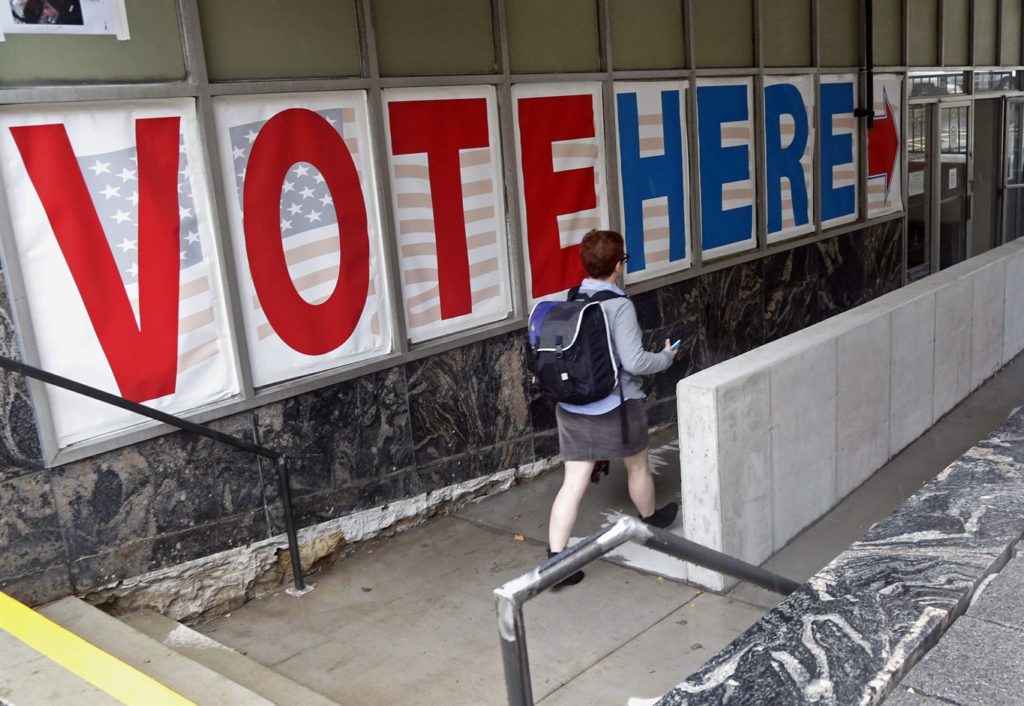
More civil rights groups are challenging a federal judge’s ruling that an Alabama voter ID law is not discriminatory. Alabama has required voters to present government-issued photo identification since 2014. The Alabama NAACP and Greater Birmingham Ministries sued over the law in 2015, arguing that it disproportionately affects minorities. U.S. District Judge L. Scott Coogler ruled in favor of the state in January. He concluded that the state helps voters get IDs and Alabama Secretary of State John Merrill offered a mobile service to make home visits. The plaintiffs appealed the ruling on Feb. 21. The ACLU of Alabama, ACLU Voting Rights Project, Lawyers’ Committee and Campaign Legal Center submitted a brief in support on Thursday. Plaintiffs are asking for a rescheduled trial before the state’s primary elections in June. Republished with permission from the Associated Press.
UA settles lawsuit pledging resources, policy changes for sexual assault victims

The University of Alabama has reached a settlement agreement in a lawsuit filed on behalf of Megan Rondini, a former student who killed herself after reporting a sexual assault as a student. The University, along with Megan’s parents Michael and Cindy Rondini, issued a statement Tuesday announcing the settlement. Going forward, the university announced they will continue to work to eliminate sexual misconduct, and in the event it does occur, provide support to the victims and hold the perpetrators accountable. Per the settlement, in Megan Rondini’s honor, the University is undertaking the following: The University has committed $250,000 to the Tuscaloosa SAFE Center, Inc. to provide facilities and services to aid and support victims of sexual assault. Additionally, University representatives are taking a key role in supporting the Tuscaloosa SAFE Center and building strong partnerships that will ensure its success. The University currently has several programs to address issues associated with sexual misconduct. The University regularly assesses the programs and efforts in place to eliminate sexual misconduct from the campus community and to provide assistance to those who may be affected by alleged sexual misconduct. In furtherance of that, the University is committing an additional $150,000 by the end of 2019 to continue its efforts to add personnel to its team of employees dedicated to addressing issues associated with sexual misconduct. The University is continually exploring new strategies and innovative technology that will enhance reporting systems and provide important data to the University so that it can better understand campus trends related to sexual misconduct. Over the next five years, the University will contribute a total of $50,000 in a scholarship named after Megan Rondini. The scholarship will give preference to students focusing their studies at the University on biological sciences, veterinary studies, and/or STEM/MBA and a desire to promote gender equity in those fields. The University will posthumously award Megan Rondini a magna cum laude B.S. degree with an accompanying certificate from the University’s Honors College dated May 2018. The lawsuit is still pending and will proceed against T.J. Bunn and two investigators.
Martha Roby: Honoring the legacy of America’s pastor
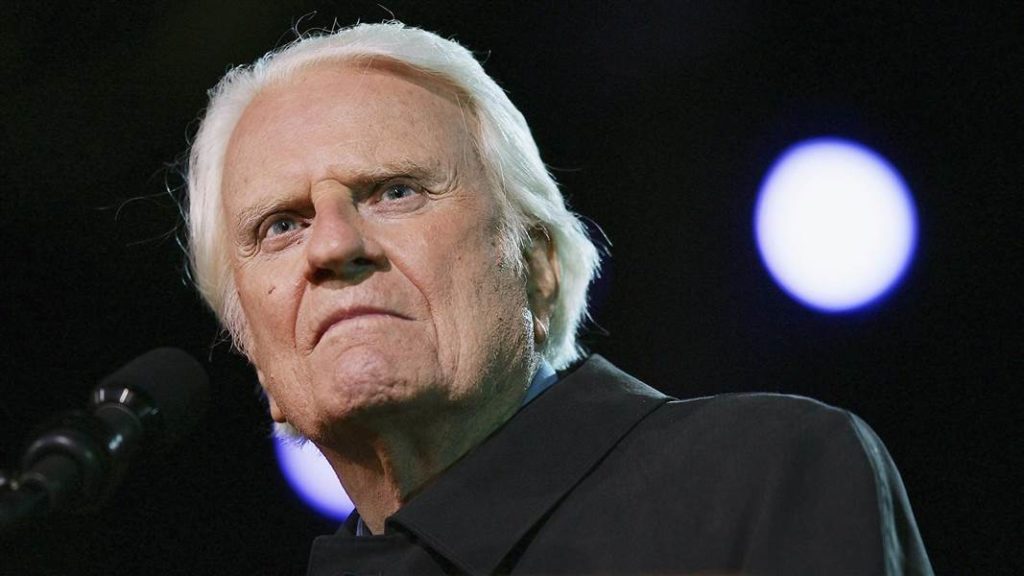
Reverend Billy Graham, known by many as “America’s Pastor,” passed on from this life on February 21, 2018. Americans honored his life and legacy as he lay in honor in the Rotunda of the United States Capitol building. It was truly remarkable how many individuals and families traveled from all across our great country to participate in this celebration of Reverend Graham’s life. Reverend Graham spent his life witnessing – in person – to an estimated 215 million people in 185 countries, not to mention the countless lives he touched through those who watched him on television and listened to him on the radio. From 1947 to 2005, Reverend Graham led roughly 417 crusades using his talents and convictions to bring others to Christ. He was loved by many throughout the world and appeared on Gallup’s poll of most admired men and women every year since they first asked this question in 1955. Lying in honor or lying in state is a rare act of recognition granted to especially noteworthy citizens or public officials after they pass on from this world. The person’s casket is placed in the rotunda of the Capitol building for public viewing so that Americans and people from across the world have the opportunity to pay their respects. Reverend Graham was the fourth private citizen in our nation’s history to lie in honor – he was preceded by Ms. Rosa Parks in 2005. Reverend Graham created a remarkable history with stops in Alabama throughout his career. In 1962, he stepped off a plane in Huntsville to lead his first crusade in our state where he spoke to a crowd of 35,000 people. A couple of years later, after the horrific Birmingham church bombing, Reverend Graham returned to Alabama and held his 1964 Easter rally at Legion Field. During this tragic time of uncertainty, he offered a message of hope to more than 35,000 Alabamians. The following year, after the attacks during the landmark march from Selma to Montgomery, President Lyndon B. Johnson asked Reverend Graham to visit Alabama yet again. He accepted this invitation and led crusades at Auburn University, the University of Alabama, Tuskegee University, and he also made a stop in Dothan. Throughout these crusades, Reverend Graham had a single mission: to bring all people together regardless of race, social status, occupation, background, or faith, to hear the word of God. Reverend Graham knew what he believed and why he believed it – and he truly lived out his faith through his exemplary life. His message was not for one select group, but for every man and woman from every walk of life. Reverend Graham’s voice touched millions, whether at Sunday services in his Charlotte, North Carolina, church, a rally in an Alabama stadium, a military base overseas, or on the home televisions of many families all over the country. I believe the many personal stories and experiences that have been shared after Reverend Graham’s passing are a true testament to his character and the impact he had on our country and throughout the world. America’s Pastor was certainly a good and faithful servant, and I’m confident his legacy will continue to shine through the lives of the many, many people he inspired. ••• Martha Roby represents Alabama’s Second Congressional District. She lives in Montgomery, Alabama with her husband Riley and their two children.
Personal experiences build UA students’ strong connections with Miracle Families

By: Bryant Welbourne | University of Alabama Jack Ebersold and his family know firsthand what it’s like to spend countless hours, days and weeks in a children’s hospital. The Downers Grove, Illinois, native was born eight weeks early and spent the first month of his life in a children’s hospital. “I owe my life to those doctors and nurses who took care of me as an infant,” said Ebersold. “I’ve always wanted to find ways to support families who are in a similar situation.” As a freshman at the UA Dance Marathon, Ebersold came across the UA Dance Marathon table at Get On Board Day. Given his personal experience and knowledge of Dance Marathon groups at other universities, he knew he wanted to get involved. Today, the senior marketing major is director of UADM and recently participated in his last Main Event, the culmination of UADM’s year. “When I arrived at UA, I wanted to dive in and get involved in the community because the community gives so much to the university,” said Ebersold. “The community culture here is special and it’s easy to relate to it, no matter where you come from.” UADM is a student-led organization that provides support to the children and families undergoing treatment at the Children’s Miracle Network Hospital at Children’s of Alabama in Birmingham. Events are held throughout the year to raise money. Over the past year, UADM raised $341,000 for the families. More than 1,000 UA students participated in the 13.1-hour-long Main Event dance marathon held at UA’s Ferguson Student Center on Feb. 17. But UADM is about more than just financial support. Aside from fundraising, each member of the UADM executive committee adopts a Miracle Family that receives emotional support and encouragement from the student and organization throughout the year. During his time as director, Ebersold has worked to increase the number of families adopted by UADM. The organization adopted 19 Miracle Families this year, which is seven more than last year’s number. “It’s important for us to support the Miracle Families during their entire journey,” said Kaitlin Burnash, UADM’s director of family relations. “We go to the kid’s appointments at the hospital and attend their birthday parties so we can celebrate all of their big moments.” Like Ebersold, Burnash has a special connection to UADM’s cause. Two of her childhood friends spent time in children’s hospitals. Those experiences pushed Burnash to not only get involved with UADM at the end of her freshman year, but also spend the last three summers working at a summer camp for children with serious and terminal illnesses. “I’ve been fortunate enough to meet hundreds of amazing families who are on the same journey as our Miracle Families,” said Burnash. “Those experiences have made me really passionate about what we can do to make a difference in their lives.” UADM holds several events for Miracle Kids throughout the year, including a trick-or-treat parade, Christmas toy drive and other fun experiences. But Burnash explains that the organization works to also be there for the families during unsettling times. “When our kids have three-month cancer scans, one of our committee members will go to the Ronald McDonald House the night before and just hang out with the families,” said Burnash. “The parents get really stressed out, but we want to provide a relaxing presence to keep the parents and child focused on something else and make it a positive experience.” The relationships built between UADM members and Miracle Families have proven to be unique, strong and mutually beneficial. Burnash is living proof of the impact these bonds can have on a student. After graduation, the senior from Walnut Creek, California, plans to apply for medical school to pursue a career as a pediatric oncologist. This story originally appeared on the University of Alabama’s website.
