
Enough already! Trump is not responsible for bombs
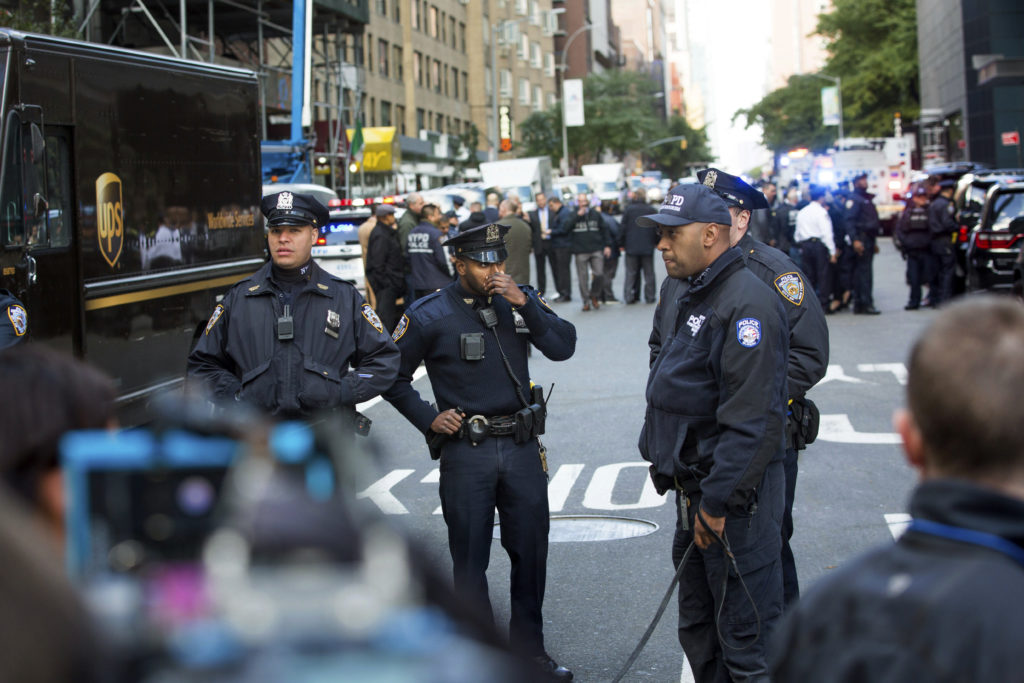
The world is reacting to news that four bombs have been found within the last 36 hours starting with George Soros‘ house, Barack Obama‘s, Hillary Clinton‘s and now at CNN. It’s a scary time for national politics but a good time to reflect on who we want to be as a nation. Are we going to be Americans in a time of crisis or are we going to be partisans? For many the answer is clear. It didn’t take long for the finger-pointing to begin and, in keeping what has become an alarming trend, those who object to him personally, his presidency and his policies Donald Trump is shouldering the blame of other’s actions. Twitter is on fire as I type this with the hashtag #MAGABomber trending. For real, people? Come on. Here’s Thursday’s #bombthreat cartoon in @TorontoStar #magabomber pic.twitter.com/im9ySYdGG9 — Theo Moudakis (@TheoMoudakis) October 24, 2018 “In these times we have to unify, we have to come together.” –@realDonaldTrump True enough. But the irony of those words, amid the hale of incendiary rhetoric he has offered on a daily basis, is truly stunning. — David Axelrod (@davidaxelrod) October 24, 2018 Never mind that there are and have been since the beginning of time radical, extremists with all political perspectives it took no longer than the first series of reports to come in this morning before talking heads and candidates alike started pointing fingers and assigning blame. Republicans and Democrats alike have seen their share of people who would use violence as a means of communicating ideas and/or terrorizing those who don’t share their views. Pointing fingers at anyone who didn’t build the bombs at the moment is just a giving the terrorist what they want. What we need to do now is answers. What we need now is solidarity as a nation. What we need now is to make sure there are no additional bombs out there. As a nation we should be loudly, and decisively reiterating that hate and violence have no place in politics. It has really genuinely been a crazy time in politics as of late. From the shooting at the Congressional baseball practice, to violence in Charlottesville. In Charlottesville, we became more aware as the general public about not just the extremism of white supremacists, who should be decried, shamed and held accountable for any actions they take in the name of their hatred, but also of Antifa, the leftist organization that also promotes violence and shows up just as frequently in recent days. We need to realize these extremes on both sides are not indicative of the people in the middle and that most people are in fact in the middle. Rather than use the perpetrators hate to divide us further we should use this time to rally around the greatness of our nation and the freedoms that we hold dear. Rather than pick fights on social media with strangers we should help those who need it, we should come together and we should make it clear that we stand united. First and foremost we are American’s not partisans and today and right now we should remember that and act accordingly.
Ivey should support a state lottery, then play it: she’s one lucky lady
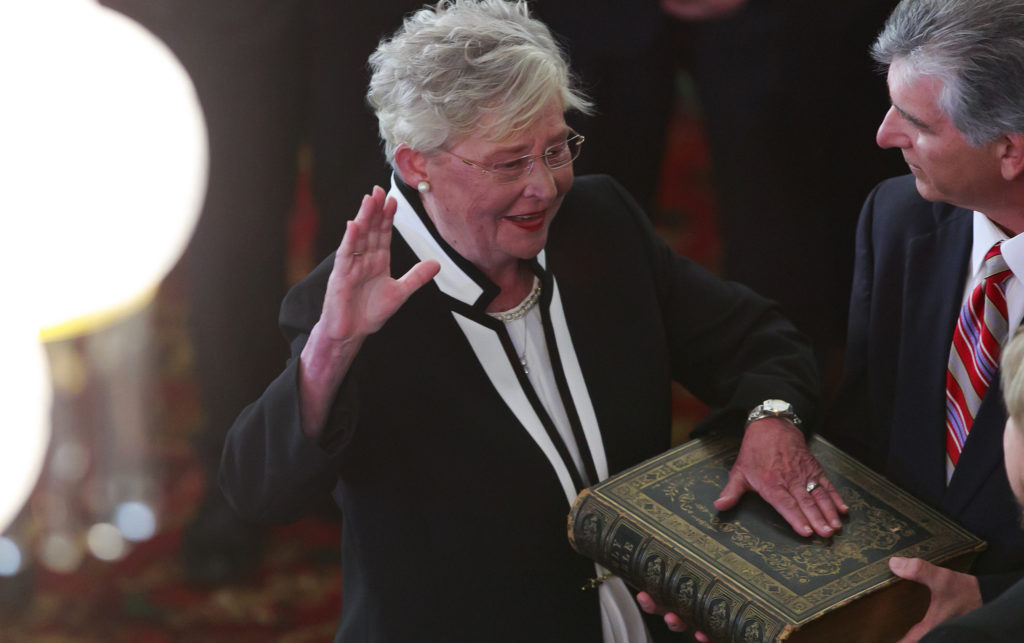
The fact is Kay Ivey likely would not have been touchable at all this election cycle by anyone in the state; her popularity is just that high. People were so ready for Governor Robert Bentley to be gone by the time he finally resigned that Ivey’s quiet and calm demeanor have been a God-send. His failures, personally and professionally, made her one lucky woman who slipped into the governor’s race with ease. Her luck continued when her primary race was anything but a race. That luck for her however might have cost the rest of us. If she had drawn a true challenge, if her primary opponents had taken the time to do the same level of opposition research that Walt Maddox has started pushing out in the last two weeks then maybe she could have been forced into a debate or at least some have a reason to rethink the direction of her office, the way its been run since her days as Lt. Governor and the way it is being run now. The steady drip of information, documents, and statements against and about her and her staff have been damning. The questions posed aren’t about partisan politics or even the election; they go right to the heart of the type of administration Ivey is running versus the type she has repeatedly promised the state to run. Let’s look at the questions we’re left with at the moment based on just the three stories reports coming from the Maddox campaign. Imagine if they had come from a Republican instead while conservative voters were paying attention: Did Ivey and her staff lie to the media and public about her Colorado hospitalization? Did Ivey and her Chief of Staff Steve Pelham have a state trooper reassigned for his refusal to lie and/or cover up the events of Colorado? Did the governor and her staff purposefully evade public records laws by using personal email addresses for state business while she was LG? Are they still using these email addresses? Who set up the governor’s fake (alias) email address and when and how much state business has been conducted using said email? What budget transfers have been made beyond the transportation to court diversions that the Maddox campaign highlighted today? The people of Alabama deserve more answers and accountability than what we’re getting right now. Luckily for Ivey and her team they can point to these reports as election shenanigans and most of the base will see that the questions are a result of Maddox releases and dismiss them based on that. Again, that Ivey luck. I don’t think we’re going to get full answers with defensive staff who are more interested in protecting their power and her reputation than the people. When Ivey took over from disgraced Robert Bentley, she promised accountability and transparency. In the last week and a half, the Walt Maddox campaign has brought forth questions that I hope lead to: a new way of doing business in the Governor’s office, some serious internal investigations and some true changes. Will it? That remains to be seen but it’s going to take more than Maddox raising the questions to get there so here’s looking at you conservatives who turned a blind eye and a deaf ear to the Bentley scandals until it was too late. Will you call on Ivey to make real changes and give real answers or will you just sit back and wait for the inevitable train wreck that’s coming?
Daniel Sutter: Sustainable solar energy
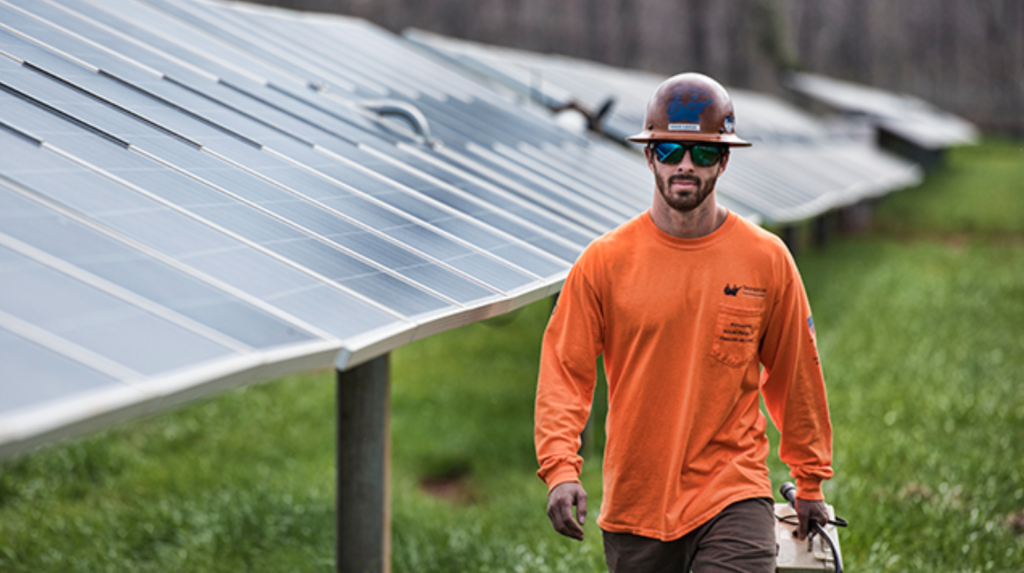
Oregon recently took back $13 million in tax credits awarded to SolarCity based on inflated costs reported on 14 solar projects. This is just the latest in a long series of legal issues for renewable energy companies. Our governments have encouraged solar and wind energy through tax credits, subsidies from tax dollars, and mandates. But perhaps letting markets and entrepreneurs work might be a better way to develop renewable energy to truly benefit America. One billion in tax dollars were spent on Oregon’s Business Energy Tax Credit program, which the state’s Department of Energy badly mismanaged. SolarCity (now part of Tesla Motors) was allowed to report costs far in excess of amounts paid for the 14 projects, receiving tax credits which were then sold to businesses with tax liabilities. Selling tax credits is a common practice; the legal concerns arose from the overstated costs. Unfortunately, this sounds like yesterday’s news. In 2017, SolarCity paid almost $30 million to the U.S. Treasury for employing the same accounting move rejected by Oregon. Solyndra received $535 million in Federal loan guarantees and was prominently promoted by the Obama Administration before going bankrupt in 2011. The U.S. Department of Energy Inspector General concluded that Solyndra officials deliberately overstated sales to secure the loan guarantees. And this year, solar panel installation company Legend Solar, which ranked 27th on Inc. magazine’s list of top startups for 2016, has failed to deliver new panels for customers or perform repairs on panels under warranty. Do these cases mean anything other than that some shady characters have run some solar power companies? I think so. First, government subsidies and mandates likely slow the detection of poor quality and fraud. Customers (which might be businesses themselves) provide the main line of defense against fraud. Homeowners who paid deposits for Legend Solar’s panels, for example, alerted state officials. And yet customers subsidized by tax dollars or forced by rules to use solar power may not discipline a failure to deliver products of expected quality. More significantly, subsidies and mandates may adversely impact technology. The transcontinental railroads illustrate the potential danger. In 1869, the Central Pacific and Union Pacific Railroads met in Utah, with a golden spike symbolically linking the nation. The transcontinental railroads were mostly built with generous government subsidies and large land grants and were an economic waste. The subsidized railroads went bankrupt and had to be rebuilt. Only, the Great Northern Railway built by entrepreneur James J. Hill without government subsidies, avoided bankruptcy. Government assistance affected railroad construction. The subsidized railroads were built on steep grades through the mountains, making the hauling of trains very costly; Mr. Hill selected more favorable grades and invested in spur lines to collect freight from surrounding communities. As economic historian Burt Folsom explains, this should come as no surprise. The Union Pacific and Central Pacific were in the business of collecting government subsidies, not railroads; they laid track to collect handouts, not to create a profitable business. The interjection of politics could additionally affect the individuals who become entrepreneurs and start businesses. As my Johnson Center colleague G. P. Manish and I explored in a 2016 paper, many of America’s great market entrepreneurs appear to have been motivated by what psychologists call the mastery motive, meaning the desire to excel at tasks; making money was almost secondary. Each purchase of a product by consumers in the market validates entrepreneurs’ desire to know they have mastered their business. Politicized markets offer a very different form of validation and may draw a very different set of entrepreneurs into an industry. From the energy shortages of the 1970s to concerns over fossil fuels’ greenhouse gases, politicians have seemingly had good reasons to encourage renewable power. Economically viable renewable energy would be a boon for America but will require solar and wind systems capable of creating value, not merely collecting government subsidies. Perhaps government should step aside and let market entrepreneurs develop renewable energy in an economically sustainable manner. ••• Daniel Sutter is the Charles G. Koch Professor of Economics with the Manuel H. Johnson Center for Political Economy at Troy University and host of Econversations on TrojanVision. The opinions expressed in this column are the author’s and do not necessarily reflect the views of Troy University.
How to get an absentee ballot in Alabama before the Nov. 1 deadline
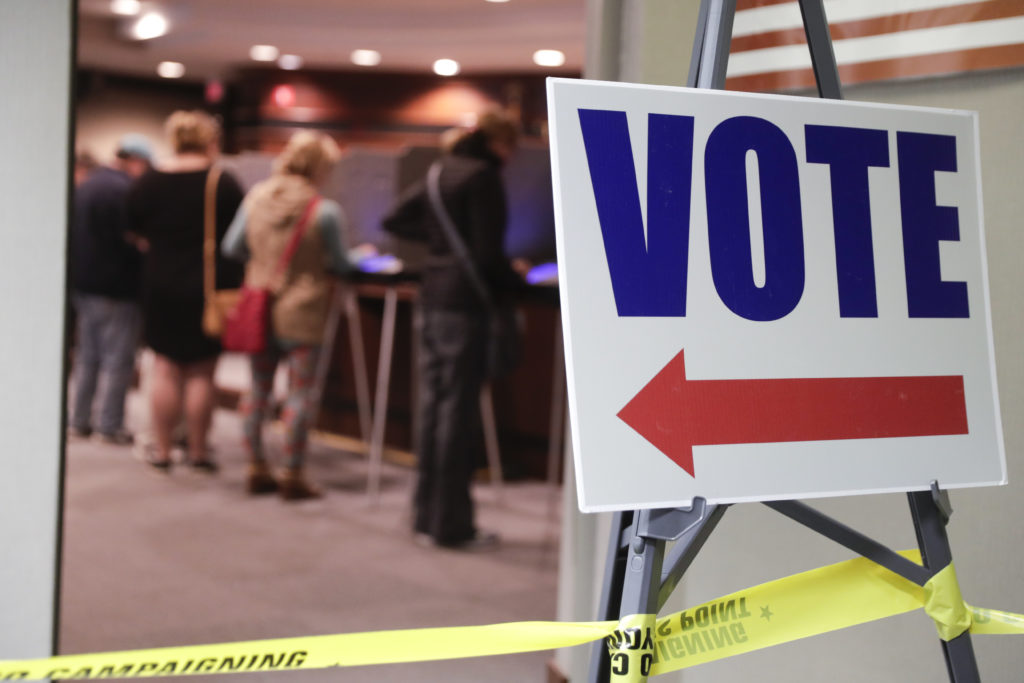
If you’re going to be out of town or otherwise unable to go to the polls on Election Day, you still have the ability to cast a vote in the Nov. 6 election — you just need an absentee ballot. Alabamians have until Thursday, Nov. 1 to request an absentee ballot to ensure their voice is heard. But not any excuse for skipping the polls will qualify you for an absentee ballot. According to the Secretary of State’s office, a voter may vote absentee if he or she: WILL BE ABSENT FROM THE COUNTY on election day IS ILL OR HAS A PHYSICAL DISABILITY that prevents a trip to the polling place IS A REGISTERED ALABAMA VOTER LIVING OUTSIDE THE COUNTY, such as a member of the armed forces, a voter employed outside the United States, a college student, or a spouse or child of such a person IS AN APPOINTED ELECTION OFFICER OR POLL WATCHER at a polling place other than his or her regular polling place WORKS A REQUIRED SHIFT, 10-HOURS OR MORE, that coincides with polling hours Voters can make application in person if they prefer and gain access to an absentee ballot that same day. If submitting an application by mail, voters can download and complete the form at alabamavotes.gov. Nov. 5 is the last day for voters are eligible to hand-deliver or postmark an absentee ballot to the Absentee Election Manager’s office in each county. A link to those county offices may be found here.
Alabama politicians react to bombs sent to Hillary Clinton, Barack Obama, CNN
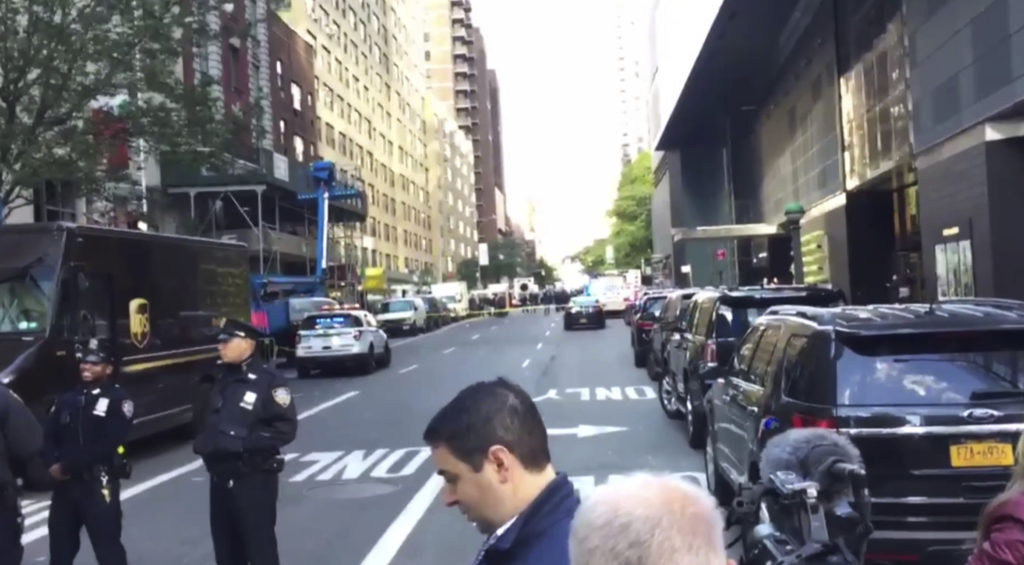
The New York Times is reporting that two bombs have been discovered in mail sent to former secretary of State Hillary Clinton and former president Barack Obama. An additional bomb was also sent to the Time Warner building in New York City where CNN is located. Here’s what Alabama politicians are saying: 7th District U.S. Rep. Terri Sewell: Violence, and encouraging violence, is never OK. Not against Republicans, not against Democrats, not against journalists, not against anyone. As a country, we have to be better than that. 1st District U.S. Rep. Bradley Byrne: Deeply troubled by reports of suspicious devices sent to various locations around the country. As we await more information, my prayers are with those impacted and the first responders. Those responsible should be held accountable to the full extent of the law. Former State Rep. Jack Williams: Sending a bomb in the mail is a terrorist act – no matter your political persuasion. No clue who is behind sending these to the Clintons, Obamas, Soroses or CNN but I hope they go to jail for life. This is why calls for violence, harassment and incivility are so dangerous. Unstable and/or evil people seize on the opportunity to do wrong things. Hopefully those responsible will be caught and we can turn the page on this time of absolute insanity in our country. U.S. Sen. Doug Jones (via AL.com) I can tell you that there was a bomb that exploded in Birmingham in 1963 that killed four girls because (former public safety commissioner) Bull Connor and (former Governor) George Wallace said things that empowered them… We don’t need to encourage people and say great things about congressional people who beat up or slap a reporter or encourage someone to rough somebody up. People in today’s world in social media can just take things the wrong way and take things too far. I think we, as public officials, need to be very conscious of that.
Ballot initiatives buck legislatures in GOP-leaning states
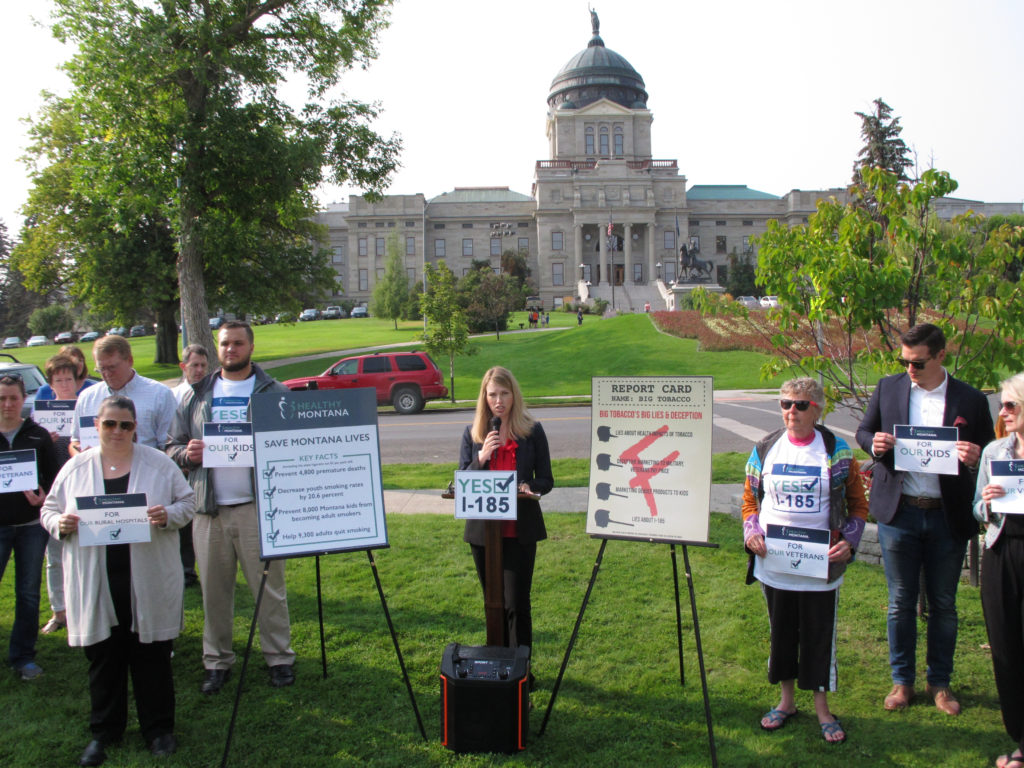
Marijuana legalization. An increase in the minimum wage. Expansion of Medicaid. Come Election Day, voters in a batch of Republican-dominated states will weigh in on these and other liberal or centrist proposals that reached the ballot after bypassing state legislatures. Pushed forward via signature-gathering campaigns, these measures offer a chance for voters to do things their GOP-run legislatures oppose. Many are considered to have a good chance of passage. In four of the states — Florida, Missouri, Montana and North Dakota — the ballot measures might have some effect on closely contested U.S. Senate races. Even a slight boost in turnout among liberal-leaning voters could help Bill Nelson, Claire McCaskill, Jon Tester and Heidi Heitkamp, the endangered Democratic incumbents in those states. Missouri is notable this year for having three left-leaning proposals on its ballot — raising the minimum wage, legalizing marijuana for medical purposes and changing the congressional redistricting process so that it is potentially less partisan. The minimum-wage measure might have special appeal to low-income voters from Kansas City and St. Louis, where efforts to raise pay locally were thwarted by the Legislature last year. Among those dismayed by the Legislature’s move was the Rev. Starsky Wilson, who heads a social services foundation in St. Louis. He also co-chaired a commission that investigated economic and social inequality after the racial unrest provoked by the 2014 killing of Michael Brown by a police officer in Ferguson. “When the Legislature pre-empted, it showed what lengths folks will go to thwart the will of the people,” Wilson said. “These were unfortunate actions of some legislators who don’t seem to care about the poor and also don’t seem to care about democracy.” Most of the financing for the minimum wage campaign has come from a Washington-based liberal organization, the Sixteen Thirty Fund, which has backed campaigns in other states. The wage increase is opposed by Associated Industries of Missouri and the Missouri Chamber of Commerce and Industry, which say it will raise the cost of doing business and possibly reduce the number of entry-level jobs. However, more than 350 Missouri businesses have announced support for the increase. The measure would gradually raise the state’s $7.85 minimum wage to $12 an hour, starting with a boost to $8.60 in January. St. Louis Mayor Lyda Krewson said that the current wage is not high enough and that even the bump in January might not do much for many minimum-wage workers. “But it’s a move in the right direction,” she said. St. Louis had raised its minimum to $10 an hour before the legislature banned local governments from setting wages that were higher than the state’s. Dave Robertson, a political science professor at the University of Missouri-St. Louis, said the ballot measures might have only a marginal effect on turnout. “That said, the marginal votes could make a huge difference in the Senate race because everyone expects it to be dead even,” he said, referring to McCaskill’s effort to repel a strong challenge from Republican Attorney General Josh Hawley. Aside from Missouri, other GOP-controlled states with liberal- or centrist-backed measures on the ballot include: Arkansas, to raise the state minimum wage from $8.50 an hour to $11 by 2021. Idaho, Nebraska and Utah, to expand Medicaid coverage to more residents. Montana, to raise tobacco taxes to extend an existing Medicaid expansion. North Dakota and Michigan, to legalize recreational use of marijuana, a step already taken by nine other states. Utah, to legalize medical use of marijuana. Michigan and Utah, to change the redistricting process, an issue also on the ballot in swing-state Colorado. Florida, to restore the right to vote for most people with felony convictions upon completion of their sentences. The proposed constitutional amendment needs the support of 60 percent of voters to prevail; if that happens, an estimated 1.4 million Floridians could regain the right to vote. The Democrats in Florida’s two highest-profile election contests support the amendment — gubernatorial candidate Andrew Gillum and Bill Nelson, who is seeking a fourth term in the U.S. Senate. Nelson’s GOP opponent, Gov. Rick Scott, opposes the amendment, as does Ron DeSantis, the Republican seeking to succeed Scott as governor. Daniel Smith, a University of Florida political science professor, said public support for the amendment appears to be strong, possibly providing a modest boost to Gillum and Nelson. “It’s not going to help the Republicans at all,” Smith said. “Will it help the Democrats? It could, at the margins.” The partisan pattern is reversed in two Democratic-leaning states, Oregon and Massachusetts, where conservatives are using the initiative process in a bid to overturn existing state policy. The target in Massachusetts is a 2016 law extending nondiscrimination protections to transgender people in their use of public accommodations. Conservatives in Oregon are targeting two policies — one that allows use of state funds to pay for low-income women’s abortions, the other forbidding law enforcement agencies from using state resources or personnel to arrest people whose only crime is being in the U.S. illegally. Craig Burnett, a political science professor at Hofstra University, views the initiative process as a valuable tool for citizens disenchanted with their legislature. “If it’s legislating much too far from where the people are in any direction — conservative or liberal — the initiative is one way to move it back to where the people are,” he said. In all, there will be 157 measures on the Nov. 6 ballot in 37 states. As usual, most of the measures were placed on the ballot by state legislatures; there are 65 measures resulting from citizen campaigns. In some states, initiatives have met with strong resistance, either from the legislature or powerful interest groups. In Arizona, after a six-day strike by tens of thousands of teachers, they and their allies gathered enough signatures to place a measure on the ballot that would boost school funding by raising taxes on the wealthy. The Arizona Supreme Court blocked the initiative after the state’s Chamber of Commerce and others
Birmingham City Council vote over District 7 appointment ends in deadlock
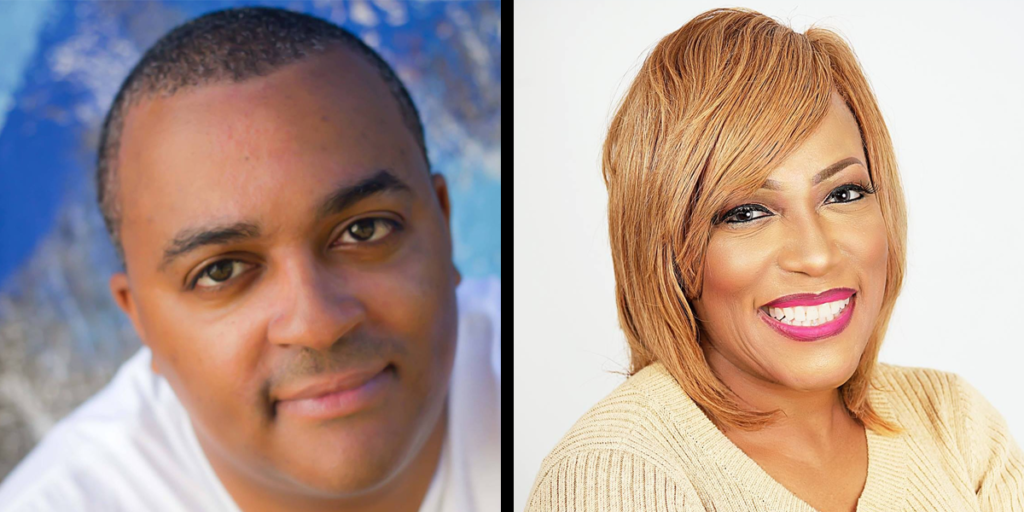
The Birmingham City Council on Tuesday found itself in a deadlock over an appointment to fill the District 7 seat vacated by Jay Roberson in August. After hearing from District 7 residents, the council cast their votes. Former city council candidate Lonnie Malone received votes from Councilors John Hilliard, Lashunda Scales, Sheila Tyson and Steven Hoyt voted for him. Meanwhile, Councilors Valerie Abbott, William Parker, Hunter Williams and Darrell O’Quinn voted for Wardine Alexander, the former Birmingham Board of Education president. In an effort to move past the deadlock, the voted again and remained with a 4 to 4 tie, and the Council voted to delay the agenda item until next week. Last week, Councilors interviewed the 11 candidates who applied for the District 7 seat. Prior to being interviewed, two of the original 13 applicants took their names out of the running for the position. Before Tuesday’s vote, five people who completed the interview process were nominated including Alexander and Malone, as well as Charles Crockrum, Raymond Brooks and Walter Wilson. President Pro Tem The Council was also slated to discuss the an appointment of a Council President Pro Tem. While Councilor Hoyt nominated William Parker, Councilor Scales did not want to vote until District 7 was represented. “If we do not have a person appointed to District 7, I think that it would be unfair of us to appoint someone right now. They will have to work with the Pro Tem. I think this item is improperly before us,” Scales said. Appointment of a President Pro Tem has also been delayed.
Birmingham City Council meeting highlights: Oct. 23, 2018
During the Birmingham City Council Meeting on October 23rd, 2018, the City Council voted on the following items: 1. Appointment of a representative for City Council District 7 due to the resignation of Councilmember James “Jay” Roberson. An election to fill the vacancy of the President Pro – Tempore of the Birmingham City Council for an unexpired term ending on the fourth Tuesday in October 2019. Was this item approved? Delayed One Week What does this mean? After holding two separate votes in an attempt to break the stalemate, the Birmingham City Council’s effort to appoint a replacement for the vacant District 7 seat ended in a 4 to 4 tie. After hearing from District 7 residents, all of whom voiced support for Lonnie Malone, Councilors John Hilliard, Lashunda Scales, Sheila Tyson and Steven Hoyt voted for Malone. Councilors Valerie Abbott, William Parker, Hunter Williams and Darrell O’Quinn voted for Wardine Alexander. Following the second vote that ended in a tie, the Council voted to delay the item until next week. The next item on Tuesday’s agenda was an appointment of a Council President Pro Tem. Councilor Hoyt nominated William Parker after the clerk read the item for consideration. However Scales, insisted that the vote would be improper without someone in place to represent the District 7 residents. Next Steps: For more information, please contact the Office of the City Council at 205.254.2294 2. A Resolution relative to the application of Robin McClain for a Lounge Retail Liquor Class I License to be used at Empire, 100 – 3 rd Avenue North, Birmingham, and the hearing of all interested parties. Was this item approved? Yes What does this mean? Over an hour was dedication to a public hearing involving the business, liquor and dance permits for Empire (formerly Mike’s Crossroads). Community members spoke both for and against the club being reopened. Robin McClain, the wife of the original owner, was listed as the applicant on Tuesday’s agenda. The Council approved the three items associated with Empire 5 to 3 with Hoyt, Tyson and Parker voting no. Councilor Hunter Williams, Chair of the City Council’s Public Safety Committee, listed 7 reasons why the Council can legally not grant such licenses. The creation of a nuisance; Circumstances clearly detrimental to or which would adversely affect the public health, safety, and welfare of the adjacent residential neighborhoods; A violation of applicable zoning restrictions or regulations; An individual applying for the license has a prior conviction involving the use of alcohol or a controlled substance; The proximity of the business to a school or child care facility and the business hours of the operation will create a harmful environment for the children ; The traffic congestion created by licensing the proposed location will endanger others; Any other reason that poses a risk. Next Steps: For more information, please contact the Office of the City Council at 205.254.2294 3. A Resolution authorizing the Mayor to execute a project agreement with The Cooperative Downtown Ministries, Inc. to provide assistance of approximately $1,000,000.00 payable over five (5) years in the amount of $200,000.00 to assist in providing the homeless, or those in need of shelter and assistance with in an effort to end chronic homelessness in the City in accordance with Code of Alabama 1975 §11-96A. Was this item approved? No What does this mean? According to their website, the mission of Cooperative Downtown Ministries, more commonly known as the Firehouse Shelter is “to provide to homeless men, ages 18 and older, in the Birmingham Area a nurturing and caring environment offering supportive services that break the cycle of homelessness and empower individuals to achieve their highest potential.” After a lengthy discussion with representatives from the Firehouse Shelter, the Council voted 4-4, with Councilors Abbott, Parker, O’Quinn, and Williams voting for approval, and Councilors Hoyt, Hilliard, Tyson, and Scales voting against the item. The Firehouse has raised $4.2Million in a capital campaign towards the building of a new, larger facility, and was seeking support from the City of Birmingham to reach their goal. Next Steps: For more information, please contact the Office of the City Council at 205.254.2294 ••• Meeting highlights provided by the Birmingham City Council Public Information office.
Senate slipping away as Dems fight to preserve blue wave
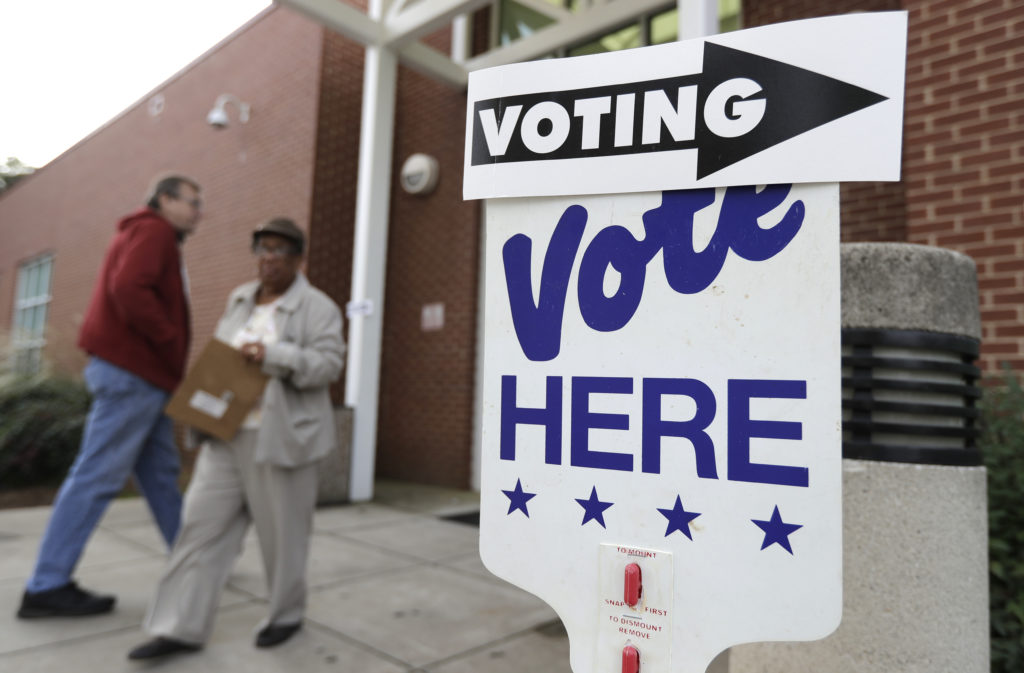
In the closing stretch of the 2018 campaign, the question is no longer the size of the Democratic blue wave. It’s whether there will be a wave at all. Top operatives in both political parties concede that Democrats’ narrow path to the Senate majority has essentially disappeared, a casualty of surging Republican enthusiasm across GOP strongholds. At the same time, leading Democrats now fear the battle for the House majority will be decided by just a handful of seats. “It’s always been an inside straight, and it still is,” Democratic pollster Paul Maslin said of Democrats’ outlook in the Senate, where they need to pick up two seats while holding on to several others in Republican-leaning states to seize the majority. “If it had been a different year, with a different map, we might have had a terrific sweep. That would be a long shot.” While the trend may be troubling for Democrats, the evolving political landscape remains unsettled two weeks before Election Day, even with millions of votes already cast across 20 states. There are signs that the Democrats’ position in the expanding House battlefield may actually be improving. Yet Republican candidates locked in tight races from New York to Nevada find themselves in stronger-than-expected positions because of a bump in President Donald Trump’s popularity, the aftermath of a divisive Supreme Court fight and the sudden focus on a caravan of Latin American immigrants seeking asylum at the U.S. border. Democrats say they never assumed it would be easy. “It’s still much closer than people think, with a surprise or two in the wings,” New York Sen. Chuck Schumer, the top Senate Democrat, told The Associated Press. The midterm elections will decide whether Republicans maintain control of Congress for the final two years of Trump’s first term. Even if Democrats lose the Senate and win the House, they could block much of Trump’s agenda and use subpoena power to investigate his many scandals. Some in the party’s far-left wing have also vowed to impeach the president, while others promise to roll back the Republican tax overhaul and expand health care coverage for all Americans. Democrats have enjoyed an overwhelming enthusiasm advantage for much of the Trump era. They hope an explosion of early voting across states like Florida, Texas and Nevada is further proof of their enthusiasm gap. It took voters in the Houston area less than six hours Monday to set a new opening day record for early voting during a midterm election. And in some Florida counties, two and three times as many voters cast ballots on the first day of early voting Monday compared to four years ago. Public and private polling, however, suggests the GOP is getting more excited as Nov. 6 approaches. “Republican enthusiasm doesn’t quite equal the white-hot enthusiasm of Democratic voters, but the Kavanaugh hearings got it pretty close,” said GOP consultant Whit Ayres. He also attributes the party’s strong position on an unusual Senate map. Democrats are defending 26 seats of the 35 seats in play, including 10 in states that Trump carried in 2016. Ayres calls it “maybe the most Republican-leaning map of our lifetimes.” He expects the GOP to maintain the Senate majority, perhaps adding a seat or two to its current 51-49 edge. Others have begun to envision the GOP picking up as many as four or five new seats. Democrats, meanwhile, have effectively protected their Senate candidates in states across the Midwest — Ohio, Pennsylvania, Michigan and Wisconsin — that helped give Trump the presidency in 2016. They are increasingly pessimistic about picking up any seats, however. The Tennessee Senate contest, in particular, has shifted sharply in Republican Rep. Marsha Blackburn‘s direction in recent weeks, while Democratic pickup opportunities in Arizona and Nevada are now considered toss-ups. In a measure of the deep uncertainty that has defined the Trump era, only one Democratic incumbent — North Dakota’s Heidi Heitkamp — is seen as most in danger of losing. After Heitkamp, Democrats facing the greatest risk of defeat are Joe Donnelly of Indiana, Claire McCaskill of Missouri, and perhaps Bill Nelson of Florida. Texas Democratic Senate candidate Beto O’Rourke has shattered fundraising records and developed a national following, but polls have consistently given Republican Sen. Ted Cruz a significant lead against him. In the race for the House, both sides acknowledge the prospect of a wipeout-style wave is shrinking. It’s not that Democrats won’t be able to wrestle the House majority. But Republican lawmakers are increasingly optimistic, in part because of Trump’s recent performance as the GOP’s campaigner in chief. Republicans say the often-volatile president has been surprisingly on-message during his campaign events, touting the strong economy and doubling down on the Kavanaugh fight to promote his efforts to fill courts with conservative jurists. And while Trump has been criticized by members of his own party for his handling of the case of the death of a Saudi journalist working for The Washington Post, operatives say the matter appears to be having little impact on voters. On a conference call last week, House Majority Leader Kevin McCarthy, R-Calif., urged rank-and-file lawmakers to pony up extra cash and help for tough races. They see hopeful signs in Iowa, Florida and Kansas. Rep. Tom Cole, R-Okla., emerged from the call saying it’s going to be a “dogfight” to the finish. There are signs, however, that Democrats are expanding the House battlefield as Election Day approaches. Republicans in recent days have pumped new money into House districts held by Republicans in Florida, Georgia, Virginia and New York, suggesting they’re on the defensive. Already, Democrats invested in nearly 80 races, including more than a dozen legitimate pickup opportunities in districts Trump carried by at least 9 points. Democrats need a net gain of 23 seats to claim the House majority. The massive battlefield remains a problem for Republicans, who have struggled to match Democratic fundraising and face several first-time candidates not yet tainted by Washington. Still, Dan Sena, the executive director
Steve Flowers: Frank Johnson the Legend and the Free State of Winston
Those of us who are Baby Boomers remember the tumultuous times of the 1960’s. We lived through the Civil Rights revolution. Those of us who grew up here in the Heart of Dixie witnessed the transpiring of racial integration first hand. Most of the crusades and struggles occurred here in Alabama, especially Montgomery. A good many of the landmark Civil Rights court decisions were handed down in the Federal Court in Montgomery. The author and renderer of these epic rulings was one, Frank M. Johnson, Jr. Johnson served as Federal Judge in the Middle District of Alabama for 24 years from 1955 through 1979. Johnson’s judicial decisions brought death threats to him and his family from whites opposed to integration. He was vilified by most white Alabamians at that time and became George Wallace’s favorite whipping boy. Wallace referred to him as a “lying, scalawagging, carpetbagging integrationist.” Frank Johnson, Jr. was born in Winston County in October, 1918. Winston County attempted to stay neutral during the Civil War. It was a Republican stronghold in an overwhelmingly Democratic Alabama. In contrast to the Black Belt planters in South Alabama, the people who settled North Alabama were small farmers. The land they settled on was hilly and not as conducive to growing cotton. Rather than large plantations and slaves, the fiercely independent hill country farmers had 40 acres and a mule. Therefore, when the winds of division between North and South began to blow in the 1850’s, an obvious political difference between North and South Alabamians arose. In 1860 there were only 14 slave owners in Winston County. With the election of Abraham Lincoln, the crucial decision of secession arose. Contrary to what most present-day Alabamians think, it was not an easy unified decision that we should leave the Union. A secession convention was held in January, 1861, in Montgomery. The vote was extremely close. The delegates split 54-46 for secession. The Black Belters from South Alabama were for creating a confederacy of southern states to protect their slave ownership and way of life. The hill farmers from North Alabama preferred to not secede. These North Alabamians voted against secession from the Union at that time. Shortly after the secession convention, citizens of Winston County met at a local establishment, Looney’s Tavern. These yeoman farmers of the hills were obviously reluctant to leave the Union for the cause of the planter and his slaves. Legend has it that on July 4, 1861, the good people of Winston County decided to secede from Alabama and remain in the Union. That is why they are known in Alabama political history and folklore as, “The Free State of Winston.” That same sort of independent streak was a hallmark of the Johnson family who were some of the earliest settlers of Winston County. Judge Johnson’s father served as one of the few Republicans in the Alabama Legislature in the first half of the 20th century. Frank Johnson, Jr studied law at the University of Alabama and graduated at the top of his law school class in 1943. He then distinguished himself as a U.S. Army officer in World War II. He was wounded at Normandy and received the Purple Heart. After the war, he settled in Winston County and began practicing law in Jasper. Although the Democratic Party dominated southern politics, Johnson was a lifelong, Winston County Republican. Therefore, he led the 1952 Dwight Eisenhower campaign for President in the state. After Eisenhower became president, he rewarded Johnson with a federal judgeship. In 1955-1956, shortly after taking his seat on the bench, Johnson became involved in a formative event of the Civil Rights movement. Rosa Parks was arrested for violating a Montgomery ordinance requiring racial segregation on the city buses. In response, the African American community organized a boycott of the bus system and nominated Reverend Martin Luther King as its leader. Johnson ruled that the Montgomery ordinance violated the due process clause of the 14th Amendment. The ruling was the first of many by Johnson which eliminated racial segregation in public accommodations such as parks, libraries, bus stations, and airports during the 1950’s and 1960’s. Johnson’s decisions were legendary and groundbreaking. He became the central defender of Civil Rights in America from his Federal Bench in Montgomery. The Federal Courthouse in Montgomery is now named in his honor. Judge Johnson died in 1999. See you next week. ••• Steve Flowers is Alabama’s leading political columnist. His weekly column appears in over 60 Alabama newspapers. He served 16-years in the state legislature. Steve may be reached at www.steveflowers.us.
