
Did your state rep vote for or against the gas tax? Here’s the full list
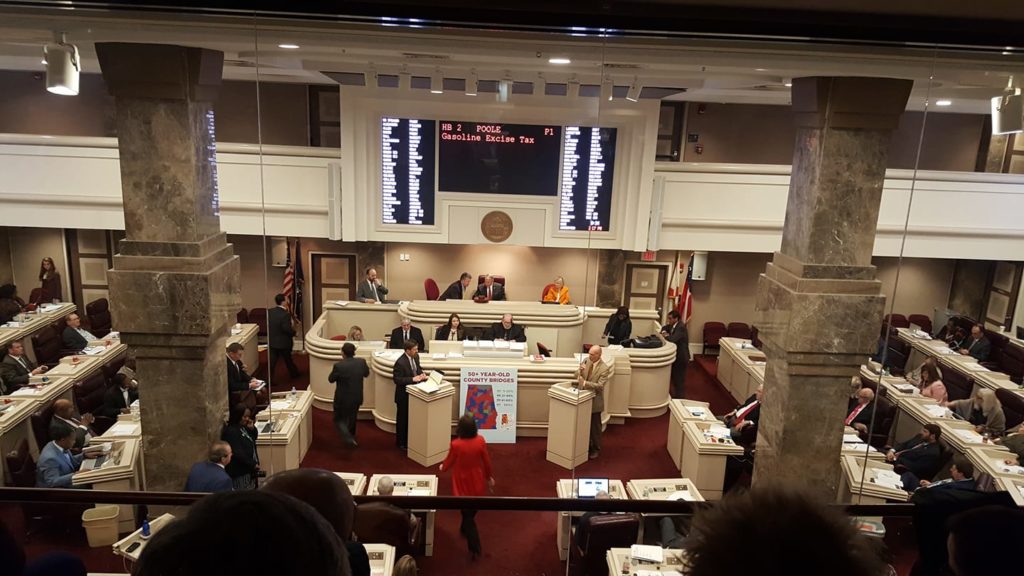
After four-day sprint in special session, the Alabama State House voted 83-20 in favor of Gov. Kay Ivey‘s plan to raise the state’s gas tax by 10 cents as a means to fund infrastructure improvements on Friday. Here’s the full list of who voted for and against H.B. 2, otherwise known as the gas tax bill: Voted in favor of the gas tax Mac McCutcheon Louise Alexander Wes Allen Alan Baker Mike Ball Chris Blackshear Barbara Boyd Napolean Bracy Chip Brown Koven Brown Prince Chestnut Adline Clarke Steve Close Merika Coleman Terri Collins Danny Crawford Anthony Daniels Dickie Drake Barbara Drummond Brett Easterbrook Corley Ellis Chris England Tracy Estes David Faulkner Joe Faust Barry Forte Danny Garrett Victor Gaston Juandalynn Givan Jeremy Gray Lynn Greer Dexter Grimsley Laura Hall Jim Hill Rolanda Hollis Ralph Howard Steve Hurst Reed Ingram Gil Isbell Thomas Jackson Mike Jones Sam Jones Wes Kitchens Kelvin Lawrence Nathaniel Ledbetter Paul Lee Craig Lipscomb Joe Lovvorn Rhett Marques Jimmy Martin Artis McCampbell Thad McClammy Steve McMillan Toshina Morris Becky Nordgren Ed Oliver Phillip Pettus Dimitri Polizos Bill Poole Chris Pringle Neil Rafferty Rex Reynolds Kerry Rich Prouncey Robertson Connie Rowe Howard Sanderford Rod Scott Chris Sells Ginny Shaver Randall Shedd Harry Shiver Matt Simpson Jeff Sorrells Kyle South Shane Stringer Rodney Sullivan Tim Wadsworth Pebblin Warren Andrew Whitt Marie Wilcox Rich Wingo Debbie Wood Randy Wood Voted against the gas tax Jim Carns Will Dismukes Allen Farley Bob Fincher Matt Fridy Tommy Hanes Corey Harbison Mike Holmes Ronald Johnson Jamioe Kiel Arnold Mooney Mary Moore John Rogers Andrew Sorrell Scott Stadthagen David Standridge Allen Treadaway April Weaver David Wheeler Ritchie Whorton Did not vote Kirk Hatcher Parker Moore The measure now moves to the Senate for its consideration.
The House has spoken, votes 83-20 in favor of state gas tax increase
The Alabama House on Friday voted 83-20 in favor of Gov. Kay Ivey‘s plan to raise the state’s gas tax by 10 cents as a means to fund infrastructure improvements. “Every hard-working Alabamian will be impacted by this is the form of safer roads, bus routes, job opportunities, and first responders in moments of disaster or distress,” said Tuscaloosa-Republican, State Rep. Bill Poole, the sponsor of the bill according to the Montgomery-Advertiser. “It will affect my children. It will affect your children, and it will affect all the children in the state.” The 10-cent gas tax increase would be phased in over the next three years. The bill also includes fees for electric and hybrid vehicles. The bill now moves to the Alabama Senate for consideration. The story is still developing. Check back soon.
Big 5 Chambers, CCAA throw their support behind Kay Ivey’s gas tax plan
With a vote expected to take place in the State House on Friday, more groups are publicly taking a stand in support of Gov. Kay Ivey‘s proposed 10 cent-per-gallon increase in the state gas tax. The “Big 5 Chambers” of Alabama — Birmingham Business Alliance (BBA), Chamber of Commerce of Huntsville/Madison County, Mobile Area Chamber of Commerce, Montgomery Area Chamber of Commerce and The Chamber of Commerce of West Alabama — and the Chamber of Commerce Association of Alabama (CCAA) have united with the Business Council of Alabama (BCA) to urge their support for Ivey’s Rebuild Alabama bill in to strengthen Alabama’s infrastructure. “The BBA supports the Rebuild Alabama Act and its intended purpose of increasing Alabama’s public investment in transportation infrastructure, promoting economic growth and increasing public safety on Alabama’s roads,” said Greg Curran, Chairman of the Firm, Maynard Cooper & Gale PC and Vice Chairman of the BBA’s Public Policy Committee. Increasing Alabama’s public investment in infrastructure is a top priority critical to the economic development community. The chambers believe the Rebuild Alabama legislation will help fund projects across the state, ultimately spurring job growth and ensuring that Alabama is able to successfully compete for new business. “Transportation infrastructure is vital to the economic vitality of our region and the State,” stated Chip Cherry, president and CEO of the Huntsville-Madison County Chamber of Commerce. “The increase in funding for transportation infrastructure projects will make the roads safer for our citizens, support economic development, and provide one of the key foundational elements needed for future growth and development.” Bill Sisson, the Mobile Area Chamber’s president and CEO, believes it’s “incredibly important” for the business community to come together in support of the legislation. “It is incredibly important that we come together as a business community to support this bill,” said Sisson. “As companies look to locate and expand here, they are carefully analyzing our infrastructure capabilities. The Port of Mobile is the gateway for Alabama’s exports to reach the world. The better our ports, roads, bridges and traffic patterns are, the faster we will rise on their short list of viable locations.” The state currently imposes a flat excise tax of 18 cents-per-gallon on gas and 19 cents-per-gallon on diesel, without adjusting for inflation and other construction and maintenance costs. This combined fuel tax revenue generates 80 percent of Alabama’s transportation funding. The plan’s 10-cent increase will be phased in over the next three years. “Rebuild Alabama is critical in order for local communities and our state to be a competitor in economic development, not to mention providing a better quality of life and safety for our citizens,” added Willie Durham, Chairman of the Montgomery Area Chamber of Commerce. “Governor Ivey’s Rebuild Alabama package also creates unprecedented accountability and oversight of transportation revenue,” said Jim Page, president and CEO of the Chamber of Commerce of West Alabama. “Our chambers urge Alabama lawmakers to approve this long overdue legislation. Failure to do so has too great a cost – in lost economic opportunities and, most importantly, in lives.” “Chambers of Commerce are the pillars of our communities, and we are strongest when we stand together,” said Jeremy Arthur, president and CEO of the Chamber of Commerce Association of Alabama, which represents more than 100 local chambers in Alabama. “We can no longer sit idling while every other state around us improves their infrastructure and lands the jobs and industries that otherwise would come to Alabama.”
Bombshell: Kay Ivey video says leadership vetted candidates and only encouraged tax raisers to run
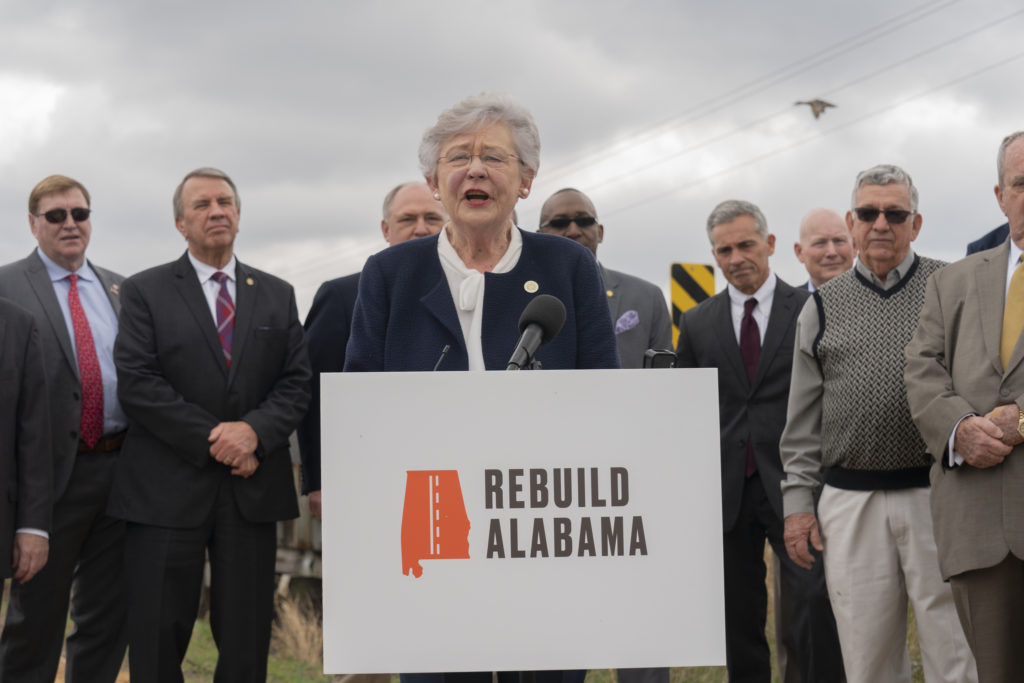
If a picture is worth 1,000 words how many words is a video worth explaining the situation freshmen members of the state legislature are finding themselves in? Without commentary you watch and be the judge. Please note this answer came from an exclusive interview Governor Kay Ivey did with WSFA, which can be found HERE in its entirety. Transcript: Question: I spoke with some Republican lawmakers today, freshman and not freshman. Saying man that they say, they say they have not had a chance to really read the bill and explain to their constituents what’s going on. Some, one even said they feel like it’s being jammed down their throat. What are your thoughts on that? Kay Ivey: Well, all the freshman who ran for the house and senate were indeed briefed on the need for an infrastructure bill well before they were elected and they were vetted by the House and Senate leadership and if they were not for increasing the gas tax for infrastructure they were not encouraged to run. The freshman may be knowing more than they may be telling you…
Moment of truth: fast-tracked gas tax increase vote expected Friday
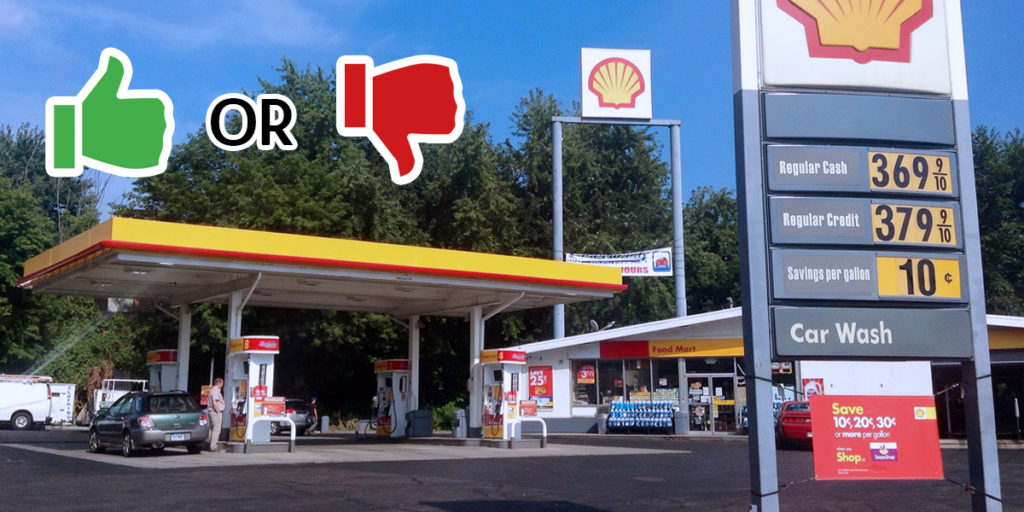
The Alabama House of Representatives is expected to vote on Gov. Kay Ivey‘s proposed 10 cent-per-gallon increase in the state gas tax on Friday. The bill, which has been fast-tracked in the House and was approved by voice-vote in the House Transportation, Utilities and Infrastructure Committee on Thursday, needs only a simple majority to pass the chamber. That’s because Ivey called the state legislature into a special session to pass the bill, which lowers the threshold for approval. In the regular session, bills connected with the state budget must pass with a three-fifths majority. With 105 members of the State House of Representatives, that means just 53 members need vote in support of it. The House is scheduled to debate the bill Friday. House Speaker Mac McCutcheon expects lawmakers will vote on the bill following a lengthy debate. The proposed gas tax plan The state currently imposes a flat excise tax of 18 cents-per-gallon on gas and 19 cents-per-gallon on diesel, without adjusting for inflation and other construction and maintenance costs. This combined fuel tax revenue generates 80 percent of Alabama’s transportation funding. The plan’s 10-cent increase will be phased in over the next three years. New revenue generated by the increase will be dispersed between state, county, and municipal governments in Alabama. According to Ivey, these funds are to be used for transportation infrastructure improvement, preservation and maintenance projects. A separate portion of the revenues will go to pay a bond to be issued to finance improvements to the ship channel providing access to the facilities of the Alabama State Docks. The state’s gasoline tax was last increased in 1992.
Donald Trump to visit tornado victims in eastern Alabama Friday

President Donald Trump is scheduled to visit eastern Alabama on Friday to survey the areas in Lee County devastated by deadly tornadoes that left 23 people dead on Sunday. “Heading now to the Great State of Alabama!” Trump tweeted Friday morning. Heading now to the Great State of Alabama!— Donald J. Trump (@realDonaldTrump) March 8, 2019 Alabama officials say in his visit, Trump will see firsthand the “catastrophic” damage where a massive EF4 tornado left a path of destruction nearly a mile wide with 170 mph (270 kph) winds. According to the Associated Press, “As he left Washington, President Donald Trump said he expected to meet with Gov. Kay Ivey and people who ‘got hit very hard by the tornadoes.’ He also planned to thank first responders.” Trump’s visit follows a tweet earlier this week promising “A Plus treatment” by the Federal Emergency Management Agency (FEMA). “FEMA has been told directly by me to give the A Plus treatment to the Great State of Alabama and the wonderful people who have been so devastated by the Tornadoes. @GovernorKayIvey, one of the best in our Country, has been so informed. She is working closely with FEMA (and me!).,” Trump tweeted Monday. FEMA has been told directly by me to give the A Plus treatment to the Great State of Alabama and the wonderful people who have been so devastated by the Tornadoes. @GovernorKayIvey, one of the best in our Country, has been so informed. She is working closely with FEMA (and me!).— Donald J. Trump (@realDonaldTrump) March 4, 2019
Exclusive by Former Governor Robert Bentley: ‘We’ve been down this road before’
Ask anyone from Guntersville, Ala. about the old Red Mill Bridge and you’ll hear decades-old stories of terrible fatal car crashes, terrifying close calls, several near misses, and a bureaucratic gridlock that once made the dangerous one-lane bridge a roadblock to economic development. Ask them about the new Red Mill Bridge and you’ll hear a different story. In 2017, our Administration helped dedicate the safe and sturdy new structure in Marshall County much to the relief and amazement of the local leaders and community. Red Mill Bridge is one of over a thousand road and bridge improvement projects that were made possible through ATRIP, the Alabama Transportation Road Improvement Program. Our Administration, along with the Alabama Legislature, launched ATRIP in 2012, during a difficult economic slump when unemployment in our state was double digits and jobs were scarce. ATRIP was an answered prayer, allowing local governments the ability to access future federal dollars for road improvement projects that were needed immediately. All they had to do was match 20% and GARVEE bonds would make up for the remaining 80% needed to get the projects going. Since then over 1,000 ATRIP projects have been completed for a total of 1.2-Billion dollars. Over 94% of the projects were completed using Alabama-based contractors. ATRIP is the largest road and bridge project in the state’s history. And not a single penny of your taxes had to be raised to get Red Mill Bridge, and hundreds more projects completed. A massive push is now underway to raise the gasoline tax and it’s moving at breakneck speed through the Alabama Legislature. As a former Governor and a former member of the House of Representatives, I can tell you nothing moves that fast without a lot of motivation. The tax will be imposed on those of us who use gasoline, and it is being pitched as a way to pay for road and bridge improvements. Raising a gas tax is one way to pay for paving roads, adding turning lanes and replacing old bridges. But the success of ATRIP has already proven it’s certainly not the only way. A conservative political blog just yesterday criticized me for publicly reminding people or “bragging” about ATRIP, especially as a proven alternative to raising taxes. This is the same blog that once made a poor attempt at an April Fool’s joke claiming I’d switched to the Democratic Party for daring to suggest a tax increase mainly on corporations. That was 2015, and despite slashing state government and saving taxpayers over 1-Billion dollars annually, we still had barely enough money to fund even essential state services. These weren’t indexed taxes on the poorest of our state or on necessary goods and services, like gasoline or groceries. The bulk of the taxes presented in 2015 were complicated taxes and fees already owed by corporations. But at that time, despite the days, weeks and hours I spent traveling this state, listening and answering questions, presenting thoroughly vetted and transparent bills, Republican Legislators and conservative blogs weren’t having it. Today many of those Republican Legislators, not to mention blogs once so appalled by taxes, are suddenly and loudly leading the charge for today’s proposed gas tax increase. Many of those Legislators also have framed photos of us together at ribbon-cutting ceremonies for one of those newly completed ATRIP road projects in their district. It’s simply not fair to the people of this state to pretend that Alabama hasn’t addressed road funding since 1992, as a current radio ad claims. This is just not true. It’s not fair to local governments and communities who have been able to be a part of ATRIP to say raising a gas tax on the people is the only option to solving a dire issue. It’s not. And it’s wrong to attempt to paint our great state as broken, rotting and crumbling, when the economy has reached historic highs and unemployment is at historic lows. There are better and stronger options to continuing the progress our state has already made toward fixing our infrastructure, than putting the financial burden on the backs of hardworking people. Infrastructure is as much a federal issue as it is a state issue. ATRIP solidified that partnership with enormous success, and it doesn’t have to end. Our federal and state leaders should work together, along with supporting President Donald Trump’s infrastructure plan, to secure stronger funding for Alabama’s needed improvements. Is it bragging to give ATRIP credit where it’s due? You bet it is. When a chicken truck can turn onto Red Mill Bridge from a nearby poultry farm or two school buses can now pass at the same time, it’s definitely worth bragging about. Especially when it didn’t cost you an extra dime. Robert Bentley was Alabama’s 53rd Governor. He is a currently a Physician in full-time practice in Tuscaloosa, Ala.
House broadly condemns hate after anti-Semitism dispute
Divided in debate but mostly united in a final vote, the House passed a resolution condemning anti-Semitism and other bigotry Thursday, with Democrats trying to push past a dispute that has overwhelmed their agenda and exposed fault lines that could shadow them through next year’s elections. The one-sided 407-23 vote belied the emotional infighting over how to respond to freshman Rep. Ilhan Omar‘s recent comments suggesting House supporters of Israel have dual allegiances. For days, Democrats wrestled with whether or how to punish the lawmaker, arguing over whether Omar, one of two Muslim women in Congress, should be singled out, what other types of bias should be decried in the text and whether the party would tolerate dissenting views on Israel. Republicans generally joined in the favorable vote, though nearly two-dozen opposed the measure, one calling it a “sham.” Generational as well as ideological, the argument was fueled in part by young, liberal lawmakers — and voters — who have become a face of the newly empowered Democratic majority in the House. These lawmakers are critical of Israeli Prime Minister Benjamin Netanyahu‘s government, rejecting the conservative leader’s approach to Palestinians and other issues. They split sharply from Democratic leaders who seemed caught off guard by the support for Omar and unprepared for the debate. But the leaders regrouped. “It’s not about her. It’s about these forms of hatred,” Speaker Nancy Pelosi said before the vote. The resolution approved Thursday condemns anti-Semitism, anti-Muslim discrimination and bigotry against minorities “as hateful expressions of intolerance.” Omar, a Somali-American, and fellow Muslims Rashida Tlaib of Michigan and Andrew Carson of Indiana, issued a statement praising the “historic” vote as the first resolution to condemn “anti-Muslim bigotry.” Some Democrats complained that Omar’s comments on Israel had ignited all this debate while years of President Donald Trump’s racially charged rhetoric had led to no similar congressional action. The seven-page document details a history of recent attacks not only against Jews in the United States but also Muslims, as it condemns all such discrimination as contradictory to “the values and aspirations” of the people of the United States. The vote was delayed for a time on Thursday to include mention of Latinos to address concerns of the Congressional Hispanic Caucus. It was inserted under a section on white supremacists who “weaponize hate for political gain” over a long list of “traditionally persecuted peoples.” An earlier version focused more narrowly on anti-Semitism. The final resolution did not mention Omar by name. Getting this debate right will be crucial for Democrats in 2020. U.S.-Israel policy is a prominent issue that is exposing the splits between the party’s core voters, its liberal flank and the more centrist Americans in Trump country the party hopes to reach. “What I fear is going on in the House now is an effort to target Congresswoman Omar as a way of stifling that debate. That’s wrong,” said presidential hopeful Bernie Sanders, the Vermont independent. “Anti-Semitism is a hateful and dangerous ideology which must be vigorously opposed in the United States and around the world,” the senator said. “We must not, however, equate anti-Semitism with legitimate criticism of the right-wing, Netanyahu government in Israel.” Other Democratic presidential contenders tried to walk a similar line. California Democratic Sen. Kamala Harris said “we need to speak out against hate.” But she said she also believes “there is a critical difference between criticism of policy or political leaders, and anti-Semitism.” A statement from Sen. Elizabeth Warren of Massachusetts said, “Branding criticism of Israel as automatically anti-Semitic has a chilling effect on our public discourse and makes it harder to achieve a peaceful solution between Israelis and Palestinians.” She said threats of violence, including those made against Omar, “are never acceptable. Sen. Kirsten Gillibrand of New York said, “Everyone is entitled to their opinion, they are allowed to have free speech in this country,” Gillibrand said. “But we don’t need to use anti-Semitic tropes or anti-Muslim tropes to be heard.” Another member of the new crop of outspoken young House freshmen, Alexandria Ocasio-Cortez of New York, said the final product, as well as the way presidential candidates are now talking about the issue, showed “there’s been some really great progress we’ve made.” But Omar’s rhetoric is taking Democrats to a place that leaves many uneasy. The new lawmaker sparked a weeklong debate in Congress as fellow Democrats said her comments have no place in the party. She suggested Israel’s supporters were pushing lawmakers to take a pledge of “allegiance” to a foreign country, reviving a trope of dual loyalties. It wasn’t her first dip into such rhetoric. The new congresswoman has been critical of the Jewish state in the past and apologized for those previous comments. But Omar has not apologized for what this latest comment. Pelosi said she did not believe that Omar understood the “weight of her words” or that they would be perceived by some as anti-Semitic. Asked whether the resolution was intended to “police” lawmakers’ words, Pelosi replied, “We are not policing the speech of our members.” Instead, she said, the goal was to condemn anti-Semitism, Islamophobia and white supremacy. Some of the House’s leading Jewish Democrats wanted to bring a resolution on the floor simply condemning anti-Semitism. But other Democrats wanted to broaden the resolution to include a rejection of all forms of racism and bigotry. Others questioned whether a resolution was necessary at all and viewed it as unfairly singling out Omar at a time when Trump and others have made disparaging racial comments. There remained frustration that the party that touts its diversity conducted such a messy and public debate about how to declare its opposition to bigotry. “This shouldn’t be so hard,” Rep. Ted Deutch, D-Fla., said on the House floor. Among the Republican dissenters, Rep. Liz Cheney of Wyoming, a member of the GOP leadership, called the resolution “a sham put forward by Democrats to avoid condemning one of their own and denouncing vile anti-Semitism.” In part, Democratic leaders
