
Personnel Update: Huntsville City Schools Superintendent Christie Finley has announced her retirement
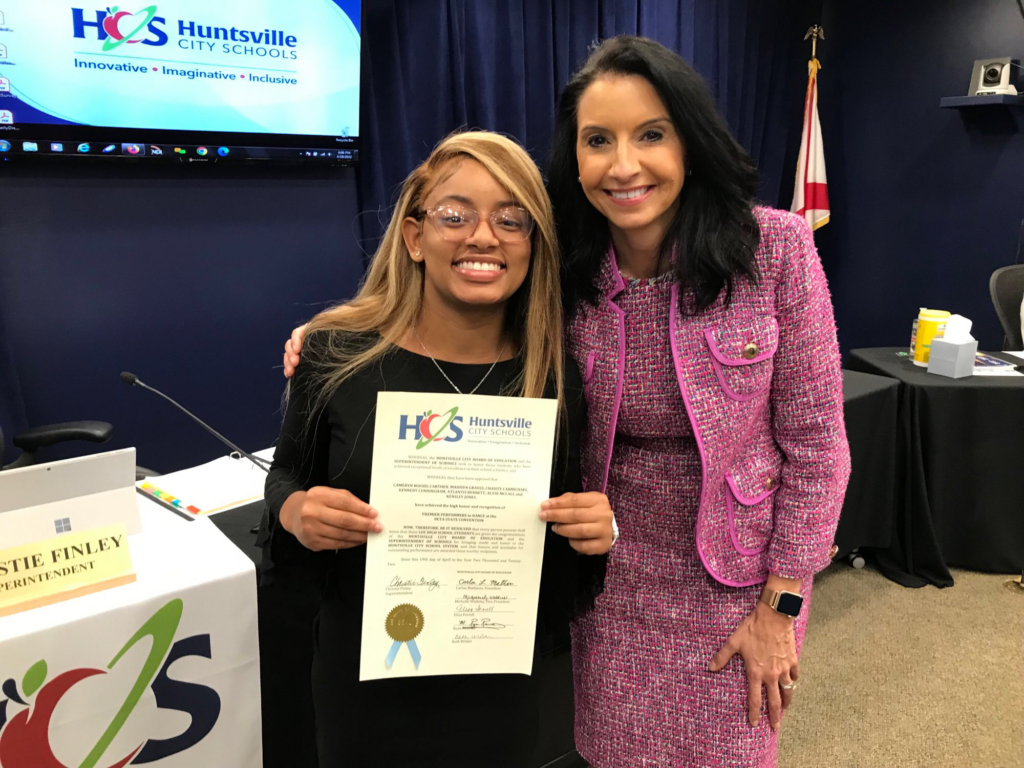
Huntsville City Schools Superintendent Christie Finley announced on Friday that she will retire at the end of the current school year. A successor has yet to be named. “I am announcing my retirement from Huntsville City Schools at the end of the school year,” Finley said. “As I reflect on my thirty years in education, 30 plus almost 32, I think about why. We are always asked why we do what we do. It’s because we love working with children, and we know that children are our future.” “Those who know me know I have been talking about retiring when my youngest son graduates,” Finley explained. “This team has had powerful successes,” Finley said. “My goal in this district has been to leave the district better than I found it.” “Our team has built a sustainable financial model and a long-term plan for our capital needs,” Huntsville Mayor Tommy Battle thanked Finley for her service. “Christie Finley has been a dedicated public servant and an exemplary leader for Huntsville City Schools,” said Mayor Battle. “We thank her for her years of service to our teachers, students, parents, and community. We trust the Huntsville Board of Education will find an outstanding new superintendent to lead our education system.” Finley became a teacher at Bob Jones School in 1992. She later became a counselor before moving into administration, where she worked as a principal, director of secondary programs, and deputy superintendent. She has served as Huntsville City Schools Superintendent since 2018. She has a bachelor’s degree from Auburn University, a master’s degree in school counseling from Alabama A&M University, and an educational leadership degree from the University of South Alabama. Finley’s tenure saw new capital projects, improved financial spreadsheets, higher teacher pay, and progress in the system’s decades-old desegregation lawsuit. There were some controversies, including the Common Core educational standards and a teacher who moonlighted as a drag queen. Huntsville is the largest city in the state of Alabama. The Huntsville City School System has 23,514 students. The system has earned a NICHE B+ rating and is ranked as the 35th-best system out of Alabama’s 138 school systems. It is the 9th most diverse system in the state and is 66th for high school athletes. To connect with the author of this story or to comment, email brandonmreporter@gmail.com.
UAB advances to NIT championship game
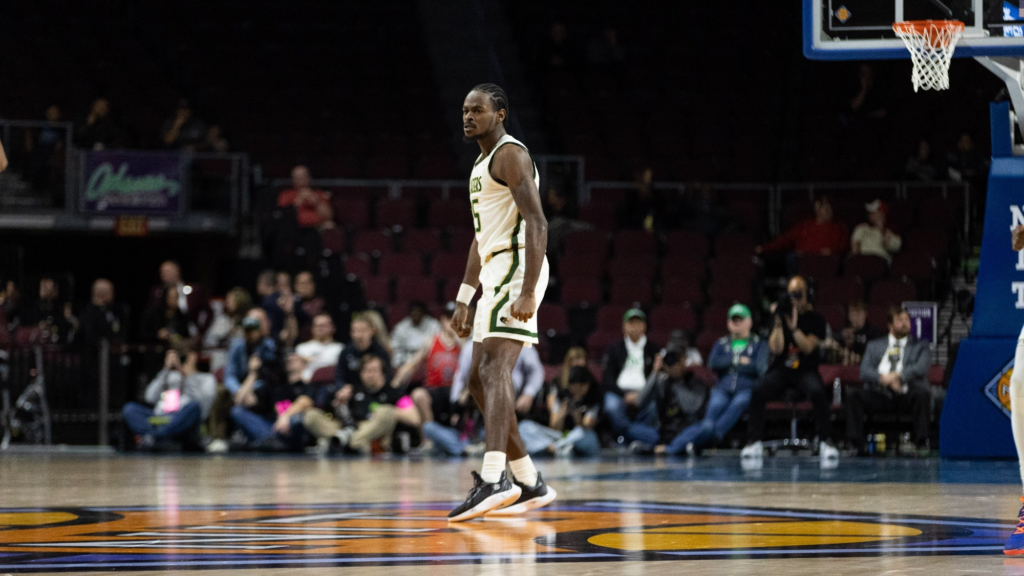
On Tuesday, the University of Alabama Birmingham (UAB) men’s basketball team advanced to the NIT (National Invitational Tournament) championship game with a high scoring 88 to 86 win over Utah Valley win in the NIT semifinals game. UAB will play North Texas on Thursday night on ESPN2 in Las Vegas. UAB won the first half 41 to 37 but lost the second half 33 to 37. Regulation ended with the game tied. The game remained tied with one minute left in overtime. UAB won the overtime 14 to 12. Ty Brewer had the best game of his college career with 30 points, 12 rebounds, and 5 steals. Brewer also hit the jump shot in overtime to give the Blazers the lead with 45 seconds left in overtime. The six-foot-seven-inch senior forward is from Meridian, Mississippi. Brewer played for four years at East Tennessee State University (ETSU) but had a fifth year of NCAA eligibility due to the COVID-19 global pandemic. Guard Jordan Walker iced the game down the stretch making three of his four free throws to maintain the lead. He had 17 points and six assists Tuesday night. Walker is a 5-foot-11-inch senior guard from Long Island, New York. Walker began his college career at Seton Hall. He spent two years at Tulane, where he received his college degree. He spent his last two seasons at UAB. He also had a fifth year of NCAA eligibility due to the COVID-19 global pandemic. Eric Gaines had 13 points, 3 rebounds, and 2 assists. The 6-foot-2-inch sophomore guard is from Lithonia, Georgia. He started his college career at LSU. “I was really pleased with the way we started the game; our plan was to be disruptive,” said UAB head coach Andy Kennedy. “Utah Valley is one of the most dynamic offensive teams we’ve played all season. They have multiple guys on the perimeter that can make plays, and that was evident throughout the second half.” This will be the first time in the history of the program that UAB has played in an NIT championship game. UAB defeated North Texas in the Conference USA tournament semifinals. North Texas and UAB marched through their NIT bracket to get to the championship game, which could indicate that the NCAA Tournament selection committee undervalued Conference USA teams this year. The University of Alabama men’s basketball team’s run ended in the sweet 16 of the NCAA Tournament. Auburn University’s tournament run ended in the round of 32 in the NCAA Tournament. To connect with the author of this story or to comment, email brandonmreporter@gmail.com.
Tommy Tuberville defends his hold on military promotions over abortions being performed by military
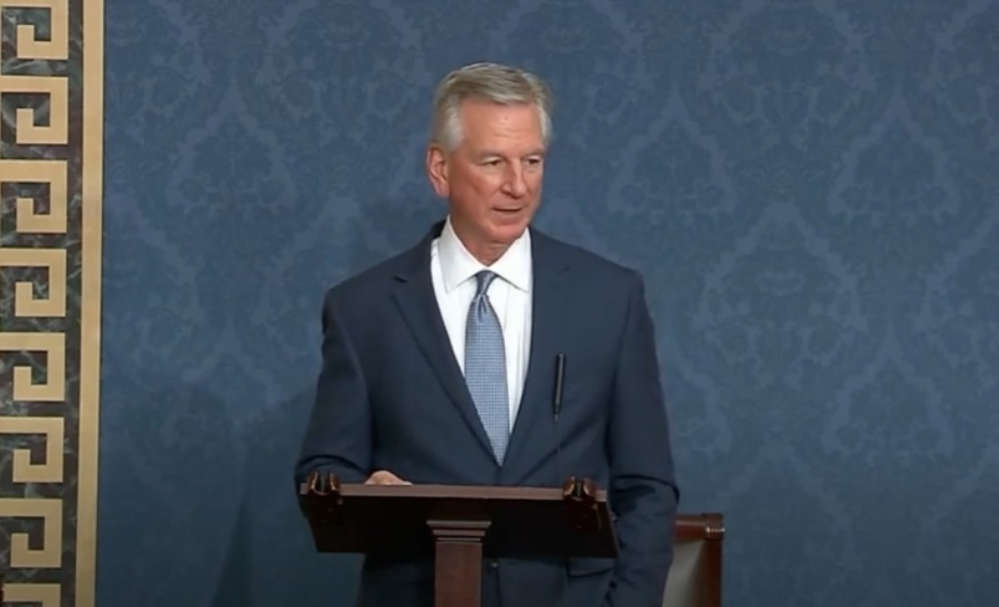
In a Tuesday Senate Armed Services Committee (SASC) hearing, U.S. Senator Tommy Tuberville urged U.S. Secretary of Defense Lloyd Austin to reverse the Department of Defense policy that would provide taxpayer-funded abortions. “The military has performed abortions for years,” Tuberville said. “All were cases of rape, incest, and harm to the mom. Over the past 40 years, I don’t recall one military person ever complaining that we weren’t performing enough abortions, nor did the military raise alarm that our service men and women were being placed in areas that had restrictive policies on abortion. Poland’s restrictive policies. Japan. Djibouti. All these theaters have [restriction on] abortion policy, yet our military changed the policy to do this job in these different theaters.” “As of 12 days ago, y’all got the American taxpayer on the hook to pay for travel and time off for elective abortions,” said Tuberville. “And you did not make this with anybody in this room or Congress taking a vote. In fact, this contradicts what Congress has actually voted for. Most of us, some of us in the room, if not all senators that have been complaining about this, have voted for the Hyde Amendment many, many times. But now my colleagues on the left think this abortion issue is good for a campaign, and that’s what this shouldn’t be about. I’m not going to let our military be politicized.” Tuberville also addressed General Mark Milley in the SASC committee meeting about the military’s failure to hit its recruiting goals. “Given what we’ve put our troops through in the past two years, it’s no wonder that the Army missed its goal last year by 15,000 soldiers,” Tuberville said. “General, you know, that is an entire division. We can’t afford that. And it’s getting worse. The Navy and Air Force will probably miss their numbers this year. Yet some of my colleagues claim that the real crisis is my hold on the promotion of 158 generals and flag officers. Mind you, these were promotions that the majority leader can bring to the floor at any time. Those same people claim expanding abortion will make our military stronger. You know, I want to be clear on this. My hold has nothing to do with the Supreme Court decision to the access of abortion. This is about not forcing the taxpayers of this country to fund abortions. That’s been a bipartisan consensus for more than 40 years.” “I ran for Senate to serve on this committee,” Tuberville stated. “I ran because of my dad. He was a World War II veteran, and he earned 5 Bronze stars and a Purple Heart. And he died on active duty. I ran to support our warfighters. We owe our freedom to our troops. For fifty years, our all-volunteer force has answered the call. I think you would agree to that. Since 1973, we’ve asked a lot of America’s young volunteers to fight in Vietnam, Grenada, Bosnia, Somalia, Iraq, Libya, Syria, and Afghanistan. They’ve never wavered. In boom times and in bust, young Americans have raised their right hands to defend the Constitution with their lives, if necessary.” “There are a number of things happening globally that indicate that we could be in a contest on any one given day,” Sec. Austin said. “Not approving the recommendations for promotions actually creates a ripple effect through the force that makes us far less ready than we need to be.” Sen. Tuberville is single-handedly blocking a handful of military promotions to protest a Pentagon directive that allows service members to provide abortion services to soldiers even in states like Alabama that have banned abortions. Tuberville is holding up 160 promotions, which usually sail through the Senate Armed Services Committee. “Clearly, on the DoD policy, I absolutely agree with Sen. Tuberville,” said Sen. Roger Wicker, the ranking Republican on the committee. “That said, there are a lot of military positions that need to be filled, and so we’re working with leadership and Sen. Tuberville to see what can be resolved.” HASC Chairman Jack Reed warned that Tuberville’s blockade would disrupt the military “at the highest levels,” but some Republicans are cheering on the former college football coach from the sidelines. Senator Tommy Tuberville represents Alabama in the United States Senate and is a member of the Senate Armed Services, Agriculture, Veterans Affairs, and HELP Committees. To connect with the author of this story or to comment, email brandonmreporter@gmail.com.
Katie Britt questions regulators about recent high profile bank failures
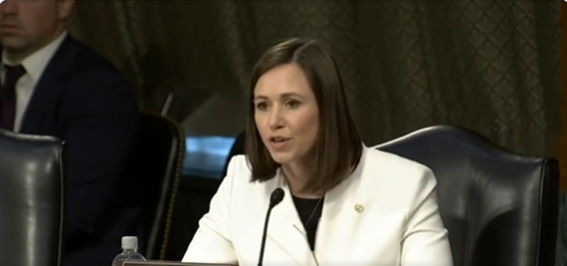
On Tuesday, U.S. Senator Katie Britt questioned federal bank regulators about what went wrong ahead of the failures of California-based Silicon Valley Bank and New York-based Signature Bank. “You need to be held accountable, every one of you,” Sen. Britt told the federal bank regulators. Britt’s comments were made during a Senate Committee on Banking, Housing, and Urban Development hearing. Britt questioned federal financial regulators regarding their roles in the recent failures of Silicon Valley Bank and Signature Bank. Testifying witnesses were Martin Gruenberg, chairman of the Federal Deposit Insurance Corporation; Michael Barr, vice chairman for Supervision of the Federal Reserve System’s Board of Governors; and Nellie Liang, undersecretary for Domestic Finance of the U.S. Department of the Treasury. “I appreciate the opportunity to be able to ask you all a few questions. I want to start by saying I am proud to be from the great state of Alabama where our financial institutions are strong — our regional banks, our community banks, our credit unions,” Britt said during her opening remarks. “The critical role they play from our main streets to our rural roads could not be overstated. So I am proud of the work they do and proud of the strength they continue to exhibit.” “Mr. Barr, I wanna follow up on a question that one of my colleagues brought up,” Britt said. “You keep talking about the Fed focusing on the size of SVB and banks. However, 2155 also requires the Fed to take into consideration riskiness, complexity, financial activities, along with other risk-related factors. Tailored supervision ensures that the Fed focuses on the most risky banks. You’ve said repeatedly that bank mismanagement led to SVB’s failure. The whole point of 2155 was so that you could tailor your regs and your supervision to risk. So why did you not require definitive corrective action based on the flaws that you saw?” “We are looking at the range of tailoring approaches the Federal Reserve took,” FDIC Chairman Barr said. “The decision to set those lines by asset size and other risk factors was made back in 2019. You know, I joined the board in July of 2022 and began looking at that approach. Uh, I expect to continue to review it as part of the SVB review. And I believe we have substantial discretion to alter that framework. “So you’ve talked about your review, which is ongoing. In that review, will you take a look at if you used all of the tools in your toolbox to prevent this? Both before and after. Will that be part of your review?” Britt asked. “Yes, Senator. The, the staff are reviewing the steps that supervisors took and whether they should have taken more aggressive action,” Barr answered. “So, at current rate, though, you can’t speak to whether or not you utilized all of the powers that were given to you?” Britt asked. “Uh, I, I really would like to wait for the formal review for the staff to come evaluate the full supervisory record to make an assessment,” Barr answered. “But we’re, we’re certainly very focused on that question. And if we didn’t do the right steps, we’re gonna say that.” “Well, I find it concerning, though, when you all were asked, each one of you was asked, ‘Would you like to see more powers, more (regulatory) strength in this?’” Britt said. “Every single one of you said ‘yes’ when you don’t actually know if you utilized the tools in your toolbox correctly or if the people that were under your supervision were supervising appropriately. I think that’s what people hate about Washington. We have a crisis, and you come in here without knowing whether or not you did your job. You say you want more. That’s not the way this works. You need to be held accountable, each and every one of you. I’m a big believer you gotta own your own space.” “Mr. Gruenberg, I wanna talk about yours,” Britt said. “So you were not the primary supervisor here. Obviously, that’s the Fed, but you are the non-primary supervisor for SVB, or were, is that correct?” “Yes. We have backup supervision,” said Gruenberg. “You have backup supervision. You had that before Dodd-Frank, correct?” Britt asked. Gruenberg answered, “Yes.” Britt asked: “You had it after Dodd-Frank, correct?” Gruenberg answered, “Yes.” Britt asked, “And 2155 did not change that responsibility that you had?” Gruenberg said, “That’s correct.” Britt said, “Right. So in that role, what did you do prior to the bank’s failure to exercise that power?” “Yeah. In this, in this instance, we were working with the Fed as the institution was experiencing difficulties, but I think it’s fair to say that it was in a supportive role with the primary regulator,” Gruenberg answered. Britt responded, “Okay. But you did raise this to the primary regulator? You did exercise that authority?” Gruenberg stated, “We were working with the primary regulator in regard to the institution.” “It seems that you failed to put the bank in receivership, and the FDIC passed on allowing the Silicon Valley Bank to be purchased,” Britt said. “Is that a correct assessment, or do you feel like that’s been incorrectly identified throughout the news cycles?” ‘Yes. Senator, the bank was placed in receivership on Friday morning,” Gruenfeld said. “And, um, we endeavored to solicit bids over the weekend, as I indicated previously, was that it was a rapid failure. So there was no opportunity prior to failure to prepare for a resolution. We tried to market it. We did two bids. Neither, neither would’ve been, um, less costly than liquidation. So we then proceeded to put in place a process where we were able to bid out these.” A significant question that has haunted congressional investigators is: why didn’t federal regulators act decisively years ago when it was known that SVB was taking excessive risks and was increasingly reliant on a small pool of customers involved in highly speculative ventures. “Six months prior, JP Morgan noticed that there was a problem
Huntsville police officer killed in the line of duty, second in critical condition

On Tuesday, Huntsville Police Officer Garrett Crumby was fatally shot in the line of duty responding to a domestic violence call at the 4600 block of Governors House Drive. A female domestic violence victim had already been shot. Crumby died from his wounds at the hospital on Tuesday night. The assailant also shot Officer Albert Morin. Morin is out of surgery and remains in critical condition. The two officers were ambushed when they arrived at the scene by the assailant. Alabama Attorney General Steve Marshall issued a statement following the death of Officer Crumby. “Tonight, our State grieves the death of another member of the law enforcement community—one who, when called upon, ran toward danger in aide of a female victim,” said AG Marshall. “Huntsville Police Officer Garrett Crumby and fellow Officer Albert Morin were responding to an emergency domestic violence call for service when they were ambushed by an armed suspect. The suspect had already shot and injured a female victim who was present on the scene.” “Both officers were transported by ambulance to Huntsville Hospital, where they received emergency treatment,” said Marshall. “Officer Morin is now out of surgery and remains in critical condition, while Officer Crumby did not survive his injuries. Our part of the country has been reminded again this week of the pure heroism of those who make up the thin blue line—the dividing line, at times, between life and death for the citizens that they swear an oath to protect. These two law enforcement officers responded to a domestic violence call this evening, knowing full well that they would be placing their lives on the line in defense of their fellow man. We must never take their service and sacrifice for granted.” “Officer Crumby was a three-year veteran of the Huntsville Police Department,” stated Marshall. “He previously served for eight years with the Tuscaloosa Police Department. He is the first Alabama police officer to fall to gunfire this year but the third to be shot in the line of duty. “ “This is a devastating loss for our department, the Huntsville community, and the State of Alabama,” said Huntsville Police Chief Kirk Giles. “We send our heartfelt condolences to the officer’s family as they mourn their loved one who made the ultimate sacrifice. As we grieve with our fallen officer’s family, we have another officer fighting for his life. Please keep all our officers and the entire department in your prayers.” The suspected shooter and the female shooting victim are at the hospital receiving treatment. “This is a painful night for the City of Huntsville and for our police family,” Huntsville Mayor Tommy Battle said. “We are heartbroken. Words cannot express our loss. We have been overwhelmed by the show of love and support from our community, and we stand united with our police officers and their families in this tragic moment.” Before Officer Crumby had died from his wounds, Alabama Governor Kay Ivey said on Twitter, “I am devastated to learn the news that two Huntsville police officers were shot in the line of duty this evening. I ask the people of Alabama to join me in prayer for these heroes and their family, friends and community.” “It’s heartbreaking to hear that two of our Huntsville police officers were shot in the line of duty today,” said Alabama Speaker of the House Nathaniel Ledbetter on Twitter before Crumby’s death. “Please join me in prayer for those officers and their families. These officers are our everyday heroes, and we should never take their service for granted.” “My heart breaks hearing this news,” said U.S. Sen. Katie Britt on Twitter before news of Crumby’s death had become known. “Please join me in praying for these officers, their loved ones, and their community. Our incredible law enforcement officers put themselves in harm way’s every single day to protect and serve others.” On Wednesday, the Alabama Department of Forensic Sciences will conduct an autopsy on Officer Crumby’s corpse. The Huntsville Police have requested that the State Bureau of Investigation (SBI) lead the investigation. This is a developing story. To connect with the author of this story or to comment, email brandonmreporter@gmail.com.
Steve Flowers: Marshall County and Enterprise emerging as Alabama political breeding grounds
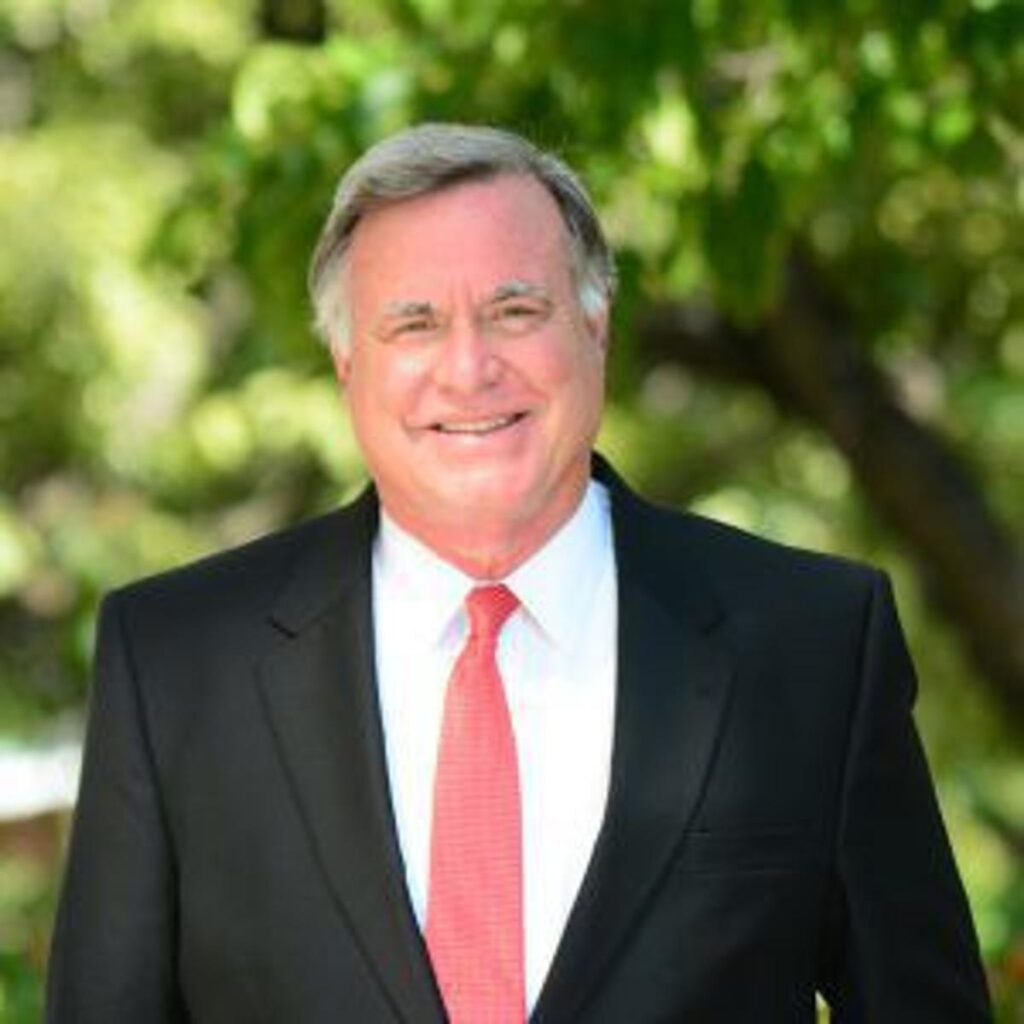
Over the years, certain counties in Alabama have bred an inordinate number of governors and state political leaders. The three most prominent enclaves historically have been Tuscaloosa, Barbour, and Cullman. In the earlier years of statehood, Tuscaloosa was the most heralded county. They have continued, intermittently, throughout the years. The most prominent senator in Alabama history, Richard Shelby, who retired after 36 years in the Senate, calls Tuscaloosa home. Indeed, the state capital was in Tuscaloosa one time in the early years. They have had a fairly recent governor in Dr. Robert Bentley. Barbour County is called the “Home of Governors,” and for a good reason. They have had more governors than any county in state history. This sparsely populated Black Belt county has had six governors hail from there. George Wallace is, of course, the most prominent Barbour County Governor, but they also have Chauncy Sparks, John Gill Shorter, William Jelks, Braxton Bragg Comer, and Jere Beasley. Barbour County and Tuscaloosa both claim Lurleen Wallace. She was born and raised in Northport in Tuscaloosa County but married George Wallace and moved to Barbour County. This split county claim of governors also applies to legendary Governor James “Big Jim” Folsom. Big Jim was born and raised in Coffee County near Elba but moved to Cullman as a young man. So, Cullman gets bragging rights since he lived in Cullman when he was first elected in 1946. Cullman has indeed come on strong in the past few decades. They have had two governors in recent years, Jim Folsom Jr. and Guy Hunt. Today, we have two counties emerging as hotbeds for breeding state political leaders. Coffee County is percolating with political success. More particularly the growing City of Enterprise. Our new U.S. Senator, Katie Boyd Britt, was born and raised in Enterprise. She is only 40. The Congressman from the second district, Barry Moore, is from Enterprise although Dothan, Montgomery, and Elmore County have more population in that Congressional District. Moore is only 56. A rising popular star in the State House of Representatives, Rhett Marquis, 48, is from the Boll Weevil City. Enterprise is the home of the new state senator from that southeast Alabama hub. Josh Carnley just took the seat of retiring legend Jimmy Holley, thus keeping that seat in Coffee County. Carnley is a Coffee County farmer and insurance broker. Enterprise has a very good Mayor in William “Bill” Cooper. He has been in city politics for a good while. Coffee County also dominates all the judicial posts in this circuit. All three circuit judges hail from Coffee County in Enterprise. Sonny Reagan, Jeff Kelley, and Shannon Clark are all relatively young. The new District Attorney, James Tarbox, is very young. Jimmy Baker, who is Chancellor of the Alabama Community College System, hails from Coffee County and lives in Enterprise. Enterprise has always laid claim to Ft. Rucker, which has been the impetus of their growth, but they are emerging as a political powerhouse. The other county that is set to be called an Alabama political spawning ground powerhouse is Marshall County. They currently have a cadre of the state’s most powerful and promising Alabama leaders. The most prominent is 41-year-old Lt. Governor Will Ainsworth, who may be our next governor. State Senator Clay Scofield of Marshall County is only 42 and is Majority Leader of the State Senate. Attorney General Steve Marshall, 57, is in his second term as Attorney General. It is rare that two of the state’s highest-ranking officials, Will Ainsworth and Steve Marshall, are both from the same county. There are two rising stars in the Alabama House of Representatives from Marshall County. Young Wes Kitchens, an emerging leader in the House, is from Marshall. Also, the youngest member of the House of Representatives, Brock Colvin, has just been elected at the ripe old age of 26 and is catching people’s eyes on Goat Hill. Enterprise and Marshall County are emerging as new political breeding grounds for Alabama politicians. See you next week. Steve Flowers is Alabama’s leading political columnist. His weekly column appears in over 60 Alabama newspapers. He served 16 years in the state legislature. Steve may be reached at www.steveflowers.us.
Study shows that Alabama has second best road system in the nation
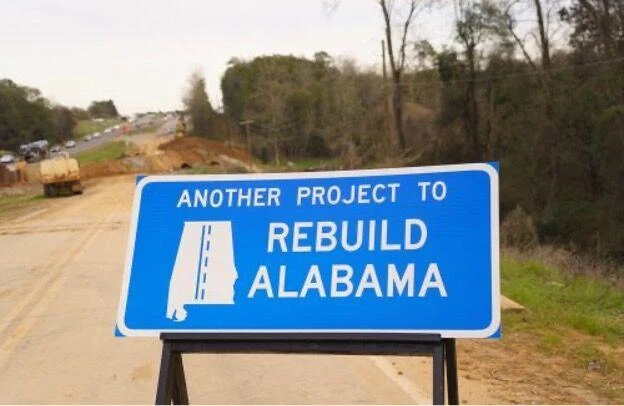
According to a new study, 19% of the nation’s roads are non-acceptable, and 5% of the bridge decks are rated as poor. The cost of deteriorating roads to the average American motorist is $556 per year in repairs. The study found that Rhode Island, West Virginia, and Massachusetts have the worst roads and bridges in the U.S. In contrast, Georgia, Alabama, and Florida have the nation’s best roads and bridges. A team of analysts evaluated the data to determine the state rankings. Just 12% of Florida roads were determined to be non-acceptable, and just 3% of the bridge decks are categorized as poor. Alabama is better, with just 9% of Alabama roads deemed to be non-acceptable and 2% of the bridge decks. Georgia has the best roads in the country. In Georgia, just 7% of the roads are non-acceptable, and 3% of the bridges. The cost of aging roads per motorist in Alabama is $506, which is just $50 per year less than the national average. The cost of aging roads per motorist in Florida is $351, and just $275 in Georgia. Rhode Island has the worst roads, with 48% deemed unacceptable and 19% of the bridge decks being poor. West Virginia was next, with 31% of the roads being unacceptable and 15% of the bridge decks being poor. Massachusetts is next, with 28% of the roads being unacceptable and 11% of the bridge decks being poor. The cost of aging roads per motorist in Rhode Island was $823 a year. The cost in West Virginia was $723 per year. Massachusetts motorists pay $627 a year due to aging roadways. New York, Connecticut, and New Jersey round out the top six for worst roads. The cost of aging roads included two considerations: the cost of repairing the road and the cost of repairing cars damaged by poor road conditions. Drivers in Oklahoma ($900), California ($862), Rhode Island ($823), Mississippi ($820), and New Mexico ($768) pay the most due to poor roadways. Drivers in Florida ($351), North Carolina ($336), Georgia ($275), Oregon $268), and Tennessee ($194) pay the least. Rankings are based on a composite score of the percentage of non-acceptable roads and the percentage of the state’s total bridge deck area considered poor and structurally deficient. Also included in the composite score rank is the cost per motorist that is allocated toward repairing bridges and road infrastructure. Alabama Governor Kay Ivey has strongly emphasized road projects and infrastructure improvements. After being elected to her first full term, the Alabama Legislature, at her urging, raised gas taxes by ten cents per gallon to pay for road improvements. “Four years after its enactment, it is clear that Rebuild Alabama’s overall impact extends far beyond just roads and bridges,” wrote Gov. Ivey in an op-ed. “Driver safety, commercial efficiency, and economic productivity are all aspects of the enhanced quality of life being delivered by Rebuild Alabama. It also tells the world, ‘Alabama is open for business!’” To connect with the author of this story or to comment, email brandonmreporter@gmail.com.
Idea that could limit college religious freedom attacked by attorneys general
Republican attorneys general from around the country want the Biden administration to continue to protect college students’ First Amendment and student religious rights. Twenty attorneys general signed on to a letter written by Ohio Attorney General Dave Yost spurred by what he called the Biden administration’s threat to end an existing rule that requires public universities to comply with the First Amendment or lose grant funding. “Day after day, we see school administrators across the country targeting student religious groups as unworthy of existence,” Yost said. “Our county was founded on an entirely different principle – that Americans can practice their religion without fear of government reprisal.” The rule, established in 2020 to implement a Supreme Court precedent, prohibits public universities from denying religious student groups “any right, benefit or privilege that is otherwise afforded to other student organizations at the public institution” because of a group’s “beliefs, practices, policies, speech, membership standards or leadership standards, which are informed by sincerely held religious beliefs.” The Biden administration has said it thinks the existing policy is too confusing and burdensome. The coalition believes student religious organizations are being singled out. “The religious practice of student groups and individuals is under immense fire at universities,” the letter reads. “Religious students have greatly enriched campus communities, through charity, service, temperance, and commitment to learning. They are owed the right to freely exercise their religion, however out of fashion with an increasingly anti-religious bureaucratic regime that might be.” The letter also says removing the rule would conflict with Supreme Court rulings and allows the government to attack religious groups. “The department is blessing the targeting of religious groups. That is wrong,” the letter reads. The coalition includes the attorneys general of Alabama, Alaska, Arkansas, Florida, Georgia, Idaho, Indiana, Iowa, Kentucky, Louisiana, Mississippi, Missouri, Montana, Nebraska, North Dakota, Ohio, Oklahoma, South Carolina, Texas, Utah, Virginia, and West Virginia. Republished with the permission of The Center Square.
Judge rules Mike Pence must testify before grand jury
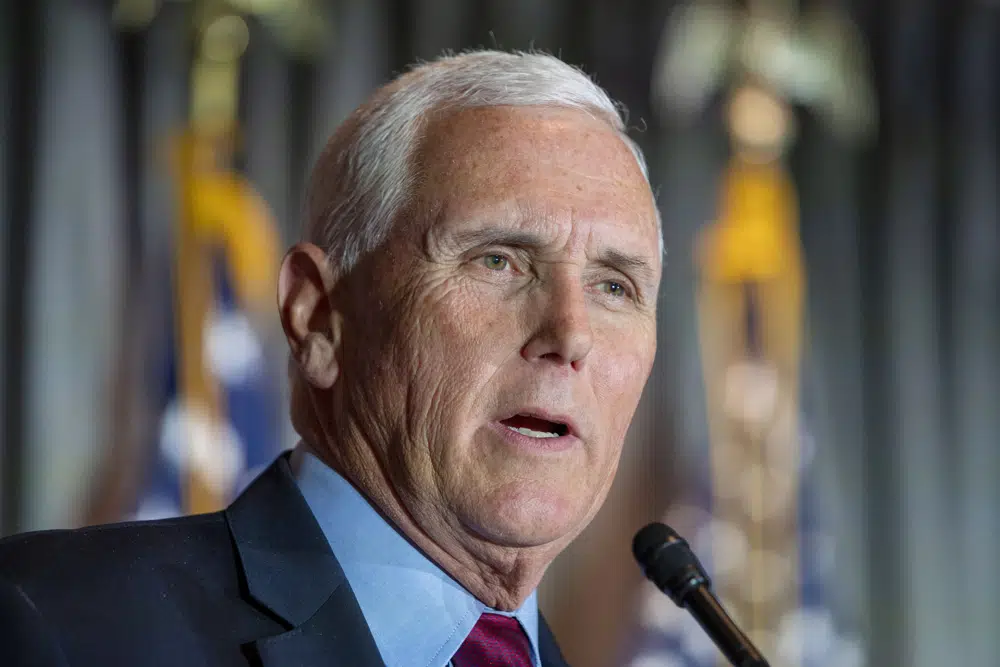
A federal judge has ruled that former Vice President Mike Pence will have to testify before a grand jury in the Justice Department’s investigation into efforts by former President Donald Trump and his allies to overturn the results of the 2020 election. That’s according to two people familiar with the decision, who spoke Tuesday on condition of anonymity because the ruling remains under seal. The ruling says Pence will not have to answer questions about his actions on January 6, 2021, when a mob of Trump’s supporters stormed the Capitol building as Republican Pence was presiding over a joint session of Congress to certify Democrat Joe Biden’s victory. However, he would have to testify about any potential illegal acts committed by the former president, one of the people said. Pence and his attorneys had cited constitutional grounds in challenging a grand jury subpoena issued weeks ago. They argued that because he was serving in his capacity as president of the Senate that day, he was protected from being forced to testify under the Constitution’s “speech or debate” clause, which is intended to protect members of Congress from questioning about official legislative acts. Trump’s lawyers had also objected to Pence complying, citing executive privilege. A Trump spokesman criticized the decision in a statement, accusing the Justice Department of “continuously stepping far outside the standard norms in attempting to destroy the long accepted, long-held, constitutionally based standards of attorney-client privilege and executive privilege.” “There is no factual or legal basis or substance to any case against President Trump,” they added but did not respond to questions about how Trump’s legal team might respond. Pence’s team is evaluating whether it will appeal. The sealed ruling from U.S. District Judge James “Jeb” Boasberg sets up the unprecedented scenario of a former vice president being compelled to give potentially damaging testimony against the president he once served. And it comes as Pence has been inching closer to announcing a run for the 2024 Republican presidential nomination — a decision that would put him in direct competition with his former boss. In addition to the Justice Department probes, Trump is under investigation in Georgia and also in New York, where a grand jury has been hearing testimony about hush money paid to women on Trump’s behalf during the 2016 campaign. That grand jury will not take up the inquiry again this week, two people familiar with the matter said Tuesday, meaning any potential vote on a possible indictment will not happen until next week at the earliest. In Washington, Pence was subpoenaed earlier this year to appear before the federal grand jury investigating election interference. In public appearances, he has cast that action as unconstitutional and unprecedented and has said he would pursue the matter as far as the Supreme Court. Still, he told ABC’s “This Week” that he might be open to testifying about matters not directly related to his congressional role. “I’ve actually never asserted that other matters unrelated to January 6 would otherwise be protected by speech and debate,” he told the network. “We’re gonna make that case, but I promise you we’ll respect the decisions of the court.” A Justice Department special counsel, Jack Smith, is investigating attempts by Trump and his allies to overturn Biden’s win in the 2020 presidential election to keep Trump in the White House. Multiple Trump aides have already appeared before the federal grand jury, as well as the separate Georgia panel examining allegations of Trump mishandling classified documents at his Mar-a-Lago club in Florida. A spokesman for the special counsel’s office declined to comment. A lawyer for Pence did not return messages seeking comment. Pence has spoken extensively about Trump’s pressure campaign urging him to reject Biden’s victory in the days leading up to January 6, including in his book, “So Help Me God.” Pence, as vice president, had a ceremonial role overseeing the counting of the Electoral College vote, but did not have the power to impact the results despite Trump’s contention otherwise. Pence has said that Trump endangered his family and everyone else who was at the Capitol that day, and history will hold him “accountable.” In addition to the DOJ probes, Trump is also under investigation in Georgia and in New York, where a grand jury has been hearing testimony about hush money paid to women on Trump’s behalf during the 2016 campaign. The grand jury will not take up the inquiry again this week, two people familiar with the matter said Tuesday, meaning any potential vote on a possible indictment will not happen until next week, at the earliest. Republished with the permission of The Associated Press.
