
Katie Britt and Tom Cotton introduce the “Not One More Inch or Acre Act’
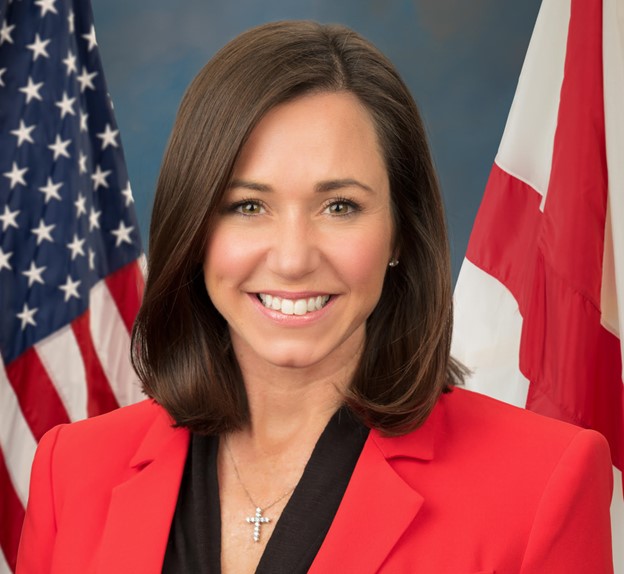
On Friday, U.S. Sen. Katie Britt joined Sen. Tom Cotton in introducing the Not One More Inch or Acre Act, legislation that will prevent any Chinese national or entity from owning American land. “There is no doubt that the Chinese Communist Party is our greatest geopolitical and national security threat, and everything they do is as our adversary,” said Sen. Britt. “The FBI has said that they open a new counterintelligence case against China about twice per day. From stealing our intellectual property and spying on our children through TikTok, to buying up American farmland near military installations and engaging in unfair trade practices that undercut Alabama steelmakers and shrimpers, we must hold the CCP accountable. We accomplish this through strength, not continued weakness. I’m grateful for Senator Cotton’s continued leadership on this critical issue. I’ll continue to fight to defend hardworking Americans while protecting our homeland.” “For decades, the Chinese Communist Party has been gobbling up American farmland and real estate,” said Sen. Cotton. “At best, this submits American land and resources to China’s best interests, not America’s—at worst, these purchases serve as outposts for Chinese espionage campaigns against American businesses and military bases. We can’t allow Chinese citizens, or anyone affiliated with the CCP, to own one more inch of American soil. And any American land exploited by current Chinese ownership should be sold.” The National Association of Realtors’ 2022 Profile of International Transactions in U.S. Residential Real Estate found that Chinese buyers purchased $6.1 billion of U.S. residential real estate from April 2021-March 2022. China trailed only Canada regarding the countries that purchased the highest dollar amount of American real estate during that 12-month period. Sen. Cotton said that the Chinese Communist Party (CCP) has bought hundreds of thousands of acres of farmland across the United States, including property immediately adjacent to military bases. These land purchases have let the Chinese advance their economic and national security interests while undermining the U.S. The Not One More Inch or Acre Act would: · Prohibit citizens of the People’s Republic of China, members of the CCP, or any individual or entity acting on their behalf from purchasing any real estate in the United States. · Require the sale of any property owned or influenced by the CCP that the President determines to be a national security risk. · Set a minimum penalty for foreign investors who fail to comply with USDA reporting requirements. Over the past few months, Senator Britt joined her colleagues in introducing four additional pieces of legislation holding the CCP. The first was a bipartisan resolution condemning the unlawful incursion into U.S. airspace by the People’s Republic of China’s high-altitude surveillance balloon. Second, Senator Britt cosponsored the Foreign Adversary Risk Management (FARM) Act, which was introduced by Senator Tommy Tuberville. Third, Senator Britt cosponsored the Cutting-off Communist Profiteers (CCP) Act, a piece of legislation prohibiting any former U.S. presidential appointees from knowingly representing, aiding, or advising the Chinese Communist Party or Chinese military companies. The fourth piece of cosponsored legislation is the Protecting America from Spies Act, intending to target Chinese Communist Party spies committing espionage toward American technology firms and businesses. To connect with the author of this story or to comment, email brandonmreporter@gmail.com.
Personnel Update: Robert Aderholt names Michael Lowry as new Chief of Staff
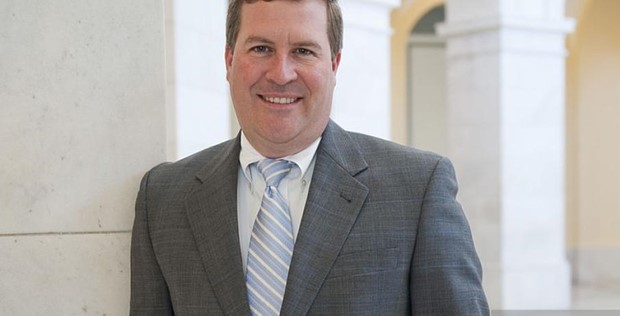
On Wednesday, Congressman Robert Aderholt announced that his Chief of Staff, Kerry Knott, is retiring after more than 17 years in public service on Capitol Hill. Knott will be succeeded in the position by Michael Lowry, who, like Knott, has years of Congressional experience. “Kerry Knott has done an outstanding job serving the constituents of Alabama’s Fourth District,” Rep. Aderholt said in a press release. “Prior to joining our office, Kerry spent many years in the private sector but had worked on Capitol Hill in the 1980s and 90s for Congressman Dick Armey and served as Congressman Armey’s Chief of Staff as the House Majority Leader. His experience was truly invaluable to the work we do in my office to serve our constituents. Kerry joined our staff during a trying time for our nation and the world as the COVID-19 pandemic began. During these past three years, he helped guide our response to the pandemic, but also made sure we stayed focused on the important issues beyond COVID, like strengthening our military, leading in space, and expanding broadband internet access for rural areas.” Knott thanked Rep. Aderholt. “My time as Robert’s Chief of Staff has been tremendously enjoyable,” said Knott. “Robert is in a great position to continue his work to help Alabama’s economy and to continue fighting to promote family values. He has a top-notch staff both in DC and in the district to push his agenda and to help his constituents. I’ve been blessed to participate in many historical moments in my seventeen-plus years on the Hill, but now I’m looking forward to being back in Alabama full-time with my family. I’m thankful for Robert and Caroline for this opportunity, and I will always consider myself part of Team Aderholt.” “A Congressional Chief of Staff plays a vital role in every office,” said Aderholt. “They are literally the second in command and act as a first officer in making sure constituents are being served, and the member’s agenda is being implemented. With that in mind, I’m happy to announce that Congressional veteran Michael Lowry will be coming on board as our new chief. Michael has worked for several Members, including a stint as my communications director back in the mid-2000s. Most recently, Michael served as Chief of Staff to Congressman Neal Dunn of Florida.” Lowry expressed excitement for the opportunity to return to work for Rep. Aderholt. “I feel like I’m coming home,” said Lowry. “Obviously, I worked with Congressman Aderholt previously, but my own roots are also in Alabama, with family in many different parts of the state. This is where I belong. I’m looking forward to helping Robert continue his strong record of fighting for his constituents, standing up for the most vulnerable among us, and protecting and strengthening our great nation, and appreciate his confidence in me.” “I wish Kerry and his family all the best as he begins the next chapter of his life,” said Aderholt. “And I’m looking forward to bringing Michael on board with his experience and perspective. I look forward to continuing to achieve great things for the people of the Fourth District and our great nation.” Aderholt previously announced staff changes in December when Paul Housel retired as District Director. Robert Aderholt has represented Alabama’s Fourth Congressional District for 14 terms. To connect with the author of this story or to comment, email brandonmreporter@gmail.com.
Terri Sewell and colleagues introduce legislation to provide for coverage for cancer early-detection screenings once approved
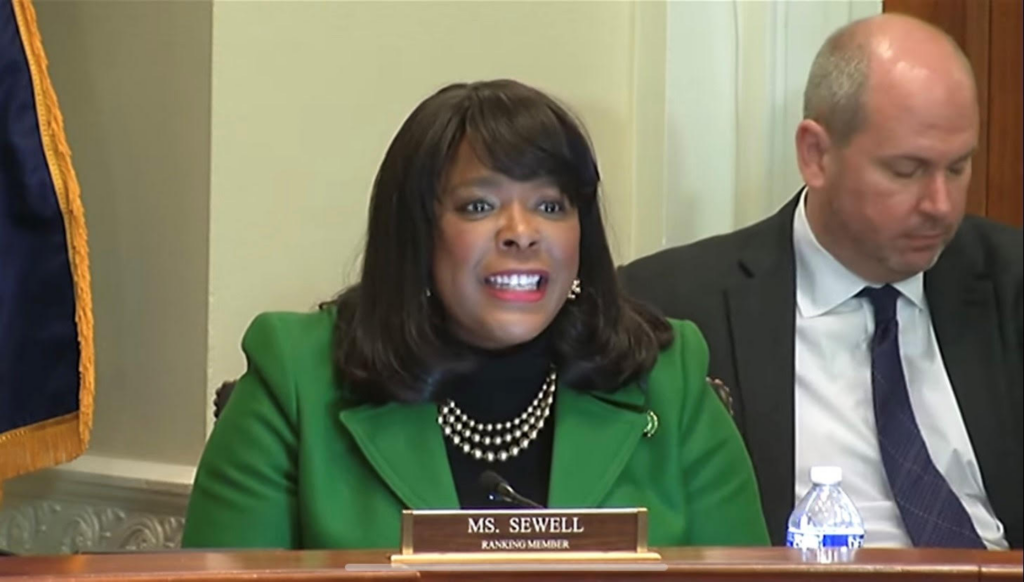
On Thursday, Congresswoman Terri Sewell joined Reps. Jodey Arrington, Richard Hudson, and Raul Ruiz to introduce the Nancy Gardner Sewell Medicare Multi-Cancer Early Detection (MCED) Screening Coverage Act. The legislation is named for Rep. Sewell’s late mother, who passed away in 2021 from pancreatic cancer. This bipartisan legislation would create a pathway for Medicare to cover emerging blood-based cancer screenings, potentially allowing doctors to catch cancer earlier than ever. During the last Congress, the bill garnered the support of a bipartisan majority of the House and Senate—with 258 House cosponsors and 54 Senate cosponsors—and over 400 organizations nationwide. “No family in America has been spared the scourge of cancer,” said Rep. Sewell, lead Democratic sponsor. “Fortunately, innovative multi-cancer early detection screenings are emerging which hold the potential to detect cancer earlier than ever before. I’m proud to once again introduce the Medicare Multi-Cancer Early Detection Screening Coverage Act, named for my late mother, Nancy Gardner Sewell, to ensure that our seniors can access these tools once they are FDA approved. Not only will this bill save lives, but it will also help reduce the glaring racial disparities in cancer diagnosis and death. I look forward to harnessing our momentum from the 117th Congress to get this bill across the finish line!” “Multi-cancer early detection is one of the many incredible examples of the United States leading in medical innovation,” said Rep. Arrington, the lead Republican sponsor. “This type of screening has the potential to improve quality of life for millions of American cancer patients and their families while saving taxpayer dollars by treating cancer before it spreads. I am proud of the bipartisan support this bill gained last Congress and remain firm in my belief that this legislation will drastically improve our ability to treat and prevent cancer.” “Too many families are devastated by a cancer diagnosis every day in the United States,” said Rep. Hudson. “By increasing access to multi-cancer early detection screening tests through Medicare, we can detect cancers sooner and save lives in North Carolina and around the country. As a member of the Health Subcommittee, I once again look forward to advancing this bipartisan legislation.” “Detecting cancer early improves health outcomes and saves lives,” said Dr. Ruiz. “With innovative medical technologies, we can catch more cancers earlier than ever, but patients must be able to access these screenings. That’s why it’s very important for Medicare policy to keep pace with the development of multi-cancer screenings. I am glad to join my colleagues in introducing the Multi-Cancer Early Detection Screening Coverage Act to modernize Medicare coverage so older Americans can access these screenings and improve their health outcomes.” The Nancy Gardner Sewell Medicare Multi-Cancer Early Detection Screening Coverage Act would increase seniors’ timely access to multi-cancer early detection technology by creating a pathway to Medicare coverage. This bill will allow for Medicare coverage of MCED screenings once they are approved by the Food and Drug Administration. The impact of late-stage cancer diagnosis is magnified in communities of color and throughout rural America, where overall cancer outcomes are worse. These tools introduce a significant shift in the cancer screening landscape. The sponsors believe ensuring seniors have timely access is essential since age is the primary risk factor for cancer, and more than 70% of cancer diagnoses are in the Medicare population. This legislation would: · Create the authority for CMS to cover blood-based MCED tests and future test methods once approved by the FDA and shown to have clinical benefit. · Maintain CMS’ authority to use an evidence-based process to determine coverage parameters for these new tests. · Clarify that (1) these new tools will complement, not replace, existing screenings and coverage and (2) cost-sharing will not be impacted. Thomas “Ted” Greer Jr., CEO of Birmingham-based Alabama Regional Medical Services, stated. “People of color are at the greatest risk for cancer deaths, at least partly because of disparities in early detection. We believe new screening technologies offer a chance to reduce those disparities, and we applaud Rep. Sewell’s steadfast leadership to clear a path for these tests to be accessible to those at highest risk for cancer.” The American Cancer Society, Cancer Action Network released a statement supporting this legislation. “The Multi Cancer Early Detection Screening Coverage Act would potentially expand access to cancer screenings in Medicare. The bill would allow the Centers for Medicare and Medicaid Services (CMS) to initiate an evidence-based coverage process for a multi-cancer screening test following FDA approval and once shown to have clinical benefit. ACS CAN supports the Multi-Cancer Early Detection Screening Coverage Act to provide Medicare coverage of screening tests that are FDA approved. Cancer screening and early detection are key priorities for ACS CAN.” The Prevent Cancer Foundation wrote, “The importance of detecting cancer early cannot be overstated. With the Medicare Multi-Cancer Early Detection Screening Coverage Act, Congress can unlock a new era in how cancer is detected and treated. We thank the sponsors and cosponsors for recognizing that older adults are at the most risk for cancer, and we must create a pathway to access the latest cancer detection tools. We’ve been proud to bring an astounding 400+ organizations together in calling for the passage of the bill. Let’s make early detection a reality for Medicare beneficiaries.” The Association of Community Cancer Centers wrote, “MCED technology holds the potential to alter the current cancer screening paradigm by providing the oncology community with the tools they need to find many more cancers in earlier, more treatable stages. ACCC is committed to advancing best practices and policies that will facilitate the integration of MCED tests into our healthcare system, and that includes supporting the Medicare Multi-Cancer Early Detection Screening Coverage Act. The war on cancer requires an all-hands-on-deck approach, and we need new tools, like MCED, to make a major impact. We’re grateful to leaders in Congress who are working to ensure older Americans can access this important new cancer screening tool.” This legislation has received statements of support from more than 400 organizations across all 50 states. Similar legislation has been introduced in the Senate
Alabama legislators respond to Donald Trump indictment
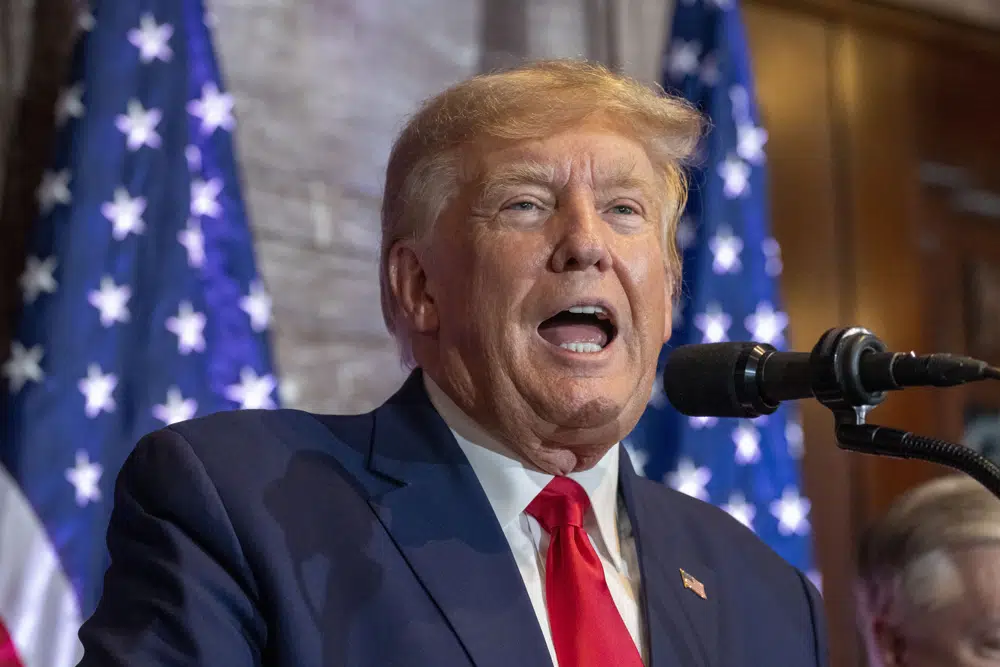
On Thursday, the political world was turned upside down by the indictment of former President Donald Trump. Congressmen Gary Palmer, Barry Moore, Dale Strong, and Mike Rogers, along with Senator Tommy Tuberville, all issued statements denouncing the actions of the Manhattan District Attorney as a political prosecution. The indictment was announced Thursday that a Manhattan grand jury had voted to indict President Trump. The indictment was sealed, so the specific charge or charges are not publicly known. “What we are seeing is the attempted political assassination of a former President. Manhattan District Attorney Alvin Bragg’s spurious legal case should never have been entertained, and his flagrant abuse of the justice system is leading the nation down a very dark and dangerous path,” Rep. Palmer wrote on Facebook. “A path where one side weaponizes the law to attack their political opponents inciting more distrust of our judicial system and undermining the future of our democracy. For the good of the nation, this case should immediately be thrown out.” “This is a dark day in American history,” said Rep. Moore in a press release. “The arrest of President Trump demonstrates more than ever how the Democrats have weaponized the government against the American people. As a member of the House Judiciary Committee, I am committed to holding the Soros-backed Manhattan District Attorney accountable by requesting to review all documents in this case and working to ensure that federal funds are not used on this political witch hunt.” “I am deeply disturbed by Manhattan District Attorney Alvin Bragg’s pursuit of bogus charges against President Trump,” Rep. Rogers said. “Should he choose to go through with indicting President Trump, it would be a slap in the face to the American judicial system and an absolute disgrace. This drawn-out political witch hunt is another example of the radical Left’s weaponization of the law against President Trump and conservatives. Moreover, violent crime in New York has skyrocketed under Bragg’s watch, and one of America’s most richly historic cities has descended into mayhem. Instead of pursuing sham charges, Bragg should either focus his time on protecting New Yorkers from violent criminals or resign immediately.” “Indicting a former President is an unprecedented step, and it’s a threat to our democracy,” Sen. Tuberville wrote on Twitter. “Stop the witch hunt now.” “This is nothing more than a political witch hunt and an abuse of office by the Manhattan District Attorney,” said Rep. Strong on Twitter. “We must not stand for the politicization of our nation’s justice system to influence elections.” Speculation is that the charges are related to an alleged payoff made to former porn star Stormy Daniels before he was elected president. Trump is expected to turn himself in and appear in court on Tuesday at 2:15 p.m., according to the Washington Post. Trump is the clear Republican frontrunner for the 2024 Republican presidential nomination. It is not known how Thursday’s indictment will affect Trump’s campaign. An indictment merely means that the state has made an accusation. Trump, like every American accused of a crime, is presumed to be innocent until he is convicted of a crime by a jury of his peers. To connect with the author of this story or to comment, email brandonmreporter@gmail.com.
Donald Trump indicted; 1st ex-president charged with crime
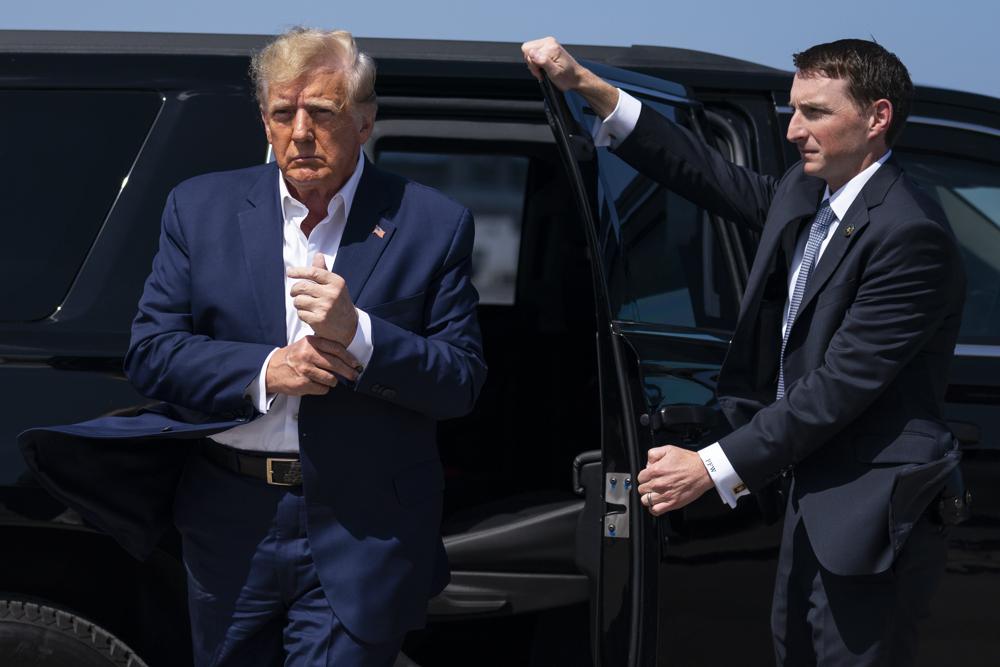
Donald Trump has been indicted by a Manhattan grand jury, prosecutors and defense lawyers said Thursday, making him the first former U.S. president to face a criminal charge and jolting his bid to retake the White House next year. The charges remained under seal late Thursday, but the investigation centered on payments made during the 2016 presidential campaign to silence claims of an extramarital sexual encounter. Prosecutors said they were working to coordinate Trump’s surrender, which could happen early next week. They did not say whether they intended to seek prison time in the event of a conviction, a development that wouldn’t prevent Trump from seeking or winning the presidency. The indictment, an extraordinary development after years of investigations into Trump’s business, political and personal dealings, injects a local district attorney’s office into the heart of a national presidential race and ushers in criminal proceedings in a city that the ex-president for decades called home. Arriving at a time of deep political divisions, the charges are likely to reinforce rather than reshape dueling perspectives of those who see accountability as long overdue and those who, like Trump, feel the Republican is being targeted for political purposes by a Democratic prosecutor. Trump, who has denied any wrongdoing and has repeatedly assailed the investigation, called the indictment “political persecution” and predicted it would damage Democrats in 2024. In a statement confirming the charges, defense lawyers Susan Necheles and Joseph Tacopina said Trump “did not commit any crime. We will vigorously fight this political prosecution in court.” A spokesman for the Manhattan district attorney’s office confirmed the indictment and said prosecutors had reached out to Trump’s defense team to coordinate a surrender. Trump was asked to surrender Friday but his lawyers said the Secret Service needed additional time as they made security preparations, two people familiar with the matter told The Associated Press. The people, who couldn’t publicly discuss security details, said Trump is expected to surrender early next week. District Attorney Alvin Bragg left his office Thursday evening without commenting. The case centers on well-chronicled allegations from a period in 2016 when Trump’s celebrity past collided with his political ambitions. Prosecutors for months scrutinized money paid to porn actor Stormy Daniels and former Playboy model Karen McDougal, whom he feared would go public with claims that they had extramarital sexual encounters with him. The timing of the indictment appeared to come as a surprise to Trump campaign officials following news reports that criminal charges were likely weeks away. The former president was at Mar-a-Lago, his Florida estate, on Thursday and filmed an interview with a conservative commentator earlier in the day. For a man whose presidency was defined by one obliterated norm after another, the indictment sets up yet another never-before-seen spectacle — a former president having his fingerprints and mug shot taken, and then facing arraignment. For security reasons, his booking is expected to be carefully choreographed to avoid crowds inside or outside the courthouse. The prosecution also means that Trump will have to simultaneously fight for his freedom and political future, while also fending off potentially more perilous legal threats, including investigations into attempts by him and his allies to undo the 2020 election as well as the hoarding of hundreds of classified documents. In fact, New York was until recently seen as an unlikely contender to be the first place to prosecute Trump, who continues to face long-running investigations in Atlanta and Washington that could also result in charges. Unlike those inquiries, the Manhattan case concerns conduct by Trump that occurred before he became president and is unrelated to his much-publicized efforts to overturn the 2020 presidential election. The indictment comes as Trump seeks to reassert control of the Republican Party and stave off a slew of one-time allies who may threaten his bid for the presidential nomination. An expected leading rival in the race, Florida Gov. Ron DeSantis, called the indictment “un-American” in a statement Thursday night that pointedly did not mention Trump’s name. In bringing the charges, Bragg, the Manhattan district attorney, is embracing an unusual case that was investigated by two previous sets of prosecutors, both of which declined to take the politically explosive step of seeking Trump’s indictment. The case may also turn in part on the testimony of a key witness, Trump’s former lawyer and fixer Michael Cohen, who pleaded guilty to federal charges arising from the hush money payments. The probe’s fate seemed uncertain until word got out in early March that Bragg had invited Trump to testify before a grand jury, a signal that prosecutors were close to bringing charges. Trump’s attorneys declined the invitation, but a lawyer closely allied with the former president briefly testified in an effort to undercut Cohen’s credibility. Trump himself raised anticipation that he would be indicted soon, issuing a statement earlier this month in which he predicted an imminent arrest and called for protests. He did not repeat that call in a fresh statement Thursday, but the New York Police Department told its 36,000 officers to be fully mobilized and ready to respond to any potential protests or unrest. Late in the 2016 presidential campaign, Cohen paid Daniels $130,000 to keep her silent about what she says was a sexual encounter with Trump a decade earlier after they met at a celebrity golf tournament. Cohen was then reimbursed by Trump’s company, the Trump Organization, which also rewarded the lawyer with bonuses and extra payments logged internally as legal expenses. Over several months, Cohen said, the company paid him $420,000. Earlier in 2016, Cohen also arranged for the publisher of the supermarket tabloid the National Enquirer to pay Playboy model Karen McDougal $150,000 to squelch her story of a Trump affair in a journalistically dubious practice known as “catch-and-kill.” The payments to the women were intended to buy secrecy, but they backfired almost immediately as details of the arrangements leaked to the news media. Federal prosecutors in New York ultimately charged Cohen in 2018 with violating federal campaign finance laws, arguing that the
Florida’s Ron DeSantis issued six executive orders from March 20 to March 26
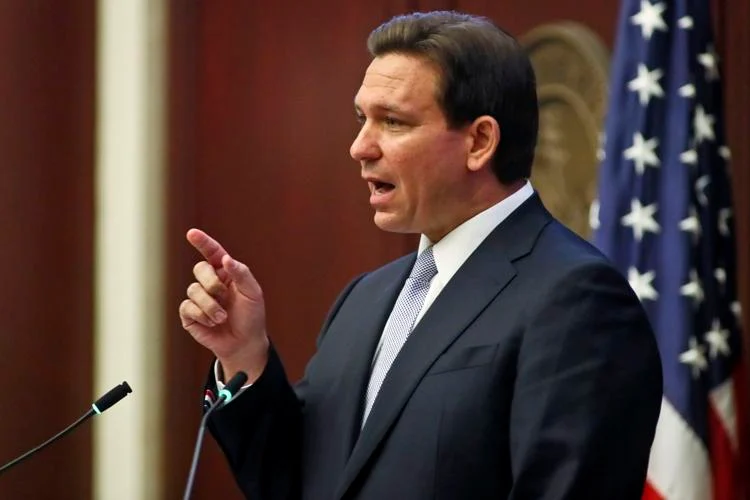
Florida Gov. Ron DeSantis issued six executive orders from March 20 to March 26. As of March 26, DeSantis has issued 64 executive orders in 2023 — 11 fewer than he did at this point a year ago. Three of the orders are below: Governors use executive orders to manage executive branch operations. During the week of March 20-26, the nation’s governors issued 20 executive orders. DeSantis issued the most with six. Governors in 38 states issued the fewest with zero. Democratic governors issued five of the 20 orders, while Republican governors issued 15. DeSantis has served as governor since Jan. 8, 2019. He issued 272 executive orders in 2022 and 246 in 2021. Nationally, governors issued at least 1,559 executive orders in 2022. Governors have issued 369 executive orders in 2023. Republican governors issued 229, while Democratic governors issued 140. Florida is a Republican trifecta, meaning Republicans control the governorship and both chambers of the state legislature. Republished with the permission of The Center Square.
Mississippi pushes more state policing in mostly Black city
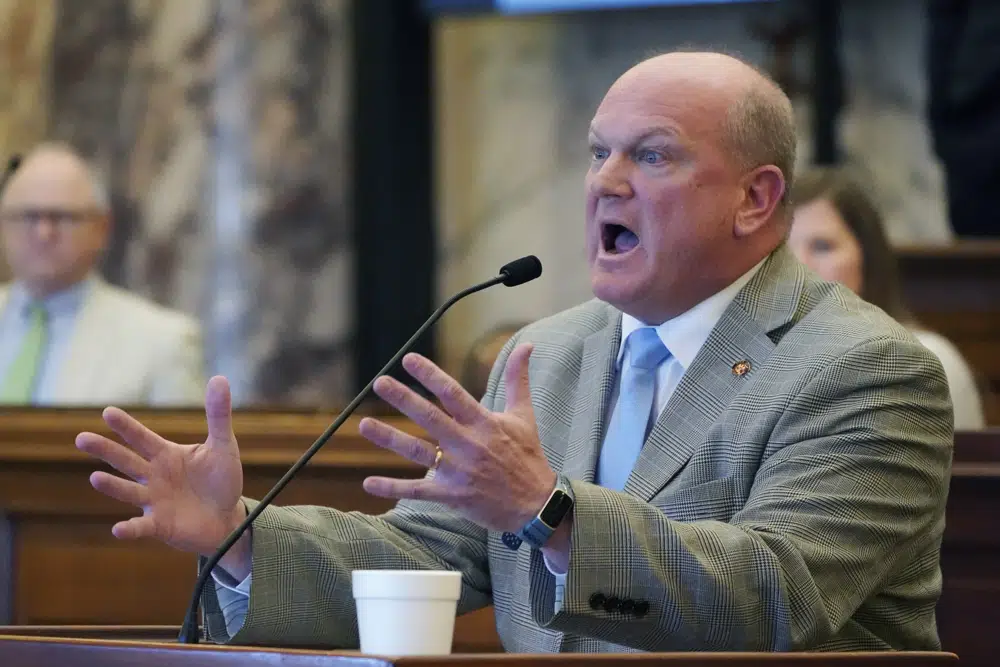
The majority-white and Republican-led Mississippi Legislature is taking final steps to expand the territory of a state-run police department inside the capital city of Jackson, which is majority-Black and governed by Democrats. Critics say the proposal would stomp on local self-governance and create unequal systems of justice in different parts of Jackson, which has the highest percentage of Black residents of any major U.S. city. Supporters say they are trying to reduce crime in a city of about 150,000 residents, which had more than 100 homicides for each of the past three years. Senators on Thursday passed the final version of a bill that Democratic Sen. John Horhn of Jackson called “toxic,” with 31 Republicans voting yes and 15 Democrats voting no. The House is expected to pass the bill Friday and send it to Republican Gov. Tate Reeves. He has not said whether he will sign it, but he has often said Jackson has a crime problem. Most Republicans left the Senate chamber during the debate Thursday, leaving Democrats to give speeches to a room chamber full of empty chairs. Democratic Sen. Barbara Blackmon of Canton, who is Black, compared the proposal to laws that racist white people enacted to suppress Black people after Reconstruction. “It’s essentially (creating) a police state right here in the city of Jackson,” Blackmon said. Republican Sen. Brice Wiggins of Pascagoula, who is white, said moments later that Blackmon is good at making headline-grabbing statements that unfairly portray Mississippi as hostile. “This is not about race,” Wiggins said. “This has truly been about helping the citizens of Jackson in a time of need.” The proposal for state control has angered Jackson residents who don’t want their voices diminished in local government, and it is the latest example of the long-running tensions between the Republican-run state government and the Democratic-run capital city. The plan would create a temporary court within a Capitol Complex Improvement District inside a portion of Jackson. The judge would not be required to live in Jackson and would be appointed by the Mississippi Supreme Court chief justice. The current chief justice is a conservative white man. The court would have the same power as municipal courts, which handle misdemeanor cases, traffic violations, and initial appearances for some criminal charges. Most municipal judges are appointed by city officials. Jackson has a Black mayor and majority-Black city council. An earlier version of the bill would have created a court with broader powers similar to courts with elected judges. Republished with the permission of The Associated Press.
Chip Brown: Time for Alabama to fight against the oppression of environmental, social, governance investing

In order to advance their radical agenda, “woke” liberals have weaponized the national media, activist judges, special interest groups, and others against anyone who does not embrace the tenets of leftist dogma. Their newest bludgeon against independent and conservative thinkers are politically correct corporations, hedge funds, and financial institutions that base their investments upon a strict policy known simply as ESG, which stands for Environmental, Social, and Governance. Any investment opportunities whose policies do not check the appropriate ESG boxes according to liberal orthodoxy are deemed inappropriate for funding and are left to wither on the vine. Does your company oppose the Paris Accords or reject the Chicken Little hokum known as climate change? You are denied investment. Does your company donate to Republican candidates or support conservative causes? You are denied investment. Does your company hire and promote the best and brightest rather than adhering to a strict diversity and inclusion quota system? You are denied investment. In essence, ESG replaces free markets with a liberal mob mentality that seeks to force its values on companies through intimidation, coercion, and financial starvation. Even worse, companies that simply chose to remain apolitical and avoid taking positions on controversial issues, initiatives, and causes labeled as vital by the radical left are also tossed aside like yesterday’s trash. Who does ESG hurt? The simple one-word answer is “everyone” – customers, employees, employers, and those who hold shares in either the company being denied or the company doing the denying. For all of these reasons and dozens more like them, I am sponsoring House Bill 188, which prohibits the consideration of ESG criteria when Alabama’s state government awards public contracts. The legislation also prohibits companies that receive public contracts from subjecting their employees to personal ESG ratings for hiring, firing, or promotion purposes. Alabama’s state government should only do business with companies that want to help Alabama prosper, not those that seek to impose their radical political views on others. Nor should our state government engage with businesses that actively discriminate in hiring practices based upon the New Age gospel of ESG. Under ESG policies, essential American industries are subjected to boycott, divestment, and punishment by large corporations and public and private institutional investors. Among the industries targeted for attack and closure by ESG practices are fossil fuel production, firearms manufacturing, timber, and agriculture, all of which operate within Alabama and provide thousands of stable, well-paying jobs to the working families who live here. ESG advocates often force companies to take positions in the political arena on issues that may have nothing to do with the company’s actual business activities – such as Alabama’s strongest-in-the-nation, pro-life law, our constitutional carry firearms act, or our efforts to discourage illegal immigration within the state. Alabama’s challenges in constructing new prison facilities have been caused, in part, by the fact that ESG advocates oppose mass incarceration and intimidated financial institutions that could have provided long-term financing. In reality, companies succumbing to ESG demands are signaling their dereliction of fiduciary duty to those who have invested in their companies, and if a company is not willing to serve its shareholders well, it is likely not willing to serve the state of Alabama well, either. This inappropriate application of a political agenda should be met with a clear response by economic freedom-loving people in Alabama not to participate. It is time for elected officials, shareholders, and average Alabamians in every city, town, and crossroad to unite against the undemocratic investment framework the ESG movement has weaponized against them, and passage of HB188 will begin that revolution. Chip Brown represents District 105. He was elected to the Alabama House of Representatives in 2018.
