
Cygnal’s national presence amplified with Harper Polling acquisition
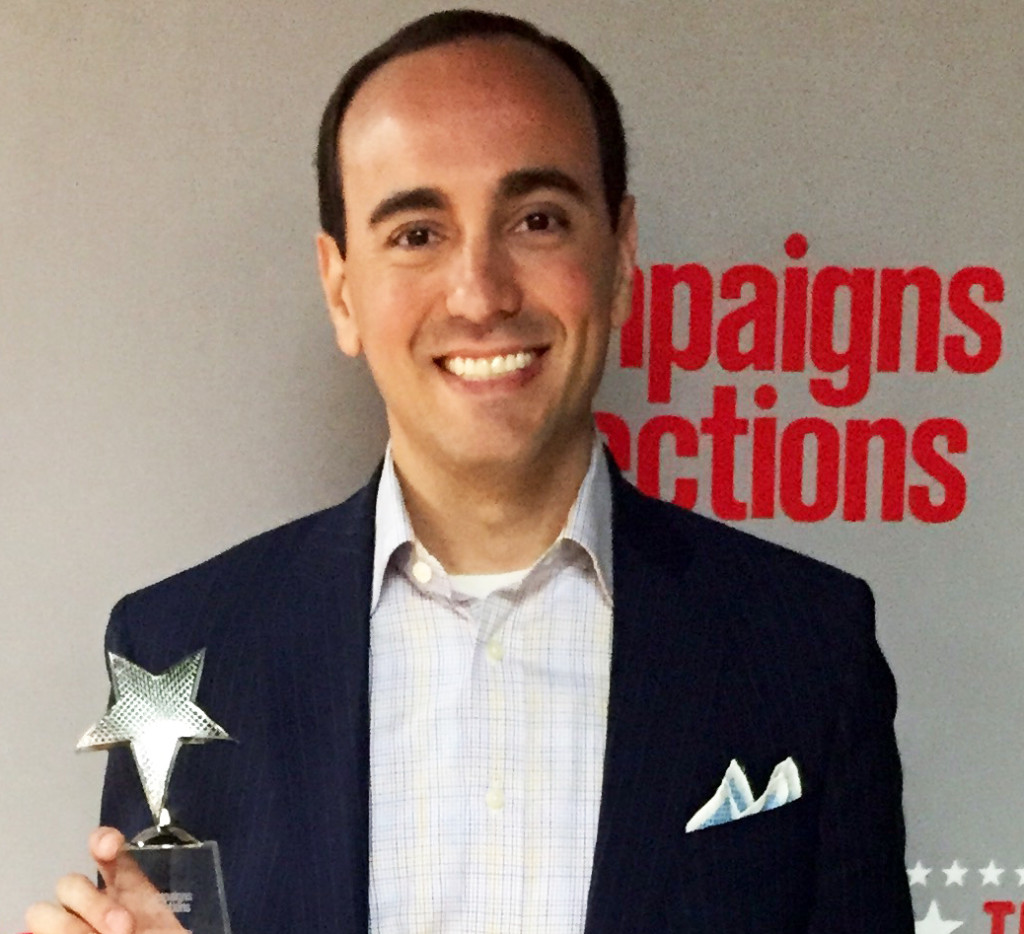
Alabama based Cygnal Polling has expanded its reach and team with the acquisition of Harper Polling. Harper Polling describes itself as “the boutique polling firm with a national reputation.” Founded in 2012 and headed by President Brock McCleary, Harper Polling specializes in research that explores and explains public opinion for decision-makers across many industries. Located in Montgomery, Cygnal has been recognized by the New York Times as being the most accurate polling firm in the nation. In a recent analysis by FiveThirtyEight.com, when scoring the accuracy of races called correctly, Cygnal scored a 92%, and Harper Polling scored a 91%. With this acquisition, Cygnal will operate in 47 states and countries. Cygnal CEO and founder Brent Buchanan said the acquisition accelerates Cygnal growth in the polling and market research industry. “The nation is changing as fast as our technology is, and each year it gets harder and more complex to accurately assess where the pulse of the American people is on the toughest questions our society faces,” Brent Buchanan explained in a statement. He went on to say, “The number of firms that can understand this fast-changing landscape of how voters and customers feel, think, and communicate is very small. We are confident that with the addition of Harper Polling’s amazing team, no firm in the nation can match Cygnal’s ability to understand where the American people stand, and where opinion is headed.” Previously McCleary served as Polling Director and Deputy Political Director at the National Republican Campaign Committee. He has also served as the Senior Advisor to the NRCC for battleground evaluation and resource allocation. McCleary will help open Cygnal’s Pennsylvania office with the entire Harper team.
Midterms reveal South split along urban, rural differences
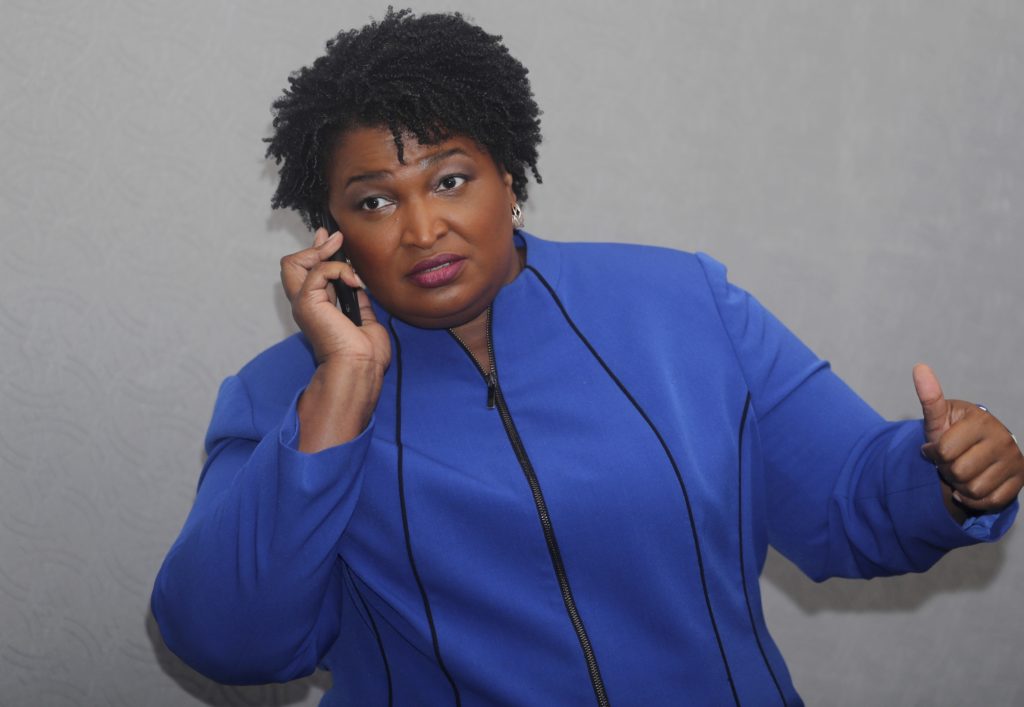
The Solid South is no more. A century of rule by “Southern Democrats” followed by a generation of Republican domination is evolving into something more complex. This month’s midterms revealed a South that is essentially splitting in two. In states like Georgia and Texas, population growth and strong minority turnout propelled liberal Democrats such as Stacey Abrams and Beto O’Rourke to come close to statewide victories once thought impossible. Yet the Old Confederacy states in between are mostly holding to form, with white majorities giving President Donald Trump high marks and conservatives a clear advantage going forward. An Associated Press analysis of election returns along with data from AP VoteCast, a national survey of more than 115,000 midterm voters, found two factors largely driving election outcomes. Competitive races required both a racially diverse electorate and Democratic success in building support from white voters in growing metro areas. One or the other wasn’t enough. For instance, Democratic hopes to make inroads in Kentucky and Tennessee failed because there weren’t enough minority voters to rely on. Meanwhile, the GOP maintained its grip on Alabama and Louisiana, states that have a significant minority population but where white voters in metro areas often voted in line with their rural counterparts. The same scenario could play out Tuesday in Mississippi’s runoff election for a Senate seat. That’s what makes Georgia and Texas stand out: The two factors were simultaneously in play to turn statewide elections competitive for the first time in a generation. That didn’t translate into victory for Abrams or O’Rourke, but the results could help Democrats navigate the upcoming debate over the type of presidential candidate to select. It could also help the party decide where to send financial and organizational resources. Trump, meanwhile, may have to pay more attention to places that have traditionally been loyal to the GOP. “The story is the rise of the Southern city centers and the surrounding areas,” said Republican pollster Brett Cowden, whose Alabama-based firm Cygnal has polled and led campaigns across the region. “People are moving there from all over, and they tend to be under 50 and college educated. Those are problem areas for Republicans.” Democrats are happy to embrace those changes, even if they’re not uniform. “What we’re talking about here is parts of the South starting to look like the rest of the battlegrounds around the country, where Democrats can stitch together a diverse coalition and win,” said Boyd Brown, a Democratic consultant and former state lawmaker from South Carolina. “But then we still have such a bad brand with small-town whites,” said Brown, who is white and comes from a rural part of the state. Virginia has already made a significant transition following decades of growth in the Washington suburbs that pushed the state from a GOP advantage to a two-party toss-up and now to the edge of becoming firmly Democratic. That trend could accelerate after Amazon picked Arlington, Virginia, as one of its new headquarters, potentially flooding the area with tens of thousands of new voters. At the other end of the spectrum is Mississippi, where the Old South’s racial politics has been on stark display ahead of the Senate runoff between Republican Cindy Hyde-Smith, who is white, and Democratic former Agriculture Secretary Mike Espy, who is black. Falling between Virginia and Mississippi is perpetual toss-up Florida; North Carolina, which has been a presidential battleground since 2008; and Georgia, which could debut as a presidential battleground in 2020 after Abrams’ got a surprising 49 percent of the vote in her bid to become America’s first black female governor. “Understand this is no longer a red state,” Abrams said in an interview, insisting the 2020 Democratic presidential nominee should “contest Georgia.” Texas is a wild card, with O’Rourke coming within 3 percentage points of Republican Sen. Ted Cruz in a state Trump won by 9 points in 2016. AP VoteCast, a nationwide survey of the American electorate conducted for The Associated Press by NORC at the University of Chicago, demonstrates the dynamic playing out across the South. Nationally, whites made up 74 percent of the electorate. Among small-town and rural whites (30 percent of the electorate), 63 percent backed a Republican House candidate, compared with 35 percent for Democrats. Suburban whites (33 percent of the electorate) split 51 percent for Republicans and 46 percent for Democrats. Urban whites (11 percent of the electorate) sided with Democrats, 57 percent to 40 percent. Whites in Virginia voted much like whites nationally, but the composition of the electorate was modestly different. Small-town and rural whites solidly supported Republicans but made up a slightly smaller share of the Virginia electorate compared with the electorate nationally. Suburban whites, meanwhile, were divided in their votes and were a slightly larger share. Georgia saw mixed results, with metro areas gaining strength, but whites in Georgia still leaning far more to Republicans than whites nationally. Abrams drew enough nonwhite voters and white liberals to the polls to outperform Hillary Clinton‘s 2016 presidential vote totals. But Abrams still fell about 55,000 votes short of Brian Kemp because of his nearly 3-to-1 advantage among whites. VoteCast showed 82 percent of small-town and rural white Georgians backed Republican House candidates. The Republican advantage was 68 percent to 30 percent among suburban whites. The margin among urban whites was narrow, 52 percent for Democrats to 46 percent for Republicans. Still, the long-term trends could be a warning sign for Republicans. Those rural whites cast 26 percent of ballots, and suburban whites cast 30 percent — both figures modestly lagging the national marks and likely to shrink as Democrats’ base in Atlanta grows. Tennessee showed Democrats’ reliance on nonwhite voters even where there is a growing metro area like Nashville. Whites in Tennessee trended slightly less Republican than in its neighbors to the south, but nonwhites made up just 17 percent of the electorate — compared with 38 percent in Georgia. The result: Democrat Phil Bredesen lost the Senate race by double digits.
Alabama polling firm tests Taylor Swift’s political influence
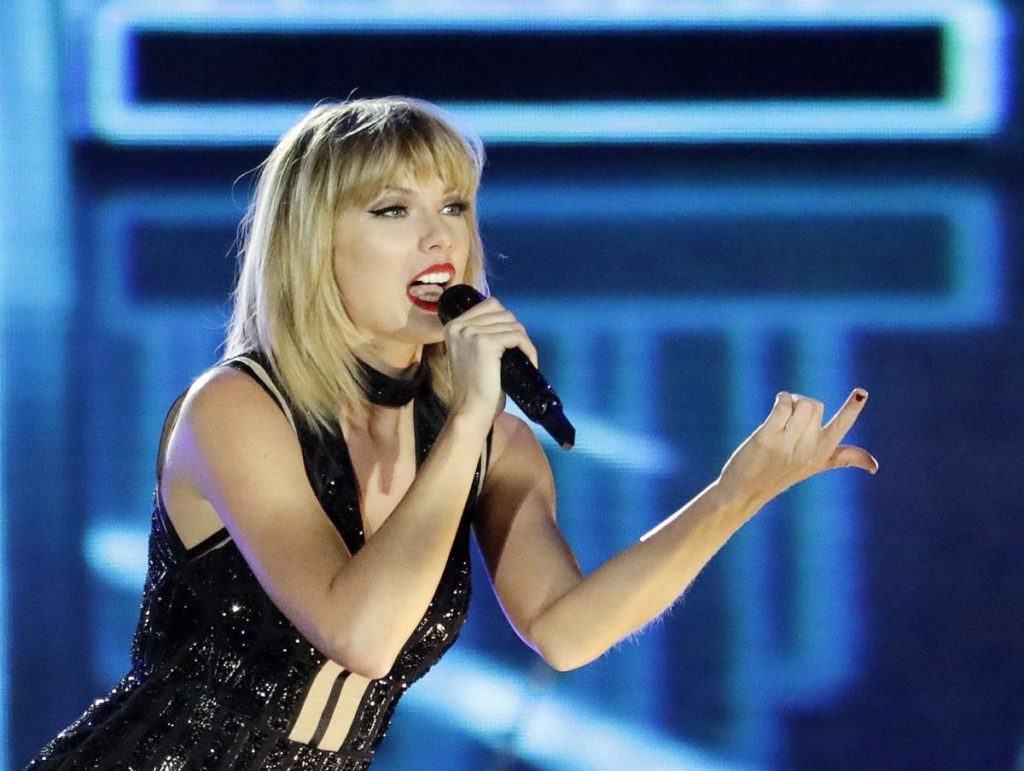
Oooh, look what she made you do. According to Vote.org, 28-year-old country-to-pop superstar Taylor Swift swayed more than 65,000 nationwide to sign-up to vote in the 24 hours following her surprise Instagram endorsement of Democrat Phil Bredesen in the Tennessee U.S. Senate race last week. But according to new a new poll released Tuesday by Alabama-based Cygnal, a Republican polling and research firm, Swift’s “big reputation” did little to actually move the needle in the race against Republican Marsha Blackburn. With only 23 days left until the November 6 midterm elections, Cygnal found more than 86 percent of those polled say their vote hasn’t changed, despite 82 percent of respondents indicating they were aware of the endorsement altogether. “Millennial and Gen Z voters are highly aware of the endorsement of the Democrat, but it did little to move their vote preference,” said Matt Hubbard, VP of Research & Analytics at Cygnal. “Swift’s endorsement is providing a boost to get-out-the-vote efforts, but we’re seeing minimal impact on the race.” The statewide survey, conducted October 13-14, of 414 likely general election voters under the age of 35 in Tennessee, shows Democrat Phil Bredesen (50 percent) with a 14-point lead over Republican Marsha Blackburn (36 percent) in this age segment. 10 percent of young voters remain undecided. “Anytime a celebrity endorses a candidate or speaks publicly about their political views, there’s always a risk of alienating fans on the other side of the aisle,” said Brent Buchanan, Cygnal’s President and Founder. “In this case, Swift’s endorsement may lead to ‘Bad Blood’ with her conservative fans.” Respondents that were swayed by Swift’s choice to ‘Speak Now’ were split between the candidates, with 5 percent saying that they would now support Bredesen, and 6 percent indicating they would now vote for Blackburn. The Swiftie Effect “Swifties” or Swift superfans, respondents who attended 4-5 of her concerts, heavily favor Bredesen: 48 percent-26 percent. His lead swells to +52 among concert-goers who’ve attended at least six of Swift’s shows, but the race is tighter among less passionate fans. Respondents who have attended only one of her concerts are evenly split between the two U.S. Senate candidates, with Bredesen polling +1. Swift’s endorsement This was Swift’s first political endorsement. The star has stayed silent on her political views for years. “In the past I’ve been reluctant to publicly voice my political opinions, but due to several events in my life and in the world in the past two years, I feel very differently about that now,” Swift wrote in her Instagram post. “I always have and always will cast my vote based on which candidate will protect and fight for the human rights I believe we all deserve in this country.” It remains to be seen whether this will be the first and last of Swift’s endorsements, or if she’ll do it over and over and over again. Read Swift’s full Instagram endorsement below: View this post on Instagram I’m writing this post about the upcoming midterm elections on November 6th, in which I’ll be voting in the state of Tennessee. In the past I’ve been reluctant to publicly voice my political opinions, but due to several events in my life and in the world in the past two years, I feel very differently about that now. I always have and always will cast my vote based on which candidate will protect and fight for the human rights I believe we all deserve in this country. I believe in the fight for LGBTQ rights, and that any form of discrimination based on sexual orientation or gender is WRONG. I believe that the systemic racism we still see in this country towards people of color is terrifying, sickening and prevalent. I cannot vote for someone who will not be willing to fight for dignity for ALL Americans, no matter their skin color, gender or who they love. Running for Senate in the state of Tennessee is a woman named Marsha Blackburn. As much as I have in the past and would like to continue voting for women in office, I cannot support Marsha Blackburn. Her voting record in Congress appalls and terrifies me. She voted against equal pay for women. She voted against the Reauthorization of the Violence Against Women Act, which attempts to protect women from domestic violence, stalking, and date rape. She believes businesses have a right to refuse service to gay couples. She also believes they should not have the right to marry. These are not MY Tennessee values. I will be voting for Phil Bredesen for Senate and Jim Cooper for House of Representatives. Please, please educate yourself on the candidates running in your state and vote based on who most closely represents your values. For a lot of us, we may never find a candidate or party with whom we agree 100% on every issue, but we have to vote anyway. So many intelligent, thoughtful, self-possessed people have turned 18 in the past two years and now have the right and privilege to make their vote count. But first you need to register, which is quick and easy to do. October 9th is the LAST DAY to register to vote in the state of TN. Go to vote.org and you can find all the info. Happy Voting! 🗳😃🌈 A post shared by Taylor Swift (@taylorswift) on Oct 7, 2018 at 4:33pm PDT
Poll leaves State Auditor race out of general election altogether
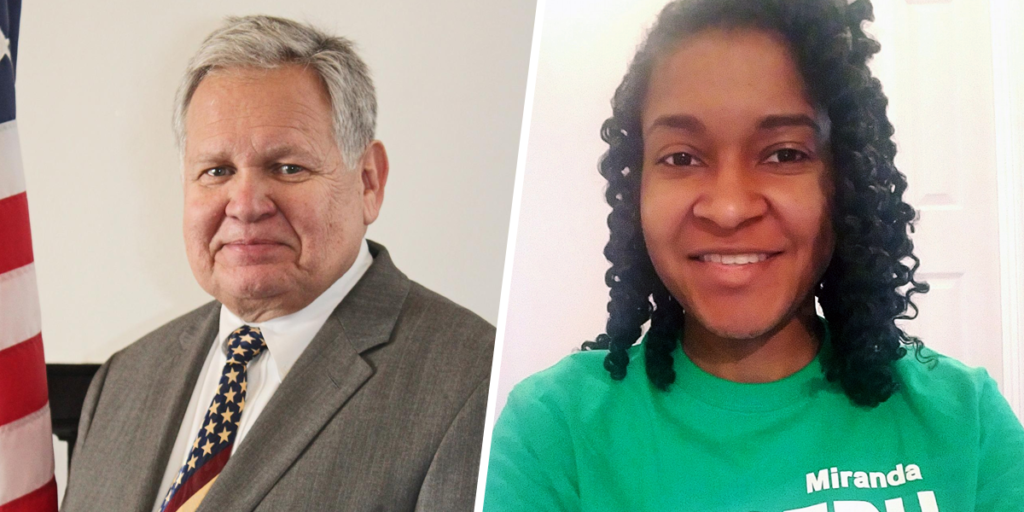
With the November 6 General Election less than 100 days away, candidates are anxious to know where they stand in the polls. On Monday Cygnal, a Montgomery, Ala.-based political data firm, posted polling results for the General Election with an unexpected twist: the State Auditor’s race was completely missing. Cygnal polled 1,027 likely general election voters from July 24-25 asking which candidates the survey participants were most likely to vote for. The survey included all statewide elections and their candidates except Agriculture and Industries Commissioner Rick Pate who faces no Democratic opponent and has presumably already won his November election, and the State Auditor’s race. “I always wear it as a badge of honor when I am left out of polls, commentaries, analyses, contribution lists, invitation lists, etc,” State Auditor Jim Zeigler said. “It is amazing how often the politicos act as if there is no State Auditor. Though the pollsters and politicos hide it, I won the Republican nomination without a runoff and am on the ballot Nov. 6 against a Democrat opponent.” Zeigler won his primary election with 55 percent of the vote and now faces Democratic opponent Miranda Joseph in the November general election; causing a bit of deja-vu for voters as Zeigler previously defeated Joseph in 2014. “We couldn’t afford to put Jim Ziegler in the survey because he would’ve dominated the Democratic opponent at an embarrassing level,” said Matt Hubbard, Cygnal VP Research, jokingly. “Actually, we totally forgot to include the race.” The results of the poll were fairly conclusive: big wins for Republicans. According to the release by Cygnal, the survey they conducted shows Republicans with a “14-point lead over Democratic candidates, with incumbent Governor Kay Ivey leading Tuscaloosa Mayor Walt Maddox 56% to 42%.”
Shocking new poll out with completely obvious general election results
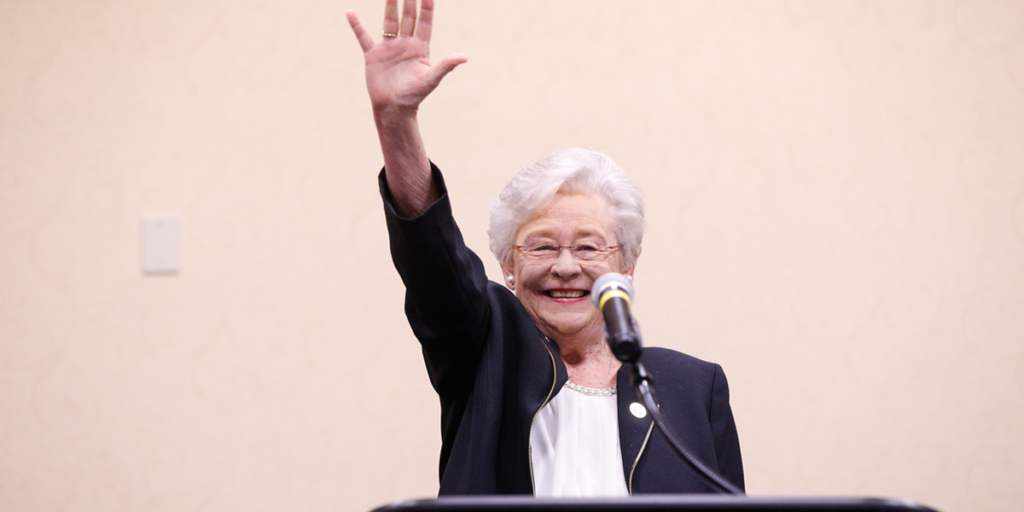
Breaking news alert: According to a poll released by Alabama’s own Cygnal polling firm, Kay Ivey is going to win the Alabama general election and keep her place in the governors office. According to the release by Cygnal, “The survey conducted July 24 – 25, with 1,027 likely general election voters, shows Republicans with a 14-point lead over Democratic candidates, with incumbent Governor Kay Ivey leading Tuscaloosa Mayor Walt Maddox 56% to 42%.” Pause for dramatic effect. Think about it… who could have possibly predicted such an outcome? Then, you realize anyone with the ability to play the old fashioned grade school greater than or less than game with basic numbers could have predicted it. Why? Because voter registration, voter turn-out… you know, the little things in political life add up to victory. Yes, people have talked about a “blue wave” across the country this cycle. But those people are “kooky dukes,” as Maui favorite character Moana would say, if they actually think a blue wave is coming to Alabama. And if you say “Doug Jones,” I’m going to give you some side eye and smile politely while refusing to tell you how that’s irrelevant here. The fact is: Alabama is a conservative state. We like our candidates and our elected officials, pro-life, pro-Second Amendment, for smaller government and lower taxes, with a big old “R” behind their names. I don’t see any circumstances in which Kay Ivey doesn’t win the election. Though if there were a candidate who could capitalize on a bad year for Republicans it would be Walt Maddox with his energy, likability and experience but alas it’s not the right time or place for him. Though his candidacy, like Jones’, will help strengthen the very weak Democrat party throughout the state and help them down the road with local and legislative races. Not his fault he doesn’t stand a chance… numbers stand in his way. If you’re curious to see those number, here they are via the Secretary of the State’s website, from all of the general elections in the last 10 years. And in the state of Alabama, Republicans have a significant advantage. On that note, I’m going to go ahead and call the race early. Kay Ivey continues to be governor, and every Republican straight on down the ticket will win too. See ya at the polls!
Alabama campaign consultant Brett Buchanan named national “Republican Rising Star”
Earlier this week, Campaigns & Elections named Alabama campaign consultant Brent Buchanan a 2015 Republican Rising Star. Buchanan is a managing partner at Cygnal, a Montgomery-based campaign and communications firm with offices in Alexandria, Va., and Austin, Texas. “Who would have thought that starting out eleven years ago running and winning Reed Ingram and Dimitri Polizos’ county commission campaigns would lead to receiving a national political award,” Buchanan said in a statement on Wednesday. “Those who have won the Rising Star award in the past have gone on to run presidential campaigns and manage multi-million dollar political firms, so it’s an honor to be among many greats in the business.” According to the C&E website, “Since 1988, Campaigns & Elections has recognized the up-and-comers of the campaign world with its coveted Rising Star award. Over the years, Rising Star recipients have climbed to the heights of politics, launching dozens of successful consulting firms and serving at the highest levels of state and federal campaigns. “It’s one of the most prestigious honors in the campaign world for a reason: industry giants are counted among the ranks of former Rising Stars. C&E Rising Stars have served in senior positions on the presidential campaigns of every major party nominee since 1992.” This year’s Rising Star awards were presented at the annual Art of Political Campaigns conference held July 27-28 at the House of Sweden, part of the Swedish Embassy complex in Washington, D.C. At the event, Buchanan personally accepted the award. More information about Buchanan and other Rising Star winners is here.
