
An angry weekend follows on heels of frustrations for Donald Trump
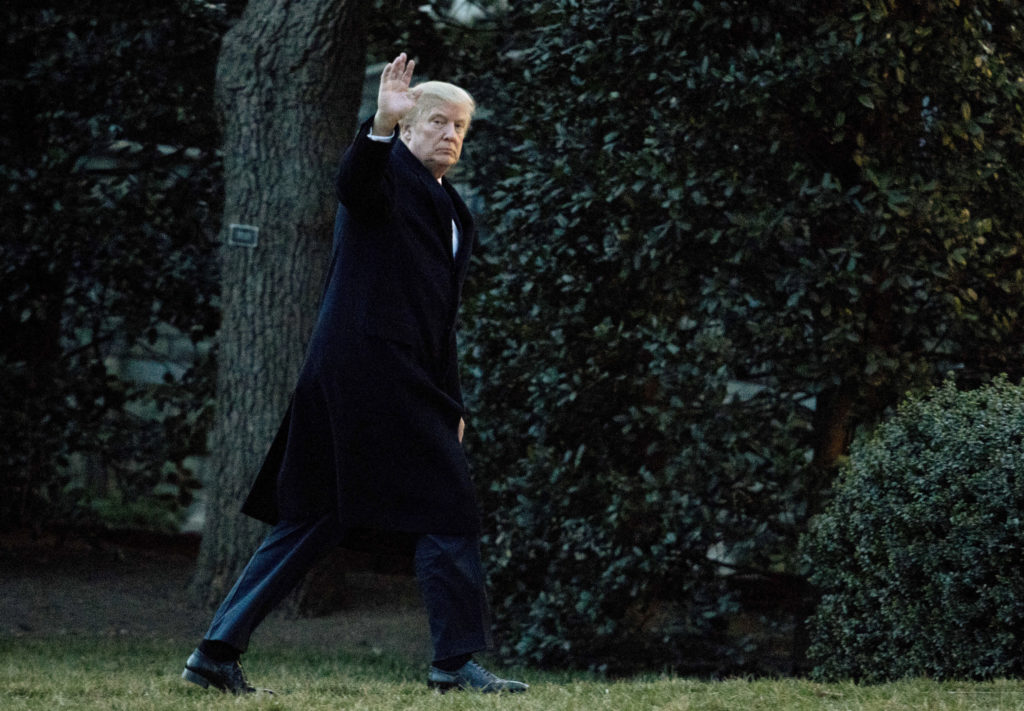
President Donald Trump started his weekend in Florida in a fit of anger over his young administration getting sidetracked just days after his most successful moment in office. He returned to the White House late Sunday derailed — again. Trump’s frustration appeared to be both the symptom and the cause of his recent woes. Angry about leaks, errant messaging and his attorney general landing in hot water, he fired off a series of tweets that only ensured more distractions. His staff had hoped to build on the momentum generated by his speech to Congress by rolling out his revamped travel ban and, potentially, unveiling his health care plan. Those efforts rapidly unraveled, sparking more staff infighting and enraging a president loath to publicly admit a mistake and eager to shift the blame onto others. And now, as Trump begins one of the most pivotal weeks yet for his presidency, his staff is facing the fallout from another allegation of close ties to Russia and the president’s unsubstantiated claims that his predecessor ordered him wiretapped during the campaign. Trump simmered all weekend in Florida before returning to Washington ahead of signing new immigration restrictions, according to associates who spoke to the president and, like others interviewed, requested anonymity to discuss private conversations. Those close to Trump said it was the angriest he’s been as president, his rage bursting to the surface at his senior staff Friday afternoon in the Oval Office. Trump was furious about the negative impact of the flap over Attorney General Jeff Sessions‘ meetings with the Russian ambassador to the U.S. He told one person he personally felt let down that his senior staff were unable to fight back against the story. He also suggested he felt that Sessions’ move to recuse himself from any investigation into administration links to Russia felt like an admission of defeat, said the person who spoke to the president over the weekend but declined to be named discussing private conversations. Sessions’ decision particularly infuriated a president who promised repeatedly during the campaign that he’d “win so much the American people would be tired of winning” and he felt that it was a sign of weakness, the person said. White House chief of staff Reince Preibus, scheduled to travel with Trump to his coastal Palm Beach estate, was told to stay behind. White House chief strategist Steve Bannon also remained in Washington but later flew to Mar-a-Lago. Those close to Trump have said he has had his happiest days as president at Mar-a-Lago. He didn’t cool off there this weekend. Many West Wing staffers who stayed behind in Washington awoke Saturday morning to the chiming of their cell phones. The president was tweeting just after dawn to hurl the extraordinary accusation that President Barack Obama had ordered Trump Tower to be wiretapped, a charge for which Trump provided no evidence. Trump had stayed disciplined on Twitter for days surrounding his congressional speech, but no more. Staffers planning to spend the weekend preparing for the president’s new executive orders were instead sent scrambling to deal with the incendiary tweetstorm, their carefully laid plans again wrecked 140 characters at a time. White House press secretary Sean Spicer, an honored guest at Saturday night’s annual white-tie Gridiron Dinner, a night of witticisms delivered by reporters and politicos alike, spent most of the night with his head buried in his phone, missing many of the jokes, several at his expense. Sessions had been slated to attend the event but canceled after the revelations about his meetings with Russian Ambassador Sergey Kislyak. The first travel ban, which was hastily written with little outside consultation, was struck down by a federal court. Weeks of planning and delays have gone into the second order, one that is also sure to face legal challenges and, were it to suffer a second legal defeat, could have a devastating political impact. Some Trump allies have been frustrated by his conspiracy-mongering about the inauguration crowd size and claims of widespread voter fraud, believing those accusations had become distractions to their agenda. Afraid to upset the mercurial president, they scrambled to fulfill his request to probe the alleged wiretapping. On Sunday, the White House asked Republicans in Congress to search for evidence. Obama’s intelligence chief would soon say no such action was ever carried out, and a U.S. official would confirm that the FBI had asked the Justice Department to dispute the allegation. “I think the bigger thing is, let’s find out. Let’s have an investigation,” said White House spokeswoman Sarah Sanders on ABC. “If they’re going to investigate Russia ties, let’s include this as part of it. And so that’s what we’re asking.” Other Republicans seemed baffled by the charges, which could prove a distraction in the week ahead. “The president put that out there, and now the White House will have to answer as to exactly what he was referring to,” said Florida Sen. Marco Rubio on CNN. But Trump told friends that he was certain he’d be vindicated. “I spoke with the president twice yesterday about the wiretap story. I haven’t seen him this pissed off in a long time,” wrote Christopher Ruddy, a longtime Trump friend and head of NewsMax. “When I mentioned Obama ‘denials’ about the wiretaps, he shot back: ‘This will be investigated, it will all come out. I will be proven right.’” The president, accustomed to a culture of corporate loyalty enforced by iron-clad nondisclosure agreements, also continued to rage about the leaks that have plagued his White House. He blames the leaks, rather than any of his own decisions, for his administration’s shaky start and is threatening to make changes if they continue, according to one person who spoke to him. That could include making the administration’s public case for policies, as he did in a lengthy news conference and his congressional speech, both performances praised by his backers. Trump has been particularly incensed over the leaks about Russia ties, which have dogged him since his
Moral activists to hold Selma voting rights town hall Sunday
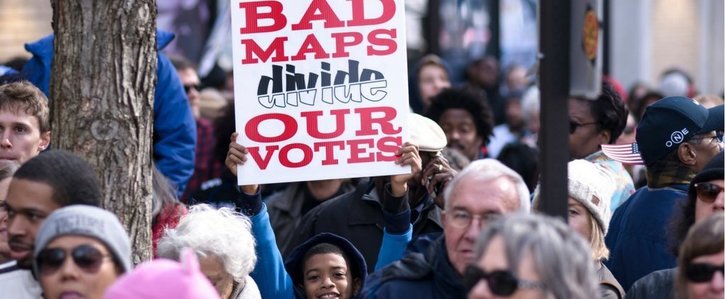
Fifty-two years after the “Bloody Sunday” attacks on marchers at the Edmund Pettus Bridge, a group of moral activists will a hold town hall meeting in Selma Sunday to demand Congress fully restore the 1965 Voting Rights Act. The town hall, co-sponsored by Repairers of the Breach and Forward Justice, will also call on Attorney General Jeff Sessions, himself the former U.S. senator from Alabama, to take a public stand on the full restoration of the Act. The event is open to the public and will be held 7 p.m. – 8:30 p.m. CT at the Dallas County Courthouse second floor courtroom, 102 N Lauderdale St. in Selma. Democratic State Sen. Hank Sanders of Selma will co-host and present at the town hall meeting. Repairers of the Breach is a national organization to develop, train and support state-based moral movements. Forward Justice, a law, policy and strategy center dedicated to civil rights, racial justice, and social and economic change in the South. Among the local leaders at the town hall include Rev. Dr. William J. Barber II, president and senior lecturer of Repairers of the Breach, pastor of Greenleaf Christian Church, and architect of the Moral Mondays movement; Attorney Penda Hair, legal director of Forward Justice; and Ari Berman, national voting rights advocate and author of “Give Us the Ballot.” Barber and Hair have led statewide efforts in North Carolina to fight voter suppression tactics, including their recent work to secure “a federal appeals court victory that stopped extremist legislators’ efforts to “target African-Americans with almost surgical precision,” as reported by The New York Times. “This Sunday marks 1,349 days since the 2013 Supreme Court decision, Shelby County v. Holder, weakened Section 5 of the VRA, opening the door to voting law changes without federal pre-clearance in states with a history of discrimination,” Barber said in a statement. “The Republican-led Congress has refused to fix and fully restore the Voting Rights Act, which means we have less voting rights protections today than on Aug. 6, 1965 when the VRA was passed. We know claims of vast voter fraud are proven lies, but the courts have shown that voter suppression efforts are alive and well in our country. This is especially true in the South.” On Friday, Barber, Hair, and a group of moral activists delivered an open letter to the Department of Justice calling on Sessions to take a public stand for the full restoration of the Voting Rights Act in 2017. The letter calls Sessions “to higher ground,” insisting that he use the office of Attorney General to “protect States and jurisdictions where extremist legislators are actively working to suppress black, brown and poor white voters.”
NAACP sounds alarm on ‘decline’ in civil rights commitment
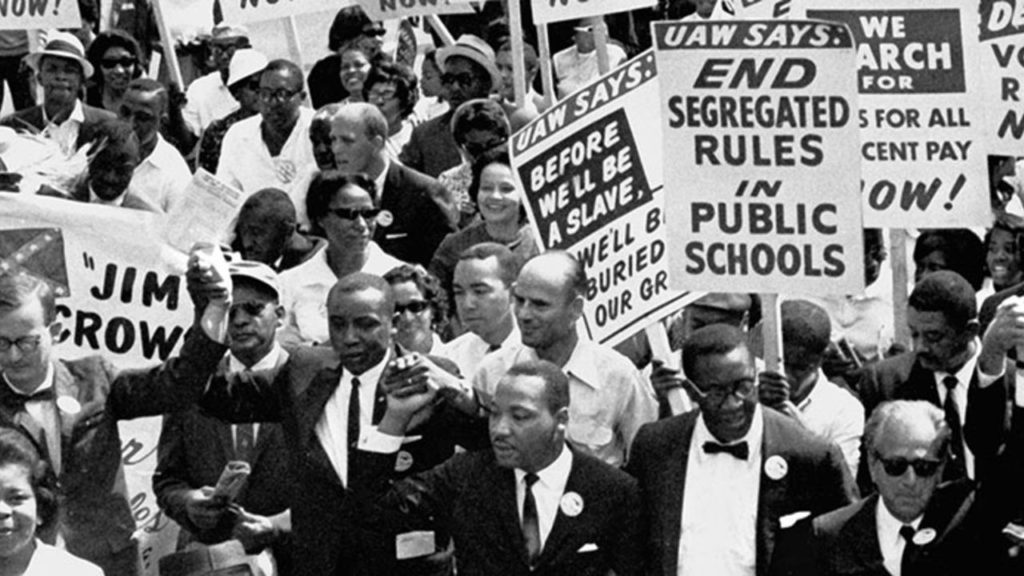
The head of the NAACP says he met with Attorney General Jeff Sessions over concerns that recent policy changes “signal a threatening decline” in the Justice Department’s commitment to civil rights. The Friday meeting came after Sessions suggested the agency would pursue fewer federal investigations of troubled police departments. The Justice Department this week also abandoned an Obama-era challenge to a key aspect of Texas’ voter ID law that is among the toughest in the nation. NAACP President Cornell William Brooks says those changes are troubling. He says they “imply a disturbing departure” from the Justice Department’s enforcement of civil rights laws. Sessions said this week that too much federal scrutiny on police departments could cause officers to be less effective in crime-fighting. The Justice Department did not immediately comment on the meeting. Republished with permission of The Associated Press.
Alabama’s senators stand by Jeff Sessions amid Russia criticism
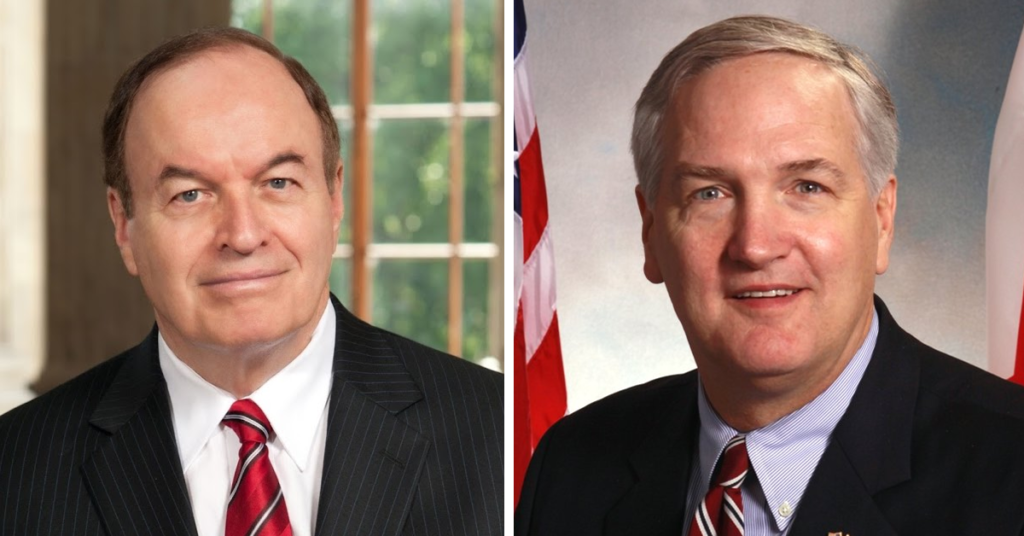
Alabama’s senior U.S. Sen. Richard Shelby offered public support to his former colleague turned Attorney General, Jeff Sessions, on Thursday following reports the former Alabama senator intentionally misled his colleagues during his confirmation hearings about about meeting with the Russian ambassador. “This afternoon I watched Attorney General Sessions’ press conference where he thoroughly explained his responses to the Judiciary Committee,” said Shelby. “As I have said before, I hold Jeff’s integrity in the highest regard and his action solidifies my respect for his leadership.” Shelby, a Republican said he believed Sessions committed no wrongdoing. “I firmly believe that Jeff has committed no wrongdoing and his statement today proves as much. Attorney General Sessions’ decision to recuse himself was wise, and I fully support him,” Shelby concluded. Luther Strange, Alabama’s newly minted senator who filled Sessions vacant seat, echoed Shelby’s support saying the attacks against Sessions are baseless. “Today’s attacks are ugly, and they are entirely baseless,” Strange said in a statement. “Here are the facts: Jeff Sessions has a proven record as a national security watchdog who is tough on Russia. As every Democrat who is criticizing Jeff Sessions knows, meetings between Senators and foreign ambassadors happen nearly every day – they are part of the job, especially for a senior member of the Armed Services Committee.” West Virginia-Democrat U.S. Sen. Joe Manchin went on record Thursday saying he too has met with Russian ambassadors, saying that meetings were “not unusual.” Manchin added it’s typical for senators to “meet with all the ambassadors” to establish a relationship with them and “know where in the world people are coming from.” A ForeignPolicy.com reporter Tweeted Thursday that over 30 Senate Democrats had also met with Russian diplomats. Strange now hopes other Democrats will see their hypocrisy and leave Sessions alone in order to get back to the people’s work. “I am calling on Congressional Democrats to stop this witch hunt and join Republicans in the business of doing what the American people sent us here for – fixing our economy, securing our border, and strengthening our national security,” Strange concluded.
Questions and answers about perjury, Jeff Sessions’ statements
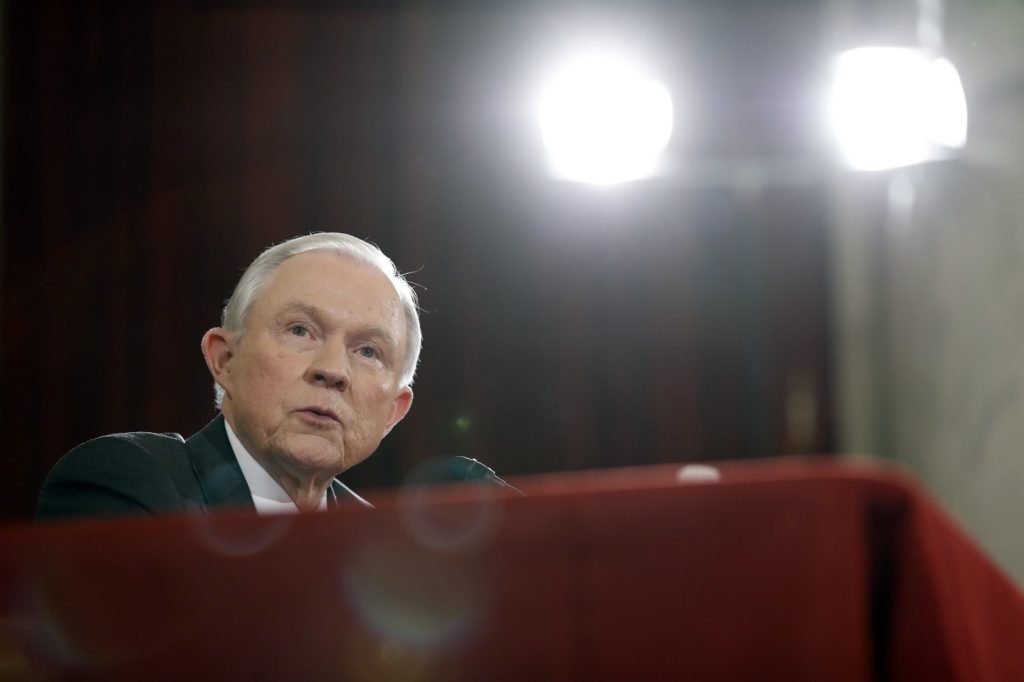
Attorney General Jeff Sessions agreed Thursday to recuse himself from any investigation into Russian interference in the 2016 presidential election. The move came after revelations that Sessions twice spoke with the Russian ambassador during the campaign, a fact that seemingly contradicts sworn statements he made to Congress during his confirmation hearings. Sessions rejected any suggestion that he tried to mislead anyone about his contacts with the Russian, but added that he “should have slowed down and said ‘but I did meet with one Russian official a couple of times.’” Some Democrats demanded an investigation into whether Sessions committed perjury. But perjury is difficult to prove, and experts say Sessions would have a good defense if he needed one. Some questions and answers about the allegations: ___ IS THIS A CASE OF PERJURY? That’s tough to say. Such a case would likely come down to splitting hairs over what Sessions said under oath, what he believed he was saying, and what he believed he was being asked. During Sessions’ confirmation hearing in January, Sen. Al Franken, D-Minn., asked the then-Alabama senator what he would do if evidence emerged that anyone from the Trump campaign had been in touch with the Russian government during the 2016 race. Sessions replied he was “not aware of any of those activities” and that he himself, sometimes called a campaign surrogate, “did not have communications with the Russians.” Franken on Thursday said Sessions’ response to his query was “at best, misleading.” House Democratic Leader Nancy Pelosi of California accused him of “lying under oath.” House Judiciary Committee Democrats sent a letter to FBI Director James Comey calling for a criminal investigation. Justice Department spokeswoman Sarah Isgur Flores said Sessions’ answer was not misleading because he believed he was being asked about communications between Russia and the Trump campaign, not about those he had as a senator. The disagreement underscores the difficulty in proving someone has committed perjury. Prosecutors must show not only that a person spoke falsely but that he intended to be misleading about an indisputable fact. Sessions said Thursday said he didn’t mean to mislead lawmakers. “That is not my intent,” he said. “That is not correct.” Sessions could reasonably argue he thought he was being asked about his campaign-related contacts as opposed to congressional or diplomatic contacts, said Benjamin Wittes, a senior Brookings Institution fellow. “He may have just screwed up,” said Wittes. “It’s not a crime to be wrong under oath.” An ambiguous question can kill a perjury case, which is why so few materialize from testimony given before Congress. Lawmakers “are not the most precise questioners. It’s not like a deposition or grand jury, where a professional prosecutor is asking the questions,” said Stanley Brand, a Washington attorney and former House general counsel. “Inartful questions and elusive answers. You have to pursue those.” But, as Senate Democratic leader Chuck Schumer pointed out, Sessions could have corrected the record in the weeks after his confirmation hearing. Sessions said Thursday he would be sending the Senate Judiciary Committee a letter doing that. ___ COULD HE BE CHARGED WITH MAKING ‘FALSE STATEMENTS’? Sen. Patrick Leahy, the senior Judiciary Committee Democrat, asked Sessions in a written questionnaire whether “he had been in contact with anyone connected to any part of the Russian government about the 2016 election, either before or after Election Day.” Sessions replied with one word: “No.” That statement could be examined under a separate “false statements” statute, which differs from perjury in that it applies to statements that are not made under oath. But prosecutors would still have to prove Sessions knowingly and willfully gave a misleading answer. ___ WHAT HAS SESSIONS HIMSELF SAID ABOUT PERJURY? The House impeached Bill Clinton after he had been accused of lying to a grand jury about his relationship with White House intern Monica Lewinsky. As a senator Sessions voted for conviction on a count of perjury and a count of obstruction. Clinton was acquitted. “It is crucial to our system of justice that we demand the truth,” Sessions said after Clinton’s acquittal in 1999. “I fear that an acquittal of this president will weaken the legal system by providing an option for those who consider being less than truthful in court. Whereas the handling of the case against President Nixon clearly strengthened the nation’s respect for law, justice and truth, the Clinton impeachment may unfortunately have the opposite result.” ___ WHAT ARE SOME OTHER RECENT CASES? Republicans asked for a perjury investigation of Hillary Clinton for telling Congress there was nothing in her private email marked classified. That was not accurate, but FBI Director James Comey said it was “possible that she didn’t understand what a ‘C’ meant when she saw it in the body of the email like that,” which would hurt a perjury case. The Justice Department in 2013 rejected Republican suggestions that Attorney General Eric Holder committed perjury when he told Congress he had never been involved in a potential prosecution of the news media. Republished with permission of The Associated Press.
Donald Trump says no reason for Jeff Sessions to leave Russia probe
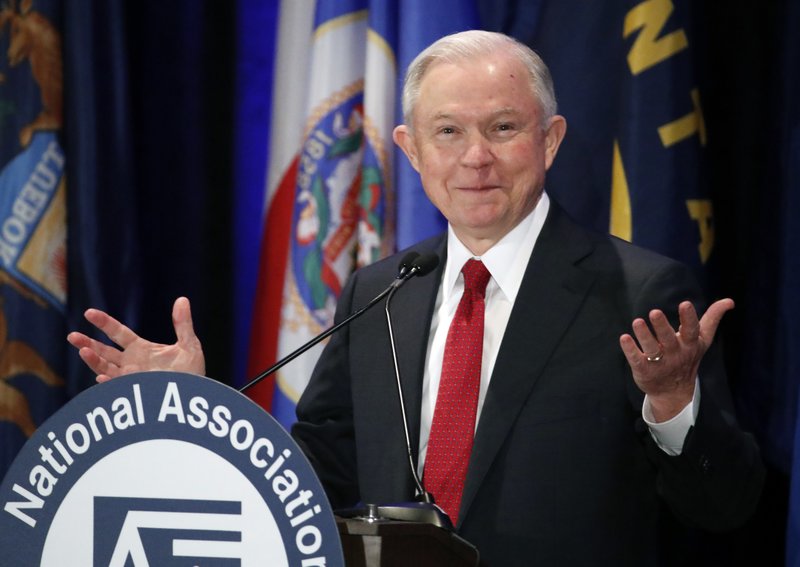
A growing number of Republicans joined Democratic leaders Thursday in calling for Attorney General Jeff Sessions to step aside from an investigation into Russian interference in the 2016 White House election. President Donald Trump said there was no need and he retains “total” confidence in Sessions. Top Democrats demanded that Sessions go further than merely stepping aside from any investigations. They’re calling for him to resign as the nation’s top law enforcement officer after the revelation that he had twice talked with Moscow’s U.S. envoy during the presidential campaign. Sessions’ conversations with Ambassador Sergey Kislyak seem to contradict his sworn statements to Congress during his confirmation hearings. House Democratic leader Nancy Pelosi accused Sessions of “lying under oath,” and she and Senate Democratic leader Chuck Schumer said he should depart. Schumer said the Justice Department should appoint a special prosecutor to examine whether the federal investigation into the Kremlin’s meddling in the U.S. election has been compromised by Sessions. “If there was nothing wrong, why don’t you just tell the truth?” Schumer said of sessions. “It was definitely extremely misleading to say the least” “I have said that, when it’s appropriate, I will recuse myself” from the investigation, Sessions told MSNBC on Thursday. Trump, asked if Sessions should recuse himself, said Thursday, “I don’t think so.” He was questioned in Newport News, Virginia, where he was speaking aboard a new aircraft carrier. While there is nothing unusual or necessarily nefarious about a member of Congress meeting with a foreign ambassador, senators from the Foreign Relations Committee typically meet with ambassadors rather than lawmakers from the Armed Services Committee, whose responsibility is oversight of the military and the Pentagon. Congressional contact with Russian officials was limited for much of last year because of Russia’s invasion of Crimea and Moscow’s close relationship with Syria, a pariah for much of the West. At least three House Republicans — Reps. Jason Chaffetz of Utah, Darrell Issa of California and Tom Cole of Oklahoma — have said they want Sessions to withdraw from investigation of campaign contacts with the Russians. And GOP Sen. Rob Portman of Ohio said that while Sessions was a former colleague and a friend, “I think it would be best for him and for the country to recuse himself.” The attorney general “is going to need to recuse himself at this point,” Chaffetz, chairman of the House Oversight and Government Reform Committee, told MSNBC. House Majority Leader Kevin McCarthy, R-Calif, said he thought Sessions “needs to clarify what these meetings were.” He said it isn’t unusual for members of Congress to meet with ambassadors, but he added that if a question arose about the integrity of a federal investigation, “I think it’d be easier” for an attorney general to step away. House Speaker Paul Ryan said Sessions should only recuse himself if he is a subject of the probe. Sessions, an early supporter of Trump’s candidacy and a policy adviser during the campaign, was asked during his confirmation hearing in January what he would do if “anyone affiliated” with the campaign had been in contact with officials of the Russian government. Sessions replied that he had not had communications with the Russians, and answered “no” in a separate written questionnaire when asked about contacts regarding the election. In a statement late Wednesday, he said: “I never met with any Russian officials to discuss issues of the campaign. I have no idea what this allegation is about. It is false.” White House spokeswoman Sarah Huckabee Sanders called the disclosure of the talks with Kislyak “the latest attack against the Trump administration by partisan Democrats.” She said Sessions “met with the ambassador in an official capacity as a member of the Senate Armed Services Committee, which is entirely consistent with his testimony.” Sessions had more than 25 conversations with foreign ambassadors last year in his role as a U.S. senator and senior member of the Armed Services Committee, and had two separate interactions with Kislyak, the department confirmed. One was a visit in September in his capacity as a senator, similar to meetings with envoys from Britain, China, Germany and other nations, the department said. The other occurred in a group setting following a Heritage Foundation speech that Sessions gave during the Republican National Convention, when several ambassadors — including the Russian — approached him after the talk as he was leaving the stage, according to the department. Dmitry Peskov, the spokesman for Russian President Vladimir Putin, said he did not know about the meetings but it was normal for Russian diplomats to meet with U.S. lawmakers. Likewise, a spokeswoman for the Russian Foreign Ministry, Maria Zakharova, told AP that meetings with American political figures were part of the embassy’s “everyday business.” Revelations of the contacts, first reported by The Washington Post, came amid a disclosure by three administration officials that White House lawyers have instructed aides to Trump to preserve materials that could be connected to Russian meddling in the American political process. The officials who confirmed that staffers were instructed to comply with preservation-of-materials directions did so on condition of anonymity because they were not authorized to publicly disclose the memo from White House counsel Don McGahn. At the confirmation hearing in January, Sen. Al Franken, D-Minn., asked Sessions about campaign contacts. “I have been called a surrogate at a time or two in that campaign and I didn’t have, did not have communications with the Russians, and I’m unable to comment on it.” Republished with permission of The Associated Press.
Robert Aderholt defends Jeff Sessions against allegations of improper Russian contact
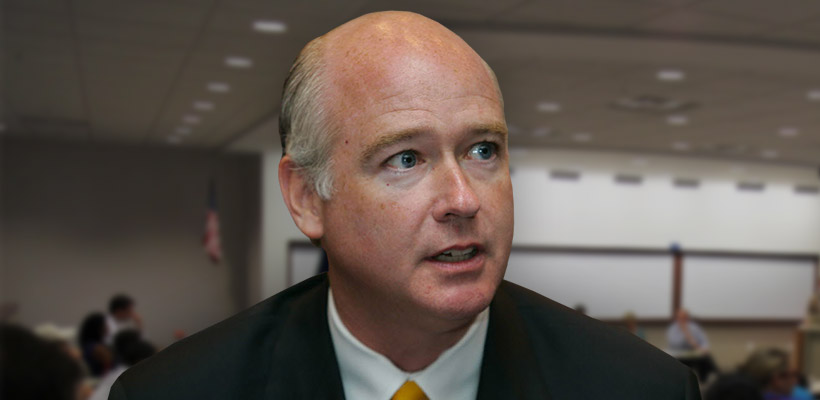
Alabama 4th District U.S. Rep. Robert Aderholt on Thursday defended Attorney General Jeff Sessions against allegations of improper meetings between then Senator and foreign diplomats. On Wednesday, Sessions came under fire following a Washington Post report that claimed the Alabama Republican spoke with Russian Ambassador Sergey Kislyak during the presidential campaign, then denied any meetings under oath during his confirmation hearing. “The unsubstantiated allegations about Russian coordination are becoming almost like the ‘birther’ issue of the Democratic party,” said Aderholt.“ It is not at all unusual for members of Congress to speak with ambassadors from other countries on an almost weekly basis. The fact of the matter is that Jeff Sessions is an American patriot who would not do anything to jeopardize the sanctity and security of the country he not only has served for decades, but a country he deeply loves. ” Aderholt continued, “These allegations are nothing more than a partisan smoke screen to detract from the fact Donald Trump won the election fair and square. It is like some of the Democrats counted their chickens before they were hatched and now have egg on their faces.” A Sessions spokeswoman has said the contact between Sessions and the Russian Ambassador was simply in the former senator’s capacity as a U.S. Senator and “member of the Armed Services Committee.” The White House agrees. An unnamed White House official on Thursday said Sessions had met with the ambassador in his official capacity as a member of the Senate Armed Services Committee. The official said that is consistent with Sessions’ testimony. According to reports, Sessions reportedly spoke with Kislyak during a July Heritage Foundation event at the Republican National Convention attended by roughly 50 ambassadors from across the globe. He spoke again with Kislyak via phone in September, according to a Sessions’ spokeswoman.
More Republicans say AG Jeff Sessions should recuse himself
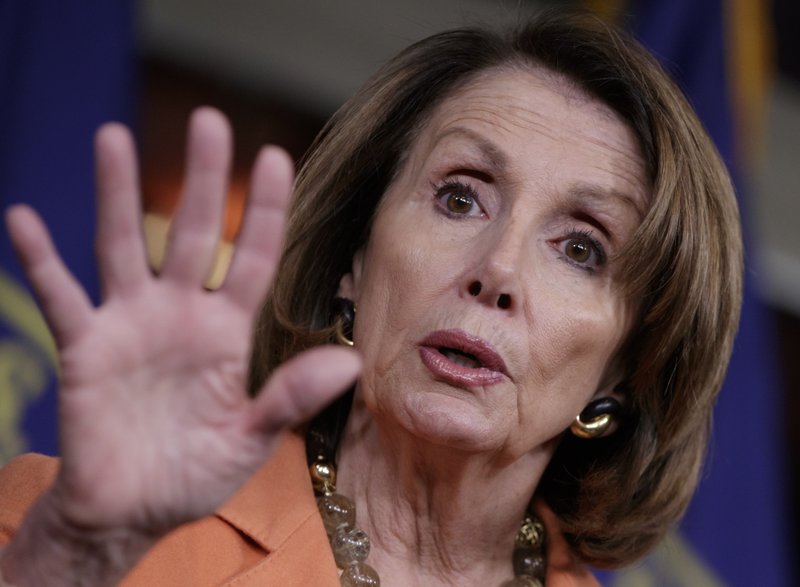
The Latest on Attorney General Jeff Sessions‘ talks with the Soviet ambassador (all times local): 11:25 a.m. attorneyAttorney The top House Democrat says Attorney General Jeff Sessions lied under oath when he told the Senate Judiciary that he had no contacts with the Russian government and says he should resign. Nancy Pelosi says, “Perjury is a crime.” In the meantime, Republican Sens. Lindsey Graham of South Carolina and Marco Rubio of Florida joined a growing chorus of Republicans calling upon Sessions to recuse himself from any investigation on contacts between the Russians and President Donald Trump‘s campaign last year. Graham says, “Somebody other than Jeff needs to do it.” Graham also tells reporters he is meeting Thursday with FBI Director James Comey and will demand to know whether there is an investigation into the Russia contacts. ___ 10:58 a.m. A growing number of Republicans want Attorney General Jeff Sessions to recuse himself from the investigation into Russian meddling in the election and ties to the Trump campaign. Ohio Sen. Rob Portman says in a statement that Sessions is a former colleague and a friend, “but I think it would be best for him and for the country to recuse himself from the DOJ Russia probe.” Portman joins congressmen Jason Chaffetz, Darrell Issa and Tom Cole in calling for Sessions to recuse himself, Other Senate Republicans are rallying around Sessions, saying they trust him and that it’s up to Sessions whether to recuse himself. Sen. Richard Burr of North Carolina chairs the Senate Intelligence Committee. He says, “I trust Jeff Sessions to make that decision.” ___ 10:33 a.m. Democratic Sen. Elizabeth Warren joins other Democrats in calling for Attorney General Jeff Sessions to resign. She says there should be an independent special prosecutor named to oversee an investigation of Russian interference in the U.S. election. Warren has clashed repeatedly with President Donald Trump and Senate Republicans. The Massachusetts senator reacted in a series of tweets to reports that Sessions talked twice with Russia’s ambassador during the presidential campaign, conversations that seem to contradict sworn statements Sessions gave to Congress during his confirmation hearings. The White House says Sessions met with the diplomat in his capacity as a then-U.S. senator, not a Trump campaign adviser. ___ 10:25 a.m. Senate Democratic leader Chuck Schumer is calling on Attorney General Jeff Sessions to resign. Several Republicans and Democrats have called for Sessions to recuse himself from an investigation into Russian interference in the U.S. election following the revelation he talked twice with Russia’s ambassador to the United States during the presidential campaign. The conversations seem to contradict sworn statements Sessions gave to Congress during his confirmation hearings. Schumer says a special prosecutor is needed to investigate the allegations of Russian interference and also look into whether the investigation has already been compromised by Sessions. House Democratic leader Nancy Pelosi has accused Sessions of “lying under oath” and demanded that he resign. ___ 10:25 a.m. Another congressional Republican says Attorney General Jeff Sessions should recuse himself from any investigation into Russia meddling in the election and links to the Trump campaign. In a statement, congressman Darrell Issa of California joined House Oversight Chairman Jason Chaffetz in calling on Sessions to recuse himself now. Issa says, “We need a clear-eyed view of what the Russians actually did so that all Americans can have faith in our institutions.” It is members of the Senate Foreign Relations Committee who typically meet with foreign ambassadors, not Armed Services Committee lawmakers whose responsibility is oversight of the military and the Pentagon. Congressional contact with Russian officials was limited after the invasion of Crimea and due to Moscow’s close relationship with Syria, a pariah for much of the West. ___ 9:15 a.m. A Republican committee chairman says Attorney General Jeff Sessions should recuse himself from an investigation into Russian interference in the U.S. election. Utah’s Jason Chaffetz chairs the House Oversight and Government Reform Committee. He tells MSNBC that Sessions “is going to need to recuse himself at this point.” The Justice Department has confirmed Sessions talked twice with Russia’s ambassador to the United States during the presidential campaign, a seeming contradiction to sworn statements he gave to Congress. Chaffetz told MSNBC that Sessions “should further clarify.” Democratic Sen. Claire McCaskill of Missouri called on Sessions to resign, and Democratic Sen. Patrick Leahy of Vermont said he should recuse himself. ___ 8:30 a.m. A Democratic senator says Attorney General Jeff Sessions should step aside from any role in the Justice Department’s investigation of Trump campaign ties to Russia. Minnesota’s Al Franken tells MSNBC’s “Morning Joe” that Sessions’ statements about his contacts with Moscow have been “contradictory.” At Session’s confirmation hearing in January, Franken asked the then-Alabama senator what he would do if there was evidence that anyone from the Trump campaign had been in touch with the Russian government during the 2016 White House race. Sessions replied he was “unaware of those activities.” But the Justice Department has confirmed that Sessions had two conversations with Russia’s ambassador to the United States. Franken is calling for an “independent prosecutor” to investigate any links the Trump campaign may have had with the Russian government and says Sessions must “come forward with the truth.” ___ 8:15 a.m. A Kremlin spokesman says all the attention given to Jeff Sessions’ meetings with Russia’s U.S. ambassador during the U.S. presidential campaign last year could affect improved ties between the countries. Sessions — who’s now President Donald Trump’s attorney general — was a senator and policy adviser to Trump’s campaign at the time of the meetings with Ambassador Sergei Kislyak. Dmitry Peskov is the spokesman for Russian President Vladimir Putin. Peskov tells reporters that he didn’t know about the meetings. But he says it’s normal for Russian diplomats to meet with U.S. lawmakers. The White House says Sessions met with the diplomat in his capacity as a senator, rather than as a Trump campaign adviser. Peskov is characterizing reaction to the news of the meetings as “an
Jeff Sessions recuses himself from Russia inquiry

Attorney General Jeff Sessions on Thursday recused himself from overseeing any federal investigation into charges that Russia interfered in the 2016 presidential election. Speaking at a Department of Justice press conference, the former Alabama Senator said he was following the advice of his staff. “I have now decided to recuse myself from any existing or future investigations of any matter relating in any way to the campaign for president of the United States,” Sessions said. “This announcement should not be interpreted as confirmation of the existence of any investigation or suggestive of the scope of any such investigation.” “They said that since I had involvement with the campaign, I should not be involved in any campaign investigation,” he added. Moving forward, the department’s second-highest ranking official, the deputy attorney general will ll handle all campaign-related investigations. For now that’s long-time federal prosecutor, Acting Deputy Attorney General Dana Boente. Boente will serve in the position until President Donald Trump’s permanent nominee for the post, Rod Rosenstein, has him confirmation hearing on March 7. On Wednesday, Sessions came under intense fire following a Washington Post report that claimed he spoke with Russian Ambassador Sergey Kislyak during the presidential campaign, then denied any meetings under oath during his confirmation hearing. The White House is standing behind Sessions and his decision.
Kremlin: Jeff Sessions controversy an impediment to new relations
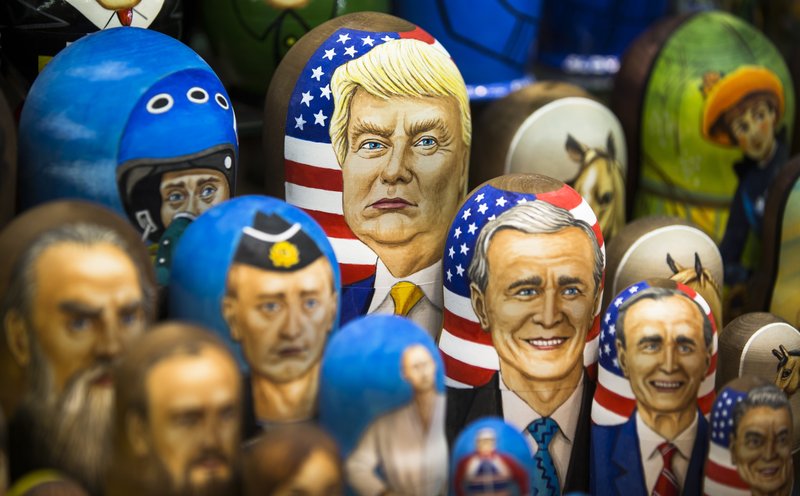
The intense attention being given to the new U.S. attorney general’s meetings with Russia’s ambassador could obstruct improved Washington-Moscow relations, the spokesman for Russian President Vladimir Putin said Thursday. The spokesman, Dmitry Peskov, told reporters he did not know about the meetings last year between Ambassador Sergei Kislyak and Jeff Sessions, who at that time was a U.S. senator. Sessions also was a policy adviser to President Donald Trump’s campaign. News of the two meetings has added fuel to the controversy over whether Russia was improperly involved with Trump’s campaign. It spurred calls in Congress for Sessions to recuse himself from an investigation into alleged Russian interference in the U.S. presidential election. Peskov said it was normal for Russian diplomats to meet with U.S. lawmakers. Sessions’ office has said the meetings were in his capacity as a senator rather than as a Trump campaign adviser. He characterized the reaction to the news of the Sessions meetings as “an emotional atmosphere (that) leads to resistance to the idea of some kind of U.S.-Russia dialogue.” A spokeswoman for the Russian Foreign Ministry, Maria Zakharova, told The Associated Press that the Russian Embassy would not comment on meetings with American political figures, but she also said they were part of the embassy’s “everyday business.” Zakharova echoed Peskov’s assessment in a briefing on Thursday, saying U.S. news media were overreacting to suggestions of improper contacts between Russia and Trump’s circle. “What is happening now in the West, particularly in the U.S. media, it’s just the manifestation of some kind of media vandalism,” she said. Trump has repeatedly said that he wants to improve relations between Moscow and Washington. But Moscow appears frustrated by the lack of visible progress, as well as by the support from Trump administration officials for continuing sanctions imposed on Russia for its interference in Ukraine. Some Russian news media have cast the controversies over Trump and Russia as attempts by the Democratic Party to undermine the Republican Trump’s agenda. But others suggest that Moscow may have been overly hopeful for a swift reversal of longstanding U.S.-Russia tensions. “You still want to stay in this sweet dream called ‘Trump,’ always pushing away unpleasant news from across the ocean like you fumble for an incessant alarm clock and try to turn it off without opening your eyes and staying under the covers,” commentator Sergei Strokan wrote in the business-focused newspaper Kommersant. Republished with permission of The Associated Press.
Jeff Sessions spoke with Russian envoy in 2016, Justice Dept says
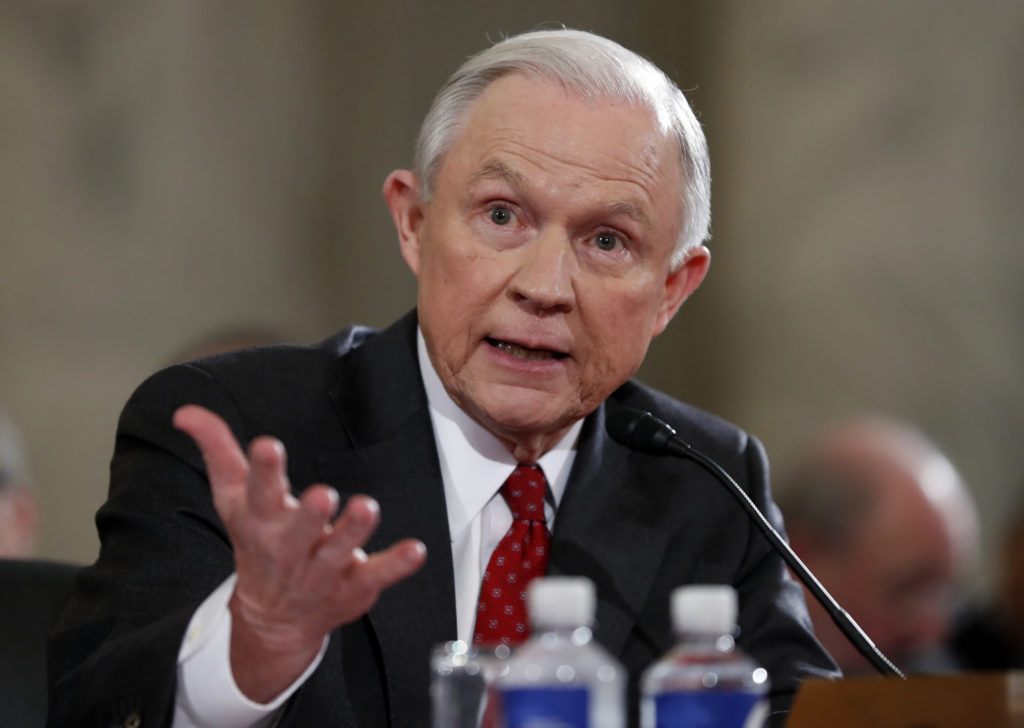
Attorney General Jeff Sessions talked twice with Russia’s ambassador to the United States during the presidential campaign, the Justice Department confirmed, communications that spurred calls in Congress for him to recuse himself from an investigation into Russian interference in the U.S. election. Sessions, an early supporter of President Donald Trump‘s candidacy and a policy adviser to the Republican, did not disclose those discussions at his Senate confirmation hearing in January when asked what he would do if “anyone affiliated” with the campaign had been in contact with officials of the Russian government. Sessions replied that he had not had communications with the Russians. In a statement late Wednesday, Sessions said, “I never met with any Russian officials to discuss issues of the campaign. I have no idea what this allegation is about. It is false.” Justice Department spokeswoman Sarah Isgur Flores said Wednesday night that “there was absolutely nothing misleading about his answer.” That statement did not satisfy Democrats, who even before Wednesday had sought his recusal from the ongoing federal investigation and had raised questions about whether he could properly oversee the probe. Sessions said Thursday in a brief interview with NBC, “I have said that, when it’s appropriate, I will recuse myself.” White House spokeswoman Sarah Huckabee Sanders earlier called the disclosure of the talks with the ambassador, Sergey Kislyak, “the latest attack against the Trump administration by partisan Democrats.” She added that Sessions “met with the ambassador in an official capacity as a member of the Senate Armed Services Committee, which is entirely consistent with his testimony.” House Democratic leader Nancy Pelosi accused Sessions of “lying under oath” and demanded that he resign. Other Democrats called on him to step aside from the investigation. House Majority Leader Kevin McCarthy, appearing Thursday on MSNBC’s “Morning Joe” show, “I just think he needs to clarify what these meetings were.” The California Republican said it isn’t unusual for members of Congress to meet with ambassadors, but he added that if a question arose about the integrity of a federal investigation, “I think it’d be easier” for an attorney general to step away from the probe. Sessions had more than 25 conversations with foreign ambassadors last year in his role as a U.S. senator and senior member of the Armed Services Committee, and had two separate interactions with Kislyak, the department confirmed. One was a visit in September in his capacity as a senator, similar to meetings with envoys from Britain, China, Germany and other nations, the department said. The other occurred in a group setting following a Heritage Foundation speech that Sessions gave during the summer, when several ambassadors — including the Russian ambassador — approached Sessions after the talk as he was leaving the stage. Revelations of the contacts, first reported by The Washington Post, came amid a disclosure by three administration officials that White House lawyers have instructed aides to Trump to preserve materials that could be connected to Russian meddling in the American political process. The officials who confirmed that staffers were instructed to comply with preservation-of-materials directions did so on condition of anonymity because they were not authorized to publicly disclose the memo from White House counsel Don McGahn. On the Sessions revelation, Rep. Adam Schiff of California, the top Democrat on the House Intelligence Committee, said: “If reports are accurate that Attorney General Sessions — a prominent surrogate for Donald Trump — met with Ambassador Kislyak during the campaign, and failed to disclose this fact during his confirmation, it is essential that he recuse himself from any role in the investigation of Trump campaign ties to the Russians.” Asked by reporters Monday about the prospect of a recusal, Sessions had said, “I would recuse myself from anything that I should recuse myself on.” At the confirmation hearing in January, Sen. Al Franken of Minnesota asked Sessions about allegations of contact between Russia and Trump aides during the 2016 election. He asked Sessions what he would do if there were evidence that anyone from the Trump campaign had been in touch with the Russian government during the campaign. Sessions replied he was “unaware of those activities.” Then he added: “I have been called a surrogate at a time or two in that campaign and I didn’t have, did not have communications with the Russians, and I’m unable to comment on it.” Flores, the Justice Department spokeswoman, said that response was not misleading. “He was asked during the hearing about communications between Russia and the Trump campaign — not about meetings he took as a senator and a member of the Armed Services Committee,” she said in a statement. Franken said in a statement he was troubled that the new attorney general’s response to his question was “at best, misleading.” He said he planned to press Sessions on his contact with Russia. “It’s clearer than ever now that the attorney general cannot, in good faith, oversee an investigation at the Department of Justice and the FBI of the Trump-Russia connection, and he must recuse himself immediately,” Franken said. Separately in January, Sen. Patrick Leahy, a Judiciary Committee Democrat, asked Sessions in a written questionnaire whether “he had been in contact with anyone connected to any part of the Russian government about the 2016 election, either before or after election day.” Sessions replied simply, “No.” Republished with permission of The Associated Press.
Jeff Sessions says murder uptick threatens progress on crime

Attorney General Jeff Sessions painted a grim vision of violence in America on Tuesday, telling state law enforcement officials that a recent uptick in murders threatens to undo decades of progress. He pledged to “put bad men behind bars.” In his first major policy speech as attorney general, Sessions promised that combating violent crime would be a top priority of the Justice Department. He warned of a surging heroin epidemic with drugs pouring in from Mexico, of police officers made to feel overly cautious for fear of being captured on “viral videos” and of rising homicide rates in big cities. “We are diminished as a nation when any of our citizens fear for their life when they leave their home; or when terrified parents put their children to sleep in bathtubs to keep them safe from stray bullets; or when entire neighborhoods are at the mercy of drug dealers, gangs and other violent criminals,” Sessions said, according to prepared remarks to the National Association of Attorneys General. Sessions promised that his Justice Department would prioritize cases against violent offenders, aggressively enforce immigration laws and work to dismantle drug cartels. He announced the creation of a multi-agency task force, to be headed by the deputy attorney general, to propose crime-fighting legislation and study crime trends. He said the task force would include the heads of Justice Department agencies such as the FBI, Drug Enforcement Administration and the Bureau of Alcohol, Tobacco, Firearms and Explosives. Although it is true, according to FBI statistics, that homicide and other violent crimes have recently been on the rise, the numbers are nowhere close to where they were in the 1980s and early 1990s, and it’s hardly clear that the recent spike reflects a trend rather than an anomaly. Sessions’ early focus on drug and violent crime is a radical departure for a Justice Department that has viewed as more urgent the prevention of cyberattacks from foreign criminals, international bribery and the threat of homegrown violent extremism. Yet Sessions made no apologies for his focus on violent crime, saying he was concerned the increase could be part of a “dangerous new trend.” “We need to enforce our laws and put men behind bars,” said the former Alabama senator and federal prosecutor. “And we need to support the brave men and women of law enforcement as they work day and night to protect us.” He also indicated that, unlike his Democratic-appointed predecessors, he believes some police officers have pulled back on enforcement because of anxiety their actions could be recorded on video and scrutinized by the public. “They’re more reluctant to get out of their squad cars and do the hard but necessary work of up-close policing that builds trust and prevents violent crime,” Sessions said. FBI Director James Comey has floated the idea that the change in police behavior could help explain increases in crime, although former attorneys general Eric Holder and Loretta Lynch both refused to embrace that idea. Past attorneys general have used their appearances before their state counterparts to make policy pronouncements. In 2014, for instance, Holder said state attorneys general were not obligated to defend laws in their states banning same-sex marriage if the laws discriminate in a way forbidden by the Constitution. Republished with permission of The Associated Press.
