
Email Insights: Bloomberg confirms last underwriter out of Kay Ivey prison lease deal
Alabama State Auditor Jim Zeigler says the last underwriter for financing an Alabama prison lease plan has backed out. Zeigler, a vocal opponent of the plan, says it “should be pronounced dead.” Stifel Bank of Cleveland, Ohio follows the two lead underwriters which withdrew from the project April 19 – Barclays of London and KeyBank of Cleveland. The project was to be led by CoreCivic, a Nashville firm in the private prison business. Stifel’s Senior Vice President of Investor Relations, Joel M. Jeffrey, said in an e-mail Monday, May 10: “…this transaction has already been withdrawn from the market. Further, you should understand that Stifel is no longer engaged with CoreCivic, any conduit, or the State of Alabama regarding the financing of the project.” Bloomberg News confirmed the contents of the email and that Stifel is out of the Alabama prison lease project. The plan would contract with three consortiums of private businesses, two led by CoreCivic. The contractors would pay to build three super-prisons in Bibb, Elmore, and Escambia Counties of Alabama. Two of the contracts were signed Feb. 1 with the one in Bibb County pending. “The Kay Ivey plan would force Alabama taxpayers to pay rents starting at $94 million a year and going up to $106 million. At the end of 30 years, the state would own equity in the prisons of zero. No equity. This is a bad business plan,” Zeigler said. “The Ivey plan does not address the problems in the prison system – safety of staff and other inmates; overcrowding; mental health; suicide; recidivism; and inadequate job training. The plan merely throws over $3.6 billion of taxpayer money into rented buildings,” Zeigler said. A bipartisan lawsuit seeking to enjoin the Ivey plan is set Friday, May 14 in Circuit Court of Montgomery County at 9 a.m. Judge Greg Griffin will hear motions to dismiss filed by the state. Zeigler is joined in the suit by three other plaintiffs – State Rep. John Rogers (D-Birmingham); Leslie Osborne, a property owner adjacent to the proposed prison site in Elmore County; and Rev. Kenny Glasgow, a prisoner rights activist from Dothan. The plaintiffs allege that the plan violates the state constitution by creating state debt and violates a law requiring legislative approval to lease a prison. (Please see E-mail below to opponent of the Ivey prison lease plan) As we have communicated, we are interested in your perspective generally and specifically regarding the correctional system in the state of Alabama. With respect to your request that Stifel withdraw from the former transaction led by Barclays, we note that this transaction has already been withdrawn from the market. Further, you should understand that Stifel is no longer engaged with CoreCivic, any conduit or the State of Alabama regarding the financing of this project. As a matter of professional conduct, we endeavor not to discuss prospective or hypothetical transactions, and, to avoid misunderstanding, we will not do so on Tuesday. If you want further information on this specific project, you should reach out to the appropriate person in the government of the State of Alabama. That aside, we look forward to our call. Sincerely, Joel M. Jeffrey Senior Vice President STIFEL | INVESTOR RELATIONS
Hearing set May 14 in Jim Zeigler suit against Kay Ivey prison lease plan
A hearing has been set on state motions to dismiss a lawsuit by State Auditor Jim Zeigler and three other plaintiffs who seek to block a $3.6 billion prison lease plan by Gov. Kay Ivey. Montgomery County Circuit Judge Greg Griffin will hear a filing by Attorney General Steve Marshall to take over Zeigler’s official claim and then dismiss it. He will also hear motions to dismiss the entire case. The hearing is 9 a.m. Friday, May 14 at the Montgomery County Courthouse. The plaintiffs allege that the prison plan violates the state constitution by creating state debt over a 30-year period. They also allege that the plan violates state law by not having approval by the Alabama legislature. Zeigler calls the plan “a 30-year mistake.” “The Ivey plan would force Alabama taxpayers to pay rents starting at $94 million a year and going up to $106 million. At the end of 30 years, the state would own equity in the prisons of zero. No equity. This is a bad business plan,” Zeigler said. “The plan does not address the problems in the prison system – safety of staff and other inmates; overcrowding; mental health; suicide; recidivism; and inadequate job training. The plan merely throws over $3.6 billion of taxpayer money into rented buildings,” Zeigler said. “We thought this plan had been killed off April 19 when the two largest underwriters pulled out of the project, but the Ivey administration is stubbornly pushing forward. There are two giant signed contracts already executed. This lawsuit is needed to make sure the plan is good and dead,” Zeigler said Thursday. Other plaintiffs are State Rep. John Rogers (D-Birmingham); Leslie Ogburn, a homeowner adjacent the proposed prison site near Tallassee, Al; and Rev. Kenny Glasgow, a prisoner rights activist in Dothan. Zeigler says an intentional decision was made to file a non-partisan lawsuit.
Email Insight: AG takes control of Jim Zeigler’s official claim against prison plan, moves to dismiss it
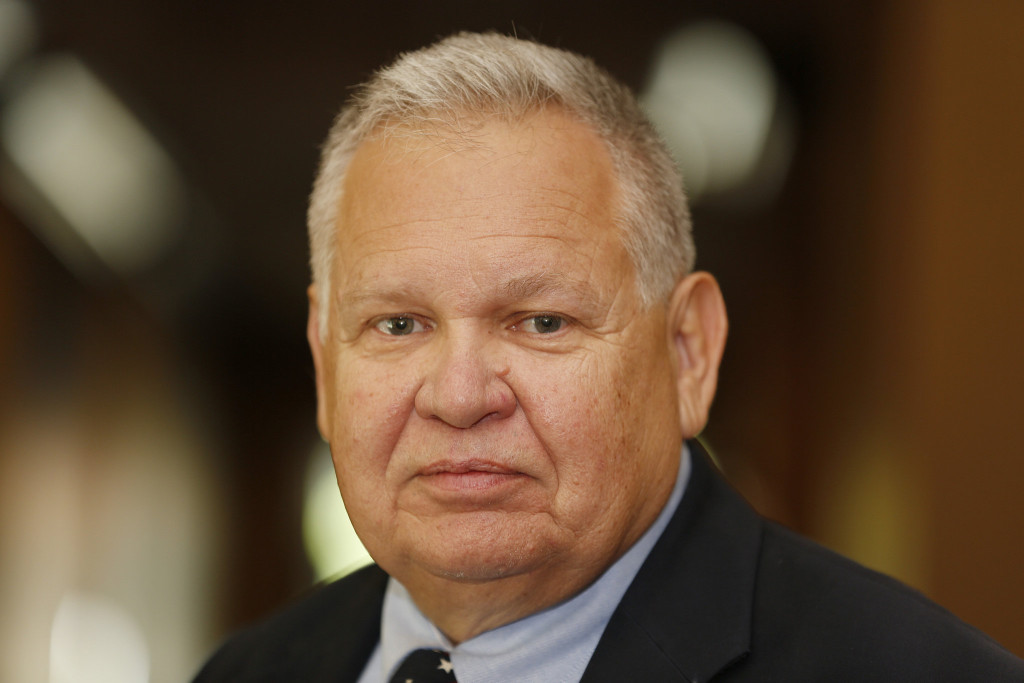
Saying he has exclusive control over litigation by state officials, the Alabama Attorney General Steve Marshall has taken control of the official claim by State Auditor Jim Zeigler challenging Gov. Kay Ivey’s prison lease plan. The AG then immediately moved to dismiss the Auditor’s claim. The action does not appear to affect the claims by three other plaintiffs and Zeigler’s claim as a taxpayer seeking to block the prison plan. A hearing will be set on the AG’s actions as well on Motions to Dismiss filed for Gov. Ivey and all defendants. The filing by the AG states: “Plaintiff Jim Zeigler has no legal authority to initiate a lawsuit in his official capacity as State Auditor either of his own accord or through private counsel. Litigation concerning the interest of the State is under the exclusive direction and control of the Alabama Attorney General and the assistant and deputy attorneys general acting under his authority. Zeigler’s lawsuit is not in the best interests of the State. Therefore, the Attorney General exercises his constitutional, statutory, and common law right to assume control of Zeigler’s official-capacity claims and hereby gives notice of voluntary dismissal of all official capacity claims with prejudice pursuant to Alabama Rule of Civil Procedure 41(a)(1).” Zeigler says he will oppose the motion to dismiss his official claim and, regardless of the ruling, continue the case as a taxpayer. Zeigler and three other plaintiffs allege that the prison plan is illegal because it has not been approved by the legislature, as required by law. The Ivey plan contracts private parties to build three mega-prisons in Escambia, Elmore, and Bibb Counties. The state would lease the prisons for $94 million to $108 million rent per year. At the end of the 30-year lease period, the state would not own any equity in the prisons, which would still be owned by the private contractors. Zeigler says the plan is “a 30-year mistake.” “Alabama taxpayers would pay close to $4 billion rent and have nothing to show for it,” Zeigler said.
Email Insights: Jim Zeigler says suit filed to block prison lease plan
A civil suit was filed Tuesday to enjoin a prison lease plan by the Alabama Department of Corrections and Gov. Kay Ivey. The suit alleges that the prison lease plan is illegal in that it did not receive approval by the Alabama legislature and other legal deficiencies. The Montgomery County Circuit Court filing was made by Montgomery attorney Kenny Mendelson on behalf of four plaintiffs. Mendelson had been the attorney in the first civil suit against then-governor Robert Bentley that paved the way to Bentley’s resignation. Four plaintiffs bringing the suit are State Auditor Jim Zeigler (R); State Rep. John Rogers of Birmingham (D); Leslie Ogburn, a homeowner near the proposed prison site outside Tallassee, Alabama; and prisoner rights activist Rev. Kenny Glasgow of Dothan. Zeigler said there was a strategic decision to file a bi-partisan suit. “This prison plan would be a 30-year mistake. It would force Alabama taxpayers to pay rents starting at $94 million a year and going up to $106 million. At the end of 30 years, the state would own equity in the prisons of zero. No equity. This is a bad business plan,” Zeigler said. “The plan does not address the problems in the prison system – safety of staff and other inmates; overcrowding; mental health; suicide; recidivism; and inadequate job training. The plan merely throws over $3.6 billion of taxpayer money at the problems,” Zeigler said. “We thought this plan had been killed off April 19 when the two largest underwriters pulled out of the project, but the Ivey administration is stubbornly pushing forward. There are two giant signed contracts already executed. This lawsuit is needed to make sure the plan is good and dead,” Zeigler said. Here is a copy of the civil suit.
Tennessee contractor forced to go outside U.S. to finance Kay Ivey’s prison lease contracts
British bank Barclay’s LPC will finance two prison lease contracts signed by Gov. Kay Ivey, according to Alabama State Auditor Jim Zeigler. Zeigler says Barclays agreed to raise $634 million toward the private construction of two prisons, one in Elmore County and one in Escambia County, Alabama. Ivey signed contracts Feb. 1 to lease the two prisons for 30 years and is expected to sign a third contract with a different firm for a prison in Brierfield, Alabama, in Bibb County. Zeigler, who is a vocal opponent of the prison lease plan, says promoters of the plan “were forced to go outside the United States because U.S. banks that do this type lending decided they would no longer finance the private prison business.” Two years ago, banking giants Bank of America, JPChase, and Wells Fargo announced they would no longer finance private prisons because of problems in the private prison business. Zeigler says the Ivey prison lease plan is “fatally flawed and is a 30-year mistake.” “State law limits this type of contract to one year. That means the state will have to renegotiate the one-year contract 29 times. That is a risky way to do business,” Zeigler said. “State taxpayers will be on the hook for rent payments starting at $94 million a year and going up to $106 million a year. The total rents paid over 30 years will be about $3.6 billion. At the end of that time, the state will own equity in the prisons of exactly zero. No equity will be built at all. The state would then have to start over with a new plan to pay for those then 30-year-old prisons. This is a 30-year mistake,” Zeigler said. Zeigler says the debt would be to a shell corporation totally owned by Tennessee private prison operator CoreCivic — Government Real Estate Solutions of Alabama Holdings LLC. The prisons would be built and maintained by CoreCivic, but the state of Alabama would pay the 30 years of rent plus all other expenses – staffing, food, medical, utilities, and all other expenses. Zeigler says the Alabama Department of Corrections has “overstepped its authority by agreeing to something that can be done only by the state legislature.” “The Department of Corrections has agreed to prioritize the prison lease payments above all other obligations. Only the state legislature can legally do that.” Zeigler says he has attorneys looking at the prison lease contracts and is considering challenging them in court. “The Ivey administration is moving forward daily with this flawed, costly plan. A court challenge appears to be the only way to block it,” Zeigler said.
Jim Zeigler: Why is the Day Called ‘Good Friday’?

Steve Flowers: 2022 will be a big year for Alabama politics

All signs point to a Titanic political year in 2022. In fact, as I look back over the last six decades of my observations of Alabama politics, next year may be the most momentous. Most states elect their governors and legislators in presidential years. However, in the Heart of Dixie, we have our big election year in non-presidential years. Not only will we elect our governor to a four-year term, we will elect all of our constitutional officers like Attorney General, Agriculture Commissioner, Secretary of State, State Treasurer, State Auditor and Lt. Governor, as well as two seats on the State Public Service Commission and several seats on the State Supreme Court. More importantly, all 140 members of the Alabama State Legislature will be up for reelection. We have 105 members of the Alabama House of Representatives and 35 State Senators. In addition, all 67 sheriffs in the state are on the ballot in 2022. In many counties this is the most important race and the reason folks will show up to vote. All politics is local. Most campaign money spent in the 2022 elections by special interests will be spent in state legislative races. The Legislative Branch is inherently more powerful in Alabama than the Executive or Judicial Branches. All of our constitutional office holders are Republican. Attorney General, Steve Marshall, hails from Marshall County. He is in his first four-year-term. Therefore, he can and probably will run for a second term. He would be hard to beat in his bid for reelection in 2022. John McMillan can run for a second term as State Treasurer. However, he will be over 80 years old. He has had an illustrious career in state politics. First, as a state representative from Baldwin County, then as head of the Forestry Association, the State Conservation Director, then two terms as State Agriculture Commissioner, before being elected as State Treasurer. Speaking of Agriculture Commissioner, Rick Pate is doing a very good job in his first term and should have very little trouble being elected to a second term in 2022. This post is the most prominent and important office in the constitutional ranks besides governor. It oversees a large department with numerous duties. Agriculture is still Alabama’s number one economic industry. Secretary of State, John Merrill, is precluded from running for a third term. Merrill is the best retail politician in the state and has by far the best grassroots organization of any political figure. Merrill will probably join the fray of candidates vying for the U.S. Senate seat left vacant by Richard Shelby. If he has to drop back, he could move to either State Treasurer or Lt. Governor. The job of State Auditor will be on the ballot. Jim Zeigler, the current State Auditor, is thought of as somewhat of a maverick by Montgomery insiders. However, he is sly as a fox. Even though he knows the State Auditor has no real role in policy issues, he grabs headlines with his grandstanding. He is limited from running for Auditor again. It will be interesting to see if he chooses to run for something else at age 75. Lt. Governor Will Ainsworth is only 38 years old. The job of lieutenant governor has few duties other than to preside over the state senate. Most state senators think Ainsworth has been a quick study in learning the Senate Rules and they like him. There is no doubt that Ainsworth desires to run for Governor of Alabama. The biggest question of the upcoming 2022 momentous political year is whether Governor Kay Ivey will run for reelection. One school of thought has her going to the house at 78. The other is will she run and can she win? My prognostication is she will run and if she does, polls indicate she will win overwhelmingly. Again, it will be fun to watch. See you next week. Steve Flowers is Alabama’s leading political columnist. His weekly column appears in over 60 Alabama newspapers. He served 16 years in the state legislature. Steve may be reached at www.steveflowers.us.
Jim Zeigler: Gov. Kay Ivey expected to sign two leases for mega prisons today but release copies and costs later
Gov. Kay Ivey’s office says she will sign two 30-year leases for privately built mega prisons today (Mon. Feb. 1), but Press Secretary Gina Maiola says Ivey will not release copies of the contracts and costs until later: Ivey’s press secretary stated, “We are anticipating her to put pen to paper and as soon as she does, we will be releasing more details. We hoped it would have been sooner, but we are working as quickly as possible to get the best deal as possible for the state.” State Auditor Jim Zeigler says the signing is improper. Here is a statement Zeigler released Sunday: The Ivey plan to lease prisons is rotten. There is no other way to describe it. For months, we had been told the rent would be capped at $88 million a year for three privately constructed prisons. Just this Friday, we were told – for the first time – that the cost for the first year will be $94 million — and the rent will go up yearly. For months, we had been told that the total rent over the 30-year rental period would be $2.6 billion. Just this Friday, we were told the total rents will exceed $3 billion. All of this is coming while the administration insists it will go ahead and sign two leases Monday, Feb. 1, three days after the increased costs were mentioned for the first time. That is rotten. Gov. Ivey is using a Nancy Pelosi approach – we have to sign it before you can know what is in it. She has not provided the legislature with copies of the leases, cost information, nor other details. This conduct is irresponsible. For months, I have been saying that the governor is bypassing the legislature. She has had no legislation and other input from the legislative branch. She has provided almost no information to the legislature. Now, she is hurrying the signing of two of three leases on the day before the legislative session starts. That timing indicates that the governor does not want legislative input. The Ivey plan would have the state paying rent of $94 million a year and increasing for 30 years. At the end of that time, the state will have paid over $3 billion in rent. The state will then own equity in the prisons of exactly zero. The state would have to start over and pay for the prisons a second time. The principal partner in two of the leases, CoreCivic, has a questionable track record in other states where they have private prisons deals. Gov. Ivey needs to postpone signing the prison leases. The legislature needs to review the entire plan and consider bills to correct the fatal flaws. The Department of Corrections needs to be subjected to a management audit. CoreCivic needs to be vetted. What could possibly wrong with these actions? There is an old saying, “Something’s rotten in Denmark.” Well, something is clearly rotten in Montgomery. It is the Ivey prison plan – and the way it is being ramrodded. Jim Zeigler has been the Alabama State Auditor since 2015.
Email Insight: Jim Zeigler and coalition of activists oppose mega prisons, call on legislature to audit Department of Corrections
Jim Zeigler has been outspoken on his belief that Governor Kay Ivey’s plan to build 3 mega prisons is a costly mistake that Alabama shouldn’t make. In a recent op-ed, Zeigler stated, “Governor Kay Ivey is just days away from signing contracts that will saddle taxpayers with a minimum $2.6 billion bill for leasing three new mega-prisons for 30 years. In the end, we will own equity in the prisons of exactly ZERO. The companies that held these lucrative leases will own the prisons, and we, the taxpayers, will have to start completely over and pay for the prisons a second time – pay 100% again.” Ivey’s plan would create three mega prisons, each housing around 10,000 inmates and would force the closure of several existing prisons. Representatives Rich Wingo, Arnold Mooney, and Steve Clouse have all expressed concerns. Clouse, who chairs the budget committee, said, “there are a lot of questions that the Legislature would like answered.” Zeigler has called for an independent audit of the Alabama Department of Corrections. Now 13 citizen groups support his audit request. Here is the letter they are sending to Kay Ivey and the Alabama legislature. Alabama is Getting Swindled For Billions 1/29/21 To the Alabama State Legislators: We are a coalition of people, communities, and organizations committed to stopping the ill-conceived construction of prisons being forced upon Bibb, Elmore, and Escambia counties. We are made up of communities of farmers and activists in each of those counties, more than a dozen organizations and churches across the state, and nearly 300 Alabama students from 28 colleges, universities, and law schools, writing to you in opposition to Governor Kay Ivey’s attempt to spend $2.6 billion on three new mega-prisons without a shred of transparency. We are Communities Not Prisons, and our futures depend on your immediate action. It is no secret that barring significant action, our prisons will remain unconstitutional—ensuring a federal takeover by the Department of Justice. It is equally clear that our prisons are in need of long-overdue maintenance. But Governor Ivey and Commissioner Dunn have elected to pursue a multi-facility mega-prison construction project that will address only a small aspect of the overall criticisms from the Department of Corrections. Throughout the entire process, they have acted behind closed doors, keeping the public and even you—our elected leaders—entirely in the dark. The DOJ report on Alabama prisons details 5 pages of actions Alabama could take to become compliant with the 8th Amendment prohibition on “cruel and unusual punishment.” Not a single recommendation mentions new construction. Though part of the DOJ lawsuit does highlight infrastructural deficiencies, these primarily could be addressed by installing more cameras and repairing broken locks. If a cost estimate for implementing these minimum infrastructural repairs has been done, the people of Alabama deserve to know about it. The quality of our current facilities, however abysmal, is a minor concern in comparison to the core reasons our prisons are unconstitutional—violence stemming from a dysfunctional Department of Corrections, chronic understaffing, and poor leadership. Our prisons are unconstitutional not because they are in need of repair, but because the ADOC is the most dysfunctional department of corrections in America. The DOJ has targeted our prisons because they are racist and violent. Are we supposed to believe that the same department that got us into this mess will run functioning prisons just because they get new buildings? Even if building modern facilities addresses some concerns, it is unlikely to take us out of the DOJ’s crosshairs. The best use of taxpayer dollars cannot be to pursue the action most expensive and least likely to avoid federal intervention—paying $2.6 billion to rent 3 prisons. Why have there been no known attempts to determine the cost of pursuing the DOJ’s actual recommendations? With growing needs for investments in healthcare, including mental health, and the additional burden that COVID-19 has placed on critical departments, as we heard outlined in this week’s budget hearings from the leadership of the Department of Public Health, Department of Mental Health, and the Alabama Medicaid Agency, it is astounding that Governor Ivey is prioritizing fiscally irresponsible and devastating contracts for prisons that do not address our most urgent needs as Alabamians. While we understand the need for action and the difficulty of legislating around prison issues, we do not accept the degree of secrecy under which this plan has developed. Governor Ivey has attempted to act unilaterally and has refused to answer the legitimate questions of her constituents. The people of Alabama have had no say in this. Residents in Tallassee and Brierfield, where two of the prisons will be built, have been opposing this plan for months. Governor Ivey has made it clear that our farmers and rural communities do not matter to her. This is not how Alabama works. This is not how America works. This is tyranny, not democracy. It is past time for our legislators to intervene. We demand more information through an independent and transparent assessment of the Alabama Department of Corrections before Alabama is strapped into this expensive, irreversible plan. Without an audit, we risk torching a significant portion of our already strapped discretionary spending. Furthermore, due diligence has not been exercised to determine the environmental impact of these proposed prisons. Basic questions about wastewater treatment, water sourcing, storm runoff, additional infrastructure, and more have not been answered, even when local residents have asked about them. This is unacceptable and irresponsible. We demand the legislature do everything in their power to intervene in this process and stop Governor Ivey from trapping us into a 30-year mistake. We demand Governor Ivey immediately stop her assault on farmers and the rural communities whose homes and livelihoods will be destroyed if these contracts are signed and these prisons are built. We are calling on you, our leaders, to intervene. Alabama cannot move forward with this plan. We implore you: do everything in your power to delay these contracts from being signed. You are the last line of defense against this anti-democratic process and appalling executive overreach. Sincerely yours, Block the Brierfield Prison No Prison for Tallassee Alabama Students Against Prisons The
Jim Zeigler: Prison lease plan may be a 30-year mistake costing $2.6 billion
We are risking a 30-year mistake that would cost us $2.6 billion. Governor Kay Ivey is just days away from signing contracts that will saddle taxpayers with a minimum $2.6 billion bill for leasing three new mega-prisons for 30 years. In the end, we will own equity in the prisons of exactly ZERO. The companies that held these lucrative leases will own the prisons, and we, the taxpayers, will have to start completely over and pay for the prisons a second time – pay 100% again. We would shell out billions of dollars but own nothing in the end. We Alabamians cannot let this happen. That is why I am calling for an independent management audit of Alabama’s Department of Corrections. I invite my fellow state leaders to join me in this call for transparency. Is that too much to ask when our state currently allocates a whopping 25% of our general fund budget to the prisons? That’s $624 million in 2020, folks! And you can bet your bottom dollar that percentage will keep rising. Next week, ADOC will present their proposed budget to the legislature in the budget review committee meeting. I implore our elected officials to thoroughly interrogate the spending practices and promises of the money-eating ADOC. Given that ADOC is so heavily funded and is about to be hit with an additional $88 million a year expense for 30 years, it seems prudent for legislators to have a chance to evaluate the underlying data that supposedly justifies the prison lease plan. ADOC says they need new prisons rather than renovate the existing ones. They insist it will be cheaper to pay $88 million in annual rent payments for 30 years–totaling $2.6 billion–than to fix and maintain the existing structures or to have the state build new prisons using bond funds. ADOC claims that the “consolidation cost savings” associated with closing old prisons and opening new ones will cover the $88 million price tag. Their conclusion is based on a 100% confidential study done for nearly $20 million by for-profit companies Goodwyn, Mills & Cawood and Hoar Program Management. If the claimed “consolidation cost savings” end up being overstated, ADOC will have to come crawling to the legislature licking their wounds when they inevitably need more taxpayer money. Even if ADOC does manage to scrape together the money within their current budget for the first few years, what happens when these private prison owners hike up the price after 10,000 inmates have been transferred in? The leases must be renegotiated every year. Alabama will have little choice but to pony up whatever amount the owners ask for. This is a 30-year mistake. Beyond these likely problems, the failure of ADOC to do its basic job — keeping society, staff, and inmates safe — should have us all asking, “What exactly is ADOC doing with that $624 million anyway?” An independent management audit of ADOC finances would allow legislators and the public at large to look behind the curtain and expose any misuse of our tax dollars. As it stands, the prison lease plan–one of the largest public expenditures in state history–will be pushed through with little opportunity for legislative or public scrutiny unless we halt it now. Despite ADOC efforts to conduct the entire process in secrecy, anyone who’s paying attention knows enough to see what a terribly wasteful and irreversible deal this is for Alabama. Our elected legislators have never laid eyes on the ADOC plan, and they won’t be given an opportunity to do so until Alabama is already locked in. The checks and balances by the legislative branch have been eliminated in the prison lease plan. ADOC Commissioner Jeff Dunn promised they would release the proposed contracts for these prisons by the end of 2020. Here it is, almost the end of January 2021, and nothing. Is it because ADOC doesn’t want to give the legislators any time to address their dealings in their upcoming session? ADOC insists secrecy is needed to negotiate the best deal possible with the private developers who will build and own the three mega-prisons. The more likely explanation is that ADOC wants to push this lease deal through without answering anyone. There are no good reasons why we’re jumping into bed with for-profit corporation CoreCivic—a company with a record of abuse and mismanagement. Just ask Kansas, Tennessee, and Idaho if they would ever sign up to work with CoreCivic again. A brief dive into ADOC public records reveals wasteful, unaccountable spending for decades. Since 2012 ADOC has spent $32.5 million on outside law firms, despite having an internal legal team. As for wage costs, ADOC pays over $30 million in overtime pay per year–more than four times the next highest paying agency. How easy it is for these government bureaucrats to spend our money! Given that we are the only state prison system in the country currently facing a prison lawsuit by the Department of Justice, we must be doing something wrong. Other states know better than to let their prisons run unchecked. Many conduct needed audits to catch problems before they balloon out of control. Take Mississippi, a state that recently conducted a thorough audit of its prison system. Like in Alabama, Mississippi’s prisons were under investigation by the DOJ for alleged unconstitutional treatment of inmates. In response, their commissioner called for an independent management audit to root out wastefulness or corruption. The resulting report detailed hundreds of thousands in wasteful expenses in the Mississippi DOC budget, including massage chairs, Himalayan salt lamps, and six TVs for the commissioner’s executive suite. When the findings were released, the prison system adopted all 18 recommendations within the report aimed at fixing the abuses. “Without the [audit], it would have been difficult, if not impossible, to uncover some of the misspending here,” Mississippi State Auditor Shad White said. “It is encouraging to see [the DOC’s] proactive approach to fixing the problems.” So far, Mississippi has avoided a DOJ lawsuit. Alabama has not been so blessed. In December 2020, the DOJ officially sued Alabama following findings of unsafe conditions, rampant violence, and excessive use of force on inmates.
Jim Zeigler: Presidential race is turning around
The campaign for President has turned around in the last few weeks, particularly this past week. Not only can I FEEL it turning, but I can also see and explain the indicators. Even some strong Donald Trump supporters and workers had become worried, fearing he was losing. Much of the national media fed this narrative, pronouncing Trump politically dead. Not so fast. Am I the only political observer who has noticed similarities with the 1948 re-election campaign of President Harry Truman? The national media and polls had pronounced President Truman defeated, including that infamous election night headline of the Chicago Daily Tribune, ‘DEWEY DEFEATS TRUMAN.” It was not to be. It turned around at the end. Truman organized a whistle stop tour, rallying thousands at train stations across the heartland. Trump organized rallies in stadiums and other large venues, drawing tens of thousands to each. And he reaches millions with Twitter. But more important than the process were the issues. Does the Trump strong rhetoric remind you of “Give ‘em hell, Harry”? The Democrats’ mishandling of the confirmation process of Judge Amy Coney Barrett turned off many undecided voters. Joe Biden’s refusal to say he would not push to increase the size of the U.S. Supreme Court frightened many. It remains a serious risk that Biden would attempt court packing, which failed miserably for popular President Franklin Roosevelt. The final debate was a turnaround – positive for Trump, negative for Biden. The discovery of incriminating evidence in the Hunter Biden laptop demonstrated a serious risk that Joe Biden is compromised. Joe Biden’s multiple statements against the oil industry paint an unacceptable picture of the near future under a Biden Green New Deal. Gas prices in the $5-$10 range a gallon. No gas vehicles sold. Limited and expensive air flight. Doubled bills for electricity. We would be “transitioning” away from oil. Is that a word? Joe Biden has, at last, had to make longer speeches. The more he talks, the more incompetent and unacceptable he sounds. Let him talk. Biden is Trump’s best campaigner. In 2016 at this point, most national media and polls had declared Trump the loser, and by a healthy margin. They were wrong. Political pundits are just beginning to figure out that a certain number of Trump supporters do not trust the national media and polls. Some refuse to answer polls. Others mess with the pollsters and give incorrect answers. Still others do not want anyone to know who they support. Thus, the polls can be off, under-polling Trump by 3% to 10%. That is enough of a differential to sway any state that is in play. The national media that is against President Trump has overdone it. They have been so obviously biased and unfair that it has turned off a growing number of independent and undecided voters. If Biden is the best campaigner for Trump, the biased national media are close behind. Ever wonder why Trump openly insults and goads his critics in the national media? He is baiting a trap. The anti-Trump media take the bait and hit him hard – too hard. False “facts” and unfair coverage can be overdone and backfire. What hurt Trump earlier has started turning around. Jim Zeigler is the state Auditor of Alabama. ReplyForward
Jim Zeigler: Don’t give Nancy Pelosi an extra vote and extra funds
“Alabama would lose an electoral vote in presidential elections. That vote would not disappear. It would go left.”
