
Controversial anti-vaping legislation carried over in the Alabama Senate
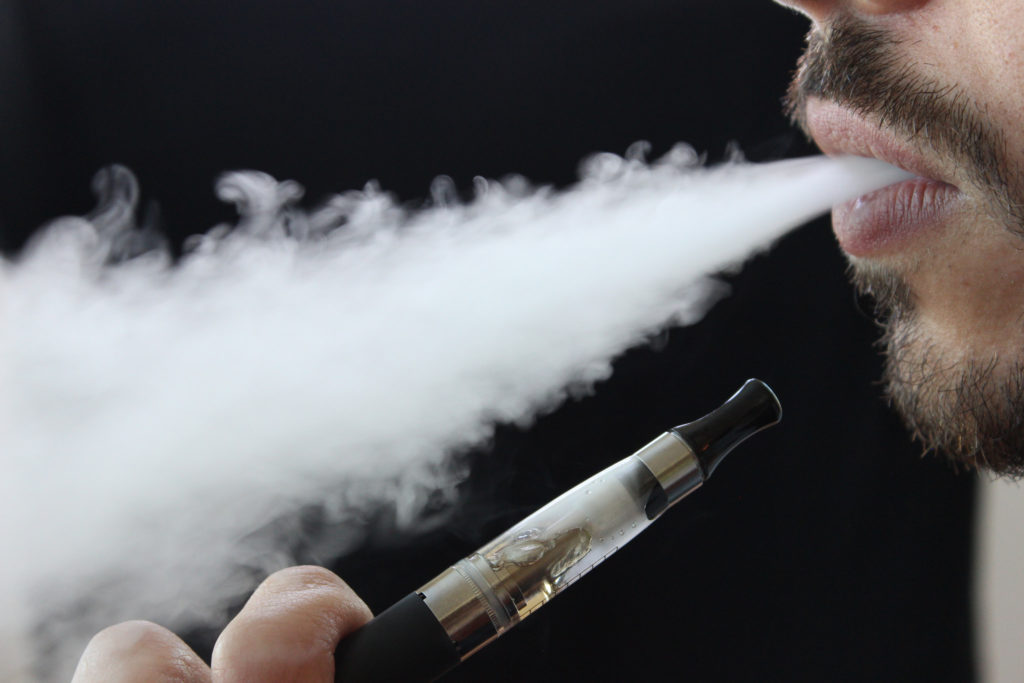
The Alabama Legislature passed dozens of bills on Thursday, with time running out on the 2023 Alabama Regular Legislative Session. Controversial anti-vaping legislation was not one of them. That bill was carried over in the Senate after widespread opposition lobbied Senators not to pass the bill. House Bill 319 (HB319) is sponsored by State Representative Barbara Drummond (D-Mobile). It is being carried in the Alabama Senate by State Senator Garlan Gudger (R-Cullman). Sen. Gudger said, “We do have a few amendments.” State Senator Tim Melson (R-Florence) said that the Alabama Cancer Action Network is opposing this bill. “This isn’t a quack organization,” Melson said. “They and the heart association and the lung people are against this bill.” Gudger said, “They want all tobacco and nicotine in existence eliminated.” “I don’t know how you are going to move it,” Melson said. “I can’t support this if they are against it.” Sen. Rodger Smitherman (D-Birmingham) said, “I think it is a crying shame that instead of doing something, they would rather do nothing. Doing nothing here is going to continue to allow these kids to continue vaping.” “They are going to continue vaping like I don’t know what,” Smitherman said. “They want to yank us around like a yoyo. Look at the impact if you don’t do anything.” Smitherman compared the Senator’s unwillingness to pass health legislation not supported by health associations to the failure of his plan to require a formal due process for school discipline decisions because it was universally opposed by the Alabama state school superintendents. “You care more about these little folks that call you, like the superintendents, than you do the little children,” Smitherman said. Smitherman said that Drummond had a negotiated bill. “She negotiated with them, and they agreed with what that bill was,” Smitherman said. “That’s not right.” “I am not going to stop fighting for the kids,” Smitherman said. “If you don’t pass this bill, they are going to vape for a whole year.” HB319 creates a registry of vape sellers and assigns that and enforcement of the bill to the Alcohol and Beverage Control Board. It also limits vaping to people 21 and above and fines underage persons who vape. “For the sake of the children, take out the due process,” Smitherman told Gudger. Sen. Shay Shelnutt (R-Trussville) told Gudger to “carry this over at the call of the chair.” Gudger finally asked that the bill be carried over at the call of the chair. It never came back that day. Gudger later told reporters, “(Health groups) want all tobacco eliminated, and we can’t do that. They want their way or nothing.” Groups like the Alabama Heart Association have opposed this legislation because they object to young people who vape being fined by the state and claim that it does not go far enough in regulating tobacco companies. Jada Shaffer is the senior regional lead of governmental affairs for the American Heart Association. “As the mother of a son who started using chewing tobacco at 14 and purchased it at our local gas station, I know this is a problem all too well,” said Shaffer. “I am pleading with lawmakers to take bold steps in ensuring that no child is exposed again to these deadly products and that the retailers in Alabama are held accountable if they sell to minors. Big tobacco targeted kids with fruity flavors and successfully addicted a whole new generation of kids to nicotine. And now they are shifting the blame to kids and penalizing them. HB319/SB271 further victimizes Alabama’s children all over again.” House Bill 319 could be brought back on Tuesday. If it does not pass the Senate – and then the House of Representatives approves any changes made by the Senate by the end of the legislative day on Tuesday, the legislation will die as Tuesday is Day 30 of the legislative session – the legislature is limited to a maximum of thirty days by the Alabama Constitution. To connect with the author of this story or to comment, email brandonmreporter@gmail.com.
Gov. Kay Ivey signs biggest budget in state history
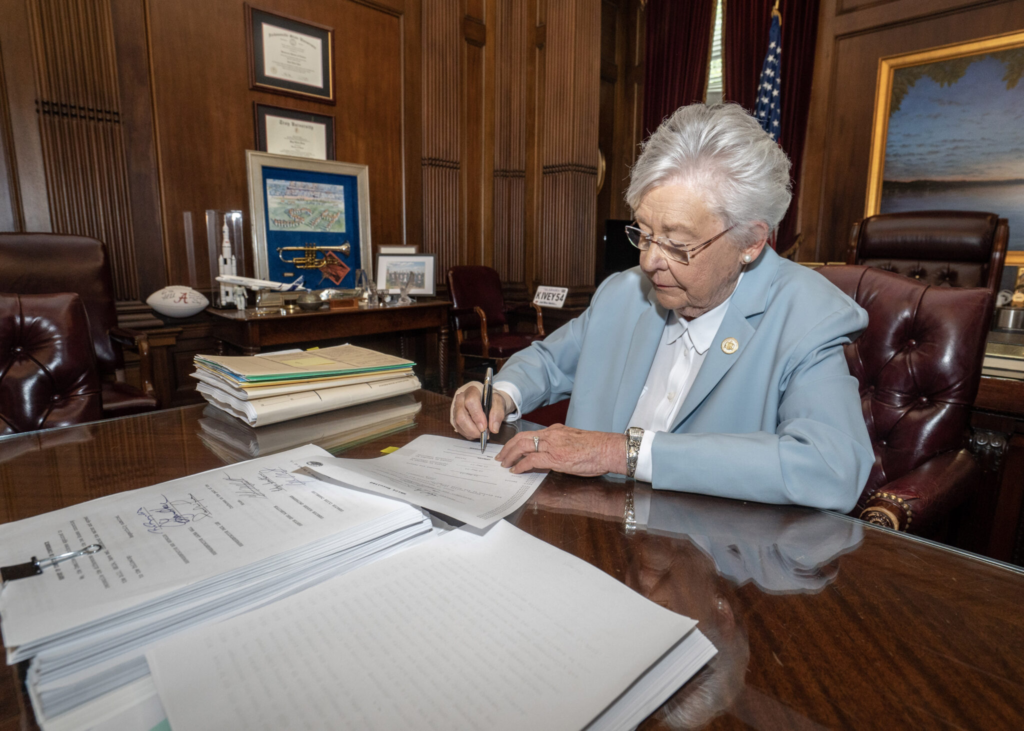
Alabama Governor Kay Ivey on Thursday signed the state general fund (SGF) budget and the education trust fund (ETF) budget, including two supplemental appropriations totaling $3.1 billion. This is the largest general fund and education budget in state history. The four budget bills total $14.7 billion. “I am proud to officially put my signature on yet another historic investment in our students, teachers, and schools,” Ivey said. “Alabama is serious about changing the trajectory of student outcomes, and our steady progress in the classroom and this record-setting education budget prove that to be the Gospel Truth. We are expanding our award-winning pre-K program into some of our highest poverty areas. We are supporting the implementation of the critical Literacy and Numeracy Acts. We are, once again, increasing teacher pay, giving us even more of a competitive edge to recruit and retain the educators of today and tomorrow. We are investing in our two-year and four-year colleges. And thanks to the work of the Alabama Legislature, we continue making these wise investments while paying down debts, adding to our savings, and returning the working people of Alabama’s money back to them through tax rebates. I have said it before, and I will say it again: Our students’ education is the single-most important issue facing our state, and Alabamians can rest assured that it will continue to be my top priority.” On the General Fund and the General Fund supplemental, Governor Ivey shared the following comment: “As I said in my State of State address, we can be proud of that fact that during my time as governor, we have not once used the word proration, nor have we spent beyond our means. I am equally proud to announce today that with my signature on the 2024 General Fund that positive trend will continue,” Ivey added. “Alabama’s record-setting $3 billion General Fund is generational money which makes possible greater investments in vital public services while also significantly paying down debt to reduce the impact of future economic downturns. This landmark budget is historic for Alabama. It will positively affect many agency operations from State Troopers protecting our highways to mental health professionals. It expands support for their important missions while rewarding their hard work with a much-needed pay raise. This budget’s robust commitment to our citizens is equally matched by our legislators’ strong bipartisanship to swiftly deliver it to my desk. I am pleased to sign it into law.” State employees can expect a two percent pay raise. Families will see their state grocery tax decrease, and every tax filer in the state can expect a $150 check. The budgets include more money for pre-K classrooms, math coaches, classroom materials, and economic incentives to spur further economic development. The budget also creates a new $500 million reserve fund in case there is an economic downturn. There is also a new grant program for K-12 school building and renovation projects. Lieutenant Governor Will Ainsworth will manage that fund. The fiscal year 2024 budgets go into effect on October 1. Money from the supplemental appropriations will be hitting state agencies and schools within just a few weeks. The record budgets are being driven by the booming economy and the record low unemployment. There is some criticism from conservatives that the budget grows government and that projects in South Alabama and Montgomery were shorted in the supplemental appropriation, with North Alabama getting just about everything they wanted. The last day of the legislative session will be on Tuesday. To connect with the author of this story or to comment, email brandonmreporter@gmail.com.
Gov. Kay Ivey signs bill to prevent purchase of land by enemy nations
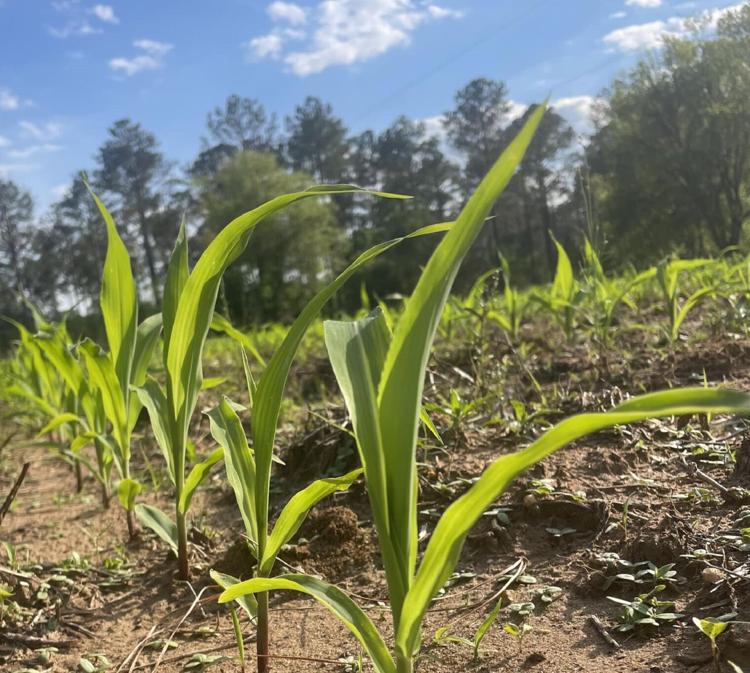
Alabama Gov. Kay Ivey signed a bill on Wednesday that is intended to protect land from purchase by hostile nations. House Bill 379 is known as the Alabama Property Protection Act and was sponsored by Rep. Scott Stadthagen, R-Hartselle. The new law bans the sale of agricultural and forest land; and “critical infrastructure” such as chemical plants, electricity generation plants, airports or water treatment facilities to China, Iran, North Korea, and Russia. The new law also prohibits the sale to any foreign entity of agricultural and forest property and any real estate within 10 miles of a military base or “critical infrastructure.” The measure was passed on May 9 by the House 73-23 and on May 18 by the Senate 26-7. “Across the United States, we have seen alarming instances of foreign entities purchasing large tracts of land, which could have severe consequences for our country’s national defense and economy if no action is taken,” Ivey said in a news release. “From our forests to our farmland, Alabama is blessed with an abundance of highly valuable natural resources that must be protected. “We also have a large military presence, and Alabama will always do our part to put the security of our country and our people first. The simple fact of the matter is that foreign governments have no business owning land in Alabama, and I am proud to sign this bill and ensure that will never be the case going forward.” Alabama is not the only state considering a measure that would cap foreign purchase of farmland. The Louisiana Legislature is considering a bill that deals solely with farmland, while Mississippi’s similar legislation was watered down to a study committee in March before Gov. Tate Reeves signed it into law. Republished with the permission of The Center Square.
Alabama lawmakers approve cut in state’s 4% grocery tax

Alabama families could soon pay less at the grocery store after lawmakers Thursday voted to remove half of the 4% state sales tax on food. Lawmakers unanimously gave final approval to the long-sought legislation. It would gradually remove half of the state’s 4% sales tax on food by September 1, 2024, provided there is enough revenue growth to offset the loss. The bill now goes to Alabama Gov. Kay Ivey Alabama is one of only three states that tax groceries at the same rate as other purchases. “This is going be great for working Alabamians. Folks who are struggling to put food on the table,” Republican Sen. Andrew Jones, sponsor of the Senate version of the bill, said after Senate passage. The measure had been proposed unsuccessfully in Montgomery for decades. But it gained bipartisan support as the state sees a record budget surplus — partly driven by rising prices leading to higher sales tax collections — and consumer frustration over the cost of food. The bill would reduce the 4% tax on food to 3% on September 1. It would drop to 2% on September 1, 2024, provided that tax collections to the Education Trust Fund are projected to rise more than enough to offset the loss. Robyn Hyden, executive director of Alabama Arise, an advocacy group for low-income families, said, reducing the state sales tax on groceries “will provide meaningful help for Alabamians who struggle to make ends meet.” “This grocery tax reduction will benefit every Alabamian. And it is an important step toward righting the wrongs of our state’s upside-down tax system, which forces Alabamians with low and moderate incomes to pay a higher share of their incomes in state and local taxes than the wealthiest households,” Hyden said. The Senate on Thursday quickened the pace of the tax removal but also increased the required revenue growth from 2% to 3.5% to safeguard against a loss in education funding. The House accepted the change on Thursday afternoon. The current 4% tax provides more than $600 million annually to the state for education funding. Cutting it in half would cost the education budget an estimated $318 million annually. “I think there’s some concern among members we’re heading into potentially perilous economic times… so we wanted to make sure that we have enough growth in the ETF (Education Trust Fund) to sustain the drawdown in the grocery tax,” Jones said. If the growth requirement isn’t met to drop the tax to 2% in 2024, it would be reduced in the next year that the growth requirement is satisfied. Alabama lawmakers proposed multiple tax cuts this year. But the food tax proposal drew widespread support, with nearly all 140 legislators signing on as sponsors. The legislation also would prevent local governments from raising taxes on groceries after the bill is signed into law. Jones said lawmakers are creating a study commission to explore the possibility of eventually removing all of the tax. Republished with the permission of The Associated Press.
Lawmakers approve expansion of private school scholarship program

Alabama lawmakers approved on Wednesday an expansion of a scholarship program aimed at helping low- and moderate-income students attend private schools. The House of Representatives voted 75-22 for the bill that would expand income eligibility and make other changes to increase the number of students participating in the program. The measure now goes to Gov. Kay Ivey. The bill advanced as Republicans across the country have championed various forms of so-called “school choice” legislation, ranging from vouchers to scholarship programs, to provide public support for private school or other alternative school options. “More children will have access to it,” Republican Rep. Terri Collins, of Decatur, said of the legislation during debate. Republican Sen. Donnie Chesteen, the bill’s sponsor, estimated last week that the number of students participating in the program could increase from about 3,000 to 4,400 with the changes. The existing program, known as the Alabama Accountability Act, gives tax credits for donations to organizations that provide the scholarships. Scholarship priority is given to students zoned to attend schools labeled as “failing” because they are in the lowest 6% of test scores. It also gives tax credits to help families transfer out of schools that have been designated as “failing.” The approved legislation raises the income cap for new scholarships from $55,500 for a family of four to $75,000. It expands eligibility to also include students with Individualized Education Programs because of a diagnosed learning disability or other condition. The bill raises the maximum scholarship to $10,000 per student. It would also provide more money for the program by gradually raising the annual cap on the tax credits from $30 million to $40 million and eventually up to $60 million. It would also do away with the label of “failing” school and replace it with “priority” schools. Schools would be given that label based on receiving a D or F on state report cards instead of just test scores. Republicans created the Alabama Accountability Act in 2013, pushing through the bill via conference committee during a chaotic legislative night. “I always have a bad taste in my mouth about this bill,” Democratic Rep. Laura Hall, of Huntsville said. Republished with the permission of The Associated Press.
Gov. Kay Ivey announces plan to execute James Barber
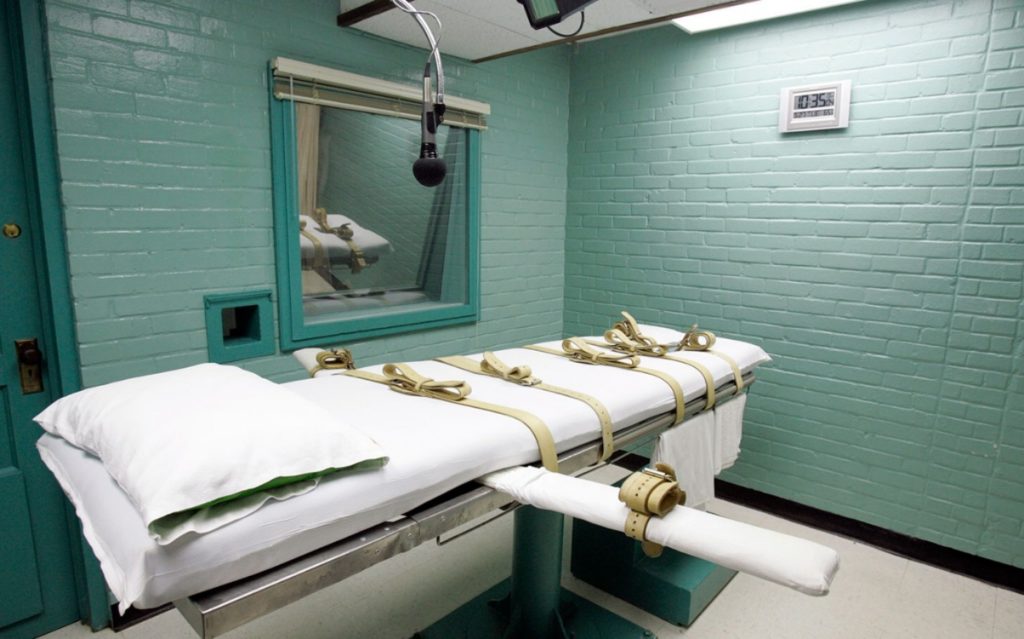
Governor Kay Ivey on Tuesday announced she has set the time frame for the execution of James Barber to occur beginning at midnight on Thursday, July 20 and expiring at 6:00 a.m. on Friday, July 21, 2023. The Alabama Supreme Court’s order authorizing Ivey to set an execution order was shared with the press. “On February 24, 2023, the State of Alabama filed a motion requesting that this Court, pursuant to Rule 8(d)(1), Ala. R. App. P., enter an order authorizing the Commissioner of the Department of Corrections to carry out James Barber’s sentence of death within a time frame set by the governor. Upon due consideration of such motion, IT IS ORDERED that the Motion is GRANTED. IT IS FURTHER ORDERED that the Commissioner of the Department of Corrections is authorized to carry out James Barber’s sentence of death within a time frame set by the Governor of the State of Alabama IT IS FURTHER ORDERED that the Governor shall set a time frame, which shall not begin less than 30 days from the date of this order, within which the Commissioner of the Department of Corrections shall carry out James Barber’s sentence of death IT IS FURTHER ORDERED that the Clerk of this Court shall transmit forthwith a certified copy of this Order electronically or by mailing a copy thereof by United States mail, postage prepaid, to the following · the attorney of record for James Edward Barber; · the Governor of Alabama; · the Attorney General of Alabama; · the Commissioner of the Department of Corrections; · the Clerk of the Alabama Court of Criminal Appeals; and · the Clerk of the Alabama Supreme Court · the Clerk of the Madison Circuit Court This Order authorizing the Commissioner to carry out James Barber’s sentence of death constitutes the execution warrant for James Barber.” Ivey followed that authorization with her order on Tuesday to Commissioner John Hamm. James Barber is being executed by lethal injection for his 2001 murder of Dorothy Epps. Barber, a handyman, robbed and killed his elderly neighbor, Epps – age 75, in Harvest in Madison County in 2001. The execution was delayed last year when Ivey asked for a moratorium to review what went wrong in the attempted execution of Kenneth Eugene Smith. After a short review of the state’s death penalty protocols, Ivey has authorized AG Steve Marshall to pursue new executions. If this process is like previous execution attempts, anti-death penalty activists will file motions at the Alabama Supreme Court and U.S. Supreme Court in the hours before the schedule seeking a stay in carrying out the death penalty. This is a legal tactic used to stall for time as the execution window winds down. Some previously condemned men have resisted efforts to allow the technician to find and tap a vein to carry out the execution. If those delay tactics successfully run out the clock past 6:00 a.m. on July 21, then Ivey would have to seek another court order to carry out the execution, and the whole process of executing Barber for his crimes could be delayed months. To connect with the author of this story or to comment, email brandonmreporter@gmail.com.
Steve Flowers: Girls State has had a profound effect on current state leaders
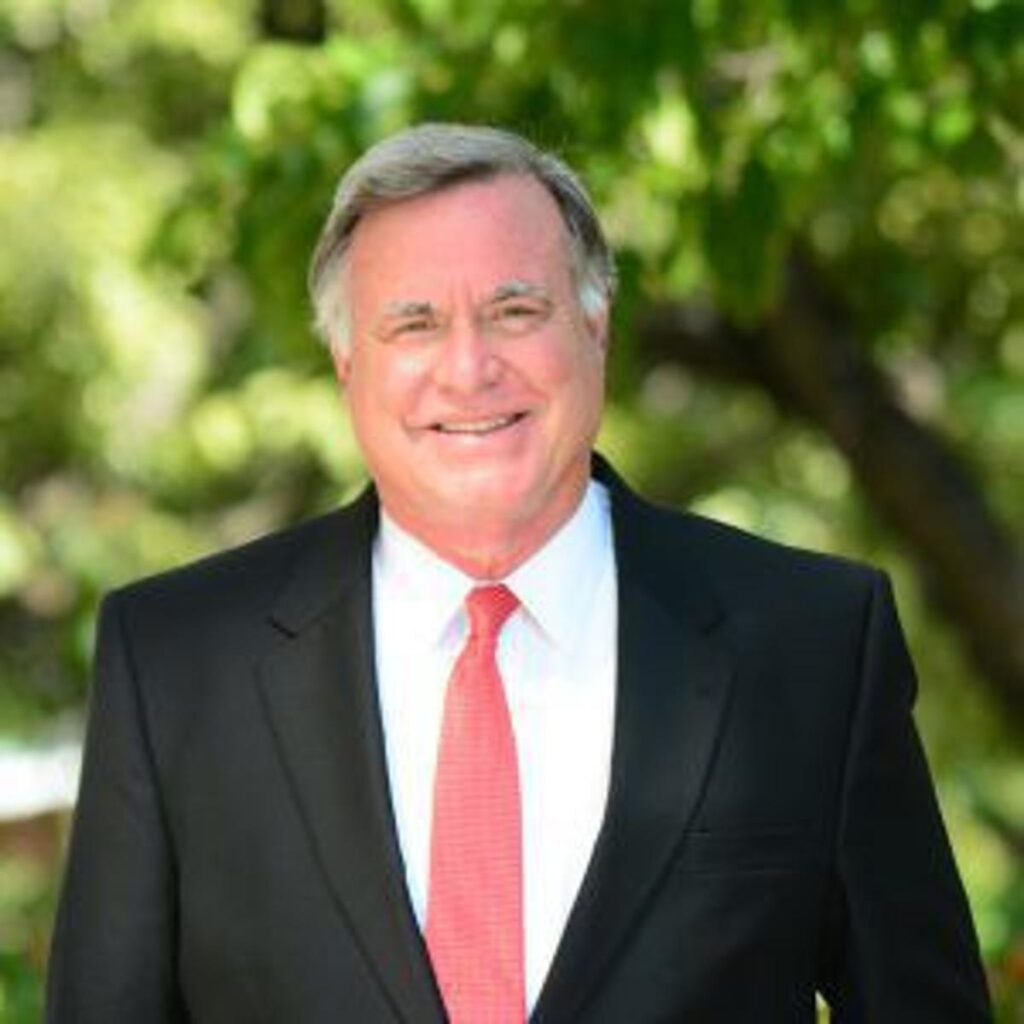
The Alabama Boys State and Girls State programs have been the spawning ground for Alabama political leaders for generations. It is a marvelous civic contribution that the American Legion has sponsored for almost a century in our state. The prominence that Boys State has played is immense. However, Girls State may very well be eclipsing the boys in this generation, given the amazing array of women who are currently leading our state. Governor Kay Ivey was a young high school leader growing up in Wilcox County in the early 1960s. Kay was selected for Girls State and had a week there that left an indelible impression on her. She went on to Auburn, where she was a student leader. For over 40 years, Kay Ivey has come back to Girls State every year as a counselor, advisor, and speaker. She is devoted to Girls State. Dr. Cathy Johnson Randall has been one of the state’s most respected leaders for 50 years. She was the most outstanding student at the University of Alabama when I arrived in 1970. She graduated undergraduate and got her doctorate from the Capstone. In her early career years, she was an administrator at the University of Alabama. She has been a premier businesswoman and philanthropist and Tuscaloosa Civic leader in her adult life. As a teenager, Cathy was a Girls Stater, to say the least. She was elected Governor of Girls State. She then went on to Washington and was elected President of Girls Nation. Furthermore, her daughter Kate was elected Governor of Girls State like her mother, and – get this – Kate was also President of Girls Nation. Cathy’s late husband and Kate’s father, Pettus Randall, was Governor of Alabama Boys State. It is doubtful any family in America, much less Alabama, will ever match that family lineage. Cathy Randall and Kay Ivey took a young lady from Enterprise under their wings when she arrived at Girls State. That student leader was one Katie Boyd. Katie became Governor of Girls State. She then went on to the University of Alabama and pledged Cathy Randall’s sorority, Chi Omega. Katie was elected Student Government President at Alabama, then married Crimson Tide Football star, Wesley Britt. Last year Katie Boyd Britt was elected as our United States Senator at the ripe old age of 40. The list of Girls Staters that are current state leaders does not end with Governor Ivey, Senator Britt, and Dr. Randall. Supreme Court Justice Kelli Wise was a Girls Stater, as well as past Justice Lyn Stuart. Federal District Judge Anna Manasco is a Girls State alumnus from around the same era as Kelli Wise. Mary Margaret Carroll from Ozark, who is one of the state’s top lobbyists, was a Girls Stater with Katie Britt and a Chi Omega with Katie at Alabama. She was also President of the SGA at the University of Alabama. Liz Filmore, Kay Ivey’s Chief of Staff, got her start at Girls State. Many of these women have bonded through the Girls State program. Especially Kay Ivey, Cathy Randall, and Katie Britt. They are like sisters. The fourth sister in this close-knit group is Lee Sellers of Montgomery. Lee grew up in Montgomery and has lived there all of her life. She was a prominent Girls State leader as a teenager. She became Executive Director of Alabama Girls State 21 years ago. She and her husband, Supreme Court Justice Will Sellers, are some of Kay Ivey’s closest friends. Lee is the glue that keeps this band of Girls State Alumni together. Lee will more than likely bring this group of state leaders back to welcome this year’s group of teenage Girls State leaders when they arrive next week to Troy University for the 81st meeting of Alabama Girls State. There will probably be a future senator or governor in attendance. Our current governor, Kay Ivey, is the first elected female Republican governor of Alabama. She will not be the last female to be elected governor of our state. In the future, my prediction is that there will be mostly female governors and presidents in future years. It is a fact that the majority of college enrollees and graduates are female. The reason most future governors and presidents, and probably Supreme Court justices, will be women is because currently 60% of law school graduates are females, and this is expected to grow to 70% in the next decade. See You next week. Steve Flowers is Alabama’s leading political columnist. His weekly column appears in over 60 Alabama newspapers. He served 16 years in the state legislature. Steve may be reached at: www.steveflowers.us.
Kay Ivey signs bill to ban biological males from women’s college teams
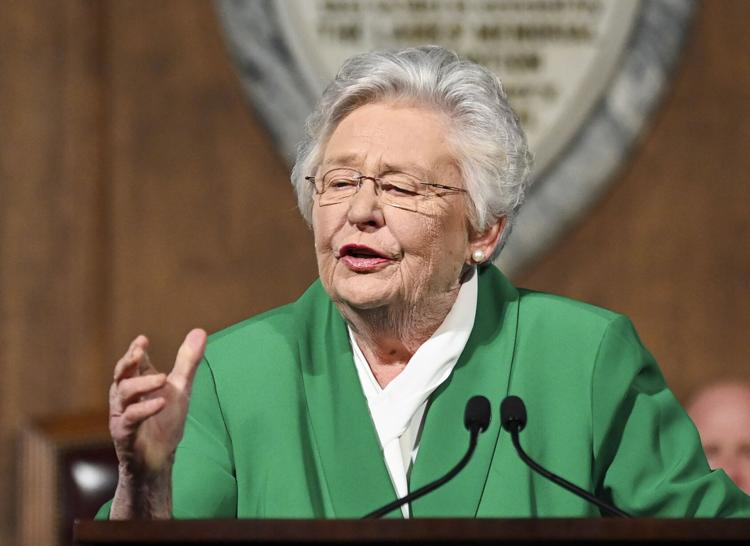
Alabama Gov. Kay Ivey signed into law a bill on Tuesday that requires transgender athletes at the state’s universities and community colleges to compete on teams based on their birth sex. House Bill 261 was sponsored by Rep. Susan DuBose, R-Hoover, and also prevents governmental entities, licensing, accreditation organizations, or athletic associations from filing a complaint, opening an investigation, or any other adverse action against a school that follows state law. It also gives those who say they are deprived of an athletic opportunity because a school is in violation of the law the ability to take the institution to court. “Look, if you are a biological male, you are not going to be competing in women’s and girls’ sports in Alabama,” Ivey said in a news release touting her signing of the bill. “It’s about fairness, plain and simple.” In 2021, she signed into law a bill that banned males from competing in girls’ sports in K-12. She also signed a letter earlier this month with 24 other Republican governors asking the Biden administration to stop its intent to expand Title IX protections to transgender athletes. Twenty-one states prohibit transgender students from participating on sports teams that do not align with their biological sex at birth, according to the Movement Advancement Project that tracks state policies. Republished with the permission of The Center Square.
Gov. Kay Ivey says Huntsville is only rightful place for Space Command
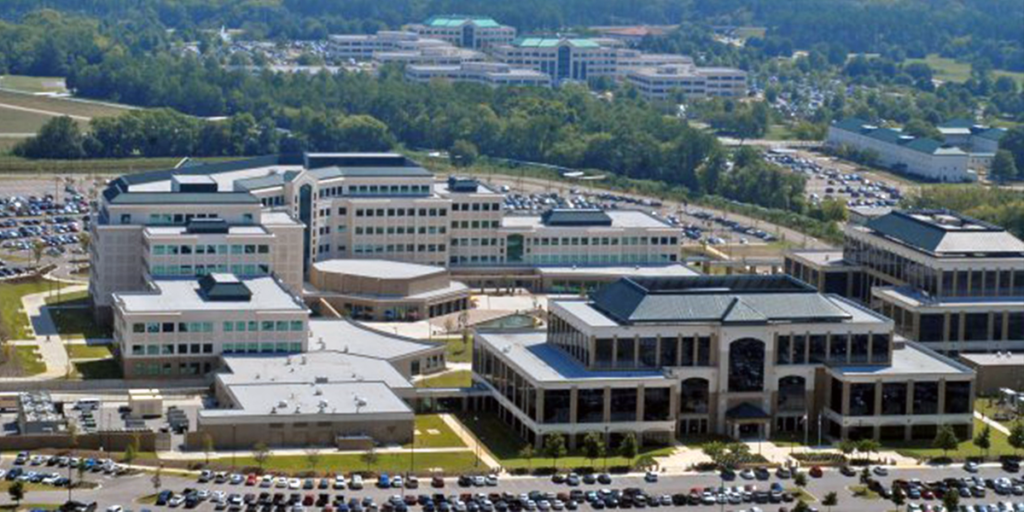
On Tuesday, Governor Kay Ivey commended the House Armed Services Committee’s investigation into why President Joe Biden may overrule the Air Force decision to move Space Command to Red Stone Arsenal in Huntsville. Ivey reiterated her claim that it is a blatant fact that Huntsville is the rightful home for the Space Command Headquarters. “Alabama is eager for our country to win the space race, not slow walk our way there,” said Ivey. “Let me repeat what everyone already knows: Alabama is the only rightful home for Space Command Headquarters, and supporting this mission is critical to the advancement of our national security.” “Last week, our bipartisan Alabama delegation brought to light concerning details regarding the permanency of Space Command Headquarters,” Ivey continued. “On what dimension would we not have a permanent headquarters for a major arm of our national security? There are many questions that must be answered, and I commend Chairman Rogers, Representatives Strong and Sewell, as well as the entire U.S. House Armed Services Committee for launching this investigation.” U.S. Representative Mike Rogers (R-AL03) is the Chairman of the House Armed Services Committee. Rogers sent a letter to Lloyd Austin, Secretary of the Department of Defense, and Frank Kendall, Secretary of the Department of the Air Force, requesting the department to preserve all documentation concerning the selection of a location for the U.S. Space Command (SPACECOM) Headquarters. In the letter, Chairman Rogers expressed concern regarding continued delays due to possible interference from the Biden Administration. “The Air Force’s deleterious actions concerning the selection of a location for SPACECOM Headquarters require the Committee to now seek document preservation in this matter,” Rogers said. “Air Force officials have continued to delay finalizing the move of SPACECOM Headquarters to Redstone Arsenal in Huntsville, Alabama, in response to apparent politically motivated interference by political appointees in the Biden Administration.” Chairman Rogers continued, “The U.S. Space Force’s overall mission and success requires a swift decision on finalizing the move. The move is severely delayed at this point, over two years beyond the point when Air Force made the right decision after scrutinizing multiple locations and considering multiple factors to locate SPACECOM Headquarters in Huntsville, and over a year since the GAO and the DOD Inspector General affirmed Air Force’s decision. Moving expeditiously to locate SPACECOM Headquarters at Redstone Arsenal is in our country’s best national security interests.” “Alabama – in every way – is staunchly committed to seeing this mission through,” said Gov. Kay Ivey. “And everyone agrees because the facts are undeniable that Redstone should, can, and will be home to Space Command Headquarters. Secretary Kendall and General Dickinson, I am ready to join you at Redstone Arsenal very soon to officially welcome the HQ to Alabama.” “The Air Force closely scrutinized multiple locations based on multiple factors to decide where Space Command Headquarters should be, and Huntsville was the indisputable winner in both the Evaluation and Selection phases,” said Congressman Dale Strong (R-AL05). “The fact is that Redstone Arsenal offers the best possible location for Space Command Headquarters, and it is in our country’s best national security interest to make this move immediately.” There is a report by NBC News that President Biden will overrule the Air Force decision and instead order Space Command headquarters to remain in Colorado. This is widely viewed as a political calculation as the President faces re-election next year, and Colorado voted for him. In contrast, Alabama has not backed a Democratic presidential candidate since 1976. To connect with the author of this story or to comment, email brandonmreporter@gmail.com.
Alabama lawmakers approve budget after disagreements on local projects

Alabama lawmakers on Friday gave final approval to general fund spending bills after sometimes tense disagreements over local projects and budget projections. Lawmakers worked through the night before giving final passage to the spending bills shortly in the early hours of Friday morning. “This is not the best that there ever has been, but it’s the best we can get to this evening,” said Sen. Greg Albritton, the chairman of the Senate Finance and Taxation General Fund Committee. Legislators gave final approval to a $3 billion general fund budget for the fiscal year beginning in October and a supplemental spending bill for this year. The bills now go to Alabama Gov. Kay Ivey. Sharp disagreements had emerged over funding for special projects, with some lawmakers saying their districts had been neglected. “It’s the poorest region of the state, and not one whole million dollars went to West Alabama,” Senate Minority Leader Bobby Singleton said. Lawmakers from Montgomery successfully fought to restore some funding for a gateway project to improve the area around Maxwell Air Force Base. Sen. Will Barfoot said the base is the “lifeblood of Montgomery.” Lawmakers had also disagreed over how much to spend in the upcoming fiscal year because of concerns about a possible economic downturn. The approved spending plan is about $10 million less than a House-passed plan. Republished with the permission of The Associated Press.
Jefferson County Judge Anne Lamkin Durward dies
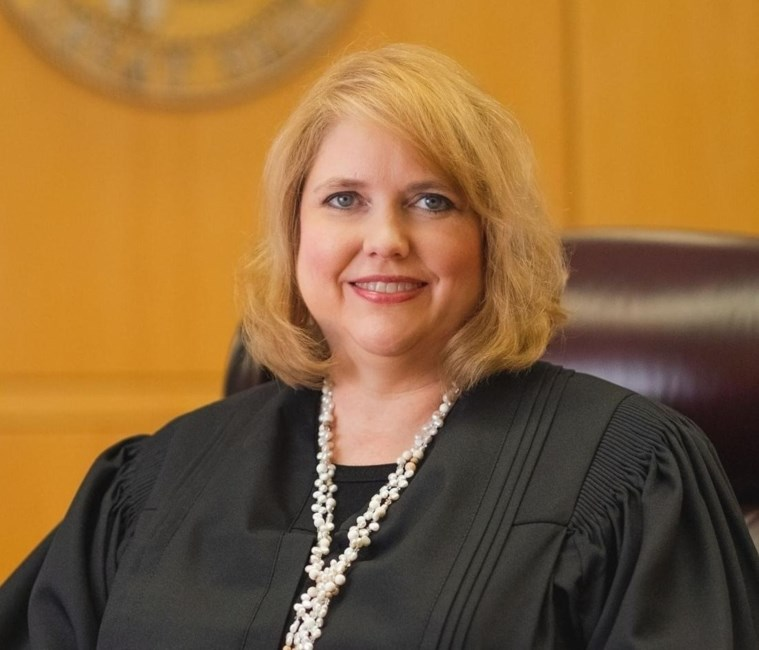
Jefferson County Judge Anne Lamkin Durward died on Saturday. She was 54. Durward was also the sitting President of the American Academy of Matrimonial Lawyers Foundation (AAML). The AAML Foundation made the announcement on their Facebook. “With profound sadness, I must share the news that Anne Lamkin Durward, President of the AAML Foundation, passed away unexpectedly on May 27. She was at home with her husband John and their dogs Duke and Laney. We express our deep sorrow and condolences to John and Anne’s family. Her funeral arrangements will be shared when they are finalized.” “Anne was a brilliant ray of sunshine who was loved and respected by everyone she met. I honestly can’t remember when a frown or a cross word ever passed her lips. She earned the title “The Honorable” in a landslide election a few years ago, and no one was more deserving. Anne was the benchmark of professionalism, enthusiasm, grace, and charm. She had a knack for putting others at ease.” “Social media can’t express my affection for Anne, but if you want to know a little more about her, scroll through Anne’s Facebook feed. She had literally hundreds of friends in the American Academy of Matrimonial Lawyers and International Academy of Family Lawyers. As President of the AAML Foundation, Anne traveled tirelessly as a goodwill ambassador to state chapters. She was proud to be a winning coach of the Cumberland School of Law moot court team, and an active member of the Birmingham Bar Association Women Lawyers Section. She was the second-most enthusiastic Alabama college football fan in her household (Roll Tide!). Anne touched our lives in a gentle, positive way. Her impact will be strong and lasting. We will miss her terribly.” Judge Durward presided over cases in the domestic relations division. Gov. Kay Ivey appointed Durward in 2020 to serve as domestic relations judge in Jefferson County, and she was elected in her own right in the 2022 election. She is a native of Mountain Brook, a graduate of Mountain Brook High School, and an alumnus of Washington and Lee University in Virginia as well Cumberland School of Law at Samford University. Anne is survived by her husband of twenty-three years, G. John Durward Jr.; her parents Dr. Thomas G. Lamkin and Mrs. Anne Lamkin; her younger brothers Thomas G. Lamkin, Jr. (Kelly), and Robert F. Lamkin (Angelina); her father-in-law Gerard J. Durward, her brother-in-law Michael P. Durward (Melissa); her niece Annelise and nephew Griffin Lamkin, and nephews Robert Jr., David and Daniel Lamkin and her canine children Duke and Laney. Prior to serving as a judge, Judge Durward practiced for 25 years in the area of family and domestic matters at Massey, Stoser & Nichols, P.C., where she was a shareholder and authored Child Custody: Modern Trends and Observations published in Child Custody Litigation and Settlements (Aspatore 2013). In addition to the State of Alabama, Judge Durward is admitted to practice in the United States Supreme Court, the Eleventh Circuit Court of Appeals, and the Northern, Middle, and Southern Districts of Alabama. At Cumberland School of Law, Judge Durward was the Managing Editor of the American Journal of Trial Advocacy and served on both the Henry Upsom Sims Moot Court Board and the Cumberland Trial Advocacy Board. She was awarded as one of the Cumberland School of Law’s Top 20 Female Lawyers for 2020, the Cumberland 2021 Alumni of the Year Award, the Cumberland 2022 Community Affairs Committee Award for Outstanding Community Service, and the Pro Bono Service Award recipient. Judge Durward is a Fellow of the Alabama Law Foundation and a Life Fellow and past President of the Board of Directors of the Birmingham Bar Foundation, having co-led the founding of the organization’s Fellows program. Judge Durward was an active member in the Birmingham Bar Association, serving as a Past Secretary-Treasurer of its Executive Committee, an active member in the Family Law, Women Lawyers (Board member) and Probate Sections and Entertainment Committee of the organization, and was a member of the Magic City Bar Association. Judge Durward twice served as President of the Legal Aid Society of Birmingham, served on its Board of Trustees, and was a member of the Board of Directors for the Birmingham Bar Volunteer Lawyers Program. Judge Durward was recognized by the Birmingham Bar Foundation with the 2018 Excellence Award. She has served as a speaker for multiple continuing legal education seminars for the Alabama State Bar, the American Bar Association, and other national and international organizations. Judge Durward was selected to Class IV of the Leadership Forum of the Alabama State Bar. She served as President and remains on the Advisory Board of DELTA, Inc., which is a charitable organization formed by members of the Birmingham Alumnae Chapter of Delta Sigma Theta Sorority to maintain a life development center in Birmingham’s Green Acres neighborhood and support community programs for youth and adults. She also served on the Community Affairs Committee, as a Sustainer of the Birmingham Ballet Guild, a member of the Washington & Lee University Alumni Chapter Board, and as a member of the Women’s Committee of 100. She serves on the Board of Directors of the Alabama Men’s Hall of Fame and on the Dean’s Executive Council at the Orlean Beeson School of Education at Samford University. Judge Durward also is a member of the United Fellowship Breakfast Forum, Inc., Kiwanis Club of Birmingham, and the Judge James Edwin Horton American Inns of Court. Judge Durward has been listed for multiple years in the Best Lawyers in America for Family Law, the Top Attorneys and Top Women Attorneys in Birmingham, and in SuperLawyers, and is AV Rated in Martindale Hubbell. There will be a Celebration of Life service on June 8, 2023, at 3:00 p.m. at St. Luke’s Episcopal Church at 3736 Montrose Rd., Mountain Brook, AL 35213. Visitation will be at 2:00 p.m. in Graham Hall at the church. Memorials can be sent to the American Academy of Matrimonial Lawyers Foundation, the Birmingham Bar Foundation, or a charity of your
USDA designates parts of Alabama a disaster area due to unseasonably cold temperatures that impact farmers

On Friday, Alabama Governor Kay Ivey and Commissioner of Agriculture and Industries Rick Pate announced that the U.S. Department of Agriculture issued a disaster designation for portions of Alabama at Governor Ivey’s request. Last week, the governor sent the request to the secretary of USDA for a disaster designation due to a drop in temperatures in March. The counties impacted by the designation are as follows: Baldwin, Henry, Elmore, Houston, and Montgomery counties were directly impacted. Contiguous counties that may have been impacted are Autauga, Pike, Barbour, Conecuh, Geneva, Bullock, Covington, Crenshaw, and Dale Counties, as well as Okaloosa County in Florida and Early, Clay, and Stewart Counties in Georgia. “Alabama’s farmers are vital to Alabamians and Americans alike,” said Governor Ivey. “They put the food on our tables and are a center point of our economy. This much needed disaster designation will help these hardworking men and women recover from lost crops resulting from an unpredictable change of temperature. I know this will help a good deal, and I am certainly proud to have the backs of our farmers during this recovery process and always.” “Our department has worked closely with the Governor’s Office and USDA leadership over the past week,” said Commissioner Pate. “We have learned of numerous impacts to the fruit and vegetable industry based on the late March freeze. We want to thank Governor Ivey and our federal partners for expediting the secretarial disaster designation.” Fruit trees in the flowering stage are particularly vulnerable when impacted by a cold snap, and it appears that the late cold snap impacted a number of orchards in southern counties. Also affected were vegetable farms that had just put transplants. Those young plants are routinely put out in the southern counties of Alabama in the early weeks of March. A number of those farms appear to have lost those plants and been forced to replant, postponing the eventual harvest by weeks. “During the period from March 18, 2023, through March 20, 2023, the state of Alabama experienced extreme cold temperatures resulting in a total loss of blueberries in southwest Alabama and a significant loss of peaches in central Alabama. There are also reports of stunted strawberry yields due to this cold weather event, and at least one producer has reported a loss of carrots due to low temperatures. It is reasonable to conclude that more crop production was likely impacted,” Governor Ivey wrote in the letter requesting the disaster declaration. Affected farmers may be eligible for emergency loans from USDA. To be eligible, farmers must suffer at least a 30% production reduction in a primary crop and be in a designated or contiguous county. Losses to quality, such as receiving a reduced price for flood-damaged crops, may be eligible for assistance. All loan applicants must also meet additional criteria unique to the Emergency Loan program. The loan applicant must be an established farmer and either the owner-operator or tenant-operator of the farm at the time of the disaster. The loan applicants must intend to continue farming. The loan applicants must get written declinations of credit from organized commercial lending institutions. If the loan is greater than $100,000 and less than $300,000, only one letter is required. If the loan is greater than $300,000, 2 letters of declination are required. If the loan amount requested is $100,000 or less, this requirement is determined on a case-by-case basis at the Agency’s discretion. The Agency must receive the loan applications no later than eight months after the disaster is declared or designated. The loss and/or damage to the farm operation must be directly attributed to the stated reason for the disaster declaration. Crop insurance is not required at the time of the loss but will be a requirement for the coming year in order to receive a loan. The maximum loan amount for an Emergency loan is $500,000. Yet, the amount a loan applicant may receive is limited to the actual amount of production or physical loss caused by the disaster. Physical loss loans are based on the amount needed to replace the lost property, such as stored grain, equipment, and livestock. Repayment terms are based on the useful life of the security, a loan applicant’s repayment ability, and the type of loss involved. The repayment schedule will require at least one payment every year. Emergency loans for annual operating expenses must be repaid within 12 months and not to exceed 18 months if an extended term is necessary for the production cycle of the agricultural commodity. Interest rates are calculated and posted on the 1st of each month. The interest rate charged is always the lower rate in effect at the time of loan approval or loan closing for the type of loan wanted. For information on whether or not your farm may be eligible for this or other programs, contact your local Farm Service Agency office. To connect with the author of this story or to comment, email brandonmreporter@gmail.com.
