On Friday, Alabama Governor Kay Ivey and Commissioner of Agriculture and Industries Rick Pate announced that the U.S. Department of Agriculture issued a disaster designation for portions of Alabama at Governor Ivey’s request. Last week, the governor sent the request to the secretary of USDA for a disaster designation due to a drop in temperatures in March.
The counties impacted by the designation are as follows:
Baldwin, Henry, Elmore, Houston, and Montgomery counties were directly impacted.
Contiguous counties that may have been impacted are Autauga, Pike, Barbour, Conecuh, Geneva, Bullock, Covington, Crenshaw, and Dale Counties, as well as Okaloosa County in Florida and Early, Clay, and Stewart Counties in Georgia.
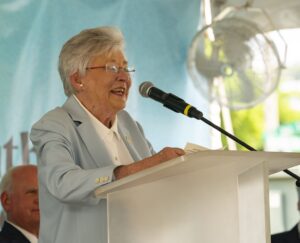
“Alabama’s farmers are vital to Alabamians and Americans alike,” said Governor Ivey. “They put the food on our tables and are a center point of our economy. This much needed disaster designation will help these hardworking men and women recover from lost crops resulting from an unpredictable change of temperature. I know this will help a good deal, and I am certainly proud to have the backs of our farmers during this recovery process and always.”
“Our department has worked closely with the Governor’s Office and USDA leadership over the past week,” said Commissioner Pate. “We have learned of numerous impacts to the fruit and vegetable industry based on the late March freeze. We want to thank Governor Ivey and our federal partners for expediting the secretarial disaster designation.”
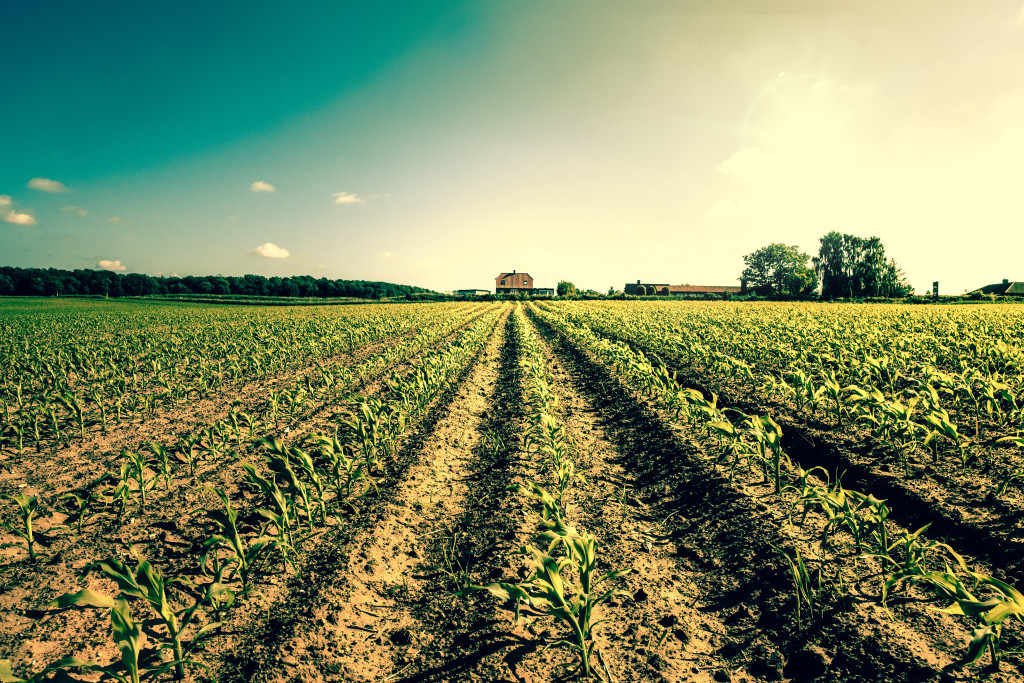
Fruit trees in the flowering stage are particularly vulnerable when impacted by a cold snap, and it appears that the late cold snap impacted a number of orchards in southern counties. Also affected were vegetable farms that had just put transplants. Those young plants are routinely put out in the southern counties of Alabama in the early weeks of March. A number of those farms appear to have lost those plants and been forced to replant, postponing the eventual harvest by weeks.
“During the period from March 18, 2023, through March 20, 2023, the state of Alabama experienced extreme cold temperatures resulting in a total loss of blueberries in southwest Alabama and a significant loss of peaches in central Alabama. There are also reports of stunted strawberry yields due to this cold weather event, and at least one producer has reported a loss of carrots due to low temperatures. It is reasonable to conclude that more crop production was likely impacted,” Governor Ivey wrote in the letter requesting the disaster declaration.
Affected farmers may be eligible for emergency loans from USDA.
To be eligible, farmers must suffer at least a 30% production reduction in a primary crop and be in a designated or contiguous county. Losses to quality, such as receiving a reduced price for flood-damaged crops, may be eligible for assistance.
All loan applicants must also meet additional criteria unique to the Emergency Loan program. The loan applicant must be an established farmer and either the owner-operator or tenant-operator of the farm at the time of the disaster. The loan applicants must intend to continue farming. The loan applicants must get written declinations of credit from organized commercial lending institutions. If the loan is greater than $100,000 and less than $300,000, only one letter is required. If the loan is greater than $300,000, 2 letters of declination are required. If the loan amount requested is $100,000 or less, this requirement is determined on a case-by-case basis at the Agency’s discretion. The Agency must receive the loan applications no later than eight months after the disaster is declared or designated. The loss and/or damage to the farm operation must be directly attributed to the stated reason for the disaster declaration. Crop insurance is not required at the time of the loss but will be a requirement for the coming year in order to receive a loan.
The maximum loan amount for an Emergency loan is $500,000. Yet, the amount a loan applicant may receive is limited to the actual amount of production or physical loss caused by the disaster. Physical loss loans are based on the amount needed to replace the lost property, such as stored grain, equipment, and livestock.
Repayment terms are based on the useful life of the security, a loan applicant’s repayment ability, and the type of loss involved. The repayment schedule will require at least one payment every year. Emergency loans for annual operating expenses must be repaid within 12 months and not to exceed 18 months if an extended term is necessary for the production cycle of the agricultural commodity. Interest rates are calculated and posted on the 1st of each month. The interest rate charged is always the lower rate in effect at the time of loan approval or loan closing for the type of loan wanted.
For information on whether or not your farm may be eligible for this or other programs, contact your local Farm Service Agency office.
To connect with the author of this story or to comment, email brandonmreporter@gmail.com.
Related
Share via: