
Donald Trump thanks farmers for backing him through China trade war
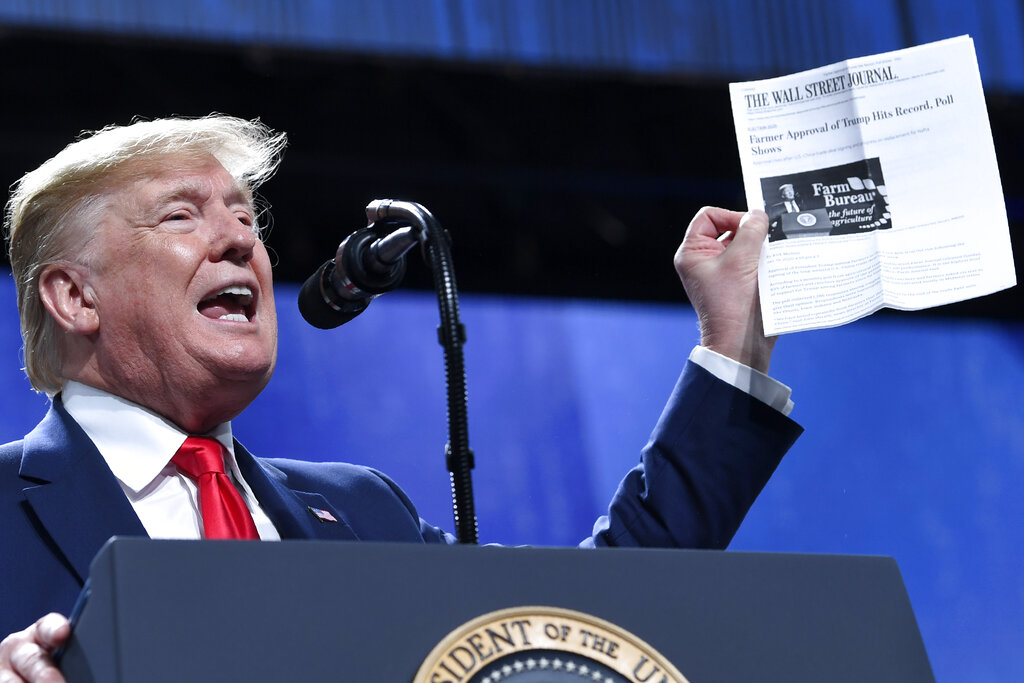
Trump described the trade agreement with China as “groundbreaking.”
Donald Trump sees mixing trade, foreign policy as good politics
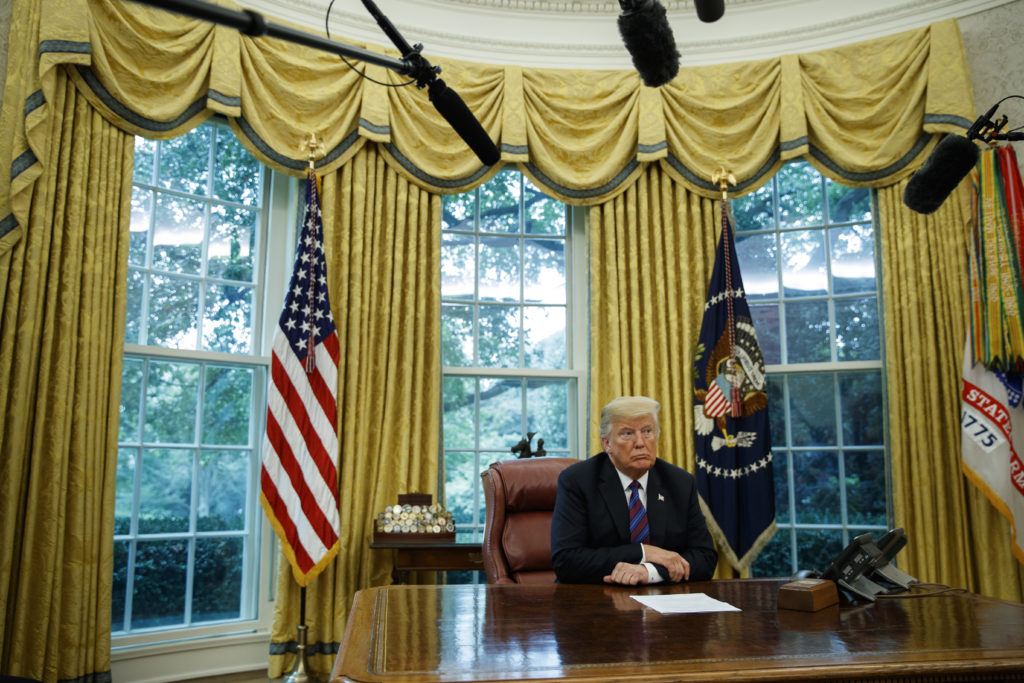
When President Donald Trump pulled the plug on an upcoming trip to North Korea by his secretary of state, he pointed a finger of blame at China and the global superpower’s trade practices. In his recent trade breakthrough with Mexico, Trump praised the country’s outgoing president for his help on border security and agriculture. Both developments offered fresh evidence of how Trump has made trade policy the connective tissue that ties together different elements of his “America First” foreign policy and syncs up them with his political strategy for the 2020 presidential election. Trump’s 2016 triumph was paved in part by his support among blue-collar voters in Midwestern manufacturing states that narrowly supported him over Democrat Hillary Clinton, including Michigan, Wisconsin, Ohio and Pennsylvania. His aggressive trade tactics, epitomized by tariffs and standoffs with longtime economic partners and allies, are aimed at reversing what he has long viewed as unfair trade deals while maintaining support among largely white, working-class voters who have been hurt by the loss of manufacturing jobs. “Trump understands that economic policy is foreign policy and vice versa,” said Stephen Moore, a former Trump campaign adviser and visiting fellow at The Heritage Foundation. “The most important element of foreign policy is to not just keep the world safe but to also promote America’s economic interest. That’s what Trump does — this is America First.” It’s also good politics, in Trump’s view. “It’s a populist position. But it’s also a popular position with a lot of Americans,” Moore said. As he puts a high premium on trade gains, Trump is intertwining the issue with a host of top foreign policy concerns. Trump, asked by reporters last week about North Korea living up to its commitments to denuclearize, said “part of the North Korean problem is caused by our trade disputes with China,” pointing to the U.S. trade imbalance with China. “We have to straighten out our trade relationship because too much money is being lost by us,” Trump said. “And as you know, China is the route to North Korea.” Trade has been a common refrain at the president’s rallies, where he has vowed to pursue “fair and reciprocal trade.” “We don’t want stupid trade like we had for so long,” Trump said during a rally in Duluth, Minnesota, in June. Trump’s second year as president has been marked by a number of trade disputes with traditional U.S. allies and global rivals alike, an approach cemented by his tweet that “trade wars are good.” He imposed tariffs on steel and aluminum imports in March, prompting retaliation from the European Union and other American allies. Later in the month, Trump announced tariffs on China to combat what he called the theft of U.S. technology from a wide range of goods and services. China struck back with its own sanctions on a variety of U.S. products, including Midwest farm-produced soybeans in a way to hit hard against the president’s base of voters. The two sides have clashed during the spring and summer, raising the stakes in their trade fight. In late July, Trump and European Commission President Jean-Claude Juncker reached a temporary deal at the White House to avert tariffs on automobile imports and a ramping up of their trade dispute — although the threat still remains. After a breakthrough with Mexico, Trump’s team has been engaged in talks with Canada aimed at creating a new version of the 24-year-old North American Free Trade Agreement. While previous administrations have often used a carrot-and-stick approach to trade as a way to forge agreements, before Trump’s arrival trade agendas had emphasized multi-lateral and bilateral deals aimed at maintaining U.S. leadership around the world, promoting American values and improving human rights. This administration, by contrast, “is leveraging foreign policy tools to achieve its trade goals,” said Lori Wallach, director of Public Citizen’s Global Trade Watch. Critics say Trump’s insistence on trade concessions could hamper his ability to move forward in other areas. On North Korea, for example, Trump has sought to turn his meeting with Kim Jong Un into a vivid example of how his unconventional style can bring longstanding U.S. adversaries to the bargaining table. But by raising China’s trade practices as essential to any progress to ensuring North Korea gets rid of its nuclear weapons, Trump runs the risk of getting bogged down in both areas — and having little to show for it. Mixing foreign policy and trade policy introduces so many variables it’s “virtually impossible to close on a precise policy decision,” said Daniel Ujczo, a trade attorney with Dickinson Wright PLLC in Columbus, Ohio. “You’re constantly chasing after the next issue as opposed to having a very targeted approach to the objective.” Republished with permission from the Associated Press.
What they’re saying: Alabama reactions to news of new NAFTA framework
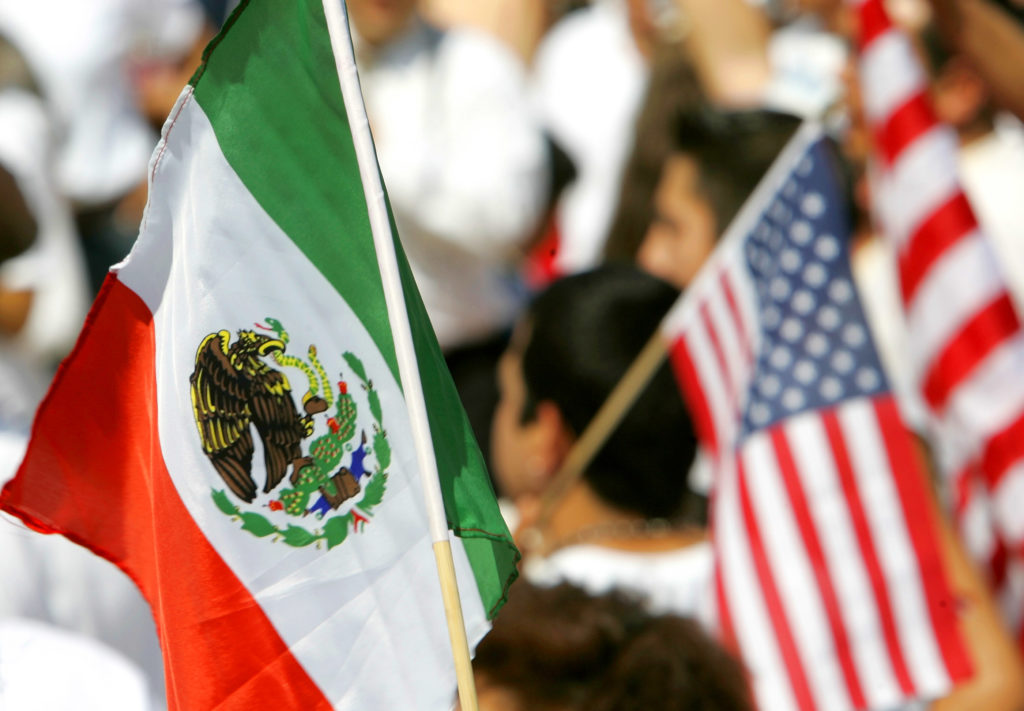
The United States and Mexico have reached an agreement on components of the North American Free Trade Agreement (NAFTA) on Monday, a deal that moves President Donald Trump closer to fulfilling a major campaign promise to renegotiate NAFTA so all American workers can benefit. “America has … finally turned the page on decades of unfair trade deals that sacrificed our prosperity and shipped away our companies, our jobs, and our Nation’s wealth,” said Trump. The deal will rename NAFTA “the United States-Mexico Trade Agreement” — a name that would exclude the third NAFTA partner, Canada. The president said that he will be calling Canadian Prime Minister Justin Trudeau. “If they’d like to negotiate fairly, we’ll do that,” Trump told reporters. According to the White House, the preliminary agreement with Mexico will benefit American workers, American manufacturing, and American agriculture, through provisions including: New “rules of origin” requirements to incentivize billions a year in vehicle and automobile parts production in the United States, supporting high-wage jobs. The strongest, fully enforceable labor standards of any trade agreement. New commitments to reduce trade-distorting policies for agricultural goods. Improvements enabling food and agriculture to trade more fairly. Strong and effective intellectual property protections. The strongest disciplines on digital trade of any international agreement. The most robust transparency obligations of any United States trade agreement. Here’s what the Alabama delegation is saying about the deal: U.S. Rep. Robert Aderholt (AL-04): All throughout the 2016 campaign, Democrats laughed at the idea we could renegotiate our trade deals. With this important step towards a new NAFTA deal, President Trump has once again proven these critics wrong. The strength of the American economy, and the American consumer, comes with a lot of negotiating power. Power that has too often not been used, to the detriment of American workers. Those days are over. U.S. Rep. Mo Brooks (AL-05): All throughout the 2016 campaign, Democrats laughed at the idea we could renegotiate our trade deals. With this important step towards a new NAFTA deal, President Trump has once again proven these critics wrong. The strength of the American economy, and the American consumer, comes with a lot of negotiating power. Power that has too often not been used, to the detriment of American workers. Those days are over”
Canada says Alabama could be at risk if trade negotiations disintegrate
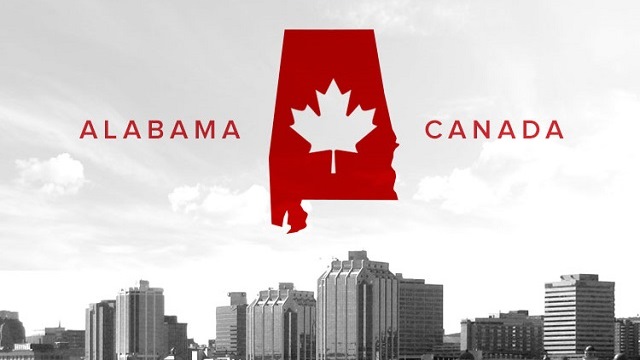
A representative of the Canadian government on Friday warned Alabama jobs could be at risk if NAFTA negotiations are to disintegrate between the U.S. and Canada. In May, Commerce Secretary Wilbur Ross announced new tariffs on steel and aluminum from some of United State’s biggest trading partners – including Canada. In retaliation Canada has imposed new tariffs on a numerous amount of American goods, from steel and aluminum to whiskey and toilet paper. The country has been the top export market for Alabama since at least 2014. With over $4.1 billion being exported to the country in 2017, and $4.2 billion in 2016; the trade relationship between the Yellowhammer State and Canada has created 111,200 jobs. According to the Alabama Newscenter in 2016 alone, 13 different Canadian firms provided new investments in the state totaling $145 million and creating nearly 530 jobs. But Ashante Infantry, the Communications officer for the Canadian Consulate General in Atlanta warns that the relationship between the two entities could be at risk. “The United States and Canada enjoy one of the closest relationships between any two countries in the world,” Infantry said, according to the Alabama Political Reporter. “Since 1994, The North American Free Trade Agreement (NAFTA) has encouraged the trading of goods and services between the U.S. and Canada to promote economic vitality for both countries, but that future is uncertain. If current NAFTA negotiations break down, American jobs could be at risk, and the prices for items such as groceries to cars would likely rise.” “Because of NAFTA, Alabama has seen new businesses form, new job openings posted, and a more vibrant economy,” Infantry continued. “We must ensure that NAFTA is modernized for the future—so that its benefits are more widely shared, and, importantly, so that Alabama’s economy continues to prosper.” Read more on Alabama-Canadian trade relations below: Alabama-Canada Agricultural Trade
On trade policy, Donald Trump is turning GOP orthodoxy on its head
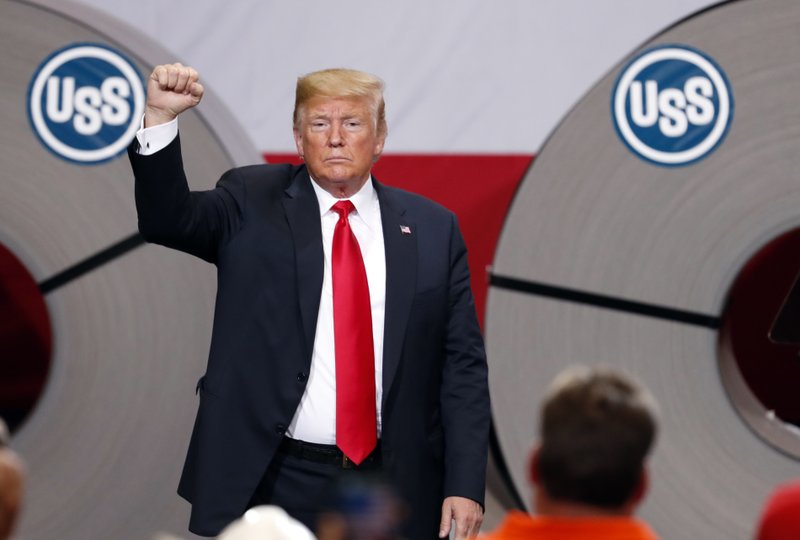
President Donald Trump’s trade policies are turning long-established Republican orthodoxy on its head, marked by tariff fights and now $12 billion in farm aid that represents the type of government intervention GOP voters railed against a decade ago. President George W. Bush increased the number of countries partnering with the United States on free trade agreements from three to 16. President Ronald Reagan signed a landmark trade deal with Canada that was later transformed into the North American Free Trade Agreement (NAFTA) and expanded to include Mexico. Both those Republican presidents also enacted tariffs, but their comments on trade were overwhelmingly positive. “We should beware of the demagogues who are ready to declare a trade war against our friends, weakening our economy, our national security and the entire free world, all while cynically waiving the American flag,” Reagan said in a 1988 radio address. Trump, by comparison, has called NAFTA “the worst trade deal maybe ever signed anywhere,” and his administration has opted to use tariffs as a tool intended to leverage more favorable agreements with virtually every major U.S. trading partner. He shredded the trade agreement the Obama administration tried to work out with Pacific Rim nations that had strong backing from farm groups and chief executives from major U.S. corporations. Republicans also have altered the priority of tackling the national debt, an issue the GOP hammered President Barack Obama on as the country struggled to recover from the 2008 economic crisis. “Our nation is approaching a tipping point,” GOP Rep. Paul Ryan of Wisconsin, now the House speaker, said in January 2011 when the national debt hit $14 trillion. Today, the Congressional Budget Office projects the $21 trillion debt will rise to more than $33 trillion in 10 years. That estimate notes that the tax cut lawmakers passed in December would increase economic output but add $1.8 trillion to the deficit over the coming decade. The GOP’s evolving priorities are not lost on some in the party. Rep. Mark Sanford, R-S.C., who lost a close primary election this year after butting heads with Trump on some issues, said he finds it “perplexingly destructive” for the GOP brand. “It takes a long while to build a brand, but brands can be diminished or destroyed in relatively short order, and I think the administration is destroying bedrock cornerstones to what the party has historically stood for,” Sanford said. “There is no conversation on the debt, deficit and government spending these days. That has been a cornerstone.” Sanford made headlines as South Carolina governor when he said he would reject stimulus money approved during the financial crisis because he did not think the country should go into debt to fund recovery efforts. “Here we are now with a hypothetical $12 billion bailout package and you don’t hear a word,” Sanford said. “That is quite a transition in not so many years from decrying what the Obama administration had done with bailouts to now endorsing the idea of bailouts.” Trump, in a Friday interview on Fox News’ Sean Hannity’s radio show, said the strong economy would help the U.S. reduce the deficit. “The economy, we can go a lot higher. … We have $21 trillion in debt. When this really kicks in we’ll start paying off that debt like water. We’ll start paying that debt down.” The administration’s plan on the bailout announced last week would borrow money from the Treasury to pay producers of soybeans, sorghum, corn, wheat, cotton, dairy and hogs. Many farmers have criticized Trump’s tariffs and the damage done to commodity prices and markets. Some GOP lawmakers are expressing concerns. “I didn’t come up here to start new government programs,” said Sen. John Kennedy, R-La. But it’s unlikely that the Republican-controlled Congress will try to block the administration’s agricultural aid plan. “I’m looking at this and saying, ‘You’re going to single out one sector?’ What about the manufacturing sector? What about the energy sector?” said Sen. Lisa Murkowski, R-Alaska. “Where do you draw the line? I’ve got some real concerns.” But others praised the move. GOP Rep. Mike Conaway of Texas, chairman of the House Agriculture Committee, called it “welcome relief.” “This is the right fight to have, but in the meantime, our producers have got to live as this fight is going on,” Conaway said of a trade dispute with China that has prompted the imposition of tariffs by both nations. Conaway said the president has reshaped the way Republicans think about trade. “He’s kind of changed the narrative of the conversation that it’s really not OK to let other people take advantage of America,” Conaway said. Rep. Dan Kildee, D-Mich., said it’s clear the GOP has changed over the past two years with Trump in office. “This is the party of Trump. He calls the plays and they line up and they execute the play,” Kildee said. But Kildee also opposed the Trans-Pacific Partnership deal that the Obama administration was trying to work out with Japan, Vietnam, Singapore and others. He and many other Democrats described past trade deals such as NAFTA as hurting workers in their home districts. So why the criticism of Trump and the efforts he has undertaken on trade? Kildee said he would prefer a more deliberative approach and a multilateral approach that doesn’t fray longstanding alliances. “Simply engaging on the issue of trade doesn’t mean he’s doing it right,” Kildee said. The president’s meetings with lawmakers in the past week and his trade advisers’ visits to Capitol Hill are acknowledgements that many GOP lawmakers are worried about where Trump is headed — and what it could mean in the November election as farmers, bourbon makers and manufacturers who use imported steel and aluminum deal with the fallout. A possible breakthrough with the European Union announced Wednesday at the White House appears to have eased their concerns and given the president more time to work out new deals. “The fact the EU was here today and good talks happened, I think
Mexico’s victor reaches out to Donald Trump, seeks NAFTA deal
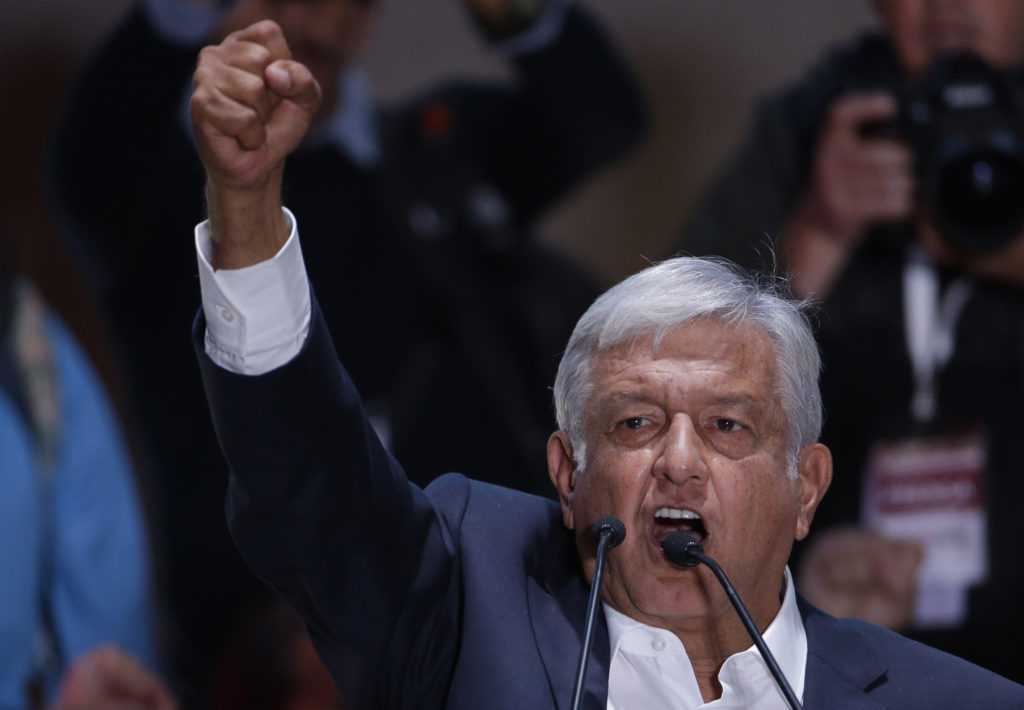
The morning after his crushing election victory, Mexico’s president-elect Andres Manuel Lopez Obrador thanked President Donald Trump for his congratulation message and said he’ll contact the U.S. leader to “reach an understanding.” Lopez Obrador said in an interview Monday with the Televisa news network that Trump’s Tweet Sunday night “was very respectful. That is what we always want to maintain with the U.S. government, that there be mutual respect.” Trump tweeted Sunday that “I look very much forward to working with him. There is much to be done that will benefit both the United States and Mexico!” “We are never going to disrespect the U.S. government, because we want them to respect us,” Lopez Obrador said. “At the appropriate moment, we are going to get in touch, to reach an understanding” with the Trump administration. “We are conscious of the need to maintain good relations with the United States,” he added. Lopez Obrador had been compared to Trump for his populist, nationalist rhetoric and sometimes touchy personality — as well as his past skepticism about the trade deal. But Lopez Obrador said he supports reaching a deal on renegotiating the North American Free Trade Agreement with the United States and Canada. The talks have been stalled over the Trump administration demands for higher U.S. content and a “sunset clause” in the 1994 trade agreement. Lopez Obrador said he will propose that his own team of experts be included in the talks. The winning candidate said he will make that proposal in a meeting Tuesday with current President Enrique Pena Nieto. Lopez Obrador told Televisa that he will respect the current team of negotiators, and let them continue representing Mexico until he takes office Dec. 1. Lopez Obrador said he wants to have information on what’s being discussed and “to help as much as we can.” With just over half of votes counted on Monday, Lopez Obrador had about 53.7 percent of the votes, a remarkable margin not seen in the country for more than three decades. A prominent exit poll predicted his party allies were poised to score big victories in congressional and governorship races. Lopez Obrador, who campaigned on vows to transform Mexico and oust the “mafia of power” ruling the country, rode widespread voter anger and discontent with the governing Institutional Revolution Party, or PRI, of President Enrique Pena Nieto and had led opinion polls since the beginning of the campaign. The PRI, which dominated Mexican politics for nearly the entire 20th century and recaptured the presidency in 2012, was set to suffer heavy losses, not just for the presidency but in other races as well. In brief remarks at a hotel in central Mexico City late Sunday, Lopez Obrador called for reconciliation after a polarizing campaign and promised profound change but with respect for the law and constitutional order. “I confess that I have a legitimate ambition: I want to go down in history as a good president of Mexico,” said Lopez Obrador, who had lost in the previous two presidential elections. “I desire with all my soul to raise the greatness of our country on high.” Lopez Obrador said he would “seek to establish an authentic democracy and we do not intend to establish a dictatorship.” He said, “The changes will be profound, but in accordance with established order.” Conservative Ricardo Anaya of a right-left coalition and the PRI’s Jose Antonio Meade acknowledged defeat shortly after polls closed nationwide. The quick count had them around 22 percent and 16 percent, respectively. Lopez Obrador said individual and property rights would be guaranteed, promised respect for the autonomy of the central Bank of Mexico and said his government will maintain financial and fiscal discipline. He said contracts obtained under energy reforms passed under President Enrique Pena Nieto will be scrutinized for any corruption or illegality, but otherwise contracts will be honored. “There will be no confiscation or expropriation of assets. … Eradicating corruption will be the principal mission,” he said. Lopez Obrador also spoke of reducing Mexican immigration to the United States through economic development. “Mexicans will be able … to work and be happy where they were born,” he said. And rather than the use of force to fight spiraling violence, he will look to fix root causes such as inequality and poverty. Partial vote counts also showed probable gubernatorial wins for allies of Lopez Obrador’s Morena party in at least four of eight state races on the ballot plus for the head of government in Mexico City. The central state of Guanajuato was expected to go to a candidate of the conservative National Action Party. The polling firm Consulta Mitofsky predicted Morena allies would take between 56 and 70 seats in the 128-member Senate and between 256 and 291 spots in the 500-seat lower house. Republished with permission from the Associated Press.
U.S. allies to fight Donald Trump’s tariffs plan, warn of trade war
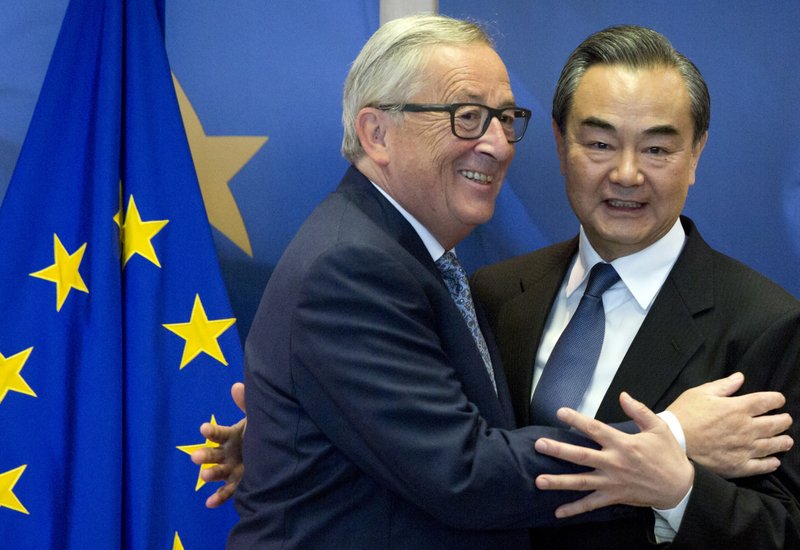
Countries around the world fought back Friday against President Donald Trump’s decision to slap tariffs on steel and aluminum imports, announcing retaliatory countermeasures and warning that the U.S. plan will hurt U.S. consumers. French President Emmanuel Macron said in a statement Friday that he told Trump in a phone call that the new U.S. tariffs on European, Mexican and Canadian goods are illegal and a “mistake.” Macron pledged the riposte would be “firm” and “proportionate” and in line with World Trade Organization rules. Germany’s Volkswagen, Europe’s largest automaker, warned that the decision could start a trade war that no side would win. The European Union and China said they will deepen ties on trade and investment as a result. “This is stupid. It’s counterproductive,” former British trade minister Francis Maude told the BBC. “Any government that embarks on a protectionist path inflicts the most damage on itself,” he added. Macron warned that “economic nationalism leads to war. This is exactly what happened in the 1930s.” Trump’s move makes good on a his campaign promise to crack down on trading partners that he claims exploit poorly negotiated trade agreements to run up big trade surpluses with the United States. Commerce Secretary Wilbur Ross says the tariffs — 25 percent on imported steel, 10 percent on aluminum from Canada, Mexico and the European Union — take effect Friday. The import duties threaten to drive up prices for American consumers and companies and are likely to heighten uncertainty for businesses and investors around the globe. Stock prices slumped amid fears of a trade war, with the Dow Jones industrial average falling nearly 252 points, or 1 percent, to 24,415.84. Mexico complained that the tariffs will “distort international trade” and said it will penalize U.S. imports including pork, apples, grapes, cheeses and flat steel. In Canada, Prime Minister Justin Trudeau said Thursday that the tariffs were “totally unacceptable.” Canada announced plans to slap tariffs on $12.8 billion worth of U.S. products, ranging from steel to yogurt and toilet paper. “Canada is a secure supplier of aluminum and steel to the U.S. defense industry, putting aluminum in American planes and steel in American tanks,” Trudeau said. “That Canada could be considered a national security threat to the United States is inconceivable.” Trump had originally imposed the tariffs in March, saying a reliance on imported metals threatened national security. But he exempted Canada, Mexico and the European Union to buy time for negotiations — a reprieve that expired at midnight Thursday. Other countries, including Japan, America’s closest ally in Asia, are already paying the tariffs. “This is protectionism, pure and simple,” said Jean-Claude Juncker, president of the European Commission. The EU earlier threatened to counterpunch by targeting U.S. products, including Kentucky bourbon, blue jeans and motorcycles. David O’Sullivan, the EU’s ambassador in Washington, said the retaliation will probably be announced in late June. Trump had campaigned for president on a promise to crack down on trading partners that he said exploited poorly negotiated trade agreements to run up big trade surpluses with the U.S. The U.S. tariffs coincide with — and could complicate — the Trump administration’s separate fight over Beijing’s strong-arm tactics to overtake U.S. technological supremacy. Ross is leaving Friday for Beijing for talks aimed at preventing a trade war with China. The world’s two biggest economies have threatened to impose tariffs on up to $200 billion worth of each other’s products. The steel and aluminum tariffs could also complicate the administration’s efforts to renegotiate the North American Free Trade Agreement with Canada and Mexico, a pact that Trump has condemned as a job-killing “disaster.” The White House released a statement from Trump Thursday night saying of NAFTA, “Earlier today, this message was conveyed to Prime Minister Justin Trudeau of Canada: The United State (sic) will agree to a fair deal, or there will be no deal at all.” Trump had offered the two U.S. neighbors a permanent exemption from the steel and aluminum tariffs if they agreed to U.S. demands on NAFTA. But the NAFTA talks stalled. Ross said there was “no longer a very precise date when they may be concluded,” and that as a result, Canada and Mexico were added to the list of countries hit with tariffs. Likewise, the Trump trade team sought to use the tariff threat to pressure Europe into reducing barriers to U.S. products. But the two sides could not reach an agreement. The import duties will give a boost to American makers of steel and aluminum by making foreign metals more expensive. But companies in the U.S. that use imported steel will face higher costs. And the tariffs will allow domestic steel and aluminum producers to raise prices, squeezing companies — from automakers to can producers — that buy those metals. House Speaker Paul Ryan and several leading Republicans in Congress were critical of the administration’s tariff action. Ryan said there are better ways to help American workers and consumers and that he plans to work with Trump on “those better options.” Republished with the permission of the Associated Press.
U.S. to push steel, aluminum tariffs on E.U., Canada and Mexico
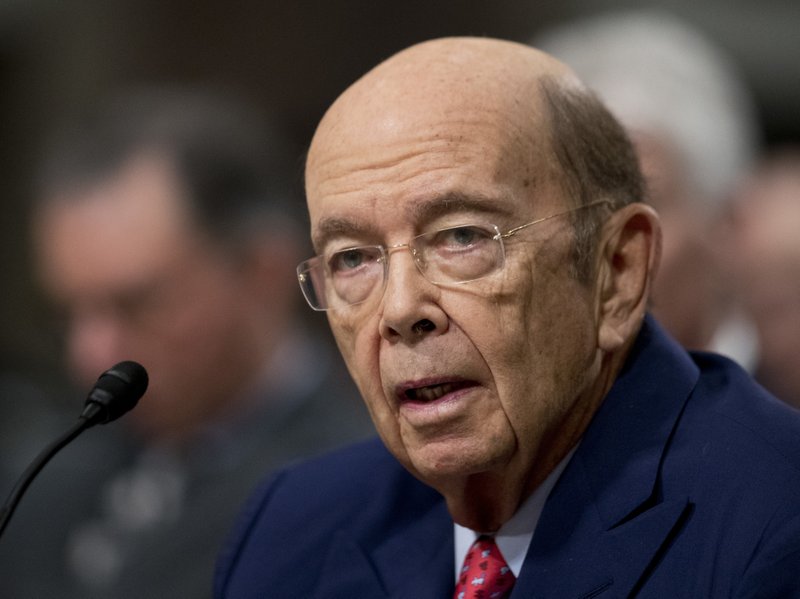
The Trump administration announced Thursday it will impose tariffs on steel and aluminum imports from Europe, Mexico and Canada after failing to win concessions from the American allies. The decision could provoke retaliatory penalties and exacerbate trans-Atlantic and North American trade tensions. Commerce Secretary Wilbur Ross said the tariffs would be 25 percent on steel and 10 percent on aluminum as the administration followed through on the penalties after earlier granting exemptions to buy time for negotiations. Ross told reporters that talks with Canada and Mexico over revising the North American Free Trade Agreement were “taking longer than we had hoped.” Talks with Europe had “made some progress” but not enough for additional exemptions, he said in a conference call from Paris. “We continue to be quite willing and indeed eager to have further discussions,” Ross said. He said he planned to travel to China on Friday for trade talks between the world’s two biggest economies. European officials had braced for the tariffs and the EU has threatened to retaliate against U.S. orange juice, peanut butter and other goods in return. In terms of the NAFTA talks, the tariffs could hinder the negotiations among the North American neighbors. Fears of a global trade war are already weighing on investor confidence and could hinder the global economic upturn. European officials argue that tit-for-tat tariffs will hurt growth on both sides of the Atlantic. Republished with the permission of the Associated Press.
Phil Kerpen: New strategy offers Trump a much bigger NAFTA win
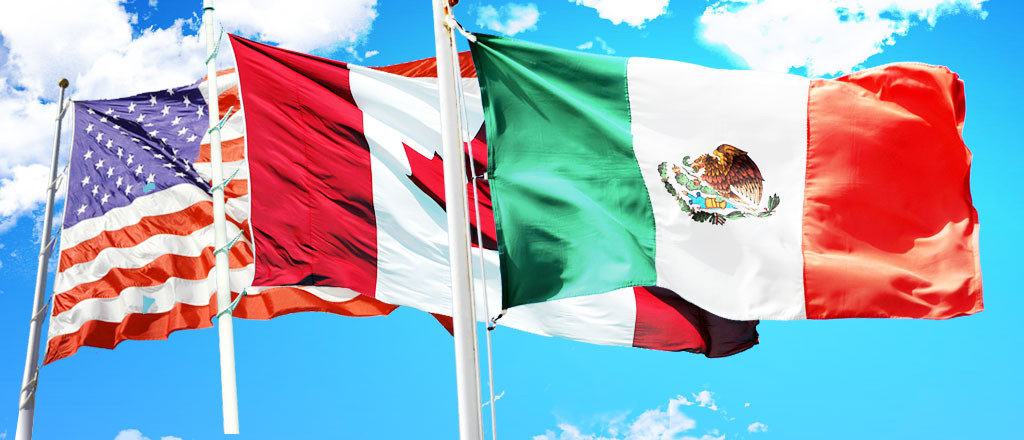
In politics and public policy, sometimes a modest victory is actually a massive missed opportunity. President Trump is at risk of suffering just that kind of setback with the impending completion of negotiations on the new NAFTA – if he fails to heed the brilliant strategic advice of Senators Ted Cruz, Cory Gardner, and Steve Daines. To date, NAFTA talks have revolved around important but obscure issues like investor-state dispute settlement, local content, and a potential sunset or review clause – hardly the typically visionary stuff of our chief executive. These three senators have suggested a much bigger idea: a competitiveness chapter designed to codify and make permanent key Trump achievements on permit streamlining, regulatory reform, and workforce development that, once made part of a trade agreement, could be submitted for an automatic up or down Senate vote under fast-track Trade Promotion Authority without the possibility of a Democratic filibuster. The strategy is backed by dozens of conservative leaders. The package would strengthen the core objectives of NAFTA renegotiation by assuring a more stable, business-friendly regulatory environment, making it more attractive for companies to invest and create jobs in the United States. It would also permanently fix the regulatory process, cementing a Trump legacy of pro-growth regulatory reform and making another Obama-like regulatory assault on the U.S. economy nearly impossible. Mexico has added a placeholder chapter to the agreement for these provisions, and even if they or Canada objected they could simply note their exception and allow the president to still include these provisions in the enabling legislation submitted to Congress. The most significant part of the Cruz-Gardner-Daines proposal is a bill called the Regulations from the Executive in Need of Scrutiny (REINS) Act, which would require all future costly regulations to be submitted to Congress for approval before they could take effect. President Trump is a longtime supporter of this concept, telling me in response to a 2015 survey: “I will sign the REINS Act should it reach my desk as President and more importantly I will work hard to get it passed. The monstrosity that is the Federal Government with its pages and pages of rules and regulations has been a disaster for the American economy and job growth. The REINS Act is one major step toward getting our government under control.” Under President Obama, the REINS Act was needed to stop an onslaught of economically crippling regulations from the alphabet soup of federal agencies. Now that President Trump has stopped and largely reversed that onslaught, it would serve a different but no less important purpose: making those deregulatory accomplishments permanent, locking them in as a legacy into the next administration. Without the REINS Act, President Trump’s highly successful pro-growth deregulatory efforts could prove ephemeral, reversed by the next Democratic administration that could put all the job-crushing Obama regulations back in place – and worse. Along with other critical reforms in the Cruz-Gardner-Daines proposal including permit streamlining for major public and private infrastructure, resource extraction, and manufacturing projects as well as provisions to rationalize federal workforce development policies, the competitiveness chapter offers a big, visionary win worthy of President Trump. By including the REINS Act, it would also end the shameful decades-long practice of Congress passing broad, vague laws and claiming credit for good intentions while leaving all the real economic decision-making to unaccountable, unelected bureaucrats. That would be a signature legislative accomplishment for members of Congress that they can be proud of and campaign on. With the potential for such a massive, historic victory within his grasp, it would be a shame if President Trump settled for a new NAFTA that simply rearranged the typical subject matter of trade agreements. ••• Phil Kerpen, a leading free-market policy analyst and advocate in Washington, leads American Commitment. Prior to joining American Commitment, Kerpen was the principal policy and legislative strategist at Americans for Prosperity for over five years.
Donald Trump, Paul Ryan face off in rare public GOP clash over tariffs
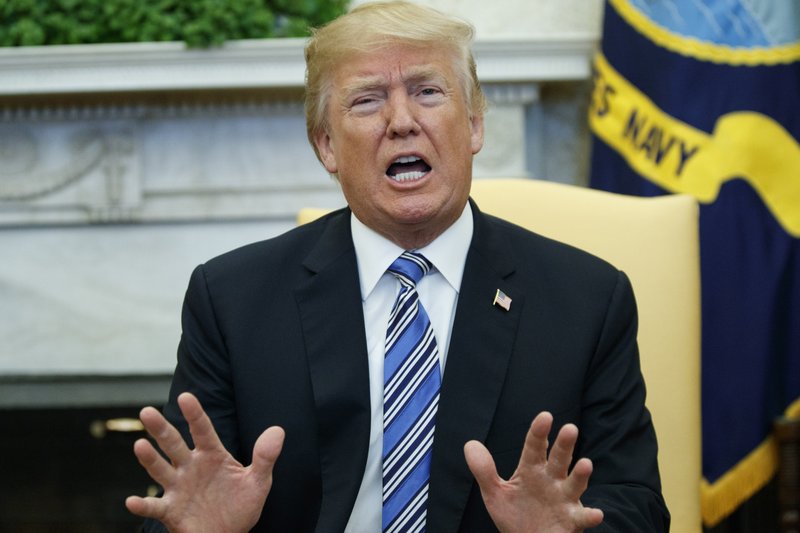
In a remarkably public confrontation, House Speaker Paul Ryan and other Republican allies of President Donald Trump pleaded with him Monday to back away from his threatened international tariffs, which they fear could spark a dangerous trade war. Trump retorted: “We’re not backing down.” The president said U.S. neighbors Canada and Mexico would not be spared from his plans for special import taxes on steel and aluminum, but he held out the possibility of later exempting the longstanding friends if they agree to better terms for the U.S. in talks aimed at revising the North American Free Trade Agreement. “We’ve had a very bad deal with Mexico; we’ve had a very bad deal with Canada. It’s called NAFTA,” he declared. Trump spoke shortly after a spokeswoman for Ryan, a Trump ally, said the GOP leader was “extremely worried” that the proposed tariffs would set off a trade war and urged the White House “to not advance with this plan.” Likewise, Republican leaders of the House Ways and Means Committee circulated a letter opposing Trump’s plan, and GOP congressional leaders suggested they may attempt to prevent the tariffs if the president moves forward. Trump’s pledge to implement tariffs of 25 percent on steel imports and 10 percent on aluminum imports has roiled financial markets, angered foreign allies and created unusual alliances for a president who blasted unfavorable trade deals during his 2016 campaign. Union leaders and Democratic lawmakers from Rust Belt states have praised the planned tariffs, joining with advocates within the administration including Commerce Secretary Wilbur Ross and White House trade adviser Peter Navarro. But the president has been opposed internally by Defense Secretary James Mattis and White House economic adviser Gary Cohn, who warned against penalizing U.S. allies and undercutting the economic benefits of the president’s sweeping tax overhaul. Likewise, the statement from Ryan’s office said, “The new tax reform law has boosted the economy, and we certainly don’t want to jeopardize those gains.” Asked about that public rebuke, White House press secretary Sarah Huckabee Sanders said, “Look, we have a great relationship with Speaker Ryan. We’re going to continue to have one, but that doesn’t mean we have to agree on everything.” Canada is the United States’ No. 1 foreign supplier of both steel and aluminum. Mexico is the No. 4 supplier of steel and No. 7 for aluminum. Congressional Republicans say any tariffs should be narrow in scope, and they privately warned that Trump’s effort could hurt the party’s hopes to preserve its majority in the fall elections. As the president dug in on his position, any potential compromise with foreign trading partners and Republican lawmakers was expected to still include some form of tariffs. “Trump is not someone who retreats,” said Stephen Moore, an economist with the conservative Heritage Foundation and a former campaign adviser. “He’s going to need to be able to declare some victory here.” The tariffs will be made official in the next two weeks, White House officials said. “Twenty-five percent on steel, and the 10 percent on aluminum, no country exclusions — firm line in the sand,” said Navarro, speaking on “Fox and Friends.” Republican critics on Capitol Hill and within the administration argue that industries and their workers that rely on steel and aluminum for their products will suffer. The cost of new appliances, cars and buildings will rise for Americans if the president follows through, they warn, and other nations could retaliate. Two dozen conservative groups, including the Club for Growth, FreedomWorks and the National Taxpayers Union, urged Trump to reconsider, writing in a letter that the tariffs would be “a tax on the middle class with everything from cars to baseball bats to even beer.” The Trade Partnership, a consulting firm, said the tariffs would increase U.S. employment in the steel and aluminum sector by about 33,000 jobs but would cost 179,000 jobs in the rest of the economy. The end result could erode the president’s base of support with rural America and even the blue-collar workers the president says he’s trying to help. “These are people that voted for him and supported him in these auto-producing states,” said Cody Lusk, president of the American International Automobile Dealers Association. Lusk noted that of the 16 states with auto plants, Trump won all but two. The administration has argued the tariffs are necessary to preserve the American aluminum and steel industries and protect national security. But Trump’s comments and tweets early Monday suggested he was also using them as leverage in the current talks to revise NAFTA. The latest round of a nearly yearlong renegotiation effort is concluding this week in Mexico City. At those talks, U.S Trade Representative Robert Lighthizer said Monday that progress has been less than many had hoped and “our time is running short.” “I fear the longer we proceed, the more political headwinds we will feel,” he said. And he added that if three-way negotiations don’t work, “we are prepared to move on a bilateral basis.” More upbeat about progress until now, Dan Ujczo, a trade attorney with Dickinson Wright PLLC in Columbus, Ohio, said, “We were moving toward the finish line in NAFTA.” But he added, “This has the potential to throw the NAFTA talks off track.” He said neither Canada nor Mexico will want to be seen as giving in to U.S. pressure. Indeed, he said, Canada is probably already drawing up lists of U.S. products to tax in retaliation. Separately, Mexican Economy Secretary Ildefonso Guajardo tweeted: “Mexico shouldn’t be included in steel & aluminum tariffs. It’s the wrong way to incentivize the creation of a new & modern #NAFTA.” The president opened the door to exempting Canada and Mexico from the tariffs, saying, “That would be, I would imagine, one of the points that we’ll negotiate.” But he added, “If they aren’t going to make a fair NAFTA deal, we’re just going to leave it this way.” Trump has long threatened to pull out of the 24-year-old trade pact if it
Terri Sewell represents Alabama in bipartisan NAFTA negotiations in Montreal
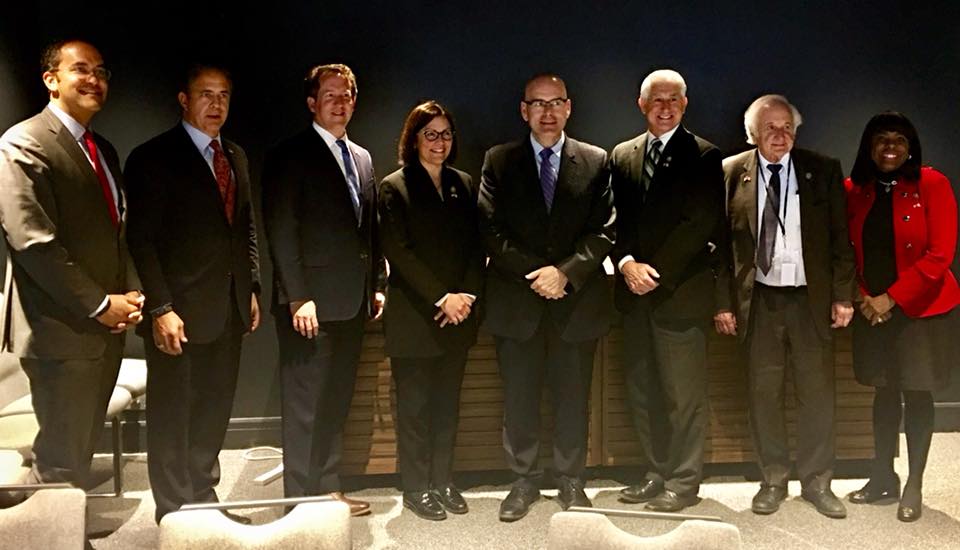
A bipartisan Congressional Delegation (CODEL) from the U.S. House of Representatives departed for a two-day visit to Montreal, Canada for the sixth round of the North American Free Trade Agreement (NAFTA) negotiations on Friday, including Alabama’s own 7th District U.S. Rep. Terri Sewell. The eleven-member delegation met with the U.S. negotiating team and senior government officials from all three countries — the United States, Canada and Mexico — as well as representatives of the American business community to share their priorities for a successful NAFTA negotiation. NAFTA, which governs trade between the U.S., Canada, and Mexico, has a substantial impact on Alabama’s economy as Canada is Alabama’s largest export market, and Mexico is Alabama’s 4th largest. “This weekend, I am attending the 6th round of NAFTA negotiations to make sure that working families in my district have a seat at the table when it comes to our country’s biggest economic decisions,” said Sewell on Saturday. “I support modernizing NAFTA and I believe our country can negotiate an agreement that brings better wages and better jobs to Alabama.” Alabama’s exports to Canada and Mexico have increased by $5.6 billion since NAFTA first went into effect in 1994. For the Birmingham, Ala. metro area, global exports account for $1.9 billion in economic activity. Sewell concluded, “For auto workers, steel workers, and farmers in my district, these talks will have lasting impacts, and I will be pushing for strong and enforceable trade laws that protect their industries. While progress has been made in the past five rounds of negotiations, I hope that all three countries can use this weekend to address many of the more contentious issues in front of us.”
Donald Trump bashes NAFTA in midst of talks to revamp trade deal
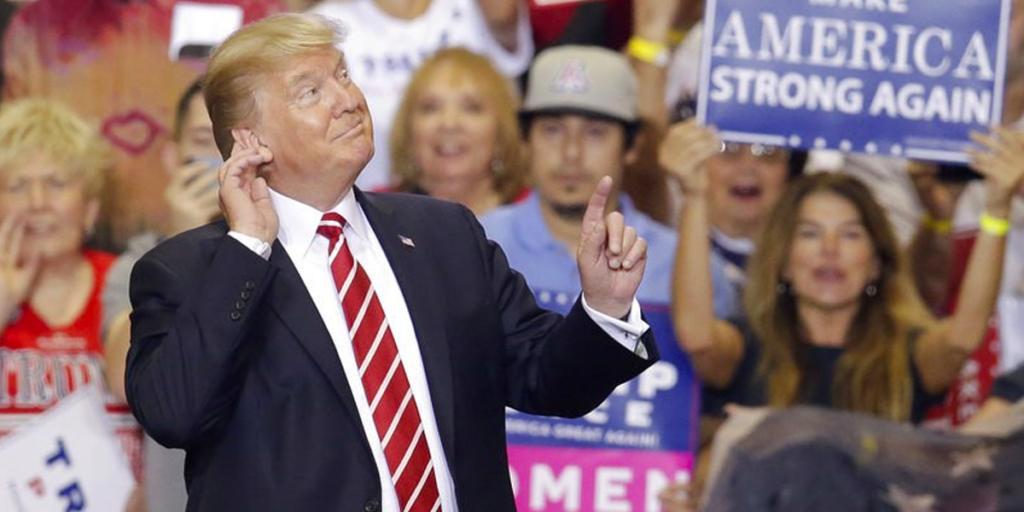
Just a week into talks to rewrite the North American Free Trade Agreement, President Donald Trump is already threatening to abandon the 23-year-old pact with Canada and Mexico. At a high-profile campaign-style rally in Phoenix on Tuesday night, Trump predicted that the United States would “end up probably terminating” NAFTA “at some point,” though he said he hadn’t made a final decision. “Personally,” Trump said, “I don’t think we can make a deal because we have been so badly taken advantage of.” The president had made the same threat in April but then reversed himself after a pushback from American businesses, especially farm groups, which have benefited from expanded access to the Mexican market resulting from NAFTA. The president’s renewed threat Tuesday reignited such concerns. “Abruptly ending NAFTA could create a string of unintended consequences that need to be carefully considered,” said Ann Wilson, an executive at the Motor & Equipment Manufacturers Association, which represents auto suppliers. “Mexico and Canada are trusted trade partners to the U.S., and, as a result, we are strong national security partners. We should not take that for granted.” NAFTA erased most trade barriers separating the U.S., Canada and Mexico and fostered a rapid rise in commerce and closer diplomatic ties among the three countries. But the agreement has long fueled heated criticism in the United States because it led some American-based manufacturers to move operations south of the border to capitalize on lower-wage Mexican labor. Trump has condemned NAFTA as “the worst trade deal in history” and promised to fix it – or drop out of it altogether. As negotiations on a NAFTA overhaul began last week in Washington, there was wide agreement on the need to modernize the pact to reflect changes over the past two decades, such as the rise of e-commerce. Still, U.S. Trade Rep. Robert Lighthizer warned that the United States wouldn’t settle for a “mere tweaking of a few provisions and an updating of a few chapters.” Saying NAFTA had cost America hundreds of thousands of jobs, Lighthizer insisted on the need to take steps to reduce America’s trade deficit and to ensure that more of the goods that qualify for NAFTA’s duty-free status be made in the United States. Canada and Mexico oppose that idea. Most economists say NAFTA has had only a modest net effect on U.S. jobs because expanded commerce with Canada and Mexico has also created jobs and because trade represents a relatively small part of the U.S. economy. After a five-day opening round, the three countries issued a statement that said they would resume talks in Mexico on Sept. 1-5; in Canada in late September; and back in the United States in October. More rounds will likely follow. James Jones, who served as President Bill Clinton‘s ambassador to Mexico and helped negotiate NAFTA in the mid-1990s, predicted that Lighthizer and his team of negotiators would seek to use Trump’s tough talk to their advantage. “They’ll try to play it in a way that strengthens their hands,” said Jones, now chairman of the financial advisory firm Monarch Global Strategies. “They’ll tell the other negotiating teams, ‘I’m reasonable, but I report to a boss who’s less reasonable.’ “ Jones predicted that “sanity will prevail” – that the U.S. government will recognize that the United States benefits from an economically unified North America. Daniel Ujczo, a trade lawyer with Dickinson Wright, said he doubts that an overhauled NAFTA would do much to narrow America’s trade deficit or restore lost U.S. manufacturing jobs – results that Trump had vowed to deliver to the blue-collar voters in the Midwest who helped elect him. “There’s not enough red meat to be gained in the NAFTA modernization to satisfy those voters,” Ujczo said. “The president’s going to have to make a choice when he get a pretty vanilla NAFTA modernization – whether or not he’s going to withdraw.” A U.S. move to abandon the agreement would likely trigger a political furor. American manufacturers have invested heavily in supply chains that straddle NAFTA borders and have come to depend on duty-free shipments within the trade bloc. In Congress, farm-state lawmakers have urged U.S. negotiators to do nothing that would imperil U.S. agricultural exports to Mexico and Canada. “NAFTA has been incredibly successful for our industry,” said Jennifer Myers, a spokeswoman for the National Corn Growers Association. “We are closely monitoring negotiations and will continue to advocate for corn farmers’ interests throughout this process.” Monarch’s Jones predicted that “sanity will prevail” and that the U.S. will remain in NAFTA. Canada brushed off suggestions that Trump’s threats would disrupt the talks. “Trade negotiations often have moments of heated rhetoric,” said Adam Austen, spokesman for Chrystia Freeland, Canada’s minister of foreign affairs. “Our priorities remain the same, and we will continue to work hard to modernize NAFTA, supporting millions of middle class jobs.” Republished with permission of The Associated Press.
