
Appeals court blocks Alabama from lethally injecting Alan Miller
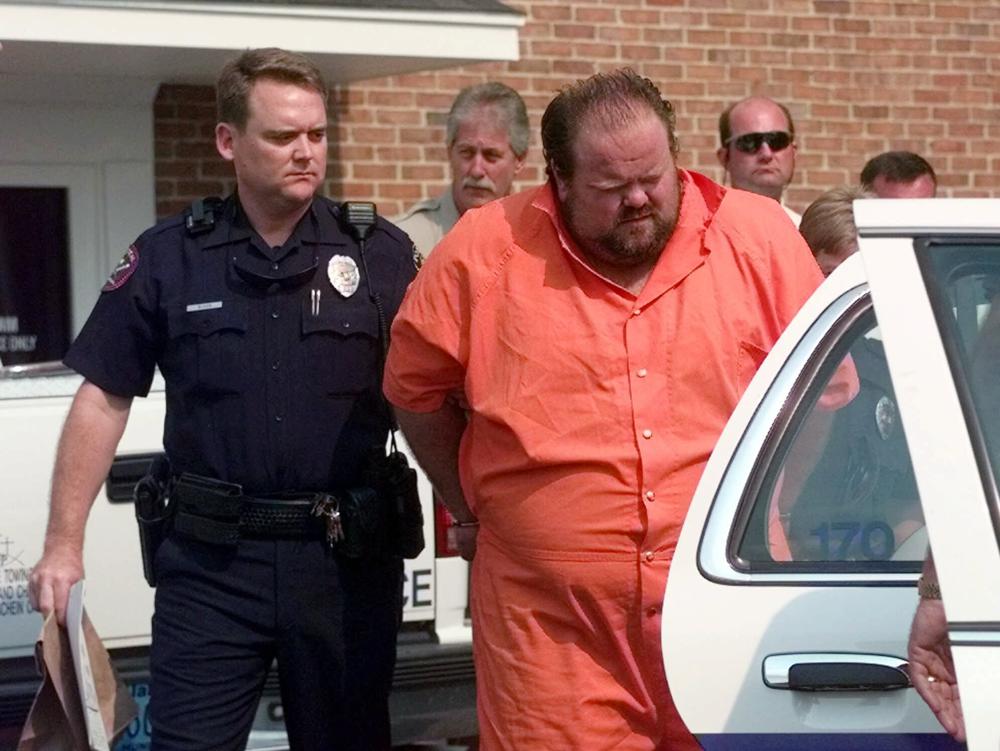
A federal appeals court on Thursday rejected Alabama’s attempt to proceed with the execution of an inmate who claims the state lost his paperwork selecting an alternative to lethal injection. In a 2-1 decision, the 11th U.S. Circuit Court of Appeals denied the state’s request to lift a recent injunction preventing the state from carrying out Thursday night’s scheduled execution of Alan Miller. The state is appealing the ruling to the U.S. Supreme Court, a spokesman for Alabama Attorney General Steve Marshall said. Miller, 57, was convicted of killing three people in a 1999 workplace rampage and was scheduled to die by lethal injection until the execution was blocked by a judge earlier this week. Miller testified that he turned in paperwork four years ago selecting nitrogen hypoxia as his execution method, putting it in a slot in his cell door for a prison worker to collect. U.S. District Judge R. Austin Huffaker Jr. issued a preliminary injunction blocking the state from killing Miller by any means other than nitrogen hypoxia. In refusing to lift the injunction, the appeals court on Thursday said it is “substantially likely” that Miller “submitted a timely election form even though the State says that it does not have any physical record of a form.” “Prison officials at Holman chose not to keep a log or list of those inmates who submitted an election form choosing nitrogen hypoxia,” the court said, finding that the state also did not demonstrate that it would “suffer irreparable harm” if the execution did not take place Thursday. Nitrogen hypoxia is a proposed execution method in which death would be caused by forcing the inmate to breathe only nitrogen, thereby depriving him or her of the oxygen needed to maintain bodily functions. It is authorized as an execution method in three states, but no state has attempted to put an inmate to death by the untested method. Alabama officials told the judge they are working to finalize the protocol. When Alabama approved nitrogen hypoxia as an execution method in 2018, state law gave inmates a brief window to designate it as their execution method. “That the state is not yet prepared to execute anyone by nitrogen hypoxia does not mean it will harm the state or the public to honor Miller’s timely election of nitrogen hypoxia. By contrast, if an injunction does not issue, Miller will be irrevocably deprived of his choice in how he will die — a choice the Alabama Legislature bestowed upon him,” Huffaker wrote. The state argues there is no evidence to corroborate Miller’s testimony that he turned in the form. “Miller offers no evidence aside from a self-serving affidavit,” lawyers for the state wrote. Prosecutors said Miller, a delivery truck driver, killed co-workers Lee Holdbrooks and Scott Yancy at a business in suburban Birmingham and then drove off to shoot former supervisor Terry Jarvis at a business where Miller had previously worked. Each man was shot multiple times, and Miller was captured after a highway chase. Trial testimony indicated Miller believed the men were spreading rumors about him, including that he was gay. A psychiatrist hired by the defense found that Miller suffered from severe mental illness but also said Miller’s condition wasn’t bad enough to use as a basis for an insanity defense under state law. Republished with the permission of The Associated Press.
Alabama asks appeals court to let execution of Alan Miller go forward
Alabama is asking a federal appeals court to let it proceed with a lethal injection this week, arguing there is no evidence to corroborate the prisoner’s claim that he selected another execution method. Alabama Attorney General Steve Marshall on Tuesday asked the 11th U.S. Circuit Court of Appeals to lift an injunction blocking the execution of Alan Miller. Miller was sentenced to die after being convicted of killing three people in a 1999 workplace shooting. The lethal injection was scheduled for Thursday until it was blocked by a judge. Miller testified that in 2018 he turned in paperwork selecting nitrogen hypoxia as his execution method, and his lawyers maintain the state lost the form. U.S. District Judge R. Austin Huffaker Jr. issued a preliminary injunction blocking the state from by any means other than nitrogen hypoxia. The state argued in the court filing that there is no reliable evidence that Miller elected nitrogen hypoxia. “Miller offers no evidence aside from a self-serving affidavit,” lawyers for the state wrote. Nitrogen hypoxia is a proposed execution method in which death would be caused by forcing the inmate to breathe only nitrogen, thereby depriving him or her of the oxygen needed to maintain bodily functions. Nitrogen hypoxia has been authorized as an execution method in Alabama, Oklahoma, and Mississippi, but no state has attempted to put an inmate to death by the untested method. When Alabama approved nitrogen hypoxia as an alternative execution method in 2018, state law gave inmates a brief window to designate it as their execution method. Miller, a delivery truck driver, was convicted in the 1999 workplace shootings that killed Lee Holdbrooks, Scott Yancy, and Terry Jarvis in suburban Birmingham. Miller shot Holdbrooks and Yancy at one business and then drove to another location to shoot Jarvis, evidence showed. Trial testimony indicated that Miller believed the men were spreading rumors about him, including that he was gay. A defense psychiatrist hired found that Miller suffered from delusions and severe mental illness, according to court documents, but he also said Miller’s condition wasn’t bad enough to use as a basis for an insanity defense under state law. Republished with the permission of The Associated Press.
Judge blocks upcoming lethal injection of Alan Miller in Alabama
A federal judge on Monday blocked Alabama from executing an inmate who says the state lost his paperwork requesting an alternative to lethal injection. U.S. District Judge R. Austin Huffaker, Jr. issued a preliminary injunction to block the state from executing Alan Miller on Thursday by any method other than nitrogen hypoxia, an untested method Miller says he requested but Alabama is not ready to use. Miller was sentenced to die after being convicted of killing three people in a 1999 workplace shooting. “Miller will likely suffer irreparable injury if an injunction does not issue because he will be deprived of the ability to die by the method he chose and instead will be forced to die by a method he sought to avoid and which he asserts will be painful,” Huffaker wrote. The injury will be, “the loss of his ‘final dignity’—to choose how he will die,” the judge added. The ruling blocks Alabama from carrying out the lethal injection that had been set for Thursday. However, the state might appeal the decision. The Alabama attorney general’s office did not immediately return an email seeking comment. Nitrogen hypoxia is a proposed execution method in which death would be caused by forcing the inmate to breathe only nitrogen, thereby depriving him or her of the oxygen needed to maintain bodily functions. Nitrogen hypoxia has been authorized by Alabama and two other states for executions but has never used by a state to try to put an inmate to death. When Alabama approved nitrogen hypoxia as an alternative execution method in 2018, state law gave inmates a brief window to designate it as their execution method. Miller testified last week that he returned a state form selecting nitrogen on the same day it was distributed to inmates by a prison worker. He said he left it in the slot of his cell door for a prison worker to collect, but did not see who picked it up. Alabama prison officials say they have no record of Miller returning the form, and argued that Miller is just trying to delay his execution. Huffaker wrote that he can’t rule out the possibility that Miller is lying about selecting nitrogen in order to delay his looming execution, but said his testimony was credible. “It is substantially likely that Miller timely elected nitrogen hypoxia,” the judge wrote. The judge noted the possibility that Alabama might soon be able to use nitrogen. “From all that appears, the State intends to announce its readiness to conduct executions by nitrogen hypoxia in the upcoming weeks,” the judge wrote. The Alabama Department of Corrections told the judge last week that Alabama “has completed many of the preparations necessary for conducting executions by nitrogen hypoxia” but is not ready to implement it Miller, a delivery truck driver, was convicted in the 1999 workplace shootings that killed Lee Holdbrooks, Scott Yancy, and Terry Jarvis in suburban Birmingham. Miller shot Holdbrooks and Yancy at one business and then drove to another location to shoot Jarvis, evidence showed. A defense psychiatrist said Miller was delusional and suffered from severe mental illness but his condition wasn’t bad enough to use as a basis for an insanity defense under state law. Republished with the permission of The Associated Press.
Alabama must disclose status of nitrogen hypoxia executions
A federal judge told Alabama to stop being vague and give a firm answer by Thursday evening on if the prison system is ready to use the untested execution method of nitrogen hypoxia at an execution next week. U.S. District Judge R. Austin Huffaker, Jr. gave the state the deadline to file an affidavit or declaration, on whether the state could try to execute inmate Alan Miller by nitrogen hypoxia on September 22 if the use of lethal injection is blocked. The order came after the state dangled the possibility during a Monday court hearing of being ready to become the first state to attempt an execution with nitrogen hypoxia. Nitrogen hypoxia is a proposed execution method in which death would be caused by forcing the inmate to breathe only nitrogen, thereby depriving him or her of the oxygen needed to maintain bodily functions. It’s authorized as an execution method in three states — Alabama, Oklahoma, and Mississippi — but has never been used. The state provided “vague and imprecise statements regarding the readiness and intent to move forward with an execution on September 22, 2022, by nitrogen hypoxia,” Huffaker said. The judge asked the state Monday whether it was ready to use the method at Miller’s execution. A state attorney replied that it was “very likely” it could use nitrogen hypoxia next week but said the state prison commissioner has the final decision. “On or before September 15, 2022, at 5:00 p.m. CDT, the defendants shall file an affidavit or declaration of Commissioner John Q. Hamm, Attorney General Steve Marshall, or other appropriate official with personal knowledge, definitively setting forth whether or not the Defendants can execute the Plaintiff by nitrogen hypoxia on September 22, 2022,” the judge wrote in a Tuesday order. Miller is seeking to block his scheduled execution by lethal injection, claiming prison staff lost paperwork he returned in 2018 choosing nitrogen hypoxia as his execution method. Miller testified Monday that he is scared of needles, so he signed a form selecting nitrogen hypoxia as his execution method. He said he left the form in his cell door tray for a prison officer to pick up. The state said there is no evidence to corroborate his claim. Miller, a delivery truck driver, was convicted in the 1999 workplace shootings that killed Lee Holdbrooks, Scott Yancy, and Terry Jarvis in suburban Birmingham. Miller shot Holdbrooks and Yancy at one business and then drove to another location to shoot Jarvis, evidence showed. A defense psychiatrist said Miller suffered from severe mental illness, but his condition wasn’t bad enough to use as a basis for an insanity defense under state law. Alabama lawmakers in 2018 approved legislation that authorized nitrogen hypoxia as an alternate execution method, although lethal injection would remain the primary method for carrying out death sentences. State law gave inmates a brief window to select nitrogen as their execution method. A number of inmates selected nitrogen. The Alabama Department of Corrections did not respond to an email seeking comment about the status of the proposed new execution method or what it would look like. The state has disclosed little information about the new execution method. The Alabama Department of Corrections told a federal judge last year that it had completed a “system” to use nitrogen gas but did not describe it. Republished with the permission of The Associated Press.
