
House passes legislation requiring first graders to go to kindergarten or pass skills competency test

On Tuesday, the Alabama House of Representatives voted in favor of legislation requiring all incoming first graders to have either attended kindergarten or pass a test proving that they have the competency to enter first grade. Children who fail the test will be forced to attend kindergarten rather than first grade with their peers. House Bill 43 (HB43) is sponsored by State Representative Pebblin Warren, who has carried this legislation for the last few years. “I am back again. I am back with the kindergarten bill again,” Warren said. “This bill is what is referred to as a First Grade readiness bill.” “This issue has become a really important issue in the State of Alabama,” Warren said. “It is a tragedy that we would let a child reach third grade without being able to read competently.” “This bill does not make kindergarten mandatory,” Warren continued. “A child can attend kindergarten or may be in homeschooling, private schooling, or religious schooling. As long as they demonstrate competence, they can enter into first grade.” Rep. Mary Moore asked, “Will this make it mandatory?” Warren answered, “It does not make it mandatory, but the child must pass a skills competency test to be admitted into first grade.” “If their parents aren’t education-oriented, that is the group that is always going to be behind,” Moore said. “We need to make K-4 and K-5 mandatory instead of leaving that up to the parents.” “I agree,” Warren said. “It should be mandatory, but this is a process. This is our beginning step to making it mandatory.” “What I want to see is Alabama’s ranking improved,” Warren said. “It is that foundation that is going to build the foundation of Alabama.” “We need to go back to K to 8,” Moore said. “They get to sixth grade, and they have been left behind, and they just look for that crack to get out without even going to go to high school.” “We are not giving up. We are going to continue fighting,” Warren said. “I have prayed to God, asking him what I can do to get this bill passed.” “I think unless we are going back to a time where a three-year-old goes to pre-K, we need to get that four-year-old in K4,” said Rep. Kyle South. The House voted to adopt the substitute version of the bill that Warren had prepared in the Education Policy Committee in a 92 to 7 vote. Rep. Phillip Pettus said, “I would like to see us mandate kindergarten.” “If this goes through, let’s come back next time and mandate kindergarten,” Warren said. Rep. Danny Garrett said, “The synopsis says that this mandates kindergarten. A lot of people in my district do not want to be mandated kindergarten.” There was some discussion on whether or not a parent could enroll the child in first grade even if they did not pass the skills competency test that will be required for children who did not have kindergarten before first grade. Rep. Terri Collins stated, “I have an actual amendment that spells it out that if they are not ready for first grade that the child shall enroll in kindergarten.” “This is mainly those children who have never been in any kind of organized program before,” Collins explained. “They do not know their numbers. They do not know their letters. They are not ready for first grade.” “Legally, you have to go to school as a six-year-old,” Collins stated. “This amendment says that if that child comes to school as a six-year-old and is not prepared to start in first grade, then they will be enrolled in kindergarten. It will be the best thing for the child at that point.” Rep. Barbara Drummond asked, “Will the parent have the option of placing them in the first grade?” “No, they will start at the most appropriate place,” Collins answered. “This is a friendly amendment,” Warren said. Collins explained that the Alabama State Department of Education would write the first-grade readiness test. The House voted to adopt the Collins Amendment 92 to 5. The House voted to pass HB43 in a vote of 87 to 12. This is the fourth year that Warren carried similar legislation. It has not passed the Senate in the past. Governor Kay Ivey endorsed the bill in her State of the State speech. It has been referred to the Senate Education Policy Committee. Tuesday will be day 14 of the 2023 Alabama Regular Legislative Session. The Alabama Constitution of 1901 limits the legislature to no more than 30 legislative days in the regular session. To connect with the author of this story or to comment, email brandonmreporter@gmail.com.
State House passes legislation allowing some social workers to diagnose mental illness
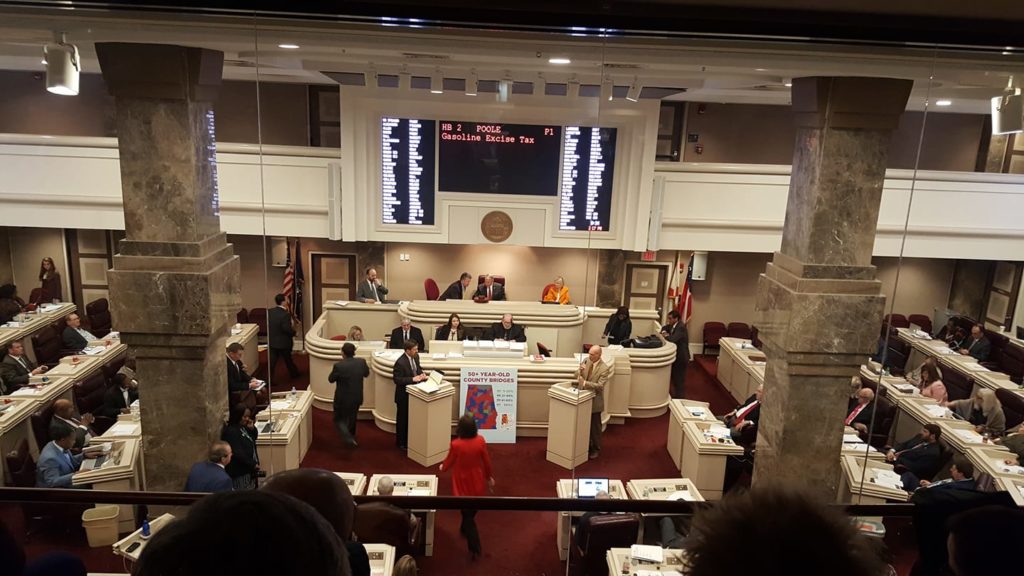
On Tuesday, the Alabama House of Representatives passed legislation allowing certain social workers with master’s degrees to diagnose mental illnesses. House Bill 56 (HB56) is sponsored by State Representative Frances Holk-Jones (R-Foley) The synopsis states, “This bill would provide further for the scope of practice of licensees of the Alabama Board of Social Work Examiners.” The legislation expands the scope of practice of a licensed independent clinical social worker, including the authority to diagnose and develop treatment plans. “The scope of practice does not include the diagnosis, treatment, or provision of advice to a client for problems or complaints relating to conditions outside the boundaries of the practice of social work.” The legislation states that no individual may engage in the independent clinical practice of social work unless they satisfy all of the following: (1) Licensed is licensed under this chapter as a licensed independent clinical social worker; and. (2) Has a doctorate or master’s degree from a school of social work approved, accredited, or in candidacy granted by the Council on Social Work Education; and. (3) Has had two years of full-time or three years of part-time postgraduate experience under appropriate supervision in the specified social work method or four years of full-time or five years of part-time postgraduate experience under appropriate supervision in the specialty in which the applicant will practice. (4) Has passed an examination prepared by the board for this purpose; except, that prior to the time that an examination is prepared by the board for this purpose, no person individual who otherwise meets the requirements of this section will be prohibited from engaging in the private independent practice of social work; and. (5) Has been issued by mail a certified letter of certification stating his or her qualification for private independent practice by the board; and. (6) Has paid an initial certification fee set by the board. “The terms diagnose and treatment, whether considered in isolation or in conjunction with the rules of the board, may not be construed to permit the performance of any act which a licensed clinical social worker is not educated or trained to perform including, but not limited to, any of the following: (1) Administering and interpreting psychological tests or intellectual, neuropsychological, personality, or projective instruments. (2) Admitting any individual to a hospital for treatment of any condition that is outside the boundaries of the practice of social work, as provided in subsection (b). (3) Treating any individual in a hospital setting without medical supervision. (4) Prescribing medicinal drugs. (5) Authorizing clinical laboratory procedures or radiological procedures. (6) Using electroconvulsive therapy. Rep. Holk-Jones explained that the licensed clinical social workers would mostly do counseling. “Prescribing would be done by a doctor.” Rep. Thomas Jackson said, “We have outsourced mental health to the Department of Corrections. They don’t know anything about mental health. We need to get some of those people out of the prisons and into treatment.” Rep. Tim Wadsworth said, “This will allow people in our rural areas to get help quicker.” Holk-Jones said, “It will make it quicker and also bring telehealth into it.” State Rep. Mary Moore questioned if the social workers were competent to make psychiatric diagnoses. Holk-Jones said, “They have a master’s degree in social work and 3000 hours of clinical training. This is all part of the social worker training.” Moore said, “We have got people who are deficient doing clinical diagnosing.” Holk-Jones said, “They are trained to do that. If they need a prescription, they go to a doctor.” Moore said, “You can damage a person for life if they don’t have the proper training to diagnose someone. What some of us call a mental condition is not. We could misdiagnose someone with a condition they don’t have. I would like them to train under a psychiatrist before they start diagnosing someone.” State Rep. Barbara Drummond said, “This hits me raw because I lost a great nephew on Easter Sunday to suicide. He was a veteran.” Drummond said, “The more we can do about mental health in the state, the better.” Holk-Jones said, “This will not be the last time we talk about it.” HB56 passed 104 to 1. HB56 now goes to the Senate for their consideration, where it has been referred to the Senate State Governmental Affairs Committee. To connect with the author of this story or to comment, email brandonmreporter@gmail.com.
House committee advances legislation to send parents to jail if their child brings a gun to school

On Wednesday, the House Judiciary Committee voted to advance controversial legislation that would hold parents criminally responsible if their child brings their gun onto a school campus, even if the weapon is not used in any sort of criminal mischief. House Bill 123 (HB123) is sponsored by State Rep. Barbara Drummond. “This bill does not violate anyone’s Second Amendment right,” Drummond told the committee. “This is a bill that makes parents responsible.” State Rep. Tim Wadsworth asked, “A parent can be charged with a crime?” “Yes, if that weapon is not reasonably secured,” said Drummond. Drummond explained that “reasonably secured” could “be a trigger lock, in a lockbox, or a gun safe,” but is not defined exclusively by those means. Rep. Shane Stringer asked, “Can we do a bill that says if a weapon is used.” Drummond responded, “I don’t want to wake up tomorrow and see that weapon was used on a school. There is a responsibility to being a parent.” Drummond explained that the gun would have to belong to the parent or guardian. The committee approved an amendment to change the penalty from a Class D felony to a Class A misdemeanor. Rep. David Faulkner asked if the parent would be criminally liable if the child brought the gun to school, even if the gun was determined to be “reasonably secured” with a trigger lock. “If it is brought to school with a trigger lock, it would be ‘reasonably secured,’” under this bill, Drummond answered. Rep. David Standridge said, “I represent a rural district where hunting is popular.” Standridge explained that his area had had an incident where a student went hunting after school and forgot to take the rifle out of his truck, so they went to school the next day with the rifle still in the gun rack. Standridge asked if this bill would apply to an incident like that. “This is 17 and under,” Drummond replied. “That older student who is going hunting this would not address this.” Stringer asked, “How would this affect other people in the household?” “This is germane only to the parents,” Drummond said. “There is a ton of guns that are being confiscated on school campuses.” Wadsworth asked, “What if it was a grandparent?” Drummond answered, “This applies to parent or guardian.” “Most grandparents who look after their grandchildren do not get legal guardianship,” Wadsworth said. State Rep. Christopher England said, “What you are doing is not a foreign concept to the law. In juvenile court, we charge parents with contributing to the delinquency of a minor. All we are talking about is responsible gun owners. If you are a responsible gun owner you should not have a problem with this bill.” A total of three amendments were added to the bill in committee. HB123 received a favorable report in a close vote. The bill can be considered by the full House of Representatives as early as Thursday. Thursday will be day 10 of the 2023 Alabama Regular Legislative Session. To connect with the author of this story or to comment, email brandonmreporter@gmail.com.
Alabama House passes legislation outlawing smoking or vaping in a vehicle with children present
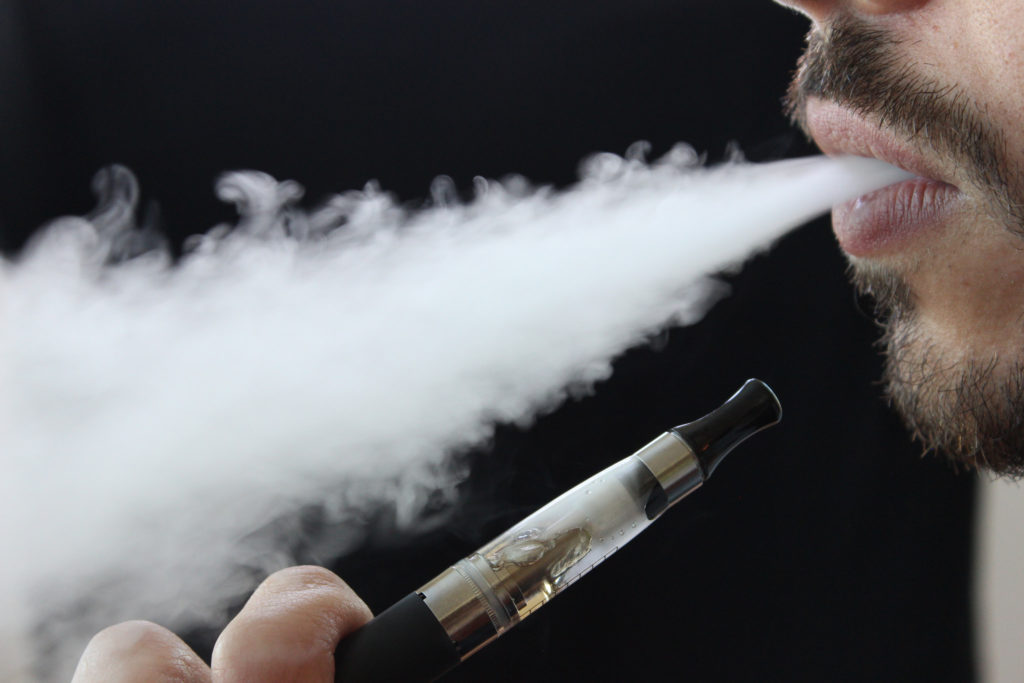
On Tuesday, the Alabama House of Representatives voted in favor of legislation to make it illegal to smoke or vape with a child present in the vehicle. House Bill 3 (HB3) was sponsored by State Rep. Rolanda Hollis. Hollis said, “This is about protecting kids.” According to the synopsis, “Existing law does not prohibit smoking or vaping in a motor vehicle when a child is present. This bill would prohibit smoking or vaping in a motor vehicle when a child under 14 years of age is present.” Hollis said that the law would apply whenever a child was in the car, whether the window was open or not, whether or not the vehicle was moving, and even if the door was open. Rep. Matt Simpson said, “Thank you for bringing this bill. How long have you been working on this?” Hollis said, “Seven years.” Simpson asked why marijuana was not included in the legislation. “It is illegal,” Hollis explained. “We will add it if it becomes legal.” Hollis explained that there are 67 toxins found in cigarette smoke and that vaping can be just as dangerous. Simpson said that with vaping, “We don’t know if there are illegal drugs in there or not. We don’t know if there is marijuana. We don’t know if there is fentanyl.” Rep. Barbara Drummond said, “I am going to be bringing several bills on vaping.” “A violation of this section is punishable by a fine not exceeding one hundred dollars ($100) for each violation,” the legislation states. “A violation of this section may be investigated and charged only as a secondary violation following the lawful stop of a motor vehicle based on probable cause of a separate violation of law, and the issuance of a citation or warrant of arrest for that violation.” Rep. Juandalynn Givan said that she was concerned that this would give police more of an opportunity to pull over motorists just for holding a vape. The legislation passed the House on an 84 to 15 vote. According to the National Center for Biotechnology Information of the National Institutes of Health (NIH), “Children are particularly at risk for the effects of second-hand smoke because their bodies are still growing and they breathe at a faster rate than adults.” A study revealed that second-hand smoke/passive smoking among children leads to acute respiratory illness in children as pneumonia, bronchitis, middle ear problem, cough & wheeze. HB3 now goes to the Alabama Senate for their consideration. The Senate is where this legislation has gotten held up in previous sessions. Tuesday was the Fifth Legislative Day of the 2023 Alabama Regular Legislative Session. To connect with the author of this story or to comment, email brandonmreporter@gmail.com.
Alabama House votes to increase penalties on fentanyl trafficking

On Thursday, the Alabama House of Representatives unanimously voted in favor of legislation to substantially increase the length of sentences for persons convicted of trafficking fentanyl in the state. House Bill 1 (HB1) is sponsored by State Representative Matt Simpson. “This is going after the distributors, the trafficker, the people bringing this into the communities,” Simpson explained. Fentanyl is a powerful opioid that was designed to make hospital patients unconscious during surgery. It has become the drug of choice for drug dealers as it is cheap, plentiful, highly addictive, and produces a very powerful high. Opioids, and especially fentanyl, have resulted in a massive increase in the number of Americans dying from drug overdoses. A recent report showed 107,000 Americans were killed by drug overdoses in the last 12 months. Rep. Terri Collins said, “Thank you for bringing this bill.” “I have had so many people call me about this,” Collins said. “It is a weapon of mass destruction. Having strong penalties are so important.” HB1, as written, sets the amounts of fentanyl that would constitute trafficking under Alabama law and the sentences in the Alabama criminal code for being caught smuggling or distributing those amounts in the state. Rep. John Rogers said, “I like this bill. I heard on Channel 13 that just a little residue of fentanyl in a pocket can be harmful for a child. In Birmingham, a child gave away some candy at school, and they had to send seven kids to the hospital because of fentanyl residue. “I am very excited about your bill,” Rogers said. “Can it be mixed with the water, like at the waterworks? Simpson replied, “I don’t think that fentanyl is soluble in water.” “Your bill is very good,” Rogers said. “Last week in Birmingham, five people died of fentanyl overdose, and they did not know they had fentanyl.” Simpson said, “We are trying to educate the public. The attorney general has negotiated a $300 million opioid case verdict. That is going to be used to educate the public. Half is going to the cities, and half going to the counties.” Some drug dealers lace other drugs like marijuana, cocaine, methamphetamine, counterfeit prescription drugs, and even candies with fentanyl to increase their clientele. Rogers said, “We have got people selling these dirty, dirty drugs. We have got people saying I don’t want regular marijuana. They want that dirty, dirty stuff. It smells really bad. I can smell it walking down the street in Birmingham.” Simpson said that his bill targets traffickers, not street dealers. “This is not the guy on the street,” Simpson said. “This is the main traffickers.” “I do have it broken down by weight,” Simpson said. “Just two milligrams is a lethal dose.” Rogers said, “Kids are getting it. That is what scares me more than anything else.” State Rep. Thomas Jackson said, “I want to commend you for bringing this bill. I am from southwest Alabama. Baldwin County has a problem. The state has a problem. We don’t know how many people we know who may die from this. We need to make them pay a price so deep that they never see the light again.” “We have had friends in our community that died from fentanyl,” Rep. Thomas said. “We have got a problem at the south border, and if we don’t curtail it now, we are going to lose so many people.” State Rep. Barbara Drummond has successfully sponsored legislation to limit the sale of vaping products to minors. Drummond said, “I am an advocate for young people and vaping. This piece of legislation is so important. Recently a young person’s vape pipe was laced with fentanyl. This stuff is coming out of China, and it is so dangerous.” HB1 passed the House 105 to 0. The passage was followed by a standing ovation on the floor of the House. 101 members of the House signed on as co-sponsors. Alabama Today asked Simpson how much prison time someone caught with 100 pounds of fentanyl would get under this. “Life,” Simpson replied. “This stuff is so dangerous that if police officers even get it on their hands, they are having (health) problems.” The bill had the support of every single member, and 101 of the 105 signed on as co-sponsors. “The biggest message I got from today is that this is bipartisan,” Simpson said. “That shows how dangerous fentanyl is in our communities.” Simpson explained to reporters that the bill addresses pure fentanyl, not fentanyl mixed with other drugs. “The code already has mixtures in the statute,” Simpson said. “If you have a gram of pure fentanyl that could kill 500 people.” Simpson said that the bill sends a message to drug traffickers. “We wanted them to know we are coming after you, and you are going to go to jail for a long time,” Simpson said. “One pill can kill you,” Simpson said. “Fentanyl is fifty to a hundred times more powerful than morphine. When you talk to pathologists, they will tell you that 80% of overdose deaths are fentanyl.” Simpson said that he has talked with the Attorney General, and the state’s half of the opioid settlement should go to educate the public on the dangers of fentanyl and for drug treatment. “Once somebody gets on fentanyl, we need to spend the money to get people off of fentanyl,” Simpson said. Speaker of the House Nathaniel Ledbetter said that passing HB1 and the bill overhauling adoption laws were his two biggest priorities for the session. “We have changed lives for generations to come with these two bills,” Ledbetter said. “These were my top two priorities. I am excited to get those two major bills passed out of the House.” Reporters asked Speaker Ledbetter what the difference was between fentanyl and drugs that came before, like cocaine. “The difference is how deadly it is,” Ledbetter replied. “There is enough fentanyl coming across our borer to kill every man, woman, and child in the United States. Simpson is an attorney and former prosecutor who serves on the House Judiciary Committee
House committee advances bill to overhaul Alabama’s adoption laws

On Wednesday, the Alabama House Children and Seniors Advocacy Committee gave a favorable report to a bill to replace Alabama’s existing adoption statutes with new code language that sponsors claim will make the adoption process faster, less burdensome, and more affordable. House Bill 101 (HB101) is sponsored by State Representative Ginny Shaver, who Chairs the committee. “This a Law Institute (ALI) bill,” Shaver said. “I started working on a bill and found out that they already had a committee working on rewriting the state’s adoption code.” “The committee has worked for over four years,” Shaver explained, “The Committee has brought in stakeholders from all over the adoption field.” “I started working with the committee in 2021, not to write the bill, but to learn,” Shaver said. “Alabama’s adoption law has not been touched in 30 years.” Shaver said the rewritten 80-page bill “is very comprehensive and detailed.” “The goal was to update the language and streamline the process and protect the confidentiality of the parties,” said Shaver. “To put it as simply as I can, this bill repeals that current adoption code and replaces it.” Shaver said that the new legislation divided minor adoptions versus adult adoptions. It also clarifies which court is the proper court, allows courts handling adoptions to work together and communicate, allows for electronic communication, provides rules for a contest of adoptions in certain situations, and clarifies procedures about relatives and stepparents who adopt a minor. “My concern about adoption is to make it simpler and also to save time and money,” Shaver said. “We want to do everything possible to get a child into a permanent home as soon as possible.” “This streamlines the process and provides clarity to make it better going forward,” Shaver said. State Rep. Barbara Boyd said, “When you are changing codes, you really don’t know what we are voting on unless you are an attorney. I read the whole bill, but I still don’t understand it. In my opinion, it is not a good job.” “We did have a summary, and the Law Institute did provide answers to questions after each section,” Shaver said. State Rep. Randall Shedd, “I want to thank you for your work. A lot of people worked hard on this bill. It may not be a perfect bill, but it is real close to it.” State Rep. Barbara Drummond told reporters at a minority caucus press event afterward, “This bill is a Law Institute bill that overhauls the whole code on adoption.” The committee voted to give HB101 bill a favorable report as amended. The committee also voted to give a favorable report to House Bill 103 (HB103), which is sponsored by State Rep. Allen Baker. “This is an adoption-related bill,” Baker said. “This bill would authorize sick leave for state employees to deal with issues related to adoption.” Boyd asked, “How does this bill differ from current law?” “This clarifies more than changes,” Baker said. “This adds clarity. To this point, this has been up to the discretion of the agency.” Drummond asked, “Is higher ed in there?” Baker said the community college system and four-year higher education institutions were included. Two technical amendments were approved by the committee. HB103 received a favorable report from the Committee in a unanimous vote. Both HB101 and HB103 could be considered by the full House of Representatives as early as Thursday. Thursday will be day four of the 2023 Alabama Regular Legislative Session. Regular sessions are limited to no more than thirty legislative days. To connect with the author of this story or to comment, email brandonmreporter@gmail.com.
Ronna McDaniel re-elected to fourth term as Chair of RNC

On Friday, the Republican National Committee (RNC) met and voted to give incumbent Ronna Romney McDaniel an unprecedented fourth term as Chair of the RNC. McDaniel fought off fierce challenges from California Lawyer Harmeet Dhillon and My Pillow founder and President Mike Lindell. It was a landslide victory for McDaniel, who won 111 of the votes, Dhillon won 51 votes, and Lindell just 4. “With us united, the Democrats are going to hear us in 2024,” McDaniel said after thanking Dhillon and Lindell for the races that they ran. Florida Governor Ron DeSantis had openly backed Dhillon, saying on Thursday, “I think we need to get some new blood in the RNC.” “We’ve had three sub-standard election cycles in a row—’18, ’20, and ’22—and I would say of all three of those, ’22 was probably the worst given the political environment of a very unpopular President [Joe] Biden,” DeSantis said. “Huge majorities of the people think the country is going in the wrong direction.” The Alabama Republican Steering Committee had made national headlines by voting “no confidence” in McDaniel earlier this month. “The Alabama Republican Party’s Steering Committee cannot support or endorse Ronna McDaniel for RNC Chair and declare our vote of no-confidence in her leadership,” the Steering Committee said in a statement. “We encourage all RNC members across the country to support new leadership at the RNC Winter Meeting.” Alabama had three votes: ALGOP Chairman John Wahl, National Committeeman Paul Reynolds, and National Committeewoman Barbara Drummond. It is not known how the Alabama delegates voted as this was a secret ballot. Most Republican heavyweights, including former President Donald Trump, Speaker of the House Kevin McCarthy, and former Vice President Mike Pence, had steered clear of the RNC battle. More than 150 Republican donors endorsed McDaniel in the RNC leadership race. U.S. Sen. Rick Scott endorsed McDaniel. Sen. Scott said, “[McDaniel] has played a major role in helping turn Florida red and fighting for conservative values across the country. Thank you, Ronna, for all you’ve done to help elect strong Republicans in the Sunshine state!” McDaniel defended her record as RNC chair and said that it is not her fault that the GOP has not performed better in elections during her tenure. “I’m not the coach. I don’t pick the players. The voters do. I don’t call the plays. The candidates pick their own plays,” she told Semafor in an interview published earlier this month. “I mean, we defied history in 2018, picking up three Senate seats in a midterm year. We picked up 15 seats in 2020 in the House, which was unprecedented, and then this year, winning back the House,” she also noted at the time. Dhillon made national headlines when she accused some Alabama Republicans of waging a whisper campaign about her non-Christian religious beliefs (she is an immigrant from India and a member of the Sikh faith). This election will make McDaniel the longest-serving Chair in the history of the Republican Party. To connect with the author of this story or to comment, email brandonmreporter@gmail.com.
Steve Flowers: Legislature organizes for Quadrennium
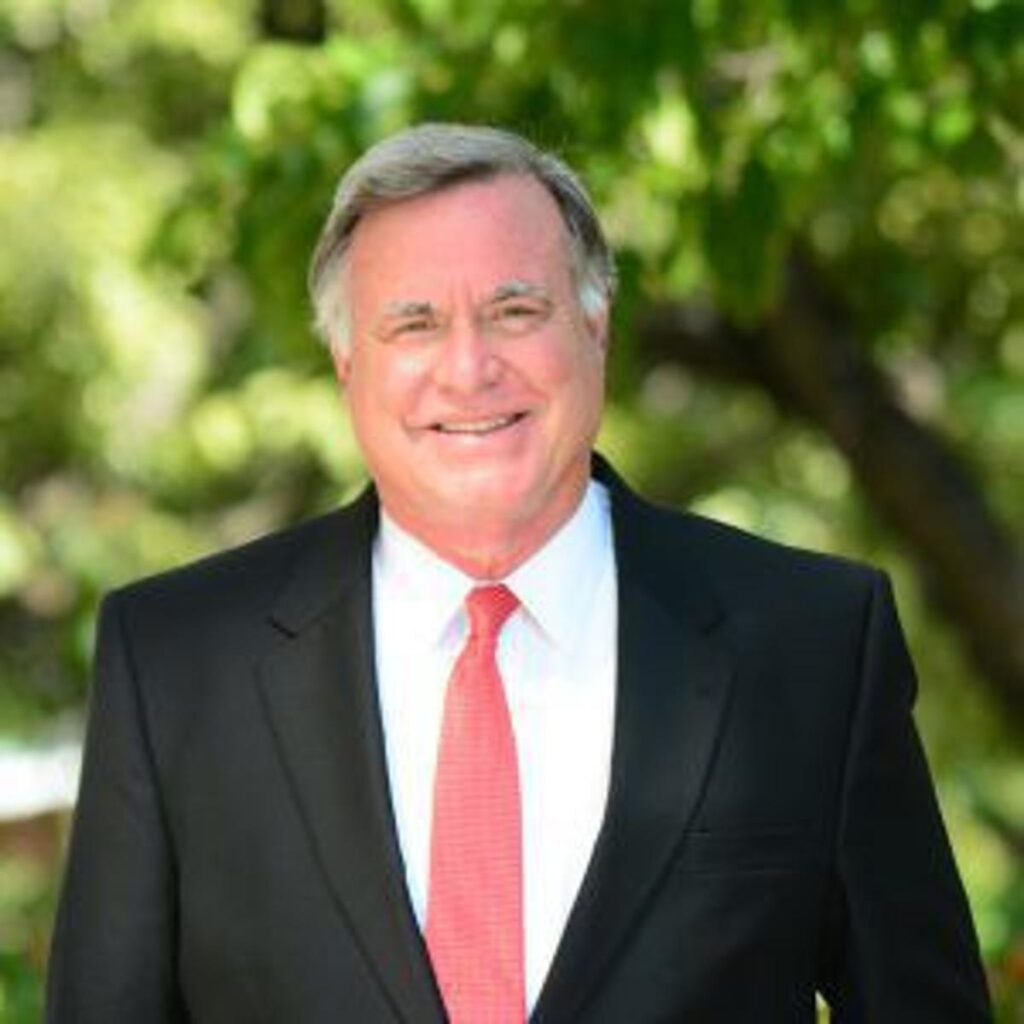
The legislature had their every four-year organizational session earlier this month. It is exactly what the title states. They are organizing for the next quadrennium of lawmaking. They officially chose their leadership and adopted the rules for the two chambers. The 105-member House of Representatives and 35-member State Senate are elected for four-year terms, the same as the governor and other constitutional offices. However, unlike the governor, who was sworn in on Monday, January 16, as set out in the state constitution, the legislature takes office the day after they are elected in November. The state House of Representatives will have 77 Republicans and 28 Democrats. That is a veto-proof, bulldozer-shoving, anything-you-want supermajority. The Democrats have very little say with those overwhelming numbers. Two days after they were elected in November, the 77-member Republican majority met in a private caucus meeting in Montgomery and selected their leadership. Therefore, the vote for Speaker of the House two weeks ago was simply a formality. The House has chosen Representative Nathaniel Ledbetter to be the Speaker of the House. Speaker Ledbetter hails from Rainsville in DeKalb County. He is a former Mayor of Rainsville. He has only been in the House of Representatives for eight years, having been first elected in 2014. He was chosen to be the majority leader in the House in his freshman year. He was close to the former Speaker Mac McCutcheon, and he served on both the powerful agenda-setting Rules Committee, as well as the Ways and Means Education Budget Writing Committee. Representative Chris Pringle of Mobile has been chosen to be Speaker Pro Tem of the House, which is the second highest position within the body. He has served previously for 16 years in the House from the Port City. He succeeds fellow Mobilian Victor Gaston in this post. There are two young stalwarts who will be serving in Republican Party positions within the House. Representative Scott Stadthagen of Decatur will be the new House Majority Leader. Representative Wes Kitchens of Arab will serve as the Republican Leadership Caucus Vice Chair. Representative Debbie Wood from the Valley will serve as the Republican Caucus Secretary/Treasurer. The three most powerful posts in the House are the chairmanships of the two money committees and the agenda-setting Rules Committee. Representative Danny Garrett of Trussville in Jefferson County will continue to Chair the Ways and Means Education Budget Committee. Representative Rex Reynolds of Huntsville will be the General Fund Ways and Means Chairman. Reynolds replaces longtime Ways and Means Chairman Steve Clouse of Ozark. Representative Joe Lovvorn of Auburn will be the new Rules Committee Chairman. Representative Jim Hill of St. Clair will chair Judiciary. He is a former circuit Judge and a veteran of the House. All of these House leadership positions are held by Republicans. To the victor goes the spoils. The Democrats have a veteran and sterling team heading their Caucus Leadership in the House. Anthony Daniels of Huntsville will be the Democratic Minority Leader. Barbara Drummond of Mobile will be the Caucus Chair. Mary Moore of Birmingham will be the Vice Chair, and Kelvin Lawrence of Hayneville will be Secretary/Treasurer of the Democratic Caucus. The 35-member Alabama State Senate returns almost intact with their continuity and quality leadership. They will dominate and provide a stable State of Ship to help lead the state. Republicans control this upper chamber to the same degree that the GOP members do in the House. Republicans outnumber Democrats 28 to 7 in the Senate. State Senator Jabo Waggoner of Jefferson County begins his 50th year in the legislature. This is a state record. He is definitely destined for the state history books. Jabo will continue to Chair the powerful Rules Committee. Greg Reed of Walker County will be Pro Tem of the Senate again. The Majority Leader will again be Clay Scofield of Marshall County. The two money committee chairmen will continue to be in charge of how the state revenues are spent. Senator Arthur Orr of Decatur will chair Finance and Taxation/Education. Senator Greg Albritton of Escambia will chair Finance and Taxation/General Fund. These two men will be very powerful. Popular state Senator Will Barfoot of Pike Road will chair Judiciary in the Senate. Senator Clyde Chambliss of Prattville has become a stalwart leader in the Senate. He will be Majority Whip. Lieutenant Governor Will Ainsworth presides over the Senate. The Regular Session begins in early March. See you next week. Steve Flowers is Alabama’s leading political columnist. His weekly column appears in over 60 Alabama newspapers. He served 16 years in the state legislature. Steve may be reached at www.steveflowers.us.
Kay Ivey signs four executive orders to address education crisis
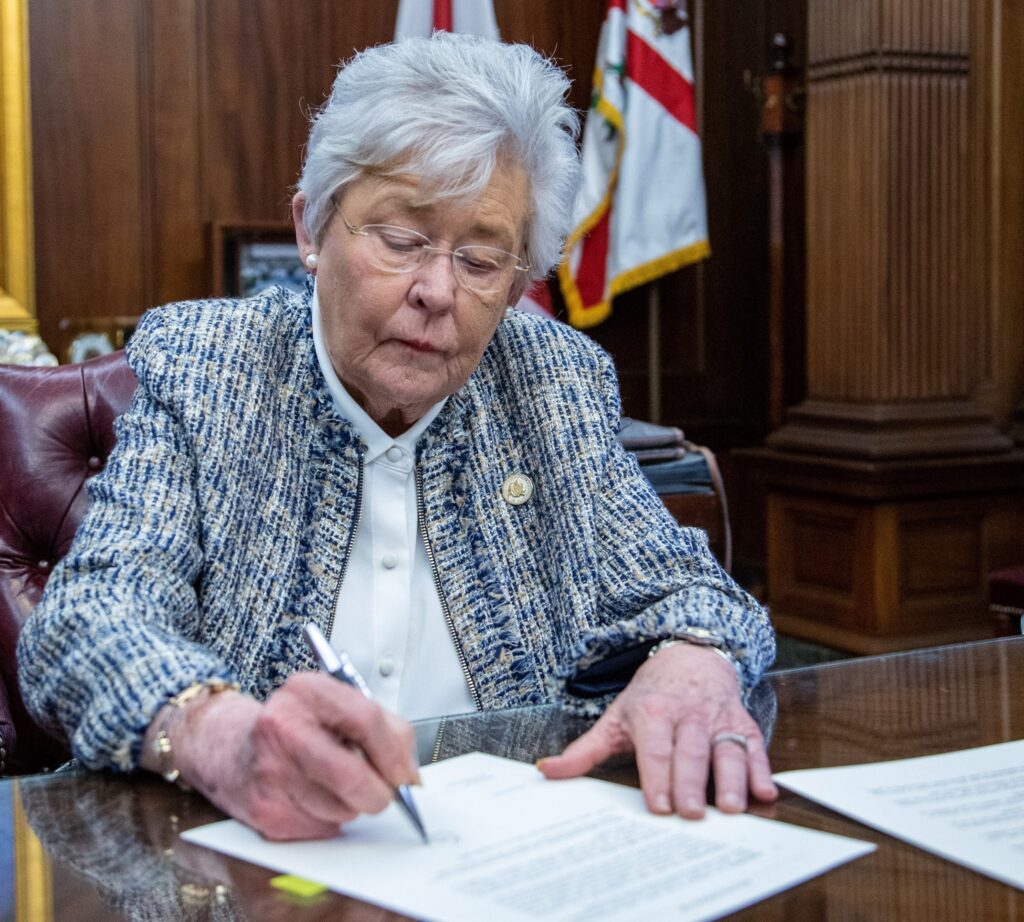
On Wednesday, Governor Kay Ivey released four new executive orders related to public education. The executive orders are intended to achieve Gov. Ivey’s inauguration day vow to get Alabama’s public school performance among the top 30 in the country. “I am proud to sign these executive orders into effect and believe they will lay an essential foundation for ensuring every Alabama student receives a high-quality education,” said Governor Ivey. “This is the first of many steps I plan to take in this new term to increase Alabama’s national ranking in our student’s reading and math performance. Our children are our future, and by investing in their education, we are investing in a better Alabama.” Alabama has poor-performing public schools. Far too many of Alabama’s public school students can’t do grade-level math, and far too many of Alabama’s children don’t read at grade level. The state has shown some recent improvement in state rankings, but this largely had more to do with other states’ performance dropping – due to extended COVID-19 school closures; than it has with more Alabama children mastering their studies. Executive Order 729 is intended to promote early literacy by establishing a statewide network with books from Dolly Parton’s Imagination Library. Ivey has authorized $4.1 million for the roll-out of the program. As promised in her inauguration speech, every Alabama child will begin receiving age-appropriate books by mail each month from birth until the age of five. Parents may opt their child out at any time. Executive Order No. 730 establishes the Governor’s Commission on Teaching and Learning. The commission will examine ways to enhance the quality of elementary and secondary education in Alabama and will produce a report of recommendations by December 1, 2023. The Members of the commission include: · Business Education Alliance President and former State Superintendent of Education Dr. Joe Morton (Chair) · State Superintendent of Education Dr. Eric Mackey · State Sen. Donnie Chesteen (R-Dothan) · Rep. Alan Baker (R-HD66) · Rep. Barbara Drummond (D-Mobile) · Montgomery City Schools Superintendent Dr. Melvin Brown · Holtville High School Principal Kyle Futral · Mountain Brook Schools Superintendent Dr. Dicky Barlow · Booker T. Washington K-8 Teacher Reggie White · Alabama Parent Teacher Association President Donna McCurry · Alabaster City Schools Schoolboard Member Derek Henderson · Retired Mississippi State Superintendent Dr. Carey Wright · Co-founder and CEO of Whiteboard Advisors Ben Wallerstein Executive Order No. 731 directs the State Superintendent of Education to submit a report outlining past progress made to date as well as future action items to expeditiously ensure the implementation of the Literacy Act (2019), the Numeracy Act (2022), the Computer Science for Alabama Act (2019), a civics-test requirement (2017), and a requirement of the State Board of Education that every high school graduate obtain a college and career readiness indicator (2022). The reports are due June 30, 2023. Executive Order No. 732 established a K-12 teacher registered apprenticeship pilot program to increase pathways to the teaching profession. This pilot program will provide an additional pathway—initially, in areas with documented teacher shortages—for qualifying paraprofessionals and teacher’s aides to obtain a Class A or Class B teaching certificate by demonstrating competency in the classroom. The pilot program will be administered by the Alabama Office of Apprenticeship within the Department of Commerce. Gov. Ivey also sent a memo to Secretary of Early Childhood Education Dr. Barbara Cooper that directs the department to prioritize creating new First-Class Pre-K classrooms in counties where more than 20% of the population falls below federal poverty guidelines. Ivey hopes that increased access to Alabama’s nation-leading program will assist the state in reaching its education-based goals. Ivey signed three executive orders on Tuesday intended to improve government transparency and accountability. To connect with the author of this story, or to comment, email brandonmreporter@gmail.com.
Alabama Democratic leaders receive national recognition
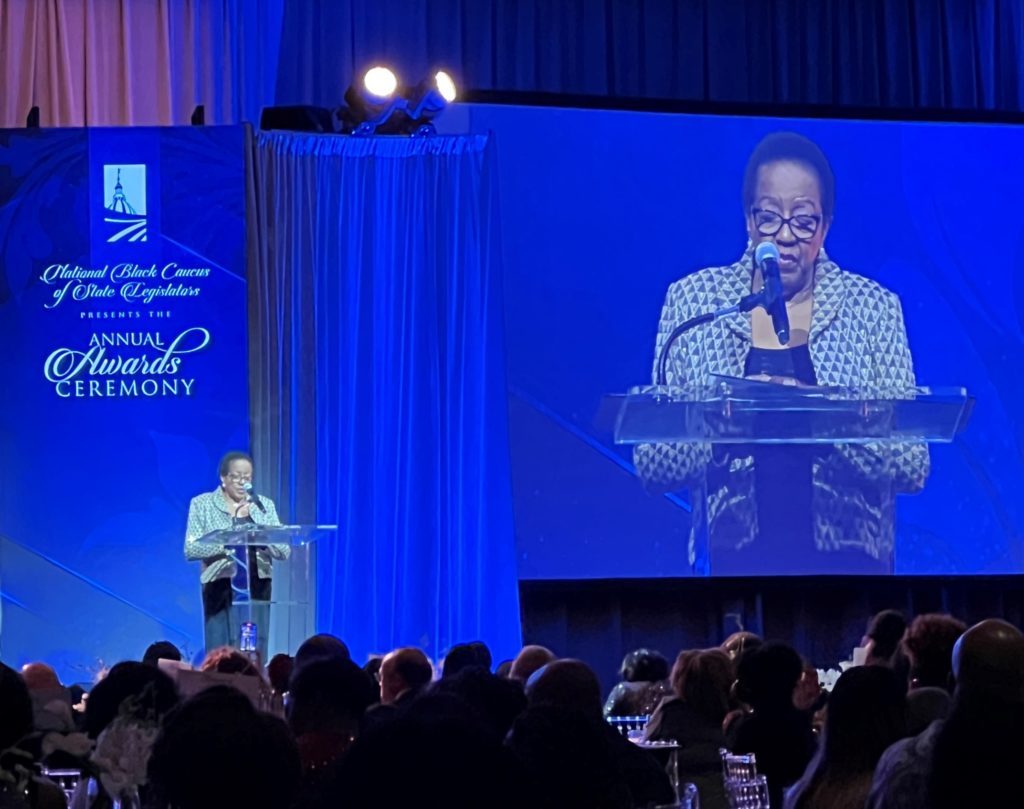
Alabama State Rep. Laura Hall was recognized as the President-elect for the National Black Caucus of State Legislators (NBCSL) during the 46th Annual Legislative Conference held in Las Vegas, Nevada. Rep. Hall’s term as President will begin January 1, 2023. Alabama House Minority Leader Anthony Daniels was also recognized during the annual awards ceremony as a Regional Legislator of the Year. The awards recognize the outstanding legislative achievements and contributions made by current members of NBCSL. They are given to legislators who have exhibited extraordinary leadership and dedication to the advancement of NBCSL’s legislative agenda. “Congratulations Madam President!” Rep. Daniels wrote on Twitter. According to Alabama House Democratic Caucus Chair, Rep. Barbara Drummond, “The moment I knew that Rep. Laura Hall would assume the presidency of the National Black Caucus of State Legislators, I was Alabama proud. She represents excellence, intellect, and class. She is an Alabama jewel, moving our state forward, and now she sits at the helm of a national policy-making organization, a testament to the greatness that lies in Alabama.” Senator Merika Coleman was honored during the NBCSL convention by the National Organization of Black Elected Legislators (NOBEL) Women for her leadership in removing racist language from and streamlining the Alabama Constitution. Senator Coleman, who served as State Representative for House District 57 since 2002 before recently being elected to the Senate, received the award from Rep. Juandalynn Givan, who currently serves as the President of NOBEL Women. NBCSL membership also elected Rep. Artis “A.J.” McCampbell as an at-large member and Sen. Rodger Smitherman as Regional Chair for District 7.
Alabama House Democrats re-elect Anthony Daniels as House Minority Leader
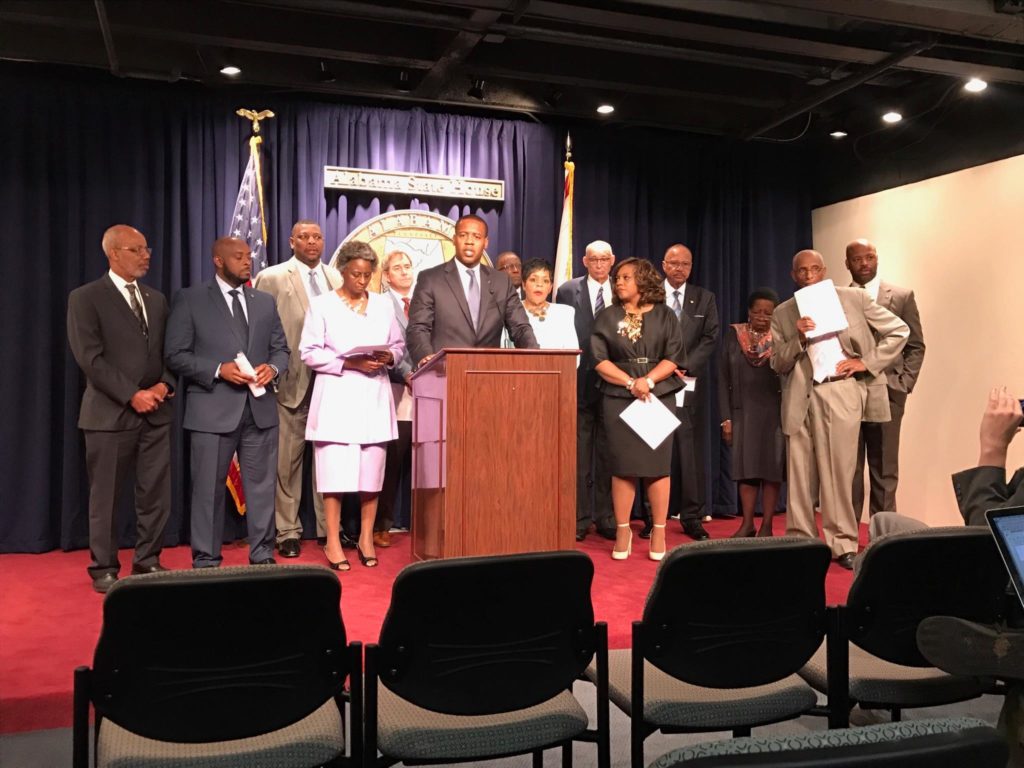
On Monday, the 28 members comprising the Alabama House Democrats elected their caucus leadership for the upcoming 2023-2024 legislative sessions. The caucus elected Rep. Anthony Daniels as Alabama House Minority Leader, Rep. Barbara Drummond as Caucus Chair, Rep. Mary Moore as Caucus Vice Chair, and Rep. Kelvin Lawrence as Caucus Secretary/Treasurer. After the election, Daniels stated, “I am honored and humbled to have the opportunity to work again with such a talented and dedicated group of leaders who remain dedicated to improving the quality of life for all Alabamians. We will continue to promote practical and meaningful legislation and policies that highlight our pro-growth, pro-innovation platform. Right now, we are already working hard to prepare our 2023 legislative agenda to continue our focus on strengthening economic growth, access to quality health care, education innovation, mental health care, affordable housing, and justice for all.” Last week, Republicans selected State Rep. Nathaniel Ledbetter of Rainsville to be the next speaker of the House of Representatives. He will replace House Speaker Mac McCutcheon, who did not run for re-election. Ledbetter was elected to the Alabama Legislature in 2014. He served as GOP majority leader. He is the former mayor of Rainsville. The Legislature will start its regular session in March.
Alabama lawmakers OK math initiative for elementary students

Alabama lawmakers on Tuesday gave final approval to a math initiative that will use instructional coaches, assessments, and interventions to try to boost the state’s perpetually lagging test scores. The Alabama House of Representatives voted 76-24 for the Senate-passed bill dubbed the Alabama Numeracy Act. The Alabama Senate accepted House changes to the bill that now goes to Alabama Gov. Kay Ivey. Sen Arthur Orr, the sponsor of the bill, said the goal is to make sure elementary students in kindergarten through fifth grades have an adequate foundation in math so they can succeed in school and later in adult life. “If we don’t provide a strong foundation for them in mathematics and in literacy, the problem becomes they get frustrated in school and tend to drop out or misbehave,” Orr, a Republican from Decatur, said. The bill would create an Elementary Mathematics Task Force to provide state education officials with recommendations for core instruction and mathematics intervention; use assessments to identify students in kindergarten through fifth grades; provide intervention and summer learning programs; and deploy instructional coaches to elementary schools. The math coaches, like current reading coaches, would work with teachers on improving instruction and not directly with students. Schools that continued to lag in performance could face state intervention if they do not meet progress targets. Alabama’s math performance in fourth and eighth grades ranked last among states in the 2019 National Assessment of Educational Progress, often called “The Nation’s Report Card.” “Doing nothing is not an option,” Rep. Barbara Drummond, a Democrat from Mobile, said during debate. The Legislative Services Agency estimates the Numeracy Act will cost the state $114 million each year. The hiring of math coaches would be the largest expense, costing about $80 million annually. Republished with the permission of the Associated Press.
