
What Alabama is doing to combat suicide, and what you can do to help

With Mental Health Awareness month, and the heavily publicized suicide of Alabama Attorney General Steve Marshall‘s wife, only a few weeks behind us, we would be remiss not to keep the conversation about mental health going. “Often times we only talk about suicide in the case of celebrities… Robin Williams, Kate Spade, Anthony Bourdain, and others. But the fact is suicide affects so many more of us. More importantly, the underlining cause of suicide, untreated mental illness or mental illness not responsive to medications and treatment, affects nearly all of us in some shape or form,” wrote Alabama Today publisher Apryl Marie Fogel. “I don’t know a single person not touched by mental illness — either persistent and severe conditions that plague them on and off throughout their lives, or acute in response to major life changes.” Which is why the Commissioner of the Alabama Department of Mental Health, Lynn Beshear, does not take her job lightly. Since taking the position in 2017, she has been working tirelessly to educate the public, and raise funds for the department to address these issues within the state. Alabama Today asked her about the departments attempts to combat Mental Health issues, and what friends and family members can do to assist those they know who are struggling with mental illness: In light of the recent uptick in celebrity and influencer suicides, what is the Dept. of Mental Health doing to combat suicide rates in Alabama? Stigma is the greatest barrier to care and funding, so ADMH’s role is to acknowledge the elephant in the room and to educate tirelessly. According to the Suicide Prevention Resource Center in Washington, D.C., some risk factors and suicidal warning signs may include: A history of depression, bipolar disorder, or other mental illness diagnoses A serious personal loss or number of losses and defeats taken personally Low self-esteem and self-loathing Social isolation Believing there is no hope of feeling better Chronic alcohol or another drug use Easy access to the means for dying We often hear about mental health conditions as a cause of suicide, but suicide is rarely associated with any single factor. More than half of people who die by suicide did not have a known mental health condition, according to the National Alliance on Mental Illness. The Suicide Prevention Resource Center offers these myths and facts about suicide: MYTH: A person who talks about dying by suicide won’t do it. FACT: About 80 percent of people who complete a suicide express their intentions to one or more persons. MYTH: Talking about suicide to someone who is depressed may cause them to kill himself or herself. FACT: Asking someone if they are thinking about suicide does not increase suicidal thoughts, but, in fact, may reduce them. MYTH: If a person shows improvement after a crisis point, the risk has passed. FACT: Most suicides occur within three months after the onset of improvement. MYTH: Suicide usually occurs without warning. FACT: Many survivors of suicide report they had thoughts of suicide long before their attempt. In Alabama, a person dies by suicide every 11 hours. In 2016, it was the 11th leading cause of death, with 788 citizens lost to suicide, compared to 543 deaths due to homicide. The National Suicide Prevention Lifeline provides 24/7, free and confidential support for people in distress, prevention and crisis resources for you or your loved ones, and best practices for professionals. Call: 1-800-273-8255. What can friends and family do if they think they know someone who is struggling with a mental illness? One way to help is to learn Mental Health First Aid, which teaches how to and speak directly and with empathy to someone in need. Mental Health First Aid is an eight-hour course that gives people the skills to help someone who is developing a mental health problem or experiencing a mental health crisis. Be patient and calm while a suicidal or a person in a mental crisis is talking about his or her feelings and listen without expressing judgment and without agreeing or disagreeing with the person’s behavior or point of view. A safety plan, an agreement between the person and the first-aider, is a way to ensure that the person understands that someone is there for them. A safety plan should include actions to help keep a suicidal person safe, such as contact numbers the person agrees to call if feeling suicidal, for the person’s doctor or mental-health care professional, or a crisis helpline, or for friends and family members who would help in an emergency. The other very serious issue facing, not only Alabama but the entire US, is opioid addiction. I am the co-chair of Governor Ivey’s Alabama Opioid Overdose & Addiction Council to address this almost overwhelmingly complex issue that involves every sector of society, as well as law enforcement, the medical profession and an array of governmental departments and services.
Steve Marshall shows fundraising lead over runoff opponent Troy King
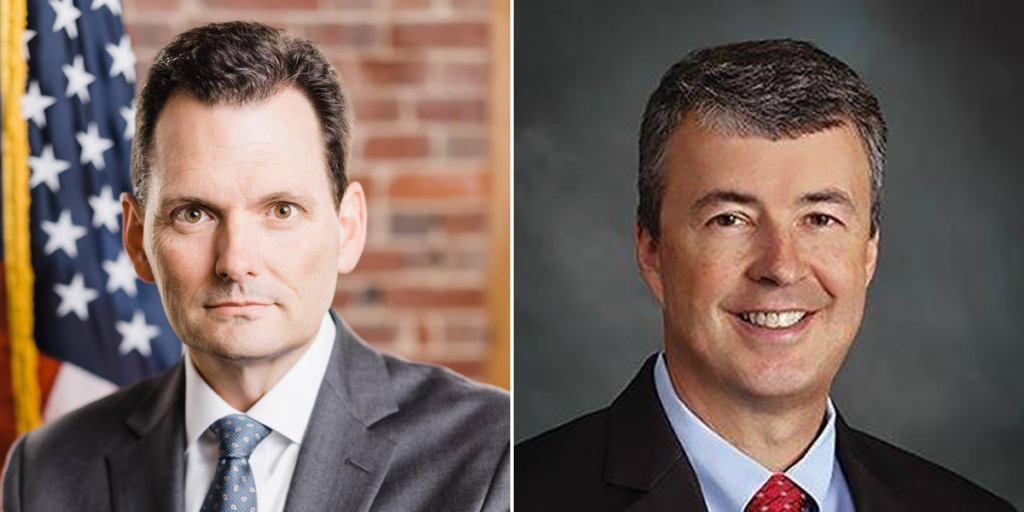
In the race for Attorney General, incumbent Steve Marshall is showing a substantial fundraising lead over his opponent Troy King, just ten days prior to the July 17 runoff election. The race has amassed a significant amount of attention from political PAC’s and voters alike, giving good reason for the millions accumulated and spent by both men. Although the title of “Attorney General” might not seem like the most glamorous title in Alabama politics, the position is viewed by many as the second most important job in state government. “The powers given by the state constitution and the Legislature are significant,” Retired political science professor Jess Brown told AL.com. “But the very nature of the office is that the occupant is the chief lawyer for this state and can, in fact, go represent state government even when they don’t want him to.” A look at the numbers Marshall is financially in the lead with $2.4 million raised for his campaign. Thus far he’s spent $2.1 million of those dollars. King follows a significant amount behind having raised $1.8 million, and spending $1.7 million. Both men received a bump in donations after the June 5 primary, but King holds the edge here; Marshall garnered $257,000 in donations, while King amassed $302,000. Both men paused their campaigns after the unexpected death of Marshall’s wife Bridgette Gentry Marshall in late June. Resuming his race on June 30, King vowed to keep on message of his political record and qualifications going forward. Marshall resumed his race earlier this week, saying Bridgette would have wanted him to get back to work and serve the people of Alabama.
Steve Marshall discusses wife’s suicide, struggles
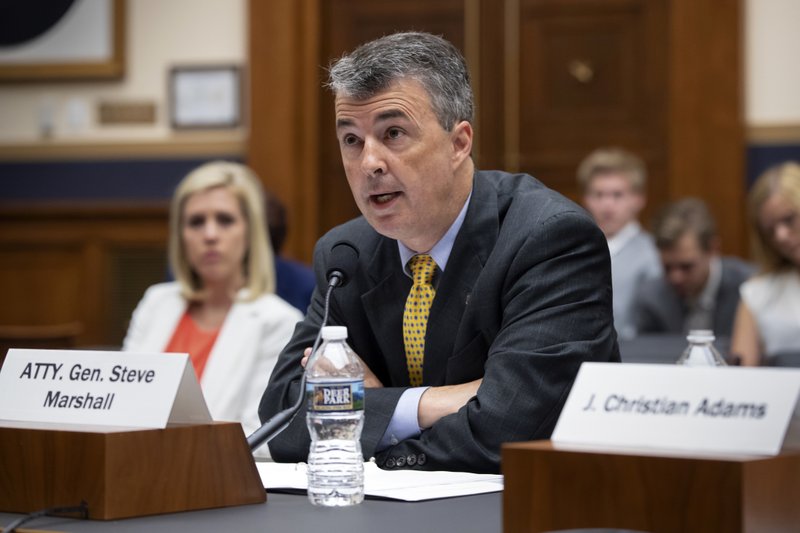
In an emotional appearance, Alabama Attorney General Steve Marshall opened up to reporters Wednesday about his wife’s weekend suicide, saying she was a beautiful and gentle person who had a long struggle with depression, anxiety and chronic pain. With his adult daughter and other family members standing behind him during a press conference at a northern Alabama church, Marshall sobbed at times as he described Bridgette Marshall’s life and deeply personal struggles. “It’s tough. It’s tough,” Marshall said as he began, thanking people for an outpouring of support and criticizing what he called an instance of reckless reporting that he said exposed details of her death Sunday. He spoke in his hometown, Albertville, about 165 miles (266 kilometers) north of Montgomery, the state capital. Marshall said he felt compelled to come forward to stop “half-truths” about her death. Family members also hoped sharing her story would help other families and individuals, who have been touched by mental health issues and suicide, to know that they are not alone, he said. “It is our hope today to share our story to also give strength to those families who have endured what we have endured. And maybe for that person who felt like Bridgette did on Sunday morning to know that there is hope and there are people who love them.” Marshall said his wife suffered major depressive disorder and anxiety. “Being married to me probably didn’t help because it caused someone who was anxious to also sometimes be in the public eye and that is not where she wanted to be,” Marshall said. He also said mental illness is “not a sign of weakness, let’s make that clear. Nobody wants to be mentally ill.” He described someone at times uncomfortable with the limelight and the pressure of politics. She feared that her past personal struggles would be exposed. She also had illnesses that caused physical pain, including a digestive disorder that required a feeding tube, and had been plagued with painful migraines since childhood. The migraines led to bouts of opioid dependence after she was prescribed powerful painkillers as a treatment. Despite all that, Marshall said his wife urged him to seek the position of attorney general ahead of his appointment last year and to run in this year’s election. She recently had moved to Tennessee instead of living in Montgomery. Marshall said he believed things were looking up when she came home for the June 5 primary election and her birthday celebration the next day. “We saw happiness in her that we hadn’t seen in a while, and it was good. It was good. And then for whatever reason something changed and we don’t know what,” Marshall said. Marshall described their final phone call. “She said, ‘I’m tired of being tired and I just want to go.’” “I told her how she was loved. As a guy who professionally is supposed to convince people with words to do something, I couldn’t reach her,” Marshall said sobbing. He said he remains haunted by that final conservation and whether she would still be alive if he hadn’t become attorney general. Marshall asked for his daughter’s privacy, saying they needed time to mourn and to remember Bridgette Marshall’s life. He said his wife, who volunteered at a hospice, had touched the lives of countless members of their community, and he read a loving note she had written for him two weeks before her death. “That is the woman I will celebrate … Please allow us to celebrate that life and to no longer have to discuss her death,” Marshall said. Republished with the permission of the Associated Press.
Steve Marshall’s wife Bridgette passes away
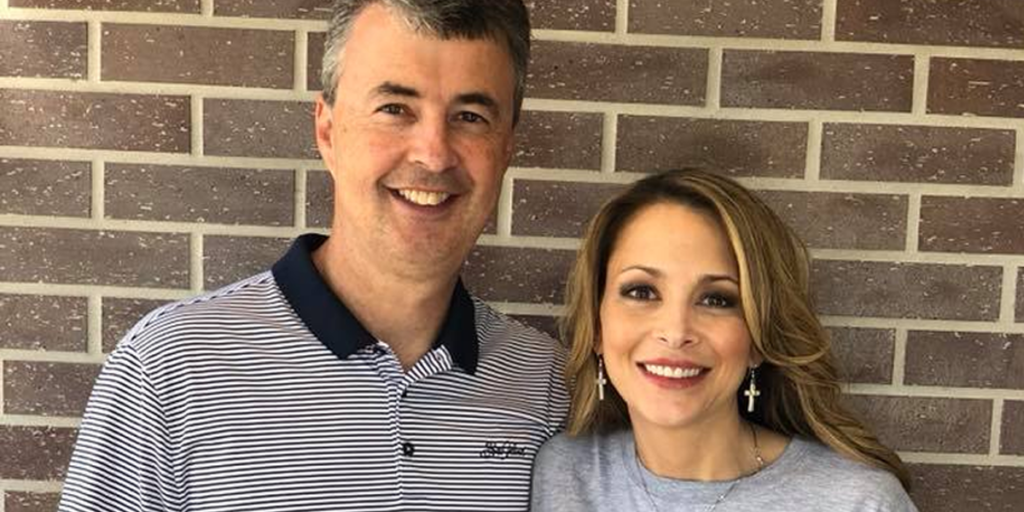
According to a release sent by Attorney General Steve Marshall’s office, Marshall’s wife Bridgette Marshall passed on Sunday morning after a long-time struggle with mental illness. “Bridgette was a devoted and much beloved daughter, wife and mother,” the release continued. “We ask that the people of Alabama keep the Marshall family in their prayers during this most difficult time.” Opponent Troy King issued a statement following the news of her passing saying, “Paige and I just learned of the tragic death of Brigette Marshall. Today is a sad and difficult day. Today we are not in different political campaigns or camps. We are husbands and wives, fathers and mothers. We cannot imagine the deep sense of loss and grief the Marshall family must face.” “We offer our deepest sympathies and heartfelt prayers for Attorney General Steve Marshall and his family and pray that God’s grace and peace and hope will enfold and sustain them.” “Out of respect for the Marshall family, I have paused my campaign during this time of mourning. I have directed that all of our advertising be stopped.” “May God hold them in the palm of His hand.” Alabama Governor Kay Ivey responded to the tragic news as well; “this morning, I was incredibly saddened to learn of the sudden passing of Bridgette Marshall,” Ivey said. “Bridgette was the loving wife of Attorney General Steve Marshall and the caring mother of their daughter Faith. A mother is the backbone to a family and especially important to her daughter. I pray that Steve and Faith are comforted in this extremely difficult time.” “It is never easy to lose a loved one and certainly not as suddenly as this. I have spoken with Attorney General Marshall and offered my support. I know the people of Alabama will show the Marshall family great love and sympathy during this time.” After the news broke Sunday morning, condolences from Alabama’s legislative officials came pouring in. Alabama 4th District U.S. Rep. Robert Aderholt sent out a statement of his own, saying “My heart breaks for the family of Steve Marshall upon hearing of the passing of his wife Bridgette. I ask you to join me in lifting him, their daughter, family and friends in prayer at this tremendously difficult time.” Lieutenant Governor candidate Will Ainsworth express his sympathies via Facebook: My wife, Kendall, our children, and I send our prayers of comfort and solace to Attorney General Steve Marshall and his family. As fellow residents of Marshall County, Steve and his family are our neighbors, our friends, and our partners in Christ, so we share their hurt. I ask all Alabamians to join us in raising the Marshalls up in prayers of supplication as they seek the strength to move beyond this deeply personal tragedy. Alabama Public Service Commission President, Twinkle Andress Cavanaugh also expressed condolences via Facebook, saying: Jeff and I are heartbroken after hearing of Bridgette Marshall’s passing today. Please join us in praying for Attorney General Steve Marshall, their daughter Faith, and the entire Marshall family. May God hold Steve and Faith in His arms and bring them peace and comfort in the days ahead. John 14:1-4
