
Alabama Medical Cannabis Commission ratifies agreement

On Monday, the Alabama Medical Cannabis Commission (AMCC) voted to ratify an agreement with plaintiffs’ attorneys to allow the AMCC to move forward with presentations from cannabis applicants as part of its new timeline to make license awards in December. Attorney Mark Wilkerson is representing the AMCC. Wilkerson said that after a day of court-ordered mediation, he and AMCC staff have reached a settlement with most of the plaintiffs to allow the AMCC to proceed with new license awards if the commission votes to ratify the agreement. Two major sticking points were addressed in the recent closed-door negotiations between all the attorneys. The first issue was the ten-megabyte limit on marijuana application size. The AMCC provided flexibility to help applicants work around the limit – but that information was not distributed, so some applicants submitted applications that were far smaller than what they would have preferred – or did not apply at all because they could not figure out how to downsize their application to ten megabytes without leaving out vital information. In the agreement, there is no limit on the application sizes, and applicants were allowed to submit material initially left out of their applications. The second sticking point was the scoring. The independent application evaluators hired by the University of South Alabama graded the applications, assigning them a numerical score and ranking them from first to worst based on that scoring. In the settlement, commissioners cannot consider any South Alabama scores when they make their awards. Any of the lawsuits over the scoring or the file size limit were dismissed with prejudice by the court in exchange for agreeing to those two final points. The Commission voted unanimously to ratify the agreement, meaning that the restraining order was lifted by the court. The Commission then began hearing presentations from applicants seeking cultivator licenses and the applicants seeking the marijuana testing laboratory license. Chey Garrigan is the founder and President of the Alabama Cannabis Industry Association (ACIA). “We are happy that the Commission ratified the settlement,” said Garrigan. “This was the only way that we could move forward with issuing the licenses.” “We were pleased with all of the presentations and look forward to working with all of the licensees in the future,” Garrigan added. The Commission willreturnk Tuesday to hear presentations from the secure transporter and processor applicants. On Wednesday, the Commission will listen to presentations from the dispensary Applicants. The Commission is expected to meet on December 1 to make those awards. Next week, the Commission will meet to consider applications from the thirty applicants vying for the integrated facility license. The integrator license allows a business entity to grow, process, transport, and dispense medical cannabis. The Commission can give a maximum of five integrated licenses – thirty applications for vertically integrated licenses were turned in. The Commission will meet on December 12 to award licenses to the integrators. AMCC Executive Director John McMillan has said he hopes that Alabamians will be able to purchase Alabama-grown medical cannabis products as early as March. All of the awards made by the AMCC in the June and August meetings have already been rescinded as part of the negotiations to end the litigation. To connect with the author of this story or to comment, email brandonmreporter@gmail.com.
Medical marijuana hearings to start Monday
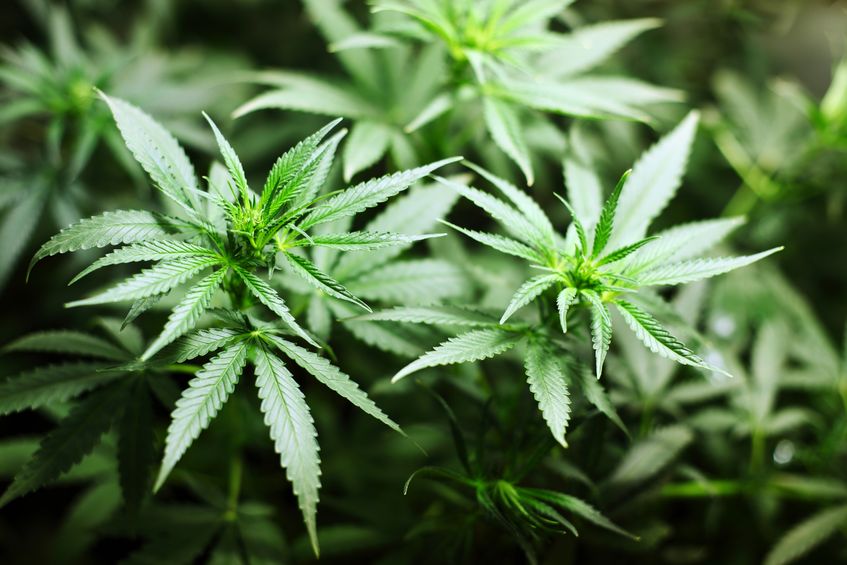
On Monday, the Alabama Medical Cannabis Commission (AMCC) is expected to vote to ratify an agreement with plaintiffs’ attorneys to allow the AMCC to move forward with its timeline to make new cannabis license awards in December. Chey Garrigan is the founder and President of the Alabama Cannabis Industry Association (ACIA). “We are excited about the news that a settlement may have been reached in the ongoing litigation,” Garrigan told Alabama Today. “Our focus has always been on alleviating the suffering of the people of Alabama with conditions that are treatable by medical cannabis.” Attorneys for the Alabama Medical Cannabis Commission (AMCC) have reached a settlement with plaintiffs that would allow the AMCC to begin hearing presentations from applicants starting Monday. Two major sticking points were addressed in the recent closed-door negotiations between all the attorneys. The first issue was the ten-megabyte limit on marijuana application size. The AMCC provided flexibility to help applicants work around the limit – but that information was not distributed, so some applicants submitted applications that were far smaller than what they would have preferred – or did not apply at all because they could not figure out how to downsize their application to ten megabytes without leaving out vital information. In the agreement, there is no limit on the application sizes. The second is the scoring. Independent application evaluators hired by the University of South Alabama graded the applications, assigning them a numerical score and ranking them from first to worst based on the scoring. Those highest-scoring applicants received the awards in the first round of license awards. Failed applicants criticized the accuracy of those scores. The Commissioners, in the agreement, have been ordered not to consider those scores when they consider the applications when they vote on who gets the awards. In exchange for agreeing to those two final points, the lawsuits will be dismissed, and the Commission can move forward with the application presentations. The previous two rounds of applicant awards have all been vacated by the AMCC. Assuming that all goes well with the first part of the meeting, the Commission ratifies the agreement, and no new restraining order is in place, the Commission will then hear presentations from applicants for licenses to cultivate, process, transport, dispense, and operate as the official cannabis laboratory that week. On Monday, the Commission is expected to hear presentations from cultivator and state testing laboratory applicants. On Tuesday, the Commission will hear presentations from the secure transporter and processor applicants. On Wednesday, the Commission will listen to presentations from the dispensary Applicants. According to our current understanding of the process, the Commission will meet on December 1 to make those awards. Next week, the Commission will meet to consider applications from the thirty applicants vying for the integrated facility license. The integrator license allows a business entity to grow, process, transport, and dispense medical cannabis. The Commission can give a maximum of five integrated licenses – thirty applications for vertically integrated licenses were turned in. The Commission will meet on December 12 to award licenses to the integrators. Each applicant will be given about 45 minutes to present to the Commission, and the presentation can include videos. Licenses, if all goes well, could be issued before Christmas. “We wish luck to all of the applicants and look forward to working with the new licensees,” Garrigan said. AMCC Executive Director John McMillan has said that he hopes that Alabamians will be able to purchase Alabama-grown medical cannabis products as early as March. “Our first priority needs to be serving those Alabamians diagnosed with a legitimate medical need,” Garrigan said. To connect with the author of this story or to comment, email brandonmreporter@gmail.com.
Cannabis licenses might be issued in coming weeks
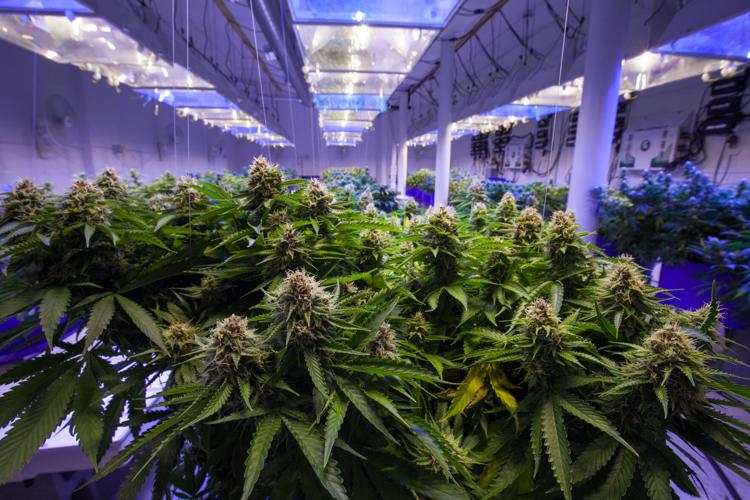
There is currently a temporary restraining order (TRO) on the Alabama Medical Cannabis Commission (AMCC) issuing medical cannabis licenses. However, that could change in the coming days for some license categories. On Wednesday, Montgomery Circuit Judge James Anderson heard arguments from attorneys for both the AMCC and the plaintiffs suing the Commission over cannabis license awards made in August. The state is issuing six categories of medical marijuana licenses: grower or cultivator (the term is used synonymously by parties involved), processor, transporter, laboratory, dispensary, and integrated facility. An integrator can grow, process, transport, and dispense cannabis. Applicants who were denied permits for processor, dispensary, and integrator have all filed suit against the AMCC, arguing, for various reasons, that their application was wrongfully denied and the Commission violated the state open meetings law in its August awards meeting. Those lawsuits have all been consolidated into one case challenging those award results. Anderson placed a temporary restraining order on the AMCC issuing any licenses in August and a stay on further AMCC action while the court considers the plaintiffs’ arguments. Under the AMCC’s current proposal before the court, the Commission will rescind the license awards for integrator, dispensary, and processor at its October 26 meeting. Meanwhile, the Commission would be free to issue the August awards for growers, transporters, and laboratories. Alabama Today asked AMCC Executive Director John McMillan if there was a possibility that some of those growers could build their facility, plant their marijuana crop, harvest that first crop, and then have nowhere to legally process it and no market for it to sell it as a grower’s license does not allow the grower to sell it to the public. “Hypothetically,” McMillan answered. Alabama Always, the original plaintiff in this case, was denied an integrator permit in the June and August awards meetings. Their attorney argued that the most important criteria for the award should have been how fast the applicant could get up and running with their first crop. Alabama Always began building a $7 million building a year ago, before the applications were even turned in. “I know since that some people have said that nobody told Alabama Always to build a structure, but they did,” the attorney stated. “In the fall of 2022, my client already began construction.” Alabama Always claims they began construction early to meet the AMCC requirement that an applicant must be able to start operating within 60 days of being issued a license. “They don’t give you a single point (in the scoring) for being able to commence growing within 60 days,” the plaintiffs’ attorney argued. “Some of these plaintiffs’ attorneys don’t know what they’re talking about,” McMillan told Alabama Today. “Getting started within 60 days is not that difficult. You could start a crop in here,” referring to the courtroom, by bringing in grow lights, irrigation, drainage, growing medium, and other greenhouse materials. McMillan said if the court allows, the Commission could issue the grower, transporter, and laboratory licenses as early as November. McMillan cautioned, “The Commission could do whatever it wants to do.” On the advice of counsel, McMillan said he expects the Commission to rescind the awards for integrator, processor, and dispensary at its October 26 meeting. Judge Anderson gave the applicants who were denied the grower, transporter, or laboratory licenses until October 26 to file a motion asking to extend the TRO on those three licenses beyond that date. Anderson said, “If they want to file something before the 26th, we will deal with it. “ The most desired license is the integrated facility license, but the statute limits the number to a maximum of five licenses statewide. Approximately thirty business entities applied for that license, and it seems like most of the two dozen that were denied have hired an attorney and joined the consolidated case. Attorney Bill Espy announced that he had a client joining the case on Wednesday. Anderson said the problem is the legislature did not allow enough licenses in the original statute. “The legislature could fix this,” Anderson said. “They don’t want us legislating from the bench.” The statute allowed the AMCC to award as many as twelve grower licenses. Only twelve applied, and of those, only seven were granted licenses. Alabama Today spoke with Antoine Mordican at Native Black Cultivation, who was denied a grower permit. Mordican said that, at this time, he is not interested in filing litigation. Mordican said that he is working to address the issues in his application that the AMCC said were deficient and that he hopes to be awarded a license when the AMC makes a second round of grower awards. “They are not following the statute,” Mordican, who is Black, said. “The statute requires that 25% of the licenses be awarded to minorities. Of the seven, only one is minority owned.” One of the roughly 20 plaintiffs’ attorneys objected to the growers being issued licenses, arguing that it was unfair to the five integrators because they could potentially lose market share. Several plaintiffs’ attorneys asked the court to bar the Commission from considering the scoring prepared by the University of South Alabama when considering the applications for integrator, processor, and dispensary. “We have been waiting for four months to do something about the scores,” said the attorney for Alabama Always. “The grading of the scores is inconsistent with the statute. If they are allowed to consider the scores, we are going to be back here again. You can avoid that.” “Unless the use of the scores is prohibited, we think that there will be a lot of tendency on the part of the commissioners to rely on the scores,” he added. Michael Jackson is an attorney for the AMCC. “They are not going to be happy with the scores unless they get an award,” Jackson said. “The Commission has absolute discretion on what they consider.” “If there is a problem with the scoring, it doesn’t matter,” Jackson continued. “If the scoring is wrong, it doesn’t matter. If the scoring is bad, it doesn’t matter.” “They are not articulating
Inaugural Alabama Medical Cannabis Conference has been postponed
On Wednesday, the Alabama Cannabis Industry Association (ACIA) announced that their inaugural Alabama Medical Cannabis Conference has been postponed after the Alabama Medical Cannabis Commission (AMCC) voted in September to stay the issuing of the cannabis licenses. Early indications are that the AMCC will extend their stay until their November meeting. “The inaugural 2023 Alabama Medical Cannabis Conference was planned to compliment the Alabama Medical Cannabis Commission, support the licensees, and celebrate the fact that in a few short months, Alabamians with a legitimate medical need would finally be able to legally obtain lawfully grown Alabama cannabis to treat their conditions,” the ACIA wrote in a statement. “We anticipated being able to register patients and provide CME credits to physicians.” “Unfortunately, the ongoing legal drama around the issuing of the license means that at this point in time, holding the conference on October 13, 2023, would be counterproductive,” the ACIA continued. “We, at the Alabama Cannabis Industry Association, have consulted with our advisors, the presumptive licensees, and our legal counsel; and determined that the time is not right to celebrate the legalization of medical cannabis in Alabama as a timeline for issuing the license and getting the industry up and running would be speculative at best right now. The conference has had to be postponed.” In June, AMCC announced inaugural license awards; then days later stayed the issuing of the licenses. Litigation ensued, and in August they did it over again – with some licensees losing their licenses. That did nothing to satisfy the plaintiffs who have sued the AMCC. Lawsuits and litigants have only multiplied. “The awardees are concerned that under the present circumstances, anything they say and do will be used against them in pending and possible future litigation,” the ACIA continued. “There is also a strong possibility that the commission may have a new round of license awards, and there is presently no clarity in what that will look like or even if the presumptive licensees will all still be awarded licenses if the Alabama Medical Cannabis Commission awards licenses for a third time.” “For these reasons and the fact that building the future medical cannabis grow-and-process facilities are at a standstill pending the actual issuing of the licenses, we felt we could not move forward with the conference at this time,” the ACIA stated. “All attendees and exhibitors will receive credit toward future events.” It is expected that the AMCC expects to reissue the license awards at a meeting in November. The issue of who gets the limited number of licenses to grow, process, and dispense medical cannabis in Alabama will likely ultimately be decided by a court and subject to appeal. It likely will not be resolved before this year is over. The ACIA will reschedule when they know more about when licenses will be issued and who the final licensees are. “Expect more information on upcoming events in the coming months as we all look forward to the day that Alabamians with a diagnosed medical need can finally get the Alabama-grown cannabis they need,” the ACIA concluded. Chey Garrigan is the founder and executive director of the AMCIA. The Alabama Legislature passed, and Governor Kay Ivey signed medical cannabis legalization in 2021. That legislation created the AMCC, which was tasked with regulating the industry and making the license awards. To connect with the author of this story or to comment, email brandonmreporter@gmail.com.
Robert Aderholt opposes rescheduling of marijuana

Congressman Robert Aderholt (R-AL04) was one of 14 Republican members of Congress to join in a letter to U.S. Drug Enforcement Administration chief Anne Milgram expressing their opposition to federal rescheduling of marijuana. While the State of Alabama is in the process of issuing licenses to farmers to grow marijuana and for doctors to recommend it to their patients, it remains a Schedule 1 narcotic with no medicinal value, according to the federal government. There is momentum to change that. The Biden Administration’s Department of Health and Human Services has released a letter urging that marijuana be federally rescheduled, a move that Aderholt opposes. Aderholt said that he opposes the move even if it is politically popular. “I am proud to join @PeteSessions and @SenatorLankford in a letter to Administrator Milgram. As Chairman of the Approps Subcommittee on Labor, Health and Human Services, and Education, I share the concern that our nation’s drug policies should not be set based on popular opinion.” Eight Republican U.S. Senators and six Republican members of the House of Representatives declared the Department of Health and Human Services’ August 29 recommendation to move marijuana from Schedule 1 to Schedule 3 of the Controlled Substances Act part of an “irresponsible” “pro-pot agenda.” They urged that marijuana remain listed among the most dangerous drugs. The letter was sent to Milgram because the decision is now up to her and federal attorneys to consider relevant questions of law and policy in a review of the recommendation by Health and Human Services (HSS). Chey Garrigan is the founder and CEO of the Alabama Cannabis Industry Association. Garrigan said that marijuana does have documented health benefits and maintains that there are Alabamians who would benefit from medical marijuana. “Congressman Robert Aderholt can have an opinion,” Garrigan said. “Where is the data that backs up why he is against it?” “Any effort to reschedule marijuana should be based on proven facts and science – not popular opinion, changes in state laws, or the preferred policy of an administration,” the Republicans, led by Republican Sen. James Lankford (R-Oklahoma) and Representative Pete Sessions (R-Texas) wrote in the September 11 letter to the DEA. “Current research, science, and trends support the case that marijuana should remain a Schedule 1 drug.” Lankford, Aderholt, and Sessions were joined by Sen. Marsha Blackburn (R-Tennessee), Sen. Ted Budd (R-North Carolina), Sen. Tom Cotton (R-Arkansas), Sen. Mike Crapo (R-Idaho), Sen. Markwayne Mullin (R-Oklahoma), Sen. James Risch (R-Idaho), Sen. M. Michael Rounds (R-South Dakota), Rep. Earl “Buddy” Carter (R-Georgia), Rep. Andy Biggs (R-Arizona), Rep. Chuck Edwards (North Carolina), and Rep. Hal Rogers (R-Kentucky). Even though Oklahoma has over 7,000 marijuana farms and businesses, Lankford argued in a recent column that marijuana has not befitted Oklahomans. “Drug cartels—from not just south of the border, but also Asia—are now deeply ingrained across Oklahoma, operating grow facilities that ship marijuana across the country,” Lankford wrote. “Oklahomans often now wake up to read the news about the latest execution-style murder, human trafficking, or prostitution at a grow facility in rural Oklahoma. In January 2023, the Tulsa World reported that about 2,000 licenses for medical marijuana were being investigated because they were suspected of having been either obtained unlawfully or were covering up an operation to sell on the black market. Oklahoma is now the top source for black market marijuana in the nation. So much for the argument that widening legal access to a drug gets rid of the illicit market.” President Joe Biden launched the first federal administrative review of marijuana’s legal status last October, calling current federal policy a “failed approach.” To connect with the author of this story or to comment, email brandonmreporter@gmail.com.
Marijuana license awardees getting nervous as legal saga drags on
In June, a number of businessmen and women were awarded a limited number of medical marijuana licenses by the Alabama Medical Cannabis Commission (AMCC). If things had gone according to plan, in July, those men and women would have gotten their licenses formally issued, construction on new marijuana farms, factories, and dispensaries would be underway, and Alabama’s first legal marijuana crop would be growing in an Alabama greenhouse right now. Nothing went according to plan. Business entities not awarded a license by the AMCC began filing lawsuits within days of the awards being issued. The AMCC staff discovered errors in tabulating the scores, and the commission itself held an emergency meeting to stay issuing their licenses. Days after, Montgomery Judge James Anderson issued a temporary restraining order barring the AMCC from issuing the licenses. Rather than pressing ahead and finding a way to issue those licenses, the AMCC nullified its previous awards and held a new round of awards. Most of the business entities that received awards in June also received awards in August, but not all. Verona was one of five business entities awarded an integrated facility license by the AMCC in June. In August, they did not get the award. They are now suing on the grounds that the AMCC violated the Alabama Open Meetings Law. Verona is represented by lobbyist Curt Lee. “Verona had the highest scores both times,” Lee told the Mid-Alabama Republican Club on Saturday. “Obviously, we have some concerns about why, if you had the highest score, Verona didn’t get a license.” Some of the parties who were denied applications in both June and August are also suing, alleging that they were treated unfairly. Redbud – who couldn’t figure out how to upload their application, is also bringing litigation to be considered for a license. Judge Anderson has extended his temporary restraining order twice in past weeks. Over a dozen plaintiffs’ attorneys are in court-ordered negotiations with the AMCC. Those applicants who were awarded licenses are reportedly getting nervous as it increasingly appears as if the AMCC will vacate those license awards and instead award licenses for a third time. Sources report that some of those entities have engaged with an attorney on their own possible litigation to ask Judge Anderson to lift the temporary restraining order and urge the AMCC to issue the licenses. Chey Garrigan is the founder and executive director of the Alabama Cannabis Industry Association (ACIA). Alabama Today asked Garrigan about reports that the license awards winners have engaged with an attorney. Garrigan would not divulge any details of what was discussed but did acknowledge that there have been “discussions” in recent days. Some of the awardees and applicants have reportedly been in negotiations with Tru-Leaf – a marijuana company that is active in Florida and other states, but in recent weeks, Tru-Leaf has pulled out of the state due to the uncertainty. Licensees and applicants whose secret plan was to sell out to Tru-Leaf may have been left without a business plan if those reports are true. “I have heard that as well,” Garrigan acknowledged. “I can’t say with any certainty what Tru-Leaf is going to do.” The next regularly scheduled AMCC meeting is scheduled for September 19. The legislation creating the AMCC and making them the regulators of marijuana in Alabama is considered the most restrictive medical marijuana law in the country. “They talked with legislators in other states that opened it up too wide and regretted it,” Lee said of the Legislature’s thinking behind the bill. Lee was asked if the Legislature would intervene and just overturn the marijuana law, ending this experiment in medical marijuana in Alabama. “I don’t see it going away and being reversed,” Lee said. To connect with the author of this story or to comment, email brandonmreporter@gmail.com.
Medical Cannabis Coalition votes to stay license awards

On Thursday, the Alabama Medical Cannabis Commission (AMCC) once again voted to stay the issuing of medical cannabis licenses in Alabama. The AMCC is facing a growing host of lawsuits from applicants who claim that they were wrongly denied cannabis licenses by the Commission at their meeting on August 11. On Tuesday, attorneys for the AMCC told the court that they intended to “go back to square one” and award the licenses for a third time, addressing concerns that the procedures for the Commission had violated Alabama’s open meetings law. The plan was tentatively set to again award the licenses on September 19. That plan now appears to be on hold, and no date has been set for the third license awards meeting. Montgomery Circuit Court Judge James Anderson extended his temporary restraining order on the final issuing of the licenses to September 6. “The commission’s action today, while pausing the process, furthers that goal by attempting to avoid additional legal challenges,” said Commission Chairman Rex Vaughn. “We understand that litigation is an obstacle, just as it has been in every other state that has a medical cannabis program. However, we appreciate and join in the court’s commitment to seeing that Alabama’s program becomes operational sooner rather than later.” Chey Garrigan is the Executive Director of the Alabama Cannabis Industry Association (ACIA). “Every day, I get letters and emails from Alabamians who are seeking relief from medical cannabis,” Garrigan said. “We should have had this up and off the ground in September 2021. The people who were not in the courtroom today are not being represented. How many times are we going to have to go through these applications?” Marty Schelper is the President of the Alabama Cannabis Coalition. Schelper disagreed with Garrigan. “The Alabama Cannabis Coalition does not agree with Ms. Garrigan’s position on just hurry this up without fully resolving the matters at hand,” Schelper said. “This legislation was set up to fail because the state decided to create a “Legal” drug cartel, limiting licenses and picking who could participate (and yes, we know there was and is a grading process).” “Free Market Capitalism and competition in the market is good for business and the consumers,” Schelper continued. “Open the markets up to anyone who passes the “litmus test” to operate in Alabama, that has the capital to pay the exorbitant state licensing fees and develop their business model. The position of the Alabama Cannabis Coalition is that the Alabama Legislature needs to be called back to Montgomery in a special session and resolve this once and for all. These lawsuits will continue until this legislation is amended, and the sick, suffering, and dying citizens will remain the victims. Garrigan responded, “Calling a special session to amend the cannabis bill is not realistic. We need real solutions.” The Alabama Legislature passed, and the Governor signed landmark medical cannabis legislation in May 2021, creating the AMCC to regulate the new industry in the state. Most observers understood even then that applicants who were not awarded a license would turn to the courts to seek injunctive relief. That very predictable process is what is playing out now in the courts. To connect with the author of this story or to comment, email brandonmreporter@gmail.com.
Judge extends restraining order on issuing cannabis licenses until September
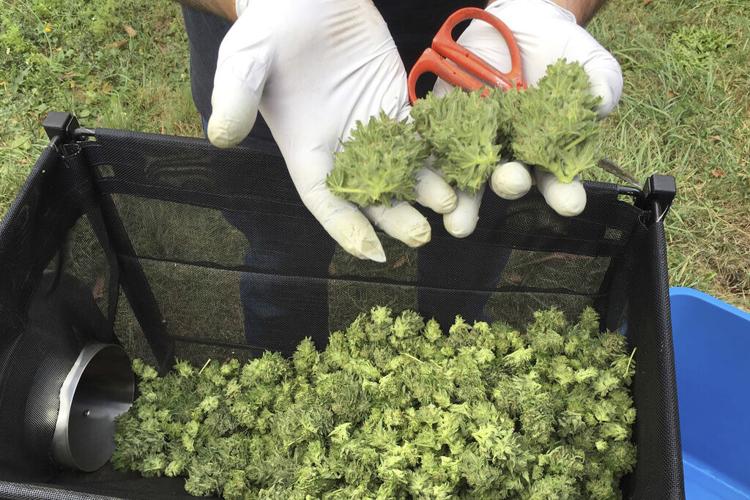
On Thursday, a Montgomery Circuit Court heard arguments from plaintiffs that the court’s temporary restraining order (TRO) on the state’s issuing of medical marijuana licenses be extended. Montgomery Circuit Judge James Anderson gave permission to the Alabama Medical Cannabis Commission (AMCC) to meet on Thursday and vote to implement their own stay on the issuing of cannabis licenses. Anderson extended his temporary restraining order to a hearing on the afternoon of September 6. The AMCC initially issued the licenses in June but then halted the license awards after an issue was detected in the tabulation of the awards. One of the aggrieved parties, Alabama Always, sued to block the issuing of the awards, claiming that the Commission did not follow the Alabama Open Meetings Law. The licenses were awarded for a second time in August. Alabama Always’ application for an integrated facility license was again rejected by the Commission. Verona was awarded a license in June, but not in August. They have since filed suit calling into question the process by which the awards were made in August. Attorney Mark Wilkerson, who represents the AMCC, told Judge Anderson that the commission intends to go back to “square one” and issue the licenses again. An attorney who represents one of the groups awarded a processor license asked that since the suit has been brought by parties seeking integrated facility licenses, and that there has been no complaint from growers or processors, that the growers, processors, transporters, and dispensary licenses be allowed to proceed. An attorney who represents a hemp processor in the Phenix City area whose application was denied then stood up and said that she had filed Sunday to enter this case and was seeking relief from the court. Judge Anderson took no action to release the processor, grower, transporter, or dispensary licenses from the TRO. An attorney for the plaintiffs expressed his disappointment with the process, stating, “In the last two or three days, we thought we had something in place.” That proposed agreement became unraveled at a conference with the judge held earlier on Monday at 11:30. One attorney said, “The director is not here. The deputy director does not appear to be here. We don’t know where we are getting this information from.” “I don’t want to negotiate in public,” the plaintiffs’ attorney said. “…..but that is what we are doing,” Judge Anderson quipped. “I would like for the commission to put a stay in play so the court does not have to order it.” Chey Garrigan is the Executive Director and founder of the Alabama Cannabis Industry Association. Garrigan held a press conference at the conclusion of the court proceeding. “We got everybody in the state fired up, asking, ‘When am I going to get my card?’” Garrigan said. “Let the growers go ahead and grow, let the processors go ahead and process, and let the dispensers go ahead and dispense.” “Every day, I get letters and emails from Alabamians who are seeking relief from medical cannabis,” Garrigan said. “We should have had this up and off the ground in September 2021. The people who were not in the courtroom today are not being represented. How many times are we going to have to go through these applications?” At the close of the hearing, Judge Anderson said, “I heard that Mississippi passed this six months after Alabama did. I heard that they were issuing prescriptions in January, so for once, we can’t say thank God for Mississippi.” To connect with the author of this story or to comment, email brandonmreporter@gmail.com.
Alabama Medical Cannabis Commission awards licenses
On Thursday, the Alabama Medical Cannabis Commission (AMCC) met in Montgomery to award licenses to 24 entities for the fledgling Alabama medical cannabis industry. These 24 were chosen from a pool of 90 applications accepted by the Commission. The AMCC had previously awarded 23 medical cannabis licenses in June. Errors were later discovered in how the scores were tabulated, so the licensing process was suspended pending an outside review of the AMCC’s processes, and those license awards were stayed. Confident that those problems are behind them, the AMCC awarded the licenses on Thursday. Rex Vaughn is the Chairman of the Commission. “Since the Commission’s inception, we have worked to develop a fair, honest, and equitable process to select licensees,” explained Chairman Vaughn. “It is regrettable that the tabulation errors occurred. However, we have acknowledged the miscalculations and have taken the necessary steps to ensure that the data provided to the Commission was accurate. We are sincerely appreciative of the Court for allowing us to take corrective actions.” Dr. Sam Blakemore is the Vice Chairman of the AMCC and a pharmacist. “Formulating the application process, assessing all 90 applications, and making determinations on who to award licenses to has been a monumental task,” explained Vice Chairman Blakemore. “We received numerous applications from applicants who would make terrific licensees, which made the selection process extremely competitive. I have spent countless hours reviewing the applications myself and feel confident that we have selected a great slate of licensees.” The Commission awarded licenses for marijuana growers, processors, transporters, dispensaries, and integrated facilities. An integrated facility does everything under one entity. There were also licenses awarded for cannabis laboratories. The most sought-after license was the one for integrated facilities. The University of South Alabama (USA) was engaged by AMCC to coordinate the application review process and recruit evaluators to assess the scored exhibit items for all 90 applicants. USA utilized 66 evaluators with experience relevant to the application content to review one of eight scoring categories: (1) Financial Ability; (2) Business/Management Approach; (3) Operations Plans & Procedures; (4) Facility Suitability & Infrastructure; (5) Security Plan; (6) Personnel; (7) Quality Control & Testing; or (8) Marketing & Advertising. Chey Garrigan is the founder and executive director of the Alabama Cannabis Industry Association (ALCIA) – an affiliate of the National Cannabis Industry Association (NCIA). “The Alabama Cannabis Industry Association congratulates the ones who were awarded Alabama’s first historical medical cannabis licenses,” Garrigan said in a statement. “This is only the beginning.” ‘Now, it’s time to get to work and provide products for patients with a qualifying illness,” Garrigan said. “Patient count will be the deciding factor to a licensee’s success or failure.” The Alabama Medical Cannabis Industry Coalition, which represents several of the entities that were awarded licenses, also responded to Thursday’s AMCC licensure awards. “We applaud the efforts of the commission today,” the Cannabis Coalition said in a written statement. “The additional review by the independent auditors KPMG, along with procedural changes by the board, delivered what should be a respected decision. There will, of course, be those who are disappointed because they didn’t win. Everyone knew there would be losers because there were more applicants than there were licenses. And, of course, there will be litigation because, among those who lost, there are deep pockets.” There is a strong likelihood that applicants denied by the AMCC on Thursday will seek relief from the courts. There have already been several lawsuits during the application process. “We need to bring closure to this portion of the process and move towards verifying the ability of the awardees to deliver on what they have promised,” the Cannabis Coalition added. “In this next stage, the new licensees must show their ability to deliver on their commitments. We need to see this next step completed so that we can determine if there will be new vacancies among the segments to which other applicants could fill the void.” Both the ACIA and the Cannabis Coalition felt additional legislation is needed. “On the federal level, we support the Safe Banking Act,” Garrigan said. “We (ALCIA) are one of very few Southern Cannabis Associations included in the petitions that influence both our U.S. Senators to openly support safe banking.” Under current federal law, banks may not be involved in the cannabis industry as marijuana remains illegal. This means that business-to-business transactions and consumer-to-business transactions are normally done with large amounts of cash rather than credit cards or checks. U.S. Senator Tommy Tuberville (R-Alabama) has advocated for the passage of the Safe Banking Act to allow these businesses to access the banking system. The Alabama Legislature passed, and Governor Kay Ivey (R) signed legislation making medical cannabis legal in the state of Alabama in 2021. That legislation established the AMCC and authorized it to regulate the establishment of a medical cannabis industry in Alabama. Medical cannabis will be tightly regulated in Alabama. All of the cannabis will be grown and processed in Alabama. The state will not export or import products to other states into Alabama. Dispensaries in the state will not honor medical cannabis cards from other states. THC limits are tightly controlled by the original legislation, except where the patient is terminal. No smokable product will be sold, and no raw plant product will be sold. “Home-grow” of marijuana plants for personal use will remain illegal in Alabama. Garrigan said that the Legislative session will begin early next year to consider adjustments to the original legislation. “We have begun to draft bills and secure sponsors in the Legislature,” Garrigan said. “The legislature will return in 2024,” the Cannabis Coalition said. “They have the ability to expand licenses if they feel the process wasn’t perfect or there are additional needs.” Only doctors who have gone through special training will be allowed to issue marijuana recommendations, and only patients with one of the listed qualifying conditions may receive a recommendation for cannabis from their doctor. The AMCC said that Under the rules promulgated by the Alabama Board of Medical Examiners, physicians may begin the certification process to recommend medical cannabis to patients
Marijuana licenses expected to be awarded on Thursday
The Alabama Medical Cannabis Commission (AMCC) will meet on Thursday. On the proposed agenda for Thursday’s meeting will be awarding medical cannabis licenses. The AMCC previously awarded licenses to a number of entities in June. Days later, the Commission suspended those license awards after errors were found in the scoring of some of the applications. On Monday, Montgomery Judge James Anderson ruled that the AMCC could proceed with discussions on license applicants at their August 10 meeting, provided that the Commission abides by the Alabama Open Meetings Act. The temporary restraining order that Judge Anderson previously issued staying the licensing process will expire once the Commission announces the award of licenses on August 10. Some applicants who were denied licenses sued the Commission, and that lawsuit is proceeding. Those plaintiffs will be closely monitoring what the AMCC does on Thursday, as that directly impacts how they proceed with their litigation. The AMCC is expected to award licenses for cultivators, processors, laboratories, transporters, dispensaries, and integrated facilities. The integrator license was the license that was most in demand by applicants. Applicants were not allowed to apply in multiple categories. Chey Garrigan is the founder and CEO of the Alabama Cannabis Industry Association (ACIA). “We are confident that the Commission has resolved the scoring issues, and we look forward to working with all of the licensees as we build the medical cannabis industry into a new vibrant sector of the Alabama economy,” Garrigan said. The Commission will also have to select a new chair. Rex Vaughn, whose expertise is in agriculture, is the vice chair and is expected to be appointed as the new chairman. Former Chairman Dr. Steven Stokes resigned after receiving criticism for serving as both the Chair of the AMCC and serving on the board of the University of South Alabama. The University of South Alabama (USA) was tasked with evaluating and scoring the applications. According to some reports, USA may have made some errors in tabulating those scores leading to the suspension of the license awards. Stokes is a Dothan-based oncologist who has treated cancer patients both in Alabama, where cannabis is not a legal option, and Florida, which has had medical cannabis for years. Stokes played a key role in the 2019 Alabama Medical Cannabis Study Commission that drafted the bill that eventually became Alabama’s medical cannabis law that passed in 2021. That legislation created the AMCC and tasked it with writing the rules for creating legal, medical cannabis in Alabama and regulating the fledging Alabama medical cannabis industry. Since marijuana is presently illegal in Alabama, all of the infrastructure for the cannabis industry has to be built, the first crop grown from seed, that crop processed into an AMCC-approved form, and that product transported to the new dispensaries before any medical cannabis is sold to any patients. Possession of cannabis in its raw plant form, including seeds and plants, will remain illegal in Alabama unless you are licensed by the AMCC. No smokable products will be legally sold in the state. There will likely be more litigation even after the Commission makes its license awards on Thursday. The first legal Alabama-grown and processed medical cannabis will likely not be available until early 2024 – at the earliest. To connect with the author of this story or to comment, email brandonmreporter@gmail.com.
Alabama Cannabis Industry Association releases more details about Inaugural Alabama Medical Cannabis Conference
The Alabama Cannabis Industry Association (ACIA) announced on Thursday that the inaugural Alabama Medical Cannabis Conference is scheduled for October 13th and 14th, 2023, at the Sheraton Hotel in Birmingham. This groundbreaking event will be the first major cannabis-industry focused conference in the history of the state of Alabama. The conference promises to bring together medical cannabis professionals, experts, and enthusiasts from across the nation to explore the latest advancements, challenges, and opportunities in the rapidly evolving medical cannabis industry. Alabama is the newest state in the country to make medical cannabis legal, and the ACUA hopes that the conference will be a platform for education, collaboration, and progress. Chey Garrigan is the Chief Executive Director of the ACIA. “ACIA is honored to host the inaugural Alabama Medical Cannabis Conference, making history as the state’s first major cannabis-focused event,” said Director Garrigan. “We are proud to be at the forefront of a new era in Alabama’s cannabis landscape and believe this conference will pave the way for advancements in medical cannabis and patient care.” The conference will feature distinguished speakers, including John McMillan, the Executive Director of the Alabama Medical Cannabis Commission (AMCC). These industry pioneers will share their expertise and insights on the latest developments in the medical cannabis field. The conference will feature thought-provoking panel discussions, presentations by renowned industry experts, and informative workshops and educational sessions covering various aspects of medical cannabis. Garrigan said that the conference will be an event that provides networking opportunities with key decision-makers, industry professionals, and thought leaders. It will begin with an exclusive opening night mixer connecting newly awarded license holders with investors, entrepreneurs, and policy leaders in the medical cannabis sector. “Our state’s first major cannabis-focused conference is a pivotal moment for Alabama’s medical cannabis community,” added Garrigan. “We have carefully curated a diverse lineup of speakers and engaging sessions to address critical topics and drive positive change within the industry.” Tickets for the Alabama Medical Cannabis Conference are available for purchase on the conference website. Attendees are encouraged to secure their spots early to take advantage of special early bird pricing. There are still sponsorship opportunities available. The conference had been planned for July but was moved to October after the AMCC, which regulates medical marijuana in Alabama, suspended the awarding of cannabis licenses pending a review of the scoring of the applications. The state passed legislation to legalize medical marijuana for people with a demonstrated need in 2021. It likely will be sometime in 2024 before patients with a doctor’s recommendation can legally purchase Alabama-grown medical cannabis products. No smokable products will be allowed. The Alabama Cannabis Industry Association (ACIA) describes itself as the voice of Alabama’s cannabis industry, representing a diverse group of professionals from various sectors of the industry. ACIA is dedicated to promoting the responsible growth of the cannabis industry in Alabama, advocating for patient access, and supporting research and innovation. To connect with the author of this story or to comment, email brandonmreporter@gmail.com.
Alabama Cannabis Industry Association announces formation of advisory board
On Thursday, the Alabama Cannabis Industry Association (ACIA) announced that it has formed an advisory board. Chey Garrigan is the founder and Chief Executive Director of the Alabama Cannabis Industry Association. Garrigan said in a statement that she is “thrilled to introduce” the Advisory Board, which is comprised of industry leaders committed to shaping the future of cannabis consumption and advocating for responsible use. “The Advisory Board brings together experts from various fields, including government affairs, scientific research, manufacturing, brands, and communications, forming a diverse and influential group that will effectively represent the interests of Alabama’s rapidly growing cannabis industry,” Garrigan stated. The inaugural board members include: Akele Parnell began his career as a business attorney focusing on healthcare matters, but his interest in the highly regulated cannabis industry led him to explore opportunities within the sector. Parnell has a master’s degree in public health and a law degree from Washington University in St. Louis. Antoine Mordican is a master engineer and hemp cultivation expert. Antoine has developed a signature method for growing premium cannabis using hydroponics. Mordican is the founder of Native Black Farm, a certified hemp-growing farm in Birmingham, Alabama. Mordican has a degree in engineering. Andrew Farrior is the Managing Partner at Digital Venture Partners (DVP). He brings over a decade of expertise in marketing, communications, and project management to the Advisory Board. DVP is one of the few minority-owned portfolio companies in the United States and is focused on bridging mainstream culture with the evolving cannabis industry. Through strategic collaborations with prominent brands and platforms, DVP develops exceptional cannabis content and branding to enhance cannabis awareness among diverse mainstream audiences. “We are honored to have such distinguished professionals on board,” said Garrigan. “Their expertise and commitment will be instrumental in driving positive change and shaping the future of the cannabis industry in Alabama. Together, we are dedicated to advocating for decriminalizing medical cannabis, promoting economic development, and ensuring equitable opportunities for all. The ACIA looks forward to working closely with its Advisory Board members to develop strategic initiatives that promote responsible cannabis consumption, elevate industry standards, and foster education and awareness.” The ACIA was created in 2020 to advocate for the Alabama hemp industry. The ACIA was instrumental in the passage of the bill to legalize medical cannabis in 2021. That bipartisan legislation created the Alabama Medical Cannabis Commission (AMCC), which is tasked with regulating and licensing medical cannabis within the state of Alabama. The awarding of medical cannabis licenses to a limited number of businesses is currently on hold through October, pending an independent review of the licensing after some scoring discrepancies were uncovered, The ACIA announced recently that their annual conference had been postponed to October due to the recent events with the licensing being delayed. Possession of marijuana plants or raw marijuana plant material remains illegal in Alabama and will remain so, with businesses licensed to grow and process medical marijuana. To connect with the author of this story or to comment, email brandonmreporter@gmail.com.
