
$30 million allocated for Coastal Alabama projects
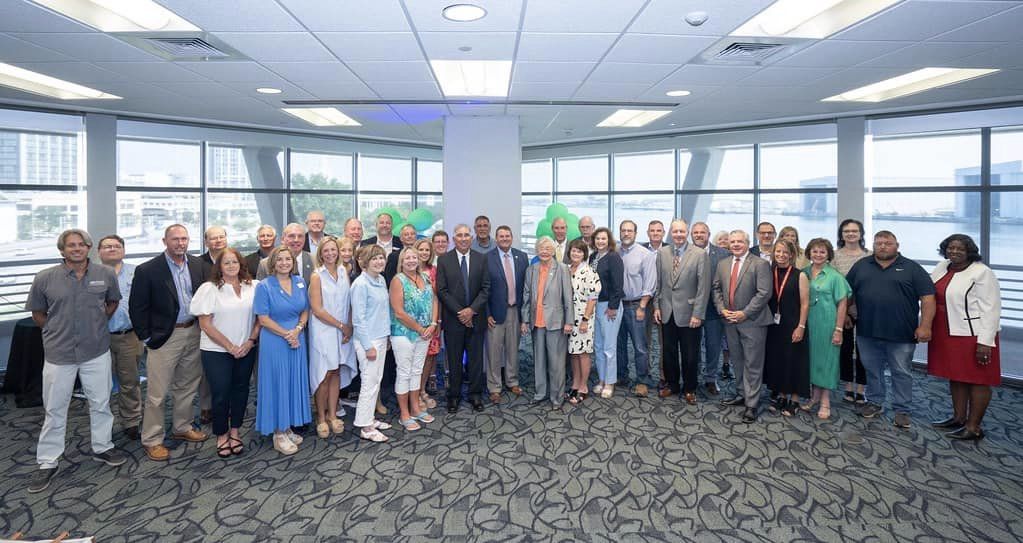
Governor Kay Ivey and Alabama Department of Conservation and Natural Resources Commissioner Chris Blankenship announced approximately $30 million for 25 projects in Coastal Alabama. The projects will be funded by the Gulf of Mexico Energy Security Act of 2006 (GoMESA). According to the Department of Interior website, “The Office of Natural Resources Revenue disburses GOMESA revenue to state and local governments for each of the four GOMESA states. The numbers below show the disbursements to the states and their local governments. Disbursements are made the year following the year of receipt and are subject to sequestration.” Alabama Recipient Fiscal Year 2024 Disbursement 2009-2023 Disbursements State of Alabama $39,864,143 $190,647,881.07 Baldwin County $4,671,961 $21,960,919.79 Mobile County $5,294,074 $25,701,097.66 Alabama Total $49,830,178 $238,309,898.52 These projects focus on environmental education and outreach, sewer and stormwater infrastructure, water quality improvements, recreational access improvements, and other important projects that are included in the original intent and authorized use of GoMESA funds. “I am thrilled to be joined today by many of our local leaders to announce 25 GoMESA-funded projects,” said Governor Ivey at the press event. “Working closely with Commissioner Blankenship and his team at the Alabama Department of Conservation and Natural Resources, we have secured more than $30 million dollars to fund the projects that improve and beautify this region we all love. With this announcement, more than $210 million dollars in GoMESA projects have been awarded during the Ivey Administration.” “One of the main themes for this year’s projects is Environmental and Nature Education and Outreach. Teaching future generations about the importance of protecting Alabama the Beautiful and all her natural habitats, wildlife and fish is critical. Several of these projects will make improvements at museums, education facilities, aquariums and along the waterfront – all to educate Alabamians and our visitors from far and wide,” added Governor Ivey. According to the Governor’s office, “GoMESA provides funding for the four Gulf Producing States and their eligible coastal political subdivisions (CPS) to share 37.5 percent of the qualified revenues from Outer Continental Shelf (OCS) oil and gas leases issued since December 20, 2006. With approval from the Governor’s Office, the Alabama Department of Conservation and Natural Resources administers the funds. Mobile and Baldwin Counties receive separate GoMESA disbursements directly from the Federal government.” “The GoMESA projects announced today will go a long way to continuing to improve the environment and quality of life in Coastal Alabama. I appreciate the work of the staff at the Department of Conservation and Natural Resources and our project partners as they work to leverage GoMESA funded projects with the good work happening with Deepwater Horizon Oil Spill projects and other funding sources,” said Alabama Department of Conservation and Natural Resources Commissioner Chris Blankenship. “The nature-based education, water quality improvements, and public access expansion projects announced today will have a long term positive impact.” 2024 State of Alabama Funded GoMESA Projects City of Creola Park, Conservation and Education Project $1,000,000 Exploreum Traveling Exhibit Gallery Refurbishment $829,012 Dauphin Island Programmatic Dredge Permit $300,000 Loxley Municipal Park Wetlands Acquisition Project $650,000 Fairhope Flying Creek Nature Preserve Phase II $1,328,400 Summerdale Miracle League Ballfields $1,538,000 Dauphin Island Middle Beach Access Improvements $1,500,000 Orange Beach Schools Sea, Sand, and Stars Education Project $979,864 Meaher State Park Headquarters Camp Store Project $1,100,000 Mobile County Cedar Point Boat Ramp Phase II $2,753,440 Dauphin Island Sea Lab’s Manatee Sighting Network $182,461 Town of Perdido Beach Comprehensive Drainage Improvements $307,670 National Maritime Museum Improvements (Mobile) $2,250,000 Saraland Water and Sewer System Upgrades $1,523,700 Blakeley Park Waterfront Access Improvement Project $1,970,500 Mobile Riverfront Park Enhancements – Phase II $3,023,667 Dauphin Island Sewer Collection System Improvements 2024 $2,965,981 Daphne Sewer Lift Station Permanent Bypass Pumps – Priority 1 $499,500 Daphne Sewer Lift Station Permanent Bypass Pumps – Priority 2 $445,500 Mobile County/TNC Coden Bayou Land Acquisition Project $753,575 City of Prichard Sweeney Lane Bridge $650,000 Honor Park – A City of Spanish Fort Project $3,000,000 Alabama Aquarium Improvements (DISL) $200,000 USA Lower Alabama Beach Education Facility $250,000 GoMESA Administration $398,641 $30,399,911
Two more cases of CWD have been found in Lauderdale County
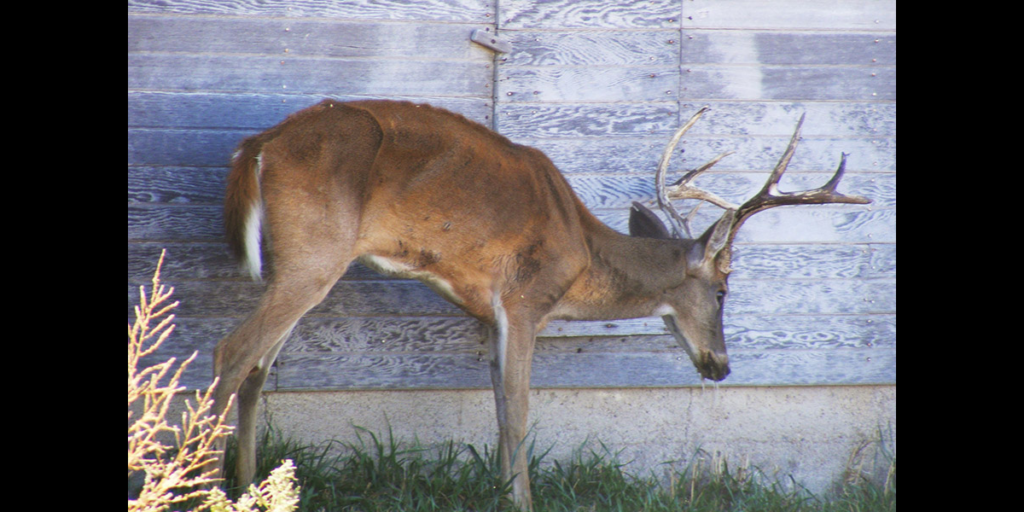
Last week, Alabama Department of Conservation and Natural Resources (ADCNR) reported that two more cases of chronic wasting disease (CWD) have been discovered in Lauderdale County. The ADCNR announced that the two additional cases of chronic wasting disease (CWD) were found in hunter harvested, white-tailed deer in northern Lauderdale County in northwest Alabama. The two additional deer bring Alabama’s total number of confirmed CWD cases to five. CWD in Alabama’s deer herd was first detected in Lauderdale County in January 2022. After the first case was confirmed, all of Lauderdale and Colbert counties were designated as a CWD Management Zone (CMZ). According to the state, during the 2023-2024 hunting season, samples were collected from more than 1,700 white-tailed deer harvested statewide, with 420 collected within the CMZ. One of the positive samples was submitted during the second CMZ mandatory sampling weekend on December 2-3. A hunter voluntarily submitted The other positive sample at a drop-off sampling location as part of ADCNR’s ongoing CWD monitoring efforts. The next mandatory sampling weekend in the buffer zone of the CMZ is set for January 6-7, 2024. Chris Blankenship is the ADCNR Commissioner. In the most recent statement he noted “I would like to thank hunters for their continued support by providing a robust number of samples for CWD testing since the disease was first detected in Alabama.” “Hunters are our most important partners in the management of CWD as we move forward with future deer seasons. We also thank the Alabama Department of Agriculture and Industries for their continued partnership with statewide CWD monitoring. Their assistance by testing the samples allows us to better serve our constituents by providing them with timely information on the distribution and extent of CWD in Alabama.” The state website notes that CWD is a contagious neurological disease of white-tailed deer and other deer species. It belongs to a group of diseases known as transmissible spongiform encephalopathies. The disease is caused by a mutated protein called a prion. It is always fatal for white-tailed deer. The best-known prion disease is mad cow disease – where a major outbreak in Great Britain led to the deaths of thousands of cattle and sheep as well as the deaths of some persons who consumed the infected beef. Unlike Mad Cow Disease, there is no known case of CWD infecting humans who consume infected animals; however, avoid consuming the brain or spinal cord tissue of any deer as a precaution or consuming any meat from a deer that is a confirmed positive CWD infected deer. Among cervids, CWD is a progressive, fatal disease that commonly results in altered behavior due to microscopic changes of the brain of affected animals. An animal may carry the disease for years without outward indication. In later stages of the disease, signs may include listlessness, lowering of the head, weight loss, repetitive walking in set patterns and, a lack of responsiveness. Hunters should become familiar with Alabama’s CWD testing regulations. To review Alabama’s regulations and the latest information about CWD in the state, visit www.outdooralabama.com/cwd-info To connect with the author of this story or to comment, email brandonmreporter@gmail.com
Gulf State Park Pier renovations begin on November 13
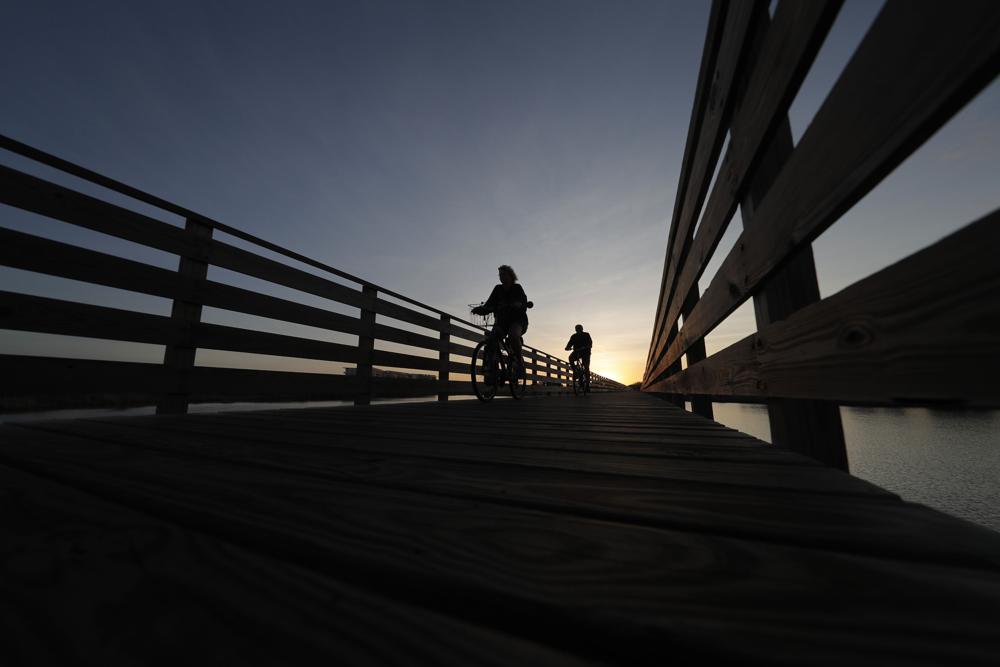
The Alabama Department of Conservation and Natural Resources (ADCNR) announced on Monday that Gulf State Park Pier will close at 5 p.m. on Sunday, November 12, 2023, so that work can begin to repair the damage caused to the pier by Hurricane Sally in 2020. The pier, a popular destination for fisherman and sightseers. will remain closed during the renovation process. Chris Blankenship is the Commissioner of ADCNR. “We are excited to announce this project to restore Gulf State Park Pier,” said Commissioner Blankenship. “The pier provides quality recreational fishing for thousands of anglers each year. Once the work is completed, anglers and other park visitors will have full access to one of the premier fishing and sightseeing destinations on the Gulf Coast.” M.D. Thomas Construction in Orange Beach, Alabama, was awarded the contract to perform the repairs which will include rebuilding a 200-foot section of the pier that collapsed during the storm. The pier is scheduled to reopen to the public in the summer of 2024. On September 16, 2020, Hurricane Sally hit Alabama’s Gulf Coast as a category two storm. Prior to Sally’s formation and landfall, the pier had been scheduled to reopen after the completion of a $2.4 million renovation. The newly renovated pier was devastated by the storm. Greg Lein is the Director of ADCNR’s State Parks Division. “The pier partially reopened to fishing and sightseeing in 2021,” said Director Lein. “Since then, visitors have had access to half of the pier. We look forward to welcoming anglers and sightseers back to the full pier next summer.” Species of fish commonly harvested at the pier include sheepshead, red drum, Spanish mackerel, flounder, Florida pompano, king mackerel, whiting, and more. The pier also is a site where birders can see numerous coastal birds including seagulls and pelicans. ADCNR is encouraging anglers to check out other fishing locations along Alabama’s Gulf Coast, including Gulf State Park’s Alabama Point, Romar Beach and Cotton Bayou (wheelchair accessible), and the Steve McMillan Fishing Pier and Boat Ramp at Fort Morgan during the closure. The state had hoped to do the repairs to the pier in 2022, but when that was bid out, the winning bid was $12 million, so the state elected to not proceed with repairs in May 2022. Alabama is a sportsmen’s dream, with year-round opportunities for saltwater fishing, freshwater fishing, and hunting. Alabama residents and nonresidents alike can purchase a license from the state. License fees are used to protect the state’s natural resources and promote sound conservation practices. To connect with the author of this story or to comment, email brandonmreporter@gmail.com.
Alabama reopening red snapper season September 29
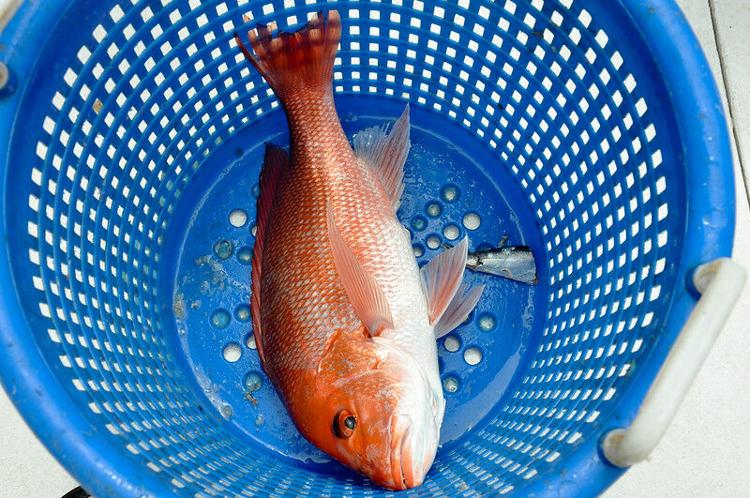
The Marine Resources Division (MRD) of the Alabama Department of Conservation and Natural Resources (ADCNR) announced that the 2023 private angler red snapper fishing season will reopen at 12:01 a.m. on Friday, September 29, for a four-day weekend. These four-day weekends will continue until the remaining federal quota is met. The 2023 red snapper season initially closed on September 4. MRD reviewed the landing data and found that the state still has 15,671 pounds of fish to catch until the state will max out its 2023 federal allocation of 591,185 pounds of red snapper. Scott Bannon is the Director of the MRD. “At the end of each season, we make a thorough review of the landing reports and our surveys and calculations to ensure we have an accurate accounting of how much red snapper has been landed in Alabama,” said Director Bannon. “These quality control measures have identified the remaining available amount of our red snapper quota. We are reopening the season to provide full access to this important fishery and to make sure we are managing it responsibly.” ADCNR Commissioner Chris Blankenship claims that reef fish management at the state level is the most efficient and effective way to ensure the sustainability of the fishery and provide access to quality outdoor recreation for anglers. “Under state management, we are able to respond very quickly to the data and provide maximum access to red snapper for our anglers,” Commissioner Blankenship said. “Under the federal system, a closure date would be estimated, and then it would take several months, at a minimum, to determine how many fish were caught. We are able to make that determination in days. ADCNR will continue working to ensure our citizens and visitors have access to the incredible red snapper fishery off the coast of Alabama.” Red snapper management and the number of fish that live in the Gulf of Mexico has been a point of contention between the state and the National Oceanic and Atmospheric Administration (NOAA) Fisheries Division. Anglers are reminded that the daily bag limit is two red snappers per person per day, with a minimum size limit of 16 inches in total length. To take any fish beyond the two-fish limit or any red snapper smaller than 16 inches is strictly illegal. NOAA reminds fishermen to put fish back in the water correctly to minimize any injuries they might receive during catch and release. To lawfully fish for red snapper – or any other saltwater fish – you must have a valid Alabama Saltwater Fishing License. License requirements, harvest requirements, reporting, and daily bag limits still apply during jubilees. To connect with the author of this story or to comment, email brandonmreporter@gmail.com.
Campgrounds, cabins temporarily close for maintenance at Roland Cooper State Park as it transitions back to ADCNR management

Beginning on Monday, September 11, through October 1, the campgrounds and cabin areas at Roland Cooper State Park will temporarily close for maintenance as park management transitions back from a concessionaire contract back to the State Parks Division of the Alabama Department of Conservation and Natural Resources (ADCNR). Existing overnight reservations will be honored during the maintenance period. In 2015, Roland Cooper was temporarily closed due to cost-cutting measures ordered by then-Governor Robert Bentley (R). The park reopened in 2016 under a concessionaire contract with an Arizona-based management company, Vista Recreation, taking over the management. Greg Lein is the Director of ADCNR’s State Parks Division. “We are grateful for the partnership with Vista Recreation over the last seven years,” said Director Lein. “Going forward, we are excited to have our park personnel once again operating the park and working with the City of Camden, Wilcox County, and local tourism professionals to promote the region and all that Roland Cooper State Park has to offer.” Roland Cooper State Park is 6 miles north of Camden in Wilcox County. Lein said that Roland Cooper State Park is the perfect base camp to enjoy various outdoor recreation in Alabama’s Black Belt, including boating, fishing, hunting, birding, wildlife watching, hiking, camping, and more. Chris Blankenship is the Commissioner of ADCNR. “For decades, Alabama’s Black Belt region was overlooked as a vacation destination,” said Commissioner Blankenship. “An increased interest in outdoor recreation has started to change that. We encourage Alabamians and out-of-state visitors to explore the many recreational opportunities at Roland Cooper and in the surrounding areas.” One of the main attractions at Roland Cooper is its access to boating and fishing on Dannelly Reservoir, also known as Millers Ferry. The lake is known for its abundance of game fish. The park also boasts a recently constructed pier that significantly expanded the available docking space for recreational boaters and anglers. The new T-shaped pier measures 160 feet long by 128 feet wide and is Americans with Disabilities Act (ADA) compliant. Fishing tournaments can be hosted at the park throughout the year. In addition to excellent boating and fishing access, Roland Cooper State Park offers several overnight accommodations, including 47 improved and 13 primitive campsites, six tiny house-style cabins, and five two-bedroom cabins. Hunters and anglers who have trips planned to the various nearby ADCNR Wildlife Management Areas, Special Opportunity Areas, and State Owned Public Fishing lakes are encouraged to make reservations to stay at Roland Cooper during the upcoming hunting and fishing seasons. The park also has hiking trails, a rental pavilion, a bathhouse, and boat rentals. Roland Cooper is also a stop on the Alabama Birding Trail, and bald eagles and ospreys can be spotted at the park throughout the year. The park is convenient to Montgomery, Mobile, and Selma, with all three being within a two-hour drive, The Bentley Administration closed five state parks: Bladon Springs, Chickasaw, Paul Grist, Roland Cooper, and Florala as part of the governor’s cost-cutting plan. The closings, which disproportionately affected the Black Belt Counties, were criticized at the time because the cuts, like the cuts at the time of 31 driver’s license offices by the Alabama Law Enforcement Agency (ALEA), targeted the government infrastructure closest to the people rather than management and redundant administration and staff in Montgomery. Gov. Kay Ivey has made a point of reversing many of her predecessor’s more controversial policies. State Revenues have more than doubled since 2015. Four of the five have reopened as State Parks. Florala is now owned and operated by the City of Florala, who took over the park after the state cut the park. To plan your next adventure at Roland Cooper State Park or to make reservations, visit www.alapark.com. To connect with the author of this story or to comment, email brandonmreporter@gmail.com.
Red snapper season closes on September 4
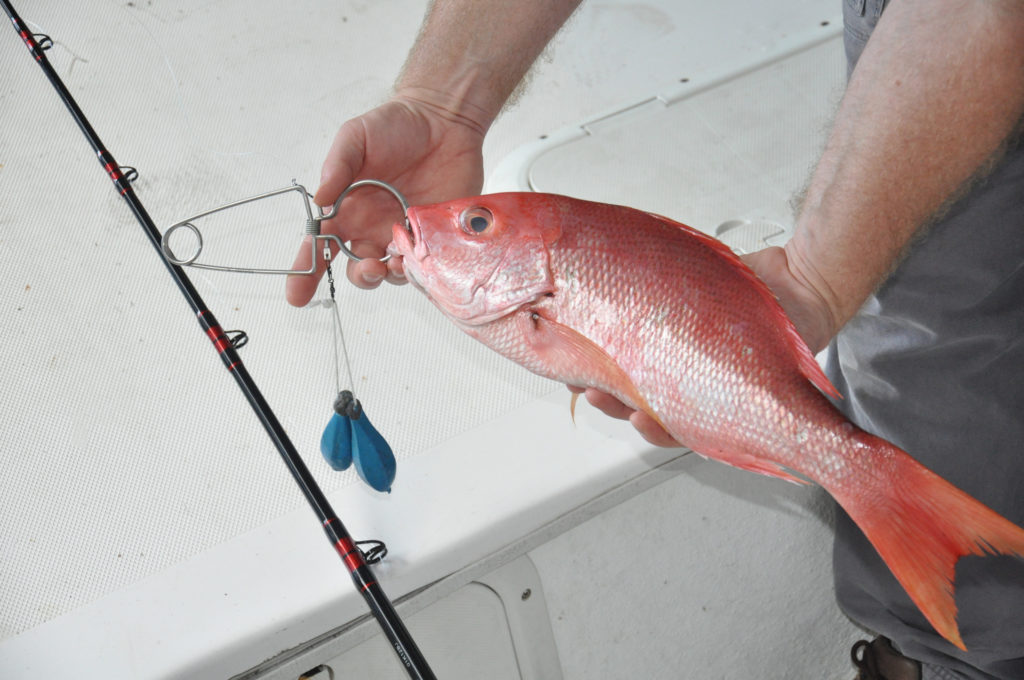
If you plan on fishing for red snapper this year, you have just ten days left. The Marine Resources Division (MRD) of the Alabama Department of Conservation and Natural Resources (ADCNR) announced on Friday that the 2023 private angler red snapper fishing season will close at 11:59 p.m. on Monday, September 4. The federal government is limiting Alabama to 591,185 pounds of Red Snapper in 2023. It is anticipated that that quota will be caught by the time of the announced season-end date. Scott Bannon is the Director of the MRD. “Weather is generally the primary factor in the duration of the red snapper season in Alabama,” said Director Bannon. “Other than multiple days of excessive heat, the weather was very favorable for offshore fishing this year. Having a red snapper season that runs from Memorial Day weekend through Labor Day weekend is much better than the 3, 7, and 9-day seasons we had prior to states having the opportunity to manage their quotas. We thank anglers for continuing to report their red snapper, greater amberjack, and triggerfish catches through Snapper Check. It’s an important tool that helps provide increased access to these fisheries.” MRD anticipates that Alabama will be granted an increase to the Alabama quota for the 2024 season based on a rule to be approved by the U.S. Secretary of Commerce in late 2023. Chris Blankenship is the ADCNR Commissioner. “It has been a good, long red snapper season in Alabama this year,” said Commissioner Blankenship. “Under state management, we were able to have red snapper season open during the prime months for offshore fishing. It was exciting to see anglers steadily reeling in red snapper throughout the summer. ADCNR will continue working to ensure our citizens and visitors have access to the incredible red snapper fishery off the coast of Alabama.” Alabama did not reach the quota in 2022. According to Red Snapper landing information from the 2021-2023 seasons, the state is very close to the federal quota. Red snapper management and the number of fish that live in the Gulf of Mexico has been a point of contention between the state and the National Oceanic and Atmospheric Administration (NOAA) Fisheries Division. Anglers are reminded that the daily bag limit is two red snapper per person per day, with a minimum size limit of 16 inches in total length. To take any fish beyond the two-fish limit or any red snapper smaller than 16 inches is strictly illegal. To lawfully fish for red snapper – or any other saltwater fish – you must have a valid Alabama Saltwater Fishing License. License requirements, harvest requirements, reporting, and daily bag limits still apply during jubilees. To connect with the author of this story or to comment, email brandonmreporter@gmail.com.
Over $1 billion spent on Deepwater Horizon settlement projects in Alabama
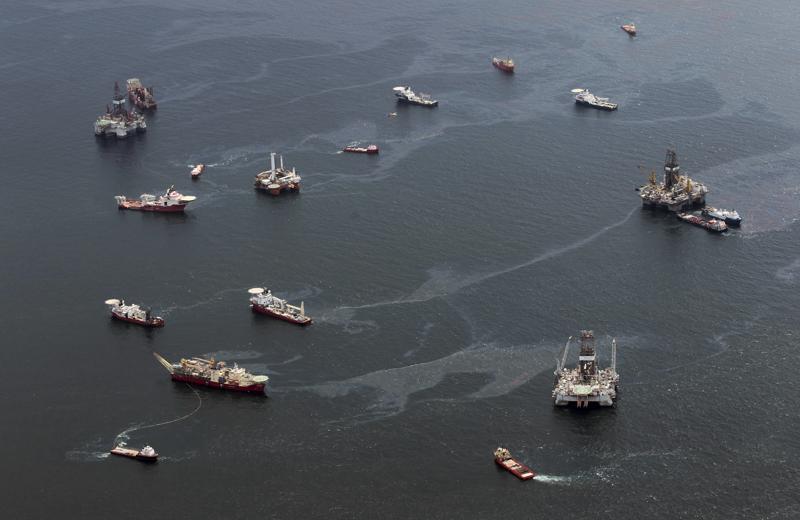
On Friday, David Rainer with the Alabama Department of Conservation and Natural Resources reported that the Deepwater Horizon settlement has paid for over $1 billion of projects in the state. Alabama Department of Conservation and Natural Resources (ADCNR) Commissioner Chris Blankenship spoke at last weekend’s Conservation Advisory Board meeting in Huntsville to update the Board on the numerous projects in the state under ADCNR oversight. “The big takeaway is we have $1 billion, $29 million in projects underway in Mobile and Baldwin counties that we are managing through our Deepwater Horizon Section,” Commissioner Blankenship said. “That is 176 individual projects. That’s a lot of money and a lot of work going on. We have six people in that section, and they’re doing a very good job of managing projects that will make generational changes on the Gulf Coast.” Blankenship said that ADCNR’s Deepwater Horizon Restoration Coordinator, Amy Hunter, and her staff oversee the projects funded by the settlement. “We never want to go through another Deepwater Horizon event, where 11 lives were lost,” Blankenship said. “It was a terrible, terrible event for our coast. However, we’re trying to do good work with the money that came from that settlement.” Among those projects are ones to replenish and protect Alabama’s living coastal and marine resources. “That includes restoration of oysters and oyster reefs,” Blankenship said. “We’re building about $30 million in artificial reefs. We’re increasing funding for research for stranding response for marine mammals and sea turtles, conservation of bird nesting and foraging habitat, as well as construction of a wildlife rehabilitation center and sea turtle triage facility in Orange Beach.” Another funding goal is to support and enhance community resilience during environmental or economic crises. The $65 million in projects includes constructing the Auburn University Gulf Coast Engineering and Research Center in Orange Beach to improve engineering in the coastal environment. The projects include a new Alabama Department of Environmental Management (ADEM) office that is under construction on the coast. The Alabama Seafood Commission is funded, as well as Fairhope’s Working Waterfront and Green Space initiative. “Resilience is important for all of our state but particularly our coastal areas,” Blankenship said. “We’re working to make us more resilient during storms or drought or economic downturns, things that make our communities stronger when we have negative impacts in our state. As an aside, Governor [Kay] Ivey, by executive order, created a resilience council just a few weeks ago, and the Commissioner of the Department of Conservation is one of the members.” Funding will also be used to provide and enhance economic development and infrastructure. Eleven projects, totaling $197.5 million, include the construction of the Africatown Welcome Center, which will house a portion of the Clotilda. The Clotilda, discovered in the Mobile-Tensaw Delta, was the last slave ship to transport slaves from Africa to the United States. Another project that received funding was the construction of a roll-on, roll-off facility that will facilitate the export of cars and trucks that are built in Alabama. Road improvements in Baldwin County are also included in this funding. There is evidence that the Deepwater Horizon oil spill has had a long-term impact on the stability of the marshy shores of the Gulf of Mexico. A recent scientific paper presented findings that the oil has impacted marsh grass has led to the soil continuing to crumble away at a faster rate than before the spill, causing the shoreline to retreat more rapidly than it would otherwise. About $401 million is being used to restore, conserve and enhance habitat in coastal Alabama. “This is primarily land acquisition,” Commissioner Blankenship said. “So far, we have acquired more than 13,000 acres of land in coastal Alabama to protect and provide recreational access. That includes the west end of Dauphin Island, Grand Bay Savanna, Pilot Town on Fort Morgan, Gulf Highlands property on Fort Morgan, which is one of the last undeveloped areas of the beach that was not part of Fort Morgan or the Bon Secour National Wildlife Refuge. It also includes multiple parcels in Weeks Bay, parcels at Dauphin Island, Oyster Bay, and we have purchased three parcels in the Three Rivers area that we have transferred to the Bon Secour National Wildlife Refuge.” Land acquisition includes tracts along the Perdido River watershed to provide a wildlife corridor from the Perdido River Wildlife Management Area to the Lillian Swamp Forever Wild property. “We have been working for the past six years to connect those wildlife management areas,” Commissioner Blankenship said. “It will be a distinct wildlife corridor with about 50 miles of river frontage. The Deepwater Horizon exploded on April 2010, leading to the release of 200 million gallons of oil being released into the Gulf of Mexico. “When that work is done, we will have well over 30,000 acres along the Perdido River for public access, hunting, hiking, canoe trails, and river frontage from near the headwaters all the way to Perdido Bay in public ownership,” Blankenship said. “We have used more than eight different funding sources to acquire this property. This shows how working together with our divisions and the Deepwater Horizon Section has been really successful at putting all this together for the people of Alabama for perpetuity.” Another $159 million is committed to improving water quality in coastal Alabama through sewer and septic tank mitigation. “We are working with the utilities to avoid sanitary sewer overflows to improve water quality,” Commissioner Blankenship said. “Using Deepwater Horizon and GOMESA (Gulf of Mexico Energy Security Act) funding, we have done several septic to sewer conversions in the coastal areas, like Fowl River, Grand Bay, and Bayou La Batre, that are really close to the water.” The effort to provide and enhance recreation and public access will receive $147 million in funding. “During the oil spill, it wasn’t just the environment that was impacted. It was also the people,” Commissioner Blankenship said. “We lost recreational access to the beaches, fishing, and a lot of other activities. As part of the Natural Resource Damage Assessment (NRDA),
Hugh S. Branyon Backcountry Trail voted best in the nation
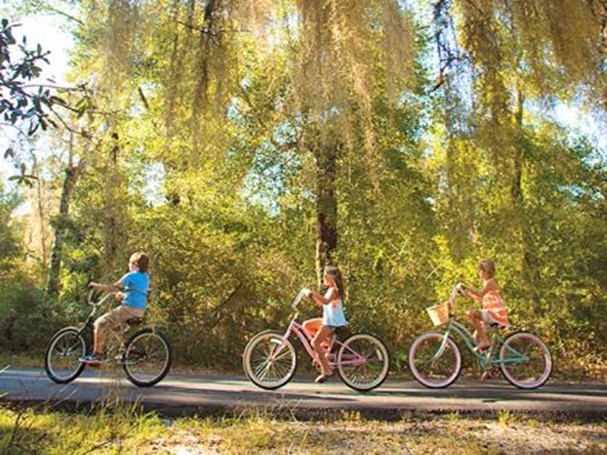
USA Today announced that readers have voted the Hugh S. Branyon Backcountry Trail as the best recreational trail in the country. The Hugh S. Branyon Backcountry Trail is at Gulf State Park in Baldwin County. Alabama Governor Kay Ivey said on Twitter Tuesday. “Congratulations to the Hugh S. Branyon Backcountry Trail for being voted the best recreational trail in the nation! From our rolling hills to our sandy shores, Alabama’s natural beauty holds a multitude of recreational opportunities for Alabamians and our visitors near and far.” Innovate Alabama tweeted, “We are excited to see Alabama’s very own Hugh S. Branyon Backcountry Trail voted as the #1 recreational trail in the country by @USATODAY’s 10Best. We want the world to know about the natural beauty and recreational opportunities they can find in Alabama.” The trail was voted as the top recreational trail in the country in the 2023 USA TODAY 10 Best Readers’ Choice Awards. The south Alabama trail took first place over nine other trails located throughout the U.S., including Missouri’s 240-mile Katy Bike Trail – one of the longest Rails-to-Trails projects in the country – and the Great Allegheny Passage that connects Cumberland, Maryland, to downtown Pittsburgh, Pennsylvania. The awards were announced on Friday. Greg Lein, Director of the Alabama State Parks, stated, “We are excited for the Hugh S. Branyon Backcountry Trail to receive this award,” said Director Lein. “We’ve worked together with our partners in Orange Beach and Gulf Shores to offer access to some of the most unique habitats and recreational opportunities along the Gulf Coast. Thank you to everyone who voted for the Backcountry Trail as the best recreational trail in the country.” The Hugh S. Branyon Backcountry Trail was established in 2003 as a multi-use recreational trail connecting Gulf Shores, Orange Beach, and Gulf State Park. The trail is a system of paved and unpaved paths and boardwalks providing trail users with access to several distinct ecosystems and outdoor recreational opportunities. The trail was named in honor of Hugh Branyon, who served as superintendent of Gulf State Park for more than 30 years. The Backcountry Trail system features 29 miles of trails that are located within the park. Chris Blankenship, Commissioner of the Alabama Department of Conservation and Natural Resources (ADCNR), stated, “This recognition from USA Today puts a spotlight on just how important recreational trails are to our communities. Trails like the Hugh S. Branyon Backcountry Trail help connect cities and residents with the natural environment and provide recreational opportunities that are important to our well-being and economy.” Bobcats, alligators, sea turtles, ospreys, and dozens of species of birds are just some of the wildlife trail users might see along the trail. An estimated 44 million people use hiking trails each year in the U.S. each year. For more information about the Hugh S. Branyon Backcountry Trail at Gulf State Park, visit The Alabama State Parks website. To connect with the author of this story or to comment, email brandonmreporter@gmail.com.
A third deer with Chronic Wasting Disease confirmed in Lauderdale County
The Alabama Department of Conservation and Natural Resources (ADCNR) announced on Thursday that a third case of Chronic Wasting Disease (CWD) in a hunter-harvested, white-tailed deer has been confirmed in Lauderdale County in northwest Alabama. All of Lauderdale and Colbert counties have been designated as a CWD Management Zone (CMZ). Samples were collected from more than 3,500 white-tailed deer harvested statewide, with over 1,100 of those samples collected within the CMZ during the 2022-2023 hunting season. More than 98% of all samples collected within the CMZ have been tested by the Alabama Department of Agriculture and Industries, and the results have been received by ADCNR. At this point, this latest Lauderdale deer has been the only one positive detected this season. A hunter voluntarily submitted that sample as part of ADCNR’s ongoing CWD monitoring efforts. Chris Blankenship is the Commissioner of ADCNR. “I would like to thank hunters for their overwhelming support by providing a robust number of samples submitted for CWD testing this season,” said Blankenship. “As they have been in the past few years, hunters will continue to be our most important partners in the management of this disease as we move forward with future deer seasons. We also thank the Alabama Department of Agriculture and Industries for their continued partnership with statewide CWD monitoring. Their assistance testing the samples allows us to better serve our constituents by providing them with timely information on the distribution and extent of CWD in Alabama.” CWD is a member of the group of diseases called transmissible spongiform encephalopathies (TSEs). Among cervids, CWD is a progressive, fatal disease that commonly results in altered behavior due to microscopic changes made to the brain of affected animals. An animal may carry the disease for years without outward indication. In latter stages of the disease, signs may include listlessness, lowering of the head, weight loss, repetitive walking in set patterns, and a lack of responsiveness. The disease is caused by a mutated protein called a prion. It is always fatal for white-tailed deer. The best-known prion disease is mad cow disease. Prions accumulate in the brain from being ingested in the environment. It is not a living disease organism, so the disease can’t be killed and will remain in the soil for decades. Unlike Mad Cow Disease, there is no known case of CWD infecting humans who consume infected animals; however, avoid consuming the brain or spinal cord tissue of any deer as a precaution. Under Alabama’s Chronic Wasting Disease (CWD) Management Zone Regulation (220-2-.167), all deer harvested in the High-Risk Zone and the Buffer Zone of the state’s CWD Management Zone (CMZ) were required to be submitted for CWD testing during specific weekends of the 2022-2023 white-tailed deer season. The first case of CWD in Alabama’s deer herd was detected in Lauderdale County in January 2022. To connect with the author of this story or to comment, email brandonmreporter@gmail.com.
Red Snapper season to end on December 31
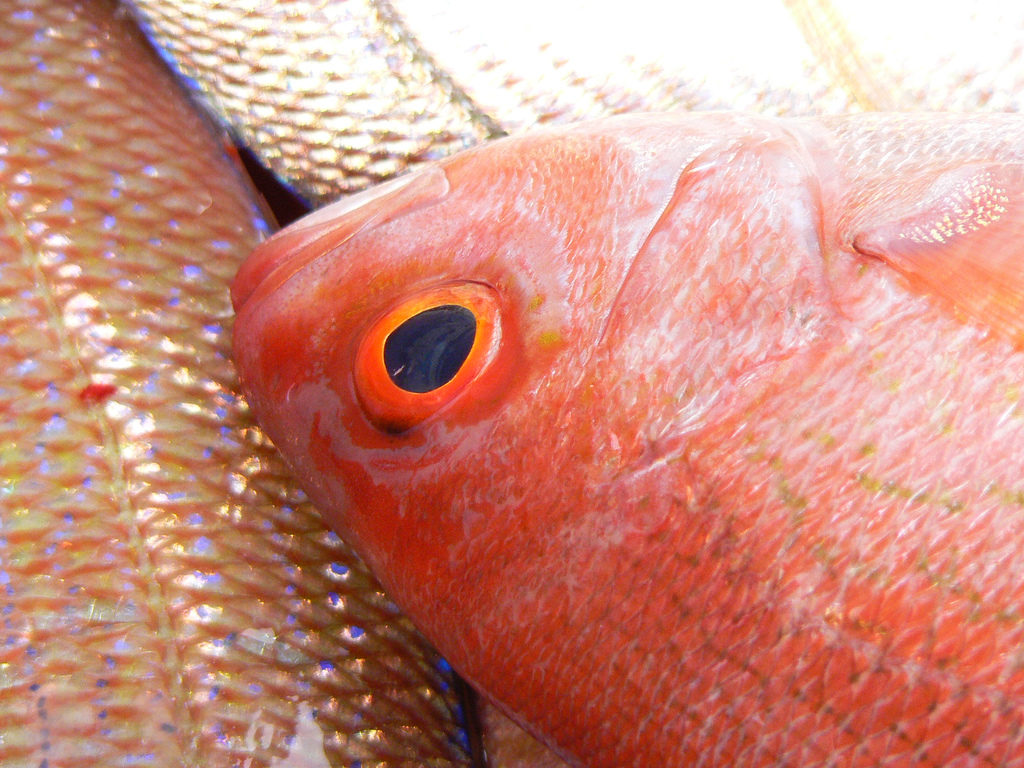
On Wednesday, the Alabama Department of Conservation and Natural Resources (ADCNR) Marine Resources Division (MRD) announced that Alabama’s Red Snapper private angler season will close at midnight on December 31. MRD reports that Alabama anglers caught far fewer fish than the federal government allocates to Alabama fishermen. Alabama’s 2022 federal allocation of red snapper was 1.12 million pounds. Anglers have to this point, actually harvested less than 500,000 pounds during the 128-day season. “Every year, a variety of factors impact the effort in this fishery,” said Scott Bannon, MRD Director. “Those factors influence the number of days Alabama is open to fishing for red snapper. Good weather throughout the summer and fall provided anglers with more opportunities to participate this year. We also want to thank anglers for reporting their red snapper harvests through Snapper Check. It is an important tool in providing increased access to this fishery.” The size of the state’s red snapper allocation and the length of the season has been a point of contention between the state and federal regulators with the National Oceanic and Atmospheric Administration (NOAA) for years. MRD says that it will announce the 2023 season dates in the coming months once NOAA Fisheries finalize the 2023 quota. “It has been a good, long red snapper season in Alabama this year,” said Chris Blankenship, ADCNR Commissioner. “Under Alabama state management, we were able to provide maximum access in 2022. This is the sixth successful red snapper season under state management. It was good to see anglers reeling in red snapper throughout the summer and fall. ADCNR will continue fighting to ensure our citizens and visitors have access to the incredible red snapper fishery off the coast of Alabama.” NOAA has announced that private angler red snapper catch limits for red snapper will increase in 2023 as the numbers of red snapper have increased in the federal government’s most recent assessments. MRD has also announced that the state will close all Alabama waters to oyster harvesting on Friday at 2:00 p.m. To connect with the author of this story, or to comment, email brandonmreporter@gmail.com.
State receives $143,000 from the National Wild Turkey Federation for wildlife management
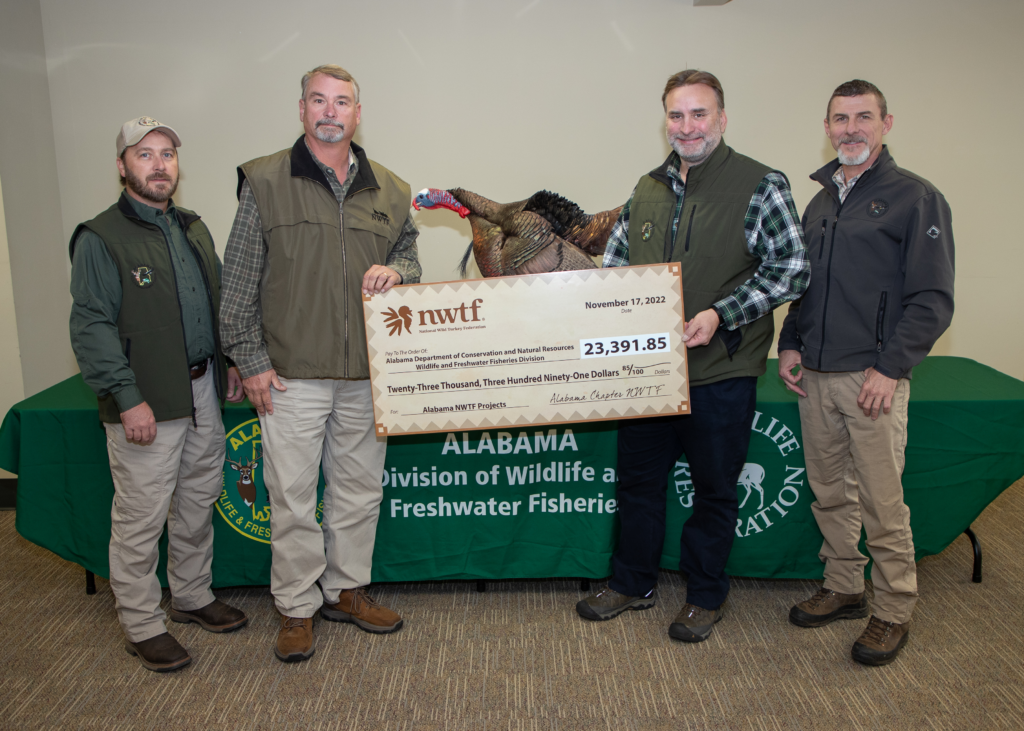
The Alabama Chapter of the National Wild Turkey Federation (NWTF) recently allocated more than $143,000 in Hunting Heritage Super Funds and Tag Funds for wild turkey projects in Alabama. “We are proud to partner with the Alabama Department of Conservation and Natural Resources (ADCNR) on the conservation of wild turkey in Alabama,” said Craig Harris, Alabama NWTF Chapter President. “Working together, we can ensure this important natural resource is available to future generations of Alabamians.” “We thank NWTF and the Alabama Chapter Board of Directors for helping to support the conservation of wild turkey in Alabama,” said Chris Blankenship, ADCNR Commissioner. “With their assistance, we will continue working to ensure the future of this resource for generations to come.” $35,392 was donated to the Wildlife and Freshwater Fisheries Division (WFF) of the Alabama Department of Conservation and Natural Resources (ADCNR) to fund projects, including wildlife habitat management and the publication of the annual wild turkey report, ‘Full Fans & Sharp Spurs.’ $107,655 was approved for other turkey projects statewide. That funding allows the state to draw down $786,712 in matching funds provided by other conservation partners available to positively impact approximately 126,000 acres statewide through the enhancement of turkey habitat. The funding also supports efforts to increase access to hunting opportunities and investigate why we are experiencing wild turkey declines in parts of the state. Most of the funding donated to WFF will be used on Wildlife Management Areas (WMA) and Special Opportunity Areas (SOA) throughout the state to support habitat management and other wild turkey programs. Some of the donation will also be used to purchase much-needed wildlife habitat management equipment. “More than $23,000 of this generous donation offers us access to federal matching dollars, which makes the donation go even further,” said Chuck Sykes, WFF Director. “Since federal matching dollars play such a major role in how our division is funded, contributions like this are extremely important.” The WFF is primarily funded by money generated through the sale of hunting and fishing licenses. That money is then matched on a nearly three-to-one ratio by the U.S. Fish and Wildlife Service through funds allocated to Alabama from the Pittman-Robertson Act. WFF does not receive any appropriation from the state’s General Fund. In addition to the monetary donation, the Alabama NWTF chapter provides financial support for prescribed burn projects that help manage quality habitat in public hunting areas, costs associated with public hunting land acquisitions, the Adult Mentored Hunting Program, the Archery in the Schools State Championship, and the Becoming an Outdoors-Woman program. Five species of wild turkeys are native to North America, and wild turkeys live in all 67 Alabama counties. The eastern wild turkey is found throughout forested habitats in Alabama, from the Appalachian Mountains in the north to the Mobile-Tensaw Delta swamps in the south. The NWTF estimates that there are 300,000 wild turkeys living in the state of Alabama, which puts the state somewhere in the top seven states nationally for wild turkey population. Alabama Department of Conservation and Natural Resources promotes wise stewardship, management, and enjoyment of Alabama’s natural resources through four divisions: Marine Resources, State Lands, State Parks, and Wildlife and Freshwater Fisheries. To connect with the author of this story, or to comment, email brandonmreporter@gmail.com.
Innovate Alabama forms Council on Outdoor Recreation
Alabama residents and visitors have long recognized and enjoyed the state’s natural resources, and a new group of leaders wants to leverage those same assets to help benefit and grow the state. Innovate Alabama has established the Council on Outdoor Recreation to advise the board of directors on strategies to achieve three primary goals: expand Alabama’s outdoor recreation industry, enhance the state’s attractiveness for a skilled workforce, and yield substantial returns for rural and urban communities for the enjoyment of current and future Alabamians. The council is supported by the Outdoor Recreation Advisory Roundtable, comprised of 19 stakeholders that represent diverse and comprehensive perspectives from various regions of the state and outdoor recreation fields. The roundtable, which met for the first time November 30, will provide recommendations for capitalizing on Alabama’s recreational assets as innovative economic development tools. “Made up of some of our state’s strongest outdoor recreation experts, the Outdoor Recreation Advisory Roundtable brings together centuries of combined knowledge in the outdoors to provide strategic recommendations on the application of outdoor recreation to enhance Alabamians’ quality of life and support economic development in rural and urban communities,” said Chris Blankenship, Alabama’s commissioner of Conservation and Natural Resources and the chair of the Council on Outdoor Recreation. “We are thrilled to welcome these advisory members who will ensure that all regions of the state and outdoor recreation sectors have a seat at the table as we develop these recommendations.” In 2021, Innovate Alabama joined forces with former U.S. Secretary of State and Alabama native Condoleezza Rice and Stanford University’s Hoover Institution to conduct extensive research into fostering a robust, inclusive economy in Alabama. The research, which culminated in a final report, highlighted the opportunity to leverage Alabama’s natural resources to help attract innovators and encourage them to grow roots in the state. Out of that research, the Council on Outdoor Recreation was formed. “A thriving business ecosystem is holistic,” said Kellie Clark, CEO of AppThink and a roundtable member. “It considers the interest, hobbies, and well-being of entrepreneurs and their families. People build businesses in Alabama, in part, because of our outdoor recreation assets and landscape diversity. Our natural resources – a true advantage that helps us continue to recruit and retain top talent – differentiates us from other innovation-forward states.” “As an outdoor enthusiast and innovation advocate, I am proud to serve alongside fellow subject matter experts who are all focused on creating inclusive, thoughtful solutions through the lens of outdoor recreation that will enrich our innovation ecosystem,” Clark said. Innovate Alabama is working to leverage the state’s broad array of outdoor assets, such as local and state parks, diverse landscapes, and other natural resources, in an effort to showcase and cultivate Alabama’s unique offerings. Advocates say greater investment in these assets, which make Alabama special, will lure and encourage entrepreneurs, both local and from other states, to put down roots in the state. “We are seeing great success by aligning innovation with our outdoor recreation efforts,” said John Kvach, executive director of Singing River Trail and a roundtable member. “Thanks to Alabama’s unique outdoor landscape and outdoor recreation assets, we have the potential to strengthen regional bonds between rural and urban communities to create a thriving statewide innovation ecosystem.” Members of the Council on Outdoor Recreation and the Outdoor Recreation Advisory Roundtable include: Council on Outdoor Recreation Outdoor Recreation Advisory Roundtable Republished with the permission of The Alabama NewsCenter.
