
Barry Moore warns Congress of Chronic Wasting Disease threat, cosponsors CWD legislation
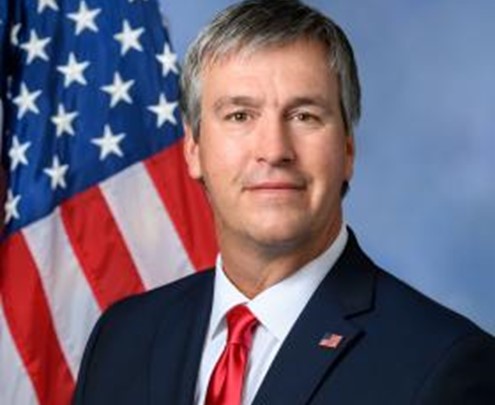
Today, Rep. Barry Moore spoke on the floor of the House of Representatives to warn of the threat Chronic Wasting Disease (CWD) poses to deer populations in Alabama. The Florida Fish and Wildlife Conservation Commission announced it recently found Chronic Wasting Disease (CWD) in a hunter-harvested deer in northwestern Alabama. This is the first case of CWD detected in Alabama’s deer herd and the first time it has been detected in a state that borders Florida. Moore is a co-sponsor of H.R. 5608, the Chronic Wasting Disease Research and Management Act, which passed the House of Representatives last month. According to Congress.gov, the bill “directs USDA to establish a program to research and manage the disease. Under the program, USDA must offer to enter into agreements with state or tribal wildlife agencies and departments of agriculture, institutions of higher education, and research centers to support research on the transmission of, resistance to, and diagnosis of the disease. In addition, USDA must offer to enter into agreements with such agencies and departments to support state and tribal efforts to develop and implement management strategies that address the disease.” Moore stated on the House floor, “Madam Speaker, I rise today to discuss an important issue in Alabama and across the nation. Chronic Wasting Disease is a neurological disease that affects deer, moose, and elk and is 100 percent fatal. Unfortunately, there is no known cure. CWD could absolutely devastate deer hunting in Alabama and the revenue it brings in each year.” “I am proud to co-sponsor H.R. 5608, the Chronic Wasting Disease Research and Management Act, which passed the House of Representatives last month. This bill will help research and prevent Chronic Wasting Disease from spreading further, protecting Alabama’s deer herds, outdoor economy, and traditions. “Last week, the first case of Chronic Wasting Disease was reported in Alabama. While it is currently only one case, it is important that we do what we can to prevent this terrible disease from spreading even further. I’m hopeful the Senate will answer the call and take up this legislation so important to Alabama and our nation. “I’ll do whatever I can in Washington to help prevent Chronic Wasting Disease from taking hold in Alabama. And with that, I yield back,” Moore concluded. Chris Blankenship, Commissioner of the Alabama Department of Conservation and Natural Resources (ADCNR), stated, “CWD was first detected in Tennessee and Mississippi in 2018 and has been moving slowly toward Alabama. The Department has implemented multiple proactive regulations to combat the spread into Alabama. Compliance from the public on those measures helped delay the spread into the state for several years.”
State officials warn of deer found with Chronic Wasting Disease in NW Alabama
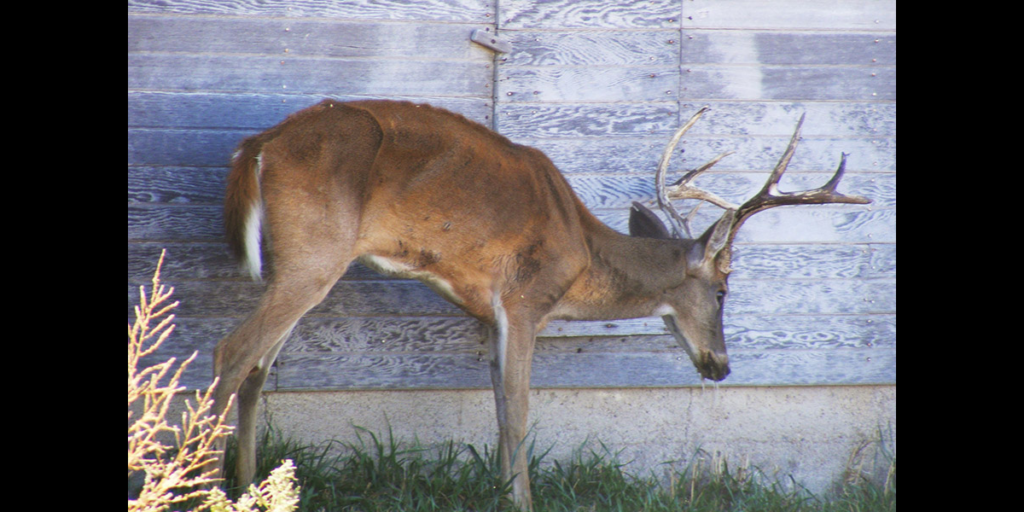
The Florida Fish and Wildlife Conservation Commission announced it recently found Chronic Wasting Disease (CWD) in a hunter harvested deer in northwestern Alabama. This is the first case of CWD detected in Alabama’s deer herd and the first time it has been detected in a state that borders Florida. According to the report, CWD is a brain and central nervous disease that is always fatal to deer; it has not been detected in Florida. The disease causes altered behavior due to microscopic changes made to the brain of affected animals. An animal may carry the disease for years without outward indication. The FWC is asking for people who plan to hunt deer, elk, moose, caribou, or other members of the deer family outside of Florida to be vigilant in helping reduce the risk of CWD spreading into Florida. Chris Blankenship, Commissioner of the Alabama Department of Conservation and Natural Resources (ADCNR), stated, “CWD was first detected in Tennessee and Mississippi in 2018 and has been moving slowly toward Alabama. The Department has implemented multiple proactive regulations to combat the spread into Alabama. Compliance from the public on those measures helped delay the spread into the state for several years.” Additionally, Blankenship encouraged hunters to be aware of the zones they are hunting in so that the disease isn’t spread further. Transporting deer carcasses out of the management zone can potentially spread CWD to currently unaffected areas. There are new rules that took effect July 2021 that prohibit importing or possessing whole carcasses or high-risk parts of all species of the deer family originating from any place outside of Florida. Under the new rules people may only import into Florida: De-boned meat Finished taxidermy mounts Clean hides and antlers Skulls, skull caps, and teeth if all soft tissue has been removed The only exception to this rule is deer harvested from a property in Georgia or Alabama that is bisected by the Florida state line AND under the same ownership may be imported into Florida. Chuck Sykes, Director of ADCNR’s Wildlife and Freshwater Fisheries Division, stated, “The new regulation is intended to increase the opportunities for hunters to supply samples for CWD testing. We need hunters to continue to hunt and submit deer heads for testing. These additional samples will help us better determine the extent of the disease in this area.”
Alabama lawmakers help secure red snapper season expansion
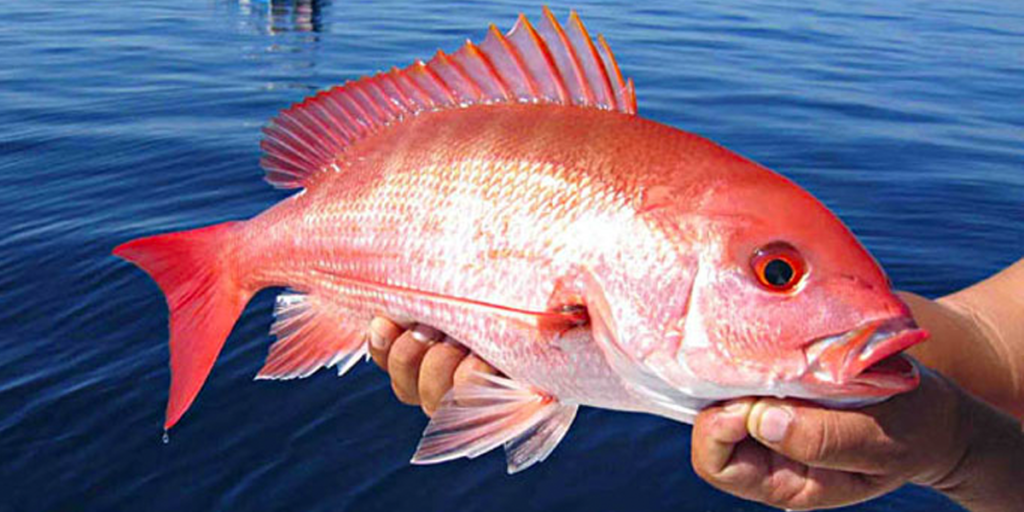
Alabama anglers have something to celebrate this week — after months of debate on both the Gulf Coast and Capitol Hill, the United States Department of Commerce on Wednesday announced an extension of the federal red snapper season. Red snapper fishing will now be open in federal waters for recreational fishermen every weekend between now and Labor Day, resulting in a 39-day season. This will include Fridays, Saturdays, and Sundays, as well as July 3rd and 4th and Labor Day. Last month, NOAA Fisheries approved a recreational season of three days — June 1-3, which fishing enthusiasts decried as being far too short. Alabama lawmakers quickly took action reaching out to federal officials to lengthen the season, which was the shortest ever in the Gulf of Mexico. Among those taking action was ardent red snapper advocate Alabama 1st District U.S. Rep. Bradley Byrne. Byrne led his Gulf Coast House colleagues in sending a letter to Secretary Ross requesting an emergency extension of the recreational season. “This is a huge victory for recreational fishermen and our Gulf Coast communities,” said Byrne. “As soon as the three day season was announced, my staff and I went to work with other Gulf Coast congressmen to fight for an emergency extension. Today’s announcement will provide some much needed relief to our fishermen and help benefit our economy in Coastal Alabama.” He continued, “I want to thank President Trump, Secretary Wilbur Ross and the staff at the Department of Commerce for their attention to this issue. I also cannot say enough about Chris Blankenship at the Alabama Department of Conservation and Natural Resources because he played a critical role in helping get all the Gulf states on board with this extension.” Meanwhile, in the U.S. Senate, Sen. Luther Strange also sent a letter to President Donald Trump on behalf of Alabama’s recreational anglers, asking for an extension. “Today’s extension is reassuring news for these Gulf Coast anglers and those of us fighting to let their voices be heard,” said Strange. “It was important to take action when the three-day season was announced, and I remain committed to making sure that the Gulf’s abundance is accessible to recreational fishermen and the coastal communities they call home.” In order to facilitate the emergency extension, state Red snapper seasons have now been brought in line with the new federal season for recreational anglers. The “for-hire” or charter boat season will remain 49 days, as it runs through July 19th. “Ultimately, a long-term solution is needed that benefits all Gulf fishermen. I will continue to work with Secretary Ross and my Gulf State colleagues to allow further access to this abundant resource,” added Sen. Richard Shelby. Gov. Kay Ivey also played a large part in helping see an extension through. On June 2, she sent a letter to Trump asking him to review the data collected by the Alabama Department of Conservation and Natural Resources and to consider elongating this year’s red snapper season. She specifically requested that the 2017 Gulf of Mexico red snapper private recreational season in federal waters be open for 39 more days than originally provided by the federal agency. She also spoke to the President about her request while attending a summit at the White House on June 8. “I am proud to report that President Trump and Commerce Secretary Wilbur Ross have granted my request to extend the federal red snapper season,” Ivey said. “The announcement comes after twice last week, once through a letter and once in person while at the White House, I asked President Trump to add to the season.” Wednesday’s announcement follws an agreement reached between Department of Commerce (which has jurisdiction over federal fisheries) and the fishery managers from the five Gulf states: Alabama, Florida, Louisiana, Mississippi and Texas. “This is an historic collaboration with the Department of Commerce and the five Gulf states to reset the framework of federal red snapper management,” said Chris Blankenship, Acting Commissioner of the Alabama Department of Conservation and Natural Resources. “Secretary Ross and his staff have been very open. This accord is only for the 2017 season, but we are diligently working with our Congressional delegation and the Department of Commerce for a long-term fix.” Fishermen are reminded that they are still required to report their red snapper harvest through the Alabama Snapper Check Program. The data collected through the program the past three years were critical in securing the additional red snapper fishing days. Only one report is required per vessel trip, and anglers can provide details via a smartphone app available under “Outdoor Alabama” in the iTunes or Google Play app stores, online at outdooralabama.com, or by paper forms available at select coastal public boat launches.
